

















The United States Senate voted 86 to 12 to advance a sweeping sanctions bill against Russia. The procedural vote was not final passage, but it removed the main obstacle that had kept one of Washington’s toughest proposed economic measures stalled for more than a year.
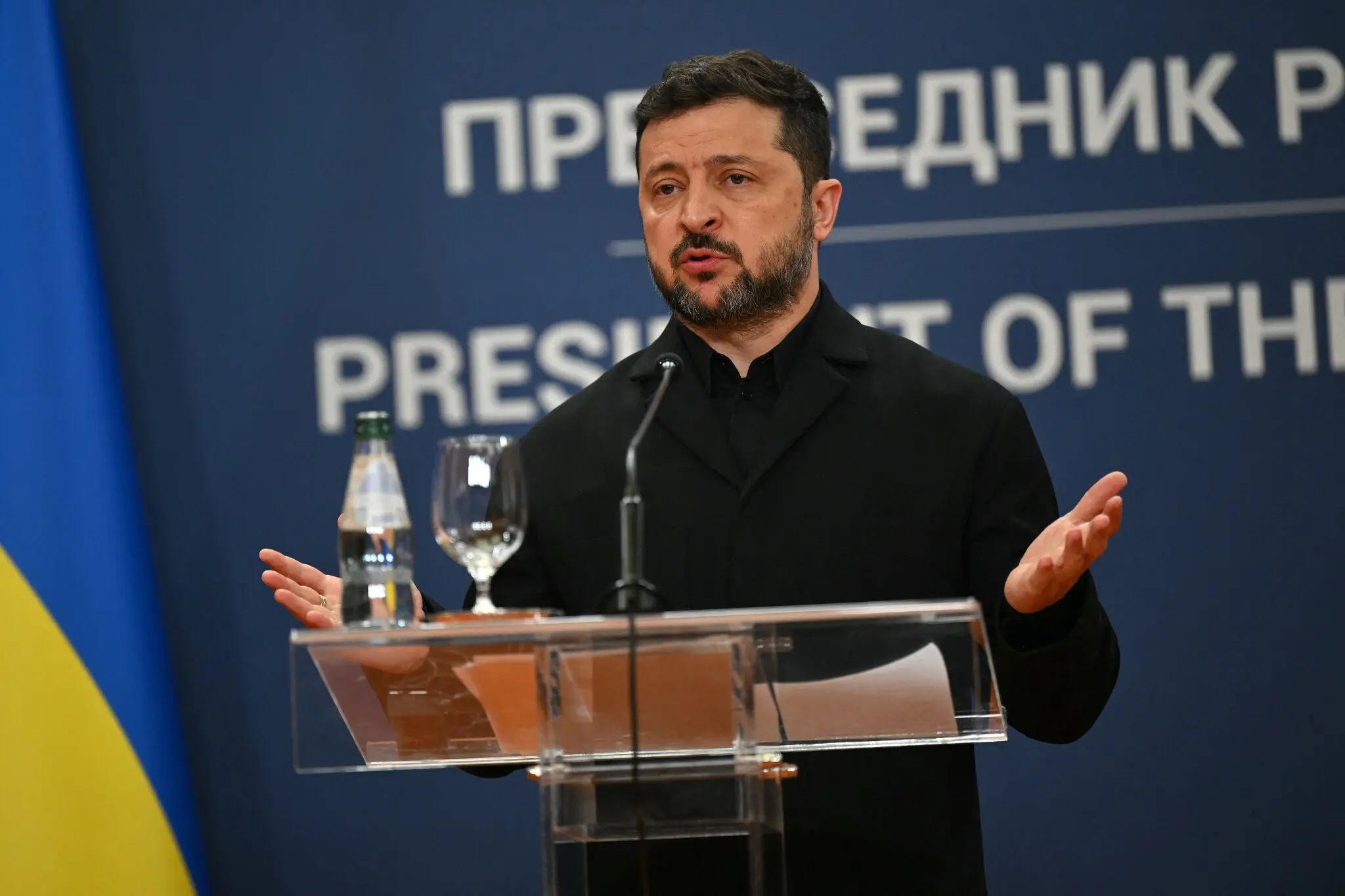
The legislation was named for Lindsey Graham, who made it the central foreign-policy project of the final year of his life. The vote followed memorial ceremonies for the Republican senator and a meeting between lawmakers and Volodymyr Zelensky. Ukraine’s president watched from the Senate gallery.
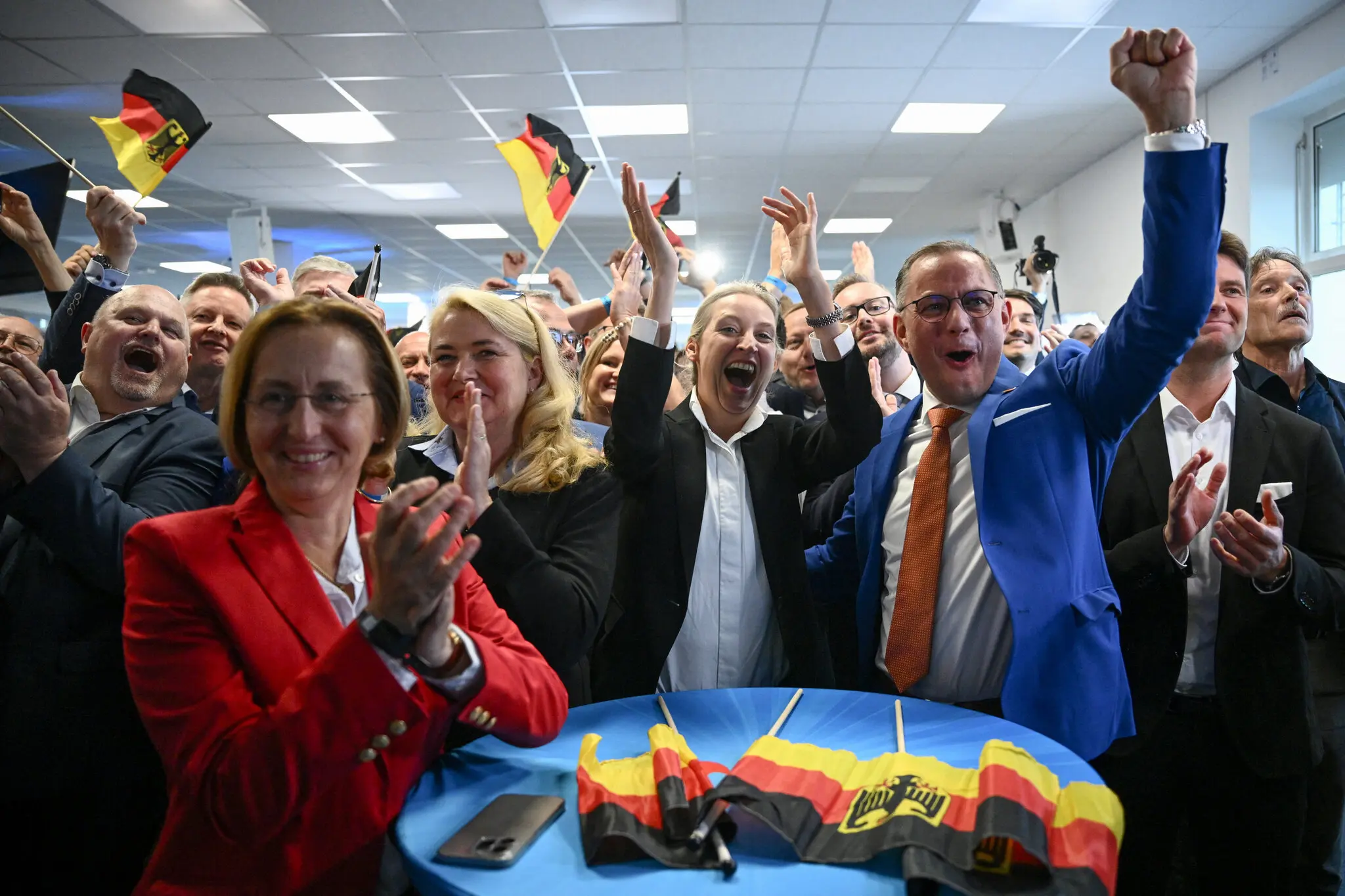
The political moment was unusually concentrated: the memory of an influential Republican, the presence of the Ukrainian leader and a rare bipartisan majority converged around a single measure. That unity must still survive a final Senate vote, passage in the House and presidential approval.
According to Daycom’s earlier analysis, the significance lies less in the number 86 than in a change in the logic of American pressure. Congress is trying to move beyond punishing individual Russian officials toward targeting the countries, companies and financial networks sustaining the Kremlin’s energy revenues.
The bill provides for primary and secondary sanctions against Russia’s political leadership, banks, state-owned companies, defense suppliers and shadow fleet. A separate section would extend restrictions on Iran’s energy and military sectors.
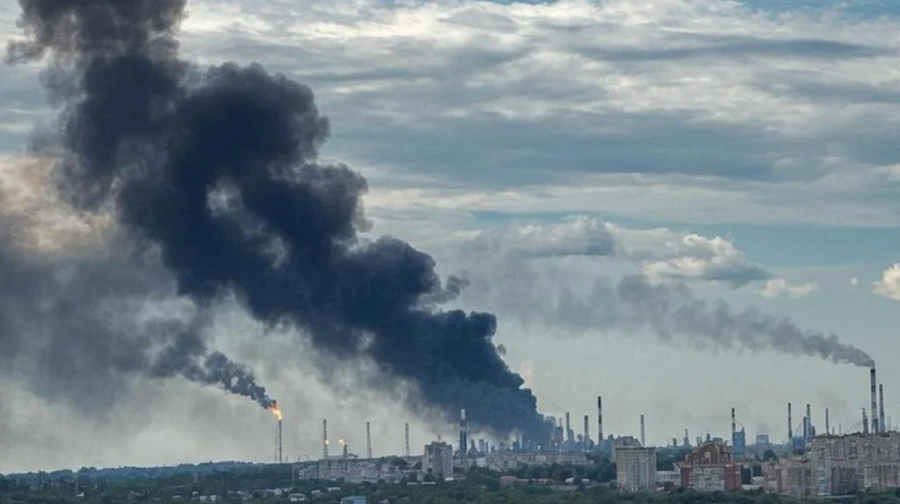
Its strategic target is Russian oil and gas — the income that helps Moscow finance its armed forces, missile production, imported components and the occupation of Ukrainian territory. Earlier sanctions complicated this trade but did not stop it, as exports shifted toward China, India and networks of intermediaries.
The revised mechanism transfers more of the risk to Russia’s largest customers. Tariffs could be imposed on leading importers of Russian energy and on states judged to be helping Moscow evade existing restrictions.
An earlier version proposed a sweeping 500 percent tariff. Negotiators replaced it with a narrower structure allowing duties of up to 100 percent. The compromise reduced the danger of a global trade shock while preserving the threat of restricted access to the American market.
For banks, insurers and multinational corporations, that threat may matter more than the formal position of any government. Even when a country continues buying Russian oil, private firms may demand steeper discounts, reduce their exposure or withdraw from contracts carrying excessive sanctions risk.
This is where the cumulative pressure begins. Russia may continue exporting crude, but higher transport costs, deeper discounts and more complicated payments reduce net revenue. In a war of attrition, the decisive figure is not simply the number of barrels sold, but how much money ultimately reaches the state budget.
The bill also targets Russia’s shadow fleet: aging tankers with opaque ownership, uncertain insurance and frequently changing flags. That system has allowed Moscow to move oil outside traditional Western services and obscure the origin of cargoes.
Penalties could extend beyond Russian vessels to foreign owners, operators, insurers and other participants in sanctions-evasion schemes. The risk would spread through the entire transaction, from the bank processing payment to the port accepting the tanker.
The proposed targets include Vladimir Putin, senior officials, oligarchs, state companies and businesses linked to the defense industry. In the financial sector, the measures could reach Russia’s central bank, Sberbank and Gazprombank.
The energy provisions cover major Arctic projects, including Yamal LNG and the Arctic LNG developments. The aim is not only to reduce current income, but also to limit Russia’s future export capacity, which depends on advanced technology, specialized vessels and complex financing.
The legislation also reaches foreign companies supporting Russia’s military-industrial base, including Chinese investment and supplies. Sanctions policy would therefore extend beyond the bilateral confrontation between Washington and Moscow to a broader network of Kremlin partners.
For Ukraine, the appeal of this structure is that it does not depend on the repeated approval of new military-aid packages. Once implemented, it could generate continuing pressure through trade, banking, shipping and long-term energy contracts.
The bill’s breadth also explains the resistance it encountered. Eleven Democrats and one Republican voted against advancing it. Their objections focused less on support for Ukraine than on the powers the measure could give Donald Trump.
Particular concern surrounds the definition of a “facilitator” of Russian energy sales. If interpreted too broadly, the White House could designate almost any country as a violator and use the law as a general instrument of leverage in unrelated trade negotiations.
Under the compromise language, the president would be required to impose the sanctions rather than merely be authorized to do so. He could still waive individual measures by certifying to Congress that an exemption served U.S. national-security interests.
Lawmakers also added regular reporting requirements. These are intended to make selective enforcement more difficult, but they do not remove presidential discretion. The policy’s credibility will depend on how often waivers are granted and how effectively Congress scrutinizes them.
Trump could use the sanctions as negotiating leverage: a country reduces purchases of Russian oil, and Washington delays the tariff. That flexibility could change behavior quickly, but it could also create opaque exemptions for politically important partners.
The legislation includes protections for allies that continue to buy limited quantities of Russian energy while demonstrably reducing their dependence. That provision reflects the difficulty of designing sanctions that are both forceful and sustainable.
Tariffs that are too broad could damage European partners, raise energy prices and encourage countries to cooperate in evading American rules. Measures that are too narrow would leave the Kremlin with enough channels to preserve its exports.
The extension of sanctions against Iran adds another strategic dimension. Washington increasingly treats the Russian and Iranian war economies as connected: Tehran supplies Moscow with technology and weapons, while Russia provides support, intelligence and access to other resources.
Supporters see an opportunity to pressure two governments that reinforce one another. Critics argue that combining them makes the bill more complicated and gives the administration more room to apply it beyond its original purpose.
The 86–12 result demonstrates that pressure on Russia retains strong bipartisan support even in a deeply divided Senate. But the chamber voted only to move forward, not to enact the legislation.
Debate, amendments and final passage still lie ahead. The bill must then clear the House, where leadership support will not eliminate disputes over tariffs, presidential authority and the consequences for American consumers.
Even after enactment, the sanctions would not produce immediate results. Russia would alter routes, buyers would seek new arrangements, and intermediaries would turn to alternative currencies, flags and insurance providers. Effectiveness would depend on the willingness to pursue major companies rather than only nominal operators.
Zelensky’s presence gave the vote a powerful political image. For Kyiv, however, the essential question is not whether senators applauded him from the chamber, but whether Graham’s memory becomes a durable mechanism for reducing Russian revenue.
The Senate has opened a path for the bill, but it has not yet turned it into an effective weapon. The real test will come when Washington must impose tariffs on a major trading partner, deny an exemption to a strategically important government and absorb the economic response.
If that political will holds, the legislation could raise the cost of Russian oil before it reaches the buyer. If waivers become the rule, the 86–12 vote will remain primarily a compelling ceremony on the day the Senate honored the author of its most ambitious sanctions initiative.