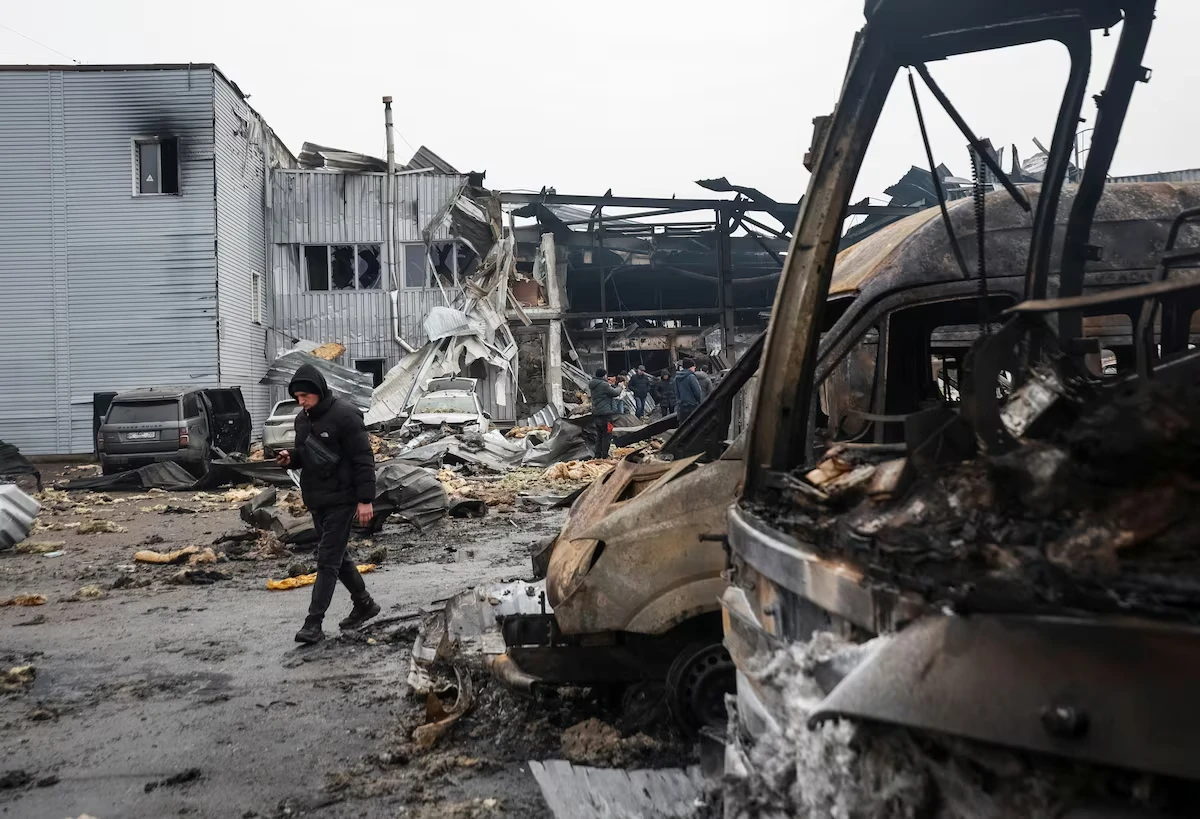


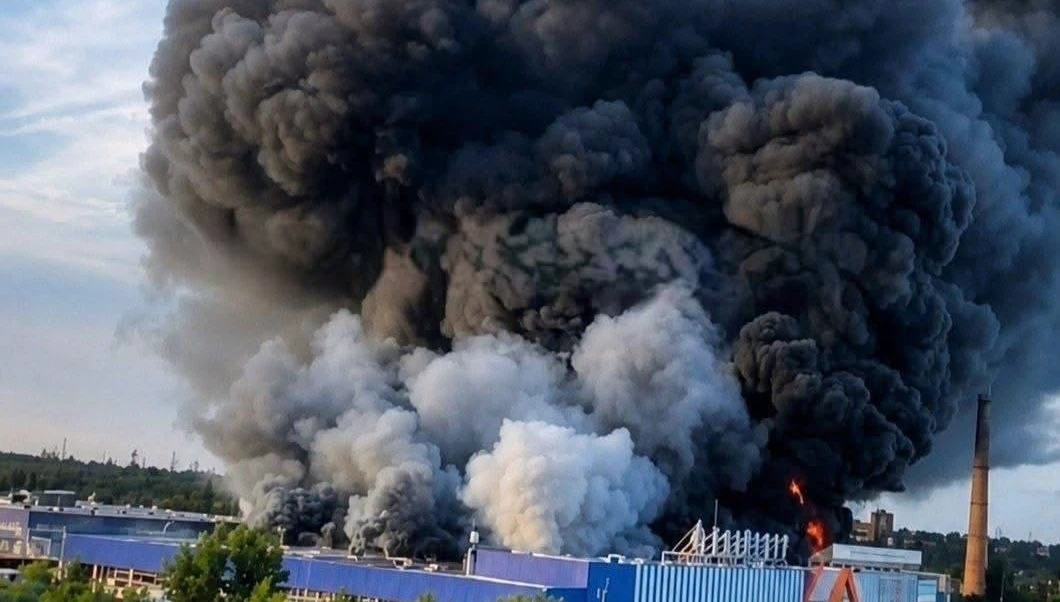





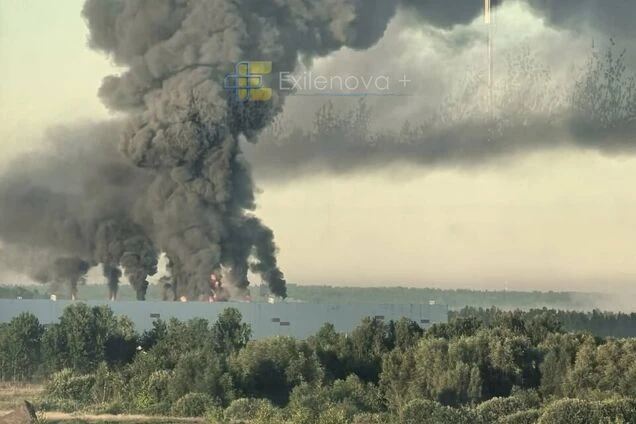














Ukrainian forces struck key facilities at the seaport in occupied Mariupol, which Russia had turned into one of the rear hubs of its presence on the Sea of Azov. After the attack, the port was left without electricity, and its ability to function as a logistics center was significantly reduced.
The targets were not random structures, but the energy, repair, administrative and port infrastructure that kept the complex operating. The operation involved Ukraine’s Unmanned Systems Forces together with the 1st Azov Corps of the National Guard, the Security Service of Ukraine and special operations units.
For Ukraine, the importance of Mariupol’s port has long gone beyond the city itself. After Russia occupied Mariupol, the port became part of Moscow’s war economy: a route for military logistics and, according to Kyiv, the illegal export of Ukrainian grain, coal and metal to Russia.
According to Daycom’s assessment, the strike matters not only as a local operation. It shows that Ukraine is increasingly and systematically moving the war into Russia’s rear on occupied territory, where Moscow had grown used to feeling safe enough to move cargo, repair equipment and exploit captured ports economically.
Mariupol carries special weight in this logic. It is not just a port on the Sea of Azov, but a symbolic city that Russia seized after a devastating siege and then tried to turn into a showcase of its “new order.” A strike on the port infrastructure hits that construction directly: an occupied city does not become a stable rear simply because the front has moved dozens of kilometers away.
For the Russian army, port logistics have practical value. Maritime routes in the Sea of Azov allow cargo, fuel, construction materials, equipment and resources to move between occupied territories and Russian ports. When that system loses electricity, management capacity and repair capability, the disruption affects not only the docks but the wider supply chain.
In that sense, the strike on Mariupol continues Ukraine’s broader campaign against Russia’s rear. Kyiv is expanding attacks on military, energy and transport facilities to raise the cost of the war for Moscow and make it harder to sustain offensive operations.
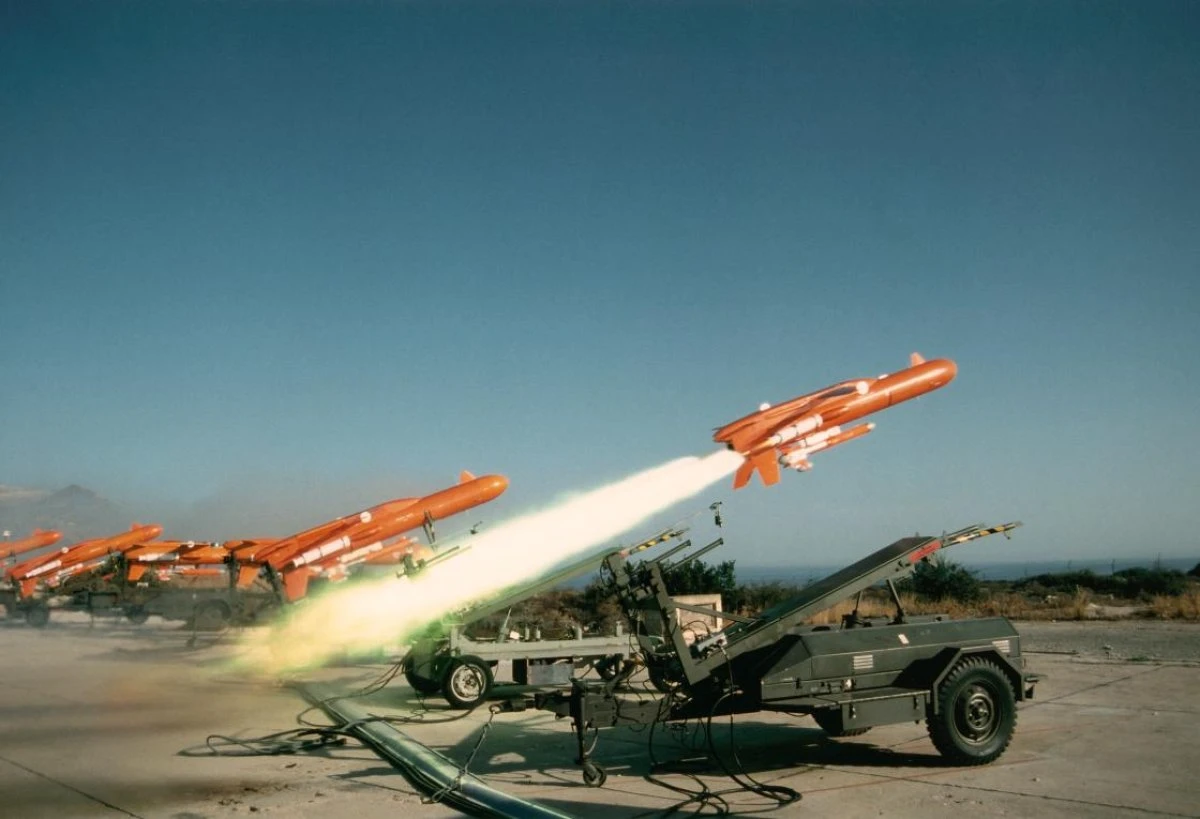
Drones have become the main instrument of this shift. They allow Ukraine to hit far beyond the front line, identify weak points in logistics and attack not only warehouses or vehicles, but also command and support infrastructure. For Russia, this means the rear is no longer a continuous zone for recovery and regrouping.
The involvement of Azov is especially significant. After the defense of Mariupol and Azovstal, the name carries not only military but emotional meaning for the city. Its role in the operation against port infrastructure brings the Mariupol story back not as a memory of defeat, but as a continuation of resistance.
Ukraine cannot quickly return Mariupol through a ground operation. But it can undermine Russia’s ability to use the city as a safe hub. This is another form of return: not control over streets, but the removal of the occupier’s confidence in the rear.
The strike on the port also fits into the struggle over the economic dimension of occupation. Russia uses captured territories not only as military footholds, but as sources of resources. The export of grain, metal and coal through occupied ports belongs to the same logic: turning seized land into material gain.
That is why attacks on port infrastructure have a double effect. They complicate military supply and strike at the system of economic appropriation. For Moscow, Mariupol’s port was supposed to prove the normalization of occupation. For Kyiv, it remains an illegally seized facility working for the war.
There is also an operational consequence. If Russia has to restore power supply, repair sites, management systems and port security, it spends resources that could otherwise support the front. Wars of attrition are often shaped by such indirect blows: not one dramatic breakthrough, but the steady erosion of the enemy’s ability to maintain tempo.
For the southern front, this matters especially. Azov logistics connect occupied parts of Donetsk region, Zaporizhzhia, Crimea and southern Russia. When one node in that network begins to function worse, pressure shifts to roads, railways, warehouses and alternative ports. The system does not disappear, but it becomes slower, costlier and more vulnerable.
The immediate effect should not be overstated. One strike will not disable the entire Russian rear or automatically change the situation on the battlefield. Russia still has major resources, repair capacity and alternative routes. But every such hit narrows the space in which occupation can function as an orderly system.
The main significance of the operation lies in its consistency. Ukraine is increasingly striking not only the front line, but what makes the front line possible: fuel, ports, repair facilities, electricity, headquarters, warehouses and transport. This is not a war for spectacular footage, but for the gradual wearing down of the machinery that sustains Russian advances.
After the strike, Mariupol’s port became another reminder that occupied territory is not safe territory. Russia may physically control the city, but it cannot fully remove it from the war. As long as the port serves the army, shadow exports and the occupation economy, it will remain a target.
The strike on Mariupol does not return the city to Ukraine today. But it weakens Russia’s ability to treat it as permanently absorbed rear territory. In a war where major breakthroughs are rare, operations like this slowly shift the balance — not through loud declarations of victory, but by leaving the enemy with fewer places where it can feel beyond reach.