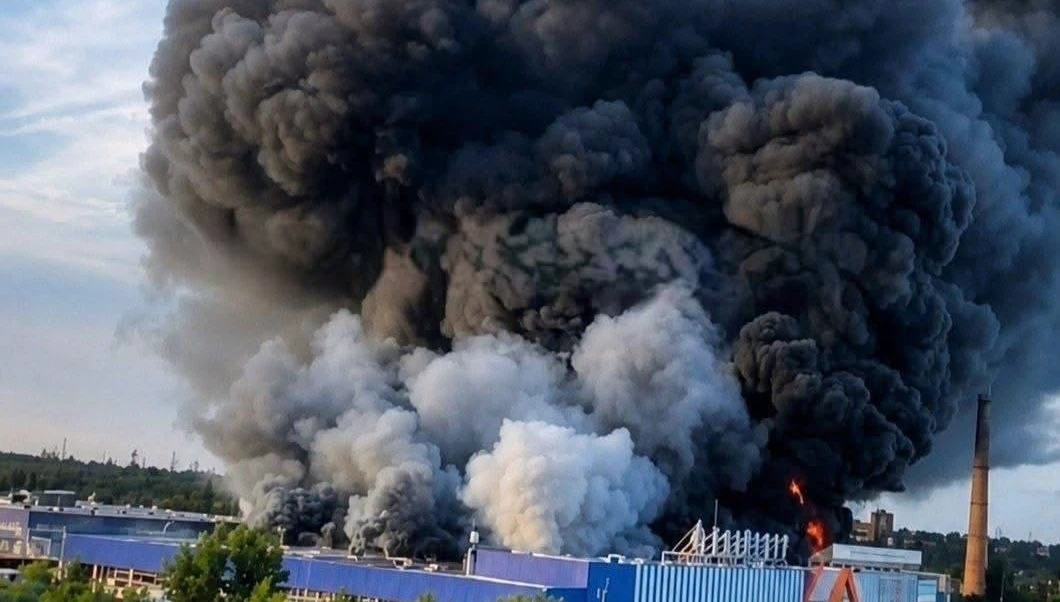



















The overnight strike on Chuhuiv returned the war to its starkest formula: while diplomats speak about a ceasefire, Russian missiles and drones hit cities, homes, shops and garages. Three people were killed in Kharkiv region, including a 22-year-old pregnant woman.
In Kharkiv, more than a dozen people sought medical assistance after a drone attack. Images from the scene showed fire, burned-out cars and rescuers working through smoke. This is not the background to negotiations. It is their real starting point: any diplomacy over Ukraine begins with the aftermath of another strike.
Recent weeks have shown a dangerous symmetry of escalation. Russia has intensified aerial attacks on Ukrainian cities, while Ukraine has stepped up long-range drone strikes on Russian oil facilities. In Crimea and other territories controlled by Moscow, the impact is already being felt through fuel shortages and new security disruptions.
According to Daycom’s earlier analysis, this double dynamic makes the current phase of the war especially difficult. The front line remains central, but the war is increasingly being fought through infrastructure, fuel, drones, logistics and political endurance. Both sides are applying pressure not only on armies, but on the rear.
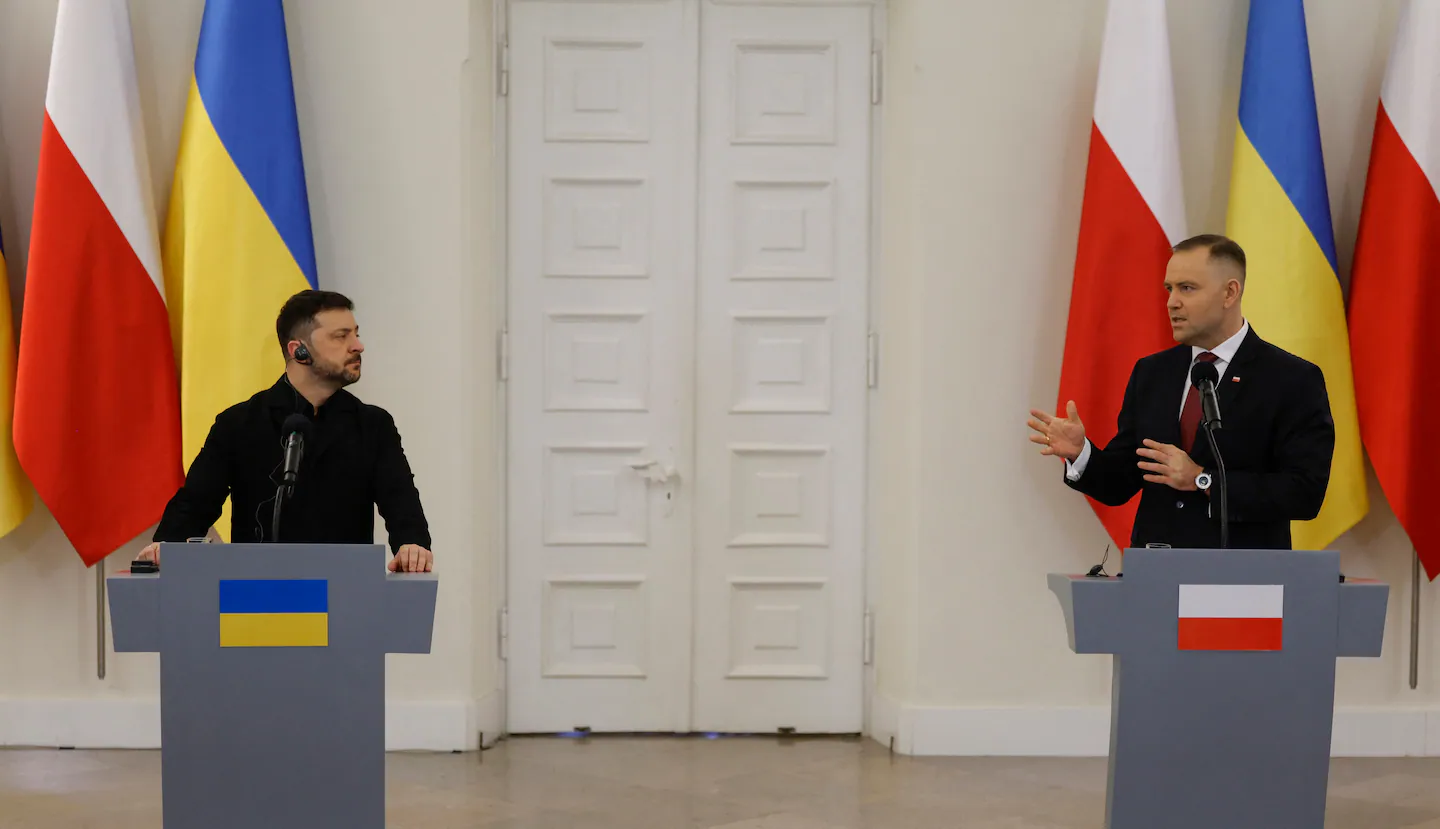
Against this backdrop, Volodymyr Zelensky is trying to bring talks with Russia back into a controlled political framework. His open proposal for a personal meeting with Vladimir Putin was quickly rejected by the Kremlin, but the gesture carried a broader meaning: Kyiv is showing readiness to talk without accepting the logic of capitulation.
Zelensky is framing Ukraine’s position in a way that removes the charge that Kyiv does not want peace. Ukraine did not want this war and has been ready to speak from the beginning, but it will not agree to give up territory. That is the decisive line: a ceasefire can begin diplomacy, but it cannot legitimise Russian conquest.
His conversation with U.S. envoys Steve Witkoff and Jared Kushner became an important signal. The Ukrainian president described it as positive and welcomed their willingness to work more actively toward a possible settlement in the coming weeks. For Kyiv, this is a chance to keep the negotiation track from freezing completely.
The American factor, however, remains complicated. Washington is focused on the war around Iran, narrowing political attention to Ukraine. That is why Kyiv needs to maintain contact with U.S. representatives who have already travelled to Moscow and may now make their first official visit to Kyiv.
Such a visit would carry more than symbolic weight. It would allow the Ukrainian side to explain directly why any peace formula cannot be built around Russian demands, and why talks must begin with a ceasefire, security guarantees and respect for Ukraine’s territorial integrity.
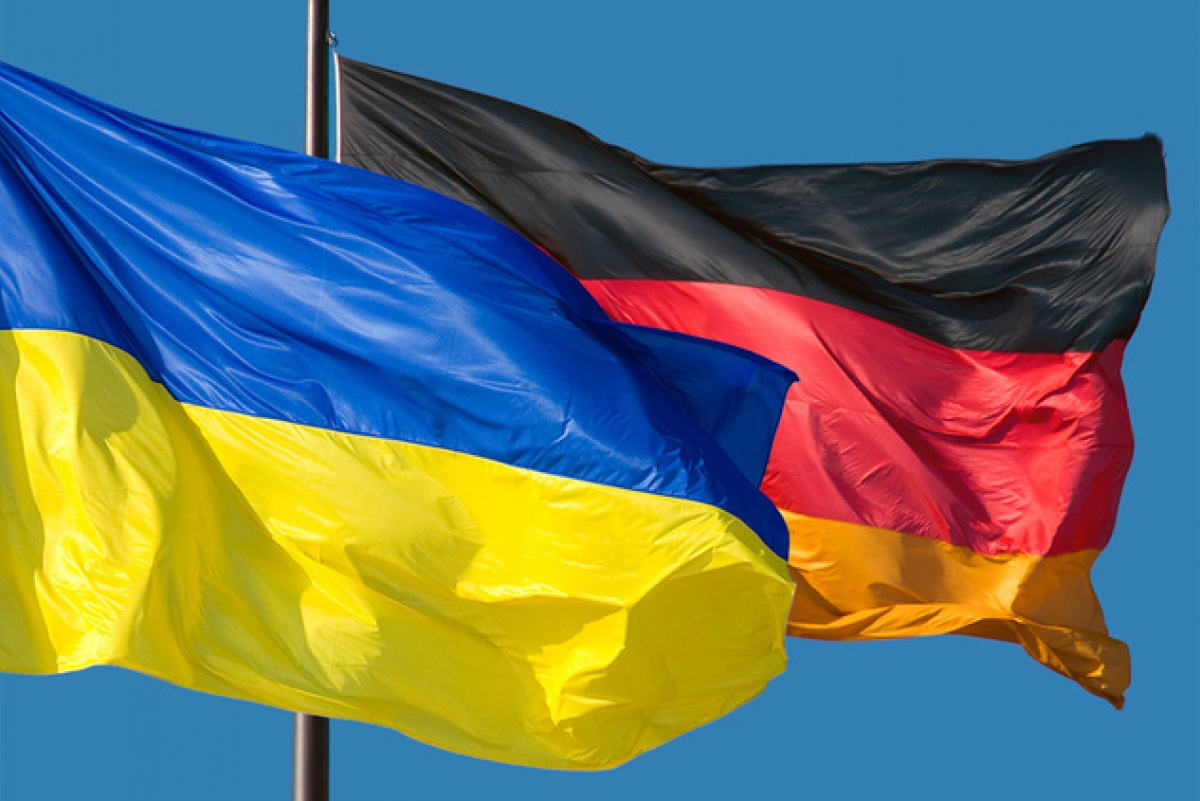
Europe, meanwhile, is trying to strengthen its own voice. Returning from London after talks with the leaders of Britain, France and Germany, Zelensky received an important political signal: European capitals are ready to support ceasefire negotiations, but not as a mechanism for pressuring Kyiv.
That differs sharply from abstract calls for peace. London, Paris and Berlin understand that a pause in fighting without guarantees could become a gift to the Kremlin. Russia has repeatedly used diplomatic pauses to regroup, rebuild forces and prepare new strikes.
Support from Nordic countries at the United Nations Security Council also points to the gradual formation of a broader European consensus. An immediate ceasefire and direct talks can be acceptable only if they do not shift responsibility for the war onto the victim of aggression.
Alongside official channels, informal ones are also appearing. Zelensky acknowledged that he met Roman Abramovich in Kyiv after the Russian businessman offered to carry a message to the Kremlin about possible diplomatic frameworks. After receiving no response, the Ukrainian president turned to an open letter to Putin.
That episode shows how narrow the space for real negotiations remains. Intermediaries can pass signals, but the Kremlin is in no hurry to turn them into a political process. Putin publicly speaks of a long-term agreement, but behind that formula Moscow continues to hold hard demands toward Kyiv.
Ukraine’s calculation is different. Zelensky suggests that there is no complete unity around Putin: some in the Russian elite want the war to continue, while others see the economic cost of prolonging it. Business feels the pressure of sanctions, strikes on oil infrastructure, inflation and disrupted logistics.
Putin publicly denies any threat to Russia’s economy, but the need to address the issue shows how deeply the war is entering Russia’s domestic agenda. Ukrainian strikes on fuel infrastructure cannot decide the war by themselves, but they erode the image of aggression without consequences.
Crimea has become a separate zone of pressure. Reports of Russian air defences operating in Sevastopol and fuel shortages on the peninsula show that the annexed territory is no longer a safe rear area for Moscow. Ukraine is steadily undermining Russia’s military and logistical advantage in the Black Sea region.
Yet despite all diplomatic manoeuvring, the central reality remains on the ground. A pregnant woman was killed in Chuhuiv. In Kharkiv, people came out of damaged homes after explosions and waited for medics. Such attacks explain why Ukraine cannot accept a peace that leaves Russia the right to strike again.
The current phase of the war consists of two parallel processes. The first is growing military pressure: drones, missiles, attacks on energy, oil refining and cities. The second is a cautious attempt to restore a negotiation channel involving the United States and Europe. There is no contradiction between them: diplomacy becomes possible only when the aggressor feels the cost of continuing the war.
Ukraine enters these conversations not as a state begging for peace, but as one that is defending itself while still offering a way out. Its demands remain unchanged: a ceasefire, direct dialogue, international participation, security guarantees and no surrender of territory. Anything else would not be peace, but a pause before the next strike.