























Another day of war began not with a major shift on the front, but with fires, shattered homes and dead civilians. Russian and Ukrainian attacks on cities and frontline areas killed at least 13 people, exposing the central reality of the war’s fifth year: there is almost no rear left.
For Ukraine, the heaviest blow was the attack on Zaporizhzhia. A Russian guided bomb struck a residential area, killing three people and wounding 15 others. Rescue workers fought fires, cleared rubble and worked among destroyed buildings in a city that has come under increasingly frequent Russian attack in recent weeks.
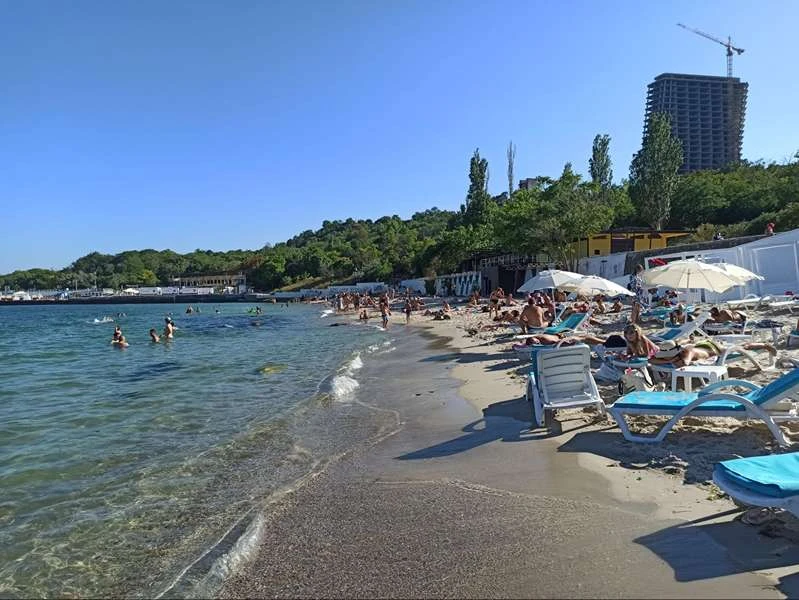
Odesa suffered another missile strike. Two people were killed in the Black Sea city, six were wounded, and civilian infrastructure was damaged. For Moscow, the port city has long carried not only military but symbolic weight: strikes on Odesa pressure Ukraine’s logistics, economy and the psychological resilience of the south.
According to Daycom’s earlier analysis, the latest wave of attacks shows that Russia is trying to stretch Ukrainian defense not only along the front, but across the map of major cities. Zaporizhzhia, Odesa, the Kharkiv region and Donetsk are becoming parts of one strategy: strike where civilian life stands closest to military necessity.
In the Kharkiv region, Russian drones again hit areas near the border and the line of combat. One person was killed outside Kharkiv. Earlier, a drone strike near Kupiansk killed three more people. This direction has long lived under constant threat: artillery, drones, missiles and guided bombs have erased the boundary between the front line and villages where civilians still remain.
Donetsk region was again among the main points of violence. Near Kramatorsk, one person was killed and five others were wounded. The city is part of a chain of fortified towns around which Ukraine has built its eastern defense. Any strike on this area therefore has a double purpose: military and psychological.
Kramatorsk, Zaporizhzhia, Kharkiv and Odesa lie in different geographic zones, but they share one function: they sustain the country’s ability to fight. Hospitals, repair services, logistics, evacuation routes, administrations, volunteer networks and energy infrastructure operate there. That is why attacks on them are not incidental background noise in the war.
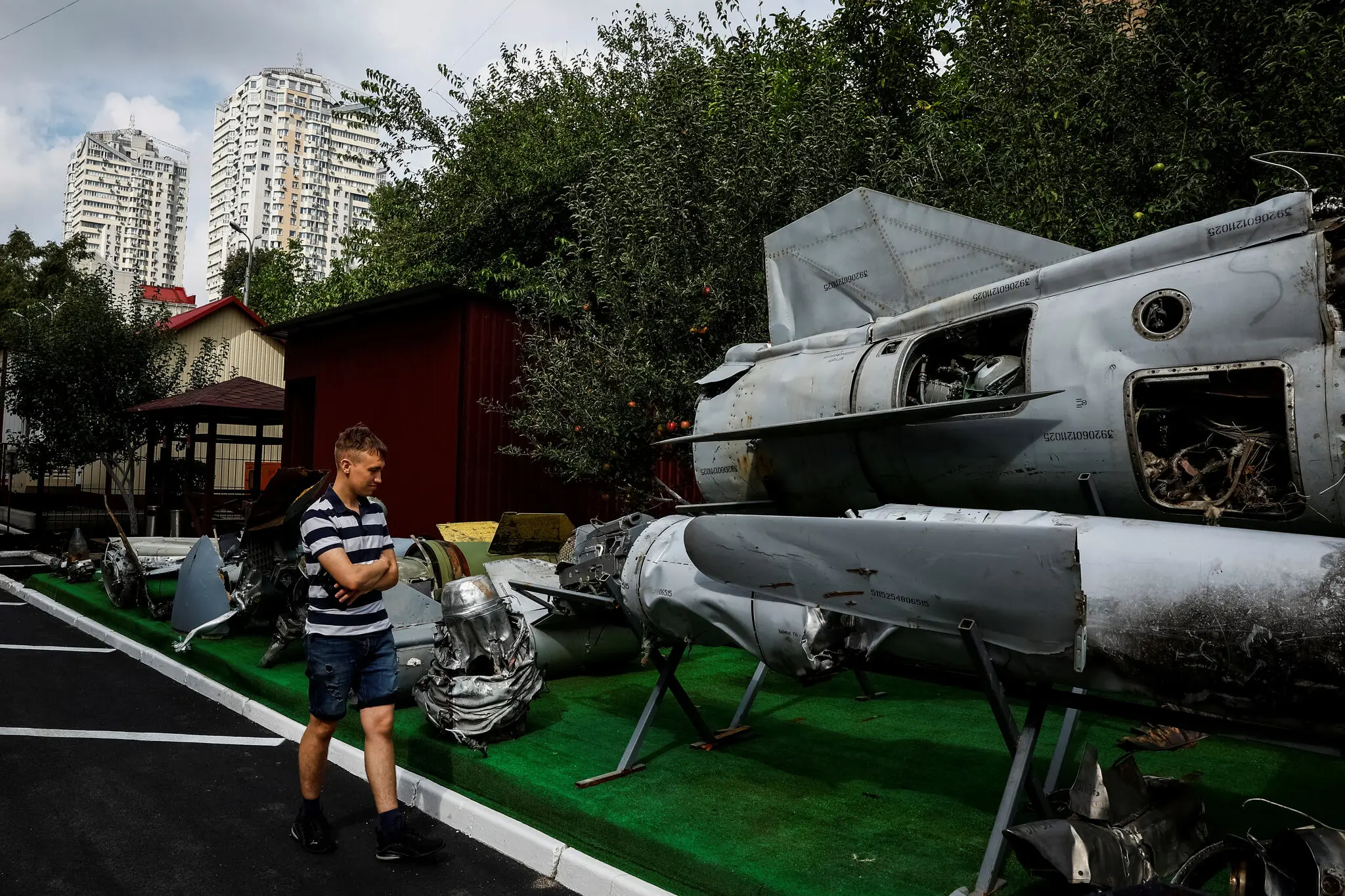
Russian tactics increasingly rely on the exhaustion of urban life. Guided bombs are cheaper than ballistic missiles, but their impact on frontline cities is devastating. Drones make it possible to hit smaller targets and intimidate communities. Missiles remain the tool for strikes on major centers, where a single attack can paralyze entire districts.
In this logic, civilian infrastructure becomes not collateral damage, but part of the pressure. When homes, energy facilities, roads, ports or rescue services are destroyed, the state is forced to spend resources not only on the front, but also on restoring normal life. This is a war against society’s ability to remain organized.
Ukraine responds with strikes on border and occupied territories, seeking to bring the war closer to Russia’s military infrastructure. In the Belgorod region, one person was killed after shelling of a settlement near the border. In the Russian-held part of Donetsk region, another death was also reported.
These episodes show the dangerous expansion of vulnerability. For years, Russia tried to wage war in a way that kept the cost for its own territory limited. Ukrainian strikes on border areas and military logistics are changing that formula. But the wider the geography of attacks becomes, the greater the risk to civilians on both sides of the border.
The moral and political asymmetry of this war has not disappeared: Russia launched the full-scale invasion and continues to strike Ukrainian cities daily. But a war of attrition has its own brutal momentum. It pulls more territories into a zone of danger, where every community near a front, port, road or military site becomes a potential target.
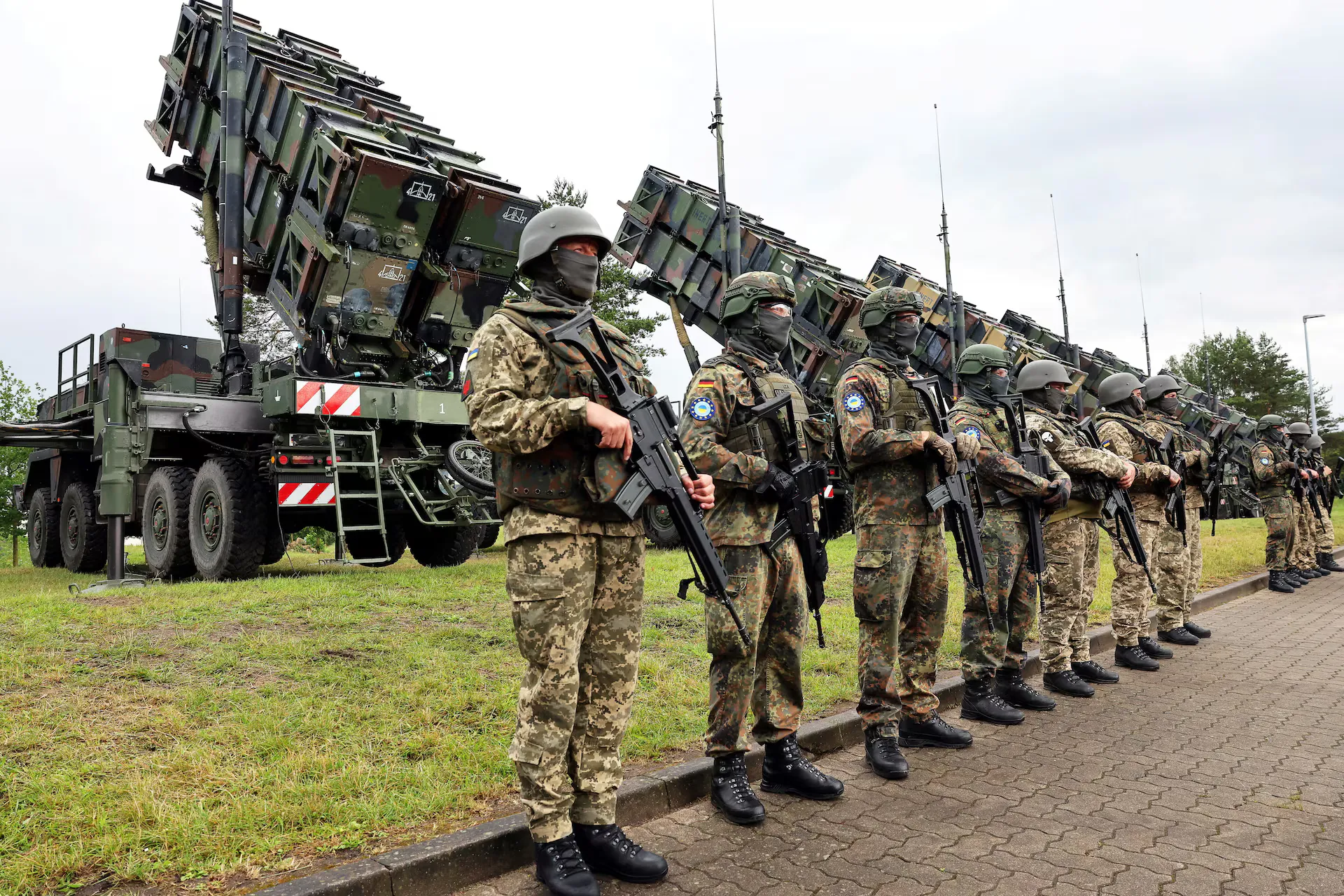
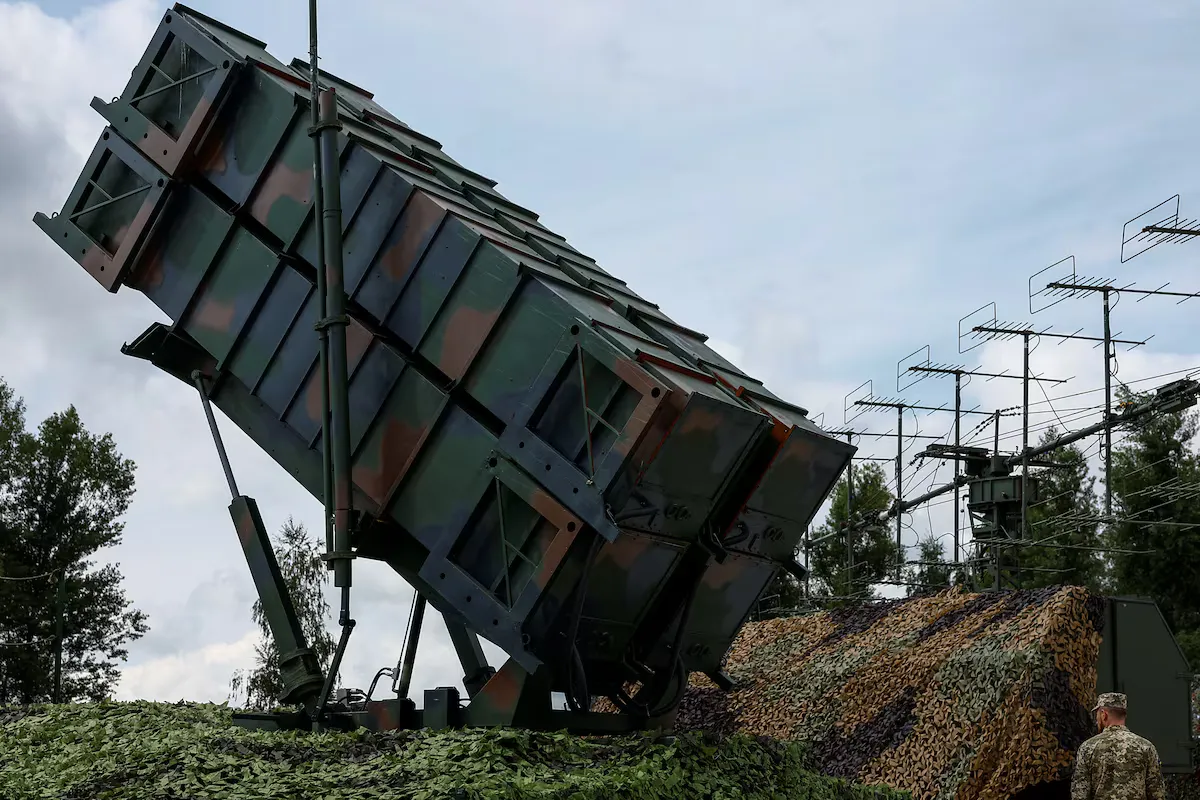
For Ukraine, the main task remains unchanged: intercept as many missiles and drones as possible, reduce the effectiveness of Russian aviation, evacuate the most vulnerable communities and prevent Moscow from turning strikes on the rear into a political result. Every city that keeps its services functioning and public trust intact after an attack denies Russia its central objective.
But resilience alone is not enough. Zaporizhzhia and the Kharkiv region show that frontline areas need another level of air defense, shelters, mobile rescue capacity and rapid reconstruction. In cities regularly under attack, security must become permanent infrastructure, not an emergency mode.
Odesa adds a maritime dimension to this picture. A strike on a port or civilian infrastructure in the Black Sea city affects not only local life, but exports, logistics, international support and food routes. Russia understands that weight well, which is why the south remains among its priority targets.
Donetsk region, in turn, reminds the country that the heaviest burden still rests on the east. Kramatorsk and nearby cities support defense, medical evacuation and command structures. If Russia cannot quickly break through the front, it tries to hit the nodes that allow Ukraine to hold it.
The latest attacks were not an isolated anomaly. They fit into the broader rhythm of a war in which daily strikes matter as much as major operations. Repetition is the hidden power of this violence: society is forced to grow used to death, and the world to another report of destruction.
That normalization is one of the most dangerous traps. When reports of deaths in Zaporizhzhia, Odesa, the Kharkiv region or Donetsk become part of the information noise, the aggressor gets what it wants: reduced sensitivity. A war against civilians is always designed not only to create fear, but also fatigue.
That is why every such attack must be read not as statistics, but as part of a strategy. Russia strikes Ukrainian cities to break the rear, disperse resources and show that no Ukrainian success on the front, at sea or deep inside Russian territory can guarantee calm for civilians.
Ukraine’s response is also widening, but its strategic meaning must remain precise: to weaken Russia’s war machine, not to mirror and multiply chaos. In a war of attrition, victory is determined not only by the ability to strike, but also by the ability to preserve political and moral clarity.
Thirteen deaths in a single day are not just a number. They are a measure of how the war continues to spread through cities, roads, ports and border villages. It presses on Zaporizhzhia, Odesa, the Kharkiv region, Donetsk and Russia’s border areas, turning the space around the front into a broad zone of danger.
As long as this logic remains unbroken, each new day can bring a similar map of loss. The main question for Ukraine and its allies is not only how to survive the next attack. It is how to deprive Russia of the ability to see strikes on the civilian rear as an effective instrument of war.