

























When negotiations stall, war tends to revert to arithmetic. For Ukraine, that arithmetic is clear: Russia’s war effort is sustained not only by manpower and weapons, but by oil refining, export terminals, ports, logistics chains and the steady flow of energy revenues. The recent wave of Ukrainian strikes on Russian energy infrastructure is therefore not episodic retaliation. It is a deliberate return to economic warfare.
The purpose of this campaign is not to collapse Russia’s energy sector overnight. That would be unrealistic. The objective is more subtle and more durable: to make the system more expensive, more fragile, less predictable and less efficient over time. When a refinery is not destroyed but repeatedly disrupted—forced into shutdowns, partial restarts and emergency repairs—the cumulative effect becomes strategic. Strikes on facilities such as NORSI, Kirishi and Ust-Luga operate precisely on this logic: not instant collapse, but sustained erosion.
As Daycom has previously observed, the most vulnerable wartime economy is not the one that can be easily destroyed, but the one that depends on the illusion of stability. Ukraine’s strategy targets that illusion. When attacks reach facilities deep inside Russia—far beyond the traditional front line—they redraw the psychological map of the war. What was once perceived as a secure rear begins to look exposed. And once the rear is no longer safe, the cost of maintaining the entire system rises.
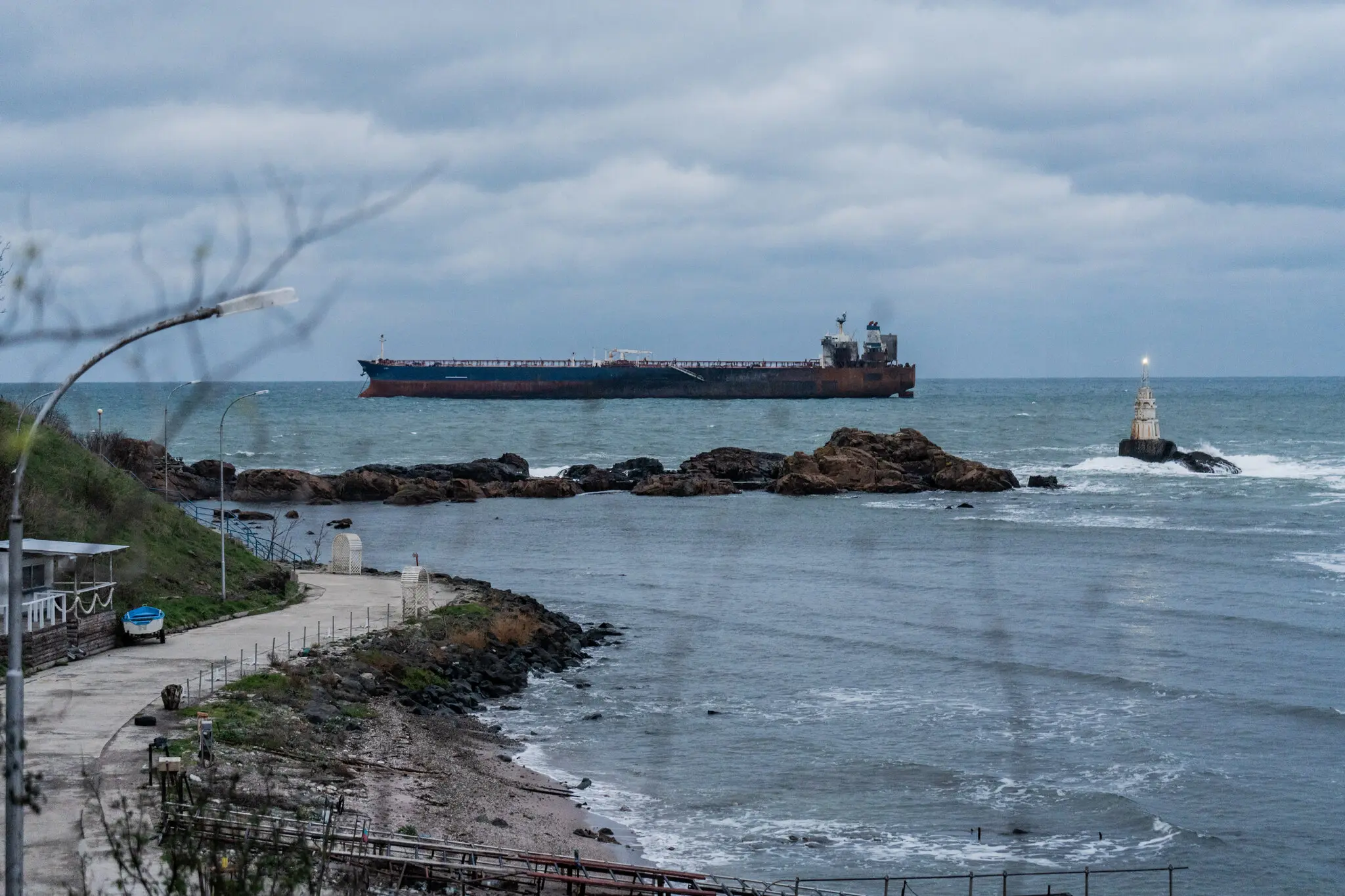
Target selection is critical. Ukraine is not only striking refineries but also export nodes: ports, terminals, storage facilities and pipeline-linked infrastructure. Locations such as Novorossiysk, Primorsk and other maritime hubs are not incidental targets. They are the points where energy becomes revenue. If refining is the industrial heart, then ports are the bloodstream. Disruptions there affect not just production, but the reliability of exports and the credibility of Russia as a supplier.
This is why markets react to such strikes with particular sensitivity. Even temporary disruptions carry longer-term consequences: higher insurance costs, increased spending on security and air defense, logistical rerouting and ongoing repair cycles. Each successful strike forces Russia to spend more—not only on fighting the war, but on preserving the system that finances it.
There is also an internal dimension. Russia’s refineries are not only export assets; they are central to domestic fuel supply. Gasoline, diesel, fuel oil and aviation fuel are all tied to internal stability. When key facilities are damaged or disrupted, the state faces a growing dilemma: prioritize exports that bring in revenue, or stabilize the domestic market. Over time, that tension becomes harder to manage.
At the same time, these strikes should not be overstated. They are unlikely to produce a sudden collapse of Russia’s war machine. Russia retains significant reserves, repair capacity and the ability to reroute flows. Many facilities return to operation, even if not at full capacity. The strategic effect is therefore cumulative rather than decisive—a gradual weakening of resilience rather than a single knockout blow.
Against this backdrop, the stagnation of peace efforts takes on a different meaning. If diplomacy fails to produce rapid security outcomes, strikes on energy infrastructure become one of the few tools available to Ukraine to raise the cost of war for Russia beyond the battlefield. This is not an alternative to military operations, but their extension into the economic domain.
In the end, the current campaign reflects a broader shift. Ukraine is no longer fighting only for territory; it is increasingly fighting over the cost structure of the war itself. Refineries, ports and terminals are not just industrial assets. They are the junctions where Russia converts energy into money—and money into endurance. As long as diplomacy cannot shorten that endurance, Ukraine appears determined to make it as expensive as possible.