




















Israel’s new attacks on Lebanon on Sunday may look, at first glance, like the ordinary inertia of war. In fact, they are already part of the diplomatic staging. Days before a rare meeting between Israeli and Lebanese officials in Washington, Israel is signaling the core principle of its approach: negotiations are not meant to restrain military pressure. They are meant to consolidate it.
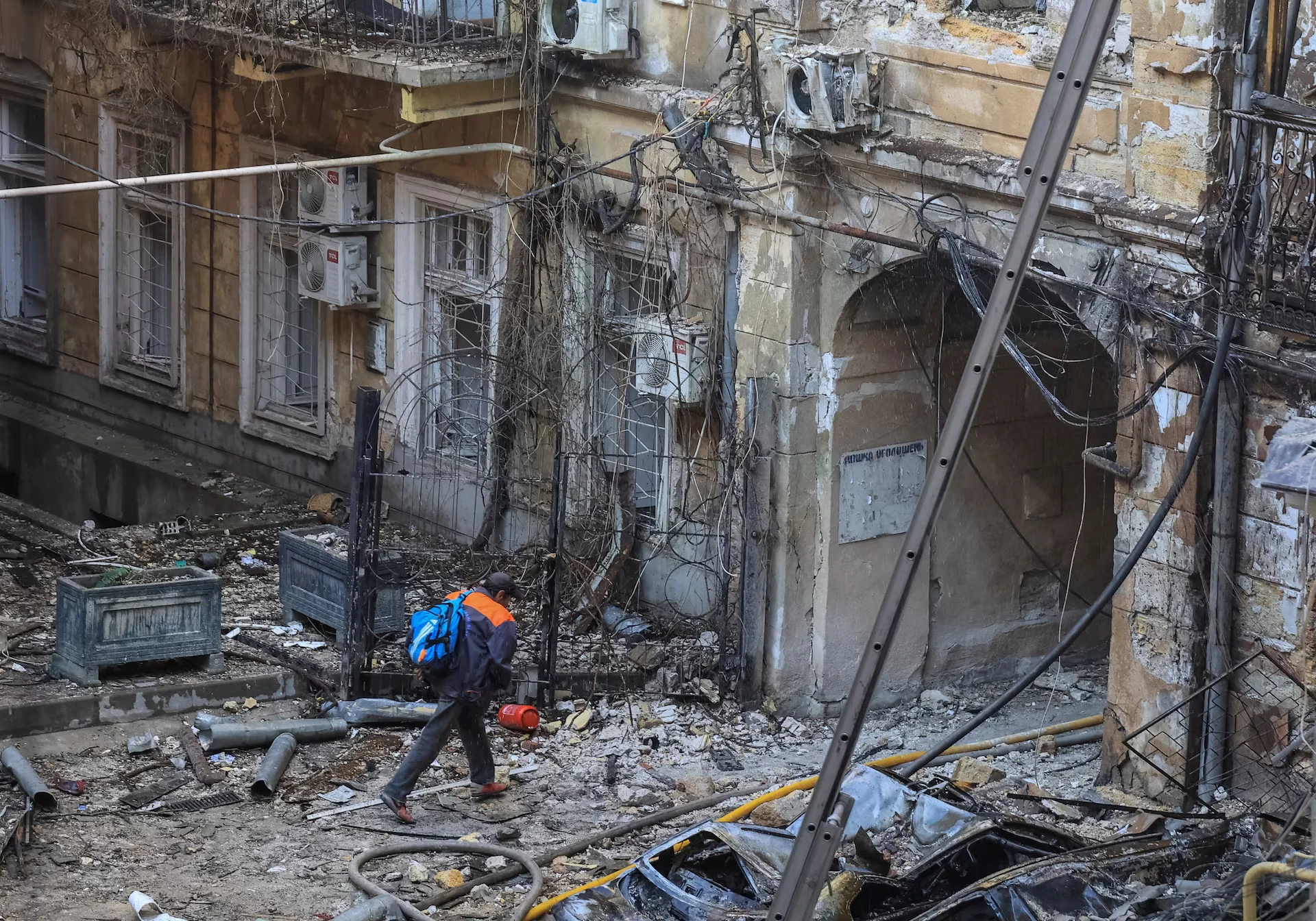
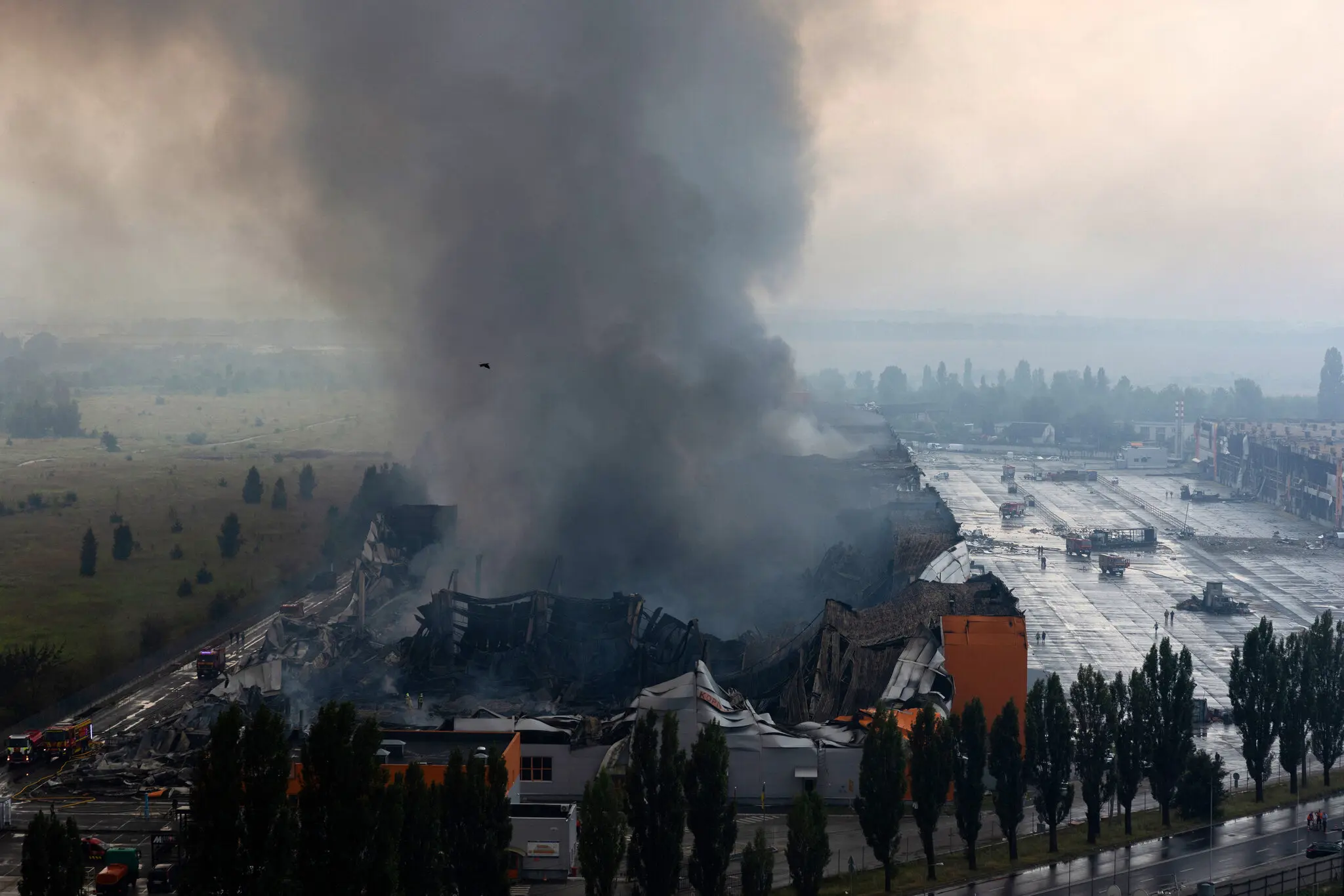
That is why the pause in the U.S.-Iran track almost automatically produced renewed escalation on the Lebanese front. After Washington and Tehran failed to secure a quick broader understanding over the weekend, Lebanon once again became the arena through which the limits of pressure and endurance are tested. Israel did not return to bombing Beirut after Wednesday’s heavy assault, but it continued striking the south, preserving its ability to calibrate both the intensity and the geography of force.
The political meaning is hard to miss. The coming talks in Washington matter not only because they are rare, but because both sides are trying to define the framework before they even sit down. According to Daycom’s earlier assessment, that is why the strikes on the eve of diplomacy do not look like a breakdown of negotiations. They look like diplomacy in its current regional form.
What makes the moment especially fragile is that Jerusalem and Beirut are not even describing the same meeting. Lebanon presents it as a discussion about a cease-fire announcement and a date for negotiations under U.S. auspices. Israel presents it as the opening of formal peace talks, while refusing to discuss a cease-fire with Hezbollah. In other words, the parties are not yet arguing over the terms of peace. They are arguing over whether they share a starting point at all.
That is why the latest attacks in southern Lebanon carry not only military weight, but procedural meaning. If Israel enters the Washington meeting while maintaining clear fire superiority, it enters as the side trying to set the sequence of events in advance: pressure first, disarmament next, and only then a new security arrangement. For Jerusalem, this is a way of moving the conversation away from “how to stop the fighting” and toward “how to formalize the consequences of the balance already created on the ground.”
But that logic carries a serious risk. For much of Lebanese society, already living through displacement, casualties and strikes on state and civilian structures, such diplomacy does not look like a path to stability. It looks like an attempt to impose a political design under bombardment. Any Lebanese official traveling to Washington under these conditions arrives with a weakened domestic mandate. That makes even a symbolic opening less durable than it appears.
Israel, for its part, is deliberately keeping the Lebanese front outside the U.S.-Iran cease-fire framework. Tehran had demanded that the truce extend to Lebanon as well, but Israel and the United States rejected that interpretation from the outset. As a result, Lebanon has become a convenient pressure valve. Even if the larger Iranian file temporarily moves into diplomatic language, operations against Hezbollah can continue as a separate and supposedly autonomous campaign. That gives Israel room to maneuver and prevents Iran from presenting the pause as a full regional cease-fire.
This also explains the selective nature of Israel’s recent strikes. After the devastating assault on Beirut last week, the deadliest day of fighting since Hezbollah entered the war in March, Israel appears to have held back from repeating that scale in the capital while continuing attacks in the south. The political logic is clear: keep the pressure high enough to compel engagement, but not so indiscriminate that it destroys the Washington channel before it opens. This is not restraint in the conventional sense. It is controlled coercion.
For Benjamin Netanyahu, the pattern has an obvious domestic use as well. After criticism over the pause in the Iran campaign, he needs to show the Israeli public that the military has not stopped and that the northern front remains active. By insisting that Israel is still operating in Lebanon and remains determined to restore security to northern communities, he preserves the image of strategic initiative while avoiding the impression that the diplomacy encouraged by Washington has tied Israel’s hands.
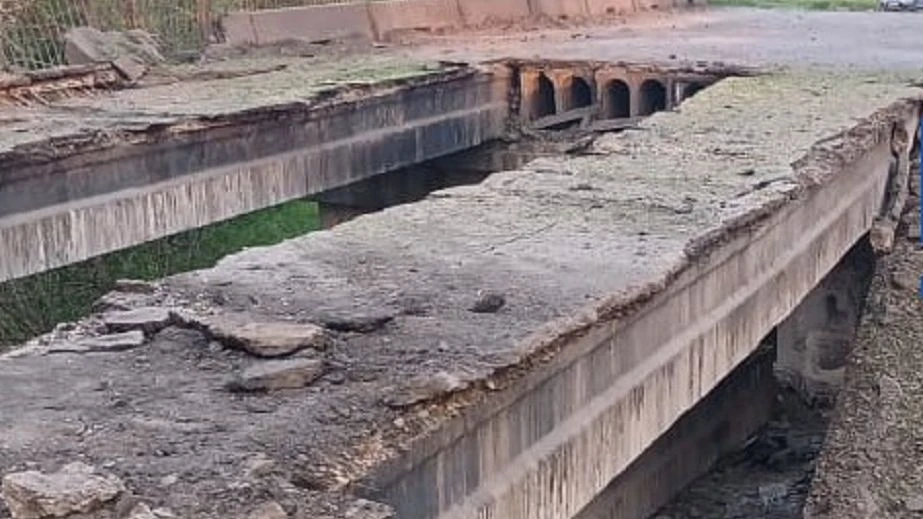
Yet Israel itself is not acting like a state that believes stability is close. Restrictions on public gatherings in northern border areas have been tightened, and a decision to reopen schools there was reversed. That detail matters. A country preparing to send representatives into talks with Lebanon is simultaneously bracing for more Hezbollah fire. Even at the level of daily governance, both sides are still operating less in the logic of peace than in the logic of the next exchange.
That is why the Washington meeting should not be overstated as a breakthrough. At most, it may show whether a channel can be opened between two states that are still speaking about fundamentally different things. Lebanon treats a cease-fire as the precondition for politics. Israel wants politics to ratify a new reality without first ending the war with Hezbollah. In that structure, diplomacy is not an alternative to combat. It is its next phase, where the language of negotiation translates military advantage into administrative and political terms.
So the new Israeli strikes in Lebanon, just days before the Washington meeting, are not an accidental disturbance of a peace process. They are the clearest expression of how that process now works. Israel is trying to enter dialogue not after de-escalation, but through managed escalation. The central question is whether peace can be forced in that way without destroying the political frame of the talks before they truly begin.