















What is most alarming about the new arms race is not simply that machines have learned to detect a target, track it and destroy it. It is that states are now building a military architecture in which less and less human time remains between the discovery of a threat and the decision to respond. That is what separates this moment from earlier technological leaps. War is no longer merely being equipped with artificial intelligence. It is beginning to reorganize itself around the tempo of artificial intelligence.
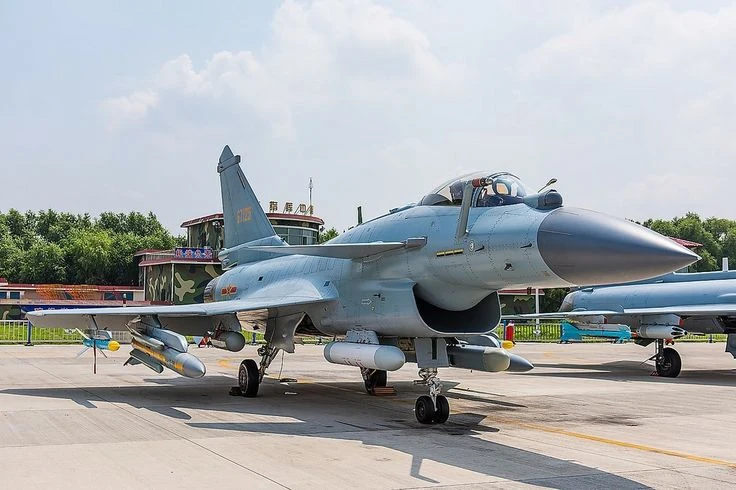
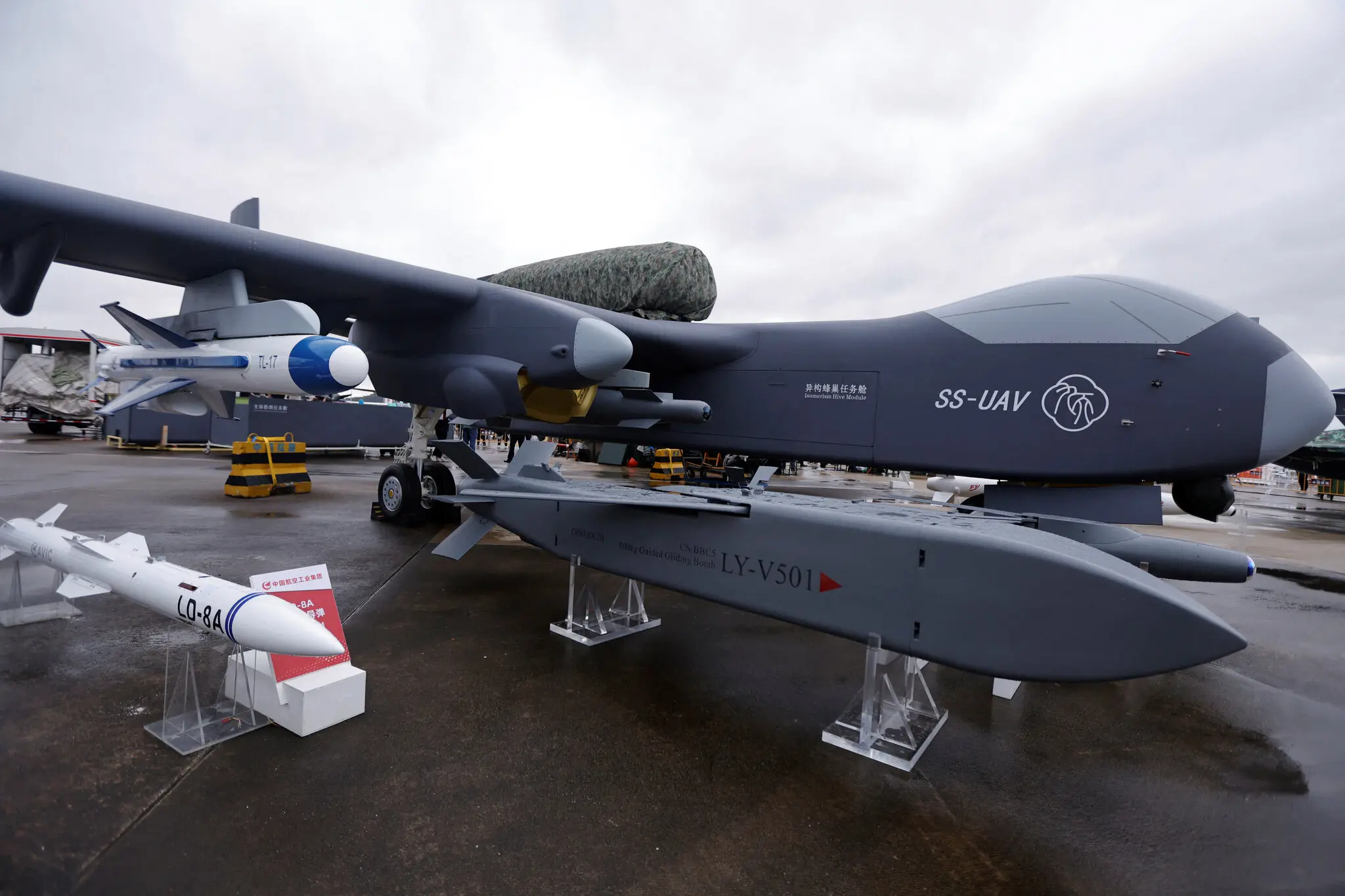
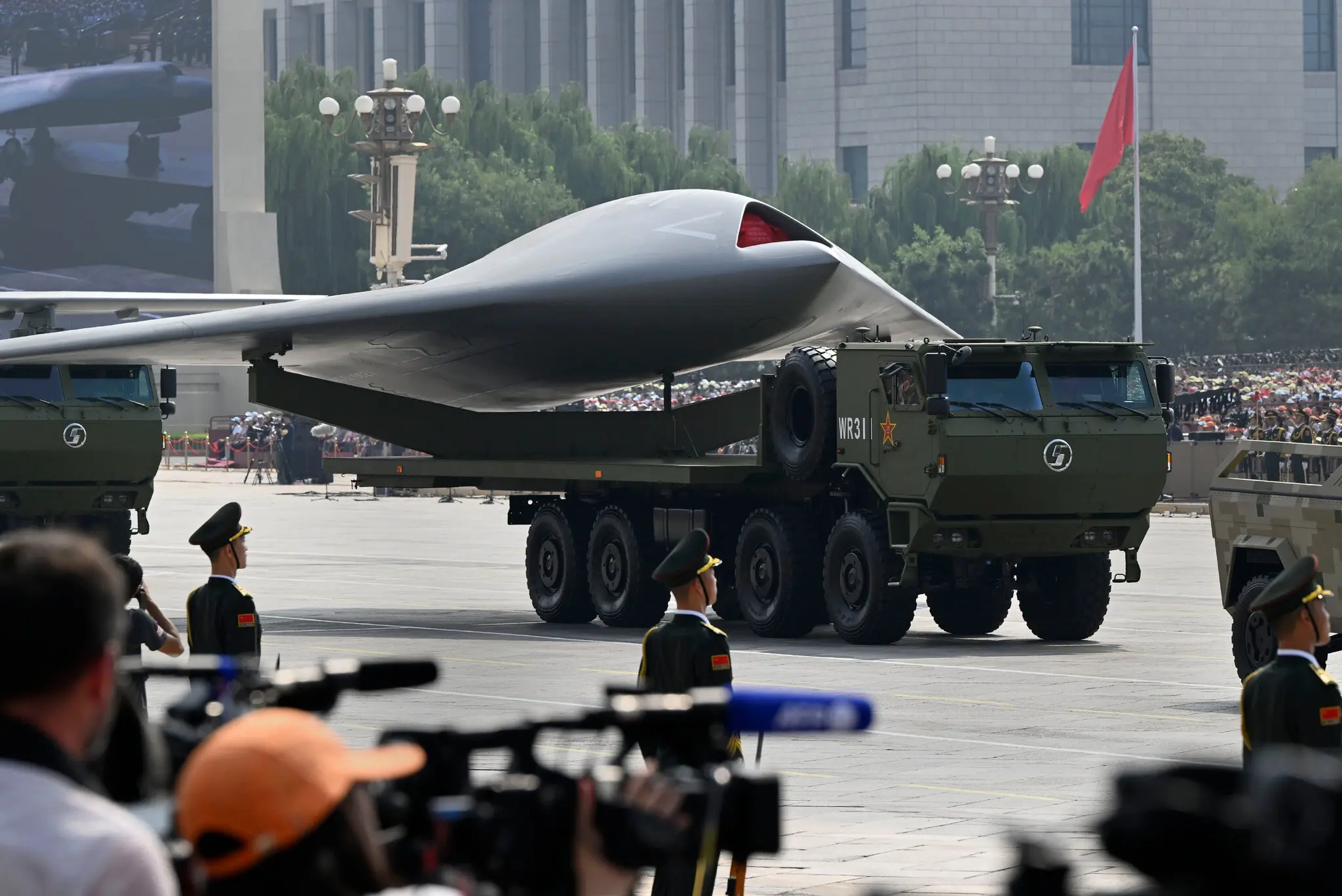
The signs of that shift are visible not in laboratories but in state priorities. China is displaying autonomous systems designed to operate in swarms alongside combat aircraft. The United States is moving its military into an accelerated AI posture across intelligence, command and strike systems. Russia, after years of investing in autonomous tools, is testing them in live war. Europe, shaken both by the Russian threat and by the fragility of old security guarantees, is entering its own phase of rapid rearmament.
This is no longer a story about distant futurism. It is about a change in the very grammar of power. Military advantage used to be measured in tanks, aircraft, ships and ammunition stockpiles. Now another measure has been added: who can process intelligence faster, who can connect sensors to weapons more efficiently, who has greater computing power, who can train a model on real battlefield experience. As Daycom argued in an earlier analysis, the winner in such an environment is not only the side with the stronger army, but the side that can close the loop from detection to calculation to strike more quickly than its adversary.
That is why the comparison with the dawn of the nuclear age is both persuasive and incomplete. It is persuasive because the world is entering a new era of deterrence, fear and strategic uncertainty. It is incomplete because nuclear weapons were rare, centralized and extraordinarily expensive. Military artificial intelligence spreads through the commercial sector, through start-ups, dual-use technologies, cloud infrastructure, chips, sensors and civilian platforms. This is not one ultimate weapon. It is an ecosystem, and ecosystems are far harder to contain than bombs.
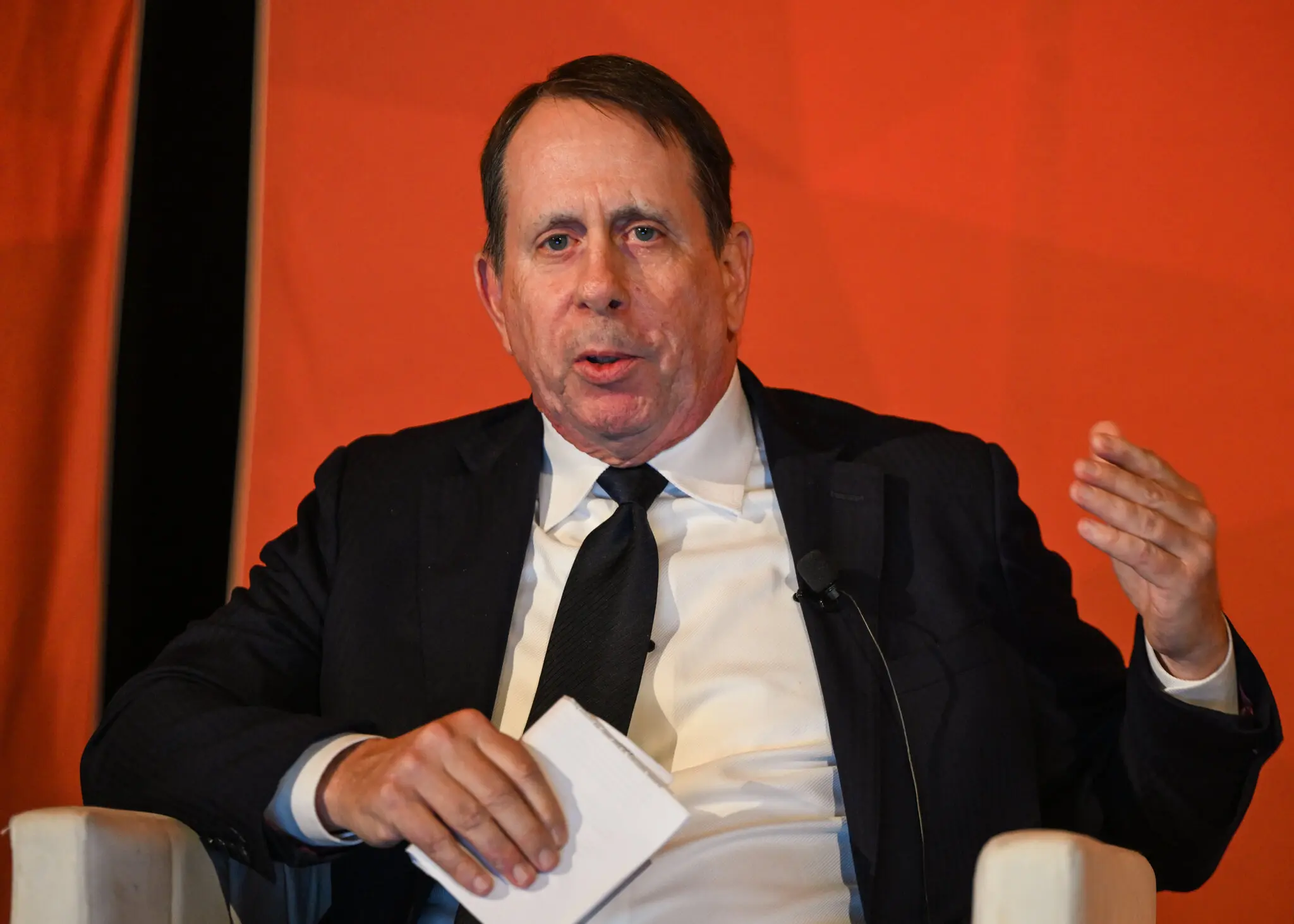
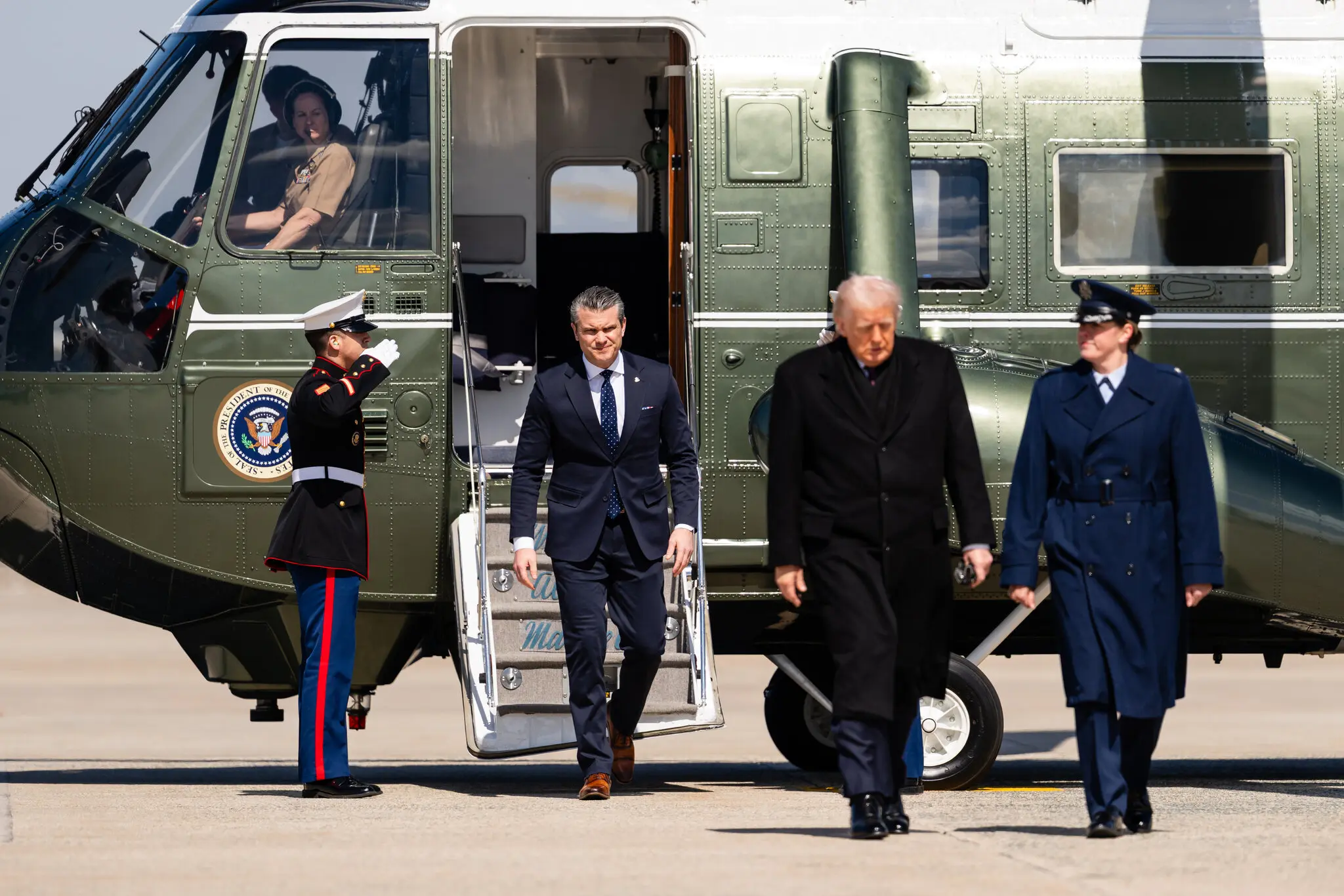 Міністр оборони Піт Хегсет позаду президента Трампа на об'єднаній базі Ендрюс у Меріленді минулого місяця. Пан Хегсет наказав усім видам збройних сил впровадити штучний інтелект — Ерік Лі
China is especially formidable in this competition not only because of its ambition, but because of its scale. Its advantage lies in manufacturing capacity, industrial discipline and the ability to fuse civilian industry with military demand. Once a country can do more than invent an autonomous drone — once it can produce such systems by the thousands — the question of technological leadership ceases to be purely scientific. It becomes a matter of industrial endurance. In future conflicts, what may matter most is not only how precise an algorithm is, but how quickly a state can saturate the battlefield with cheap intelligent platforms.
The American response increasingly resembles something different from the old defense bureaucracy. Washington is speaking more openly about military AI dominance, demanding acceleration, cutting procedural drag and leaning on private industry to move faster than legacy contractors can. The symbol of that shift is not only the return of large technology companies to the defense sphere, but the rise of an entire class of defense start-ups for which borders, battlefields and surveillance networks have become simultaneously a market, a testing ground and a source of data.
That marks another profound difference from the Cold War. Then, strategic breakthroughs were still largely the domain of states and massive public research programs. Now the decisive actors increasingly include companies, venture capital and engineering teams that may have built civilian models yesterday and military targeting systems today. That means military escalation is becoming entangled with the logic of the market: faster release cycles, faster testing, faster scale. Security begins to operate by the rules of product deployment. That is a dangerous shift in itself.
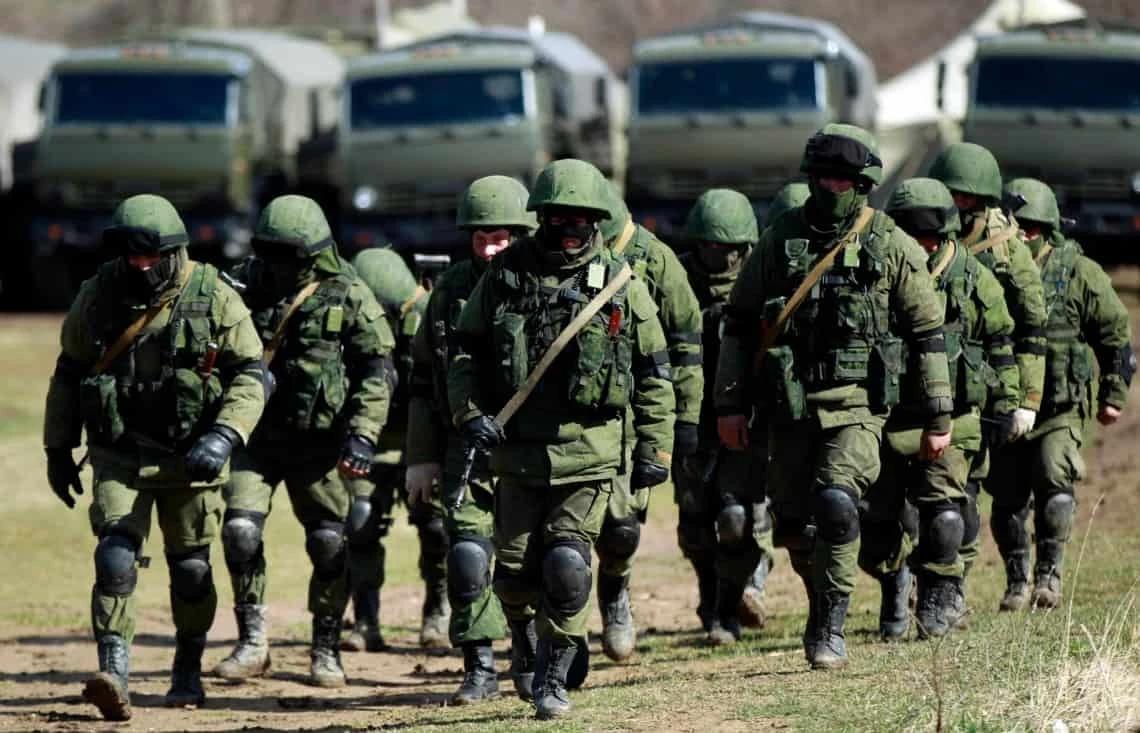
The harshest proving ground of this new era has been Russia’s war against Ukraine. It has shown with brutal clarity that relatively cheap drones, unmanned naval platforms, automated target acquisition and the constant harvesting of battlefield data can reshape the front faster than many heavy systems of the previous era. Ukraine turned scarcity into innovation. Russia turned the opponent’s innovation into adaptation of its own. The result is that the world has watched not a series of isolated experiments, but a true laboratory of machine war in which tactics evolve almost in real time.
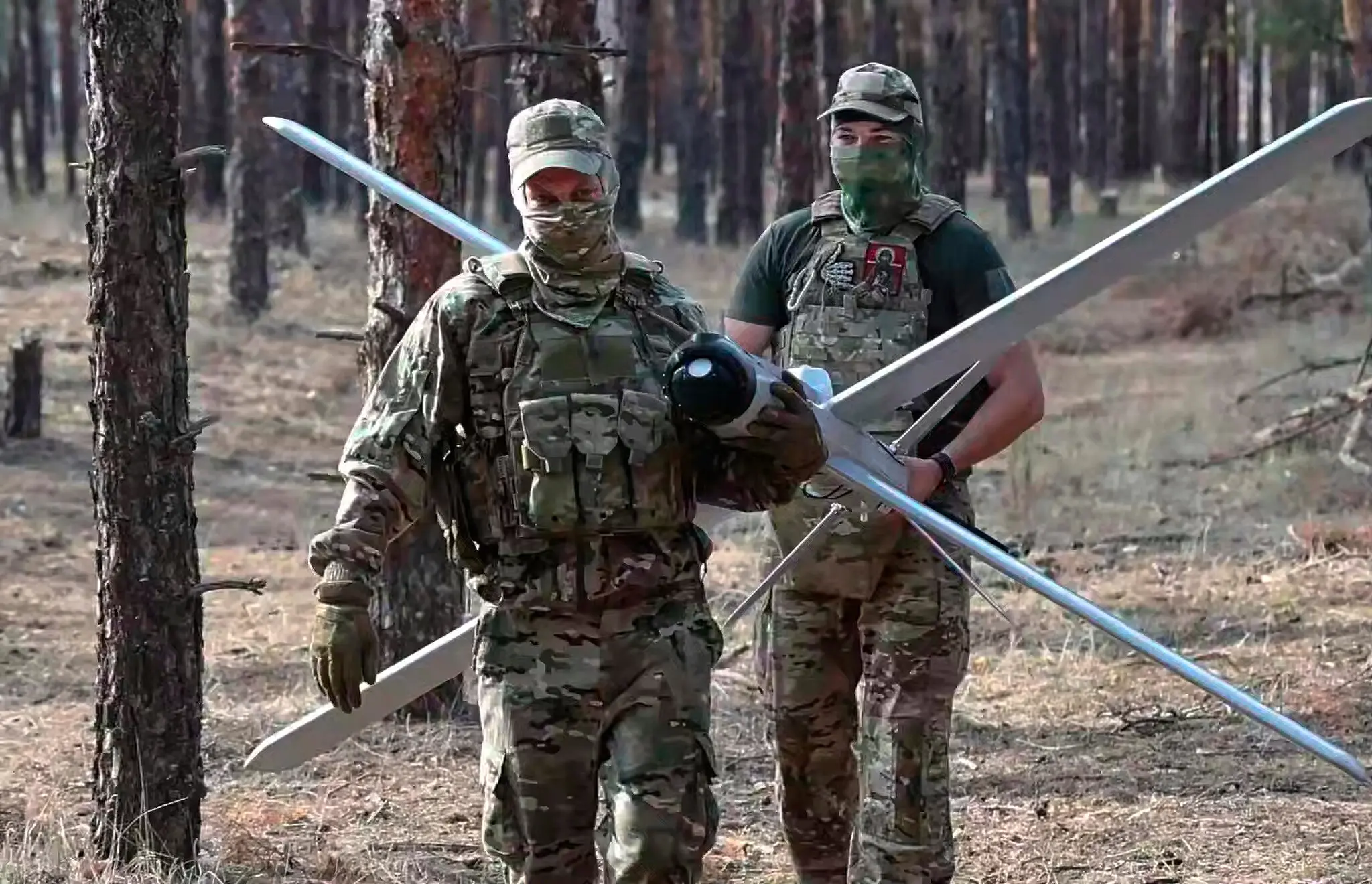
That matters because battlefield data has become a new form of strategic raw material. Whoever possesses more drone footage, sensor streams, strike trajectories, navigation errors, reaction patterns and maneuver scenarios can train better systems. War is no longer only a consumer of technology. It is becoming a producer of technological advantage. Every new conflict becomes a training set for the next one. In such a world, war generates not just destruction, but the next, more dangerous version of itself.
Europe saw this late, but it is now responding. The push for joint air defense, counter-drone shields, new autonomous platforms and reduced dependence on American military backing is not simply a reaction to Russia. It is an admission that the old defense model — built on slow procurement and on the comfort of time between threat and decision — no longer holds. The continent is being forced to adapt to an environment in which the algorithm is not an auxiliary tool, but a core element of battlefield advantage.
Yet the most dangerous feature of this arms race is not the weapon itself. It is speed. Once a system can fuse satellite imagery, intercepted signals, coordinates, target priorities and a recommended strike package in seconds, human participation risks becoming ceremonial. Researchers have warned for years that autonomous systems may increase the danger of unintended escalation precisely because they operate at machine speed and are less capable of reading the human signals of restraint, fear or de-escalation. A machine can calculate. It cannot hesitate in the way a human being hesitates.
That produces the central paradox states are still reluctant to acknowledge aloud. They are building autonomous systems in the name of deterrence, yet those same systems may make crises less governable. The logic is simple. If every side comes to believe that the winner will be the one that acts faster, every side gains an incentive to shorten the time available for human review. And the less time there is for political judgment, the greater the chance of a catastrophic error: a false trigger, a misread maneuver, a chain of escalation that begins not with deliberate intent but with compressed reaction time.
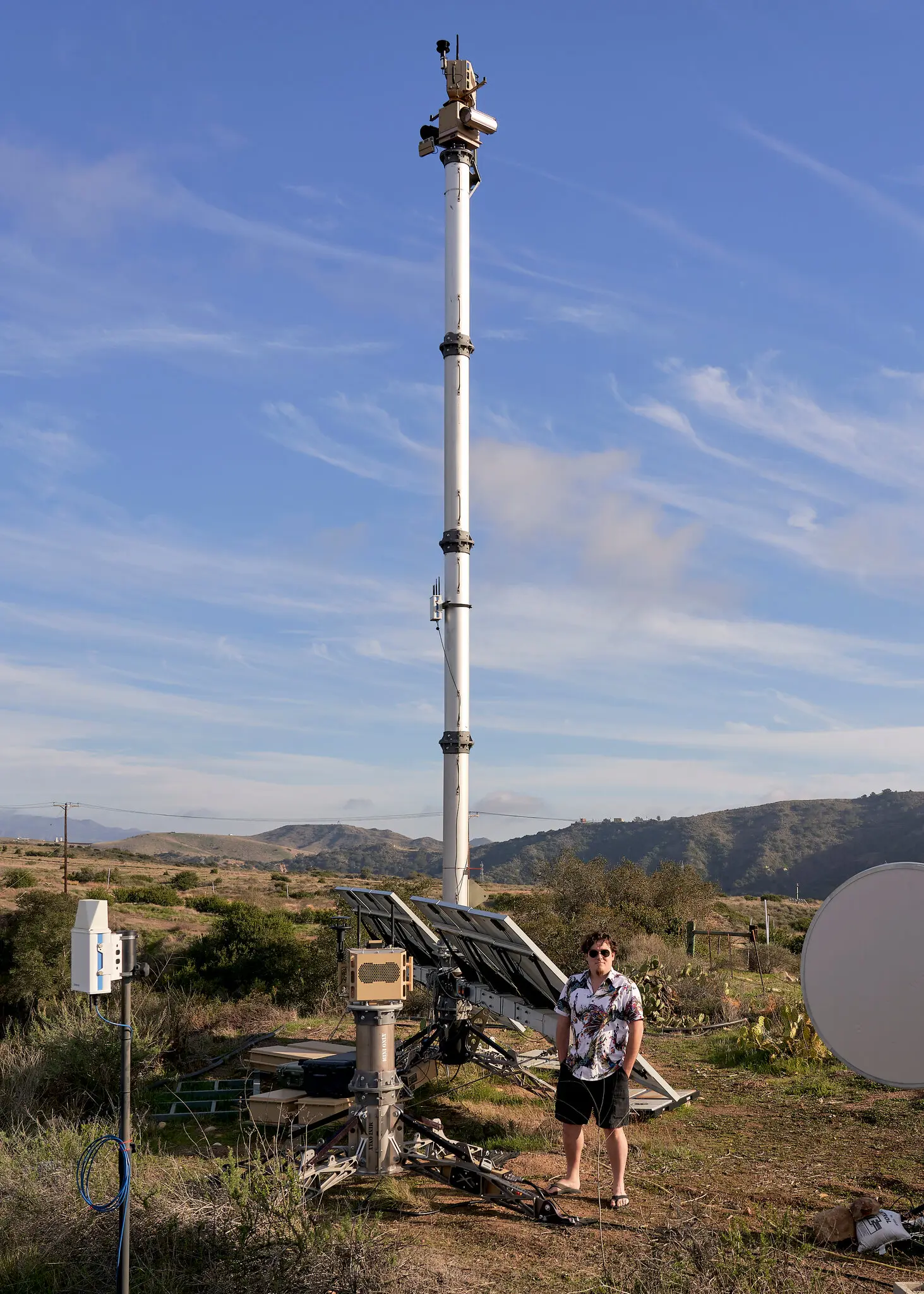 Палмер Лакі, засновник компанії Anduril, яка розробила сенсорні вежі на основі штучного інтелекту для розміщення на кордонах — Філіп Чунг
Against that backdrop, international rules look almost decorative. There are voluntary declarations about responsible military use of artificial intelligence. There are narrow understandings that humans should retain control over decisions involving nuclear weapons. But the largest field of risk lies outside the nuclear threshold: drones, swarms, reconnaissance, target-selection systems, automated battle management. That is precisely where binding common rules remain thin or nonexistent.
The problem is also one of diffusion. This arms race is becoming global far faster than the nuclear race ever did. Dual-use technologies are spreading. Costs are falling. Models are becoming more accessible. The threshold for entry into autonomous warfare is dropping. The world once knew a relatively limited club of nuclear states. It is now moving toward a much broader and blurrier circle of countries that may never possess strategic bombers, but will possess low-cost swarms, targeting systems, neural networks for battlefield analysis and the willingness to test them on a neighbor. That makes the international system less hierarchical and more chaotic at the same time.
For that reason, it is more accurate to describe this era not simply as an arms race, but as a race to control the tempo of war. The decisive advantage will belong not only to the state with the larger arsenal, but to the one that can turn data into decision, and decision into strike, faster than anyone else. In such a world, the center of gravity shifts from metal to software, from troop counts to model quality, from industrial mass alone to the capacity to integrate sensor, algorithm, operator and strike channel into one seamless system.
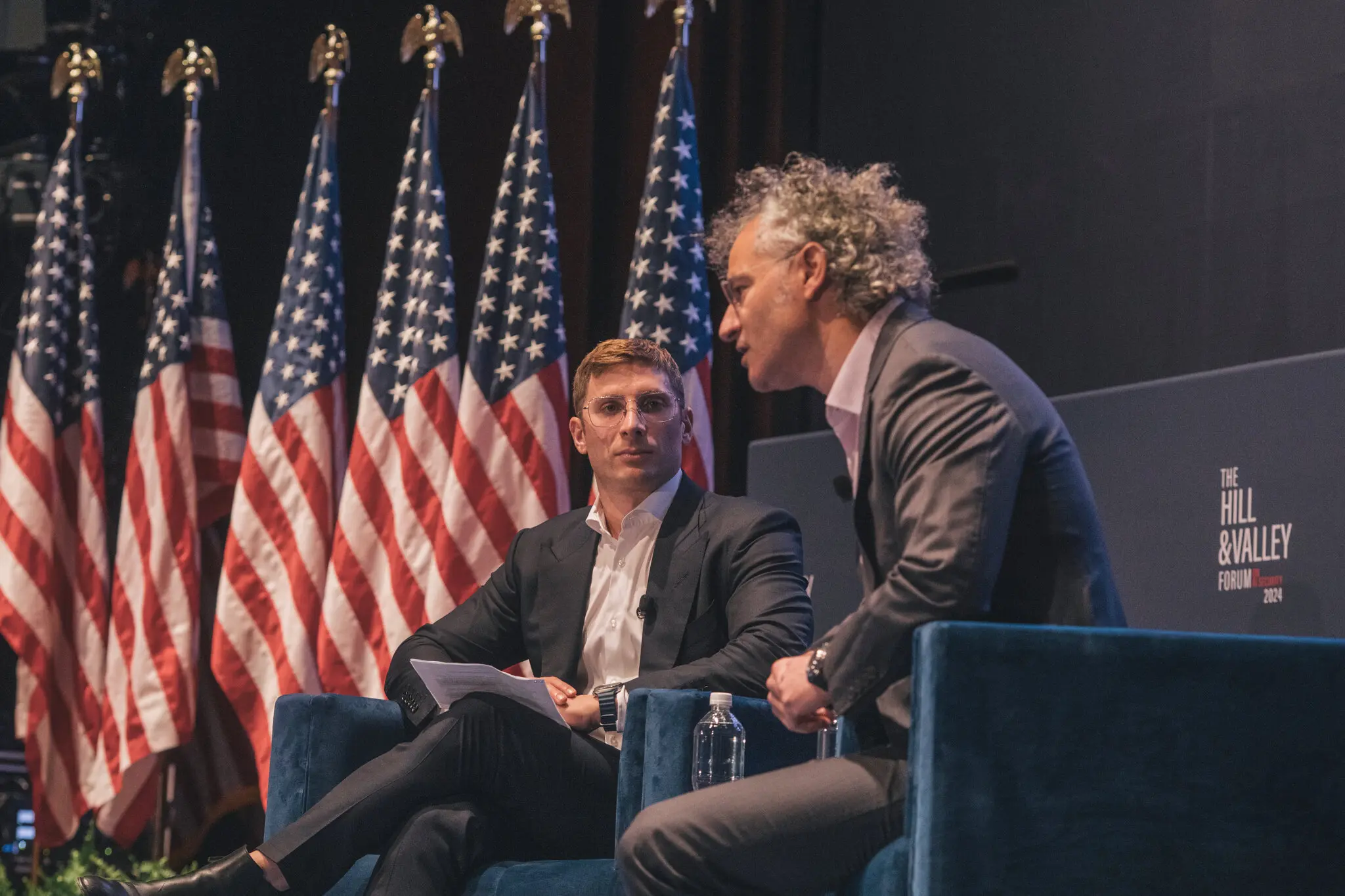
And that opens the deepest political question of all. In the next war, who is actually making the decision — the general, the government, the operator, the company that built the model, or the infrastructure itself, which pushes every actor toward maximum speed? No clear answer yet exists. But one thing is already visible: ethical debate is lagging behind production, and law is lagging behind engineering. Governments are arguing over acceptable limits even as factories open new lines, battlefields supply fresh data and military institutions grow accustomed to the belief that human delay is a weakness.
That is why the gravest danger of this technological age is not that the machine will one day seize control of war. The more immediate risk is that humans will hand over to it, step by step and willingly, more of the most critical functions: speed, priority, target selection, sequence of response, moment of strike. And when that happens, the world will not enter a science-fiction nightmare. It will enter something more ordinary and more dangerous: a political order that still speaks the language of deterrence while war itself has already begun to operate in the language of the algorithm.