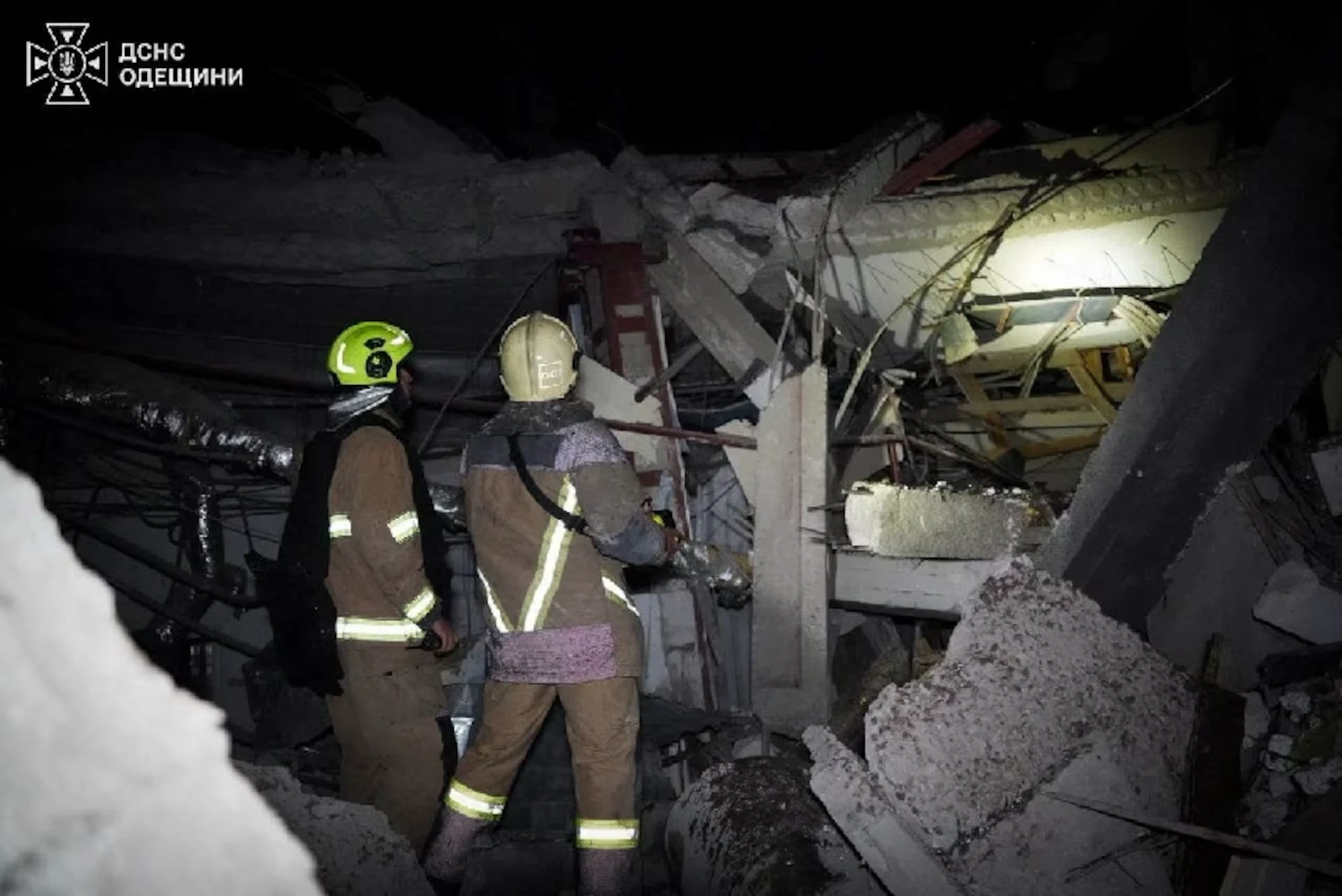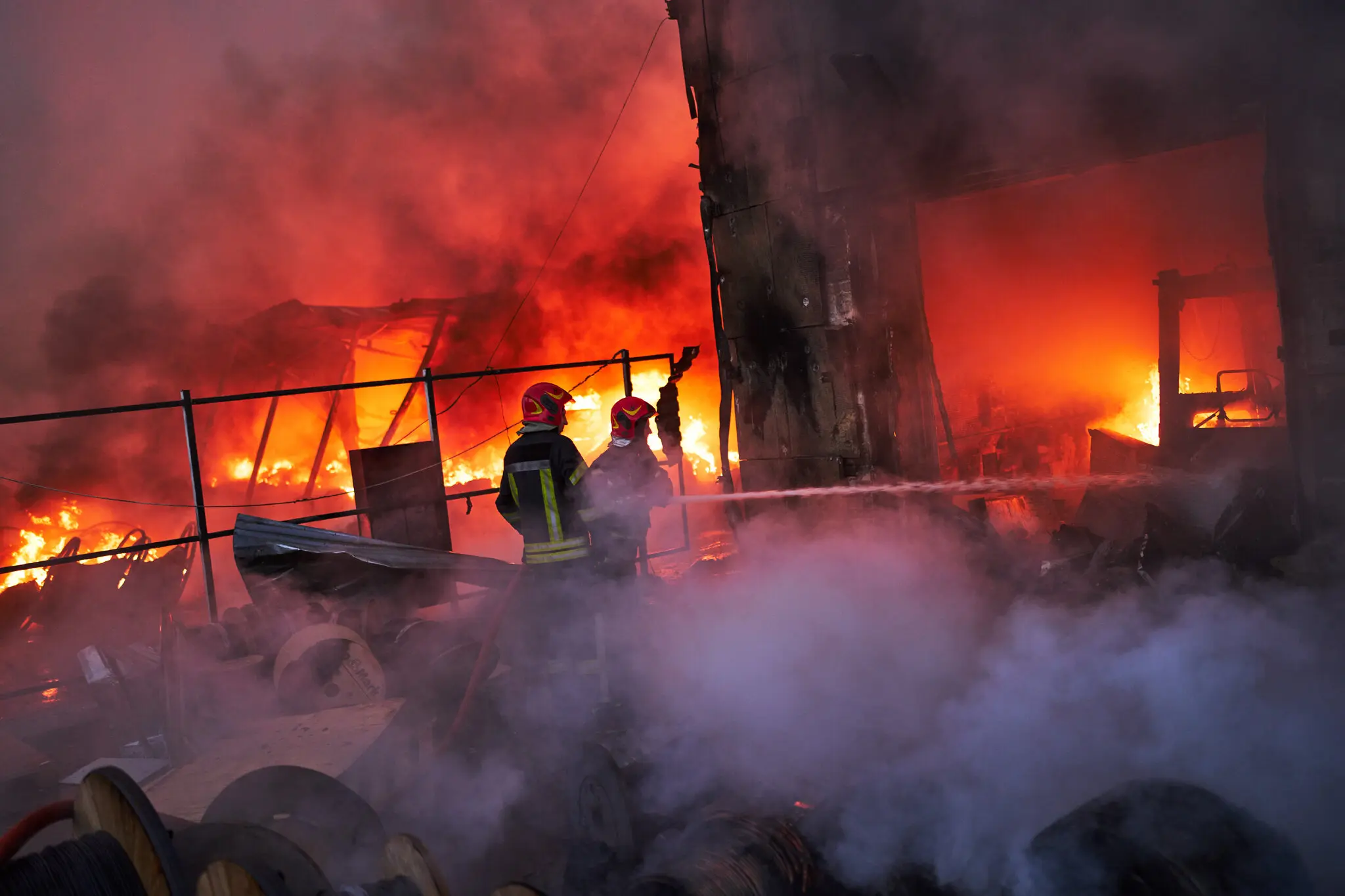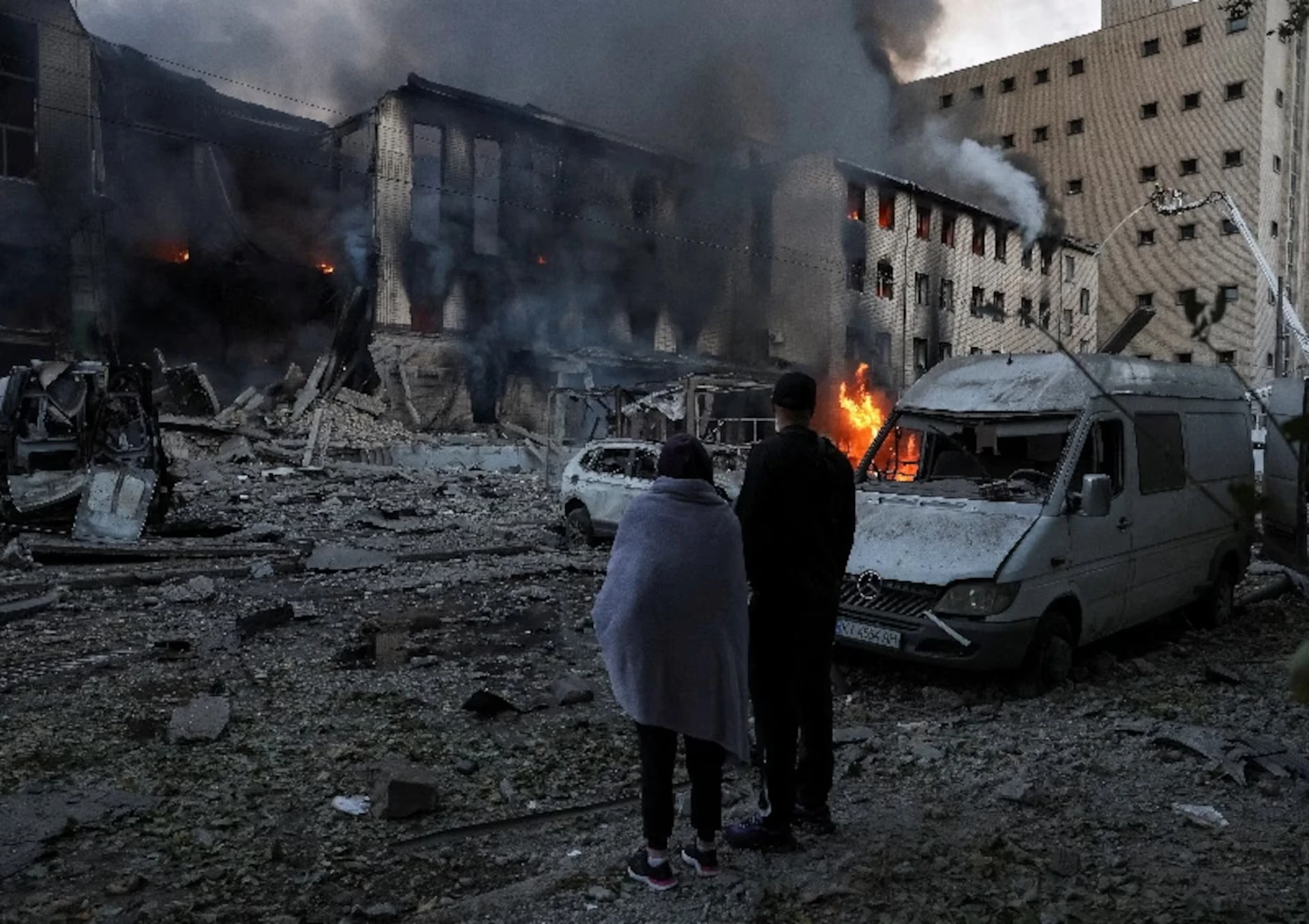


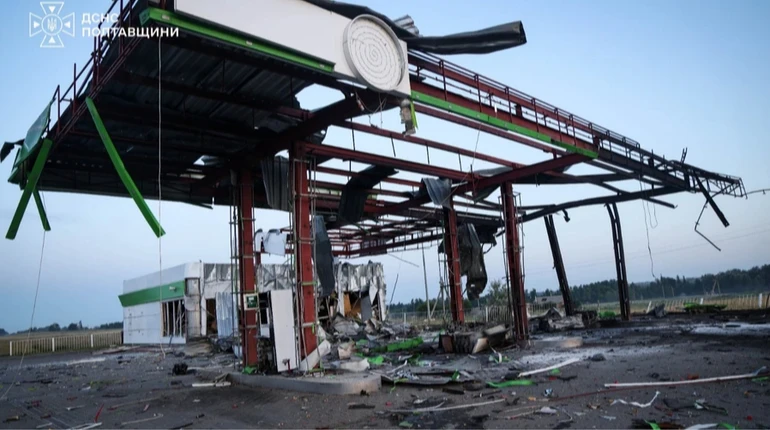

















The Russian drone that hit an apartment building in Galați, Romania, did not mark the beginning of an attack on NATO. But it became something politically more dangerous than an ordinary incident: proof that war can cross a border not with a tank column, but with a cheap unmanned aircraft, debris, fire and two wounded civilians.
For Europe, the strike came at a moment of nervous weakness. The war in Ukraine is in its fifth year, Russia’s threats are becoming more open, allied economies are strained, the Middle East is pulling Washington’s attention away, and American policy toward NATO appears increasingly contradictory. Even if the episode was accidental, it was read as a symptom of a larger crack.
The central question after Galați is not whether Moscow intended to attack Romania. It is whether the Alliance can protect its own territory from a new form of threat that does not always resemble a classic act of war. A drone does not declare hostilities. It simply falls onto a roof — and forces the entire security system to explain why that was possible.
According to Daycom’s earlier analysis, episodes like this are among the most dangerous for NATO. They do not automatically trigger Article 5 or create an obvious casus belli, but they erode the psychological foundation of collective defense. When citizens of an Alliance member see an explosion in their own city, it is no longer enough to hear that security guarantees remain in force.
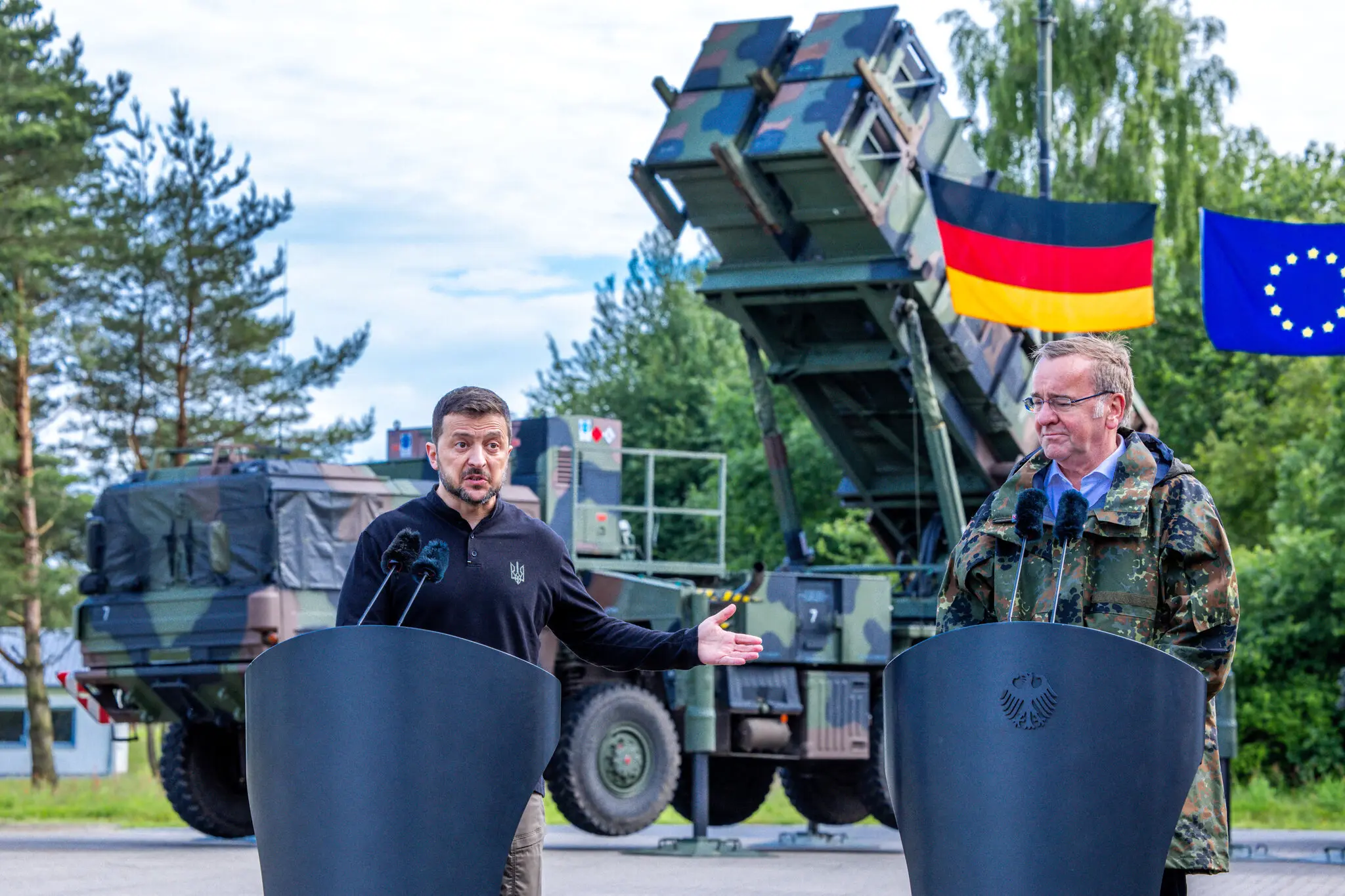
In recent years, NATO has spoken often about “drone walls,” a stronger eastern flank, air-defense coverage and the readiness to defend every inch of allied territory. After Russian drones entered Polish airspace, patrols, monitoring and interception capabilities were reinforced.
But Galați exposed the limits of that architecture. Defending against mass drones is not the same as deterring missiles, aircraft or an armored assault. Drones fly low, shift routes, can be damaged by air defense, disappear into border geography and create danger even when defenders try to destroy them.
For Russia, this gray zone is useful. Moscow does not need to launch a direct strike on NATO to deepen anxiety inside Europe. Frequent airspace violations, cyberattacks, sabotage, threats against embassies in Kyiv, nighttime explosions near borders and doubts about whether a collective response would be swift and unanimous can be enough.
This is a strategy of pressure without formally crossing the line. The Kremlin is trying to widen the war’s field, show European societies that support for Ukraine carries a price and push domestic debates toward a conclusion Moscow wants: that it is better to force Kyiv into concessions than to live under permanent risk. Fear becomes a political instrument.
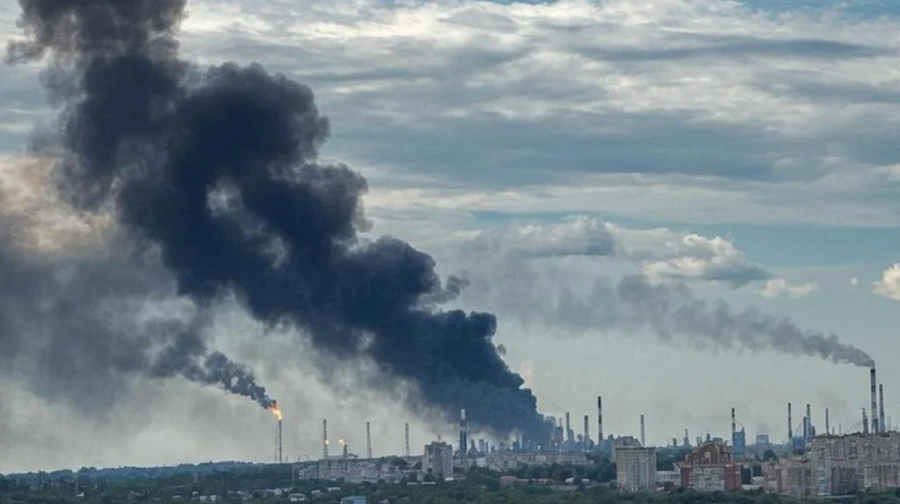
Russia is also trying to regain initiative after Ukrainian strikes on its deep infrastructure. When drones hit Russian refineries, depots, pipelines and military nodes, Moscow answers not only with attacks on Ukraine, but with escalatory rhetoric against its allies. The aim is to change the frame of the war: not Russia under pressure, but all of Europe feeling exposed.
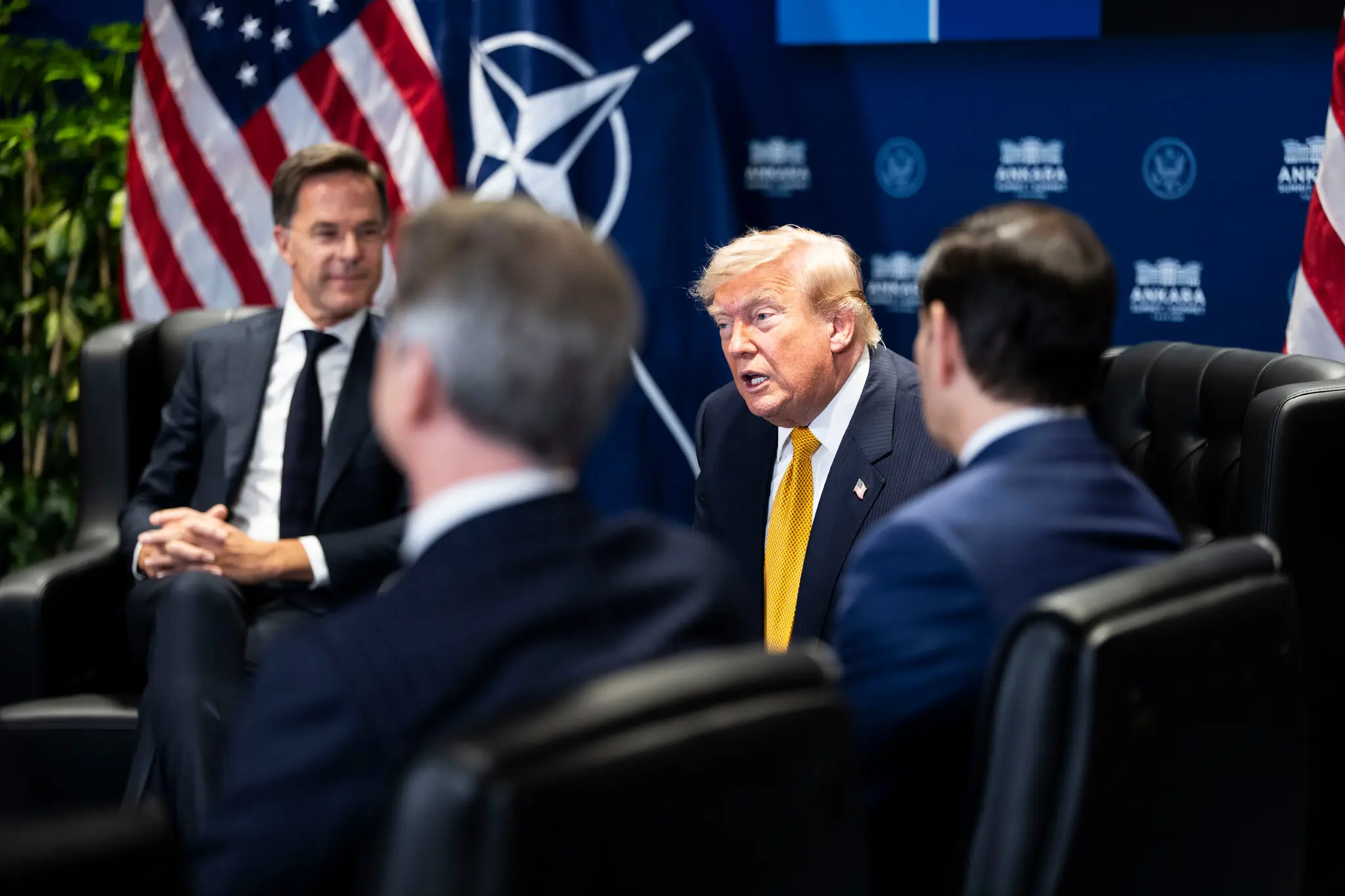
The American factor is especially important. For decades, European security rested on the assumption that the United States remained NATO’s ultimate guarantor. That assumption no longer feels automatic. Donald Trump’s sharp statements about the Alliance, contradictory signals from Washington and the accelerated shift of American resources toward the Indo-Pacific have created a sense of strategic loneliness in Europe.
Even more dangerous is the growing unpredictability of U.S. policy. Some allies are promised additional troops, while others see the American presence reduced. Forces that were supposed to be sent to Europe in a crisis are being reconsidered. Debates over long-range systems, bases and reinforcements no longer look like a single defensive line, but a set of political signals that Moscow reads carefully.
For Vladimir Putin, such uncertainty may look like an invitation to take risks. If the Kremlin believes NATO is divided, the United States is reluctant to become deeply involved, and Europe lacks enough air-defense systems, missiles and long-range weapons, the temptation to test boundaries grows. Wars often produce miscalculation precisely in moments like this.
European anxiety is also sharpened by shortages in air defense. Ukraine needs more missiles and systems to protect its cities. NATO countries are also seeing their own gaps. Conflicts in the Middle East are absorbing additional stocks, production is struggling to keep pace with expenditure, and cheap drones force defenders to use expensive interceptors.
That creates an asymmetry the Alliance is still learning to manage. A Russian drone may cost relatively little, but its appearance over NATO territory can trigger costly aircraft launches, political consultations, crisis meetings, media panic and public doubt. In that equation, Moscow sees not only a military advantage, but a psychological one.
That is why Galați became more than a local incident. It became a test of European confidence. If NATO responds only with words, each new incident will look like another probe of weakness. If the answer is systemic — denser air defenses, real counter-drone networks, joint watch systems, faster coordination with Ukraine — the drone strike could become a trigger for strengthening rather than destabilization.
Europe must also acknowledge that the eastern flank can no longer be defended only against the scenario of a major war. Danger may arrive in small portions — without a declaration, without a column at the border, without a Kremlin decision to begin a direct conflict. This gradual escalation is precisely what old defense doctrines find hardest to absorb.
The strike on the Romanian building hit more than a roof. It hit Europe’s assumption that the war in Ukraine, however close, remains controllably separate. After Galați, that line looks less convincing. For people on NATO’s eastern flank, it no longer runs only across a map. It runs through the night sky above their own apartments.
That is why this drone struck trust. Trust in the Alliance’s ability to see danger in time. Trust in Washington’s readiness to remain Europe’s guarantor. Trust in the belief that Russia will not dare go further. In a long war, such doubts can be no less destructive than the explosion itself. Collective defense rests not only on treaty articles, but on the conviction that when danger comes, someone will stop it.