




















The Easter cease-fire between Russia and Ukraine appeared, at first glance, to offer a rare window of stillness in a war that has already stretched into its fifth year. In reality, it became a compressed version of the war itself: a brief political gesture, almost immediately broken by the logic of the front, drones, shelling and mutual distrust.
Kyiv had signaled from the outset that it was prepared to observe an Easter pause if the silence proved genuine. The idea was not treated as a ritual courtesy, but as a possible test of whether even a short interruption in fighting could create space for something larger than battlefield routine.
But that is precisely where the deeper problem emerged. In this war, even the shortest cease-fire has no independent value if neither side believes it will last. The pause was quickly exposed not as a bridge toward de-escalation, but as another tactical layer inside a conflict that never truly stopped.
As Daycom’s earlier analysis suggested, symbolic cease-fires in the Russian-Ukrainian war have long since lost their autonomous meaning. They are no longer read as the beginning of peace. They are read as instruments of positioning: a way to display nominal readiness for peace without altering the real logic of combat.
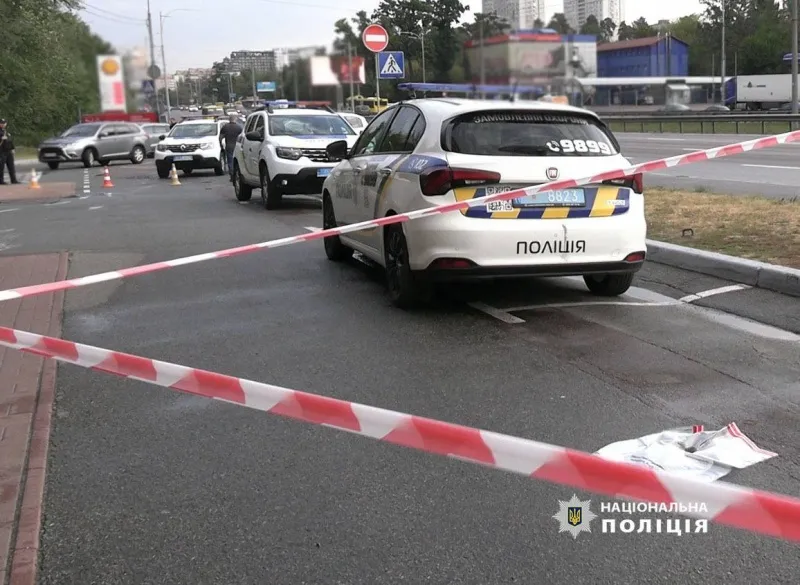
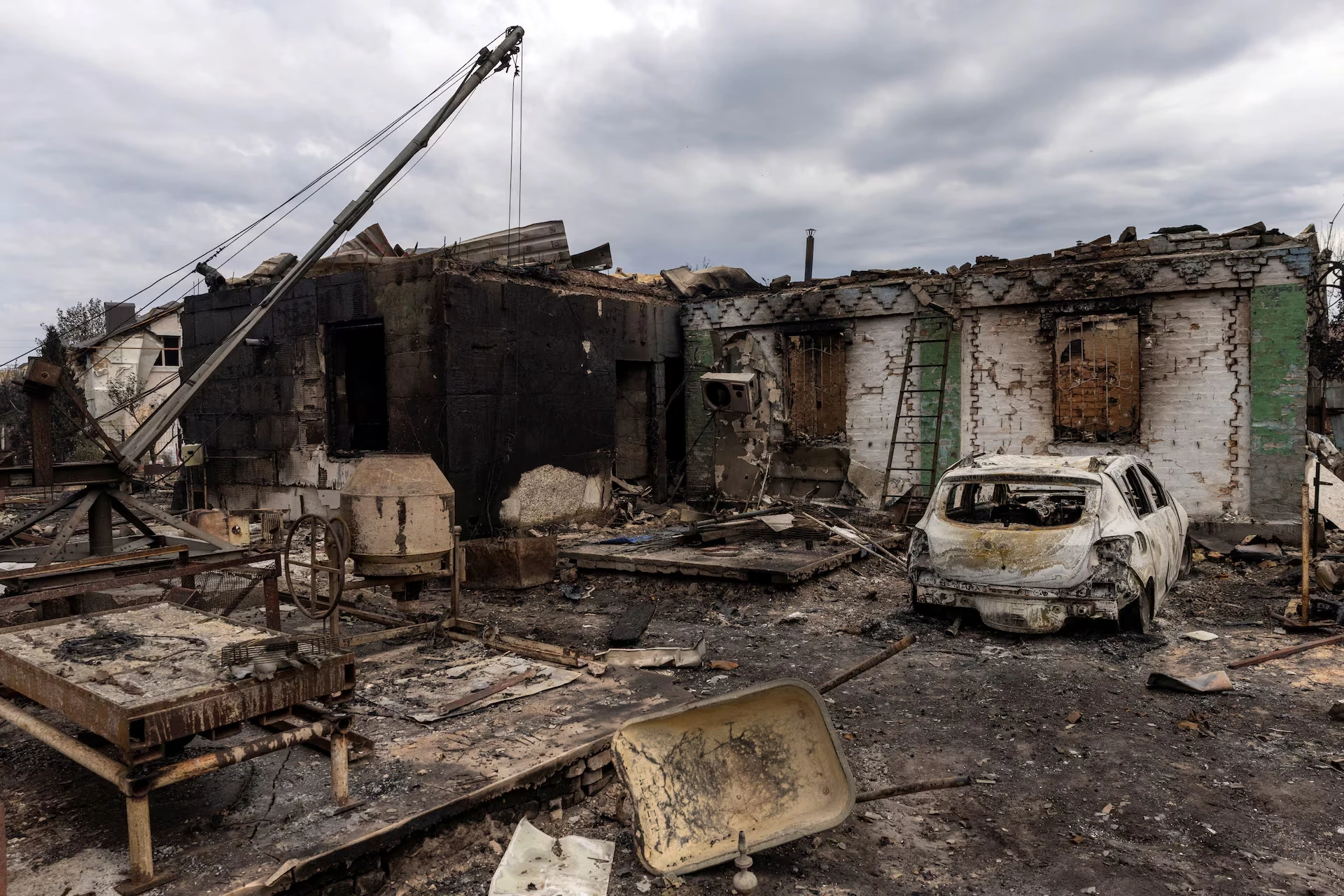
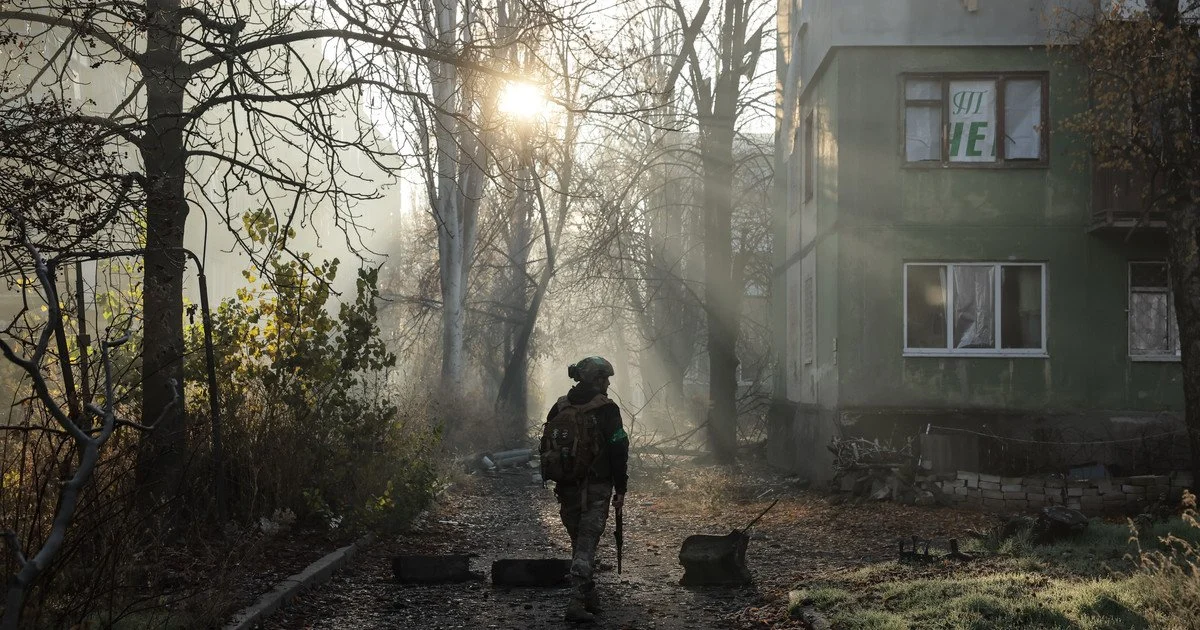
By the morning after the truce expired, it was already clear that this was not silence, but only a partial reduction in certain types of activity. Fatal strikes were still being reported in the Donetsk region during the cease-fire window. The fact that people were killed during days that were supposed to stand, however briefly, outside the ordinary rhythm of war turned the word “truce” into a political formality.
That is why the story was never only about individual incidents. It was about the broader pattern they revealed. Ukraine reported thousands of alleged violations during the pause, including artillery fire, assault actions and extensive drone use. Even the absence of large-scale airstrikes did not change the core reality: the war did not stop. It merely shifted its form for a few hours.
Russia, for its part, accused Ukraine of repeated violations as well. The mutual blame is no longer surprising in itself. What matters is something deeper: even when both sides formally accept a short halt in fighting, there is neither a shared mechanism of control nor even minimal trust in the fact of the cease-fire itself. Without that, any truce becomes not an instrument of peace, but another front in the information war.
In some ways, the Easter pause revealed more than an ordinary round of fighting would have. It showed that the two sides can reduce certain forms of violence, but cannot convert that reduction into a stable regime of restraint. A drop in air activity does not mean the battlefield has gone quiet. It means only that modern war has become so layered and technologically dispersed that it can be softened on one level while continuing almost uninterrupted on another.
More importantly, such pauses are no longer functioning even in the humanitarian sense they once promised. Their original logic was simple: to give civilians at least a brief space without fear, whether for worship, evacuation or the basic human need to feel that war does not consume every hour. But when even that pause is accompanied by reports of deaths, injuries and new attacks, it stops being a humanitarian measure and becomes another episode of psychological exhaustion.
That carries its own message for diplomacy. Ukraine has repeatedly argued that even a short cease-fire could serve as a practical signal that some negotiating logic still exists beneath the battlefield. Yet the Easter episode suggested the opposite. Without broader political understandings, verification mechanisms and at least a minimum of mutual confidence, local pauses do not bring peace closer. They merely expose how absent peace really is.
That is why this 32-hour episode should not be read as a failed peace attempt in the usual sense. It is better understood as a snapshot of contemporary war, in which even a holiday truce exists under conditions of immediate suspicion. Each side enters the pause assuming the other will exploit it tactically. As long as that assumption governs the battlefield, any silence is doomed to end before it can acquire meaning.
The fact that the truce was not extended only reinforced the point. If even religious symbolism, which lends itself easily to political optics, cannot be converted into a longer halt in fighting, then the actual value of the gesture is minimal. The war returns to its habitual state almost without transition, as though the pause itself had never really existed.
In the end, this Easter cease-fire was not a moment of peace, but a moment of clarity. It showed that the central deficit in this war is no longer only security. It is the loss of belief that even the shortest silence can still be real. And while drones, artillery and frontline logic remain stronger than symbols, every new truce will sound less like the beginning of de-escalation than like a brief breath taken inside an unbroken war.