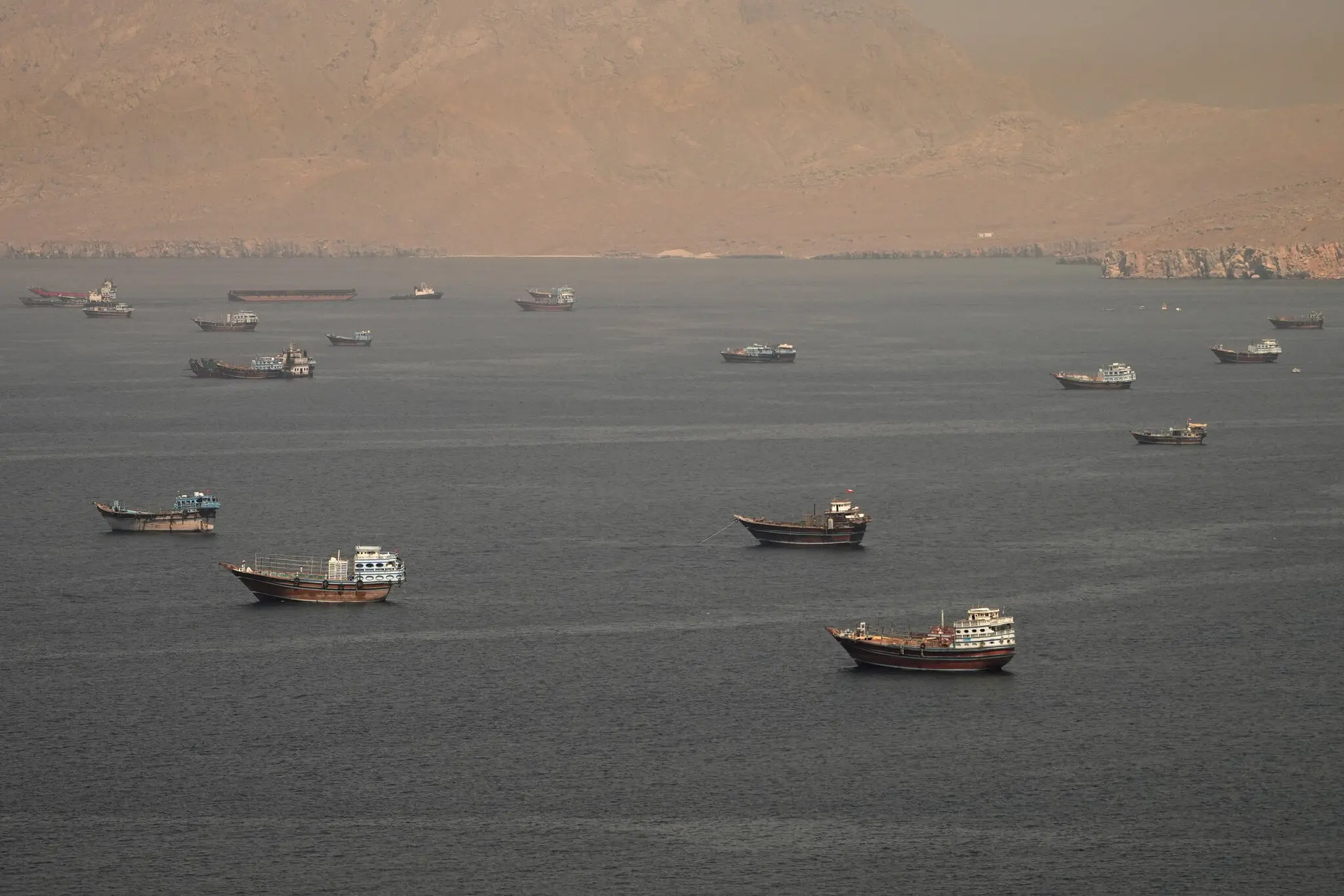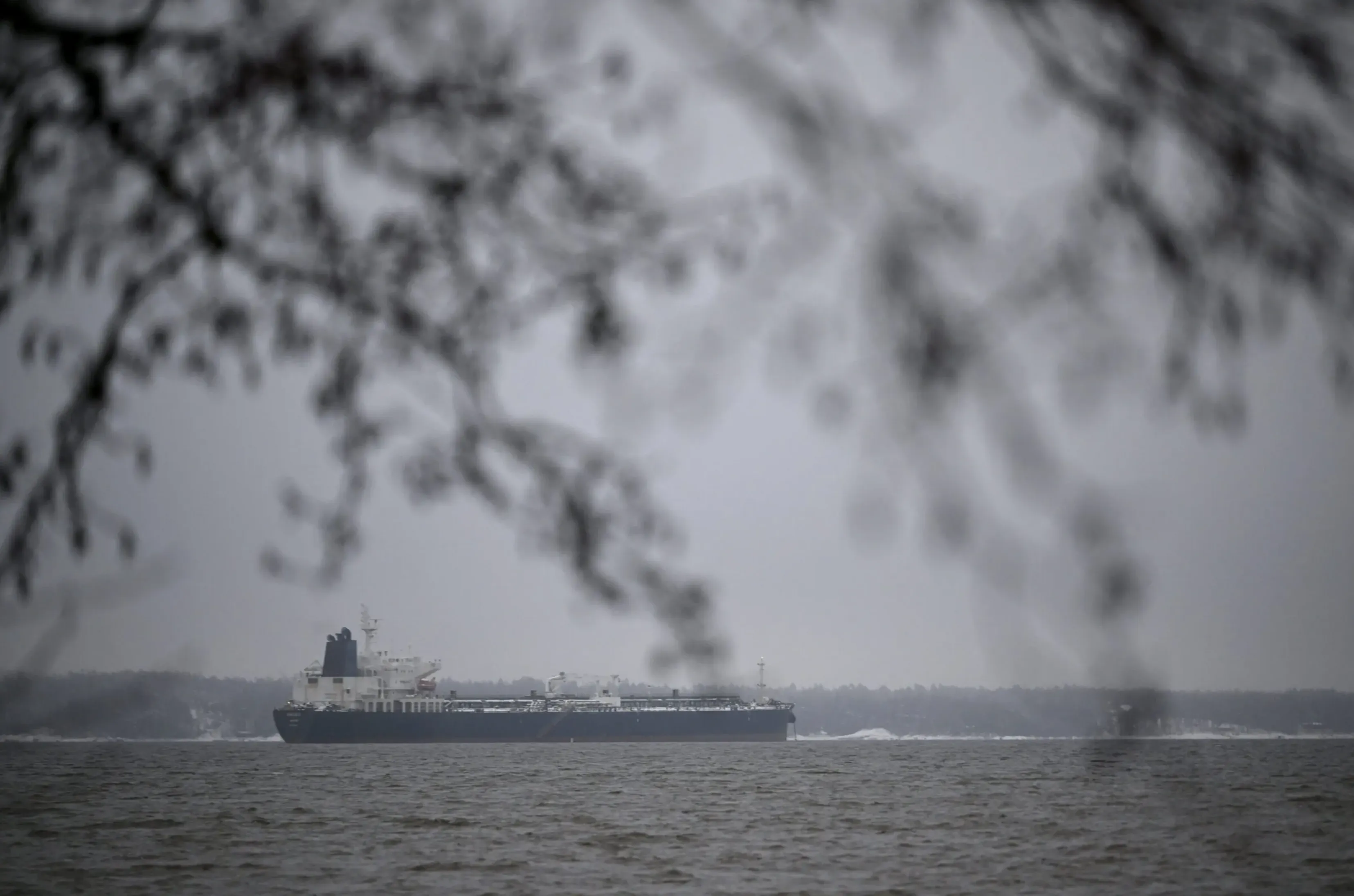




















The preliminary deal between the United States and Iran gave the Persian Gulf what the region needed immediately: an end to a major war, the reopening of the Strait of Hormuz, a lower risk of strikes on energy infrastructure and a chance for shipping to return to its normal rhythm. But it did not provide the central answer — what happens to Iran’s missiles and drones.
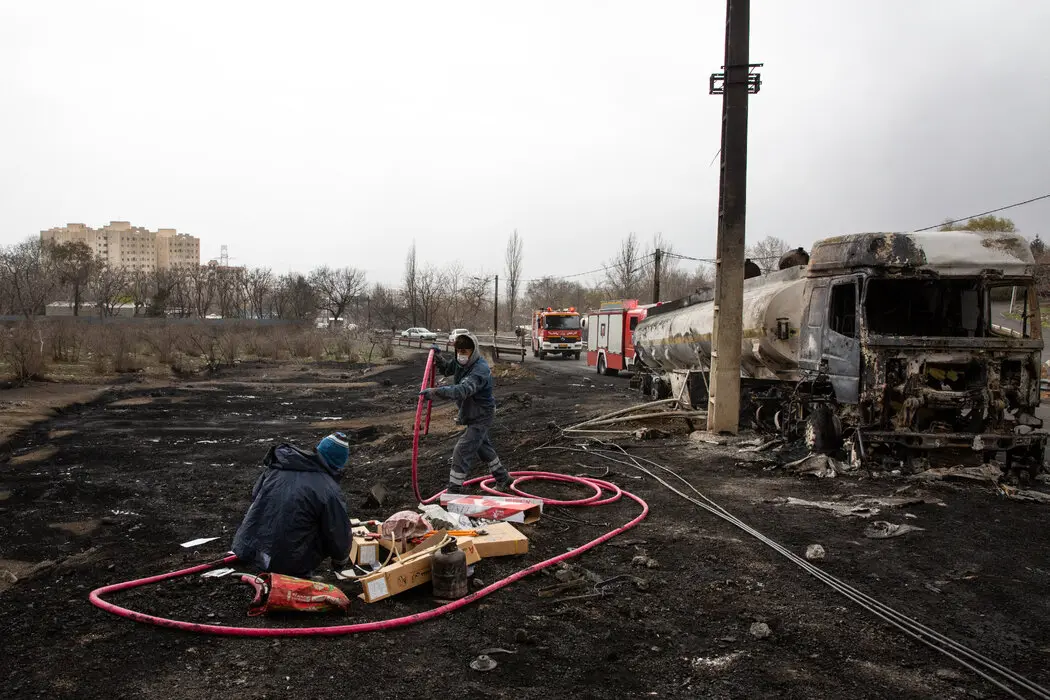
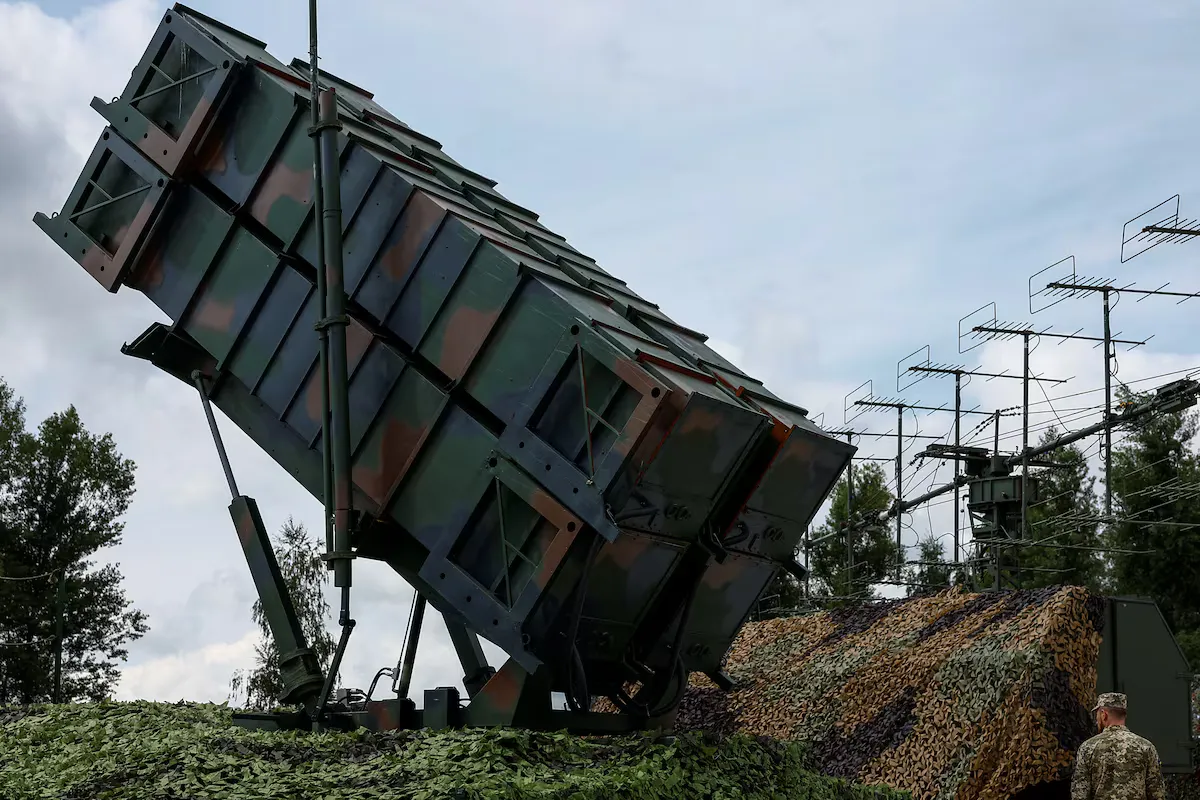
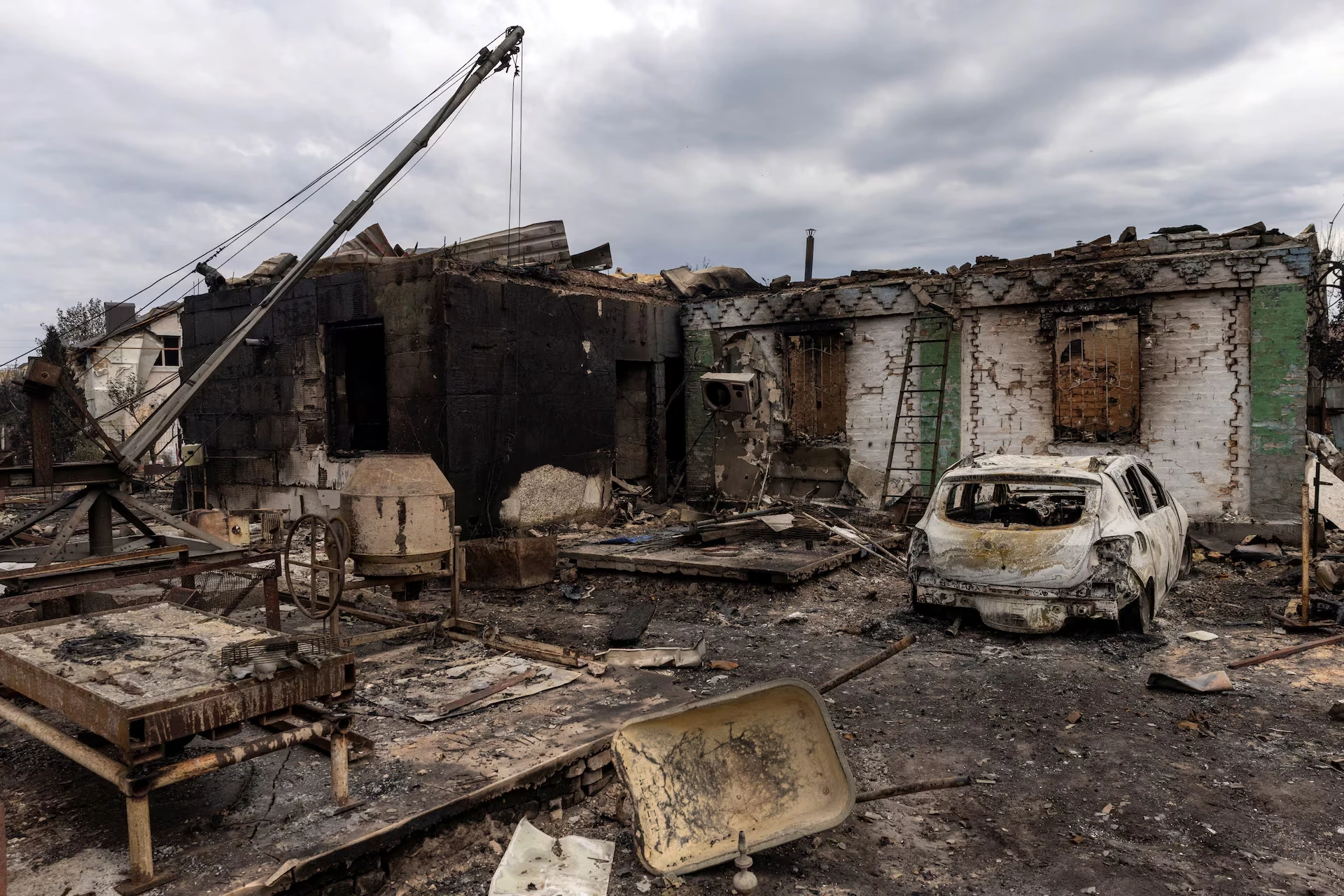
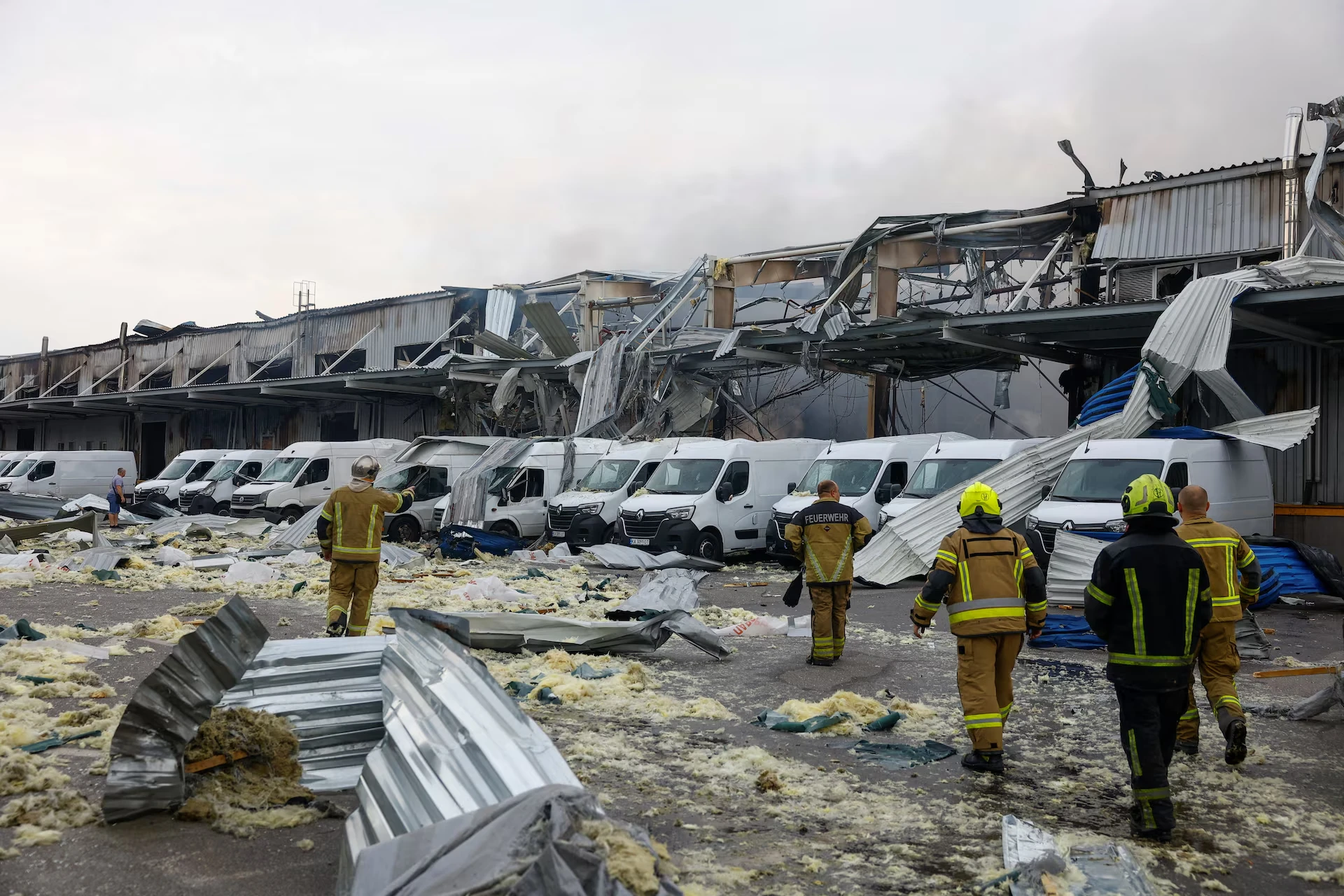
Those were the systems that struck airports, energy infrastructure, hotels, military facilities and civilian routes across the Gulf during the war. For Washington, they became part of a broader negotiating balance. For the monarchies of the region, they remain a daily threat that cannot simply be postponed.
That is why the Gulf reaction is not simple. The states of the region do not want the war to continue and do not seek direct confrontation with Iran. But they see that the agreement lowers the temperature of the conflict without dismantling the mechanism that makes Tehran dangerous to its neighbors.
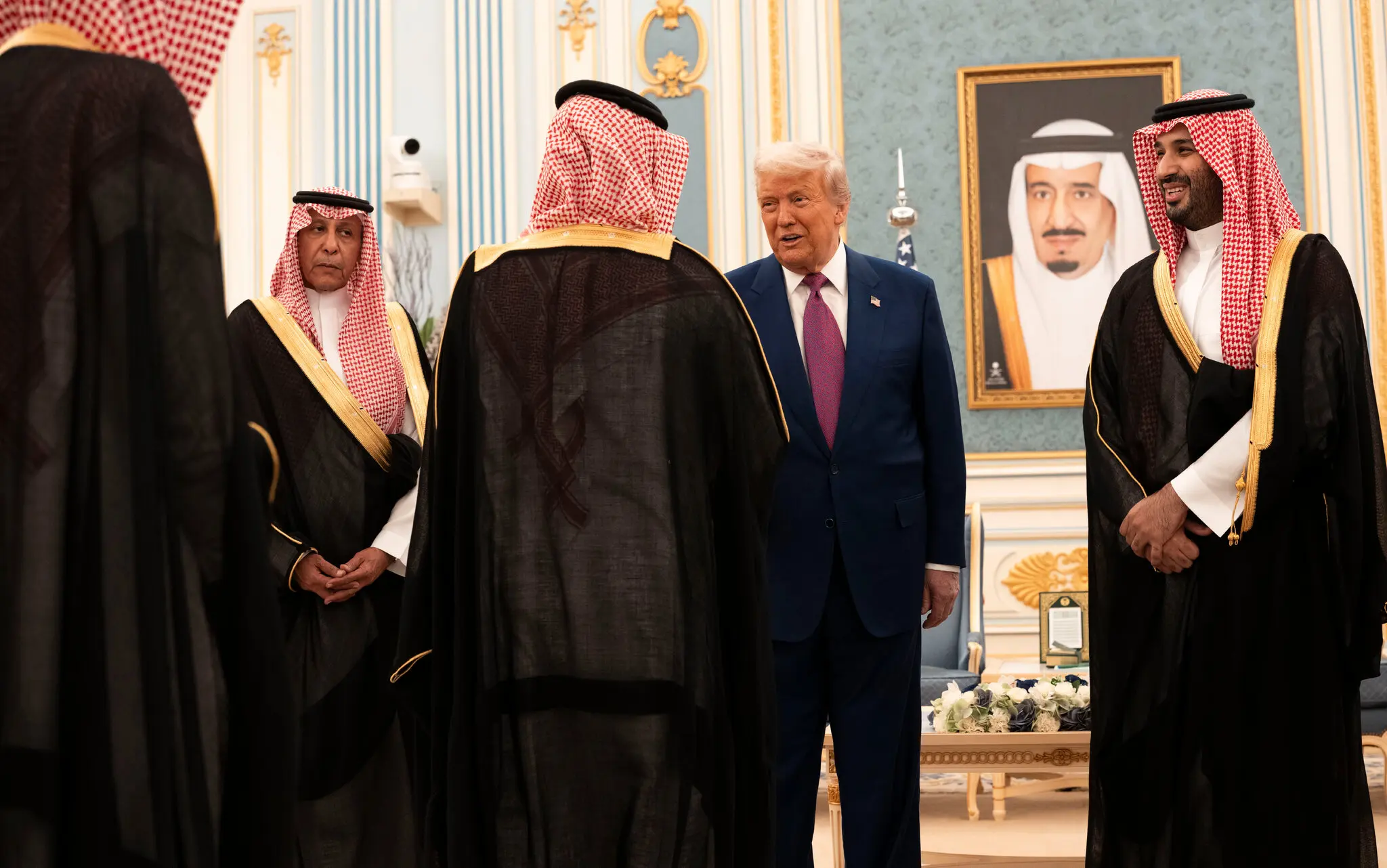
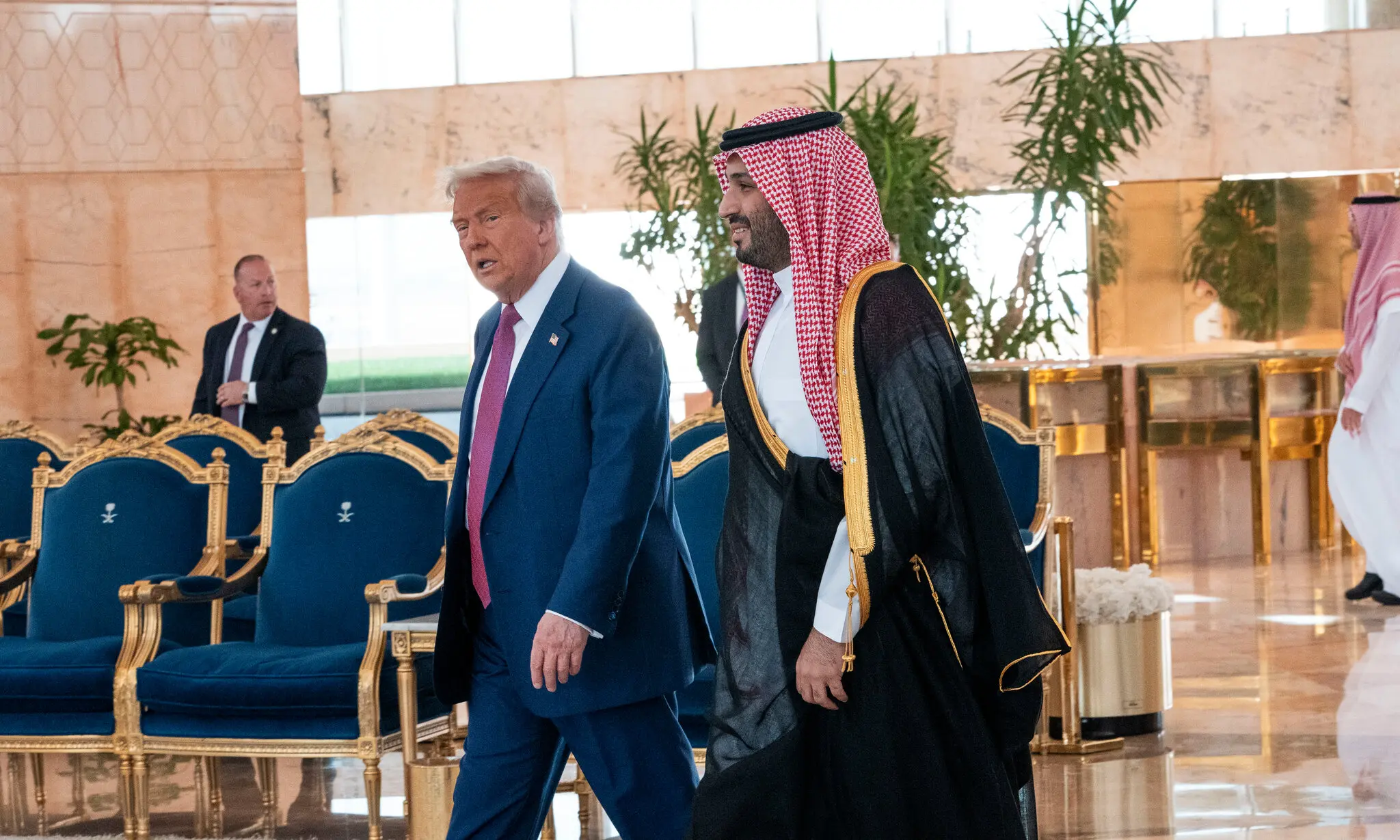
For Daycom, this situation captures the new Middle Eastern reality: U.S. allies no longer see the American security umbrella as an automatic guarantee. They remain close to Washington, but they are increasingly asking what to do when American priorities once again fail to match their fears.
The greatest frustration comes from the absence of any provisions on missiles and unmanned systems. Iran’s nuclear program remains a subject for future negotiations, oil relief is already giving Tehran financial breathing room, and the missile-drone arsenal has effectively been placed outside the core of the deal.
That is especially painful because American rhetoric at the start of the war was much tougher. Washington spoke of eliminating Iran’s ballistic threat — the capacity to strike neighbors, U.S. bases and allied territory. Now the tone has changed: Iran is effectively being left with the right to keep part of its missile capability as an element of self-defense.
For the Gulf states, that shift looks less like diplomatic flexibility than a lowering of the bar. They experienced the attacks not in theory, but physically: explosions near energy hubs, risks to aviation, damage to tourism, insurance, logistics and investment. In a region where stability is part of the economic model, a missile strikes not only a building, but confidence itself.
That is why cautious support for the deal from some regional governments does not mean satisfaction with its content. They can welcome the end of fighting and still regard the agreement as incomplete. A pause is needed by everyone, but a pause without limits on the missile threat leaves the feeling that the main explosive material has merely been moved into the next phase.
The United Arab Emirates chose a highly restrained formulation: support for efforts to protect people from the consequences of conflict and a demand for full compliance with the agreement. That language is revealing. It does not attack Washington, but it also does not hide the fact that the region wants more than a cease-fire. It wants guarantees against a repeat of the attacks.
Saudi Arabia, Kuwait, Qatar and Bahrain have their own reasons for caution. They do not want to publicly undermine American diplomacy at a moment when Hormuz is reopening and oil prices are stabilizing. But silence is not the same as trust. In Gulf diplomacy, silence often means not agreement, but time to recalculate risk.
The central fear is that Iran will receive financial benefits from oil relief and use part of those resources to rebuild its missile and drone capabilities. If economic relief arrives faster than real restrictions, Tehran will gain more money, more time and more room to regroup.
This is not an abstract suspicion. Iran’s model of power has long rested not only on its regular army, but on a combination of missiles, drones, proxy networks, maritime pressure and political blackmail. Even without nuclear weapons, that system can destabilize the region, strike energy markets and force neighboring states to live in constant expectation of the next attack.
The deal with Washington temporarily reduces the risk of direct war, but it does not change that structure. It opens Hormuz, but it does not close missile depots. It calms the market, but it does not remove drones from the regional balance. It gives the Trump administration a political argument, but it does not give the Gulf a full sense of security.
That is why the states of the region will increasingly think through their own options. The first is large-scale investment in air defense, missile defense, radars, sensors, early-warning systems and protection for critical infrastructure. This is no longer only about buying expensive aircraft. It is about building a dense defensive dome over ports, terminals, airports and cities.
The second option is drone and counter-drone modernization. The Persian Gulf will look to those with real combat experience against mass missile and drone attacks. Ukraine and South Korea may become important sources of practical knowledge for the region: how to build layered defenses, how to link radars with mobile teams, how to shoot down expensive threats cheaply and how not to exhaust the defense faster than the attacker exhausts the attack.
Ukraine’s experience is especially valuable here. Ukraine has learned to live under combined attacks in which ballistic missiles, cruise missiles, kamikaze drones and decoys arrive together. For the Gulf, which has money but not the same volume of combat practice, that experience may matter as much as the purchase of new systems.
The third option is diplomacy with Iran itself. If Washington does not fully close the missile issue, Tehran’s neighbors will have to maintain their own channels of communication. That does not mean trust. It means fear of uncontrolled escalation. In a region where one strike on a terminal can move world markets, talking to an adversary can be as necessary as building air defenses.
All of this is gradually changing the place of the United States in the Gulf’s security doctrine. America remains indispensable: its bases, fleet, intelligence, weapons systems and political weight have no quick replacement. But after the war with Iran, the region will ask more sharply whether Washington is always ready to fight for allied security when American voters, markets and the political calendar demand something else.
This does not mean a turn away from the United States tomorrow. Replacing the American role would take decades and would require technological, military and political resources that no outside power can quickly provide. But dependence is no longer comfortable. It is becoming something to be revised.
For Trump, the Iran deal may look like a successful operation: strike, pressure, agreement, open Hormuz, lower fuel prices. For the Gulf states, that is only the first half of the story. The second begins with the question left unanswered: what should be done about Iranian missiles and drones when Tehran is gaining time and money?
That question will define the region after the 60-day pause. If the next stage of negotiations includes real limits on Iran’s missile and drone arsenal, the deal may become the beginning of a new balance. If not, the Persian Gulf will see it as a temporary breather before the next turn of danger.
Peace without an answer to missiles is fragile. It can reopen a strait, calm traders and lower gasoline prices. But it does not remove fear from countries that have already seen Iranian missiles flying into their space. And fear in the Persian Gulf rarely remains an internal feeling. Sooner or later, it turns into new weapons purchases, new alliances and new distrust of old guarantees.