
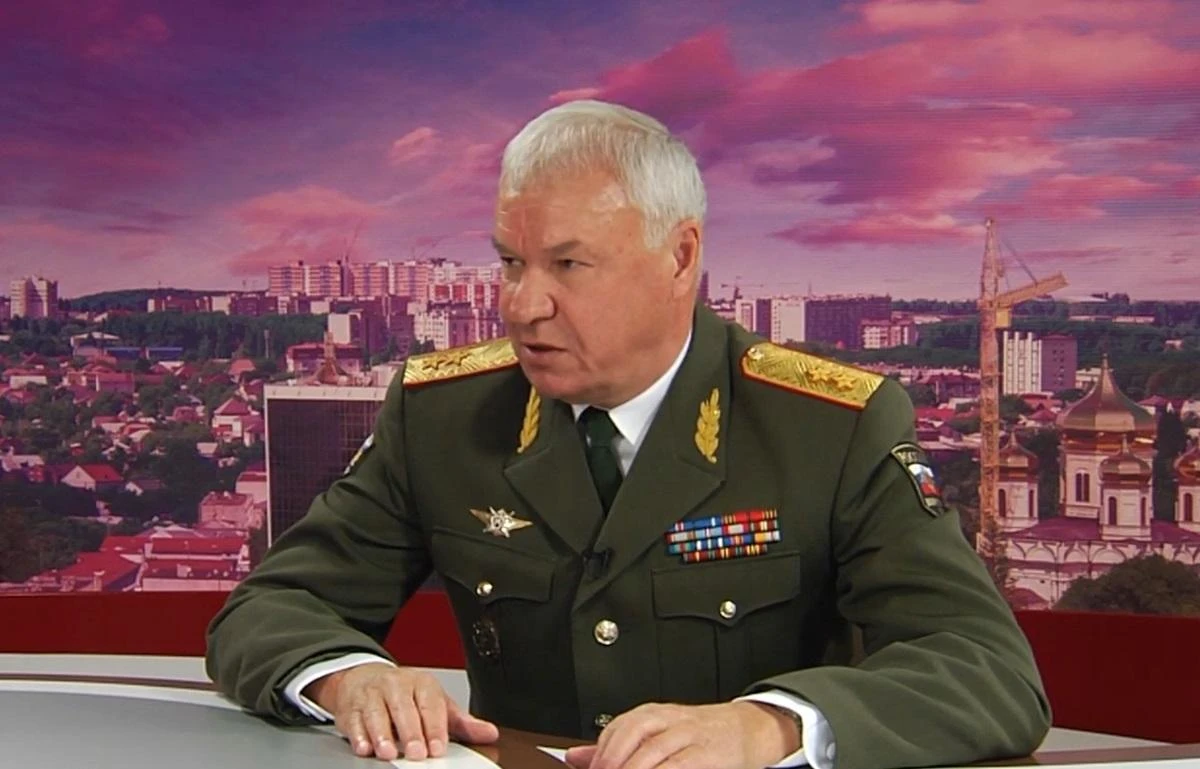
















Donald Trump said almost nothing about the Iran deal during a White House ceremony awarding Medals of Honor. He mentioned the rising stock market, praised the American military and described recent days as a time of “good victories.” Then he left without answering reporters’ questions.
That silence was telling. The White House wants to present the agreement as the conclusion of a short and successful war: the United States struck, Iran suffered losses, the Strait of Hormuz is reopening, gasoline is cheaper, and markets are calming down. Behind that image, however, lies a more complicated reality.
Iran has emerged from the conflict not defeated, but damaged and still dangerous. It has demonstrated that control over the Strait of Hormuz can be used as an economic weapon capable of unsettling oil markets, shipping lanes, American voters and U.S. allies in the Persian Gulf.
For Daycom, this agreement looks less like the end of a crisis than a temporary architecture of containment. Washington is buying time and market stability. Tehran is gaining room to maneuver. America’s Middle Eastern allies are trying to understand whether they remain protected when the central threat has not been removed, only postponed.
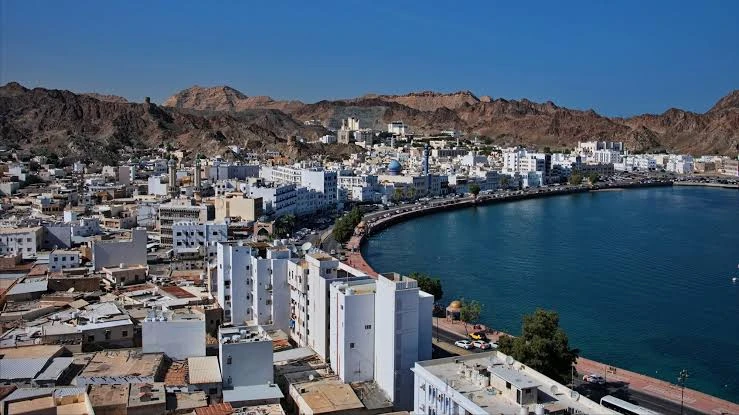
The most visible result of the deal is the movement of ships. Commercial transit through the Strait of Hormuz began to recover almost immediately after the preliminary agreement was signed. Seven vessels that had been stranded or unable to pass safely for more than 100 days started moving through the corridor.
Among the first was the Italian vessel Grande Torino, owned by the Grimaldi Group. For Rome, this was not only an economic development, but also a human relief: crews, sailors’ families and cargo owners received a signal that the world’s most important energy corridor was gradually returning to life.
Tanker behavior also changed. Some ships that had switched off their tracking systems and effectively disappeared from screens for months began transmitting again. In maritime trade, that means more than a technical adjustment. It is a cautious return of confidence.
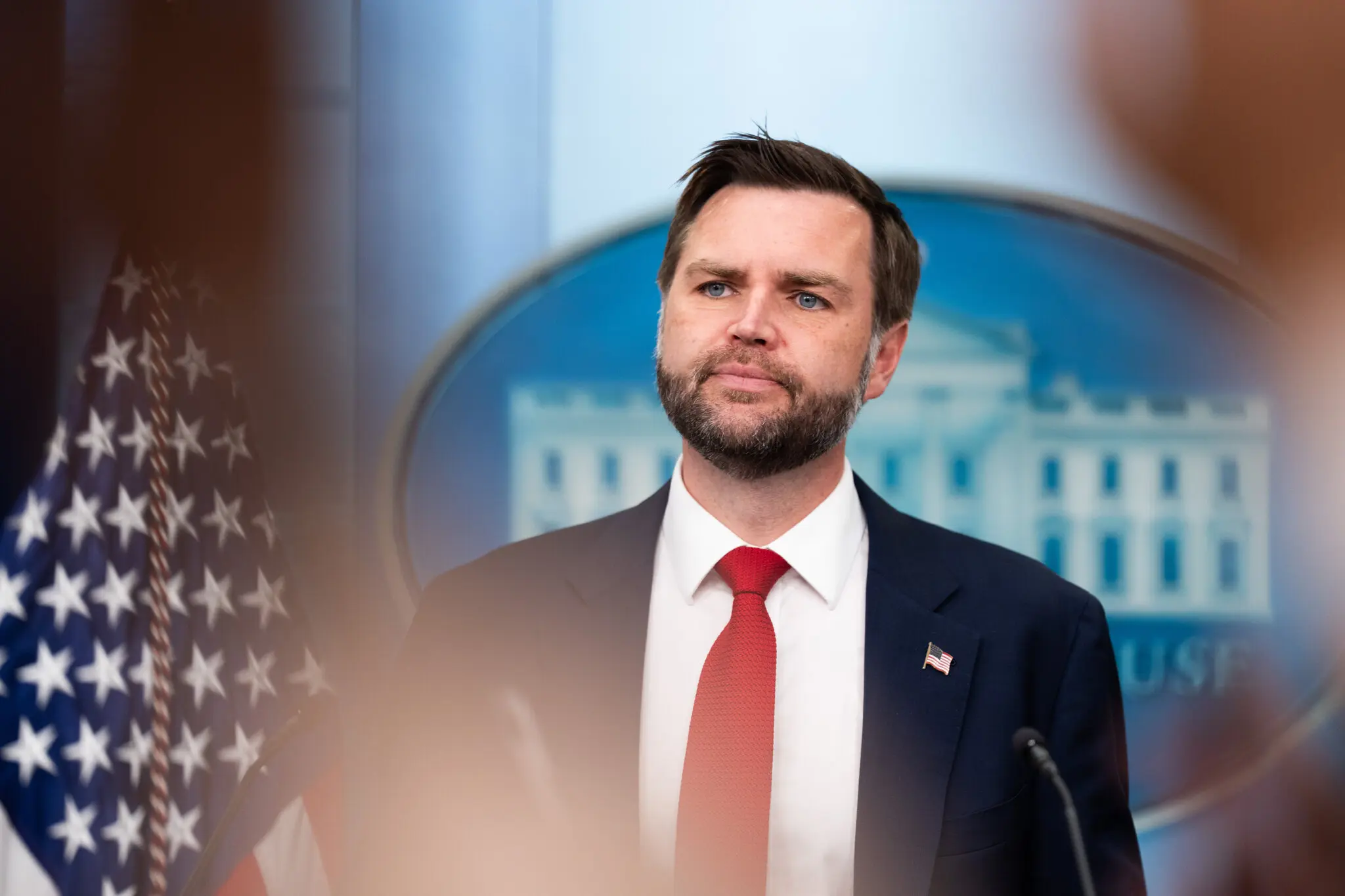
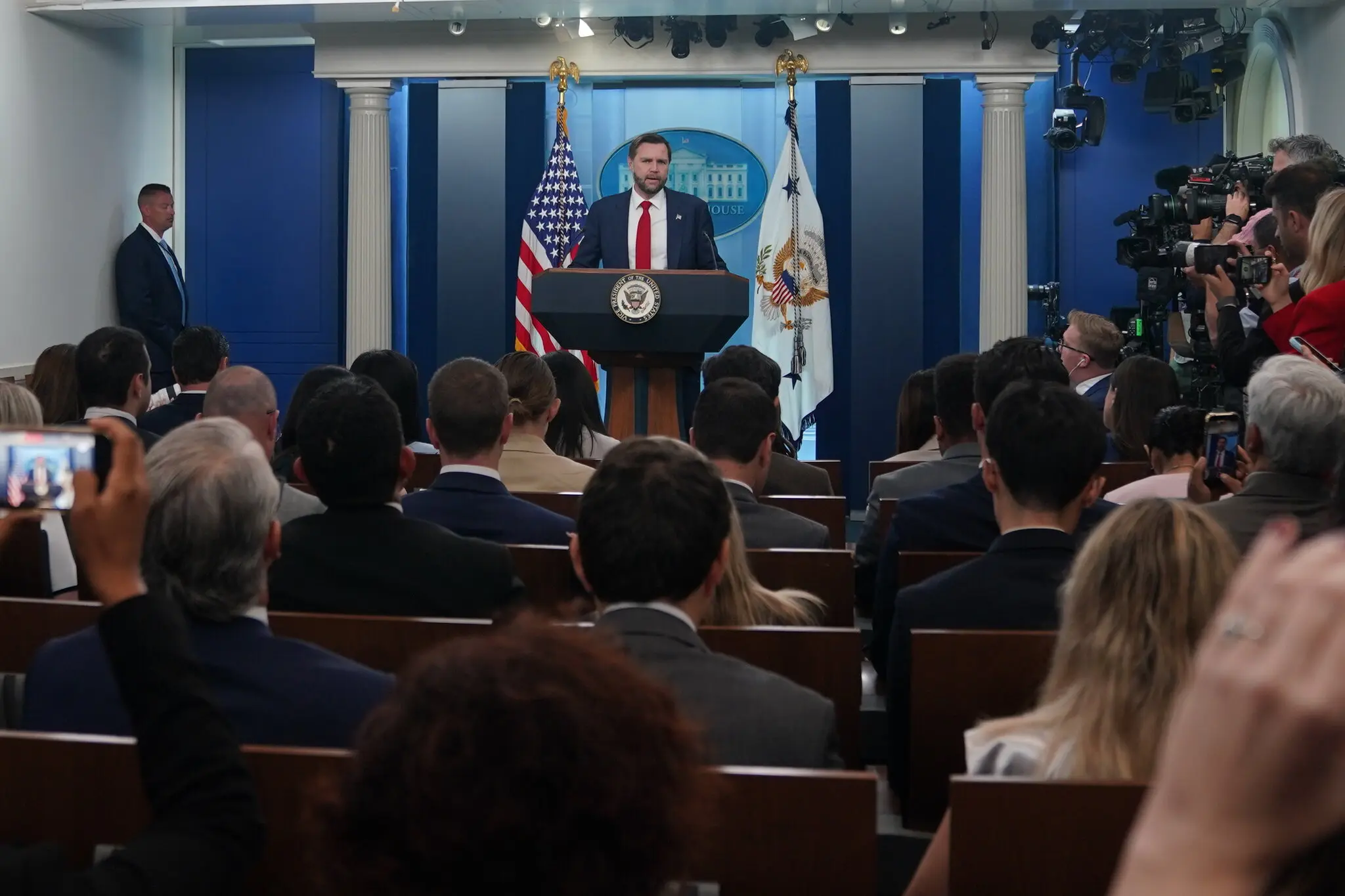 Віце-президент США Джей Ді Венс розпочав свою прес-конференцію з розголосу про падіння цін на бензин та обсяги нафти, що проходить через Ормузьку протоку — Еллісон Робберт
One gas carrier linked to Qatar’s energy sector returned to its home port and loaded cargo again. During the war, such an operation had been too risky. Now traders, insurers and shipowners are watching such voyages as early indicators of whether Hormuz is truly functioning again or merely entering a short pause between two waves of crisis.
Yet even the reopening of the strait does not mean a return to the old order. Iran announced that commercial vessels seeking passage through Hormuz must submit requests to a new body, the Persian Gulf Strait Authority. No fees will be charged for 60 days, but the future rules for using the corridor remain to be defined.
That decision reveals Iran’s central logic. Tehran is not simply lifting a blockade. It is trying to institutionalize its leverage. If passage through the strait becomes a matter of applications, regulation and future rules, Iran gains not only a physical but also an administrative means of influencing one of the nerves of the global economy.
The United States, for its part, has lifted its blockade of the strait. For Trump, this brings an immediate political benefit. Oil and gasoline prices have fallen to levels not seen since the beginning of the war. The president can offer Americans a simple formula: we struck, we made a deal, we reopened the route, we lowered prices.
That is why JD Vance has become the deal’s main public defender. He has pointed to falling fuel prices, rising oil flows through Hormuz, the strength of the American position and the claim that Iran must change its behavior if it wants more. His insistence that the United States holds “all the cards” has become the White House’s central political line.
The problem is that the text of the arrangement already gives Tehran some benefits now. Iran receives a path toward oil relief, access to restricted funds and future unfreezing of assets. Vance insists everything will depend on Iranian behavior, but the structure of the deal provides early economic oxygen.

Oil is especially important. Before the war, sanctions did not fully stop Iranian exports, but they forced Tehran to sell crude at a discount, through a narrow circle of buyers and risky arrangements. With relief, Iran can command better prices, reach a wider market and receive payment in more useful currencies.
That is not a minor detail. For a regime that has survived American strikes, domestic pressure and regional isolation, additional oil revenue means the ability to sustain the economy, fund security forces, rebuild infrastructure and support allies. That is why critics see the agreement not only as a pause, but as a potential strengthening of Tehran.
The nuclear issue remains even more dangerous. Iran repeats that it does not seek nuclear weapons, but such assurances have long failed to reassure the United States, Israel or the Arab monarchies of the Gulf. The real questions are enrichment, stockpiles, inspections and the ability to return quickly to a dangerous threshold.
The preliminary agreement refers to down-blending enriched material, but not to removing it from Iran. That is a crucial distinction. Down-blending lowers the immediate risk. Removal would deprive the regime of the physical resource needed to rapidly rebuild the program. Washington has so far secured the first, but not the second.
Vance speaks as if a final deal has already nearly resolved these questions. Yet his own trip to Switzerland for negotiations has been thrown into uncertainty, and the format of the next stage remains unstable. Instead of the expected signing ceremony, the process now points toward technical talks whose schedule may still shift.
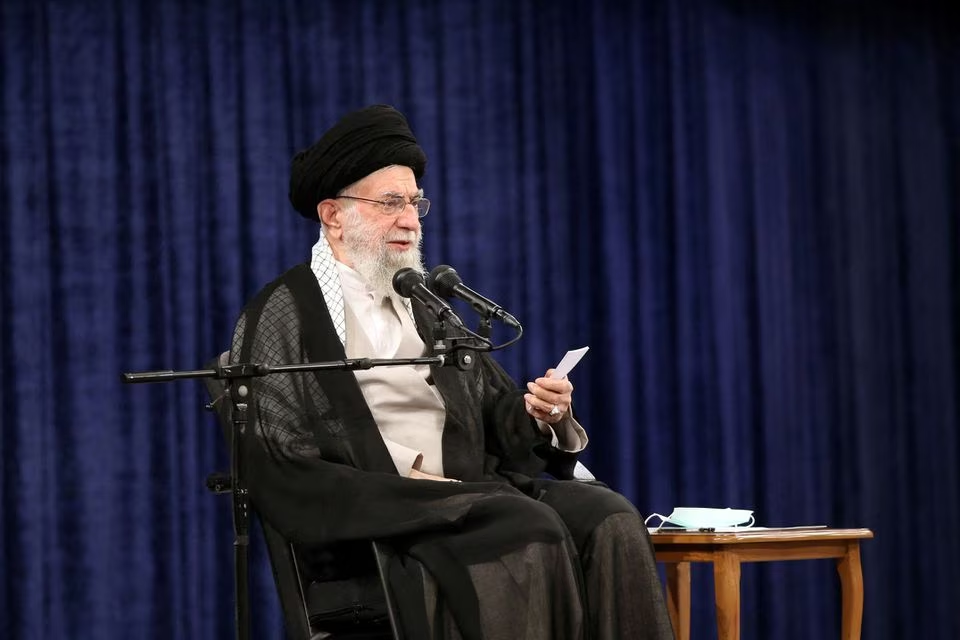
Tehran, by contrast, is projecting confidence. Iran’s leadership says future in-person negotiations do not mean accepting the American view, and it presents the deal with Washington not as an act of submission but as a result of circumstances that Iran interprets as proof of its resilience. This is not the language of surrender.
The missile issue remains the most painful question for the region. At the start of the war, American officials described the destruction of Iran’s ballistic threat as one of the main objectives. Now Trump and Vance speak differently, saying that any country has the right to maintain a capacity for self-defense.
For Israel and the Gulf states, that sounds alarming. Iranian missiles and drones have struck airports, energy facilities, hotels, military bases and civilian infrastructure. If the agreement does not establish real limits on those systems, it does not remove the central threat. It merely lowers the temperature of the conflict.
That is why Gulf states may support the end of the war without fully trusting the deal. They do not want attacks on oil terminals and ports, but they see that Iran’s missile and drone capacity has not disappeared. Their next move may be twofold: more air defense, more domestic drone and missile-defense programs, and more diplomatic channels with Tehran.
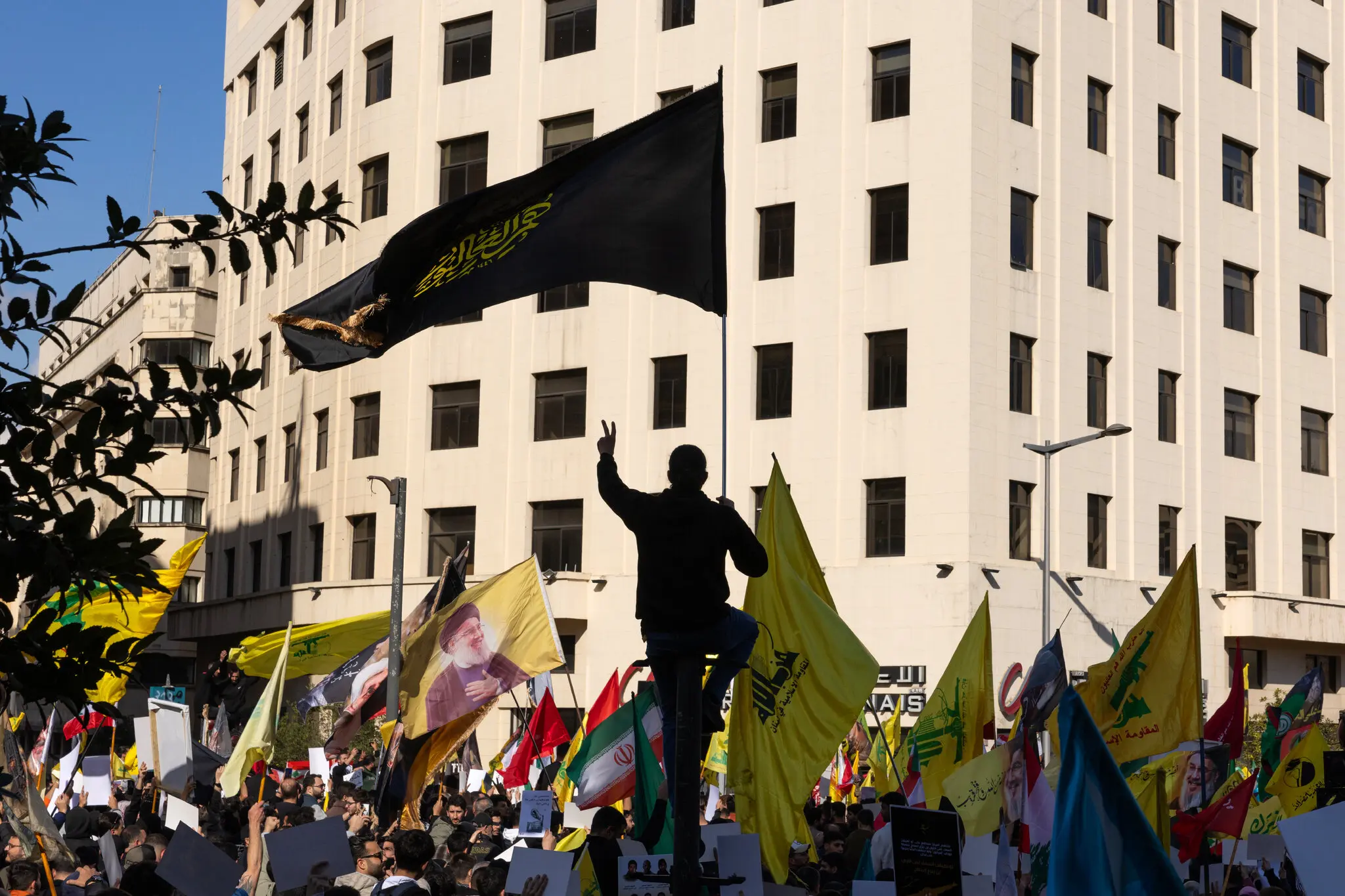 Хоча Сполучені Штати пообіцяли зрештою скасувати санкції проти Ірану в рамках остаточної мирної угоди, Міністерство фінансів у четвер оголосило про санкції проти ліванських чиновників та осіб, які, за його словами, пов'язані з "Хезболлою", підтримуваною Іраном бойовою групою, що бореться з Ізраїлем — Девід Гуттенфельдер
Israel’s reaction is even sharper. Parts of Benjamin Netanyahu’s government see the agreement as dangerous, while fighting against Hezbollah in southern Lebanon has not fully stopped, even though the deal calls for reduced escalation. That creates a separate problem for Washington: the United States is trying to close one front while its ally may keep another open.
It was in this context that Vance sharply warned Israeli critics. He reminded them that Trump remains Israel’s strongest ally and that much of the weaponry defending Israeli skies was American-made and paid for by U.S. taxpayers. This was not merely a reply. It was an attempt to discipline an ally.
Criticism is also growing in Washington. Democrats describe the deal as a failure of negotiation strategy. Some Republicans fear the memorandum erases the military gains of the operation and creates a financial reward for Iran so large that earlier agreements will look modest by comparison.
The proposed reconstruction fund for Iran, worth hundreds of billions of dollars even without direct financing from American taxpayers, has become one of the most contentious points. In the political logic of opponents, it looks like payment to a regime for sitting at the table while still retaining its central instruments of power.
Trump, however, speaks in the language of victory. For him, the priority is not to detail the risks, but to fix the image of a leader who struck, forced the enemy to negotiate, reopened Hormuz and calmed the markets. It is a powerful political picture. But international politics rarely obeys a picture for more than a few days.
The next 60 days will be the real test of the agreement. If the United States secures transparent control over Iran’s nuclear program, real limits on missiles and drones, an end to proxy attacks and a stable shipping regime, Trump will be able to call his gamble justified.
If Iran uses the pause to restore revenue, regroup politically, preserve uranium stockpiles and rebuild missile capacity, today’s lower gasoline prices will look like too small a reward for lost leverage.
The Iran deal is neither a clean American surrender nor a clean Trump victory. It is a risky pause in which every side believes it has gained time. The United States wants time for a final agreement. Iran wants time to rebuild leverage. Israel wants time to prevent Tehran’s strengthening. The Gulf states want time to reassess their dependence on American security guarantees.
Hormuz has reopened, ships are moving again, and markets have exhaled. But the sea is not yet calm. Its narrow strait has now revealed the central truth of the new Middle Eastern reality: even a peaceful pause can become a weapon if it is used better by the side that does not consider the war over.