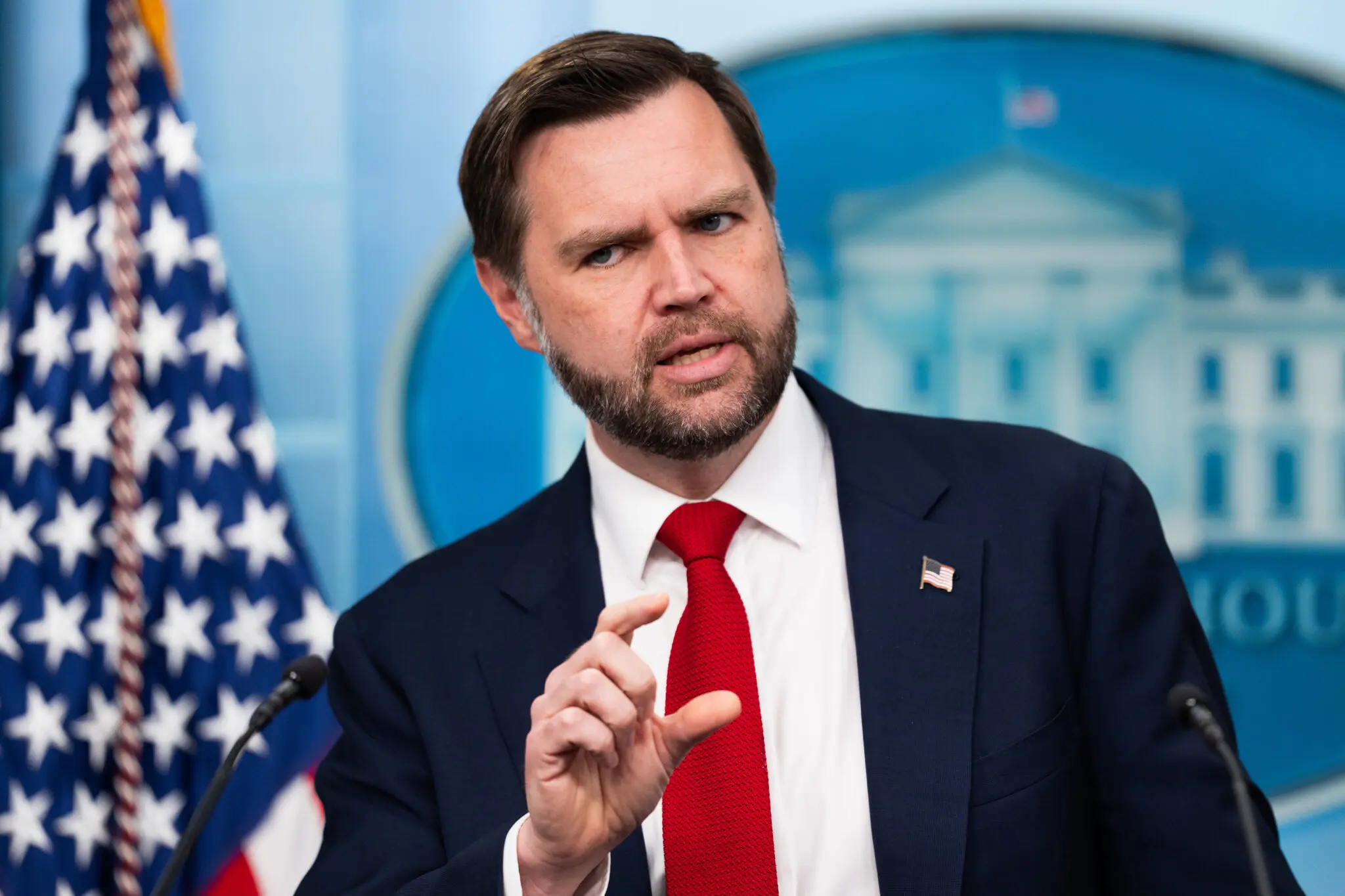























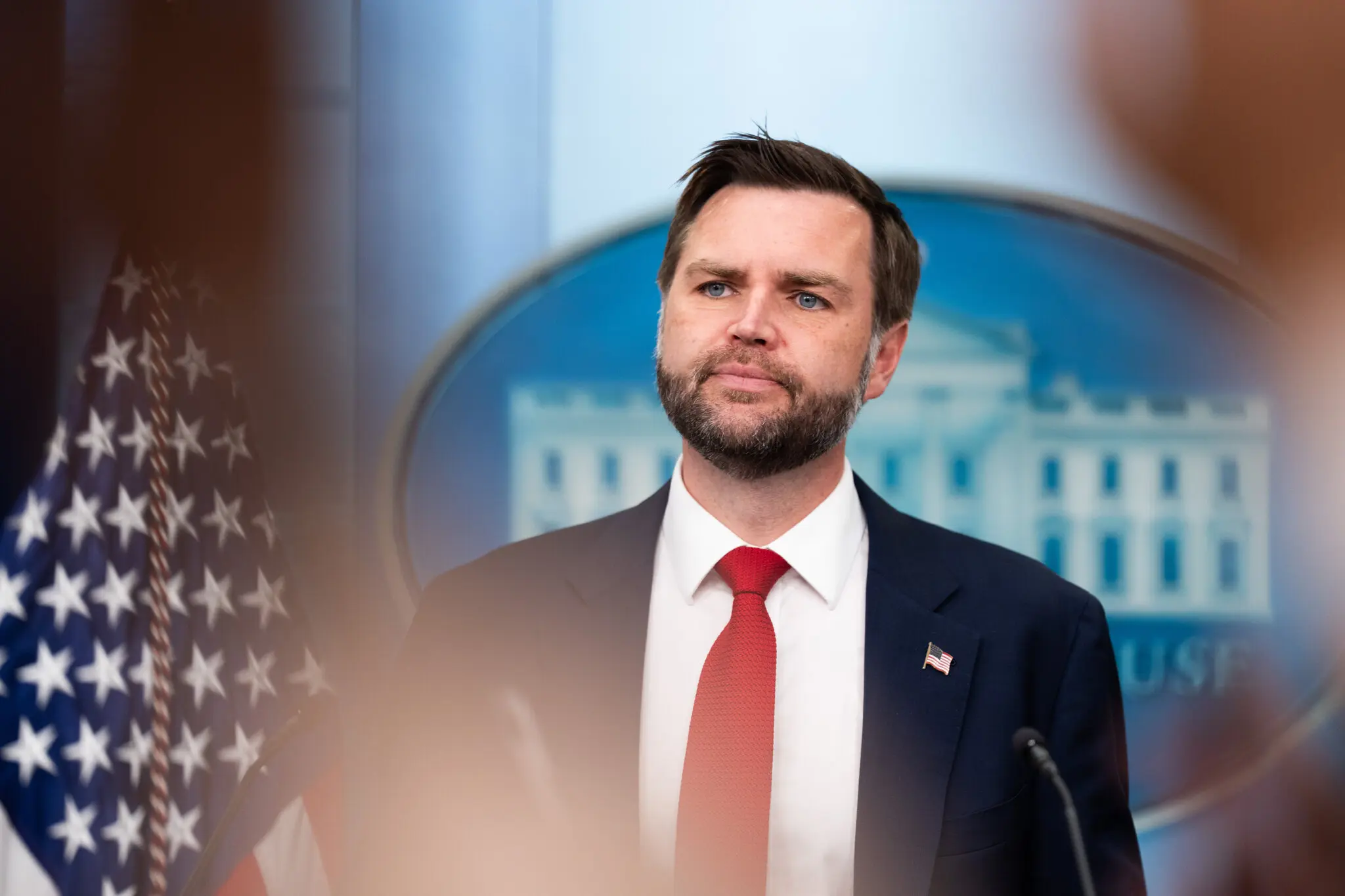
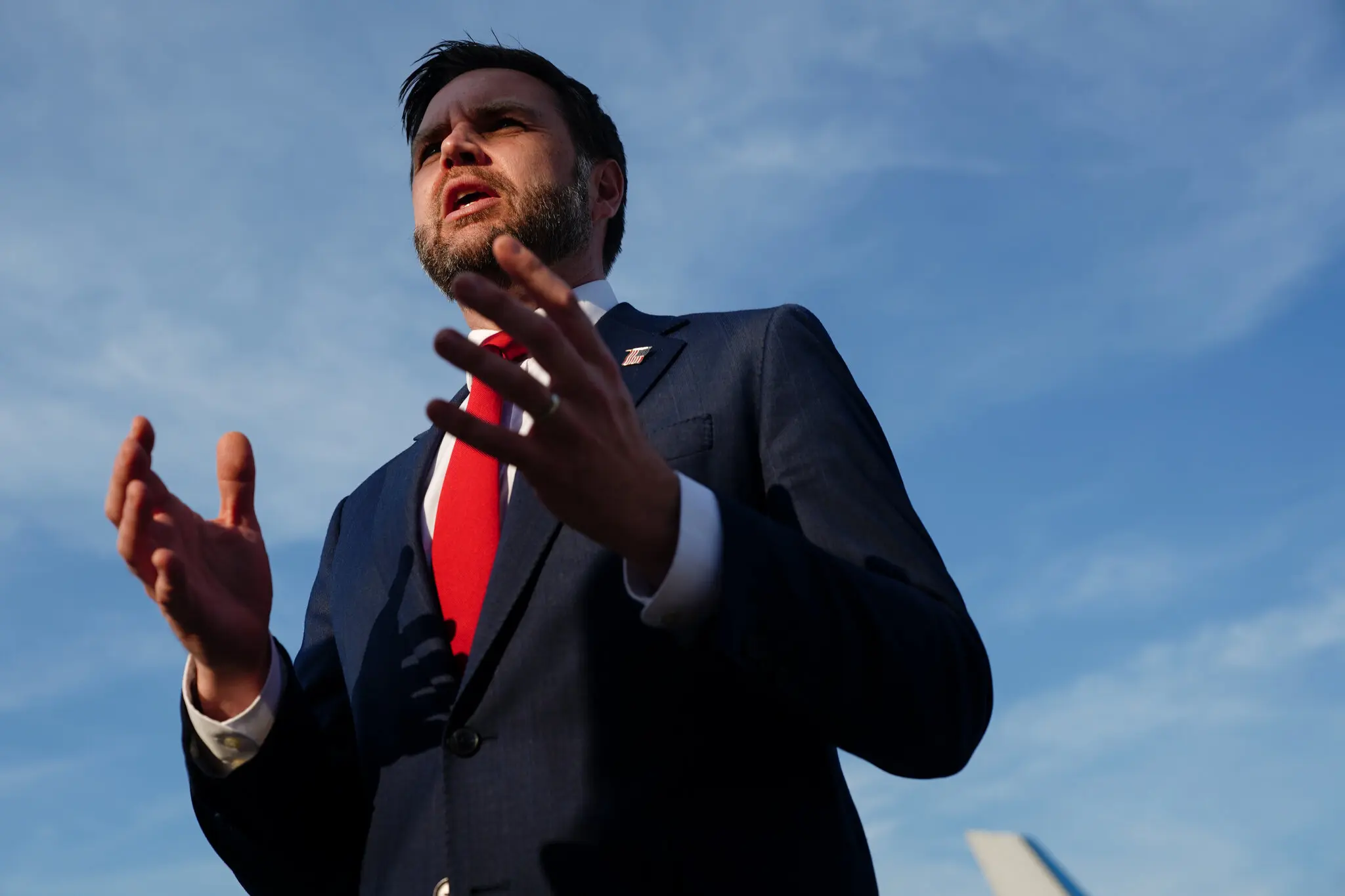
JD Vance said aloud what American administrations usually leave inside diplomatic pauses. Israel, the vice president warned, should not attack the only powerful ally still prepared to stand beside it. The sentence was more than a defense of the Iran deal. It marked a change in tone.
Washington is facing criticism from two directions. Israeli politicians describe the preliminary agreement with Tehran as a dangerous concession. Some Republicans in the United States see it as a repeat of an old mistake: economic relief for Iran now, while the hardest nuclear and missile questions are pushed into the future. The Trump administration is answering not with apologies, but with pressure.
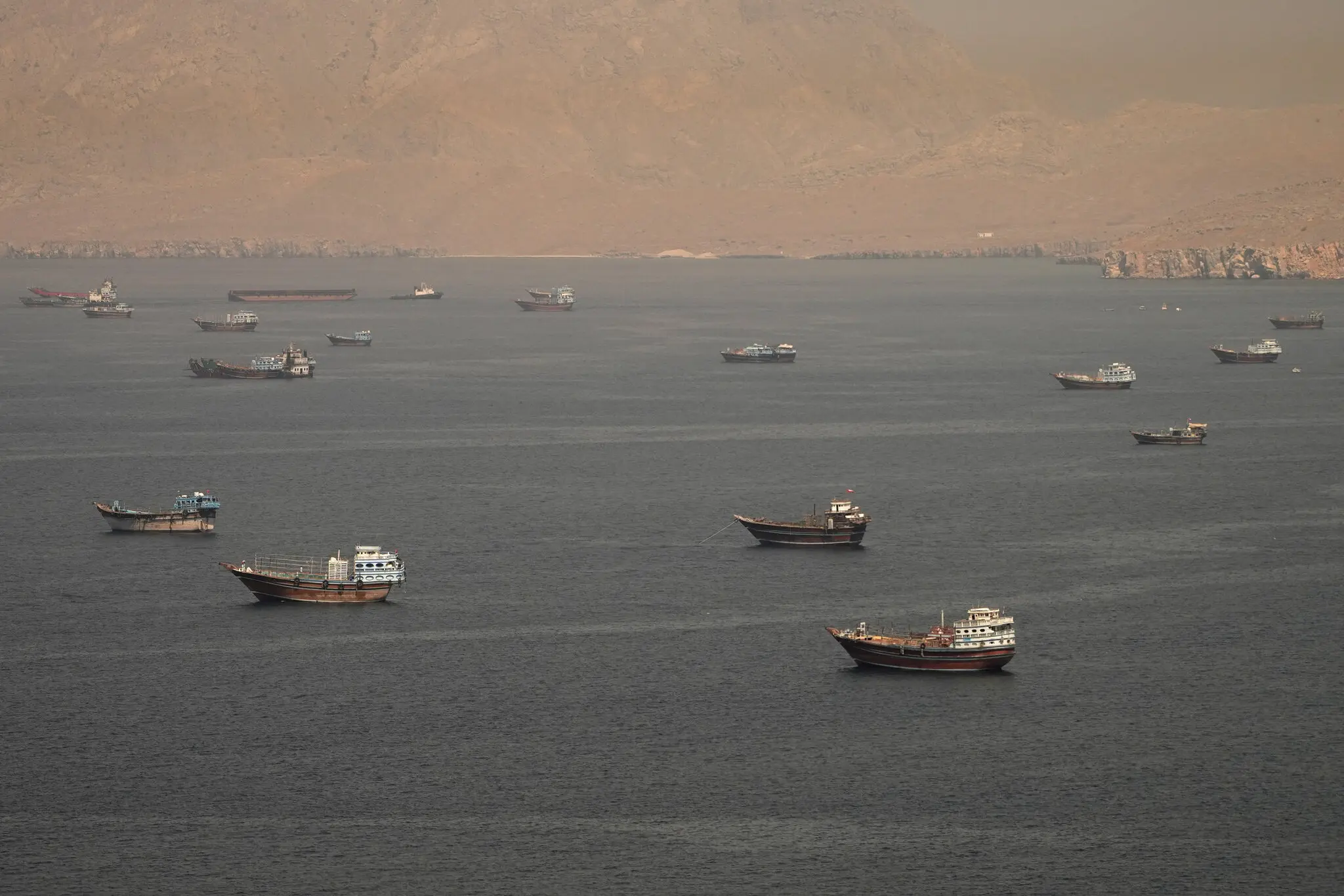
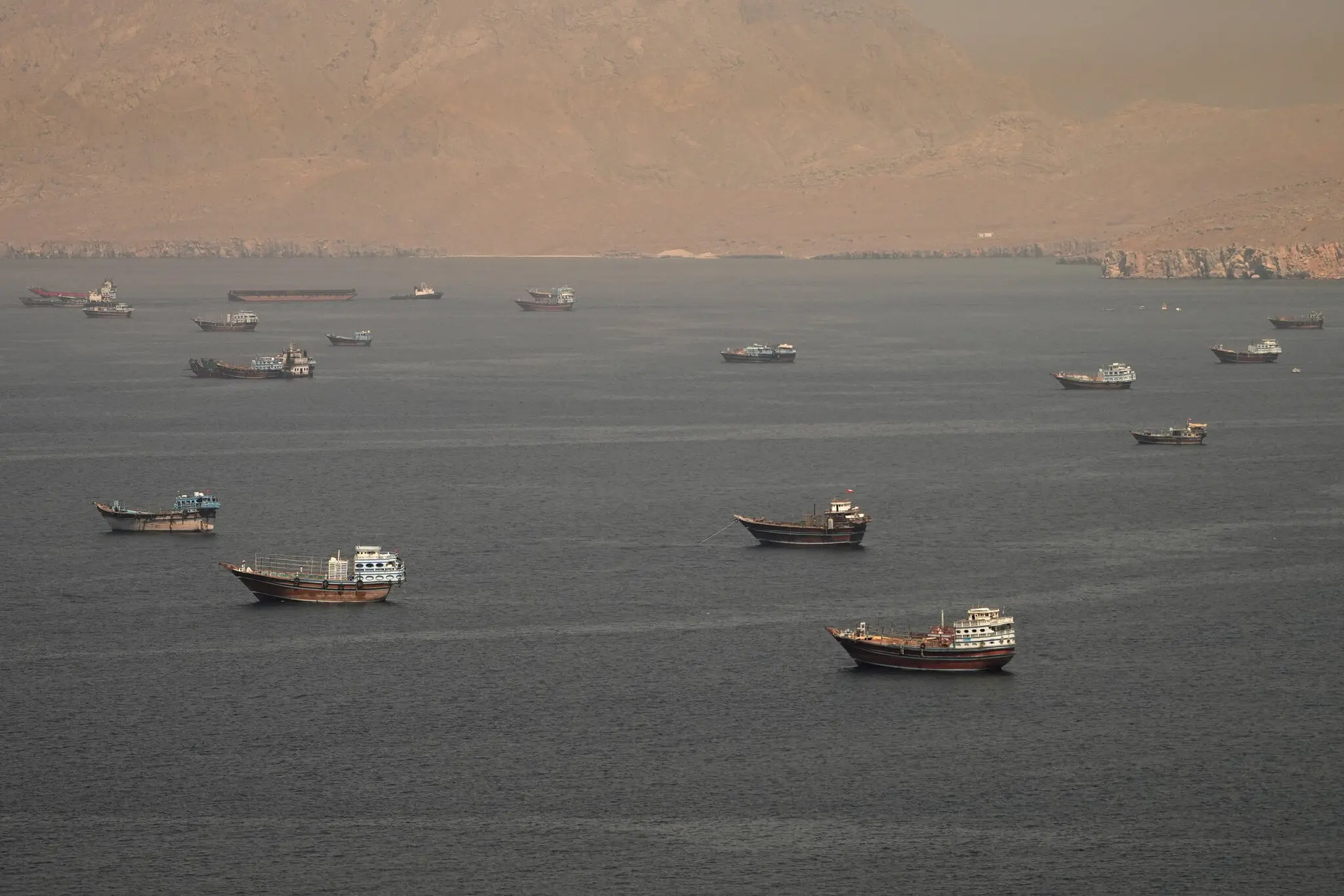
The core of the conflict is simple. The agreement opens a 60-day window for U.S.-Iran negotiations on Tehran’s nuclear program, regional conduct, sanctions and the future of security in the Persian Gulf. Yet before any final settlement, Iran receives part of the economic benefit: oil sanctions relief, access to restricted funds and a path toward restored trade through the Strait of Hormuz.
JD Vance said aloud what American administrations usually leave inside diplomatic pauses. Israel, the vice president warned, should not attack the only powerful ally still prepared to stand beside it. The sentence was more than a defense of the Iran deal. It marked a change in tone.
Washington is facing criticism from two directions. Israeli politicians describe the preliminary agreement with Tehran as a dangerous concession. Some Republicans in the United States see it as a repeat of an old mistake: economic relief for Iran now, while the hardest nuclear and missile questions are pushed into the future. The Trump administration is answering not with apologies, but with pressure.
The core of the conflict is simple. The agreement opens a 60-day window for U.S.-Iran negotiations on Tehran’s nuclear program, regional conduct, sanctions and the future of security in the Persian Gulf. Yet before any final settlement, Iran receives part of the economic benefit: oil sanctions relief, access to restricted funds and a path toward restored trade through the Strait of Hormuz.
For Daycom, the situation is revealing because Trump is trying to sell compromise as strength, not retreat. But this is exactly where the central tension begins: for Washington, the deal is a way to stop a wider war; for Israel, it risks giving Iran money, time and political oxygen without forcing it to surrender its key instruments of pressure.
Vance defended the agreement harshly, and not always precisely. He insisted that Iran would have to change its behavior before receiving benefits. But the structure of the memorandum itself provides for early relief at the implementation stage. This is not full normalization, but neither is it an empty pause without cost to the American side.
The most sensitive issue is oil sanctions. Vance tried to present their easing as nothing new for Iran. In reality, for Tehran it is the economic difference between selling at a steep discount through evasive routes and a limited circle of buyers, and selling at better prices to a wider market with more convenient payment channels.
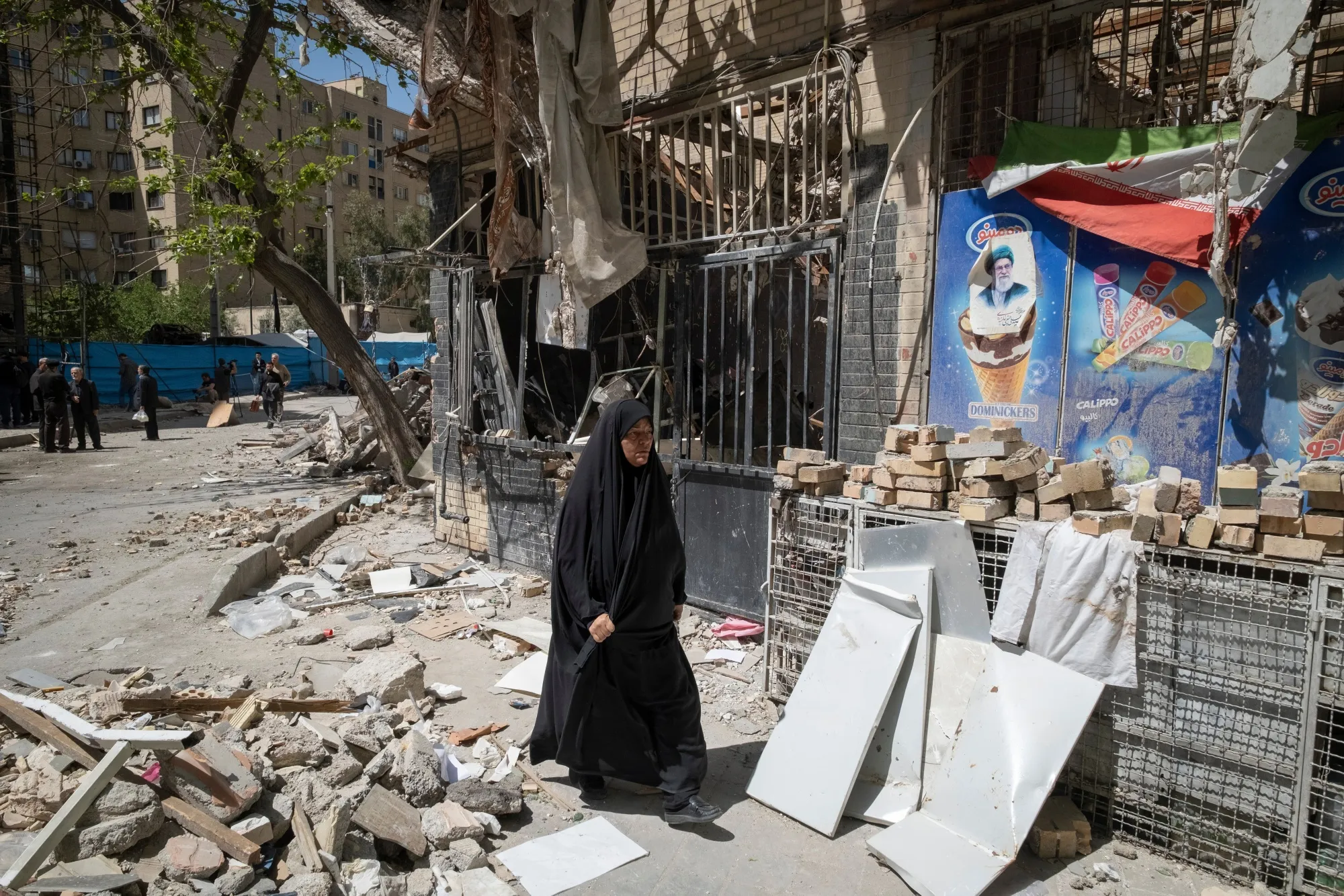
That is why Israeli criticism is not merely political noise. Iran emerges from the war damaged, but not broken. Its ballistic missile program has not been destroyed. The nuclear issue has not been resolved. Its support for regional allies has not automatically ended. Economic relief may give the regime enough space to survive internal pressure and prepare for the next round.
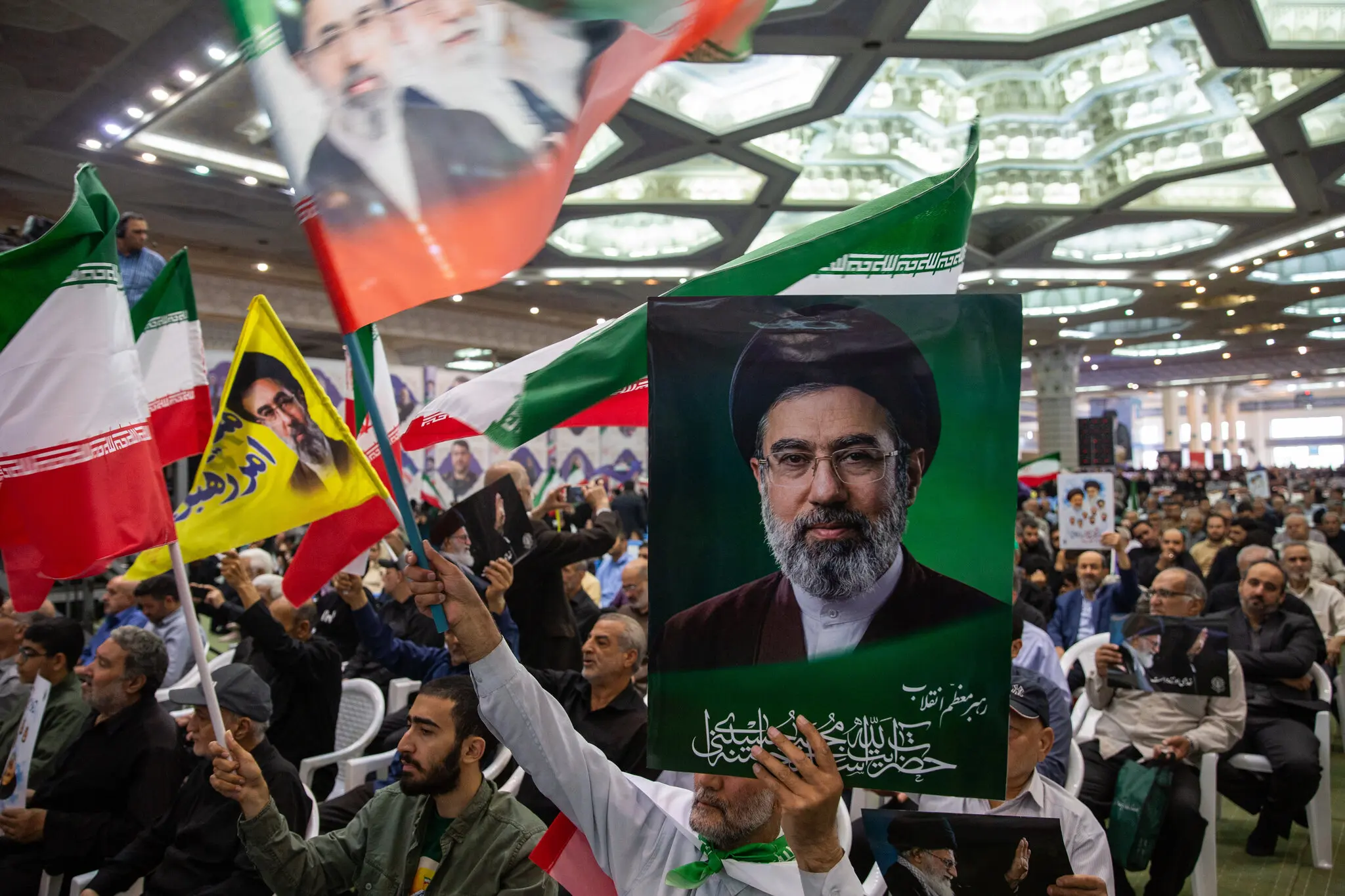
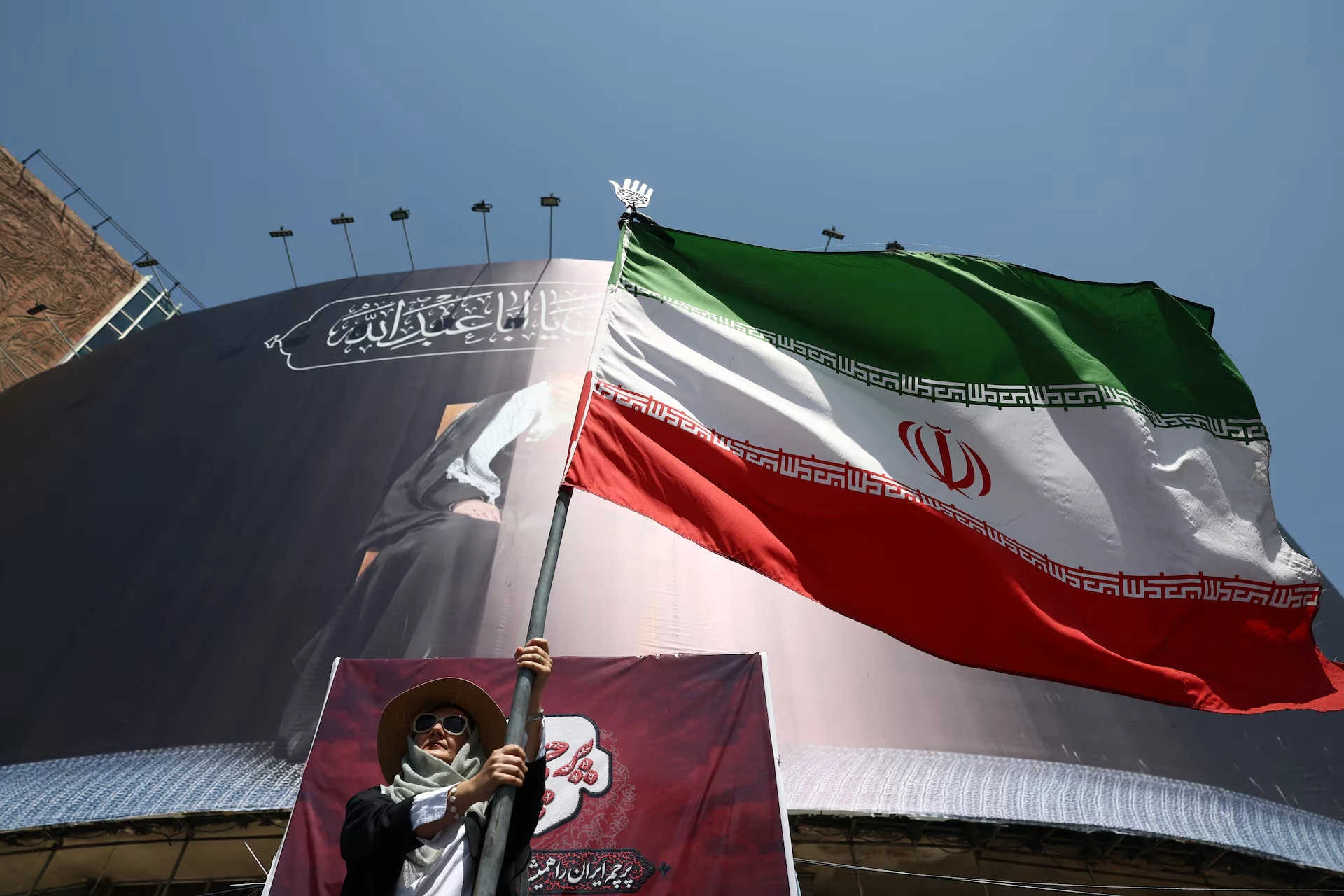
The first response from Iran’s leadership was therefore confident, not submissive. Tehran is not performing surrender. It speaks of negotiations as a continuation of struggle by other means and insists that direct contact with the United States does not mean accepting Washington’s view. This is the posture of a side that believes it has absorbed the blow.
For Trump, the deal follows a different logic. He wants to close a dangerous front that threatened global oil prices, shipping routes, American bases and the domestic political agenda. The Strait of Hormuz became a lever through which Iran could strike not only at Israel or U.S. interests, but at the entire global economy.
In that sense, the agreement is an attempt to buy control over chaos. Washington lowers part of the tension, starts a negotiation clock and tries to prevent the war from expanding. But the price of that control is Israeli anger, especially from a state used to seeing American support not as a matter of bargaining, but as a strategic constant.
This is where Vance’s statement became a boundary. He effectively reminded Israel that American assistance carries political weight. Much of the weaponry that has defended Israeli territory was American-made and paid for by U.S. taxpayers. Inside that argument was a formula still unusual in public: an ally has the right to security, but not to unlimited disregard for American interests.
This does not mean a rupture between Washington and Jerusalem. It does mean that the Trump administration wants to discipline Israel at the moment when its own Iran deal is under attack. Vance was not only arguing with Israeli critics. He was warning them that political isolation could become real if Israel openly undermines the decision of its main partner.
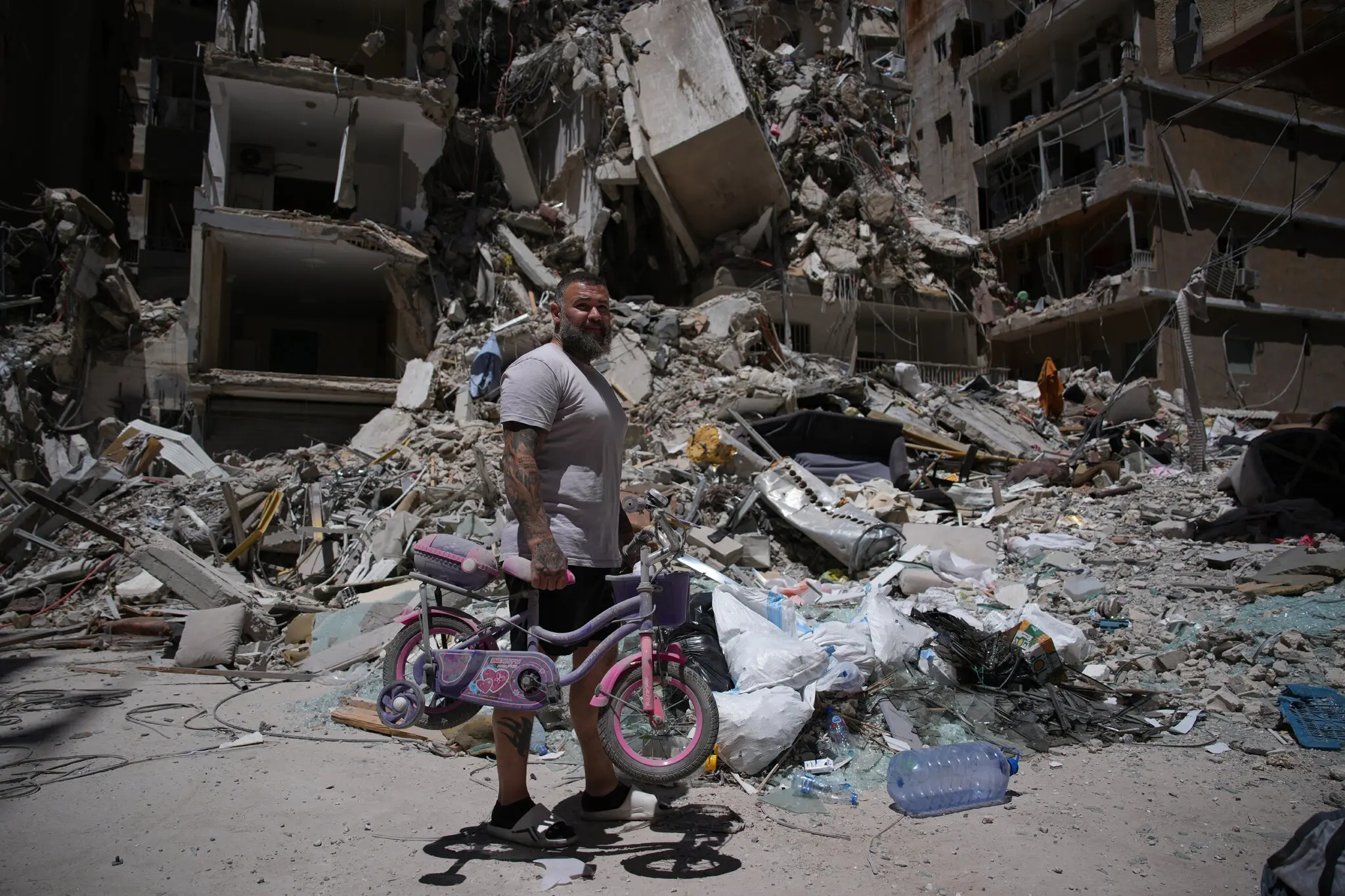
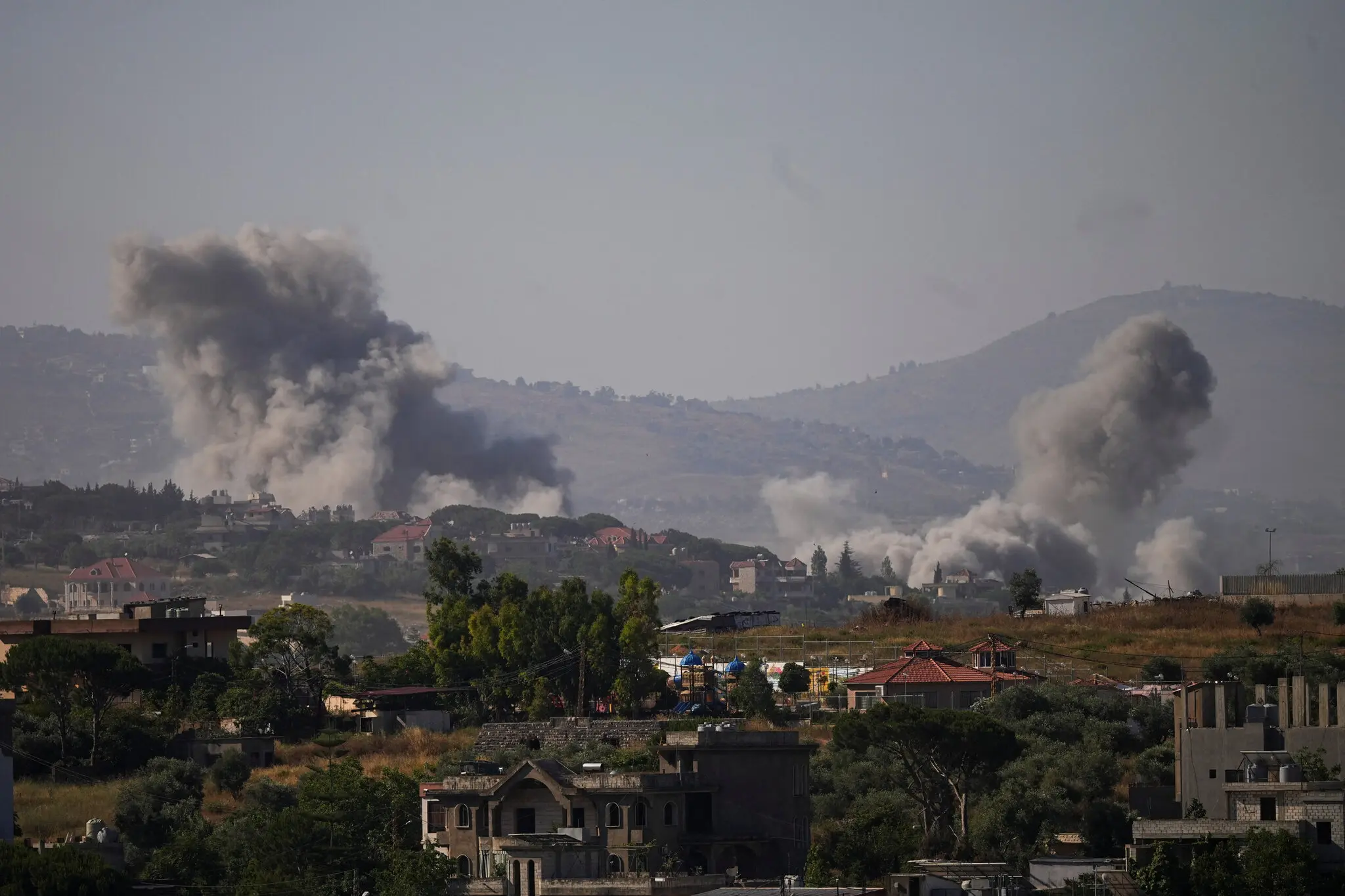
For the Israeli government, this is a difficult signal. The war with Hezbollah in Lebanon had already threatened to derail U.S.-Iran talks. American frustration was growing because Washington was trying to contain one crisis while Israeli military action risked igniting another. In such a situation, the White House sees its ally not only as a partner, but also as a source of risk.
Israel, for its part, has its own traumatic security logic. For Jerusalem, Iran is not an abstract opponent or a matter of energy stability. It is a state that has spent decades supporting hostile forces in the region, developing missiles, using proxy networks and seeking strategic advantage. Any agreement that leaves those tools for later is therefore seen as a dangerous postponement of the problem.
The ballistic missile issue is especially sensitive. At the start of the war, American rhetoric sounded much tougher: the destruction of Iran’s missile capacity was presented as one of the central goals. Now Vance says it is impossible to tell any country that it cannot maintain a capacity for self-defense. That is a different language — not the language of dismantlement, but of limiting chaos.
This shift lies at the heart of the current crisis of trust. Israel hears that Iran will not be fully disarmed. Iran hears that the United States is ready to negotiate if regional escalation stops. American voters hear that Trump ended a war and protected the economy. Each audience receives its own version of the deal, but the reality is the same: the hardest decisions have been moved forward.
That makes the next 60 days critical. If negotiations produce real limits on Iran’s nuclear program, transparent monitoring, missile restraint and an end to regional attacks, Trump will be able to describe the agreement as a hard compromise. If Iran uses the pause for economic recovery and delay, critics in Israel and Washington will gain their strongest argument.
The problem is that preliminary deals with Iran have always lived between two fears. One is a war that could spiral beyond control and strike the world economy. The other is a peaceful pause during which Tehran preserves its core instruments of power. The Trump administration is now betting on the first fear: it sees immediate escalation as more dangerous than deferred risk.
For Israel, the balance looks different. It cannot afford the luxury of waiting if it believes the pause contains a future threat. That is why American pressure creates such tension: Washington thinks in terms of global stability, oil, alliances and domestic politics; Israel thinks in terms of survival in a region where one mistake can carry irreversible costs.
Vance’s sharpness also signals another change: America no longer wants allies automatically dictating the tempo of war. After years of Middle Eastern campaigns, Washington is asking more clearly not only whom it should protect, but how much that protection costs, who decides on escalation and whether an ally becomes a co-owner of American risk.
In this sense, the Iran deal is a test not only for Tehran. It is a test for Israel, for Republicans in Washington and for Trump himself. Can the president appear strong before Iran, restrain Israel, calm the oil market and persuade his own party that concessions are not weakness?
The answer is not yet clear. But one thing is already visible: the old order, in which Israel could sharply criticize American diplomacy while still counting on unconditional support, is becoming less stable. Trump’s Washington wants loyalty no less than it promises it.
That is why Vance’s warning sounds louder than a routine defense of a deal. It draws a new line: the United States remains Israel’s main ally, but it is not prepared to be hostage to every Israeli assessment of risk. Iran, despite its losses, has gained time, oil breathing room and a seat at the negotiating table.
The central question now is not who calls the agreement victory or betrayal more loudly. It is what happens during these 60 days. If Tehran makes real concessions on the nuclear and regional fronts, Vance’s bluntness toward Israel will look like the political disciplining of an ally. If not, it will become the preface to a mistake for which Washington will have to answer alongside those it is now urging to stay quiet.

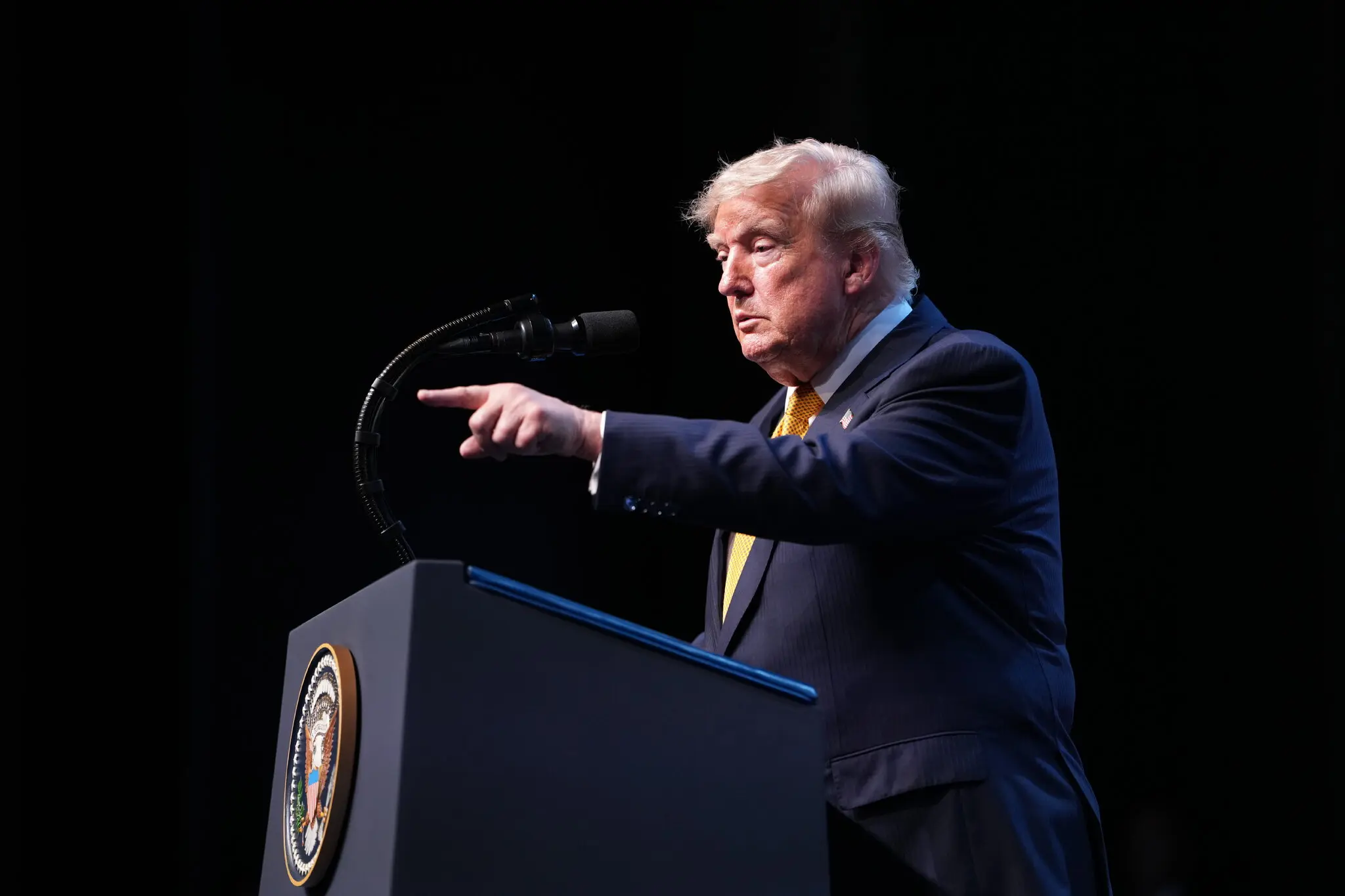
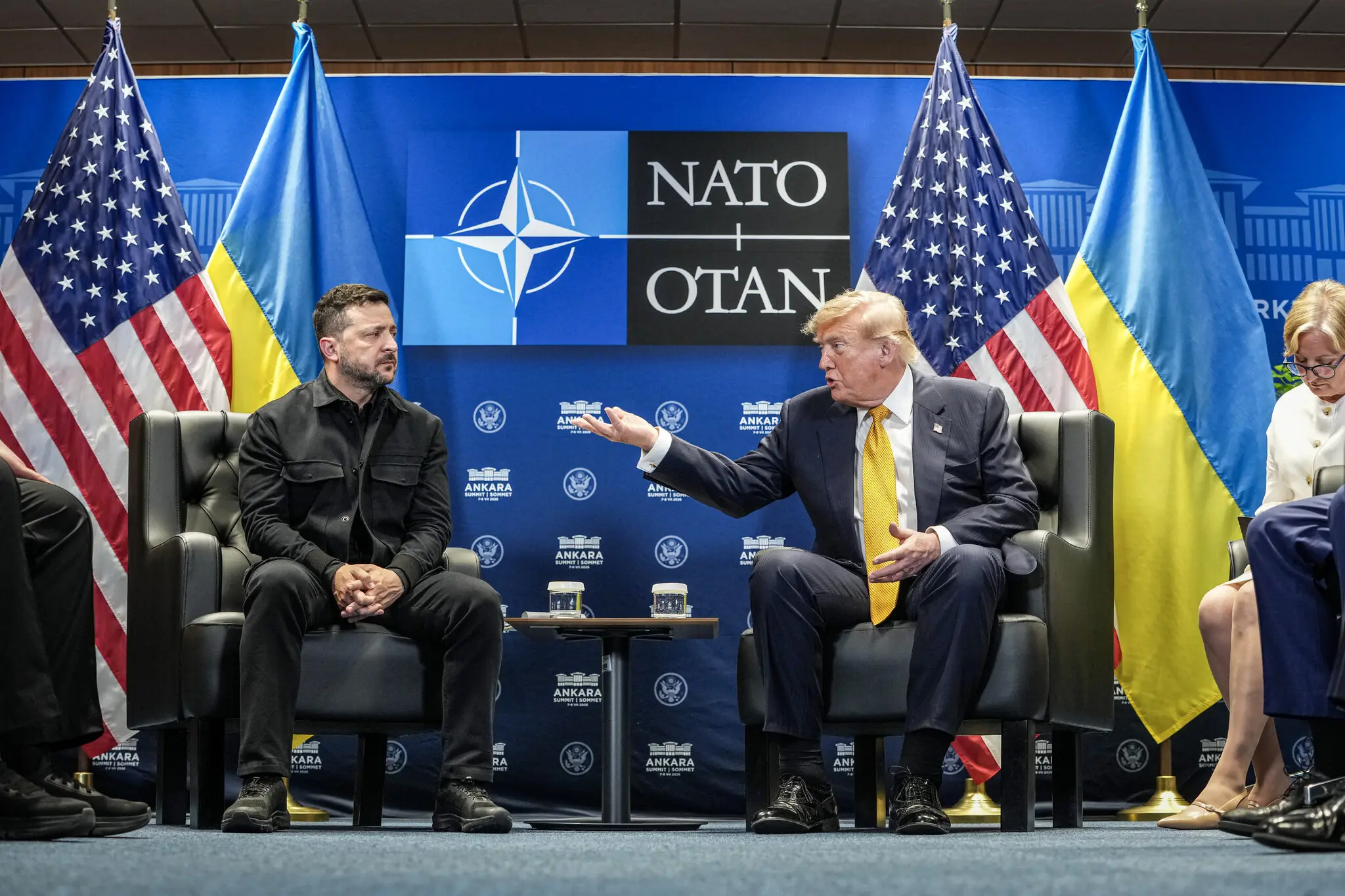




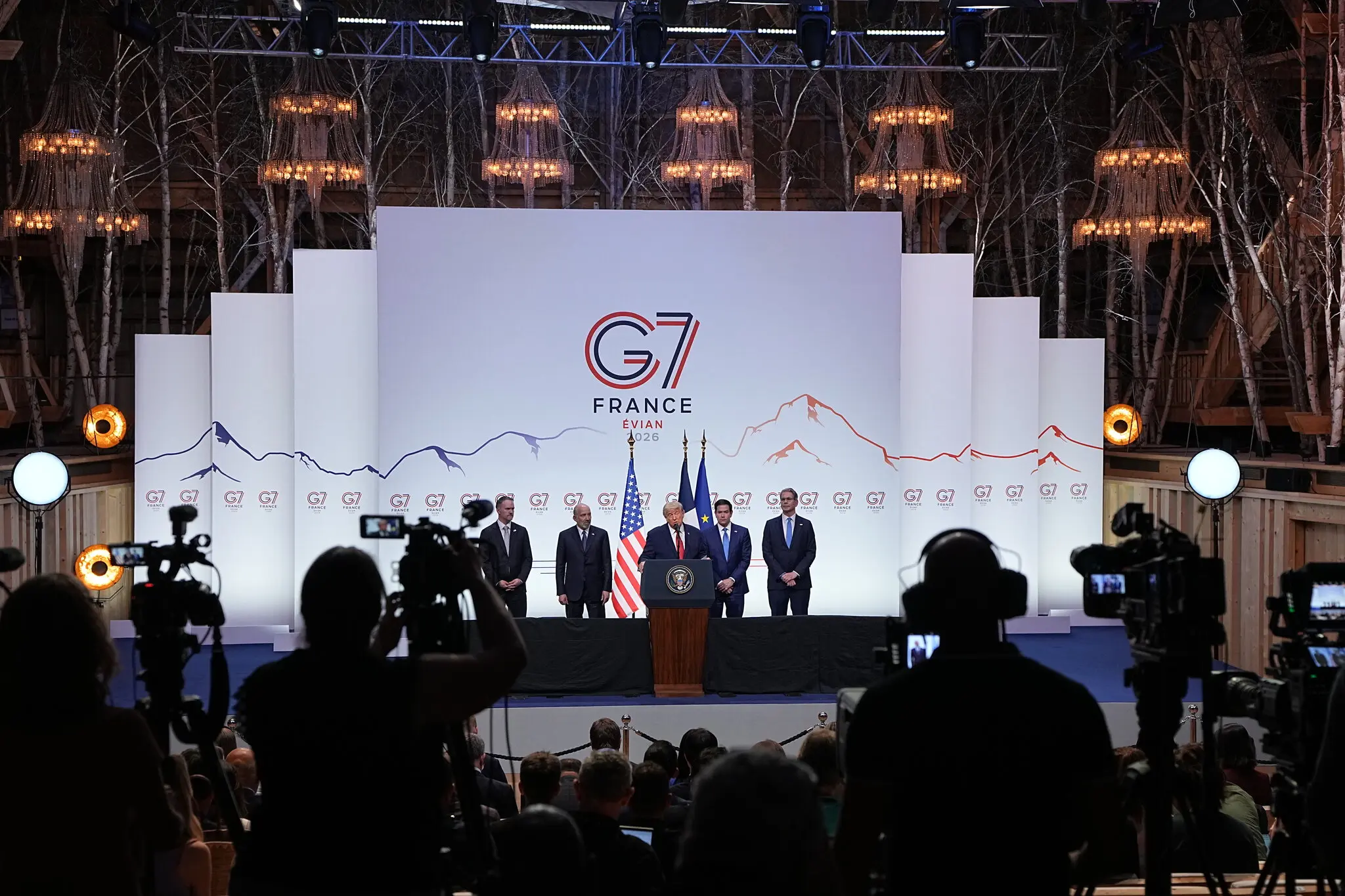
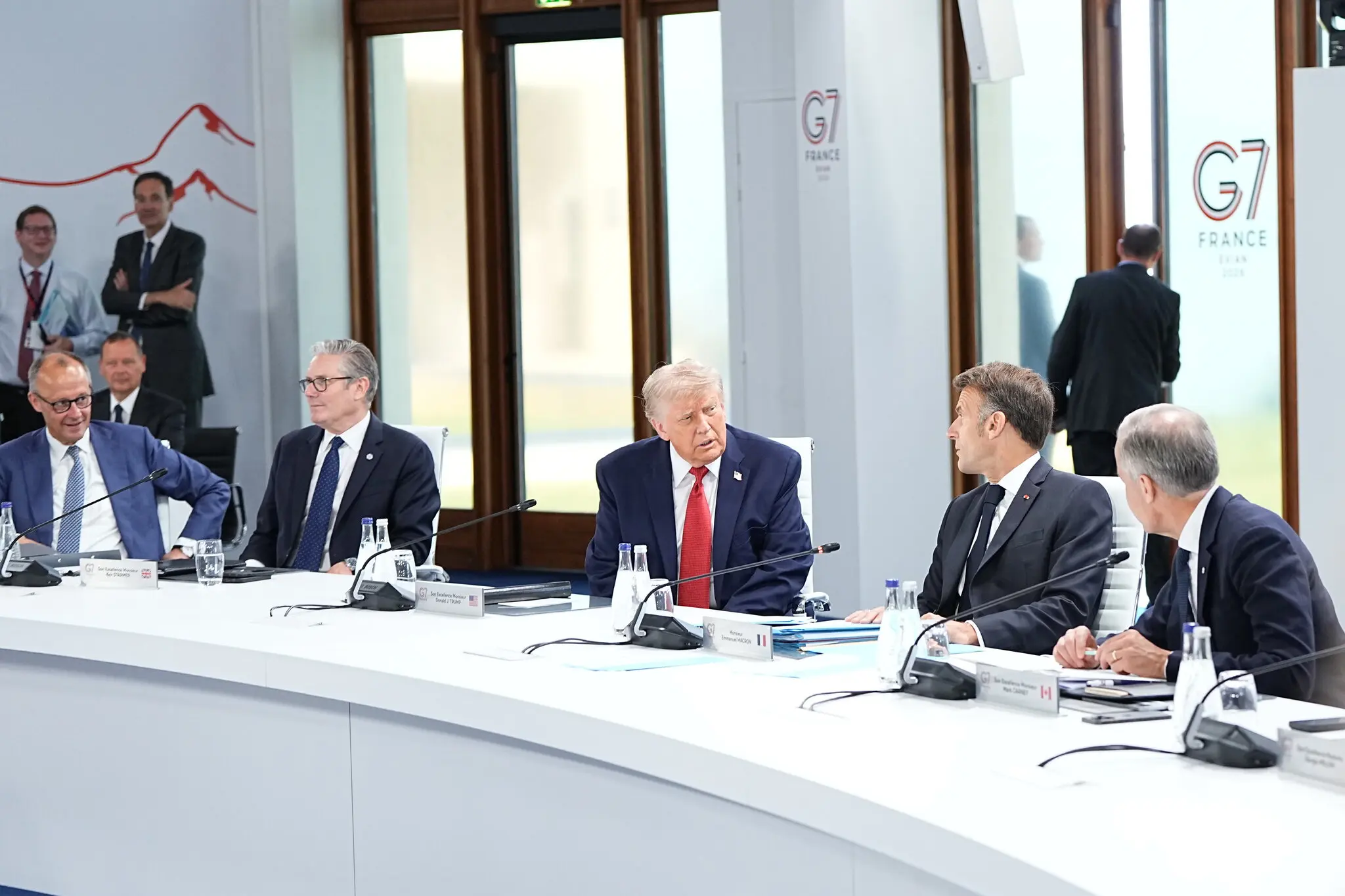 Президент Трамп та інші лідери під час робочої зустрічі в середу — Хайюнь Цзян
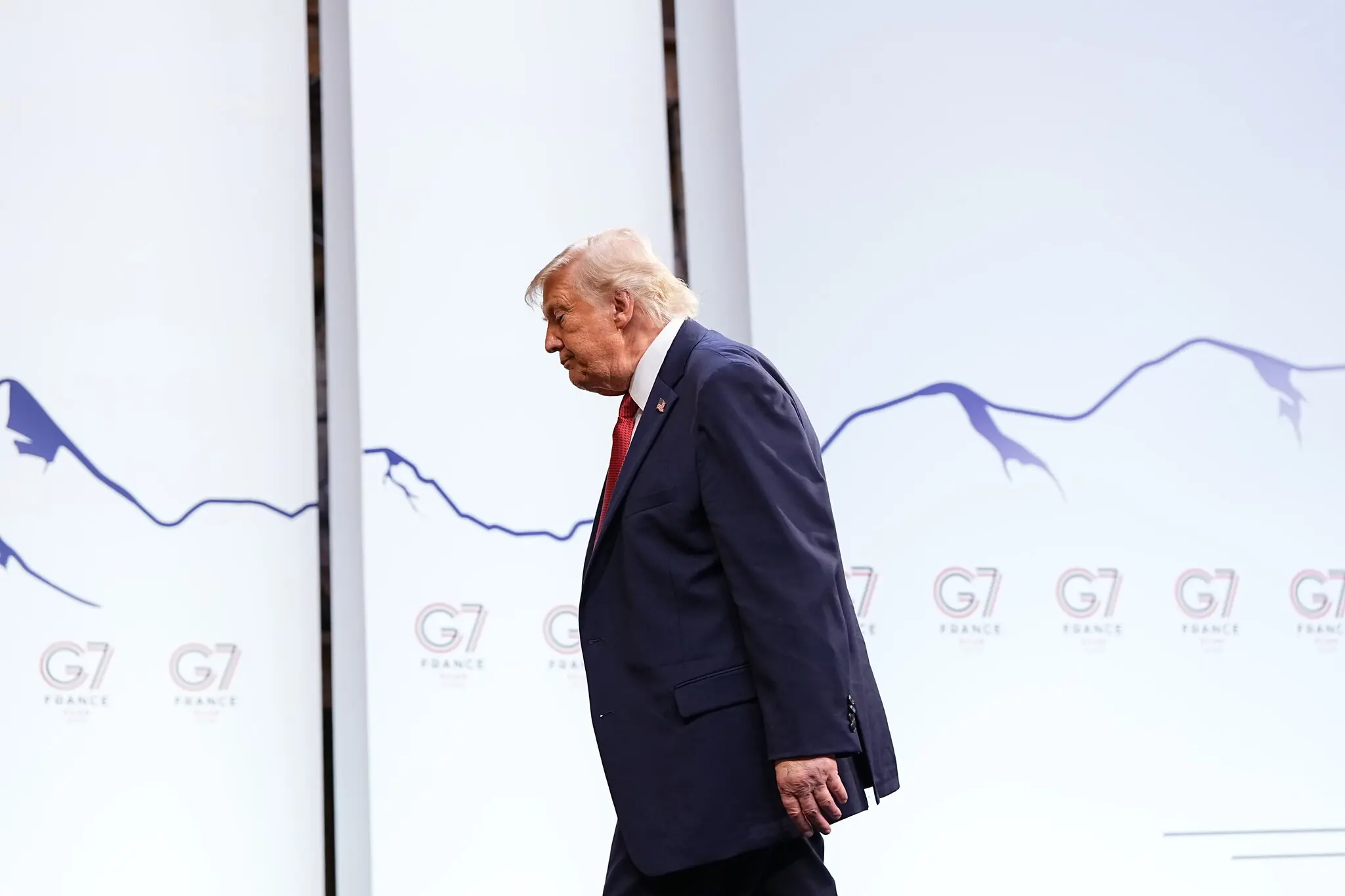 Президент США Трамп на саміті G7 в Евіан-ле-Бен, Франція, у середу — Хайюнь Цзян