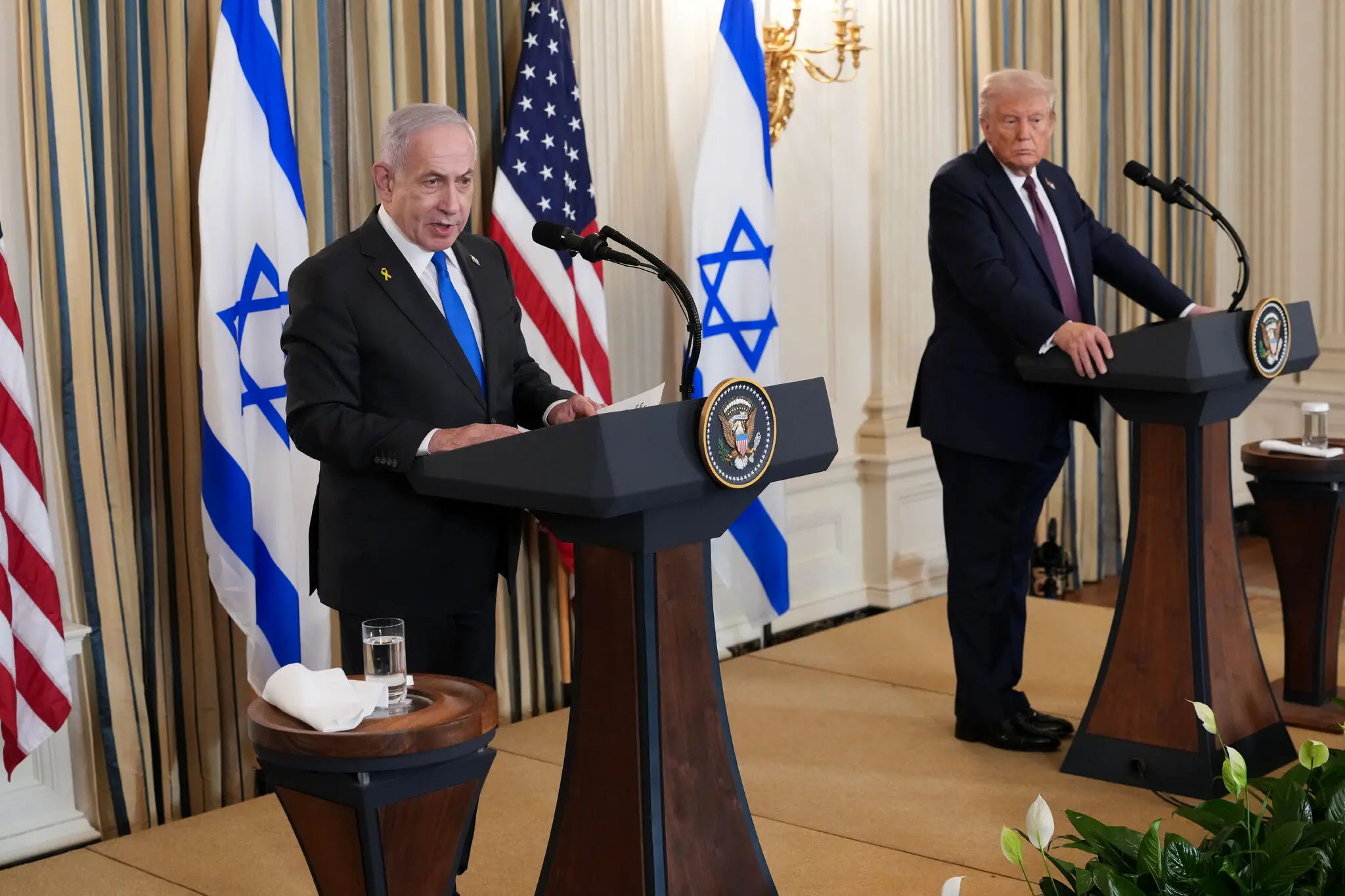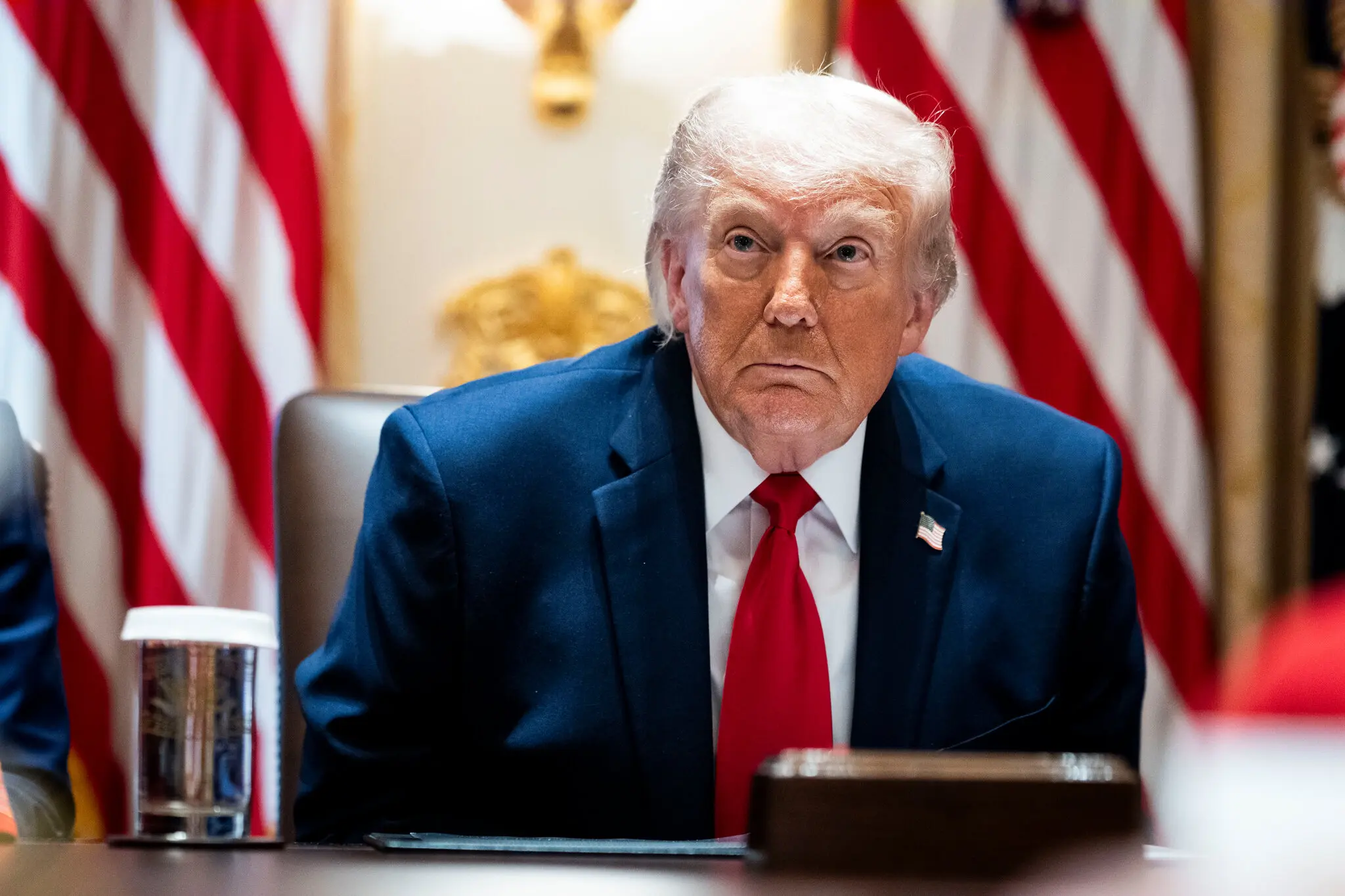







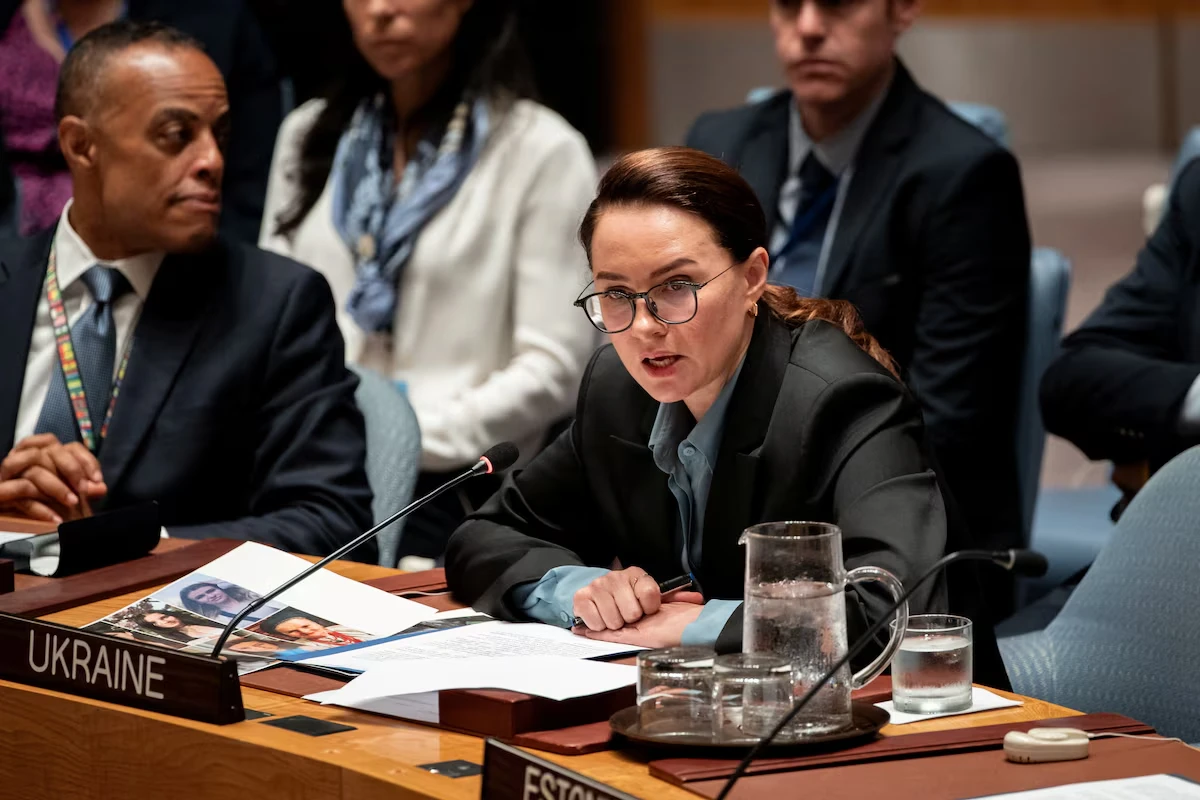
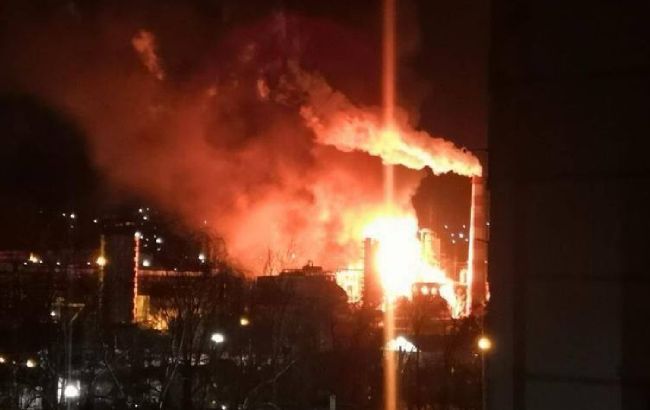

















Donald Trump began the war with Iran in the language of absolute superiority. “Unconditional surrender” was meant to sound not like a negotiating position, but like a sentence passed on the regime. Washington promised to break Iran’s war machine, destroy its nuclear and missile infrastructure and show that the world’s most powerful military does not bargain under pressure.
The initial deal designed to stop the conflict looks very different. It is not a surrender document. It is a compromise in which Iran, despite damaged infrastructure, heavy losses and military defeat on several fronts, receives what it needed most: oil revenue, relief from pressure and time.
Time has become Tehran’s central prize. The hardest questions — nuclear fuel, uranium enrichment, inspections, the missile program and regional proxies — have been pushed into later rounds. Economic benefits, by contrast, begin almost immediately. That is the main asymmetry of the agreement.
Donald Trump began the war with Iran in the language of absolute superiority. “Unconditional surrender” was meant to sound not like a negotiating position, but like a sentence passed on the regime. Washington promised to break Iran’s war machine, destroy its nuclear and missile infrastructure and show that the world’s most powerful military does not bargain under pressure.
The initial deal designed to stop the conflict looks very different. It is not a surrender document. It is a compromise in which Iran, despite damaged infrastructure, heavy losses and military defeat on several fronts, receives what it needed most: oil revenue, relief from pressure and time.
Time has become Tehran’s central prize. The hardest questions — nuclear fuel, uranium enrichment, inspections, the missile program and regional proxies — have been pushed into later rounds. Economic benefits, by contrast, begin almost immediately. That is the main asymmetry of the agreement.
For Daycom, this episode matters because it shows how a weaker state can survive the blow of a stronger one not through military parity, but by creating an unacceptable economic cost. Iran did not defeat the United States on the battlefield. It showed that continuing the war could become too expensive for the global market.
Trump does have battlefield achievements to claim. American strikes destroyed significant parts of Iran’s defense industry, hit missile positions, aviation and naval assets. Iran’s military machine suffered serious damage. But that was not the objective the White House itself set at the start of the campaign.
The goal was not merely damage. The goal was coercion. Washington wanted to force Tehran to abandon its nuclear program, limit its missiles, dismantle its regional network of influence and perhaps create conditions for political collapse inside the regime. Instead, the regime endured and entered negotiations with a new form of leverage.
That leverage was not the Iranian army in the classical sense. It was economic panic. Iran closed or paralyzed the Strait of Hormuz, attacked energy infrastructure in the Gulf and threatened the flow of oil, gas, fertilizers and critical goods. It struck not only bases, but the nervous system of the global economy.
The Strait of Hormuz became a strategic weapon in this war. Such a large share of global energy flows through it that even a partial disruption quickly changes prices, logistics, insurance rates, political moods and domestic pressure on governments. Iran used precisely that dependence.
Trump himself effectively acknowledged why he was in a hurry to end the war. His fear was not only the duration of the fighting, but economic catastrophe: more expensive fuel, depleted oil stockpiles, market shocks and the dangerous comparison with presidents who failed to hold the economy steady in a crisis.
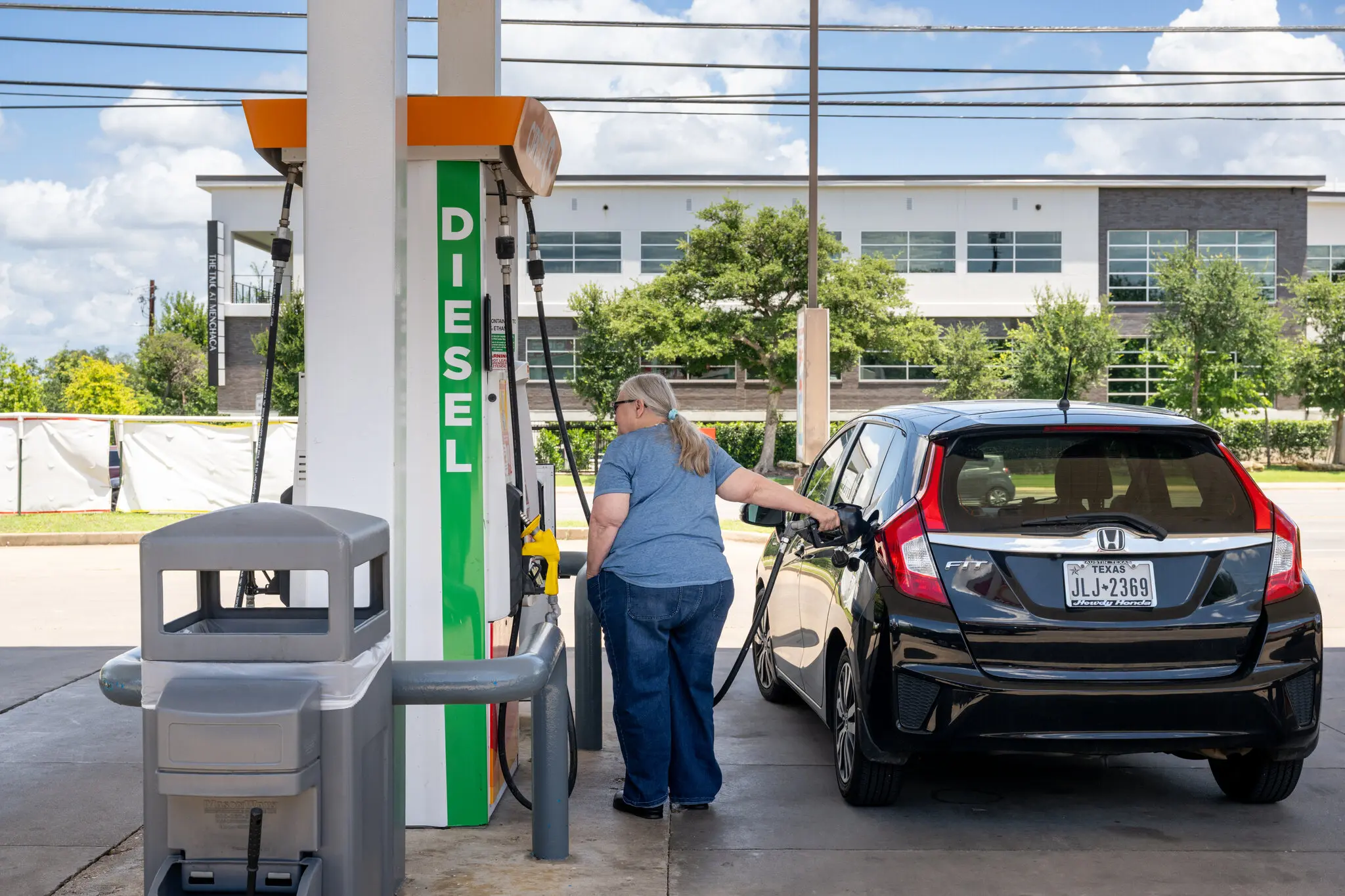
That means Iran found America’s pressure point not in its military strength, but in its political economy. The United States can destroy targets, but even Washington cannot ignore a global oil shock for long when it moves directly into gas-station prices and voter sentiment.
That is why the preliminary deal is so uncomfortable for American rhetoric. It gives Trump a ceasefire and a chance to claim control of the crisis. But it also gives Iran a way out of the blockade, a restoration of oil sales and the prospect of access to frozen assets. This does not look like surrender.
For hard-line critics in the United States, the oil provision is the most painful part. Sanctions on oil and finance were Washington’s main leverage. If they are eased at the beginning of negotiations, Tehran receives money before agreeing to the hardest restrictions. That reverses the usual logic of pressure.
Supporters of diplomacy see the situation differently. For them, the deal is a chance to exit a war that had already cost thousands of lives, damaged infrastructure and threatened to grow into a wider regional conflict. In that logic, even an imperfect document is preferable to continued strikes, blockades and oil panic.
Both positions are only partly right. The war could indeed have become unmanageable. But a pause bought with early concessions may also prove expensive if Iran uses it to restore revenue, strengthen the regime and drag out negotiations. Tehran has long known how to turn technical details into years of diplomatic maneuvering.
The next phase is likely to be exactly that: slow, legally dense and exhausting. Iranian diplomacy has traditionally been strong in details — wording, inspections, definitions of “research,” interpretations of enrichment, timelines and exceptions. Every paragraph of a future agreement may become its own battlefield.
For Trump, that is dangerous because his political style favors quick results. He wants to show victory, end the war and move on to other crises. Iran, by contrast, can benefit from time. When one side is impatient and the other delays, the balance of negotiations changes quickly.
Another risk is Iran’s internal condition. The war may have weakened the regime, but the first deal could help stabilize it. Oil money, the unfreezing of assets, the end of the blockade and the image of a state that survived an American assault may strengthen the security establishment, especially the Islamic Revolutionary Guard Corps.
This does not mean Iran emerged from the war without losses. Its infrastructure is damaged, society is traumatized, the economy is exhausted, and elites must operate under distrust and fear. But authoritarian regimes often survive not because they succeed, but because they can explain survival itself as victory.
A separate danger concerns nuclear logic. For more than two decades, Iran balanced near the threshold of a nuclear weapon without fully crossing it. That strategy was meant to provide deterrence without the full cost of becoming an overt nuclear state. But after American and Israeli strikes, Tehran may draw a different conclusion: threshold status is not enough.
The comparison with North Korea is unavoidable. A state that built a nuclear arsenal is now far less likely to face direct military threats. For Iranian hard-liners, this may become a dangerous lesson: do not stop at the line, but cross it, so that the next war becomes too risky for the enemy.
If that conclusion prevails, a war intended to stop Iran’s nuclear program could accelerate its perceived political necessity inside the regime. That would be the worst strategic outcome for Washington: devastating strikes, tens of billions of dollars spent, and then an adversary even more convinced that it needs a nuclear shield.
For Israel and the Gulf states, the deal also looks troubling. They want not merely a ceasefire, but long-term limits on Iranian capabilities. If Tehran keeps its missiles, proxy networks, nuclear ambiguity and new oil revenue, the region will not get peace. It will get an interval between phases of conflict.
For the global economy, the result is different for now. Markets received relief, shipping through Hormuz may resume, and oil prices were given a signal to ease. But economic relief is not the same as strategic resolution. Markets think in weeks. The nuclear problem is measured in years.
This is the central paradox. Trump entered the conflict speaking the language of force, but he is ending this phase in the language of stabilization. He can insist that he retained control and kept the option of returning to bombing. Yet the need to stop the war quickly showed that Iran’s leverage worked.
Iran did not force America to retreat militarily. It forced America to count the economic cost. That is not victory over the world’s strongest army, but it is a demonstration of another kind of power: the ability to turn a regional conflict into a global problem for energy, trade and political stability.
Everything now depends on what happens after the first 60 days. If the United States turns the pause into strict, verifiable limits, Trump will be able to argue that military pressure opened the way to a stronger deal. If Iran drags out the process and preserves its core capabilities, the document will become an example of how a maximalist war ended with minimal results.
For now, the story looks like this: a president who demanded surrender received a compromise; a regime that was supposed to be broken received an oil corridor; a world afraid of an energy shock received a brief respite. The central question — whether Iran becomes less nuclear, less aggressive and less dangerous — has not been answered. It has merely been postponed.




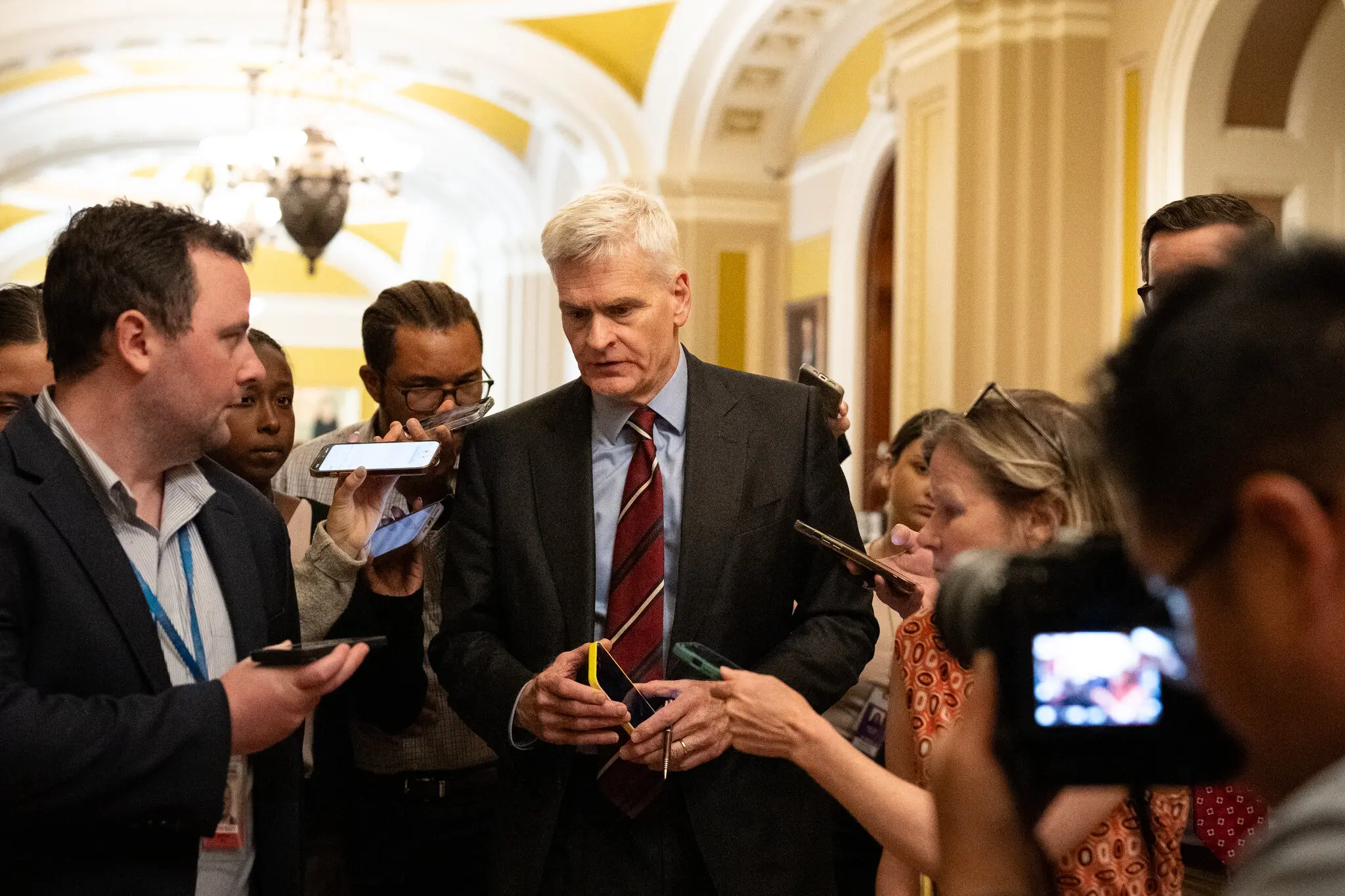 Сенатор-республіканець від Луїзіани Білл Кессіді написав у середу в соціальних мережах, що війна з Іраном була «найгіршою помилкою у зовнішній політиці за останні десятиліття» — Хайюнь Цзян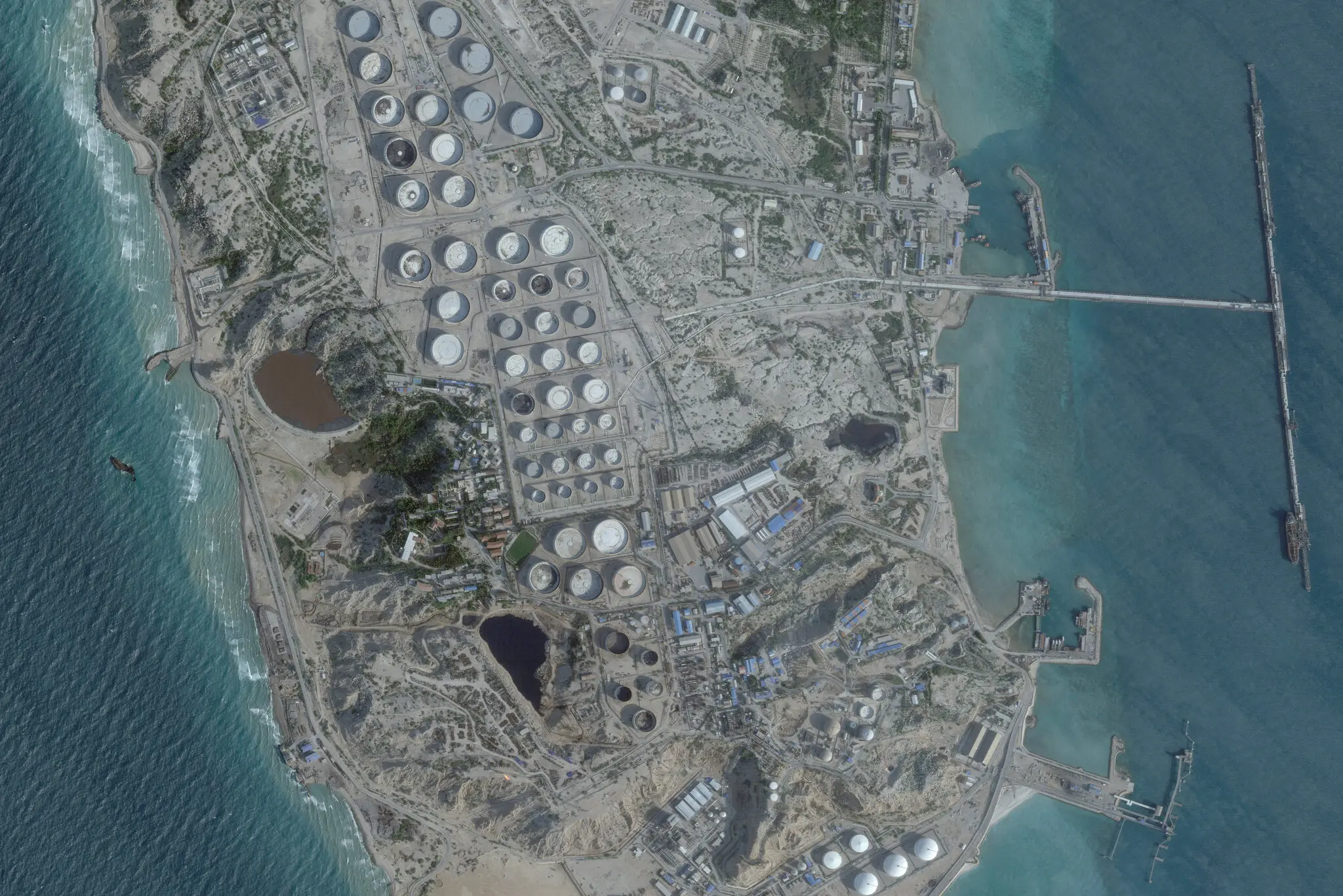
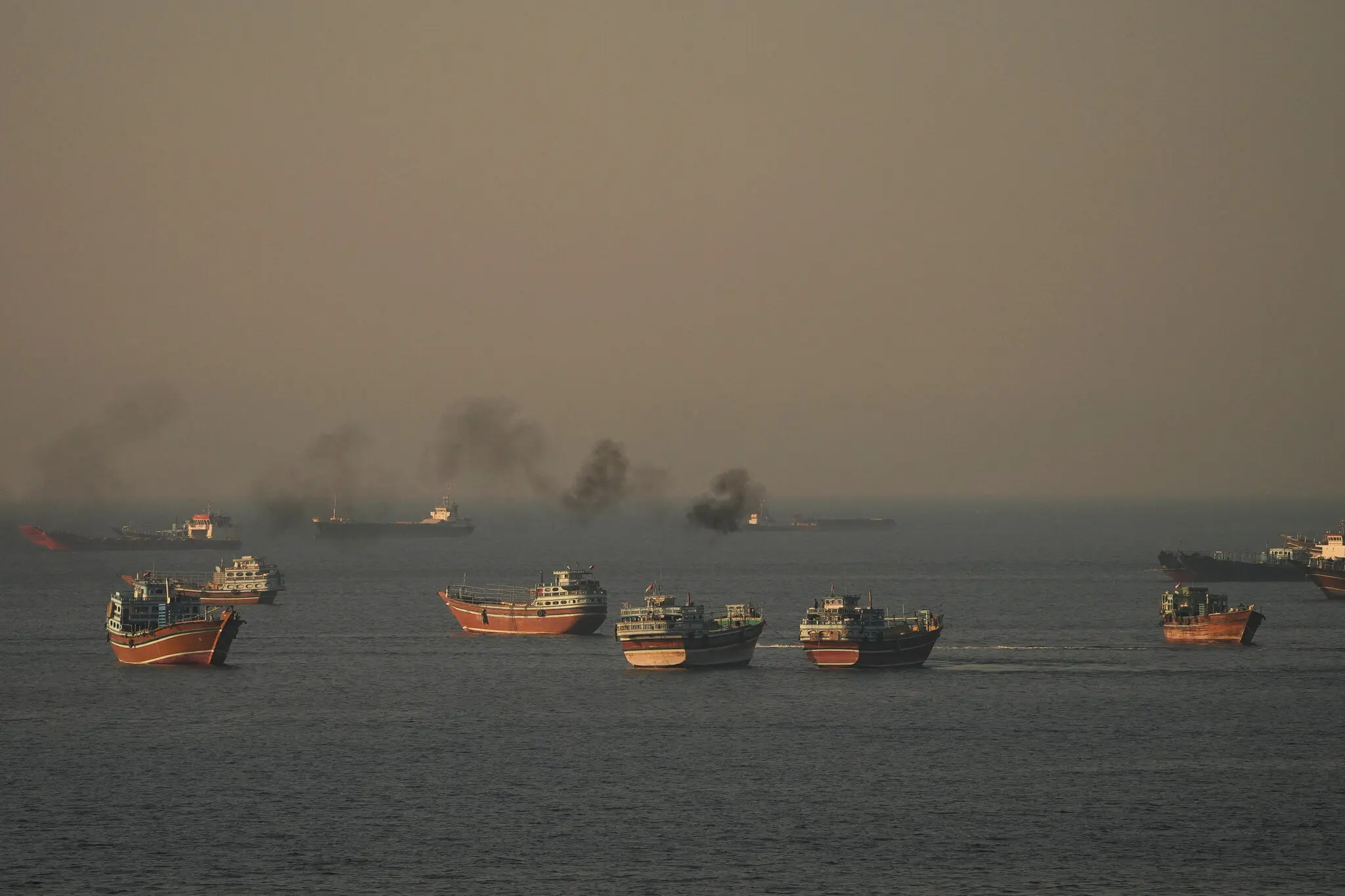 Судна в Ормузькій протоці біля узбережжя Оману в понеділок — через Reuters