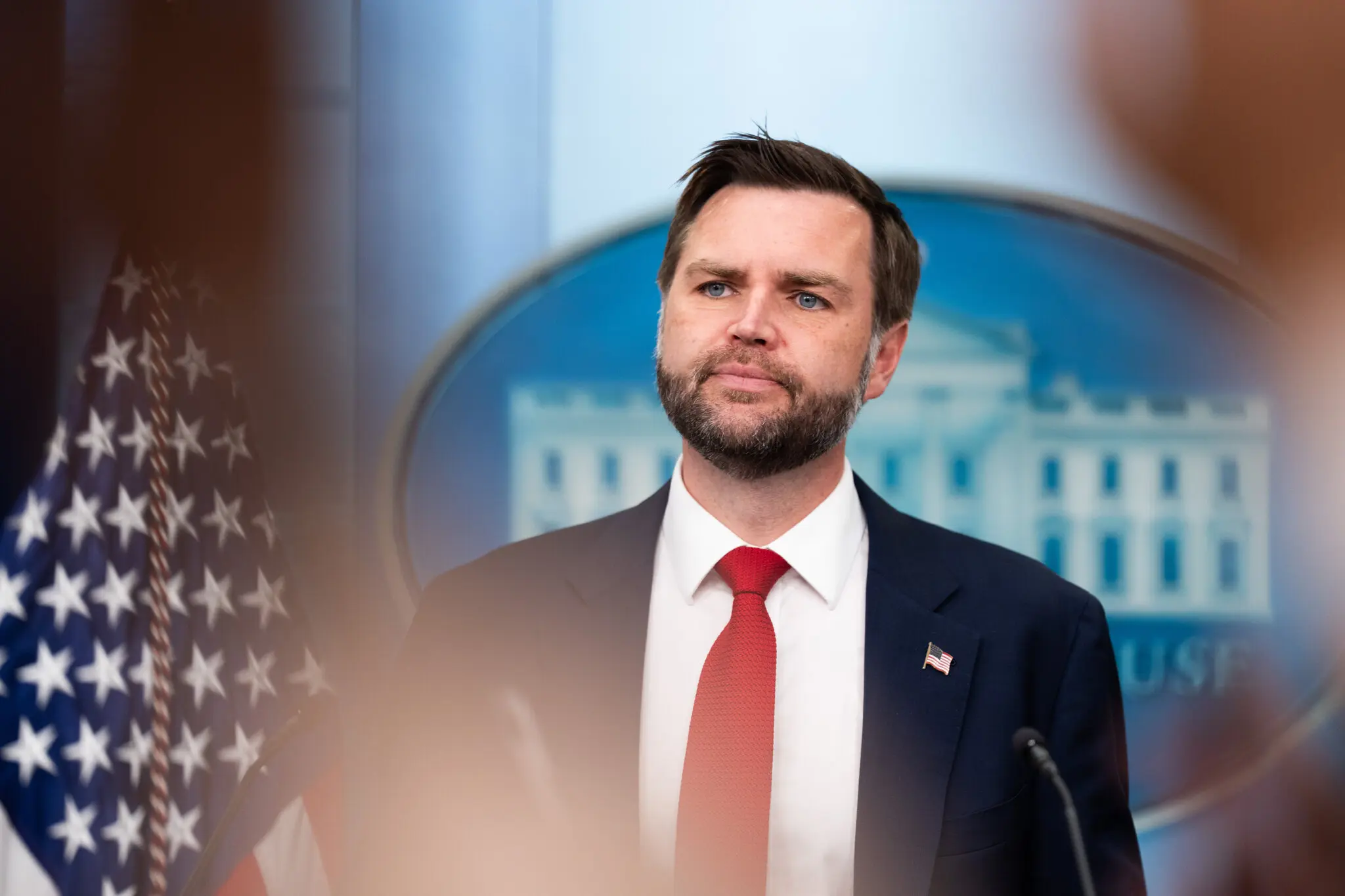























JD Vance called the preliminary deal with Iran a victory for the American people. But his arguments sounded less like a cold explanation of what had been achieved and more like an attempt to cover an uncomfortable text with confident language about future American strength.
The problem with the deal is not that Washington stopped a dangerous war. Ending escalation in the Persian Gulf, reopening the Strait of Hormuz and bringing oil prices down clearly give the administration political breathing room. The problem is different: real concessions have already been paid for a rapid reduction in tension.
Vance insisted that “words don’t matter” because verification will be the real test. But in diplomacy, words are precisely what create the framework for verification. If a memorandum leaves key questions vague, future control will depend not on the strength of the formula, but on political will — often the first thing to weaken when a deal begins to stall.
For Daycom, this situation exposes the central contradiction of Trump’s approach: the White House wants to sell the agreement both as hard pressure on Iran and as a pragmatic exit from war. But the same arrangement cannot be an unconditional victory if its hardest parts have been moved to the next round.
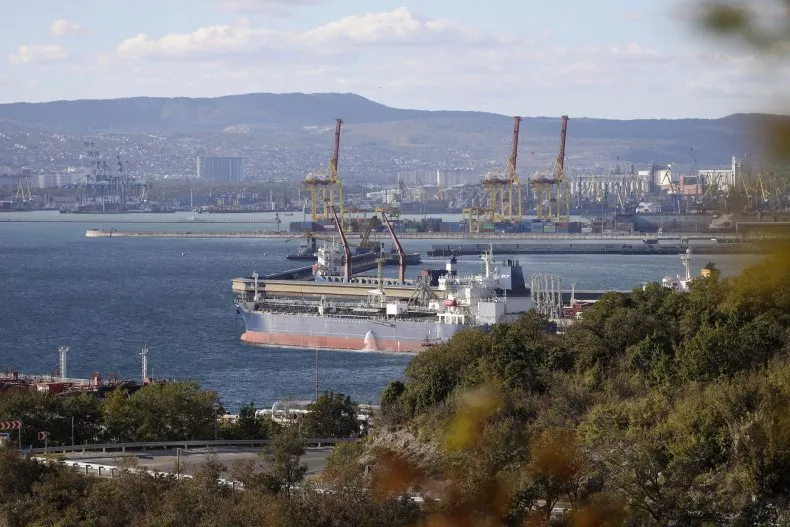
The first weak point is oil. Vance argues that lifting oil restrictions is not a new benefit for Tehran because Iran was already selling crude before the war. That is formally convenient, but substantively incomplete. Sanctions did not reduce Iranian exports to zero, but they forced Iran to sell at a discount, through riskier channels and to a limited circle of buyers.
Now the situation changes for Tehran. Even if export volumes do not rise sharply in the first months, the country can receive better prices, access a wider market and be paid in more convenient currencies. For a regime that has survived the war, this is not a minor technical adjustment. It is financial oxygen.
That is why criticism of the deal is not merely symbolic. Oil relief means resources for the budget, the military, the missile program, domestic control and regional allies. If sanctions pressure was one of Washington’s main levers, easing it early without final Iranian commitments creates an obvious imbalance.
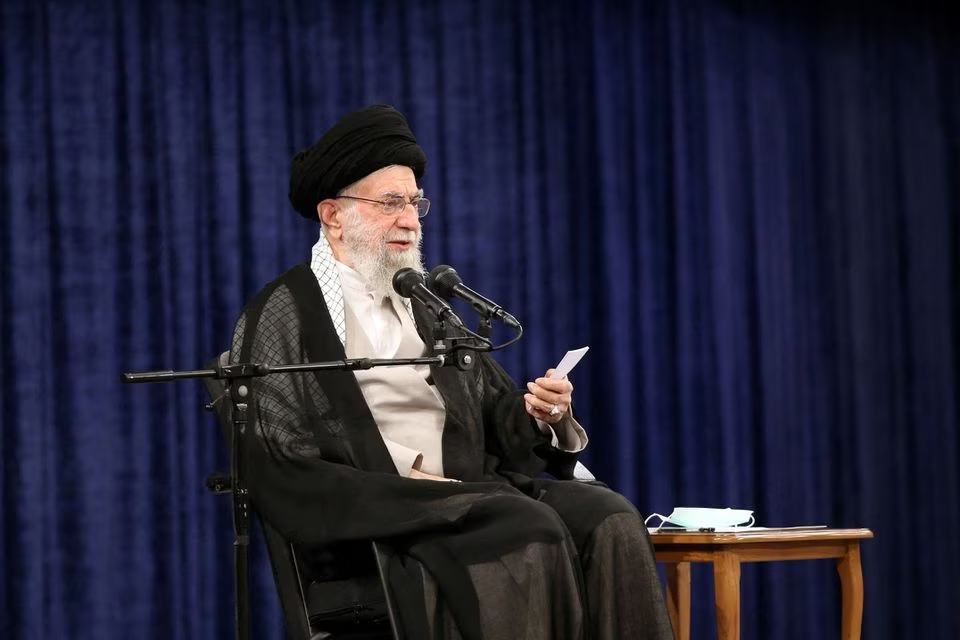
The second weak point is the nuclear program. Iran once again declares that it does not seek nuclear weapons. But such declarations have long ceased to be sufficient reassurance for the United States, Israel or the Gulf states. The real issue is enrichment, stockpiles, inspections and the ability to return quickly to a dangerous threshold.
The preliminary arrangement refers to down-blending enriched material, including stockpiles near the level needed for a rapid breakout. But it does not require that material to be removed from Iran. That is a crucial difference. Diluted uranium kept inside the country is less dangerous than highly enriched material, but it is not the same as physically removing the stockpile.
Vance speaks as though the final deal already contains everything Washington needs: no enrichment, inspections and the destruction of dangerous stockpiles. In reality, those points remain subject to negotiation. That is the weakness of his case. He describes the desired final outcome as if it were already guaranteed, even though the deal so far only opens the door to talks.
The third weak point is money. The memorandum opens the way to unfreezing Iranian assets, releasing restricted funds and creating a large reconstruction fund. Vance stresses that American taxpayers will not directly finance that fund. But that does not remove the central question: will Tehran gain access to resources before it changes its behavior?
If money is unfrozen at the implementation stage of the memorandum, Iran receives part of its reward before final verification. In negotiations, that changes the balance. A side that has already received oxygen has less urgency to accept painful restrictions. This is how a temporary deal can become a pause that benefits the weaker but more resilient party.
The fourth weak point is ballistic missiles. At the start of the war, American rhetoric was far tougher: Iran’s missile capacity was presented as one of the main threats to be eliminated or sharply restricted. Now Vance says no country can be denied the ability to defend itself.
This is not just a nuance of language. It is a change of objective. Earlier, Washington spoke of dismantling a danger. Now it speaks of managing it. For Israel and the Arab Gulf states, that sounds alarming because Iranian missiles have struck airports, energy facilities, military bases and civilian infrastructure across the region.
Vance tries to reduce the weight of this issue by emphasizing the state of launchers rather than the number of missiles. But if Iran retains a large part of its stockpile and the ability to resume launches, the threat does not disappear. It changes form, moving from the battlefield into the negotiating room.
The fifth weak point is the allies. Vance bluntly warned Israeli critics of the deal not to attack the only powerful ally still standing beside them. That line was not addressed only to Jerusalem. It showed that the Trump administration is ready to demand discipline even from its closest partner when that partner interferes with its political plan.
But such a warning does not erase Israel’s arguments. Israel does not see an American negotiation calendar; it sees its own threat map: Iran, missiles, Hezbollah, proxy networks, nuclear potential and the memory of attacks. For a country living in that environment, the promise of future verification does not always look like sufficient protection.
Support for the deal among Gulf states is also less simple than Vance presents it. For Iran’s neighbors, ending the war may indeed be desirable. They do not want strikes on energy sites, ports, airports and trade routes. But wanting to avoid an immediate catastrophe is not the same as fully trusting an agreement that leaves the missile problem unresolved.
That is why Vance’s defense sounds stronger in a televised briefing than in the text of the deal. He speaks about the cards America holds, Iran’s future behavior, verification and benefits for Americans. But the critical details point in another direction: Washington has already given Tehran part of the benefits, while the main restrictions still have to be won.
This does not mean the deal is doomed. Diplomacy sometimes begins with an incomplete pause that stops bloodshed and creates space for a larger agreement. If, within 60 days, the United States secures real control over Iran’s nuclear program, limits on the missile threat and an end to regional destabilization, the current deal may become the first step toward a useful compromise.
But if Iran uses those 60 days for economic recovery, political regrouping and delay, Vance’s formula of “no skin off our backs” will prove to be a dangerous illusion. In international politics, a pause is rarely free. Someone always uses it better.
The Trump administration is now trying to win over several audiences at once. To Americans, it shows cheaper fuel and a lower risk of war. To Iran, it offers a door to economic relief. To Israel, it signals the limits of patience. To Republicans, it projects strength. But the more audiences there are, the harder it becomes to maintain one truth about the deal.
The most honest definition of this arrangement is neither victory nor surrender, but a risky bet. The United States is betting that economic incentives, the threat of renewed pressure and fear of another war will push Iran toward real limits. Iran is betting that time, oil and Western diplomatic fatigue will work in its favor.
The central question, then, is not how confidently Vance speaks from the White House podium. It is what exactly will be written, verified and enforced in the next agreement. Words may indeed matter less than verification. But without precise words, there is often nothing left to verify.