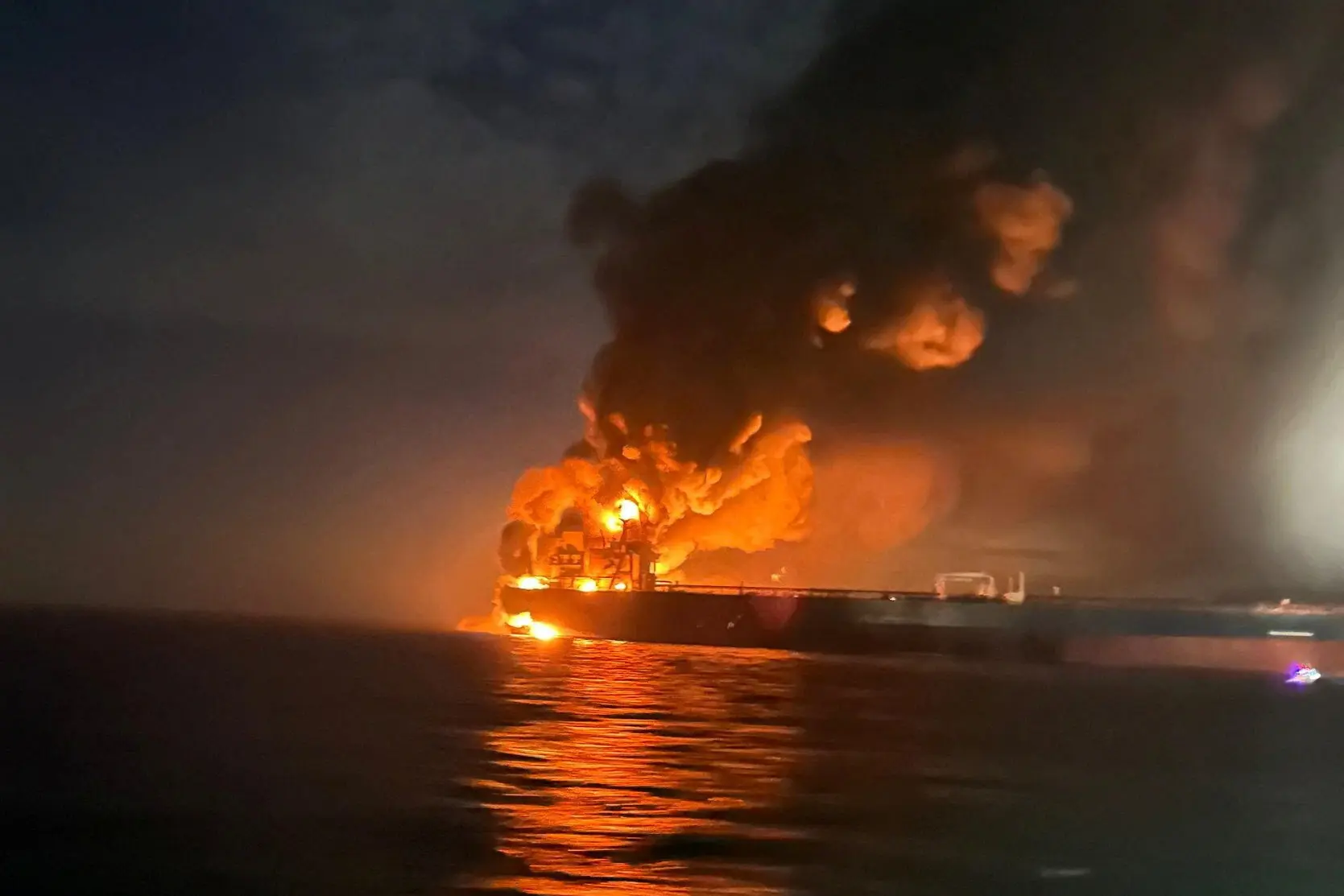




















The Moscow region endured one of the largest drone attacks of the war overnight on July 20. Russian authorities reported roughly 400 incoming unmanned aircraft, fires at industrial facilities and at least ten people wounded.
In Domodedovo, near one of Moscow’s main airports, a strike ignited a fire at an industrial park and damaged a residential building. Three Chinese nationals were among the injured. Businesses and logistics centres in the area were temporarily evacuated.
Ukraine said it had hit logistics facilities and an oil depot in the region surrounding the Russian capital. The wording points to the central purpose of the campaign: not merely to demonstrate that Moscow can be reached, but to disrupt the warehouses, fuel networks and transport routes sustaining the Russian military.
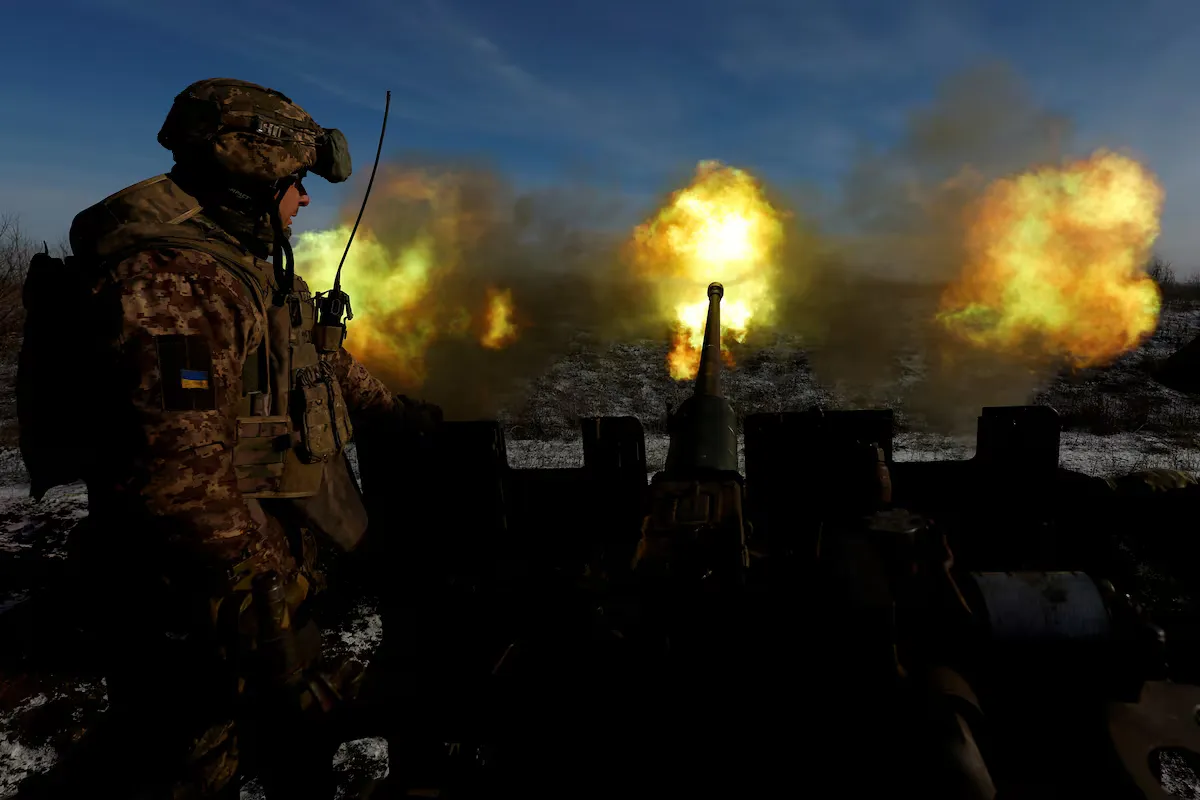
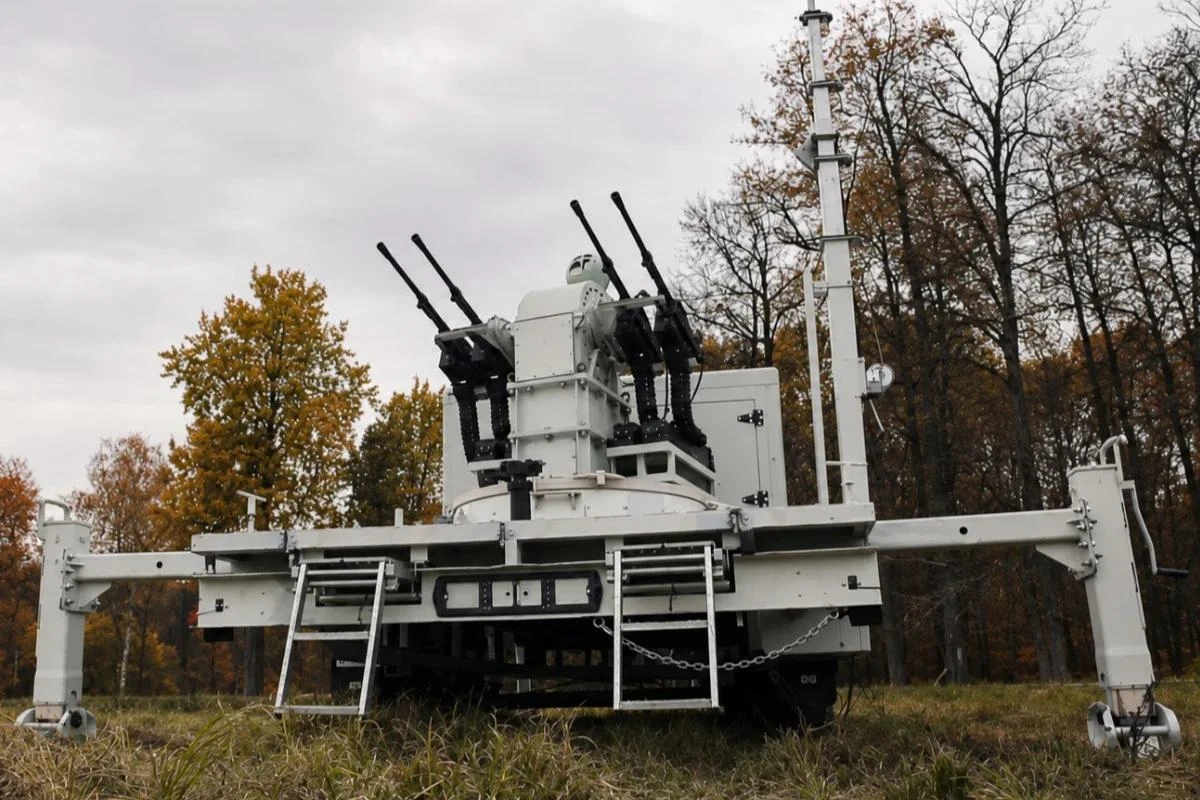
Daycom’s assessment is that the attack marked a shift from demonstrative operations to a strategy of overwhelming Russian air defences through sheer volume. Hundreds of drones force the same system to protect the capital, military facilities, industrial sites, transport hubs and energy infrastructure at once.
Russia’s Defence Ministry said 381 drones had been intercepted over several regions, as well as the Black Sea and the Sea of Azov. Moscow officials separately claimed that 85 aircraft were destroyed on their approach to the capital. Even under that version of events, some drones reached their targets and caused fires.
This is the economic logic of mass drone warfare. The attacking side does not need every aircraft to hit. It is enough to force the defender to launch expensive interceptors, scramble aircraft, close airspace and interrupt industrial activity.
The more territory Russia must defend, the harder it becomes to concentrate air-defence systems near the front. Moscow remains a political priority, so each new wave requires assets that might otherwise protect military bases, airfields or logistical networks in border regions.
Ukraine’s long-range campaign is gradually redrawing the geography of the war. Russia’s rear, long treated as a secure space for manufacturing, storage and transport, is becoming an extension of the battlefield. Distance from Ukraine no longer guarantees safety.
Domodedovo is especially important because it combines a major international airport, motorways, rail links, industrial zones and extensive warehouse capacity. Even a short disruption at such a hub can create delays far beyond the facility that was directly affected.
Nearby Podolsk is another major logistics centre in the Moscow metropolitan area. Goods move through its warehouses toward the capital, central Russia and southern transport routes. Disrupting those operations affects both civilian commerce and government supply chains.
During the attack, Wildberries, Russia’s largest online retailer, evacuated its distribution centre in the Podolsk district. Operations later resumed, but the interruption exposed the vulnerability of an economy built around large centralised warehouses and tightly scheduled delivery networks.
The company’s facilities had already been struck. Two days earlier, another attack hit a Wildberries warehouse, killing employees. Ukraine has accused the platform of selling and distributing goods used by the Russian military.
That allegation does not remove the central problem of civilian risk. Military and commercial supply chains often overlap inside large logistics complexes, while most workers are not combatants. The broader the campaign becomes, the more important precise targeting and the reduction of collateral harm will be.
The injuries in residential areas of Domodedovo illustrate the point at which military effectiveness can become a political liability. Ukraine wants Russian society to feel the cost of the war, but civilian casualties give the Kremlin material for mobilisation and propaganda.
The immediate cause of damage is also not always clear. Fragments from intercepted drones and air-defence missiles can fall on homes, roads and businesses. Russian authorities disclose little about interception failures, making it difficult to distinguish a direct strike from the consequences of defensive fire.
Ukraine’s strategic aim is not simply to frighten Moscow, but to raise the cost of Russian aggression. Oil depots, warehouses, railway junctions and industrial parks move fuel, equipment and components toward the front. Damaging them slows the flow of resources into the war.
A single strike rarely changes the battlefield. Repetition does. When a repaired facility is attacked again, insurance costs rise, equipment must be dispersed and workers face repeated evacuations. The economy begins operating under permanent threat.
That serial pressure distinguishes the current campaign from Ukraine’s earlier attacks on Moscow. At first, the appearance of a few drones had mainly psychological value. Now the challenge involves hundreds of aircraft, multiple approach routes and simultaneous pressure on different layers of Russian air defence.
Building that capability required Ukraine to expand production of airframes, engines, navigation systems and warheads. A mass launch also demands complex planning: target intelligence, route design, timing and a detailed understanding of Russian radar coverage.
Quantity can also conceal quality. Some aircraft may be cheap decoys designed to activate radar systems and exhaust interceptors. Others carry warheads and approach after the defensive network has already been overloaded.
Drone warfare is therefore becoming a contest of industrial tempo. Russia must produce more missiles, electronic-warfare systems and interceptors than Ukraine can launch drones. Ukraine must reduce the cost of each aircraft faster than Moscow can reduce the cost of stopping it.
The strikes on the Moscow region also have a political purpose. For years, the Kremlin maintained a distance between the war and daily life in the capital. Fighting took place far away, mobilisation fell disproportionately on the regions, and economic damage was concealed by state spending.
Drones narrow that distance. Air alerts, fires, evacuations and airport disruption bring the war into the space inhabited by the most protected section of Russian society. This has not produced mass opposition, but it is changing the public sense of security.
Moscow, meanwhile, uses each attack to justify further militarisation. Every mass drone raid becomes an argument for higher defence spending, tighter information control and retaliatory strikes on Ukrainian cities.
Kyiv must therefore preserve a clear link between the targets it selects and military necessity. Logistics, fuel and industrial infrastructure have obvious value to Russia’s war effort. Indiscriminate attacks on urban areas would weaken international support and blur that distinction.
The night of 400 drones does not mean Russian air defence has lost the ability to protect Moscow. Most of the aircraft were probably intercepted or failed to reach their intended targets. But a system that allows even a small share of a mass wave through remains vulnerable to long-term exhaustion.
Ukraine is creating a new dilemma for Russia. The more air defences Moscow keeps around the capital, the less protection it can provide elsewhere. The more widely it disperses those systems, the greater the possibility of another breakthrough toward the country’s political, financial and logistical centre.
The true effect of the attack will not be measured only by the number of drones destroyed or the size of the fires. It will be seen in how many resources Russia must pull away from the front, how much more expensive its rear becomes to operate and whether Ukraine can repeat such missions without exhausting its own production capacity.
Long-range warfare has entered a phase in which mass matters more than a single spectacular strike. Moscow is no longer beyond reach, but drones above the capital do not by themselves create a strategic turning point. That can emerge only from a sustained campaign that turns Russia’s geographic depth from an advantage into an increasingly expensive obligation to defend.