





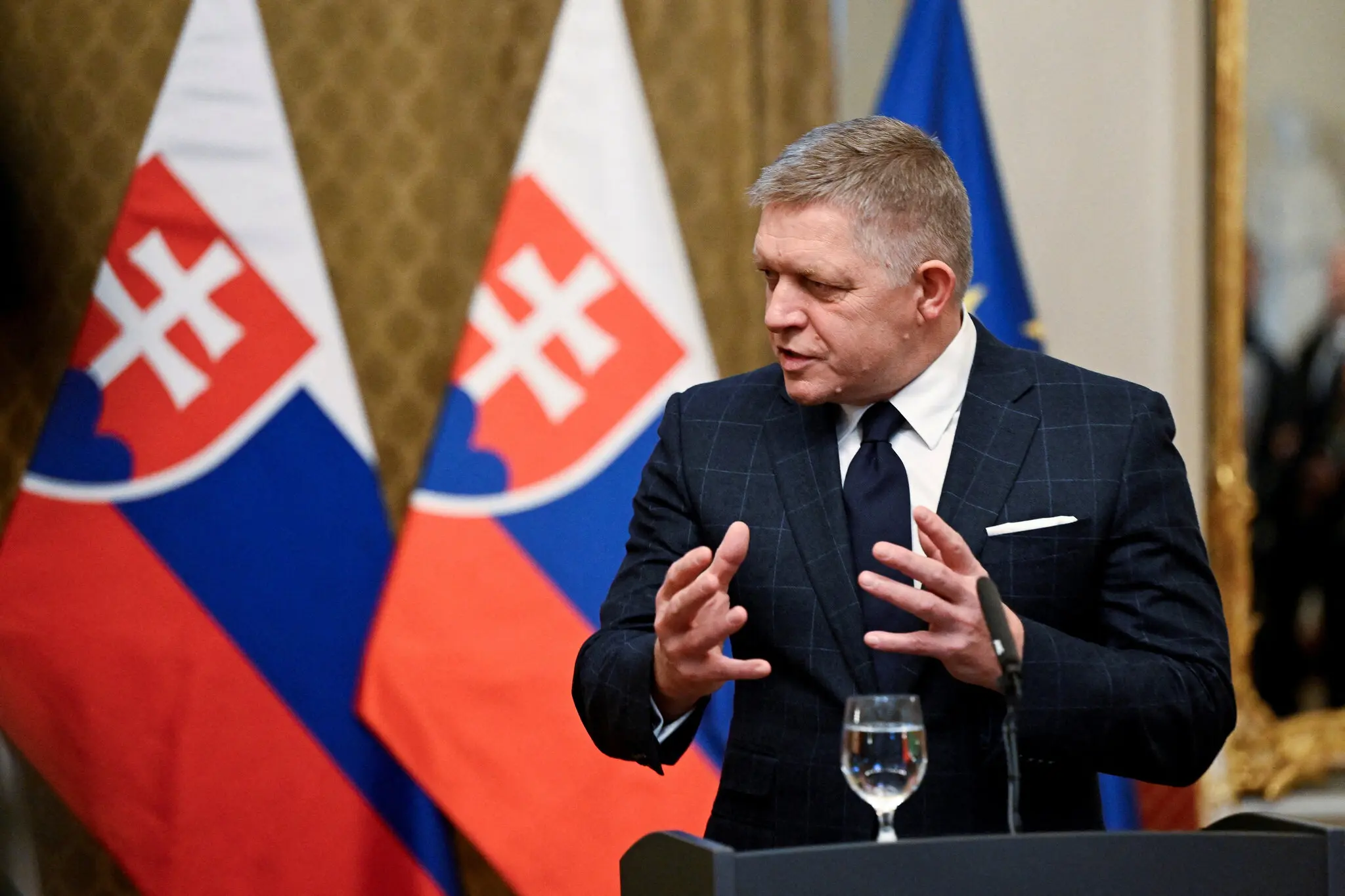














The Pentagon is considering whether to redirect part of the military aid originally intended for Ukraine to the Middle East. The reason is that the war against Iran is rapidly draining some of the most critical U.S. munitions, without which Washington cannot sustain its current pace of operations while also meeting commitments to allies.
No final decision has yet been made. But the very fact that such an option is under discussion already reflects a new strategic reality for the United States: resources are not unlimited, and the conflict in the Middle East is forcing Washington to make harder choices about where its most sensitive and scarce weapons should go.
The discussion centers in particular on air defense interceptor missiles. These are among the most in-demand and strategically important categories of weapons both for Ukraine and for U.S. forces and partners in the Middle East, who are preparing for possible Iranian retaliatory attacks involving drones and ballistic missiles.
Any redirection would likely affect deliveries made under the Prioritized Ukraine Requirements List, or PURL. This NATO-backed mechanism was launched last year to allow European allies to purchase U.S. weapons for Kyiv even as the Trump administration cut most of the Pentagon’s direct military assistance to Ukraine.
PURL became one of the key workarounds that allowed Ukraine to continue receiving essential American weapons. For Trump, the arrangement was politically convenient because it reduced Washington’s visible responsibility. For NATO, it helped calm fears that Ukraine could be left exposed as the White House pursued its broader ambition of reaching a peace deal with Russia.
A Pentagon spokesperson publicly offered only a general statement, saying the Defense Department would ensure that U.S. forces, as well as allies and partners, have what they need to fight and win. But the refusal to comment further only underscored how sensitive the internal debate has become and how significant the consequences could be for Ukraine.
 Генеральний секретар НАТО Марк Рютте заявив, що не можна очікувати від європейських лідерів швидкої допомоги в Перській затоці, оскільки їх не повідомили заздалегідь про напад на Іран 28 лютого — Омар Гавана
NATO Secretary General Mark Rutte, when asked about the reporting, did not directly say whether the alliance was aware of or concerned about a possible rerouting of U.S. equipment. He did, however, stress that critical American weapons for Ukraine, including interceptors, are still flowing and that the program is formally continuing.
Rutte also noted that since last summer the initiative has supplied around 75 percent of the missiles used by Ukraine’s Patriot batteries and nearly all of the ammunition for its other air defense systems. That makes clear that PURL is not a marginal support channel, but one of the central pillars of Ukraine’s air defense sustainment.
Donald Trump also avoided directly saying whether he might redirect munitions away from Ukraine. But he effectively acknowledged that such practices are normal in U.S. military logistics. He said that weapons are positioned in countries such as Germany and elsewhere in Europe, and that sometimes they are taken from one place and used for another.
Since Trump returned to office, Ukraine’s main European backers have taken the lead in financing and arming Kyiv. That is why the PURL framework has become especially important. It allowed European governments to keep buying U.S. weapons for Ukraine even as the White House showed less willingness to expand direct American support.
European countries now provide the bulk of military assistance to Ukraine, including bilateral deliveries outside NATO frameworks. But through PURL, Kyiv continues to receive exactly the kinds of U.S. systems that are difficult to replace quickly with European alternatives: high-end munitions, expensive missiles, and scarce air defense interceptors.
According to a U.S. official, allied governments have already committed about $4 billion for Ukraine through this program. That means any decision to divert weapons elsewhere would carry not only military implications, but political ones as well. European governments would inevitably want to know whether their money is truly being used for the purpose the mechanism was designed to serve.
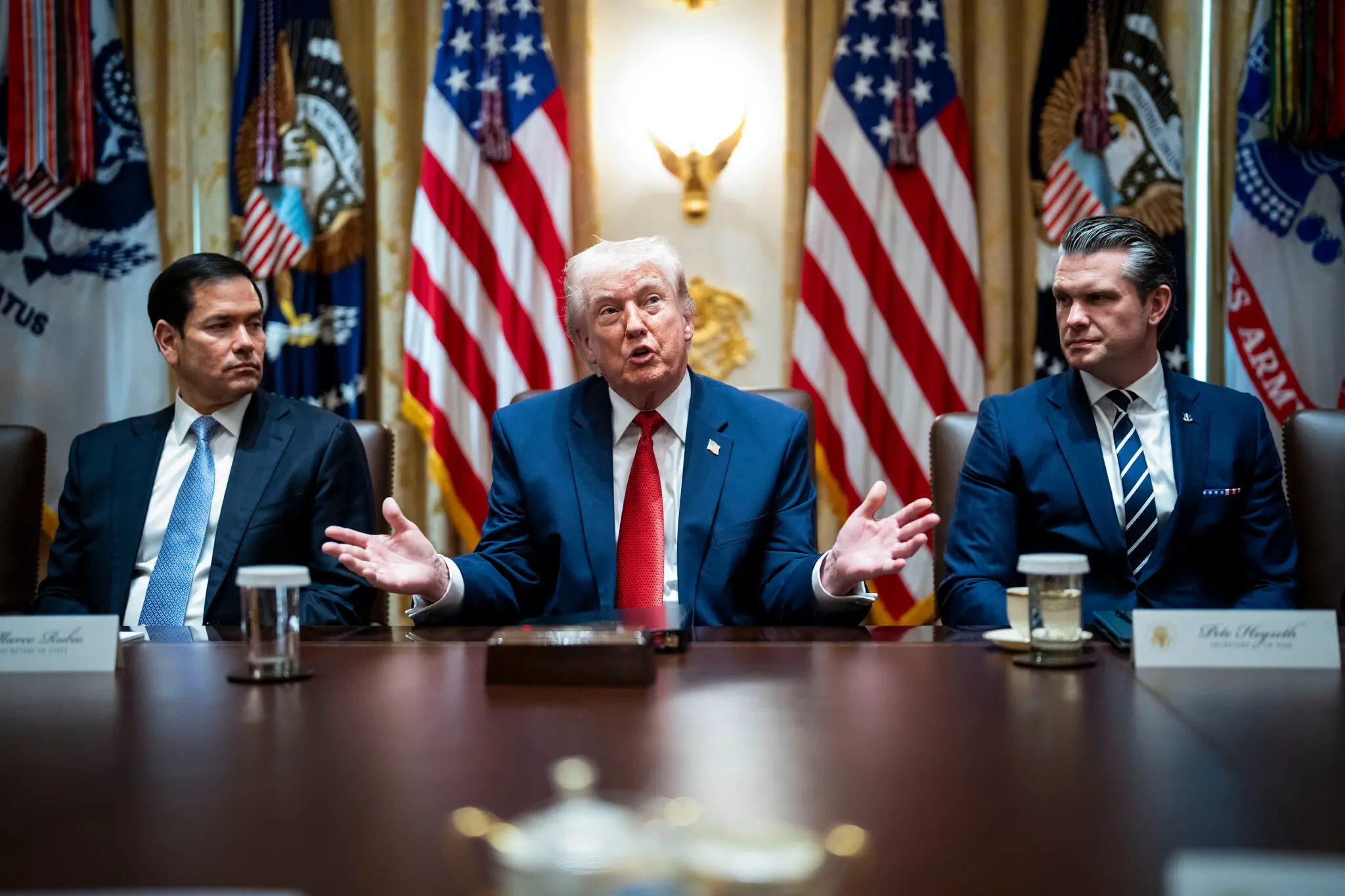 Президент США Трамп — Даг Міллс
Since the U.S. and Israel launched their attack on Iran on February 28, concern has grown in European capitals that Washington is burning through its stockpiles too quickly. European diplomats warned that this pace of use could delay not only their own orders, but also deliveries of U.S. systems to Ukraine under PURL.
One diplomat said the United States is really burning through munitions, raising urgent questions about how much Washington will still be able to provide under the existing arrangement. Another European official said the next month or two are less likely to be affected because some deliveries are already moving through the production and logistics pipeline.
Ukraine’s ambassador to the United States, Olha Stefanishyna, acknowledged that Kyiv is operating in a period of considerable uncertainty. At the same time, she said Ukraine continues to keep its partners updated about its needs, especially in air defense, and argued that the initial disruptions caused by recent operations in the Middle East have already been mitigated.
Among the most sought-after munitions are missiles for the Patriot and THAAD systems. These are the same assets the United States has already redirected from other parts of the world, including Europe and East Asia, to U.S. Central Command, which is responsible for operations in the Middle East and for strengthening defenses against Iranian counterattacks.
For Ukraine, these systems are just as essential. With Russia continuing to bombard Ukrainian cities and infrastructure, long-range interceptors remain a core element of protection against complex air assaults. That is why any reduction in this category would be especially painful and potentially more damaging than delays involving less sensitive types of military aid.
One of the people familiar with the Pentagon’s internal calculations said PURL deliveries are likely to continue. But the problem is that future packages may no longer include full air defense components, because the United States will be trying to replenish both its own stockpiles and those of allies in the Persian Gulf.
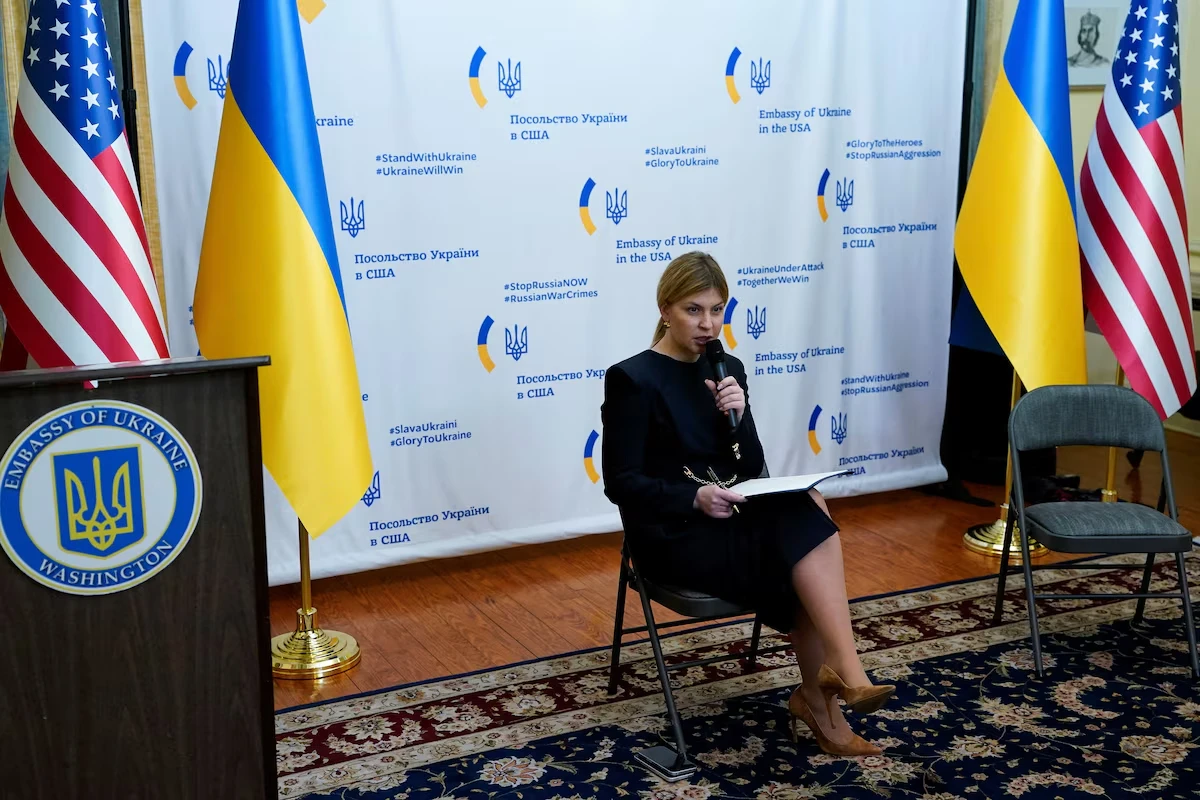 Посол України в США Ольга Стефанішина проводить брифінг з нагоди четвертої річниці повномасштабного вторгнення Росії в Україну в посольстві України у Вашингтоні, округ Колумбія, США, 24 лютого 2026 року — Елізабет Франц
Another source described the debate in even more direct terms: Washington is now actively discussing how much it can still give Ukraine. This is no longer a theoretical concern. It is a live policy argument over how to divide finite military resources at a moment when one war is directly affecting America’s ability to sustain another.
It remains unclear whether the likely outcome would be only temporary delays, with shipments later fulfilled, or whether some weapons would be diverted entirely to another theater. A U.S. official said the Pentagon has the authority to make such changes in the event of an urgent military need, but must notify Congress if it does so.
The Defense Department is already trying to accelerate production of key munitions after the start of the war with Iran. But the U.S. defense industry remains constrained in its ability to surge output quickly during a crisis. That industrial limitation is precisely what turns the choice between the Middle East and Ukraine into a serious strategic problem.
At the same time, the Trump administration is preparing a supplemental defense budget request for Congress. Previous reporting indicated that the Pentagon initially sought more than $200 billion. But even such large sums do not solve the problem immediately if production lines cannot expand fast enough to support multiple conflicts at once.
Rutte openly acknowledged that arms production was already lagging behind the pace of global conflict even before the U.S. strikes on Iran. Now, with stockpiles in the Middle East being consumed rapidly, the imbalance has only grown worse. His conclusion was blunt: the West must produce much more than it currently does.
If the United States really does begin pulling systems away from Ukraine, the additional burden will inevitably fall on Europe. The Trump administration has already shifted most of the responsibility for arming Kyiv onto NATO allies, while simultaneously pressuring them to contribute more to reopening and securing the Strait of Hormuz.
So far, European leaders have largely resisted Trump’s calls to become more deeply involved in a war that Washington started without their input and that is already destabilizing the region. That is why any reduction in America’s contribution to Ukraine’s defense would amount to a double blow for Europe, both politically and militarily.
In January, Congress approved another $400 million in long-term military aid for Ukraine through the separate USAI program, which the Pentagon had previously sought to cut. That mechanism involves contracts with U.S. firms to build weapons specifically for Kyiv, but the problem is that such orders can sometimes take years to fulfill.
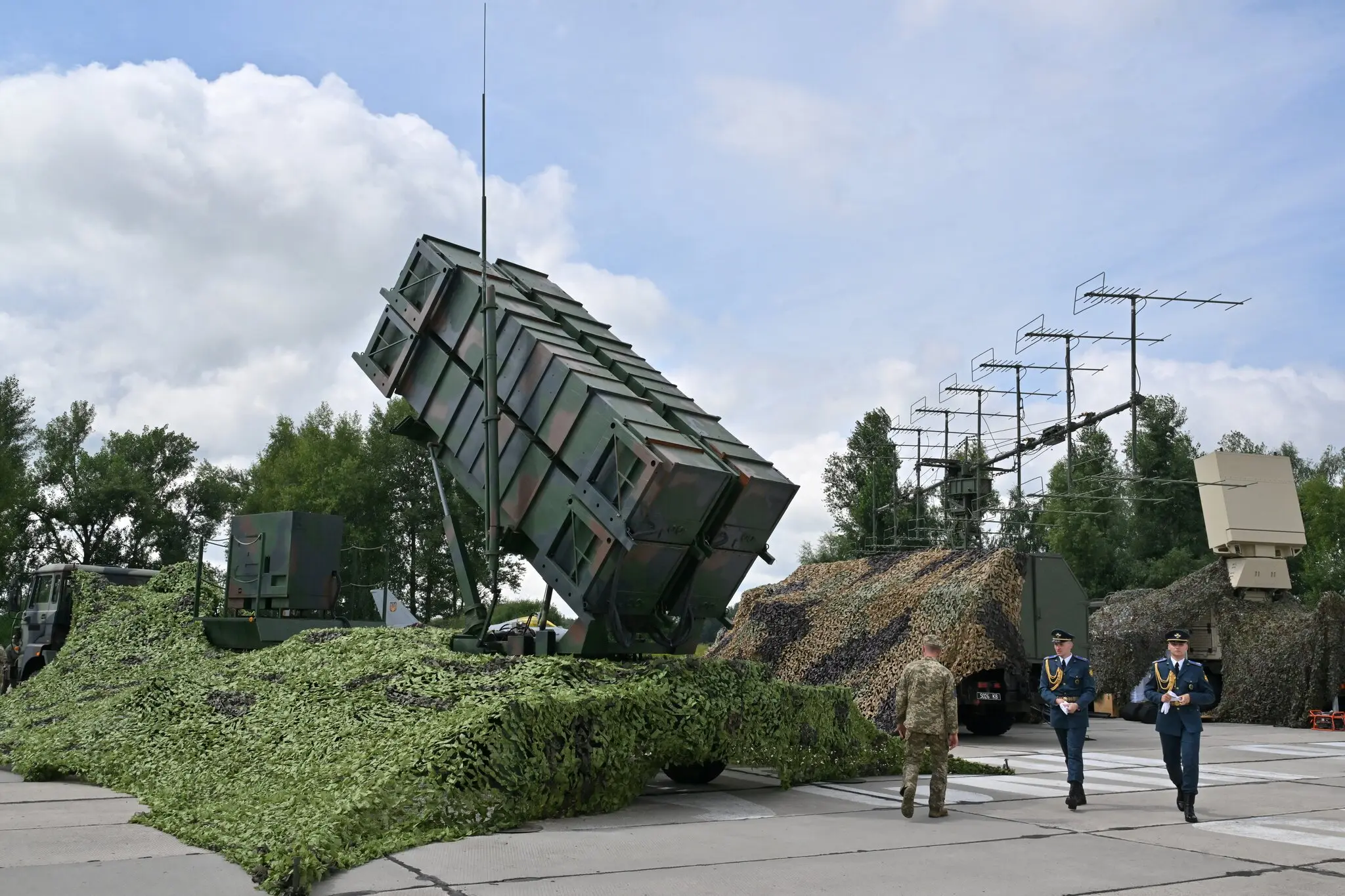 Система протиповітряної оборони Patriot у нерозкритому районі в Україні минулого року. — Сергій Супінський
Further concern has come from another detail. According to a Pentagon notice sent to Congress, some of the European money from PURL has been used for capabilities that lawmakers originally intended to fund through American money under USAI. That raises the possibility of quiet internal burden-shifting between programs that were supposed to serve different purposes.
A U.S. official said it remains unclear whether the Pentagon is using PURL money in addition to already approved U.S. funding or effectively instead of it. If the latter is even partly true, then European allies are not simply co-financing aid to Ukraine. They are also helping cover areas that Washington itself was originally expected to fund.
Separately, the Pentagon notified Congress on Monday that it intended to redirect about $750 million provided by NATO countries through PURL to replenish U.S. military stockpiles rather than send additional aid to Ukraine. According to two U.S. officials, that issue has itself become a distinct source of concern and scrutiny.
One of those officials said it was not clear whether European countries that had committed money to strengthen Ukraine fully understood how their funds were being used. NATO responded cautiously. Spokeswoman Allison Hart said everything paid for by allies and partners through PURL has either already been delivered or continues to flow to Ukraine.
Germany and the Netherlands are among the countries financing purchases through PURL. France, by contrast, has preferred to spend on European rather than American weapons systems. That difference reflects a broader debate inside Europe, not just about the scale of support for Ukraine, but also about which defense industries should ultimately benefit from this spending.
In an interview with Reuters, Volodymyr Zelensky said the United States had not stopped Patriot deliveries. At the same time, he said Washington was refusing to sign an agreement on postwar security guarantees for Ukraine unless Kyiv accepted a key Kremlin demand and ceded all of the Donbas region to Russia.
Zelensky said he understands the subtleties of Washington’s position. But he also made a much broader point: the Middle East is clearly affecting Donald Trump and shaping his next steps. That observation captures the core of the problem for Ukraine. A war far from its borders is already influencing the volume, pace, and composition of the military aid on which its defense depends.