























Friday, March 27, 2026, did not become a day of pause in the Middle East. Israel and Iran exchanged fire again just as Donald Trump announced that the deadline for the full reopening of the Strait of Hormuz would be pushed back to April 6. Once again, the war moved along two tracks at once — military and diplomatic.
That is the central tension of the moment. The White House is talking about progress in negotiations and claims the pause was granted at Tehran’s request, while the Iranian side publicly rejects the notion of direct arrangements with the United States. When the parties are fighting and denying the very format of talks at the same time, diplomacy itself becomes part of the battlefield.
This is not just another exchange of missile strikes between Israel and Iran. It is a struggle over control of the tempo of escalation, over who gets to define the price of de-escalation, and over who can present any pause as a victory. Trump wants to show that he is forcing Tehran to yield; Iran wants to show that it is not capitulating under the pressure of an ultimatum.
Friday, March 27, 2026, did not become a day of pause in the Middle East. Israel and Iran exchanged fire again just as Donald Trump announced that the deadline for the full reopening of the Strait of Hormuz would be pushed back to April 6. Once again, the war moved along two tracks at once — military and diplomatic.
That is the central tension of the moment. The White House is talking about progress in negotiations and claims the pause was granted at Tehran’s request, while the Iranian side publicly rejects the notion of direct arrangements with the United States. When the parties are fighting and denying the very format of talks at the same time, diplomacy itself becomes part of the battlefield.
This is not just another exchange of missile strikes between Israel and Iran. It is a struggle over control of the tempo of escalation, over who gets to define the price of de-escalation, and over who can present any pause as a victory. Trump wants to show that he is forcing Tehran to yield; Iran wants to show that it is not capitulating under the pressure of an ultimatum.
According to Daycom’s preliminary analysis, the Strait of Hormuz in this phase of the conflict has ceased to be merely a geographical point. It has become an instrument of strategic coercion, where missile strikes, negotiations, sanctions, oil prices, and G7 diplomacy function as a single system of mutual pressure.
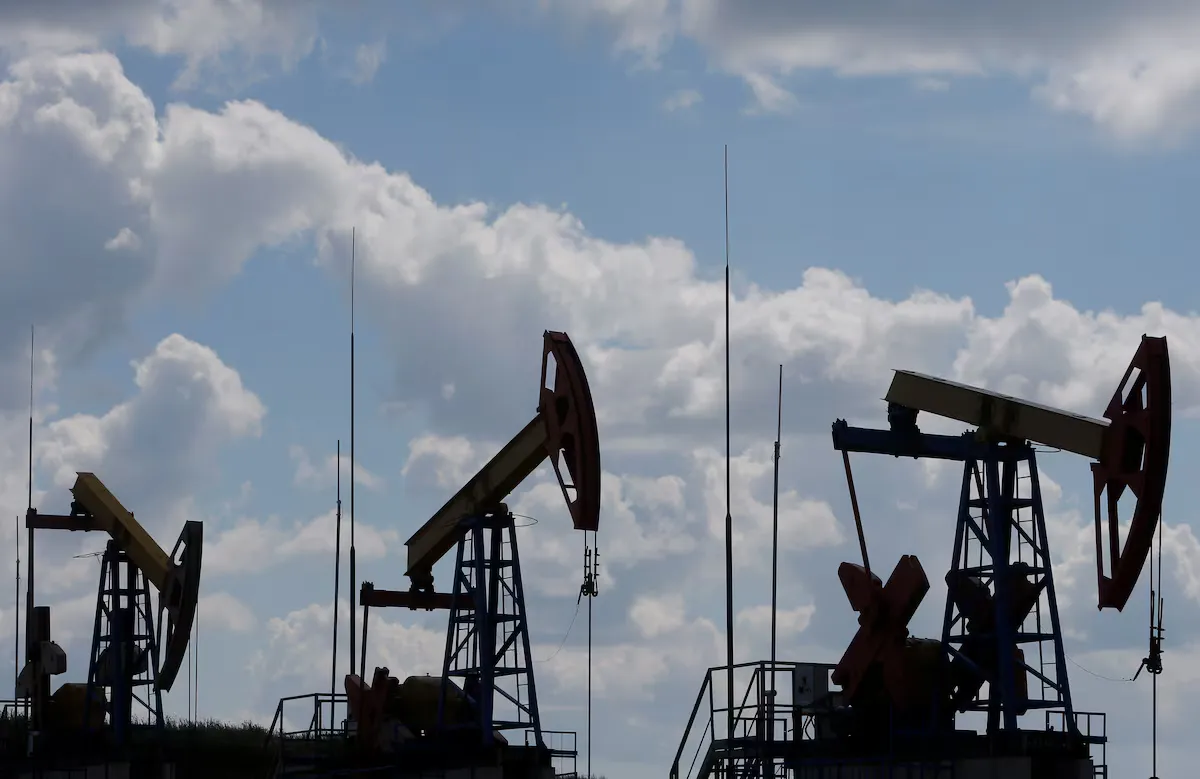
Why is Hormuz so critical? A substantial share of global seaborne oil trade and a major portion of worldwide oil and petroleum consumption passes through this route. That means even a partial disruption of traffic here almost instantly becomes a pressure point for markets, insurance costs, logistics chains, and government decision-making far beyond the region.
At the military level, the situation does not look like preparation for immediate peace. Israeli leaders say strikes on Iranian targets are continuing without interruption, while Tehran keeps up missile and drone attacks not only against Israel but across a broader Gulf perimeter. The deadline has been extended, but the intensity of the war has not been reduced.
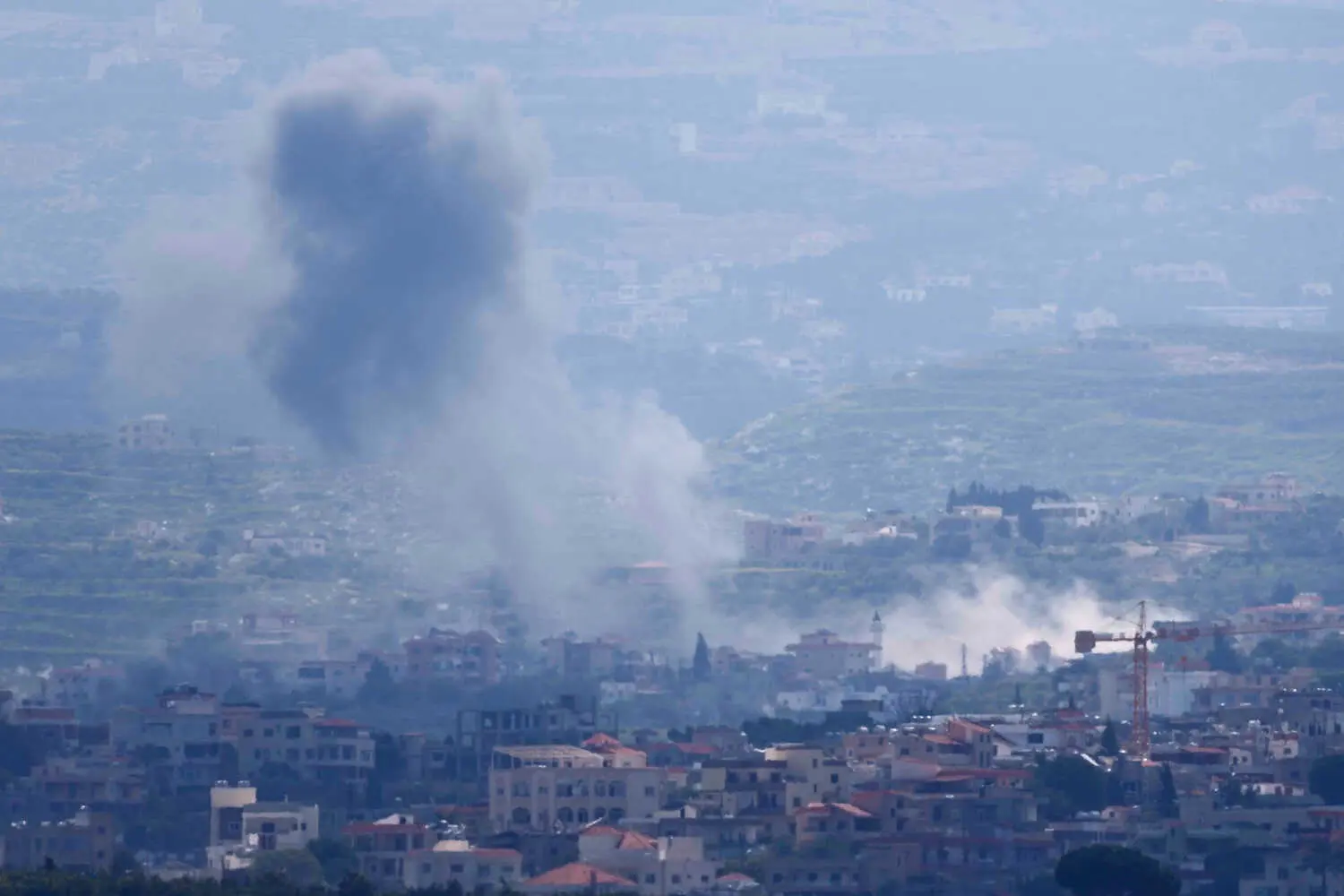 Дим піднімається від удару по селу Рамадія у п'ятницю — Хуссейн Малла
Against that backdrop, the public picture of the U.S. role remains incomplete. Washington continues to issue hard-line statements, yet there is still little transparent reporting on the scale and boundaries of American involvement. Under those conditions, mistrust among allies and markets only deepens: if military action is expanding while clarity is lacking, political risk rises automatically.
That is precisely why the G7 meeting in France has taken on importance beyond routine diplomacy. Iran, the Strait of Hormuz, and the reopening of trade routes have effectively moved to the top of the agenda, pushing other crises into the background. For Western capitals, this is no longer only a question of backing an ally, but of preventing the war from spreading further across the region and the global economy.
The reluctance of allies to immediately send warships reflects calculation rather than weakness. For France, Britain, Japan, and other partners, maritime security is not simply a matter of escorting tankers. It involves mandates, legal legitimacy, rules of engagement, and the limits of participation in a campaign the United States has widened without full coalition consensus.
Markets reacted faster than diplomats. Any sign of disruption in transit through the Strait of Hormuz immediately translates into jumps in oil prices and anxiety on stock exchanges. That is why even claims of “progress in talks” are being read by investors not as proof of imminent calm, but as confirmation that the conflict is becoming longer and more expensive.
More importantly, Iran appears to be trying to formalize a regime of selective passage in the strait — with inspections, route changes, and added constraints for certain vessels. If such a practice becomes entrenched, the world will be facing not merely a temporary blockade, but a new model of coercive control over a key maritime artery.
For Trump, this crisis also has a domestic political dimension. He has to project toughness, preserve the image of a strong leader, and avoid any impression that Washington has backed down under Iranian pressure. That explains the contradictory formula of recent days: combative rhetoric stays in place, deadlines are postponed, and tactical pauses are framed as evidence of strength rather than concession.
Iran’s logic is different, but no less consistent. Tehran is trying to prove that even under severe losses it can keep the oil market, the global economy, and U.S. allies under pressure. Control over the Strait of Hormuz is a classic asymmetric lever in that strategy: not to win the war head-on, but to raise its cost for everyone else.
At the same time, diplomatic channels have not disappeared entirely. Various intermediaries are still looking for a formula in which the reopening of the strait, limits on nuclear and missile activity, and partial relief from pressure could all become part of a broader arrangement. But for now, this remains more the architecture of bargaining than a ready agreement: distrust is too deep, and the political price of concessions is too high for all sides.
Meanwhile, the Lebanese front is widening, turning a regional war into a layered humanitarian crisis. The growing number of displaced people, the strain on schools, temporary shelters, and the health system all show that the consequences of the conflict have long since moved beyond the direct line of confrontation between Israel and Iran. Lebanon is no longer a backdrop to the war; it is becoming its second cost.
Oman, which has traditionally tried to preserve the role of a quiet mediator in the Gulf, is now itself forced to respond to the consequences of combat near its shores. For states that are not direct participants in the strikes, the crisis is already producing economic losses, weaker business activity, declining tourism, and rising anxiety around the safety of maritime traffic.
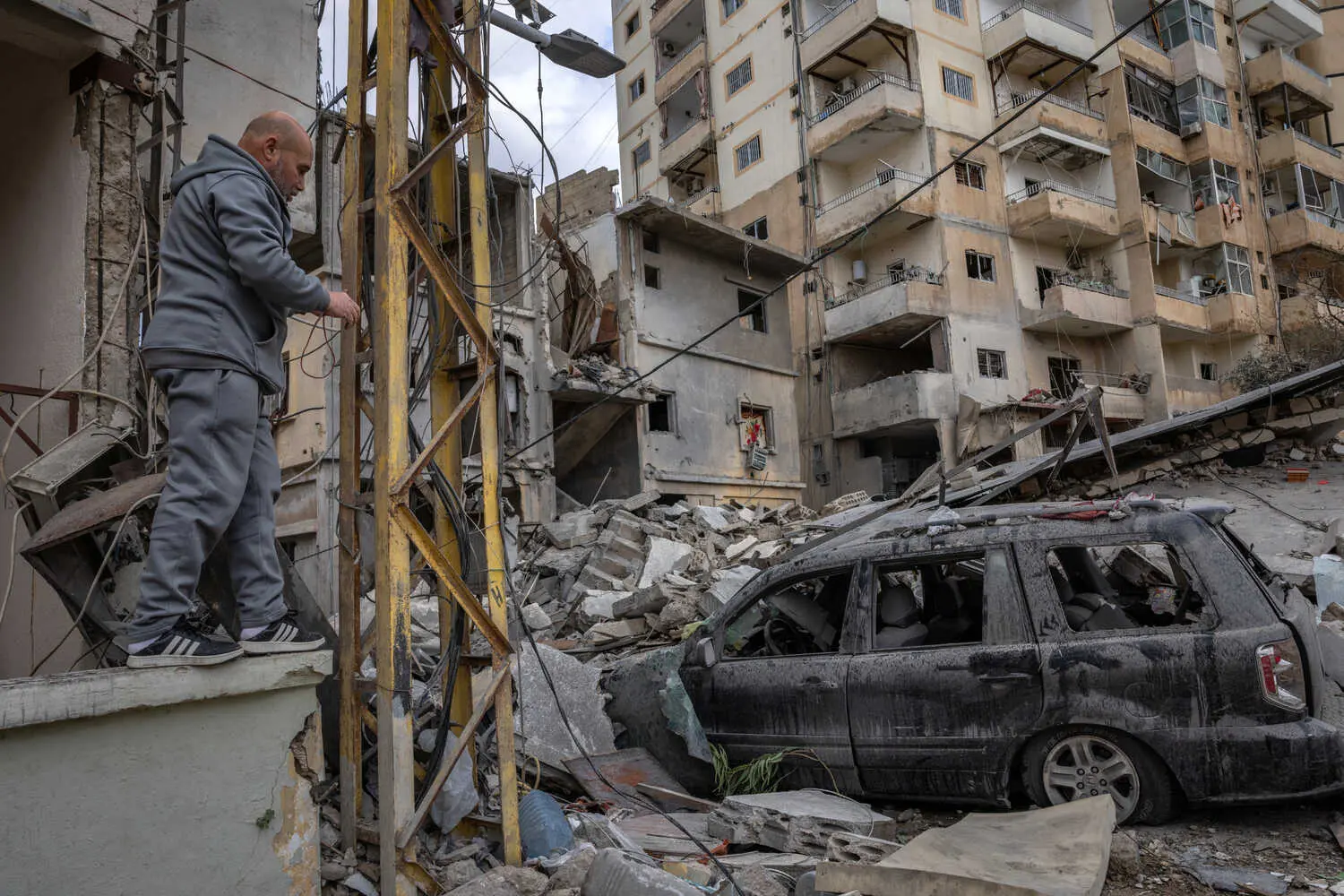 Ремонт електропроводки в пошкодженому районі у четвер, Тир, Ліван — Девід Гуттенфельдер
The casualty picture remains difficult because different sources provide different estimates, and full independent verification in wartime is limited. But that does not change the broader conclusion: the human cost of the conflict is rising rapidly, and with it the pressure on international institutions, humanitarian bodies, and the mediators who still hope for a political pause.
These numbers matter not only as statistics. They help explain why the language of international law, risks to civilian infrastructure, and possible war crimes is appearing with greater frequency. When energy facilities, residential areas, logistics nodes, and medical services come under fire, the conflict moves far beyond the classic model of military-against-military confrontation.
For Europe, the consequences of this crisis go beyond solidarity with allies. It is also a risk of a new inflationary impulse, renewed pressure on transport chains, insurance, energy supplies, and the political cohesion of the West. In that sense, the Strait of Hormuz is not only a Middle Eastern problem, but a direct transmission belt of instability into the European economy.
From this follow three basic scenarios. The first is limited de-escalation with a partial restoration of shipping before April 6. The second is a prolonged pattern of “war under negotiation,” in which strikes continue while the corridor functions only selectively. The third is the collapse of mediation and an attempt at a forceful breakthrough in the strait, which would almost certainly mean another price shock and a wider regional war.
As of the evening of March 27, the extension of the deadline looks less like a peace formula than a tactical pause inside a larger confrontation. Israel continues striking, Iran continues responding, the G7 has no single rapid formula, and Donald Trump is trying at once to demonstrate strength, sell the idea of diplomatic progress, and avoid the political cost of a prolonged and expensive conflict.
In that sense, the Strait of Hormuz today is not merely a narrow stretch of water between Iran and Oman. It has become a test of whether modern diplomacy can catch up with escalation when the oil market, maritime security, Lebanon, Iran’s nuclear program, and U.S. domestic politics have fused into a single crisis. For now, the answer appears to be no.

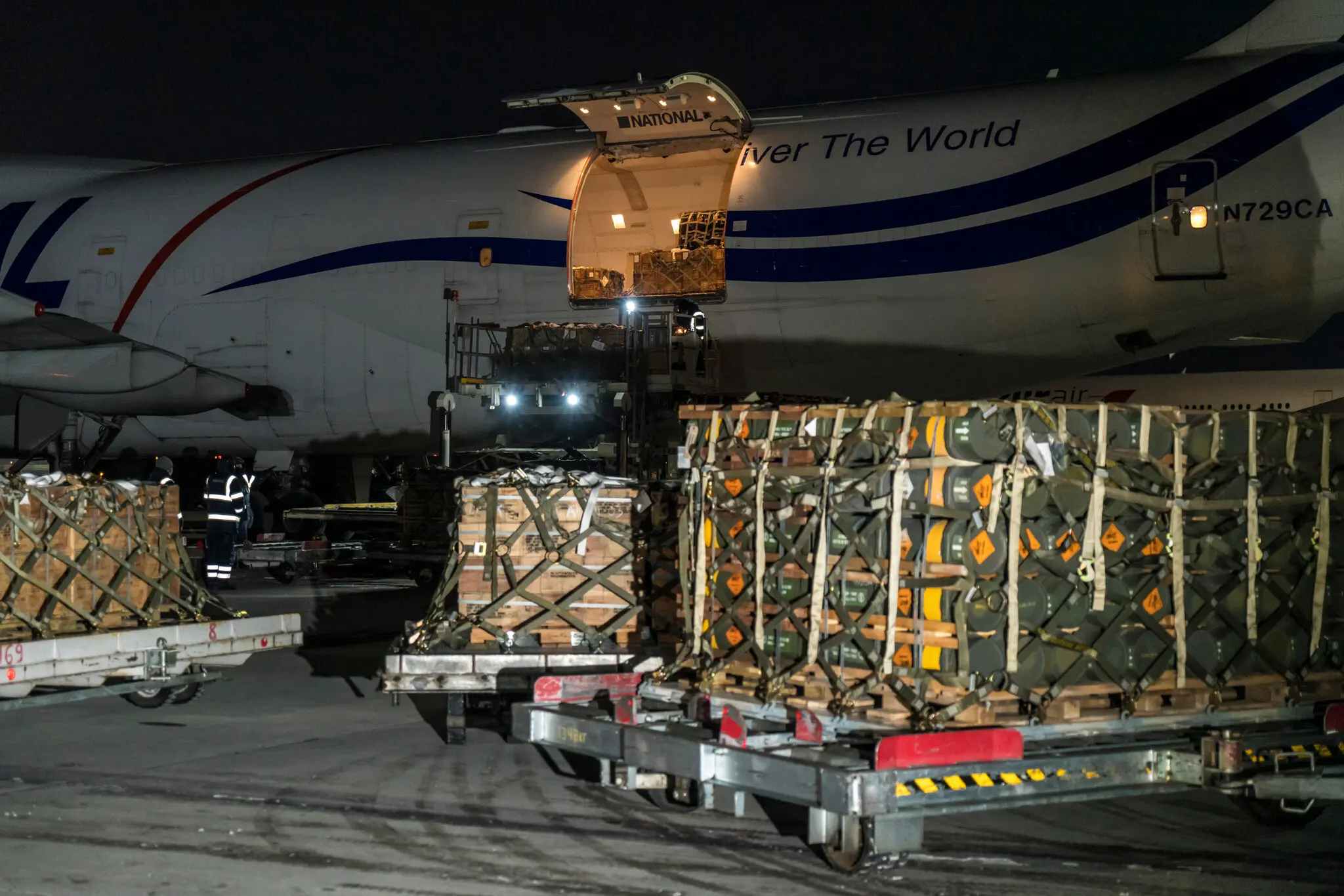
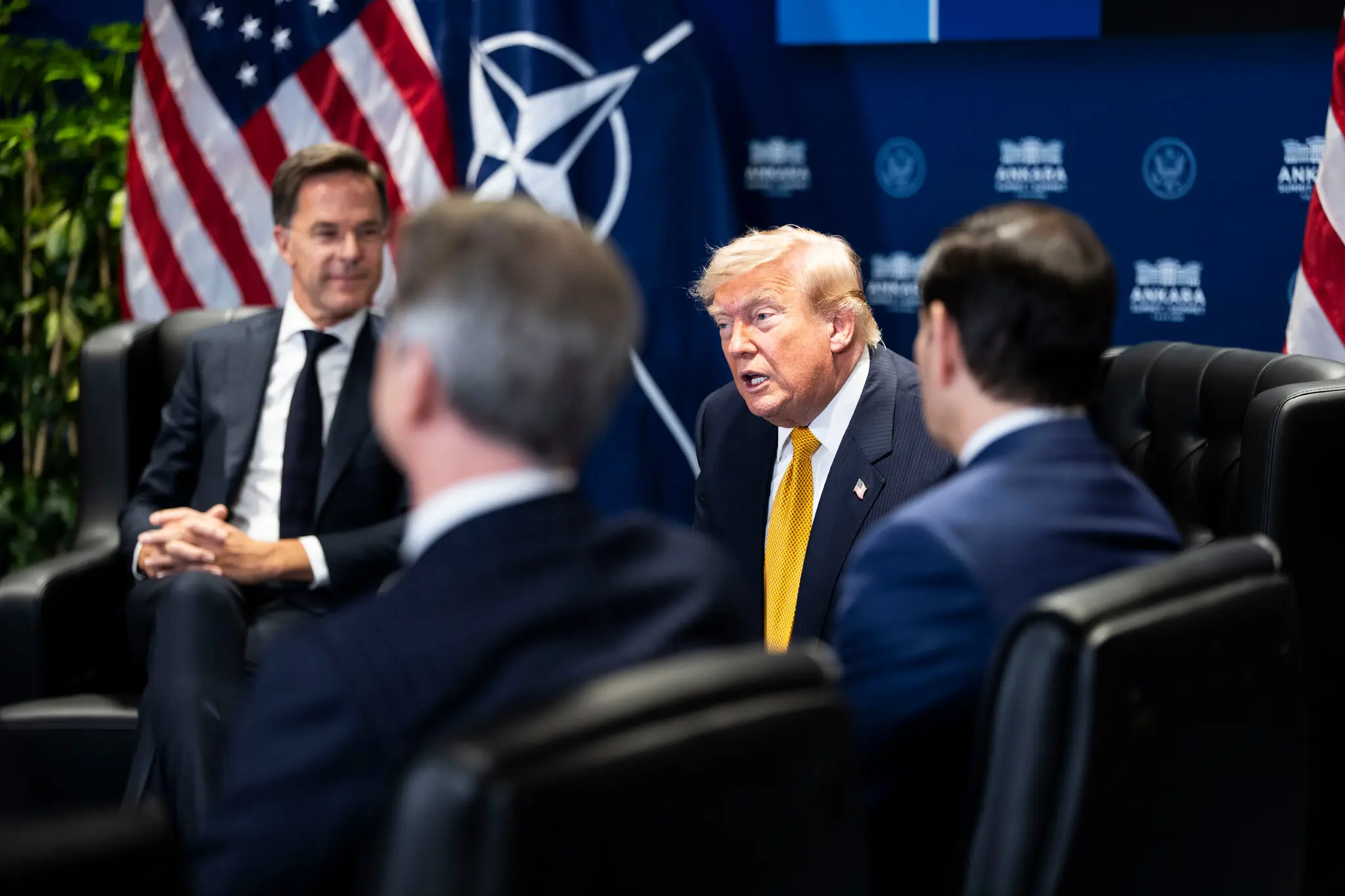
 Генеральний секретар НАТО Марк Рютте заявив, що не можна очікувати від європейських лідерів швидкої допомоги в Перській затоці, оскільки їх не повідомили заздалегідь про напад на Іран 28 лютого — Омар Гавана
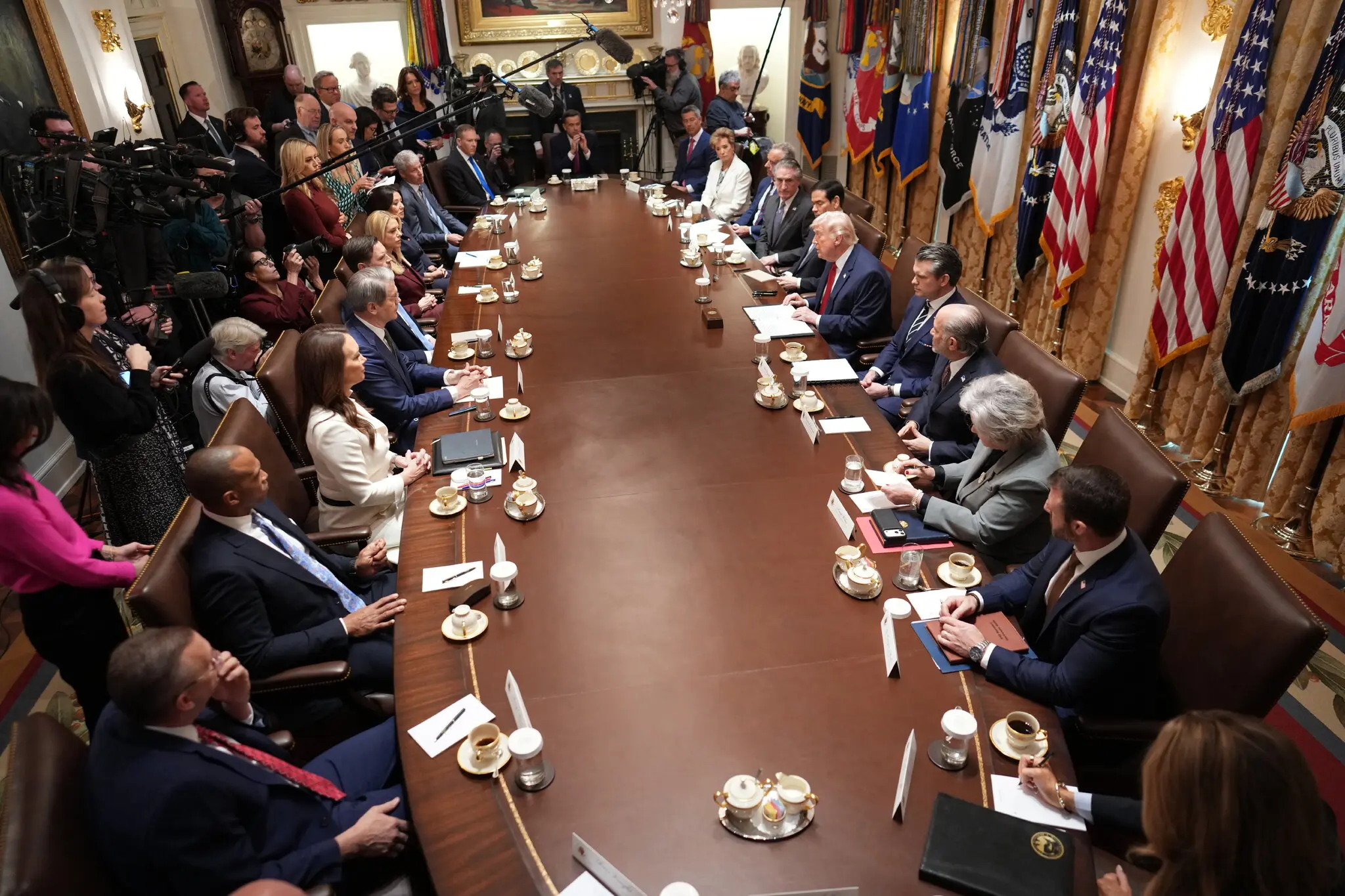 Президент США Трамп проводить своє друге засідання кабінету міністрів — Даг Мыллс
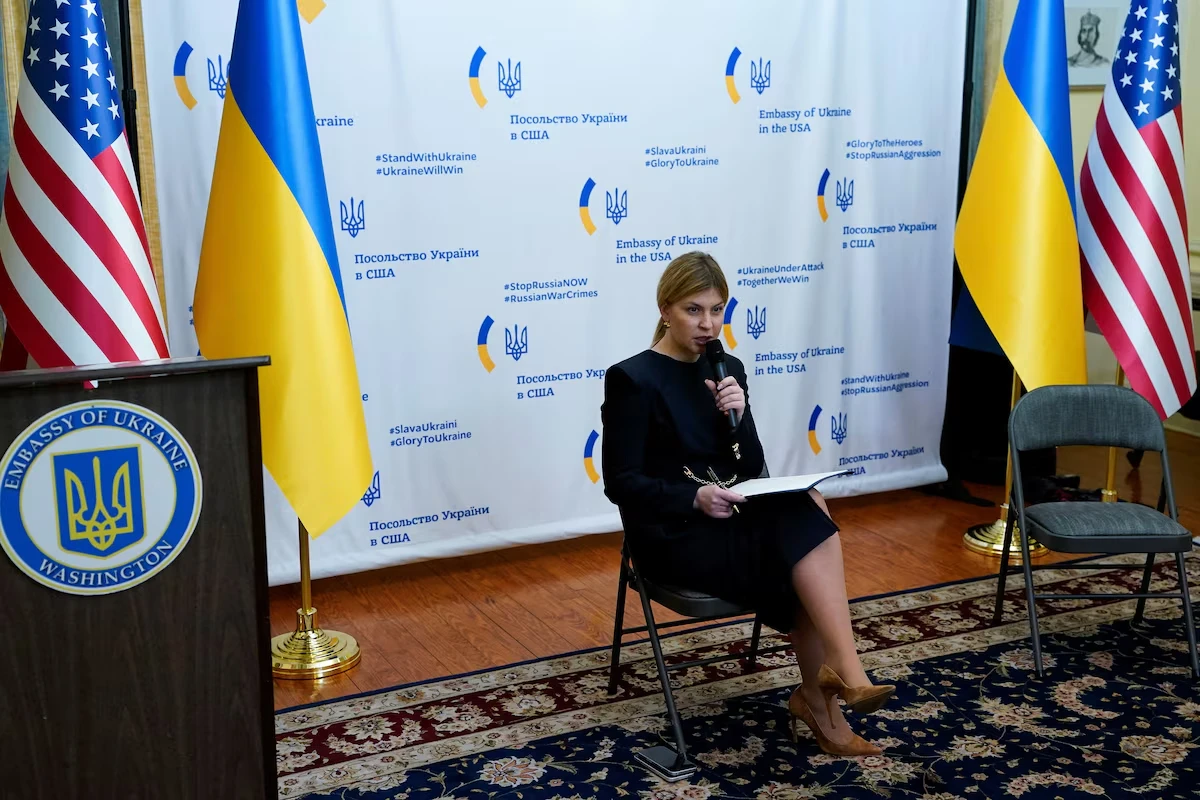 Посол України в США Ольга Стефанішина проводить брифінг з нагоди четвертої річниці повномасштабного вторгнення Росії в Україну в посольстві України у Вашингтоні, округ Колумбія, США, 24 лютого 2026 року — Елізабет Франц
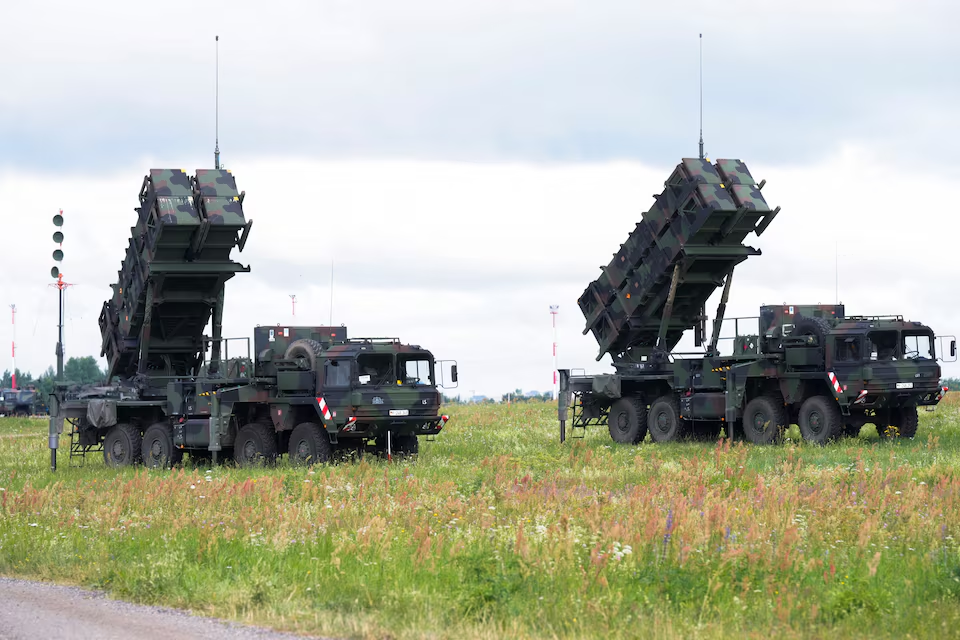
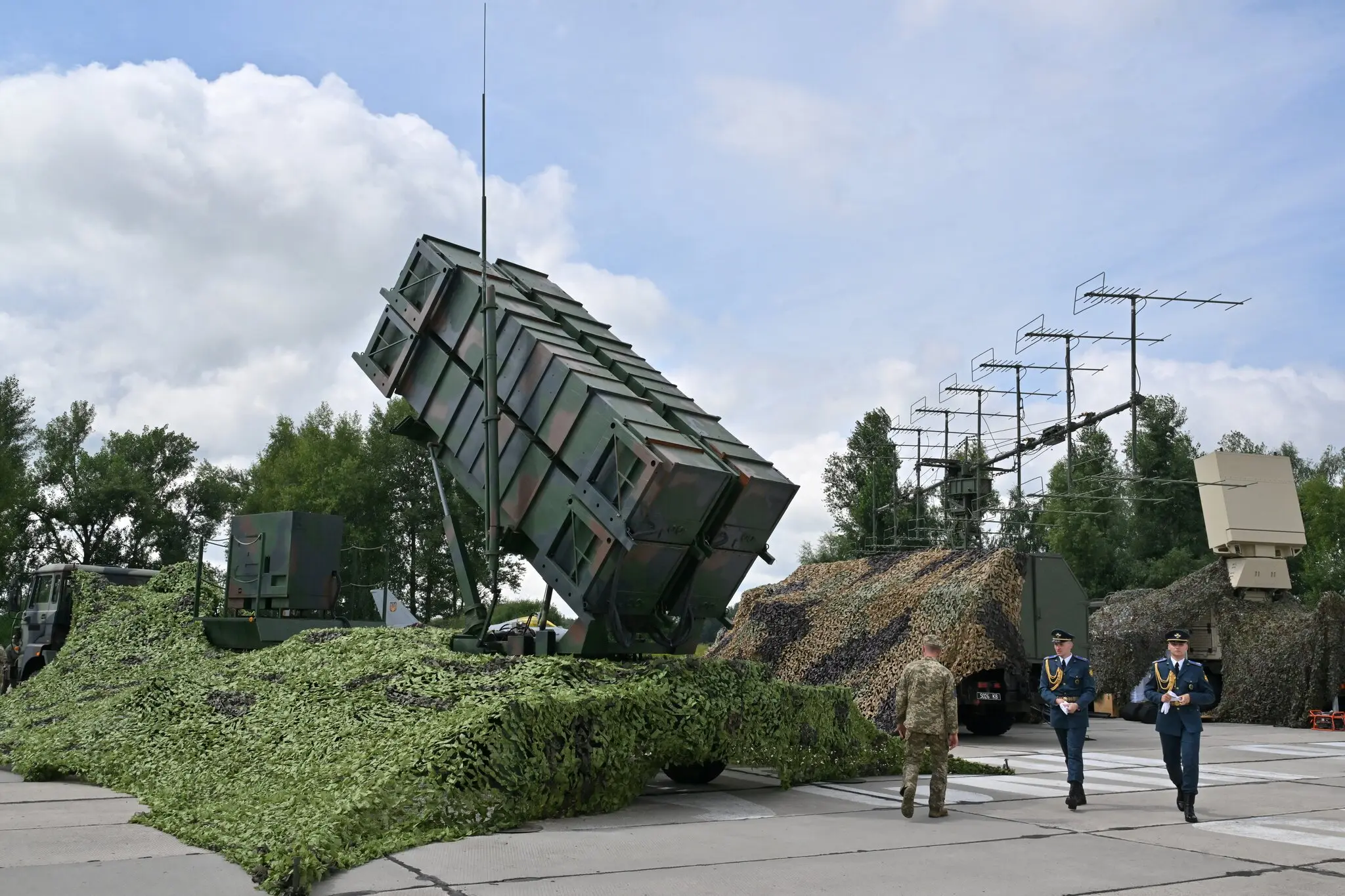 Система протиповітряної оборони Patriot у нерозкритому районі в Україні минулого року. — Сергій Супінський

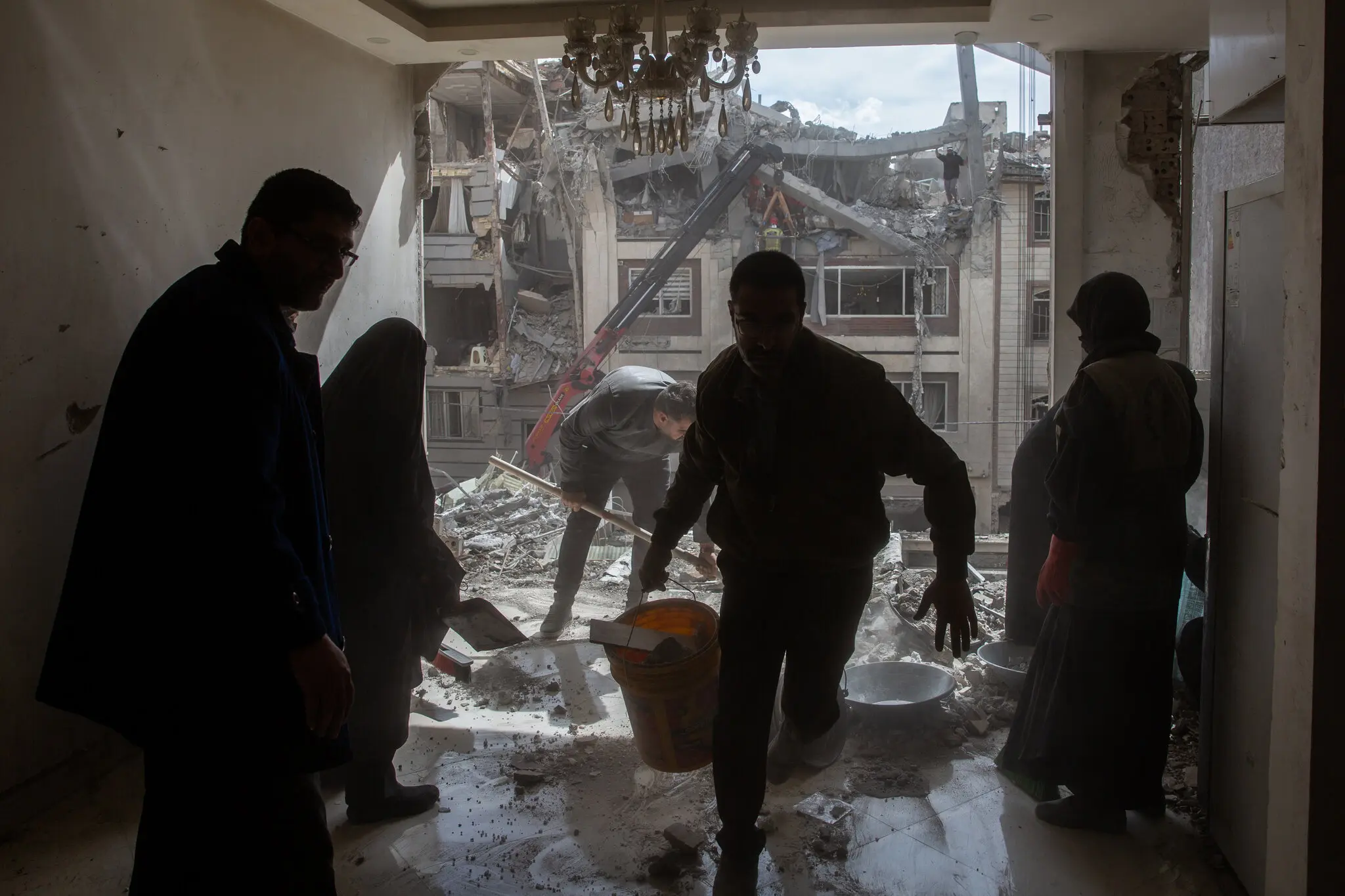

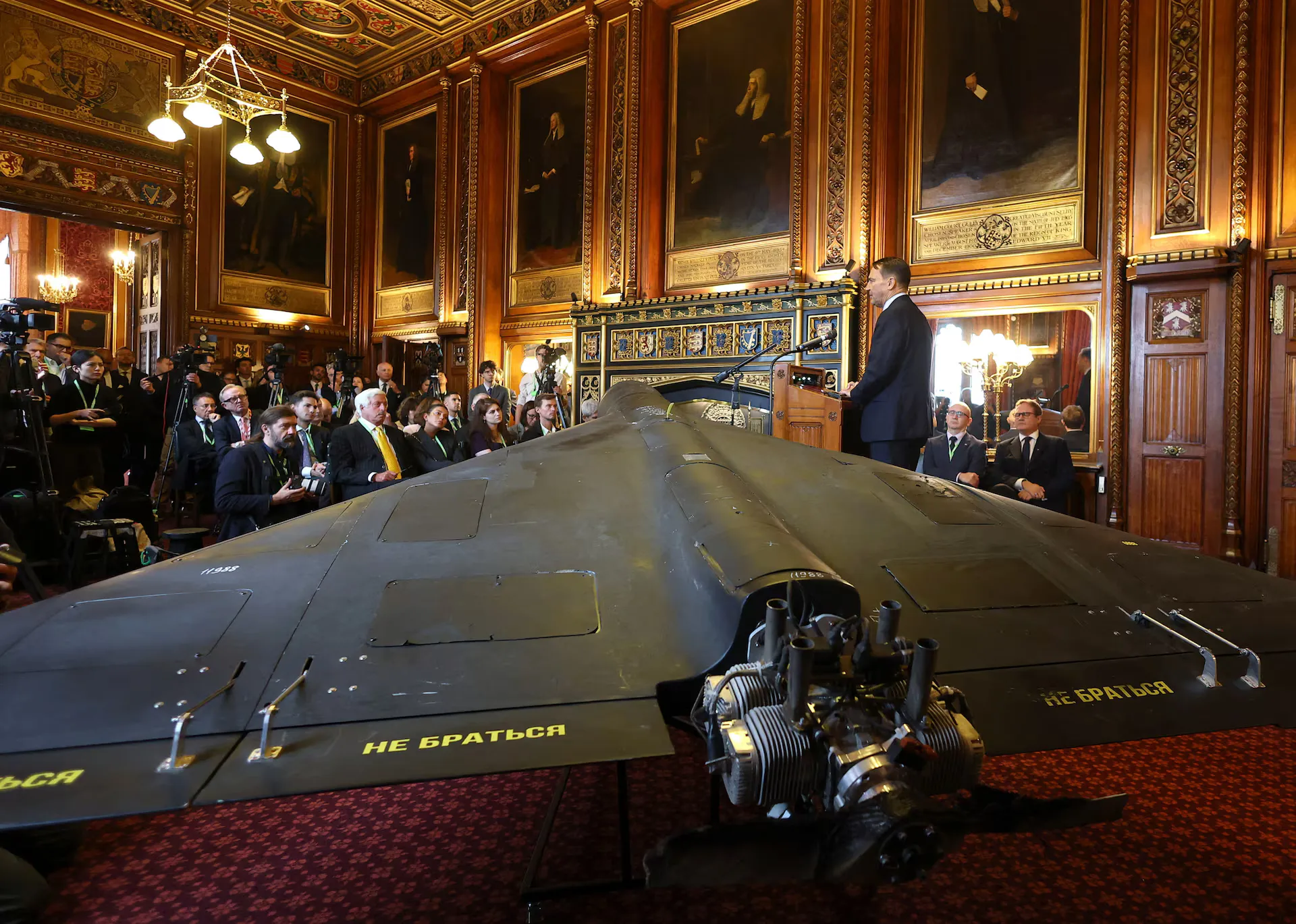


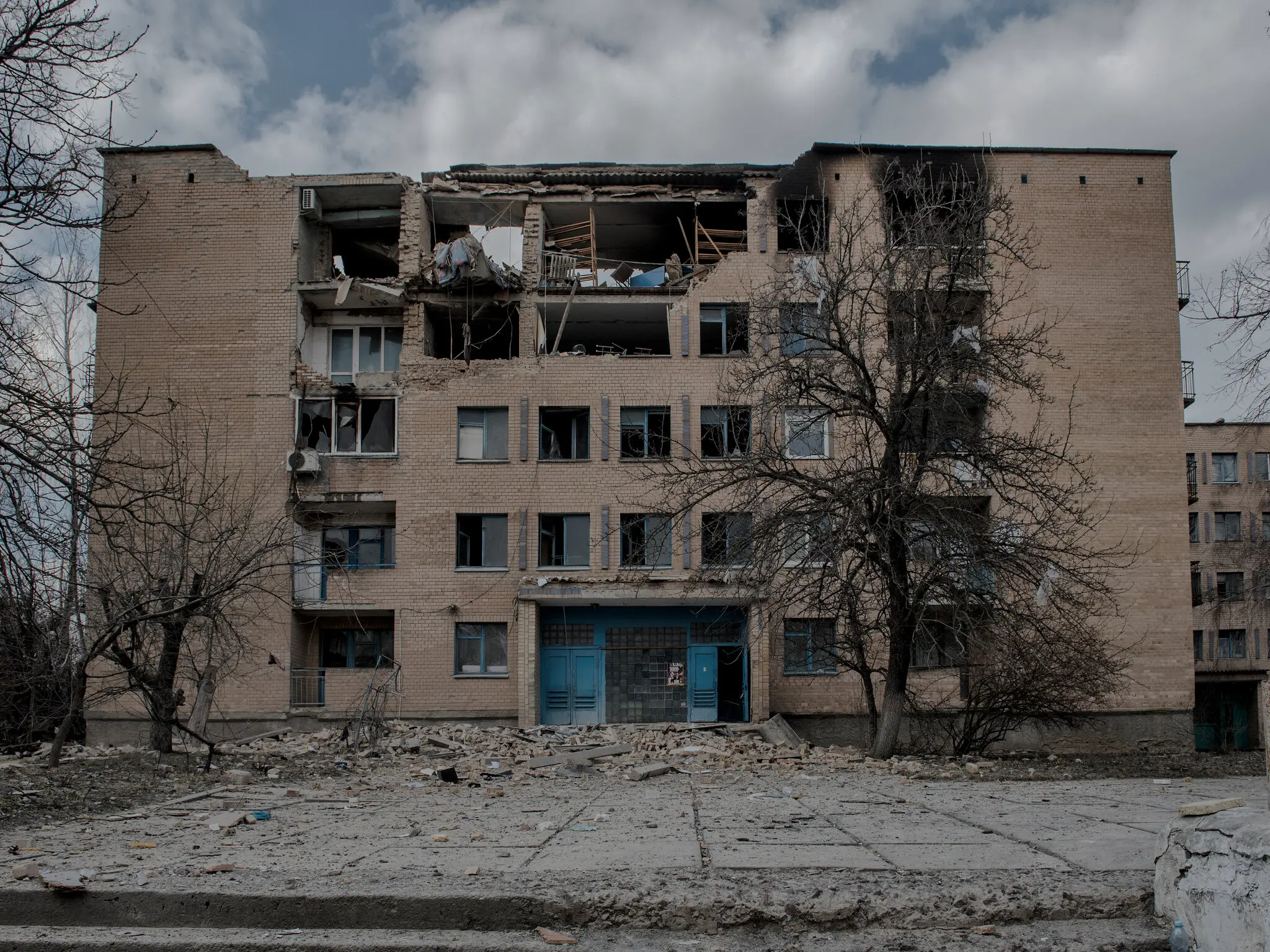 Наслідки атаки з використанням безпілотників іранського виробництва поблизу Києва у 2023 році — Летиція Ванкон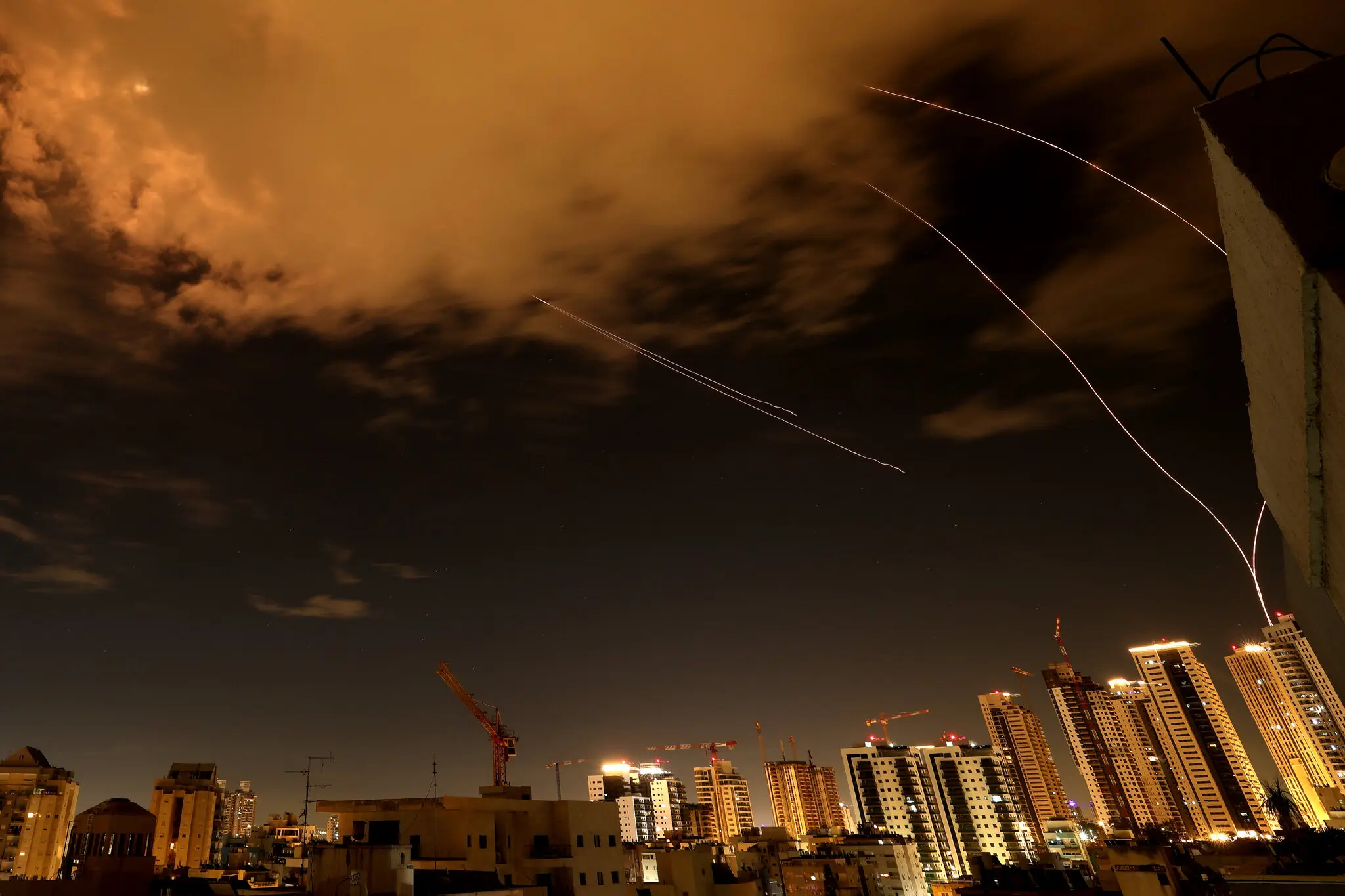
 Безпілотники Shahed іранського виробництва, продемонстровані під час військового параду в Тегерані у 2024 році — Араш Хамуші
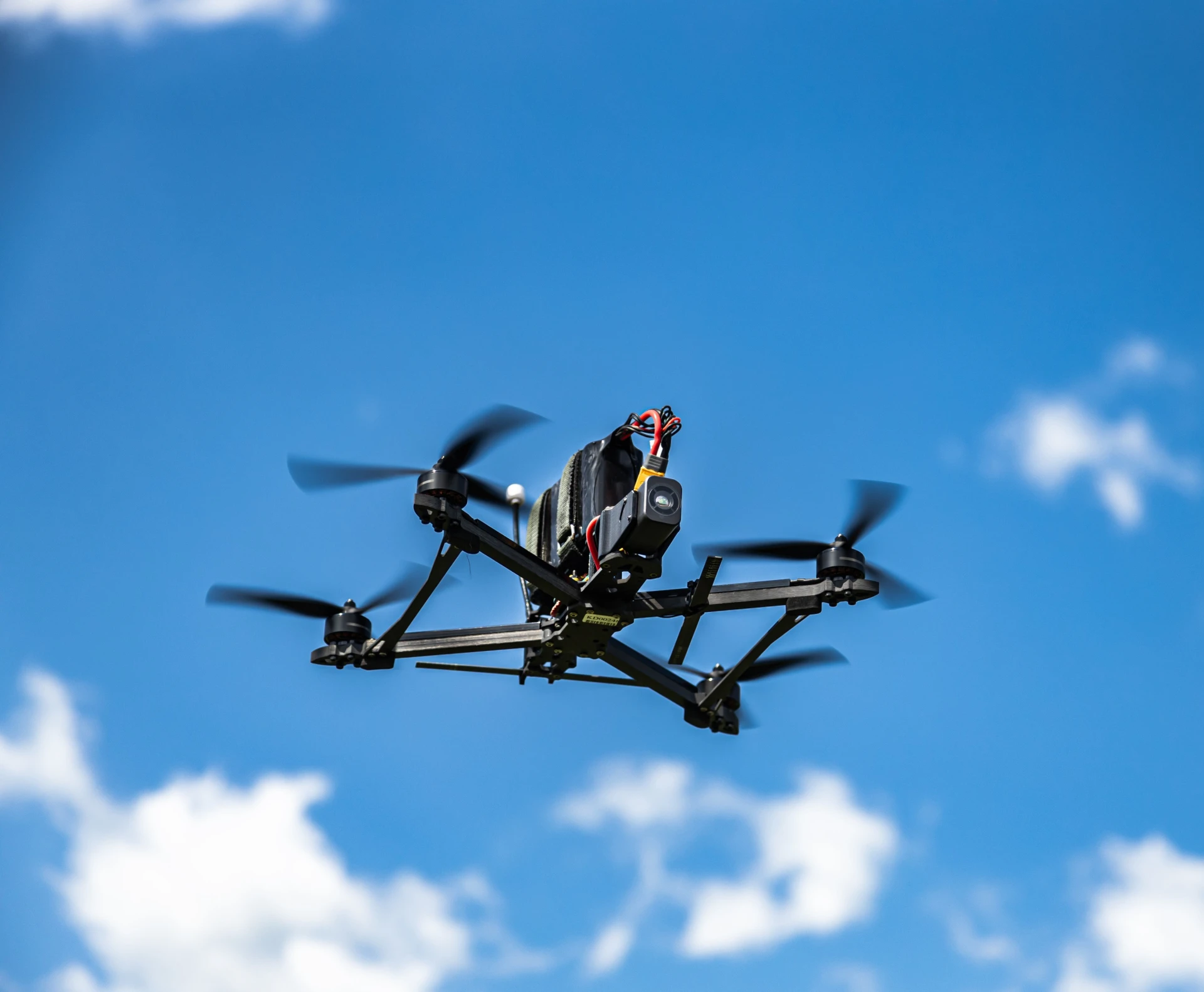
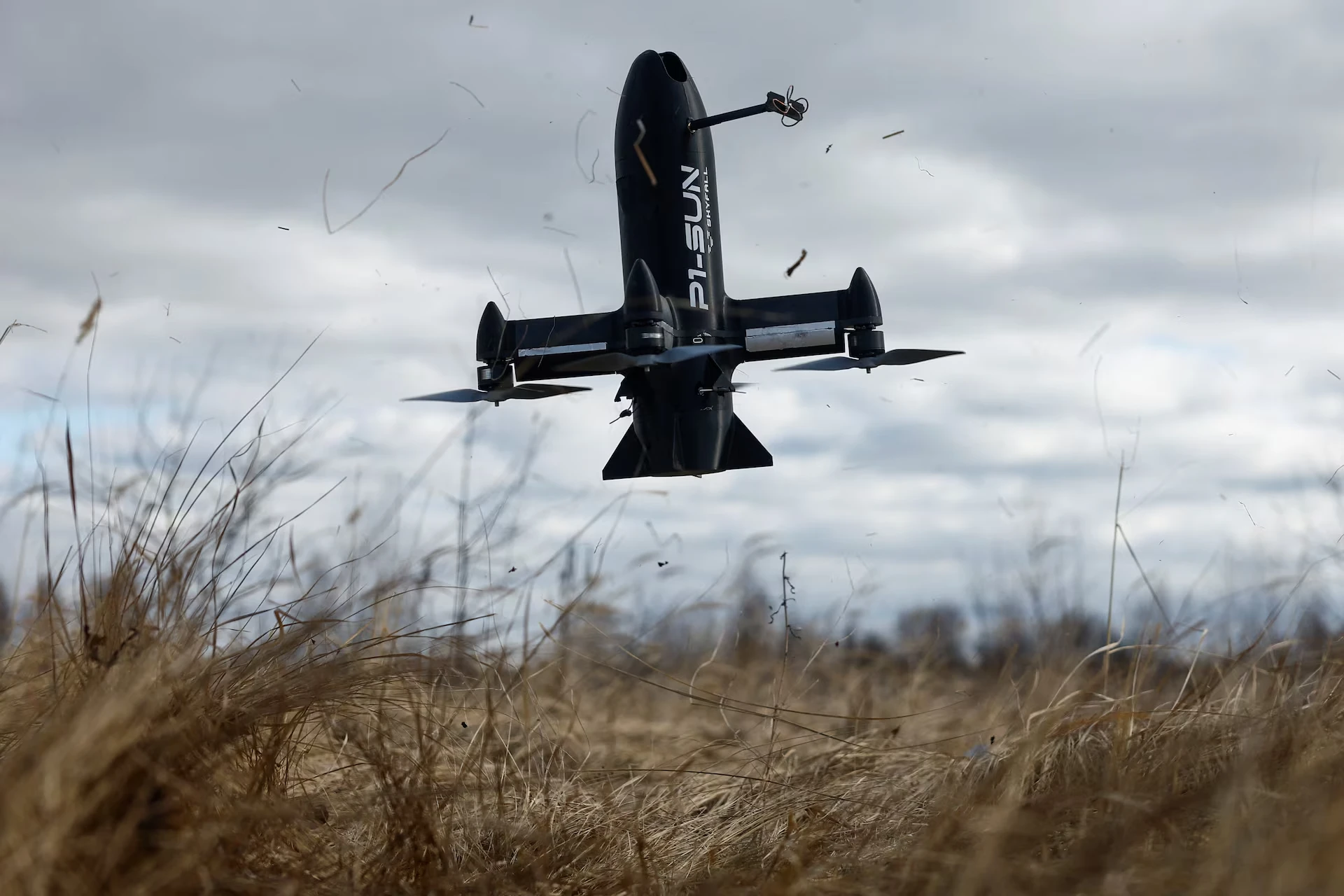 Дрон-перехоплювач P1-Sun FPV злітає під час випробувального польоту на полігоні в умовах російської агресії проти України, в невідомому місці, Україна, 6 березня 2026 року — Валентин Огіренко
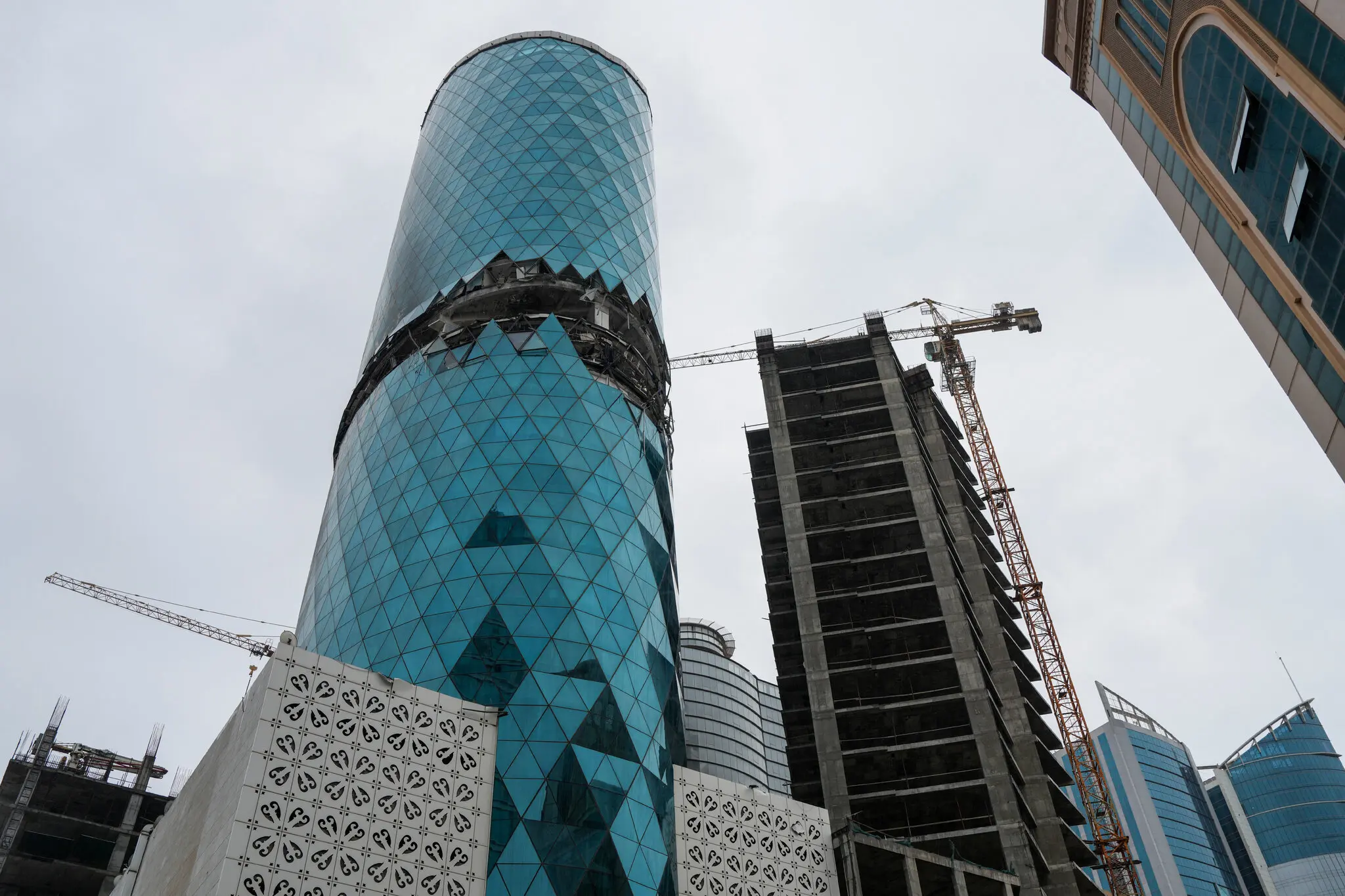 Пошкодження після атаки іранського безпілотника цього місяця в Манамі, Бахрейн — Агентство Франс-Прес — Getty Images


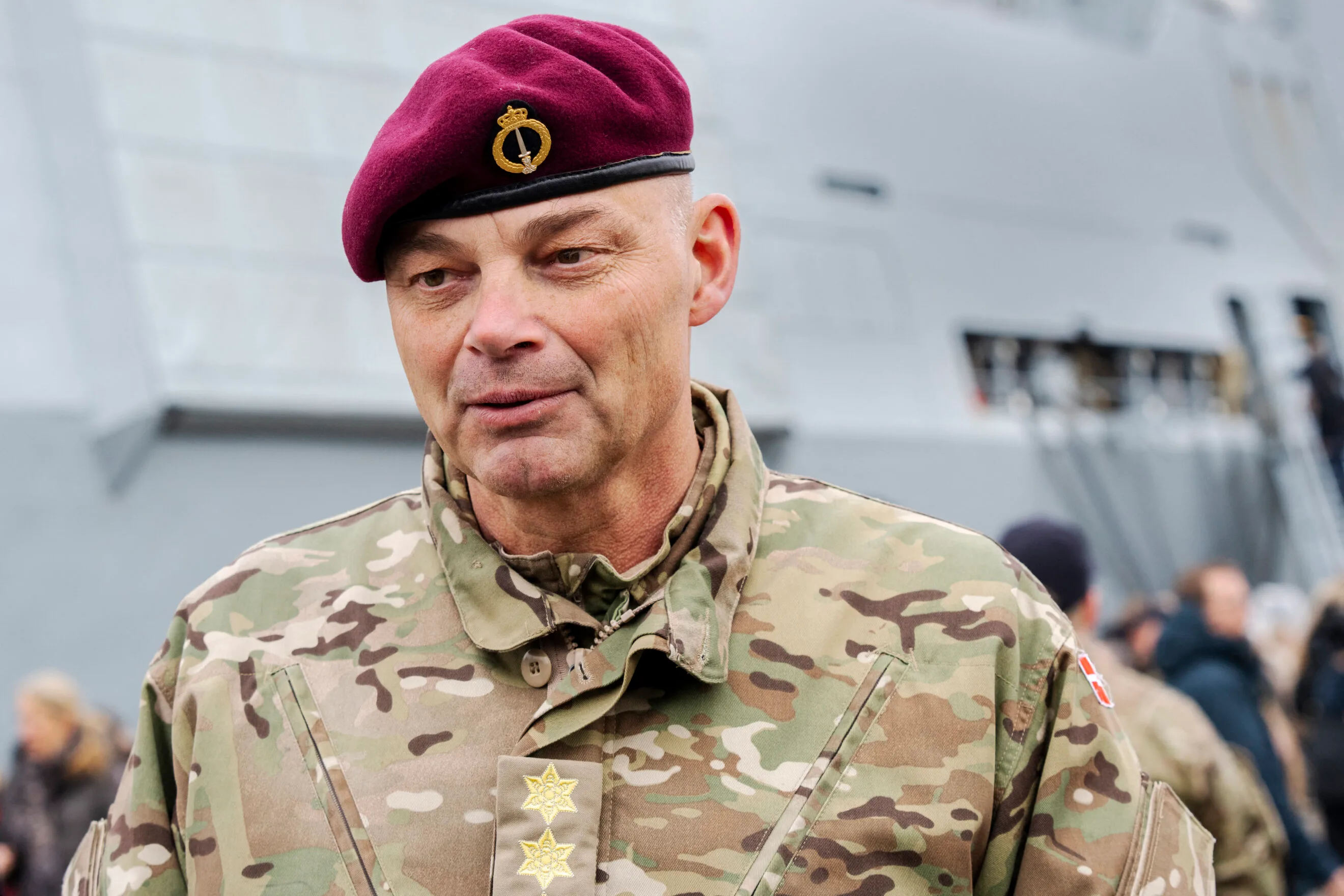
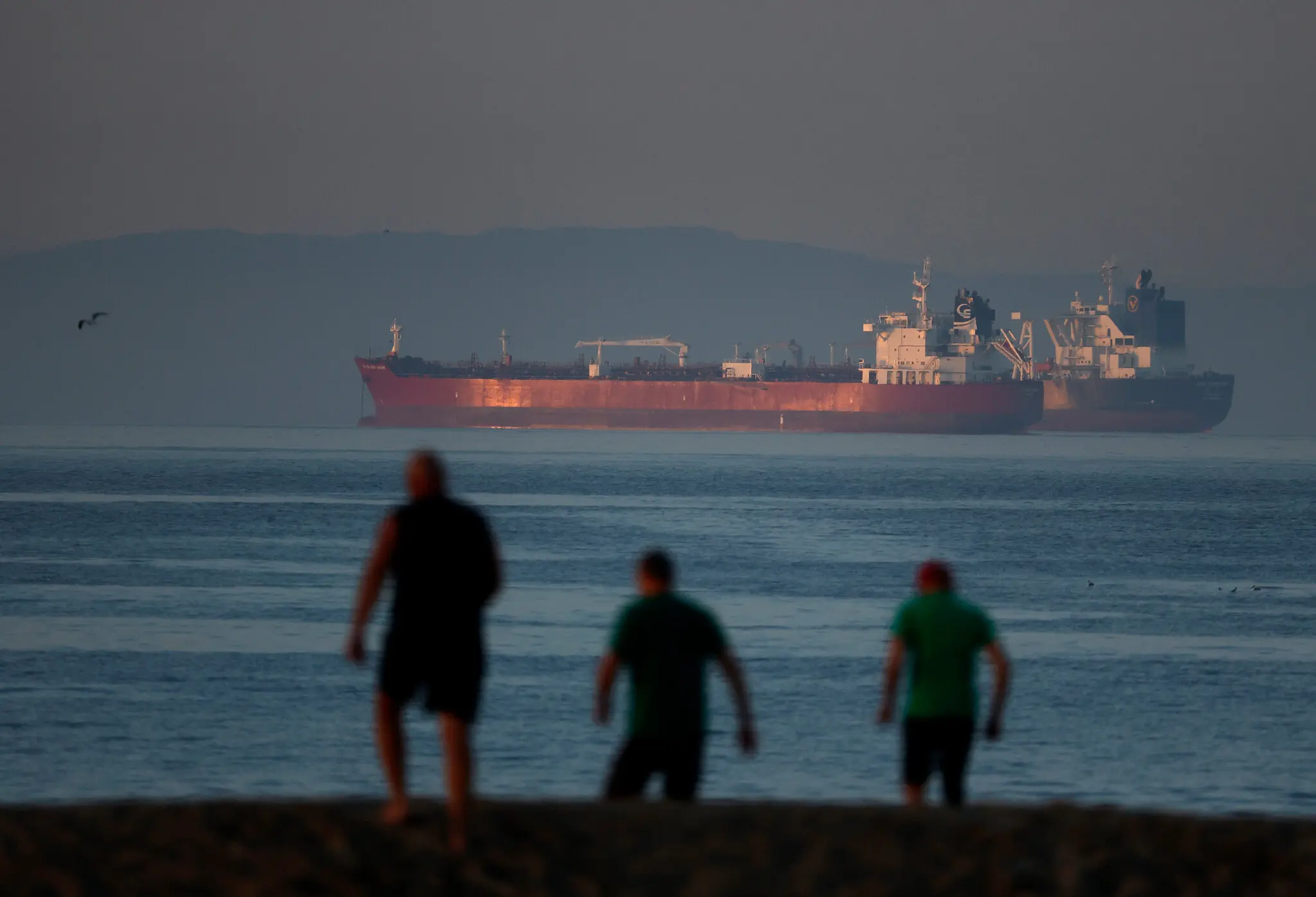
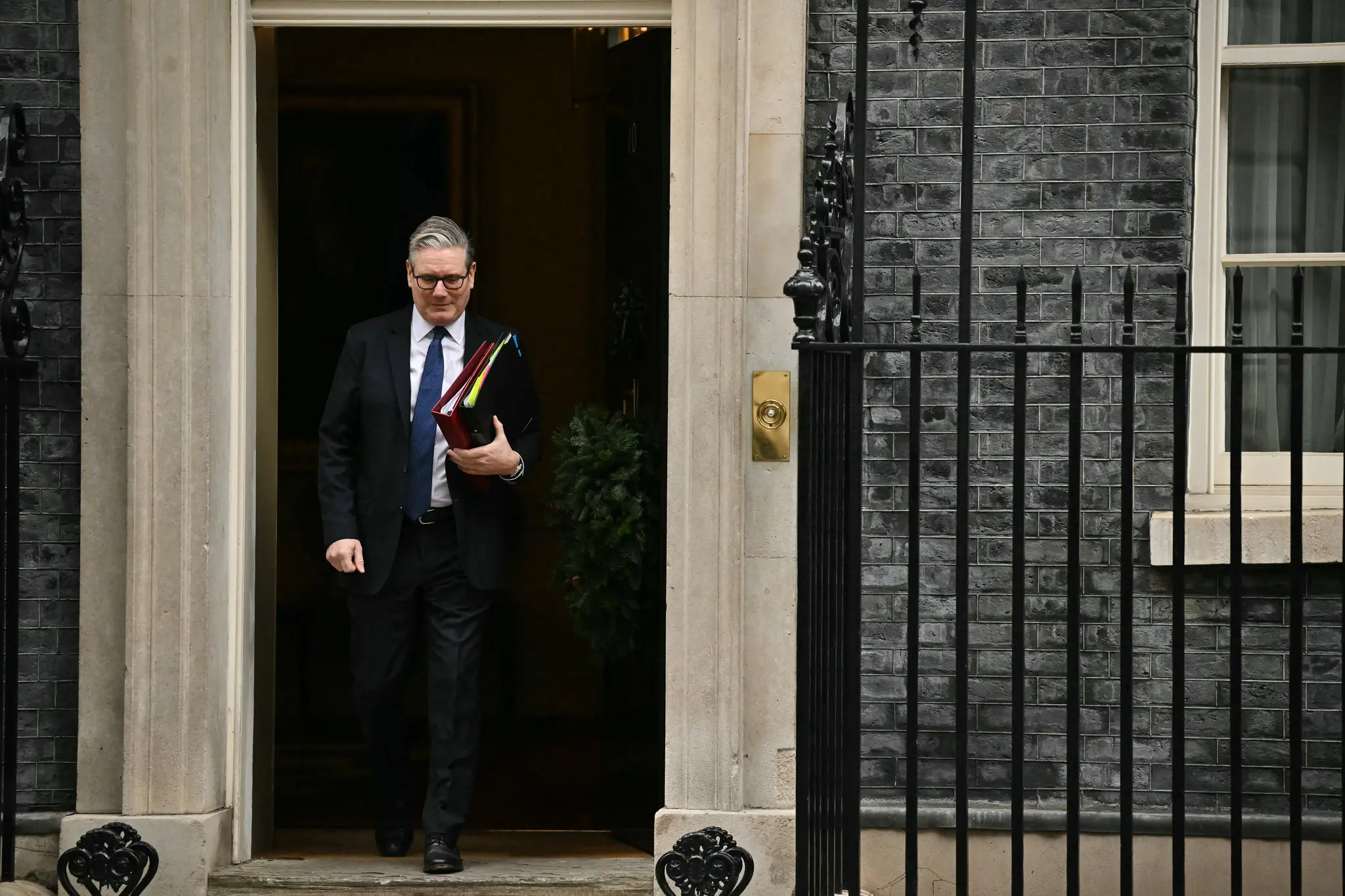 Прем'єр-міністр Кір Стармер цього місяця залишає будинок 10 з Даунінг-стріт. Він став об'єктом багатьох фейкових відео, зроблених за допомогою технології штучного інтелекту — Бен Стенсол
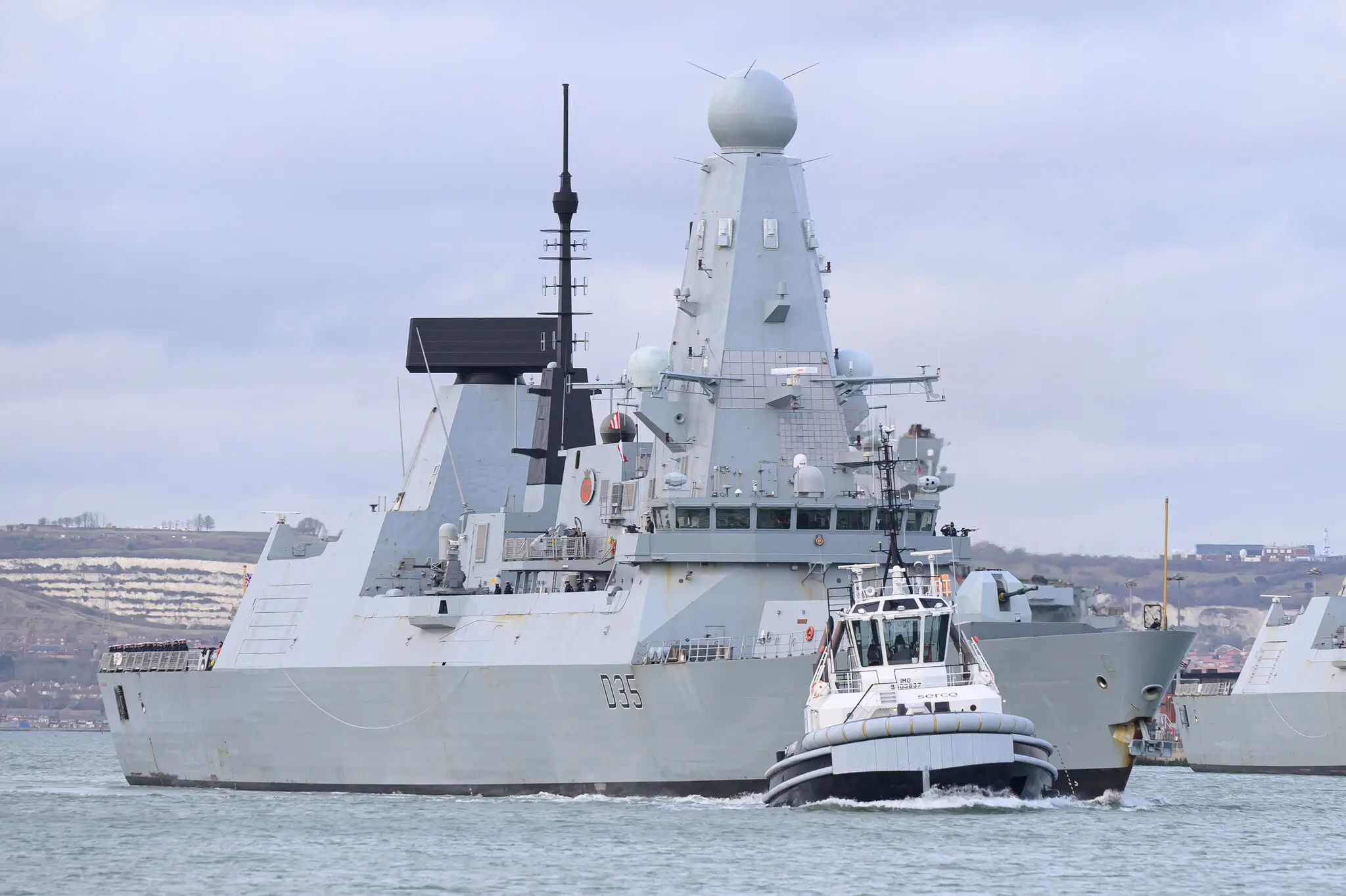 Британський військовий корабель у вівторок вирушив з південної Англії на Кіпр — Леон Ніл



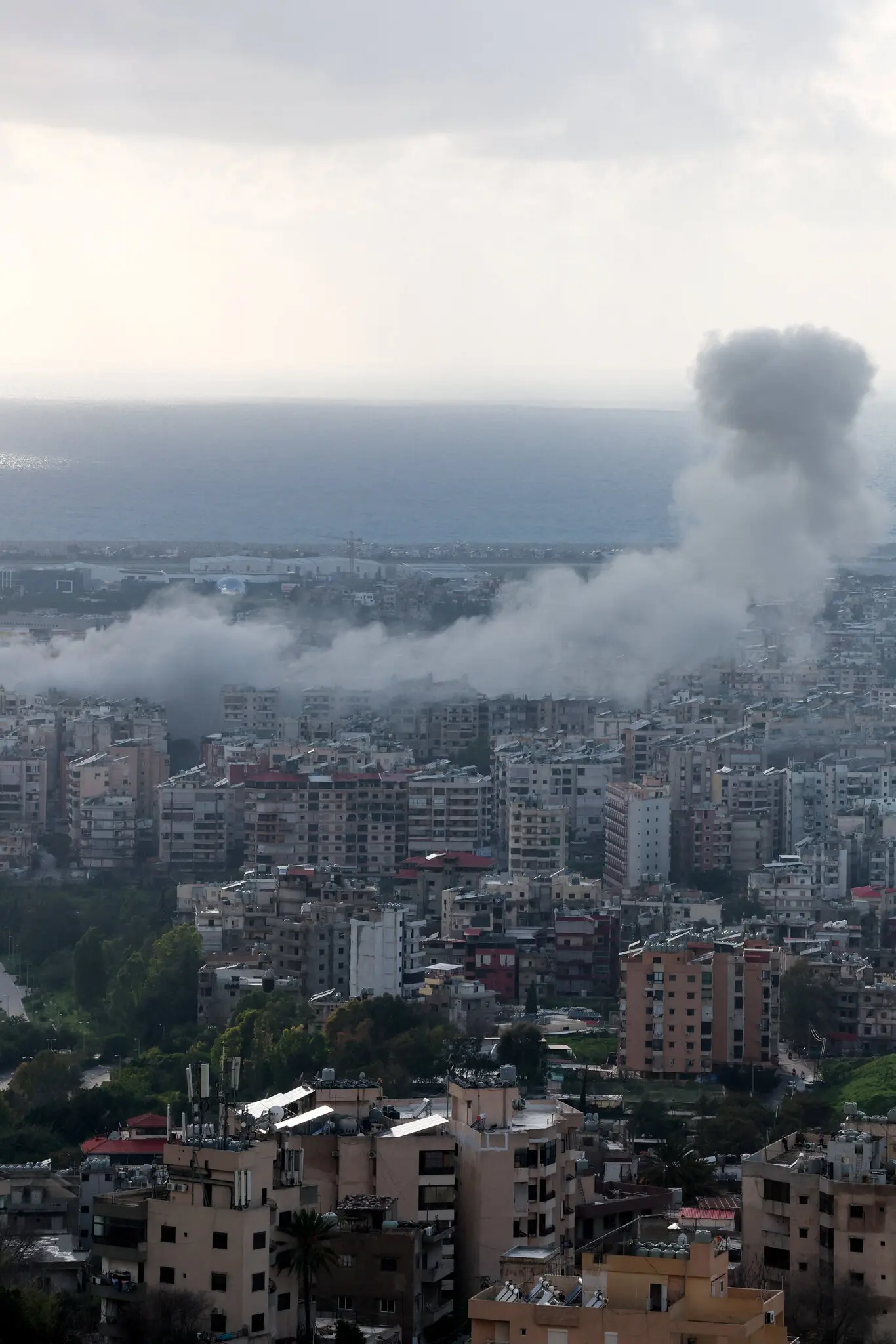 Рев ізраїльських винищувачів тепер чути в небі над столицею Лівану Бейрутом — Махмуд Хассано








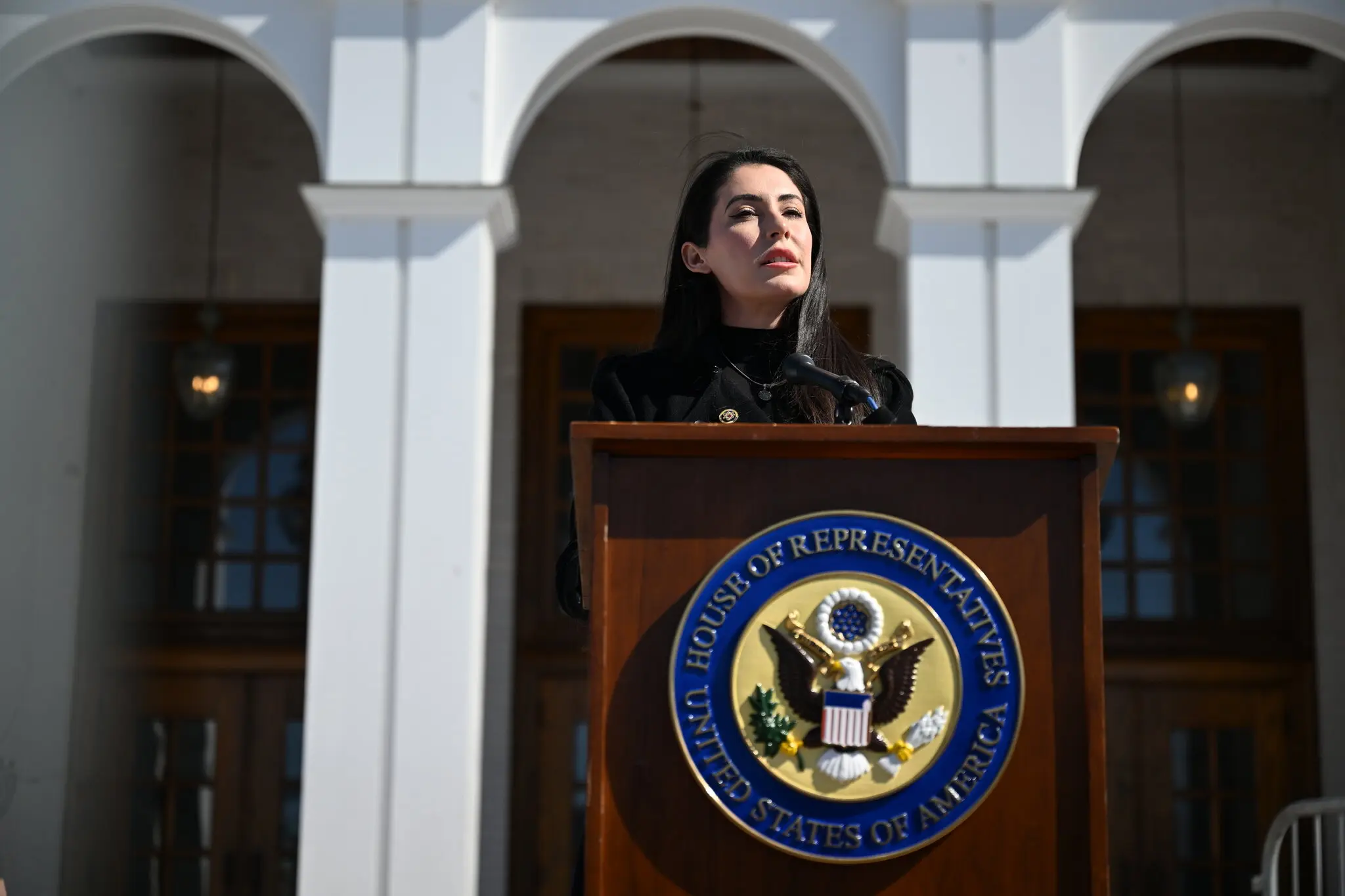 Переговори були організовані представницею Палати представників Анною Пауліною Луною, яка у січні заявила, що отримала дозвіл на поїздку російських законодавців для участі у мирних переговорах — Кенні Голстон