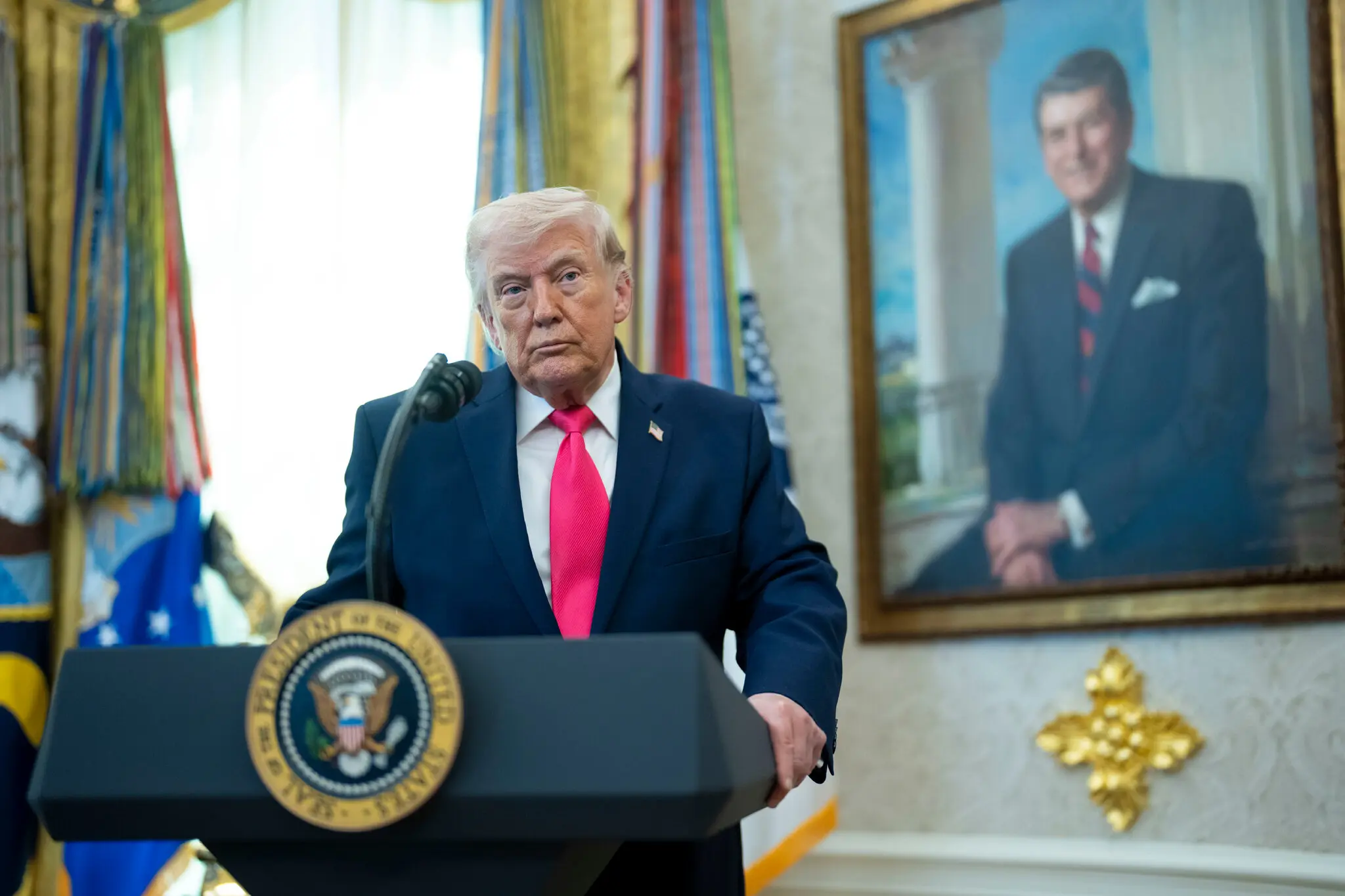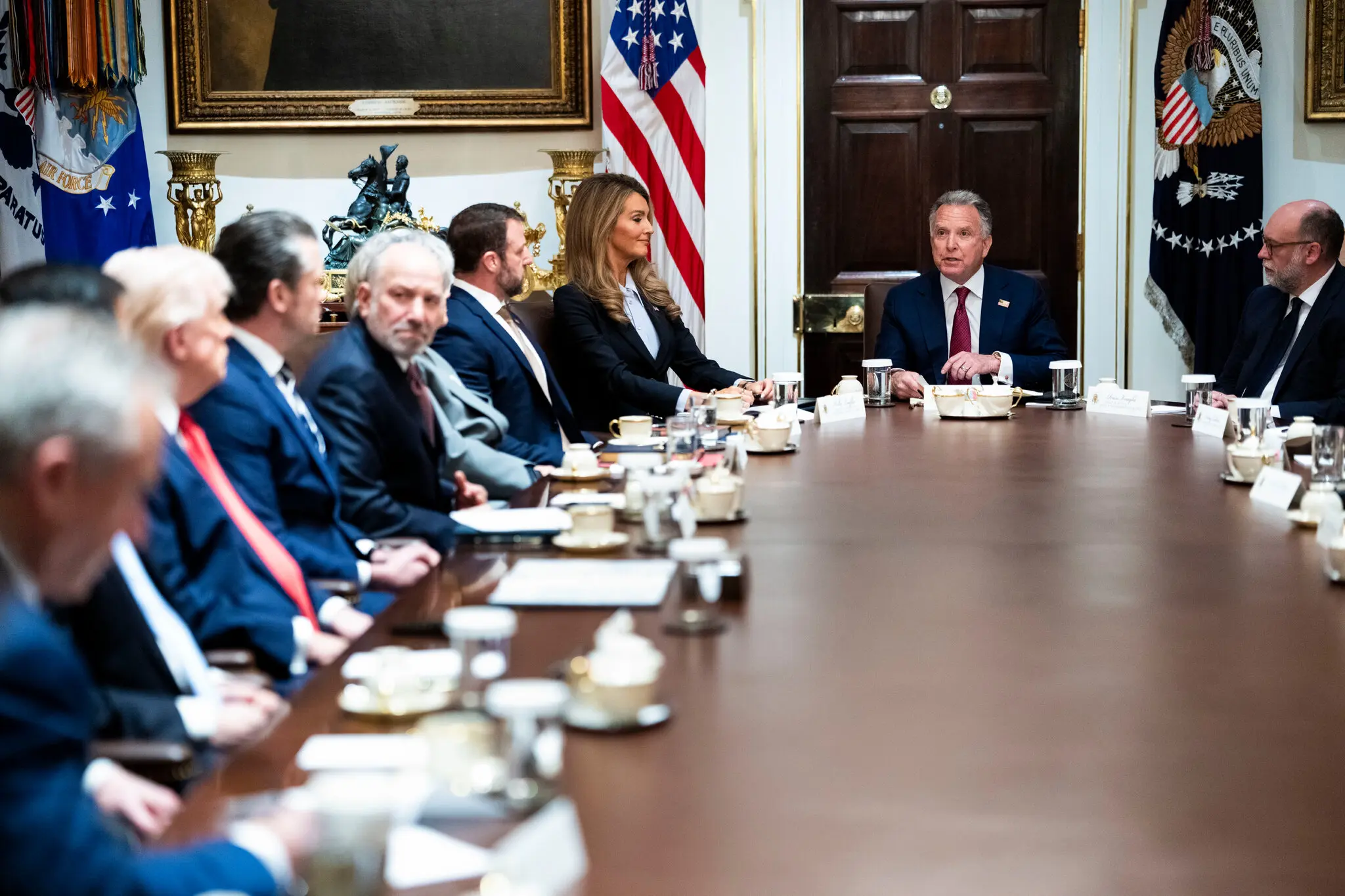


























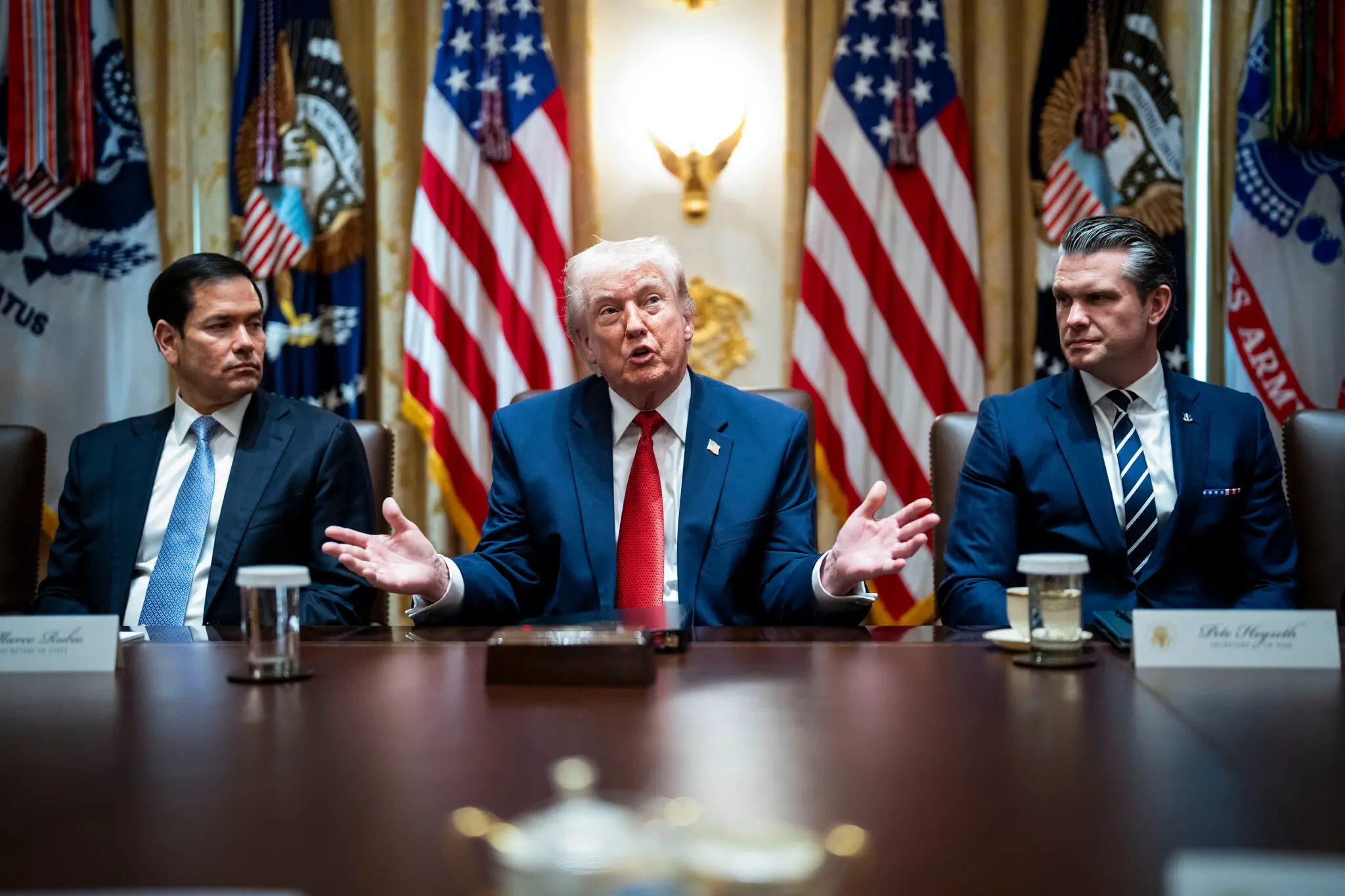
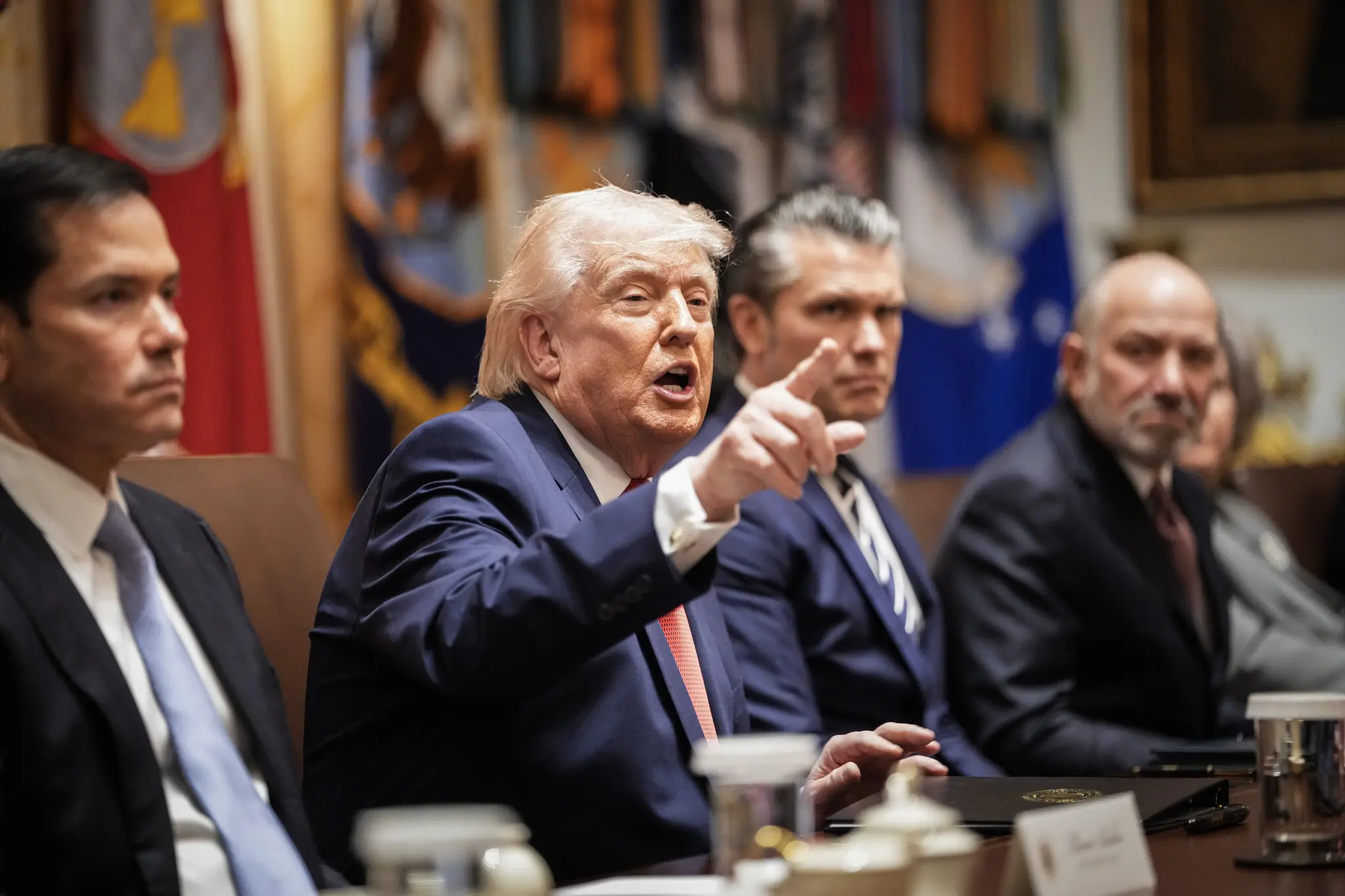
On March 26, President Donald Trump again raised the stakes in the war around Iran, warning on Truth Social that Iranian officials had better “get serious soon” about negotiations “before it is too late.” His message came after reports that Tehran had rejected a 15-point U.S. proposal aimed at ending the fighting.
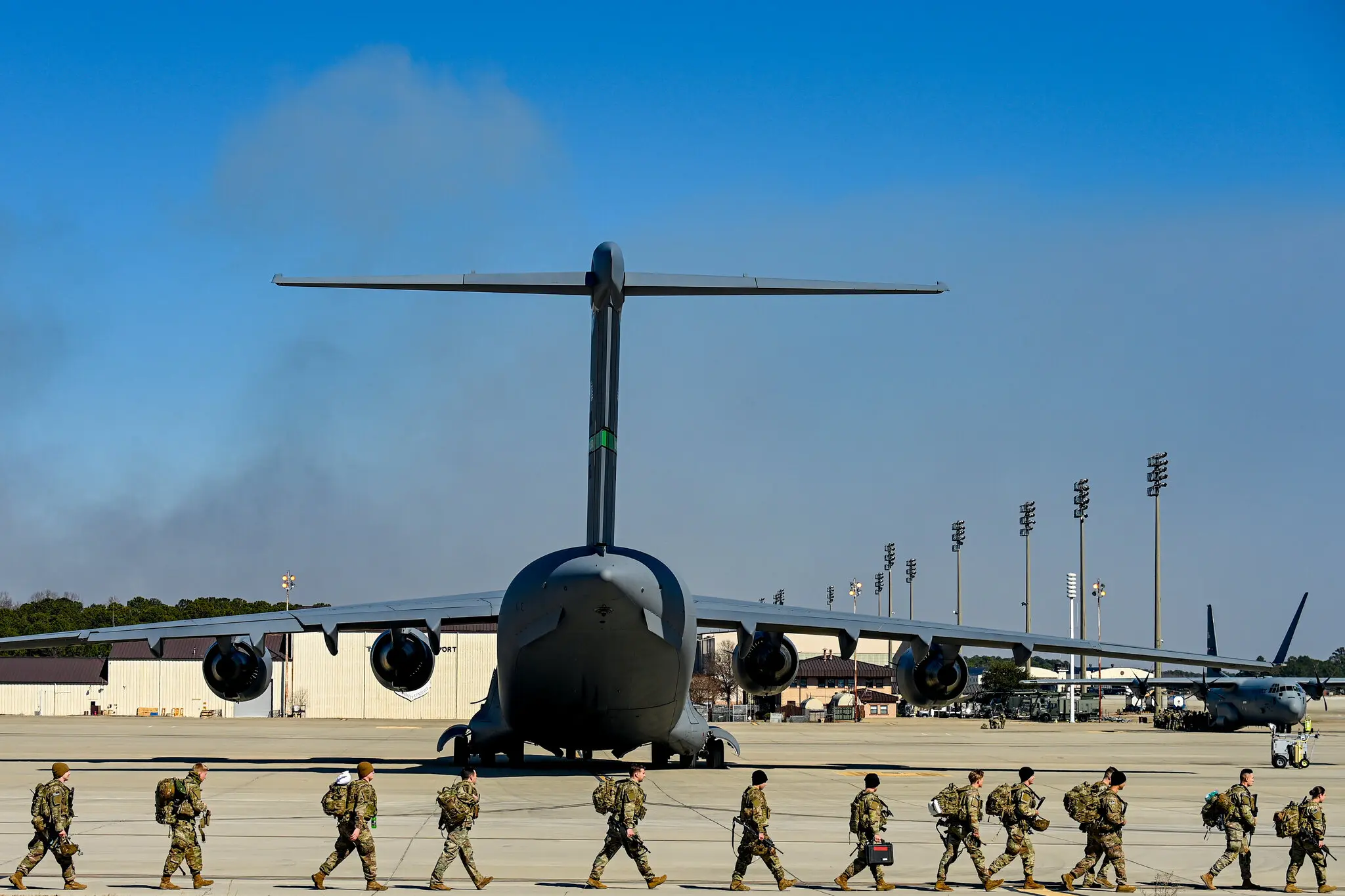
That warning is not separate from military pressure. At the same time that the White House is talking about a possible deal, the Pentagon has ordered about 2,000 additional troops from the 82nd Airborne Division to the Middle East, expanding Trump’s options if he chooses to keep escalating.
According to the preliminary assessment of Daycom, this is the real logic of Trump’s approach: negotiations are being used less as a search for mutual compromise than as an extension of military pressure by other means. That is an inference, but it is strongly supported by the timing of the public ultimatum and the parallel troop deployment.
On March 26, President Donald Trump again raised the stakes in the war around Iran, warning on Truth Social that Iranian officials had better “get serious soon” about negotiations “before it is too late.” His message came after reports that Tehran had rejected a 15-point U.S. proposal aimed at ending the fighting.
That warning is not separate from military pressure. At the same time that the White House is talking about a possible deal, the Pentagon has ordered about 2,000 additional troops from the 82nd Airborne Division to the Middle East, expanding Trump’s options if he chooses to keep escalating.
According to the preliminary assessment of Daycom, this is the real logic of Trump’s approach: negotiations are being used less as a search for mutual compromise than as an extension of military pressure by other means. That is an inference, but it is strongly supported by the timing of the public ultimatum and the parallel troop deployment.
Iran, for its part, has publicly pushed back. Reporting from AP and other outlets says Tehran rejected the U.S. ceasefire framework and conveyed its own response through intermediaries, insisting that any end to the war would have to come on terms acceptable to Iran rather than under direct American pressure.
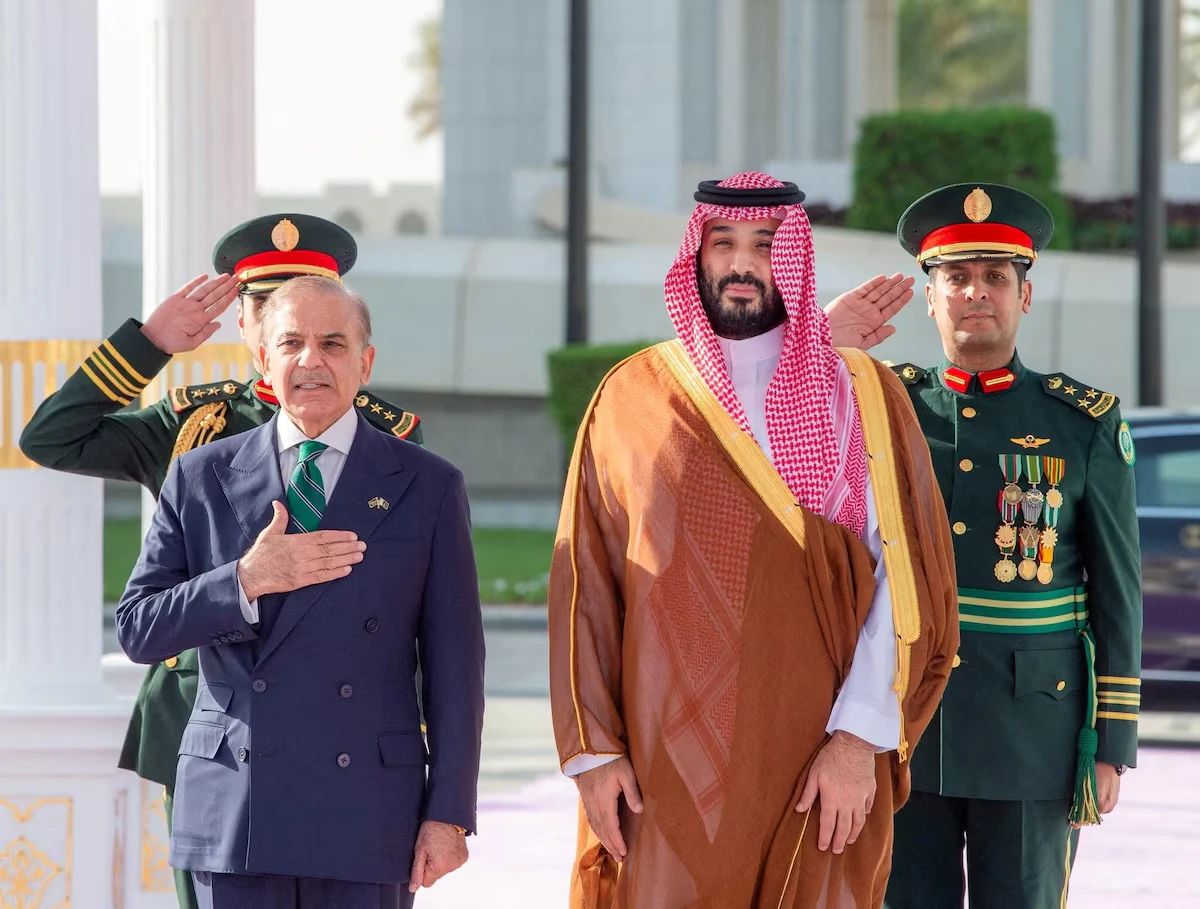
That is where Pakistan has become unusually important. Pakistan has confirmed that it is helping maintain a backchannel between Washington and Tehran and that a U.S. proposal was relayed through Islamabad, even if Pakistani officials have been careful not to overstate the chances of imminent formal talks.
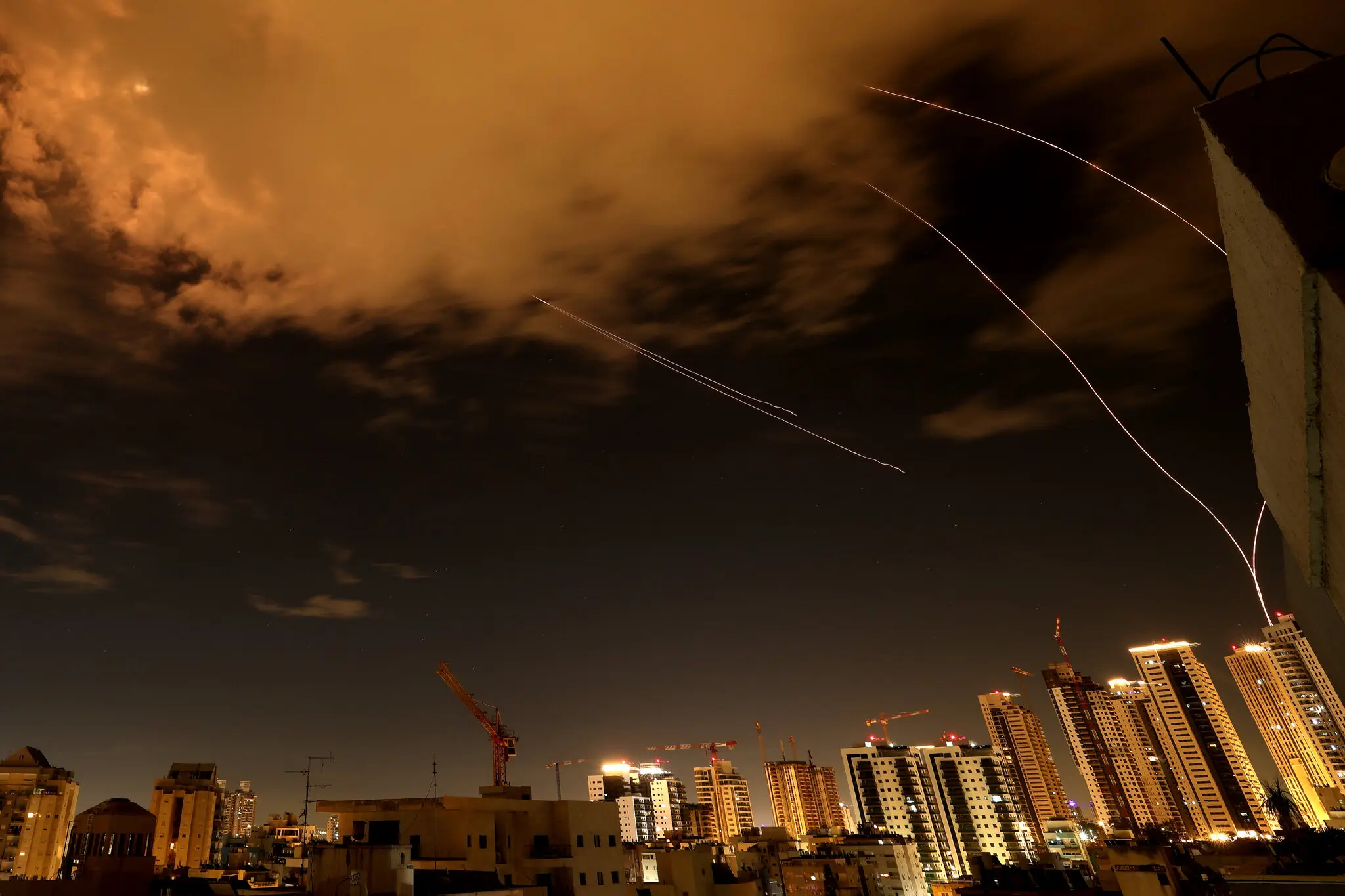
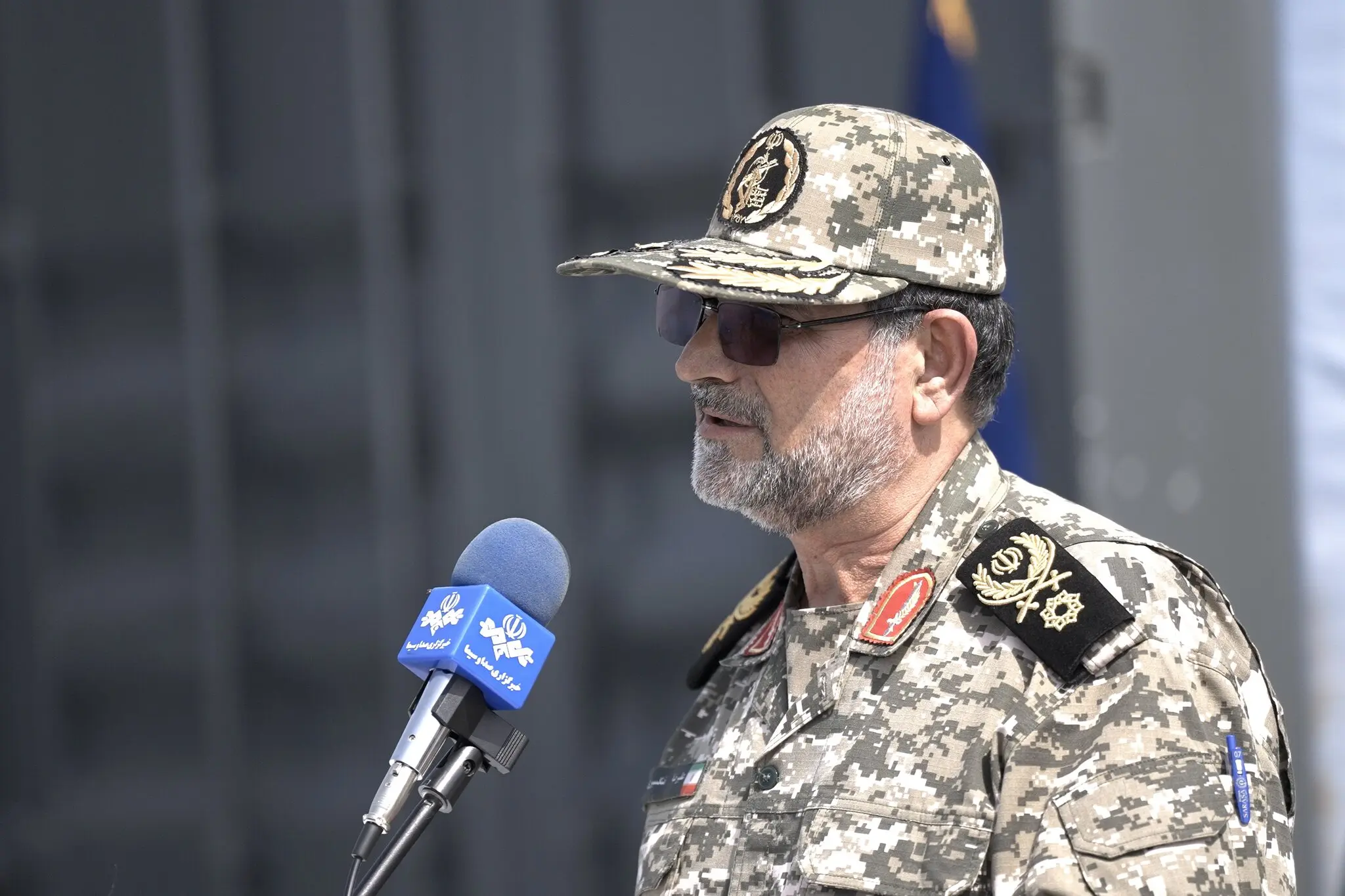
At the same time, Israel is intensifying the military side of the equation. The Washington Post reported that Israel said it had killed Alireza Tangsiri, the naval commander of Iran’s Revolutionary Guards who was tied by Israel to the blockade of the Strait of Hormuz. Iran did not immediately confirm the claim.
This is the central contradiction of the moment. Trump is signaling that he wants a deal, but he is keeping pressure high; Israel, meanwhile, appears determined to keep degrading Iran’s military capacity before any political stop is imposed. The result is that war and diplomacy are moving forward at the same time, but not in the same rhythm. That is an analytical conclusion drawn from the overlap between the backchannel effort, Trump’s public warning, the U.S. buildup, and continued Israeli strikes.
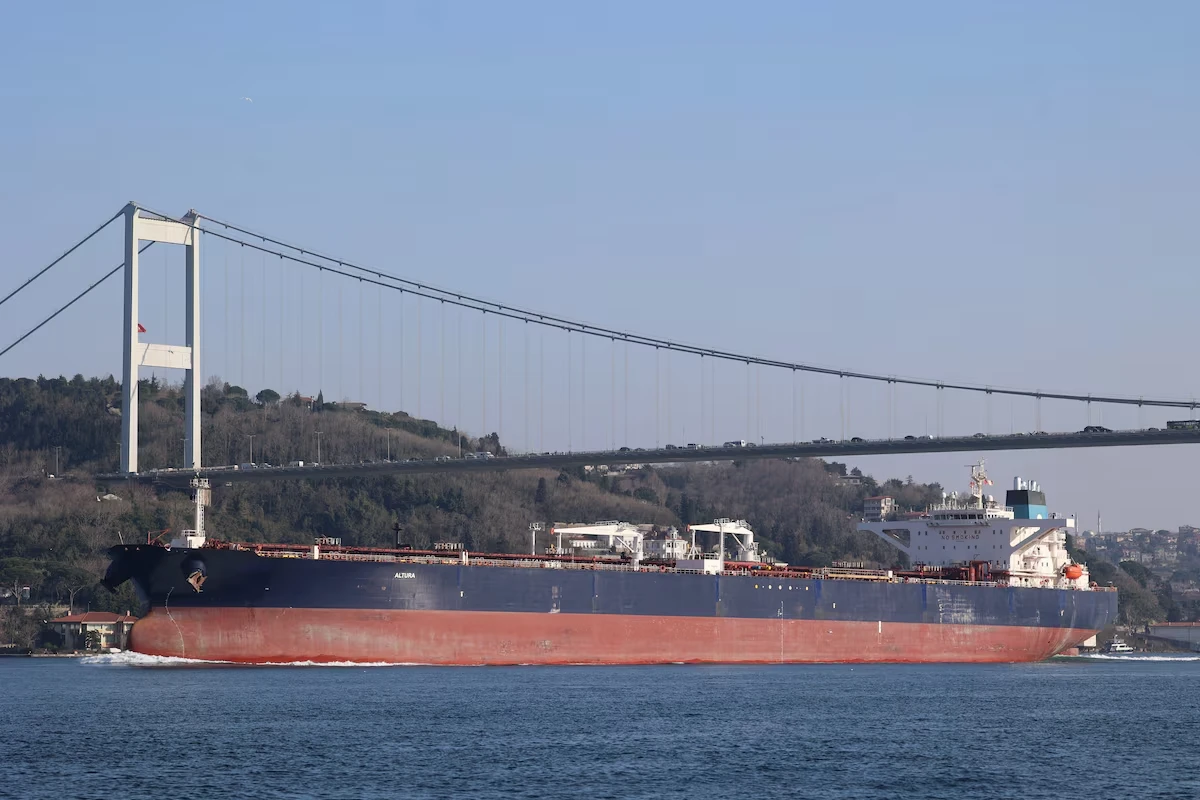
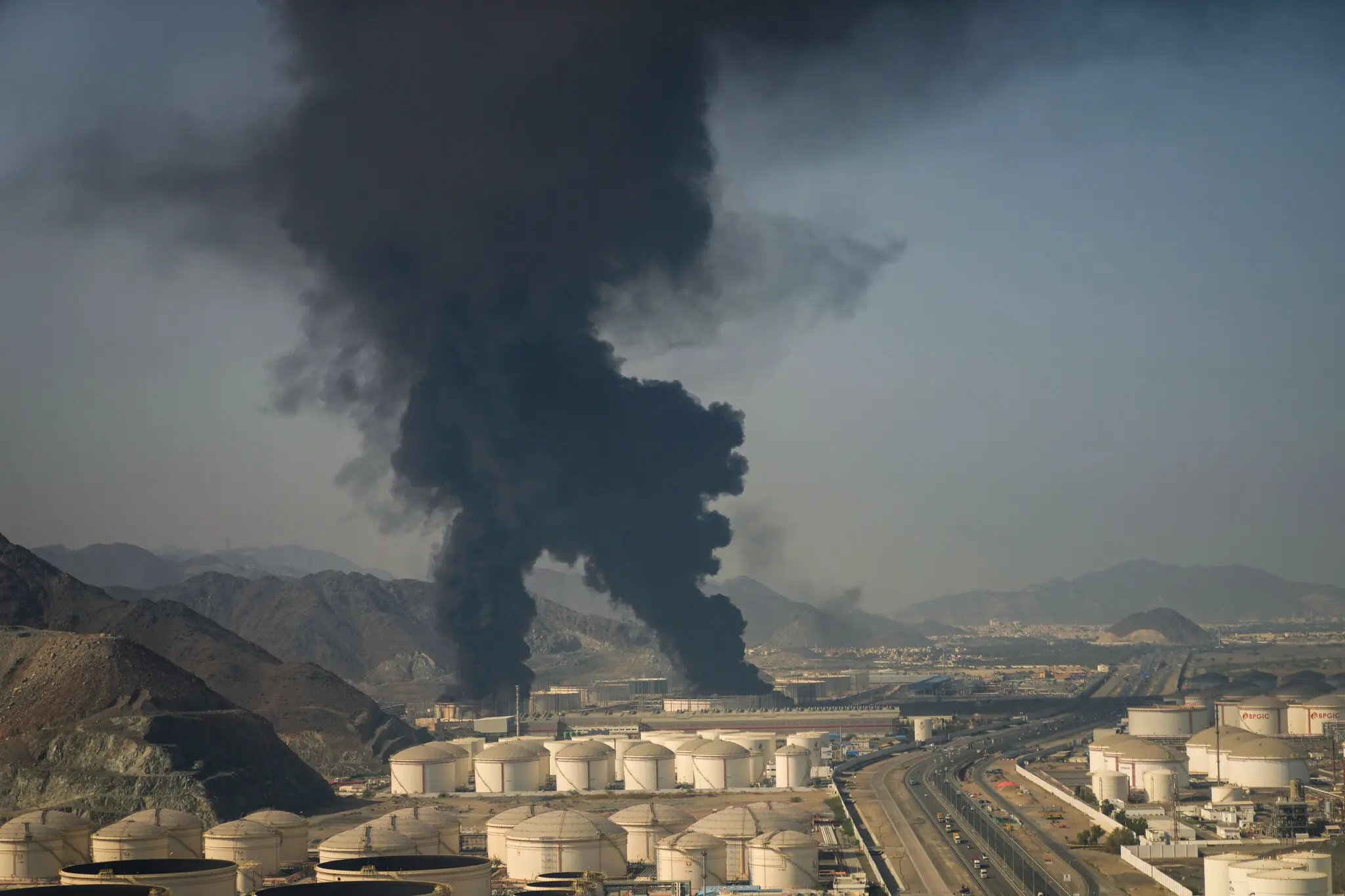
The energy factor makes this even more urgent. AP reported that the war has pushed Brent crude above $100 a barrel, while disruption around the Strait of Hormuz has added to fears of a broader economic shock. For Trump, that means the conflict is not only a military and diplomatic challenge, but also a domestic political risk.
That helps explain why the White House is trying to pursue two goals at once. The first is to force Iran to accept at least a framework for talks under pressure. The second is to show American voters that Trump is not simply managing another open-ended war, but trying to dictate the terms on which it ends.
But this strategy has an obvious weakness. The more Washington mixes diplomacy with ultimatums, the harder it becomes to persuade Tehran that negotiations are a genuine path to de-escalation rather than a mechanism for extracting surrender. For Iran’s leadership, accepting that framework would mean admitting that U.S. and Israeli military pressure is working exactly as intended.
That is why the existence of a backchannel does not automatically mean a breakthrough is close. It shows that neither side has closed the door entirely, but it also shows how deep the distrust has become. Washington does not know whether Tehran is ready to move from message-passing to actual bargaining, and Tehran does not appear convinced that any pause would not simply be used for further pressure.
For Europe and for Ukraine, this dynamic matters beyond the Middle East itself. The longer Washington keeps the region in a mode of “war plus coercive diplomacy,” the more U.S. attention, military assets, and political capital are absorbed there. That does not automatically displace other crises, but it increases the risk that other fronts — especially Russia’s war against Ukraine — receive less strategic focus. This is an inference based on the scale of the U.S. buildup and the White House’s effort to force a fast outcome in the Iran war.
In the end, Trump is not choosing between diplomacy and threat. He is deliberately using both at once. That gives him tactical flexibility, but it does not guarantee a strategic result. The more a peace offer begins to sound like an ultimatum, the greater the risk that it stops functioning as a bridge to talks and starts looking like just another phase of the war.

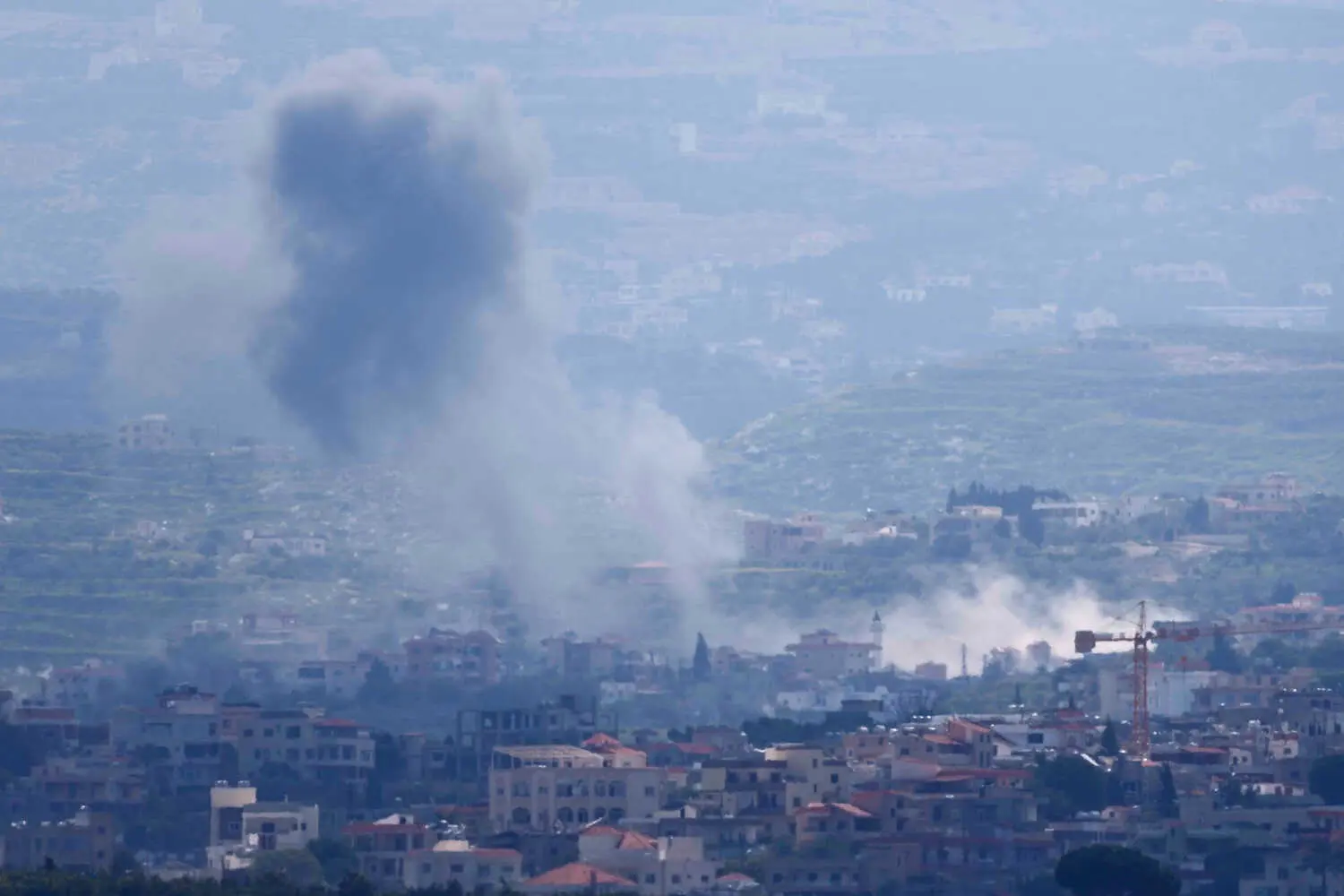 Дим піднімається від удару по селу Рамадія у п'ятницю — Хуссейн Малла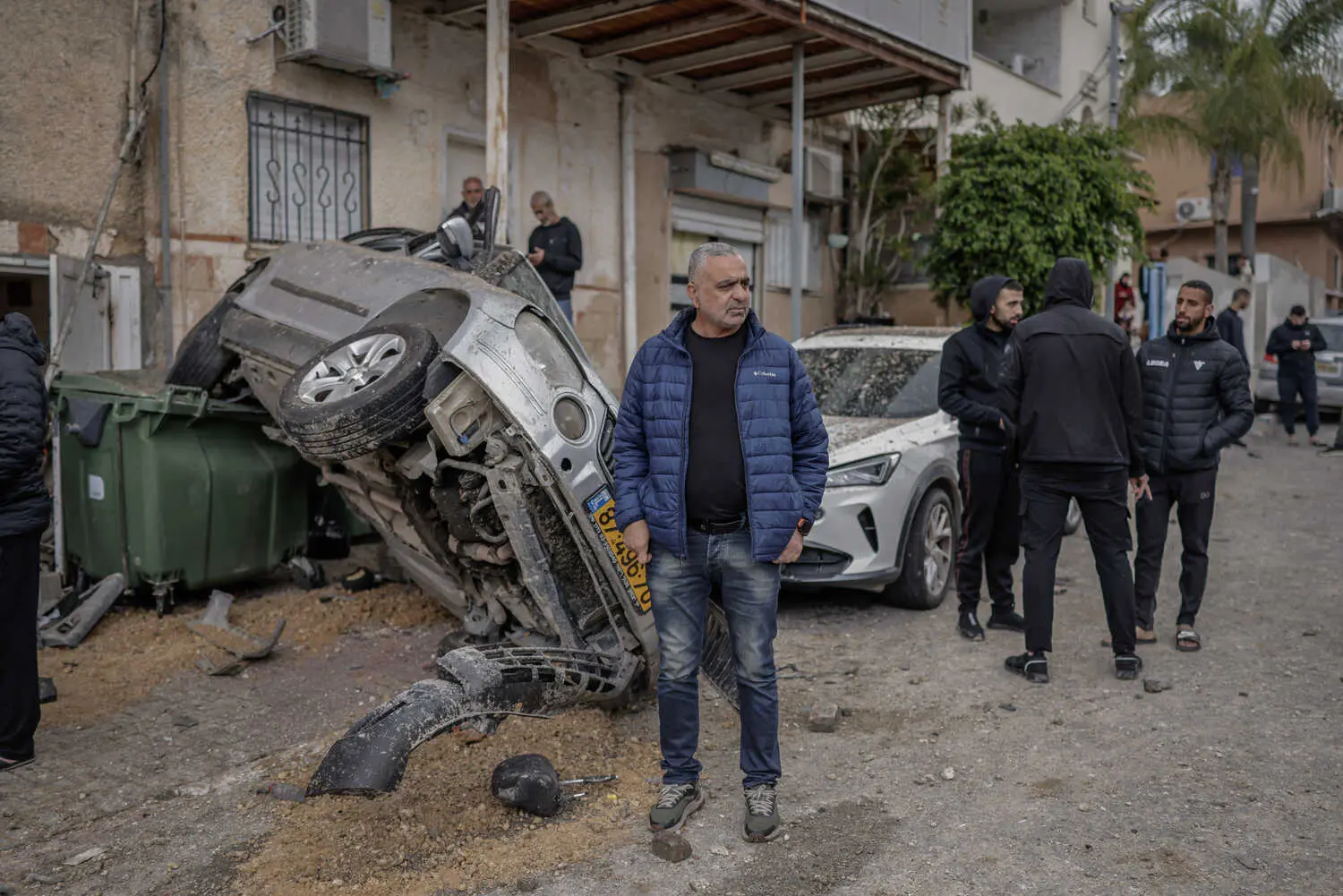
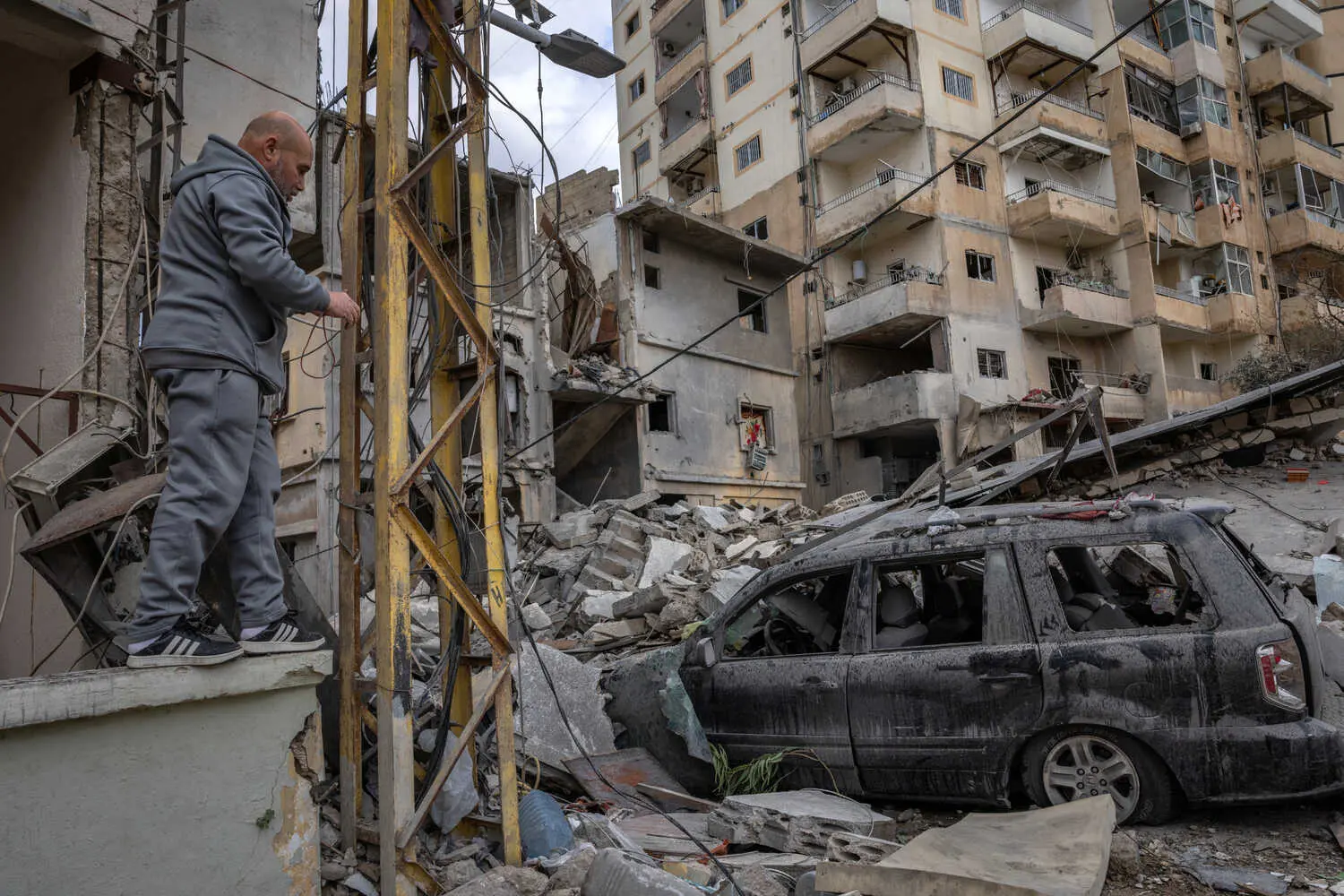 Ремонт електропроводки в пошкодженому районі у четвер, Тир, Ліван — Девід Гуттенфельдер
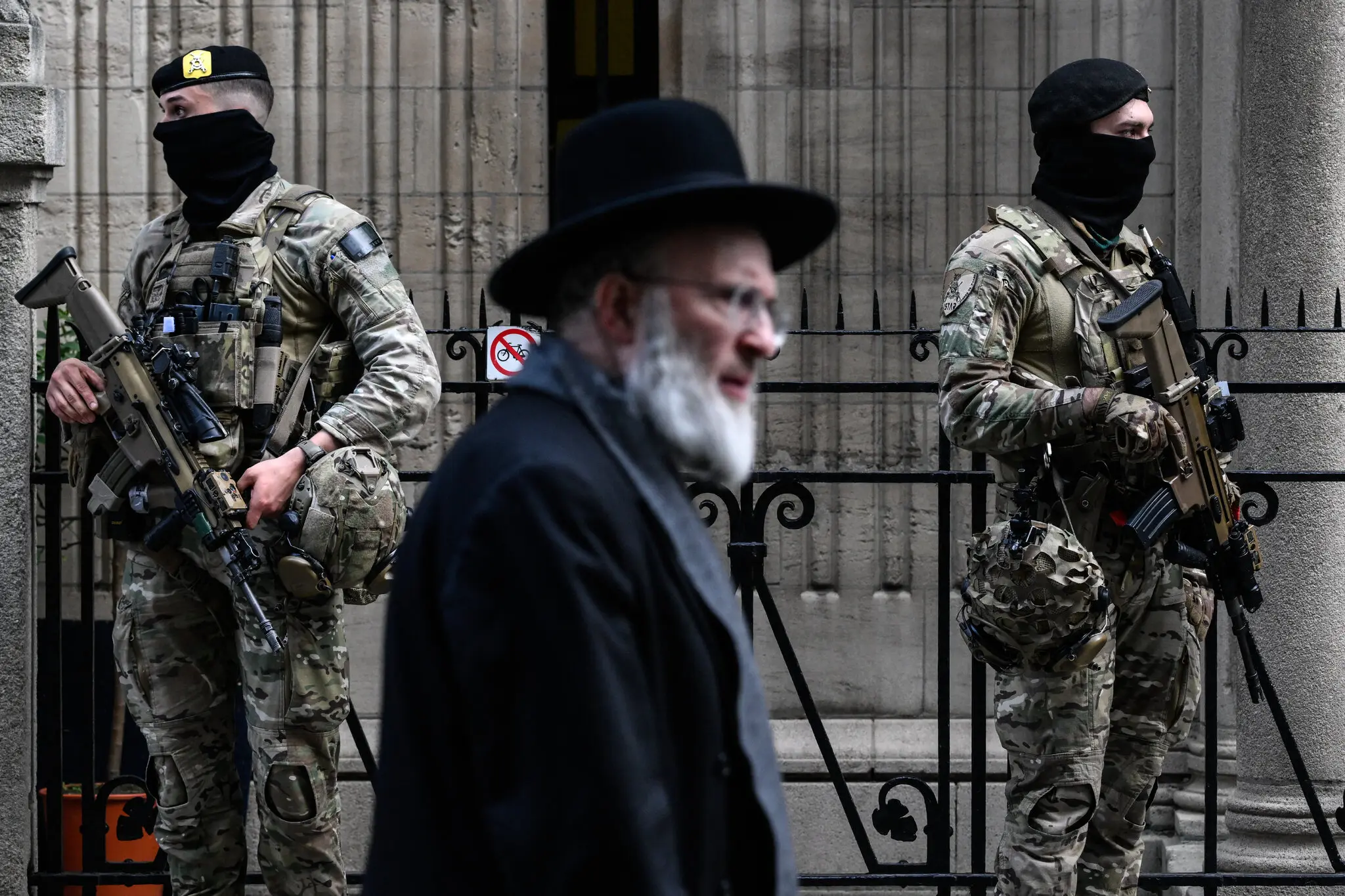



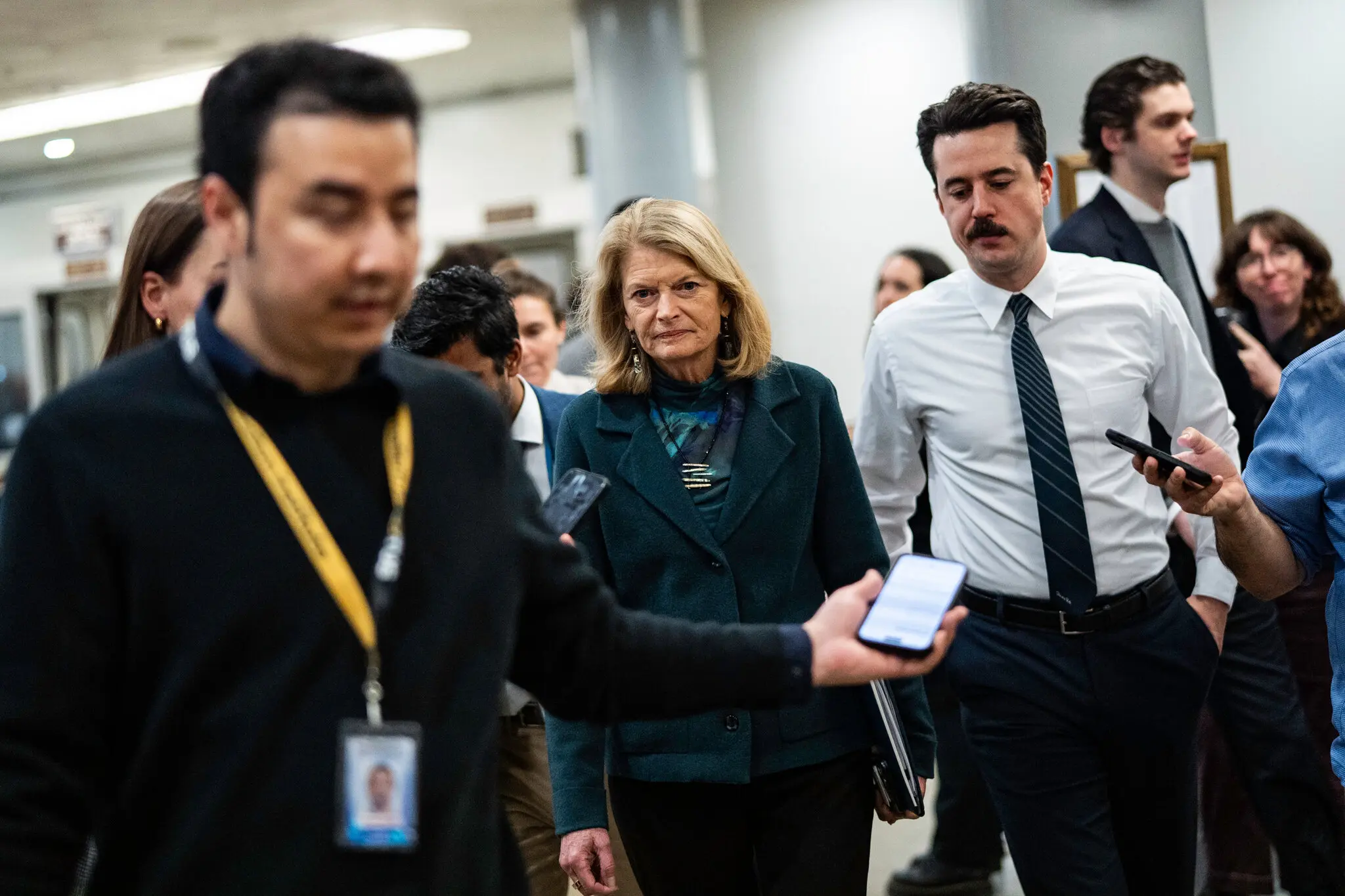







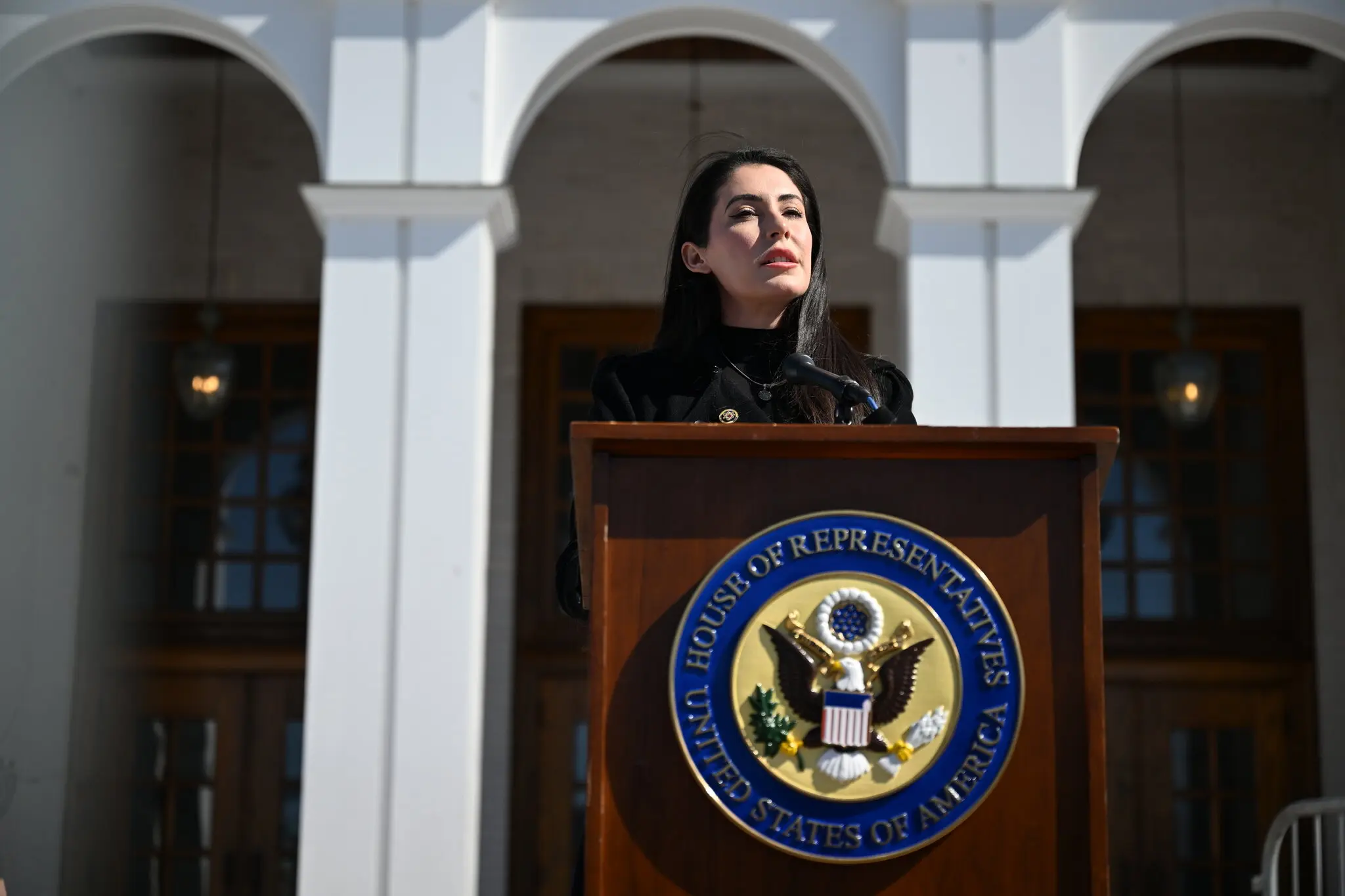 Переговори були організовані представницею Палати представників Анною Пауліною Луною, яка у січні заявила, що отримала дозвіл на поїздку російських законодавців для участі у мирних переговорах — Кенні Голстон


 Президент США Трамп — Даг Міллс
 Президент США Трамп — Даг Міллс
 Міністр фінансів Скотт Бессент — Ерік Лі
 Президент США Трамп проводить своє друге засідання кабінету міністрів — Даг Мыллс




 Американські солдати, що перекидаються до України з Форт-Брегга, Північна Кароліна, у 2022 році — Кенні Голстон