
























A new round of Israeli strikes on Tehran came precisely as a diplomatic track involving Pakistan emerged. That makes the current moment especially revealing: the war in the Middle East is entering a phase in which military pressure and peace signals exist simultaneously, but have not yet converged into a real negotiating process.
According to AP, Iran received a 15-point ceasefire proposal from the United States through Pakistani intermediaries. At the same time, Tehran continues to deny any direct negotiations with Washington, while official Iranian spokespeople portray American initiatives as a sign of weakness rather than compromise.
In parallel, the United States is showing no sign of disarming its military posture in favor of diplomacy. AP reports at least the redeployment of 1,000 troops from the 82nd Airborne Division, along with roughly 5,000 Marines already sent to the region. Other outlets describe a broader reinforcement package that could raise the latest buildup to several thousand personnel.
A new round of Israeli strikes on Tehran came precisely as a diplomatic track involving Pakistan emerged. That makes the current moment especially revealing: the war in the Middle East is entering a phase in which military pressure and peace signals exist simultaneously, but have not yet converged into a real negotiating process.
According to AP, Iran received a 15-point ceasefire proposal from the United States through Pakistani intermediaries. At the same time, Tehran continues to deny any direct negotiations with Washington, while official Iranian spokespeople portray American initiatives as a sign of weakness rather than compromise.
In parallel, the United States is showing no sign of disarming its military posture in favor of diplomacy. AP reports at least the redeployment of 1,000 troops from the 82nd Airborne Division, along with roughly 5,000 Marines already sent to the region. Other outlets describe a broader reinforcement package that could raise the latest buildup to several thousand personnel.
In Daycom’s assessment, the main conclusion at this stage is clear: Washington is not choosing between war and diplomacy, but trying to pursue both in parallel. That is why the ceasefire proposal does not look like an alternative to force, but rather an attempt to push Iran toward negotiations from a position of already established military pressure.
Pakistan’s role in this framework is not accidental. The Washington Post and The Guardian report that Islamabad, together with Turkey and Egypt, is acting as one of the channels for conveying American messages to Tehran, while Prime Minister Shehbaz Sharif has publicly offered a venue for “substantive and result-oriented” contacts.
For Iran, such an intermediary is more convenient than a direct American track. Iran’s Foreign Ministry has acknowledged that friendly states are transmitting proposals, while insisting at the same time that there is no direct dialogue with the United States. This position allows Tehran to avoid closing the door completely, without openly acknowledging a political concession to Washington.
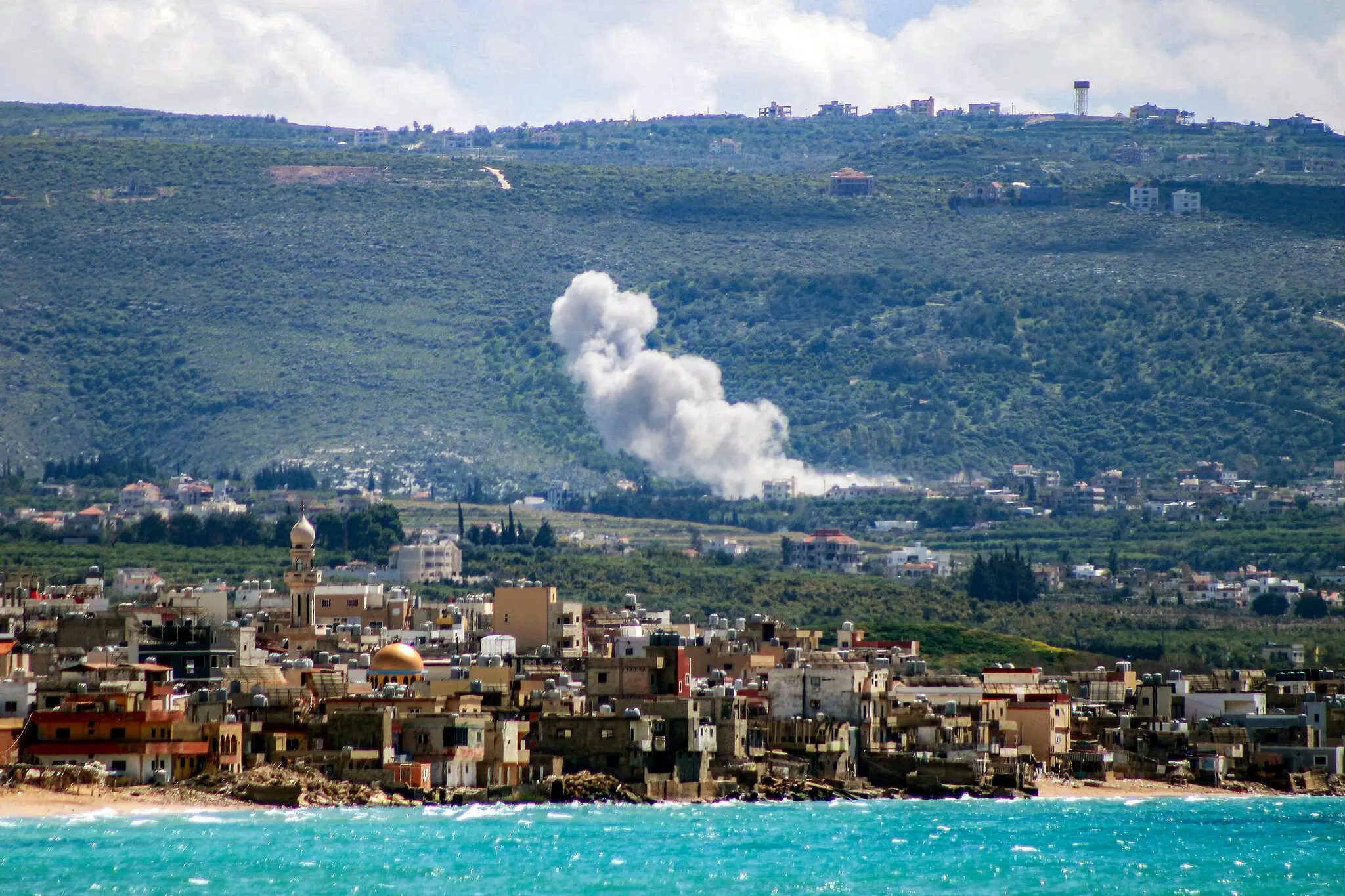
The problem is that Israel’s conduct so far offers no sign of a pause. The Guardian notes that Benjamin Netanyahu’s government continues its strikes on Iran while simultaneously expanding pressure in Lebanon. That means even a potentially viable negotiating channel has not altered Israel’s core logic: weaken the adversary first, and only then discuss a political framework.
As a result, the American proposal remains suspended in the air, without public endorsement from either side. AP describes the contents of the 15 points, but neither Tehran nor Jerusalem has openly confirmed readiness to build the next stage on that basis. Diplomacy exists formally, but in practice neither side has shown that it is prepared to place it above continued military action.
Against the backdrop of these maneuvers, the war is already spilling across a wider region. AP reports strikes in Kuwait, including a fire at a facility linked to the international airport, as well as new attacks on neighboring Gulf states. In other words, the conflict can no longer be reduced to a direct exchange of blows between Israel and Iran.
It is precisely this wider geography that makes the Pakistani initiative significant. Islamabad has its own stake in de-escalation: its economy is vulnerable to oil shocks, while its foreign policy depends on maintaining simultaneous ties with the United States, Iran, and the Gulf monarchies. In that sense, its mediation is not altruism, but an attempt to prevent a regional detonation.
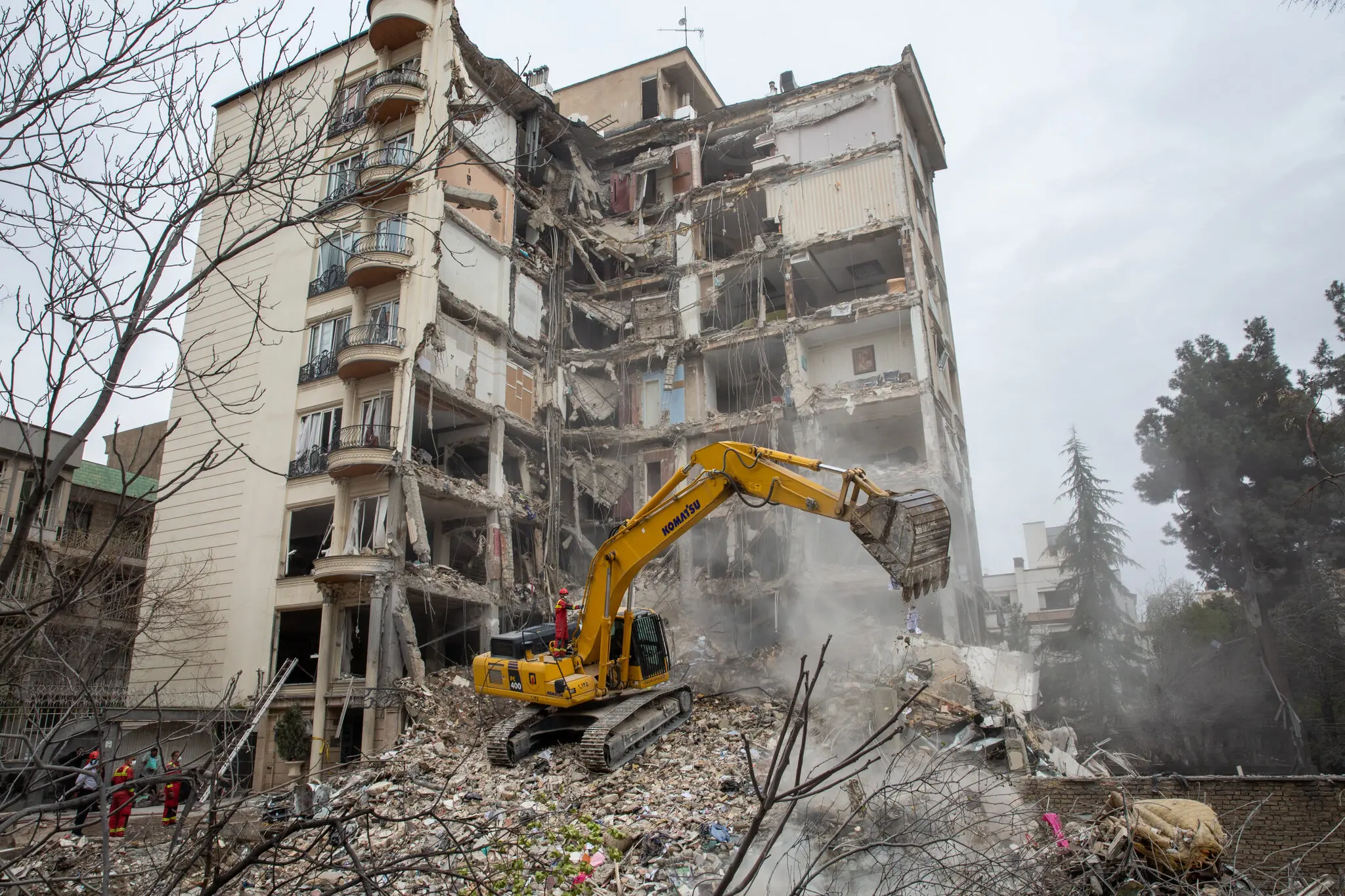
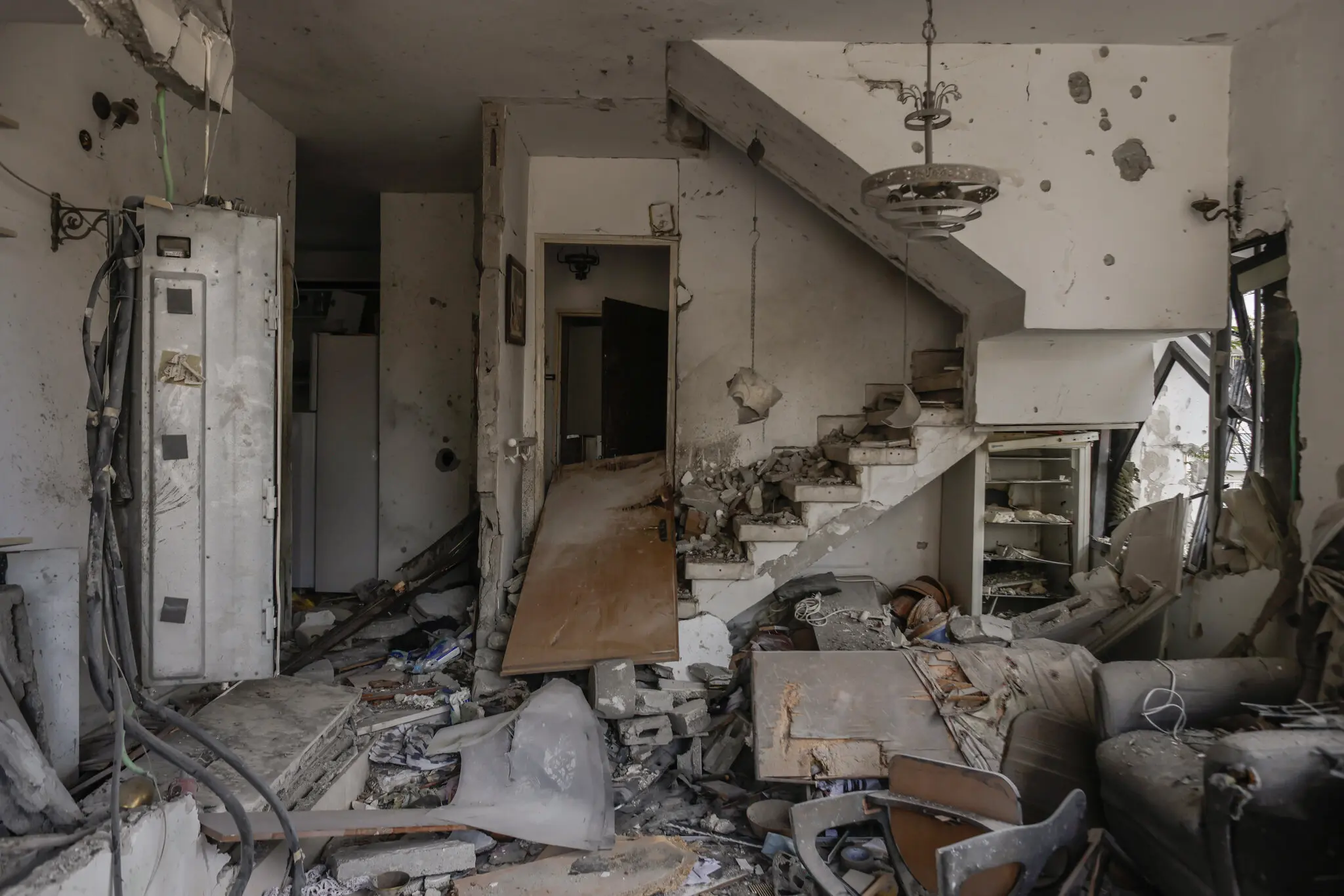
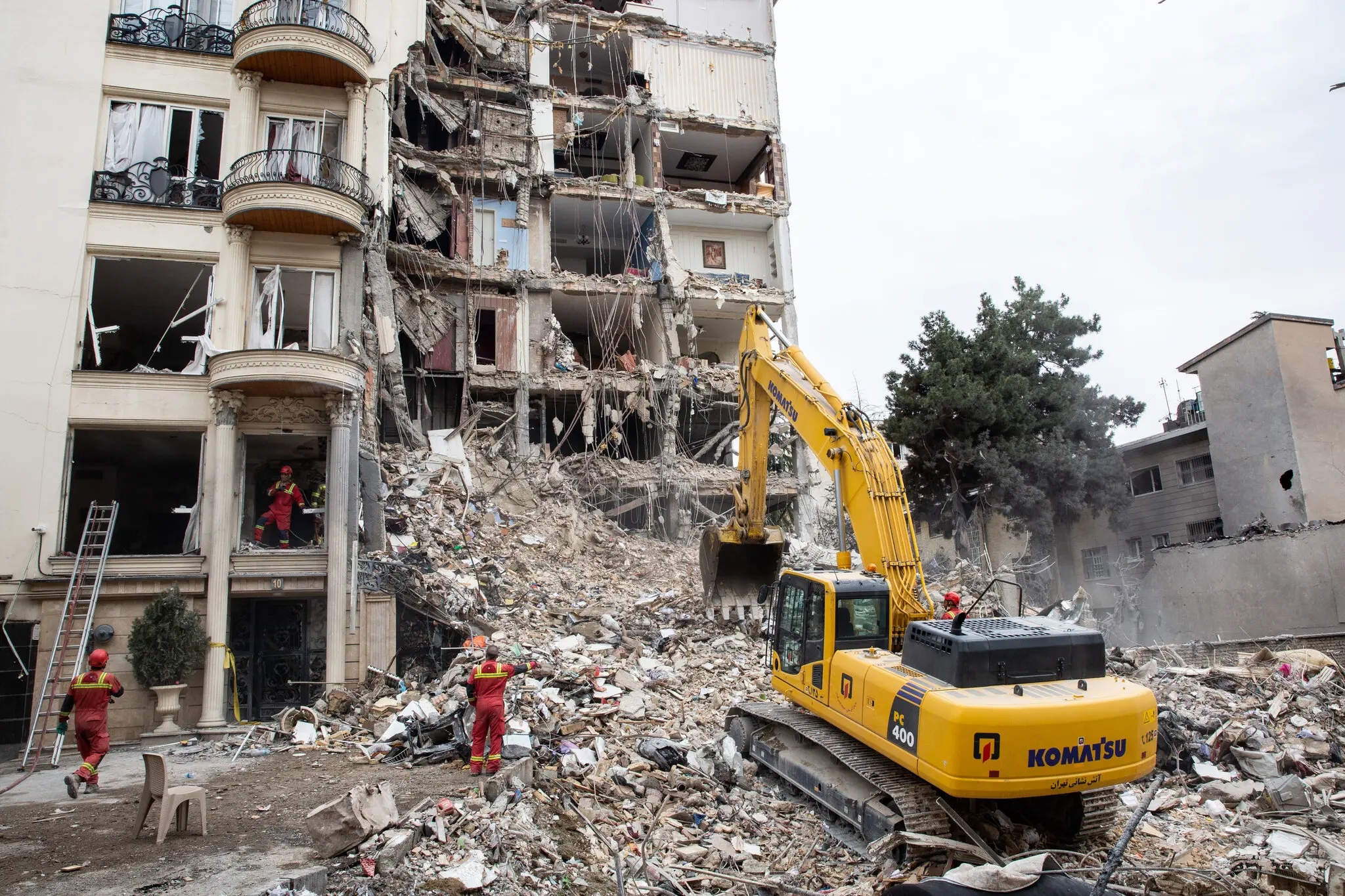 Квартира, зруйнована внаслідок авіаудару в Тегерані в понеділок — Араш Хамуші
The substance of the US plan also shows why negotiations will be difficult. According to AP, it includes sanctions relief in exchange for limits on Iran’s nuclear and missile programs, freedom of navigation in the Strait of Hormuz, and the issue of Iran’s support for armed proxies. For Washington, this looks like a broad framework deal; for Tehran, it looks like a package of capitulation demands delivered under bombardment.
That is exactly how Tehran is trying to frame it for its domestic audience. Public Iranian statements boil down to the claim that Washington is “negotiating with itself,” while Iran is merely observing the signals being relayed to it. This rhetoric matters: the regime cannot easily admit that it is considering an American plan while strikes against it are still ongoing.
For Israel, meanwhile, the risk is different. Any incomplete compromise that does not reduce Iran’s missile and proxy capabilities could be seen in Jerusalem as a premature pause that would give Tehran time to regroup. That is why the Israeli line still sounds like continued coercive pressure, not preparation for compromise.
The Pentagon’s reinforcement only underscores that contradiction. If the United States is talking about peace while also expanding the presence of paratroopers and Marines, the message to Iran is inherently double-edged: either Washington is backing diplomacy with force, or it is improving its position in case diplomacy fails. In either reading, tensions are not actually easing.
Markets, however, are clinging to the mere possibility of an exit. AP reports that on news of a potential negotiating track, Brent fell by more than 6 percent, to roughly $94 a barrel, while Asian markets moved higher. That means even a weak diplomatic signal now carries tangible economic weight.
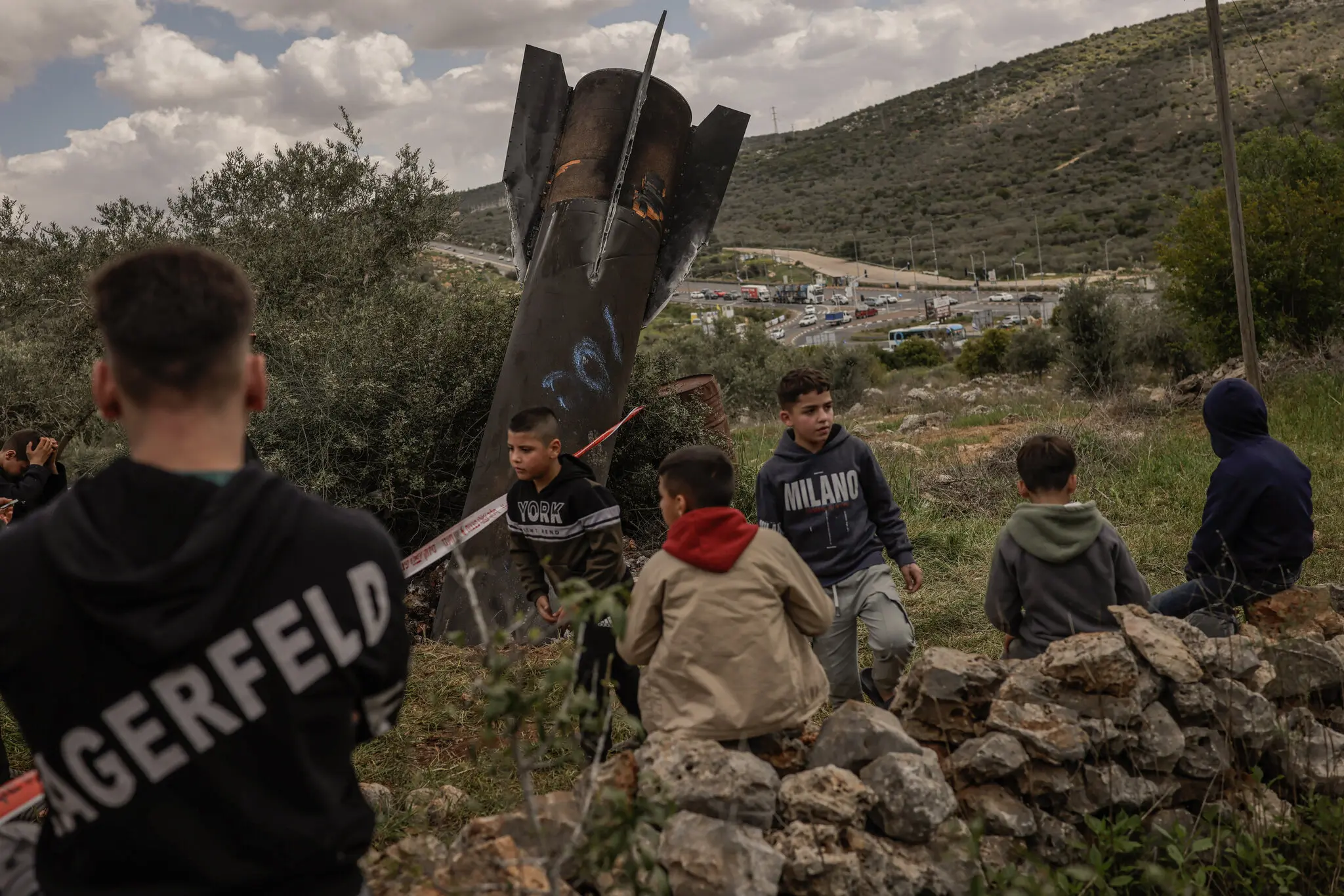 Фрагмент ракети поблизу палестинського села Харес на Західному березі річки Йордан — Авішаг Шаар-Яшув
That reaction is revealing as well. It shows that the global economy is already prepared to reward not peace itself, but even its shadow. Trump, Peskov, Pakistani intermediaries, and Arab capitals are therefore working not only on the political stage, but also toward energy and financial stabilization, which the world is beginning to need with growing urgency.
But the most difficult barrier still lies between market relief and a real agreement: trust. Iran has already experienced US strikes against the backdrop of earlier contacts, and now sees new American forces arriving in the region. Under such conditions, any Pakistani channel can become useful only if at least one of the parties agrees to a visible pause in escalation.
So the present moment is not yet the beginning of peace. It is, rather, a struggle over the framework in which the war does not spiral completely out of control. Strikes on Tehran, Pakistan’s offer, US troop deployments, the Strait of Hormuz, and oil prices have now merged into a single story: whoever imposes the terms of how this war ends will shape the new balance in the Middle East.




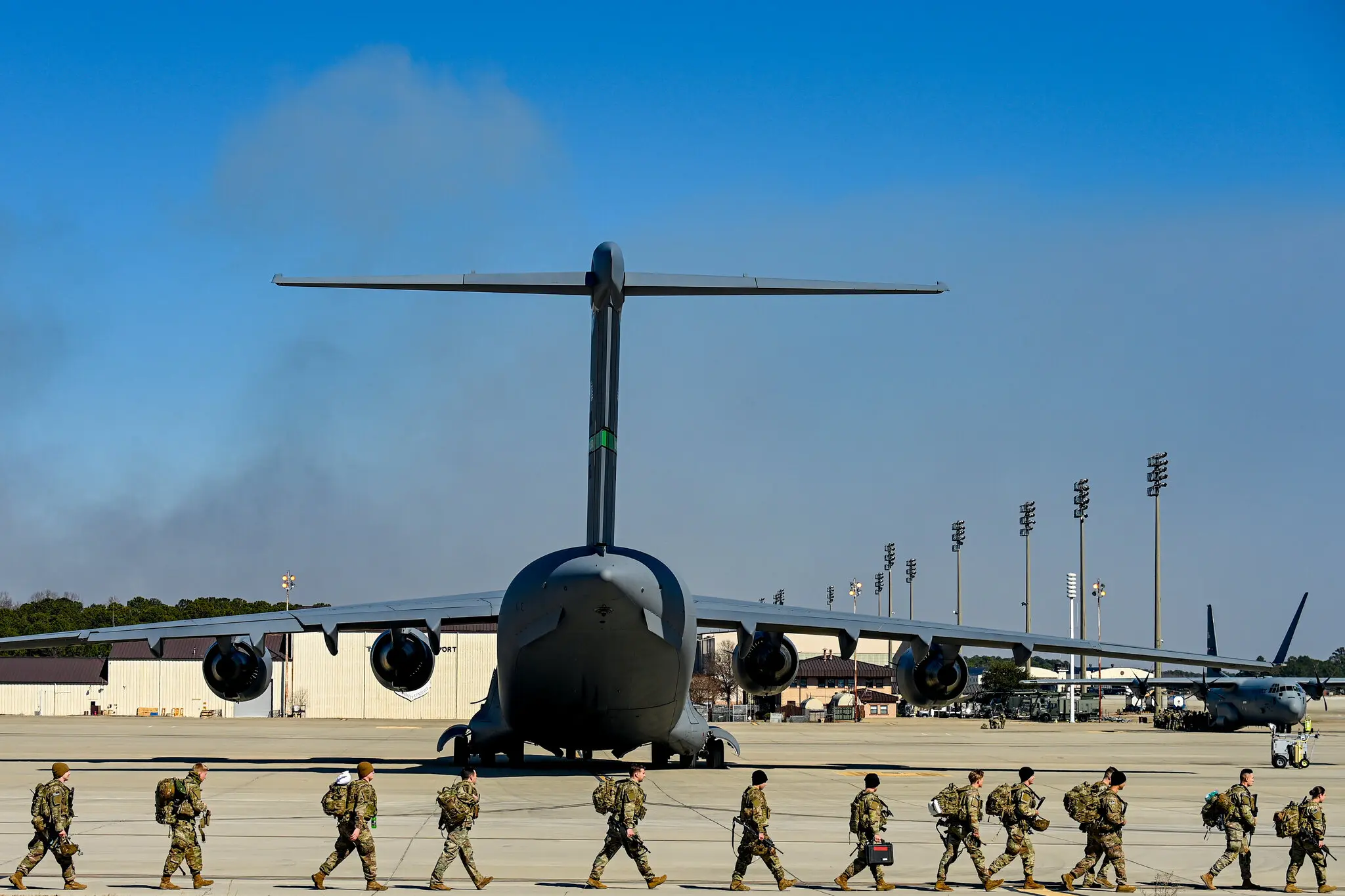 Американські солдати, що перекидаються до України з Форт-Брегга, Північна Кароліна, у 2022 році — Кенні Голстон
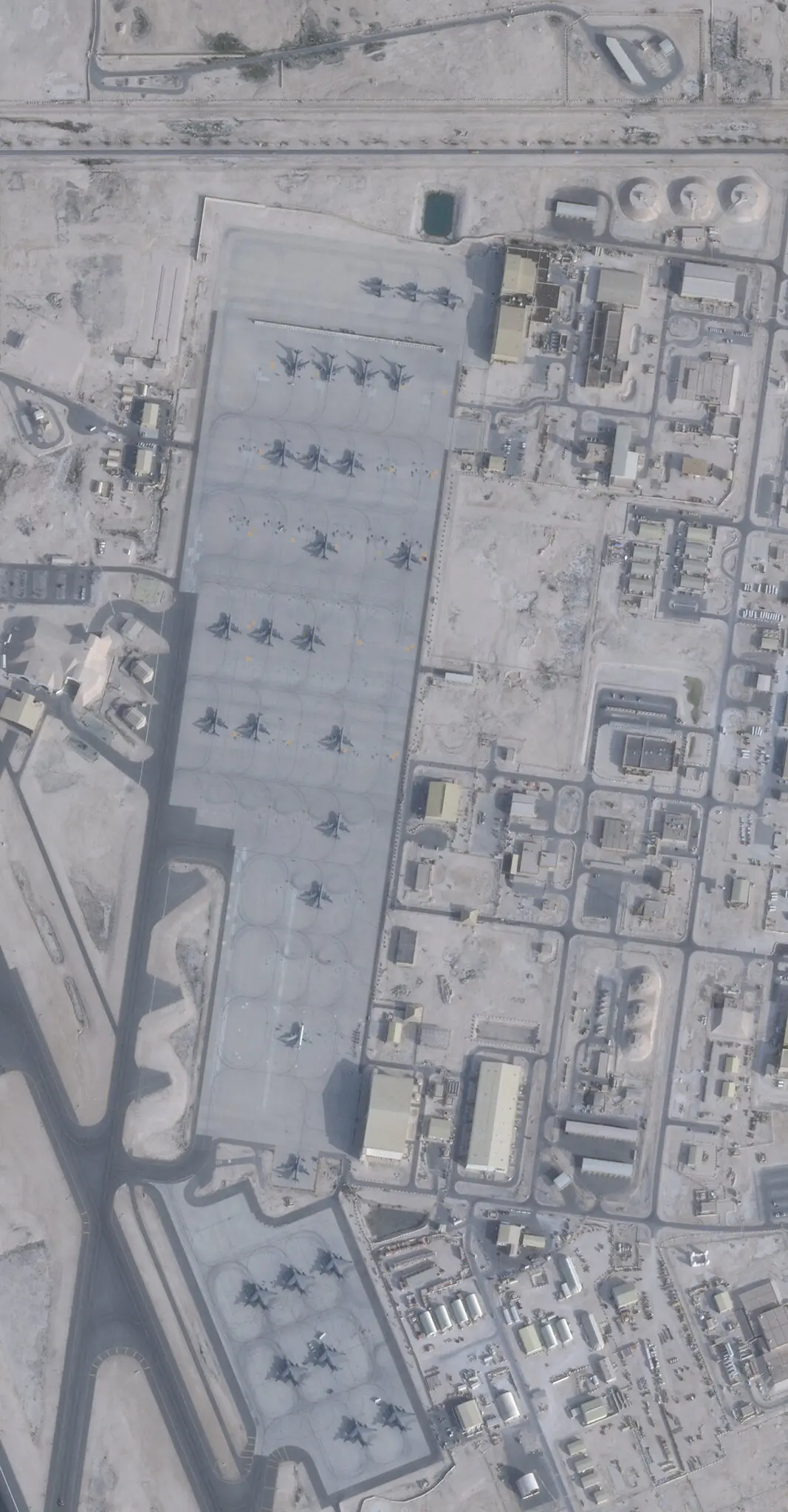


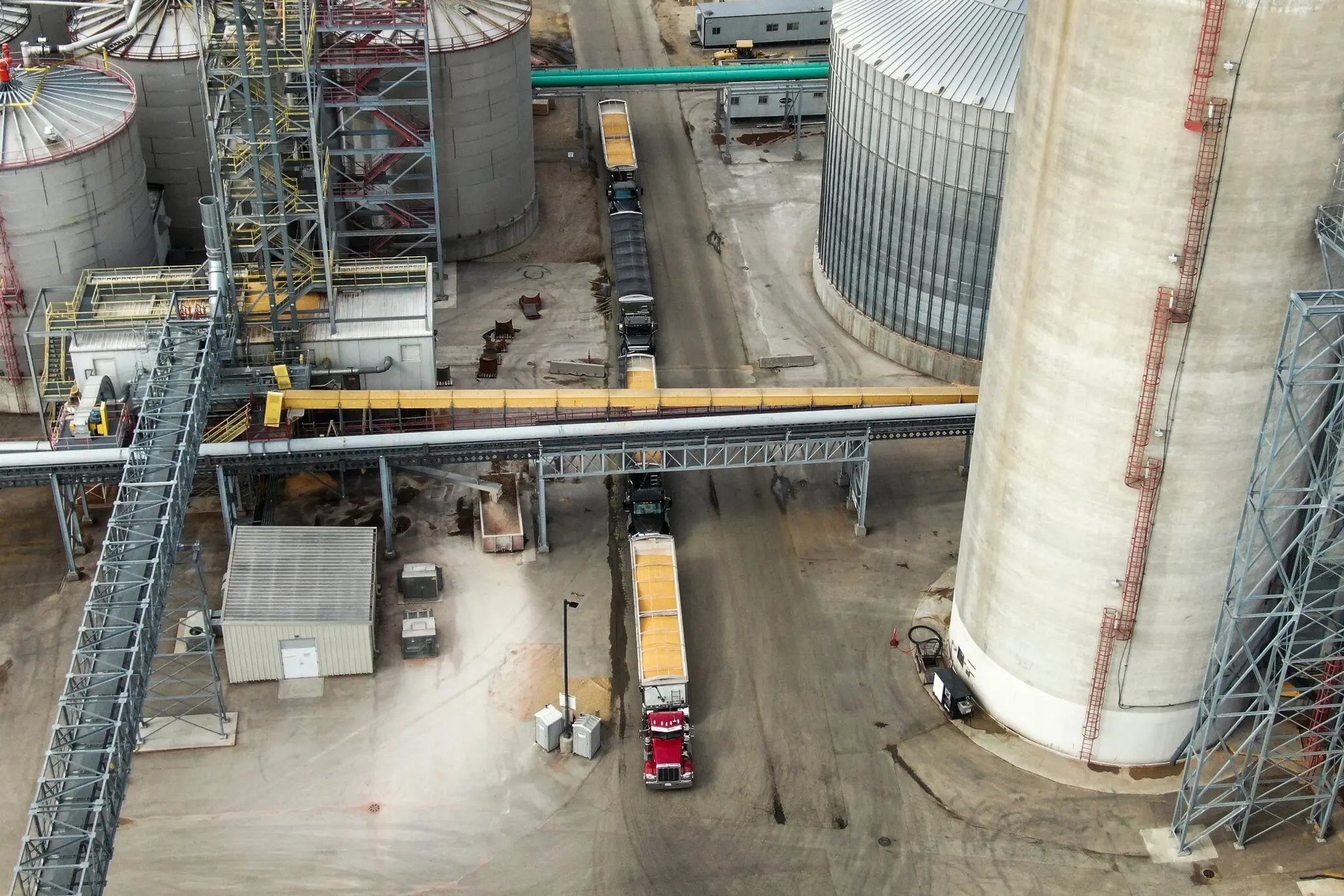
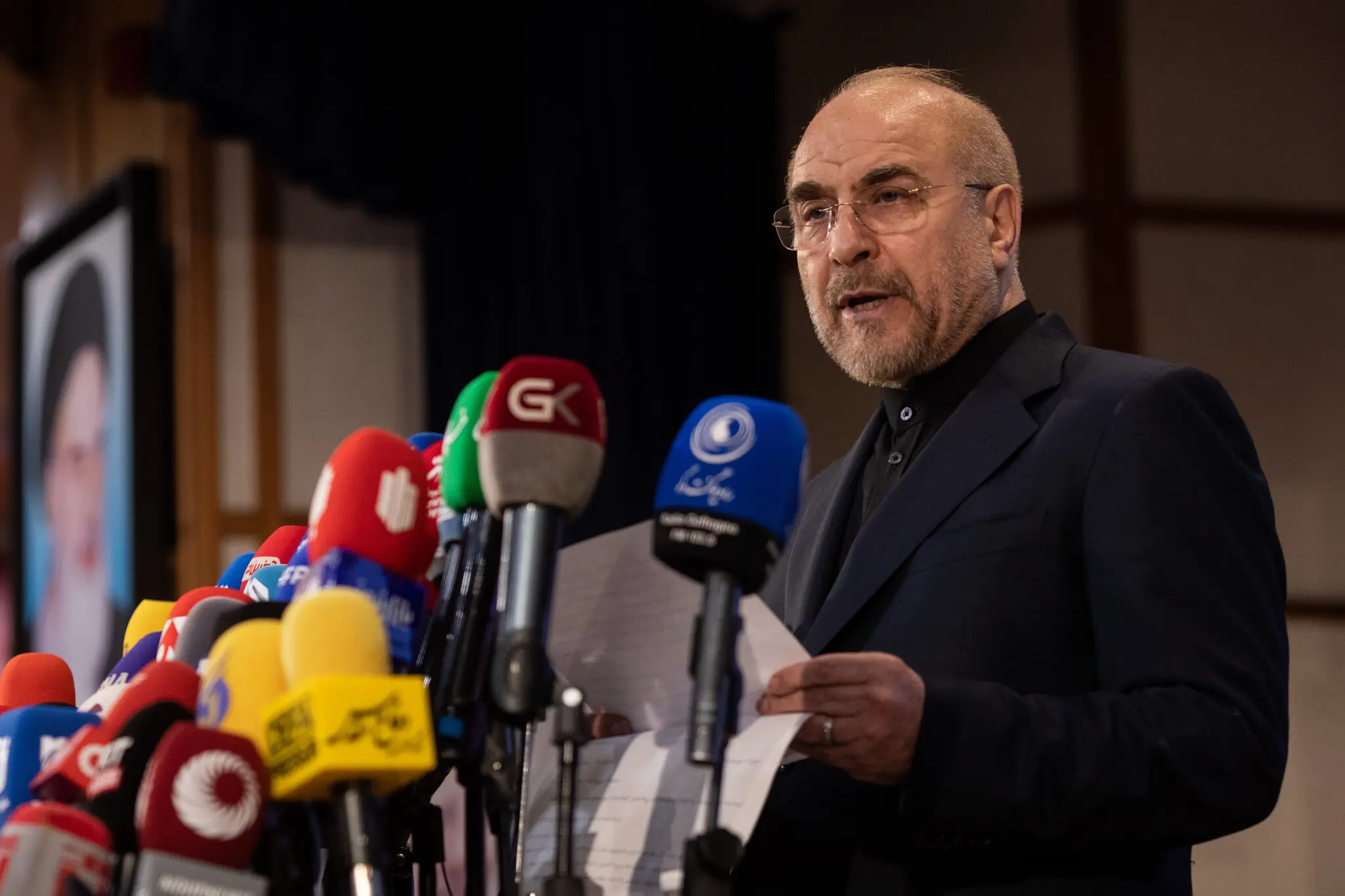





 Родина готується до евакуації у січні з Рівного, села за 30 миль на північ від Гуляйполя — Тайлер Хікс
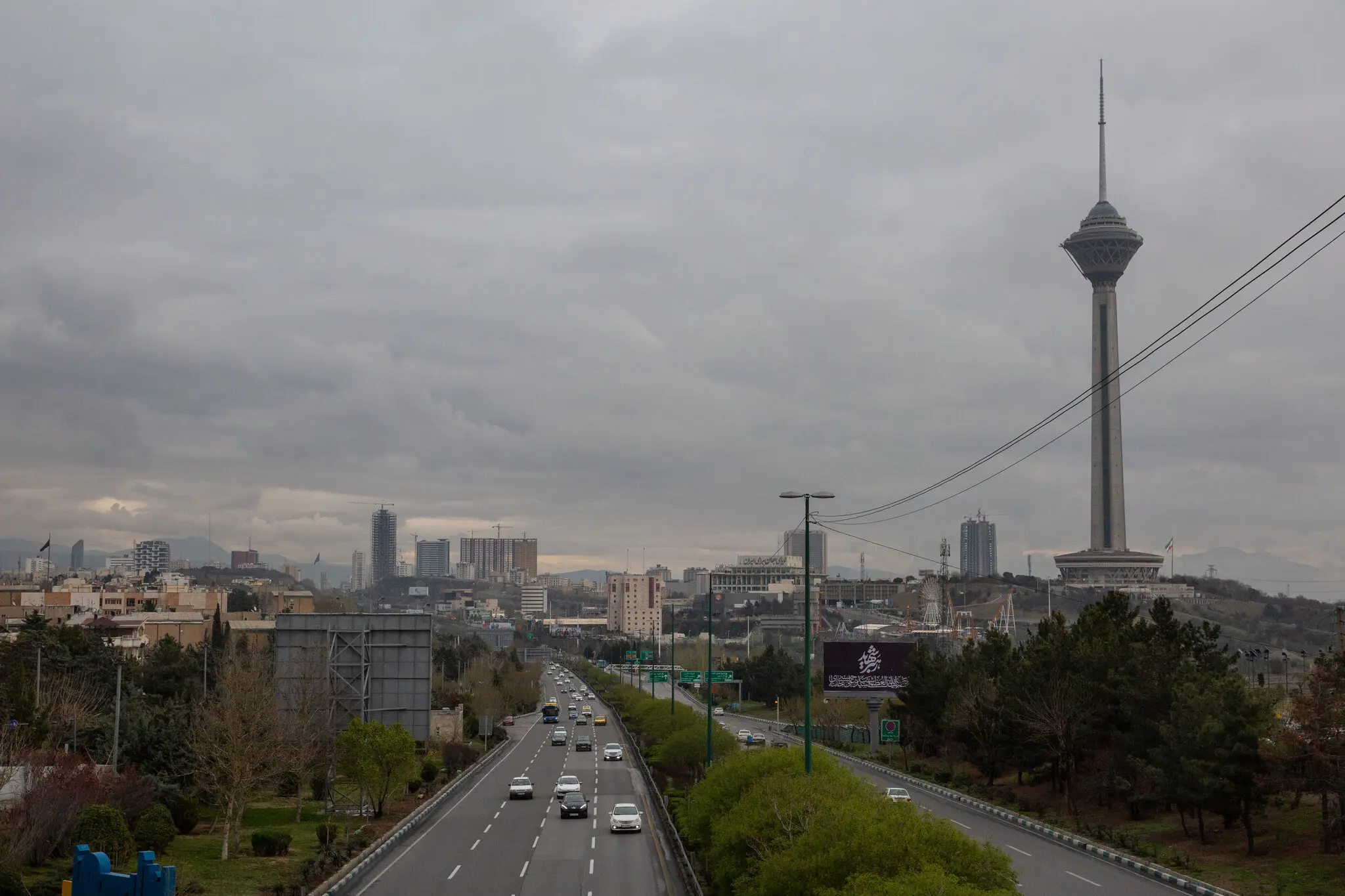


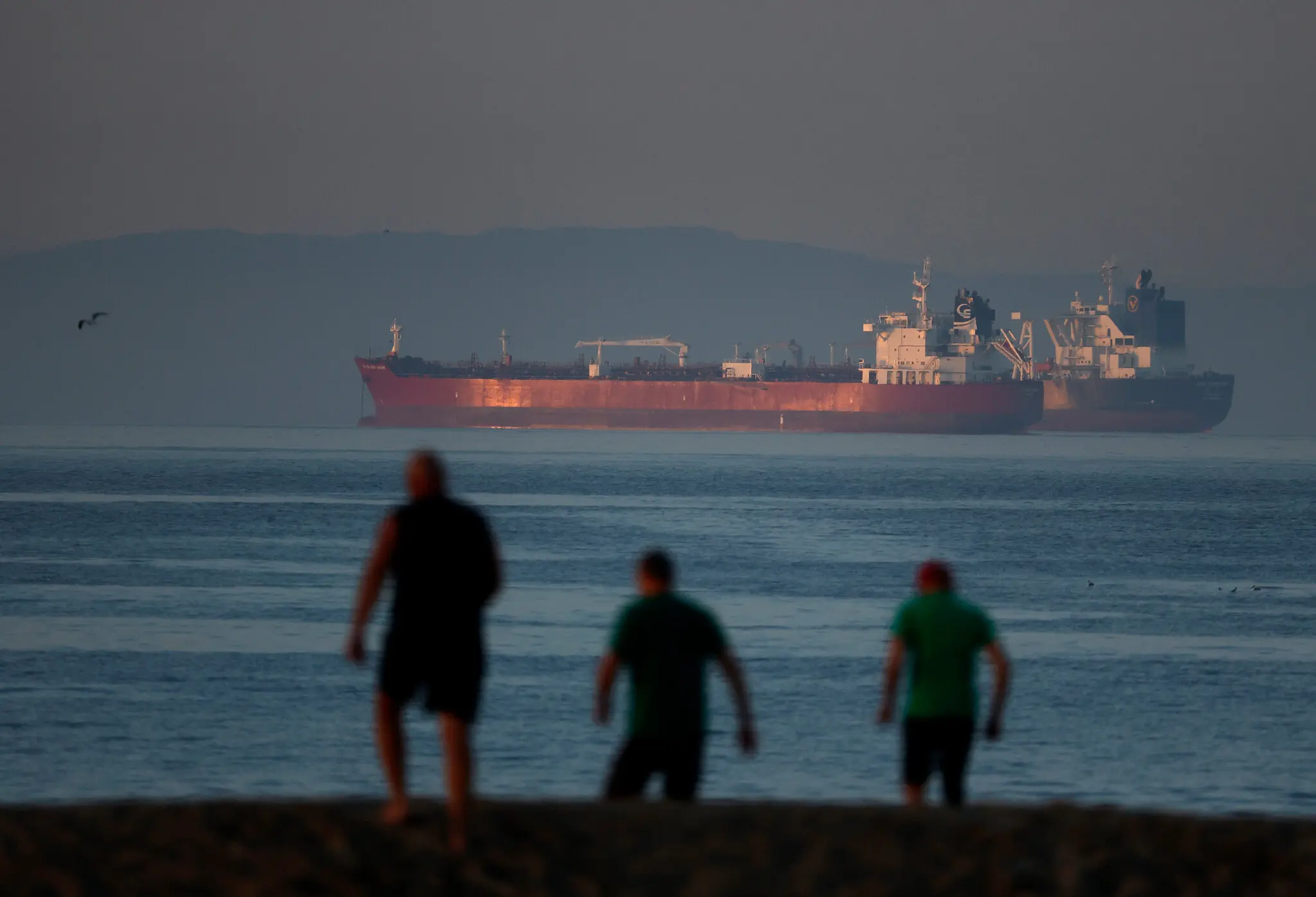 Нафтовий танкер біля пляжу Сіл-Біч, Каліфорнія. Через закриття нафтопереробних заводів Каліфорнія була змушена імпортувати частину бензину, що зробило штат більш вразливим до глобальних конфліктів — Джастін Салліван
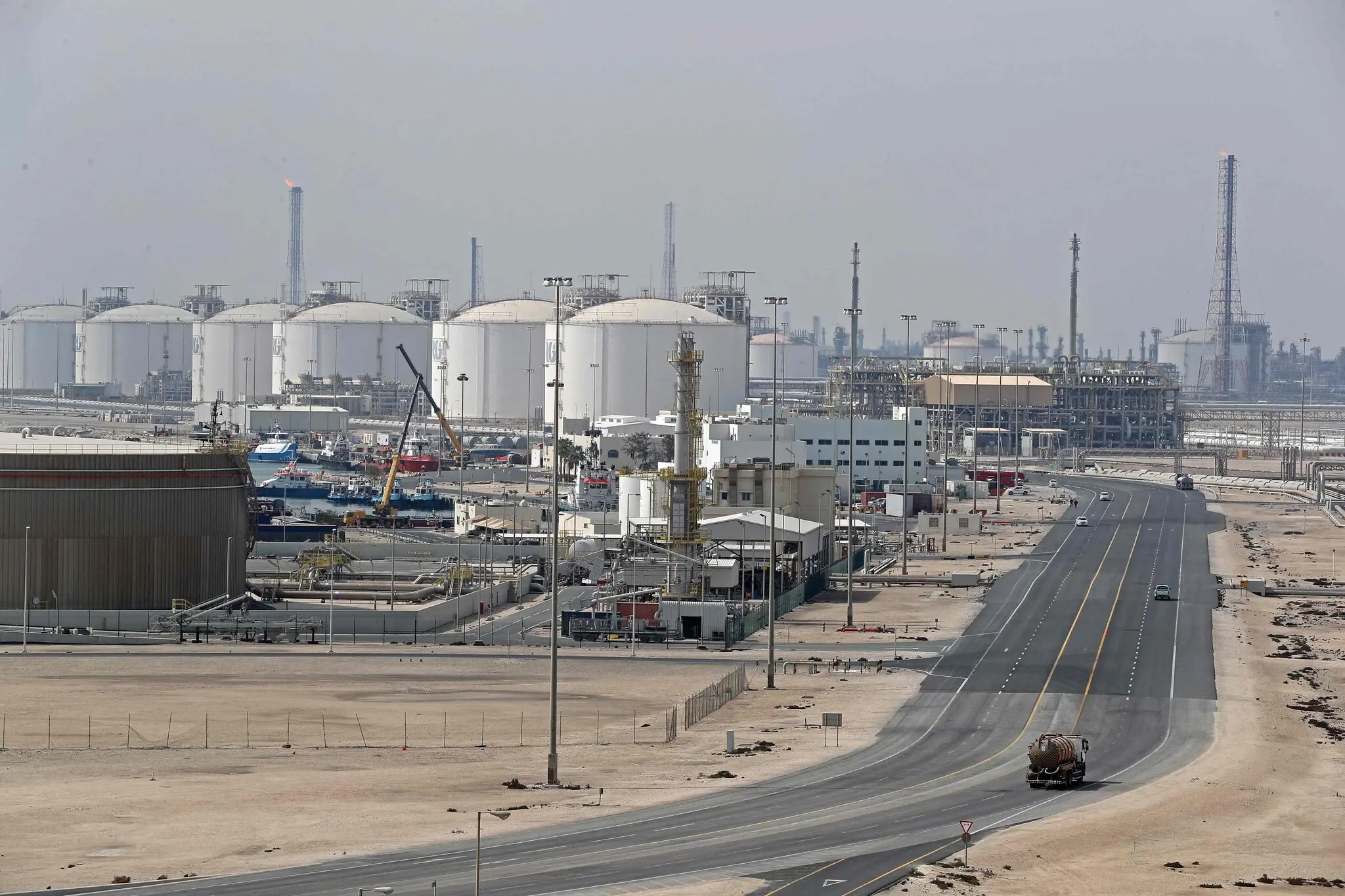
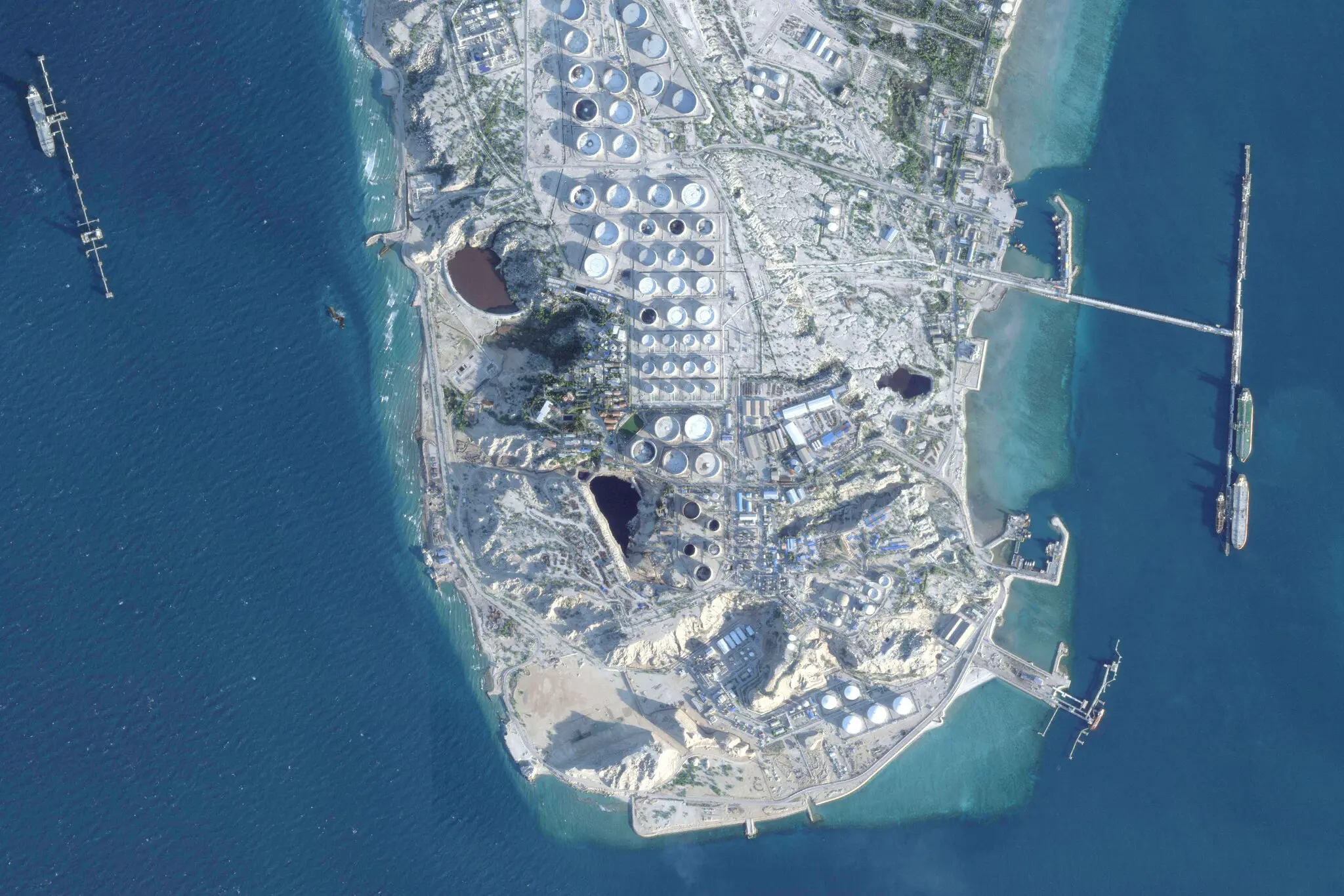
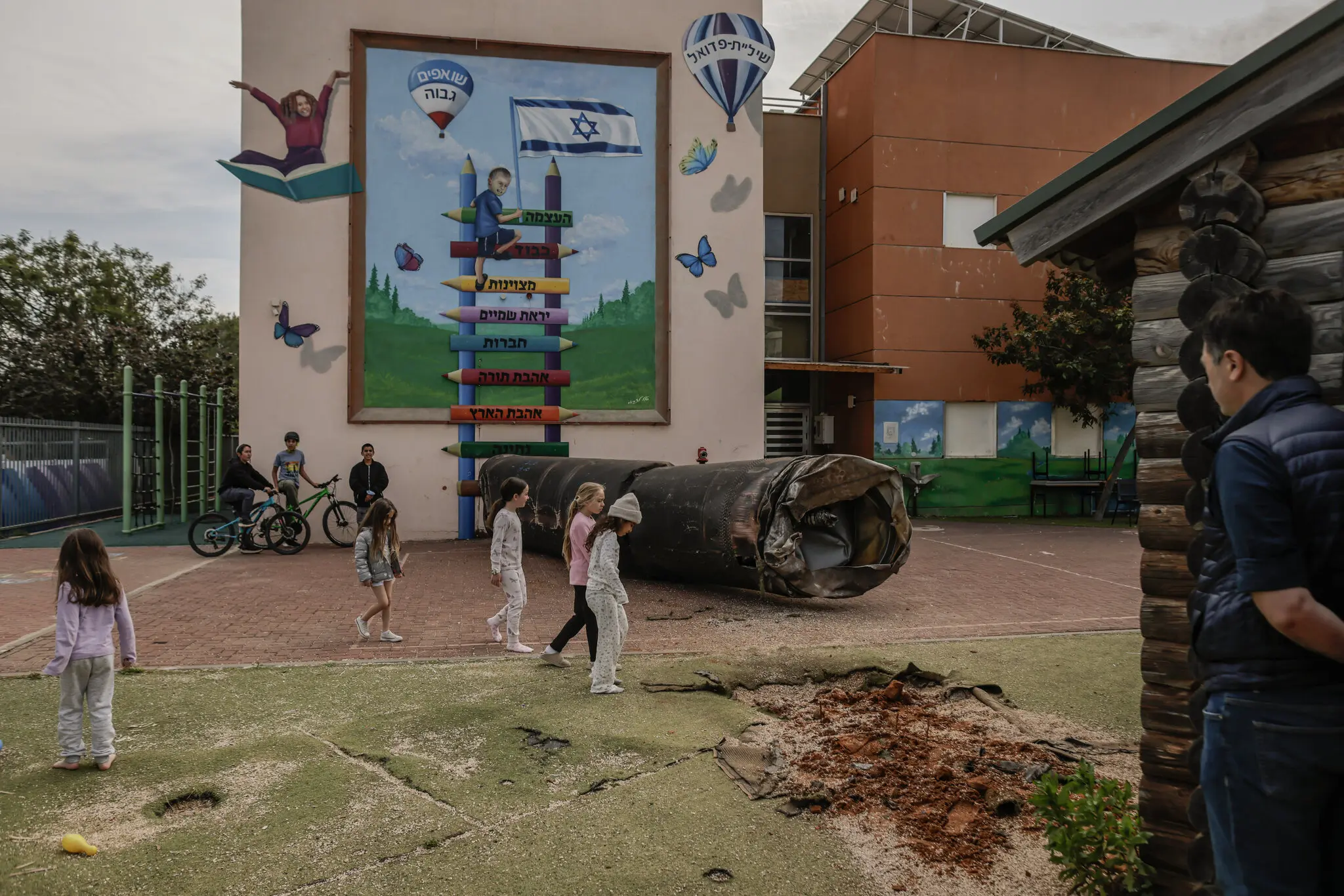
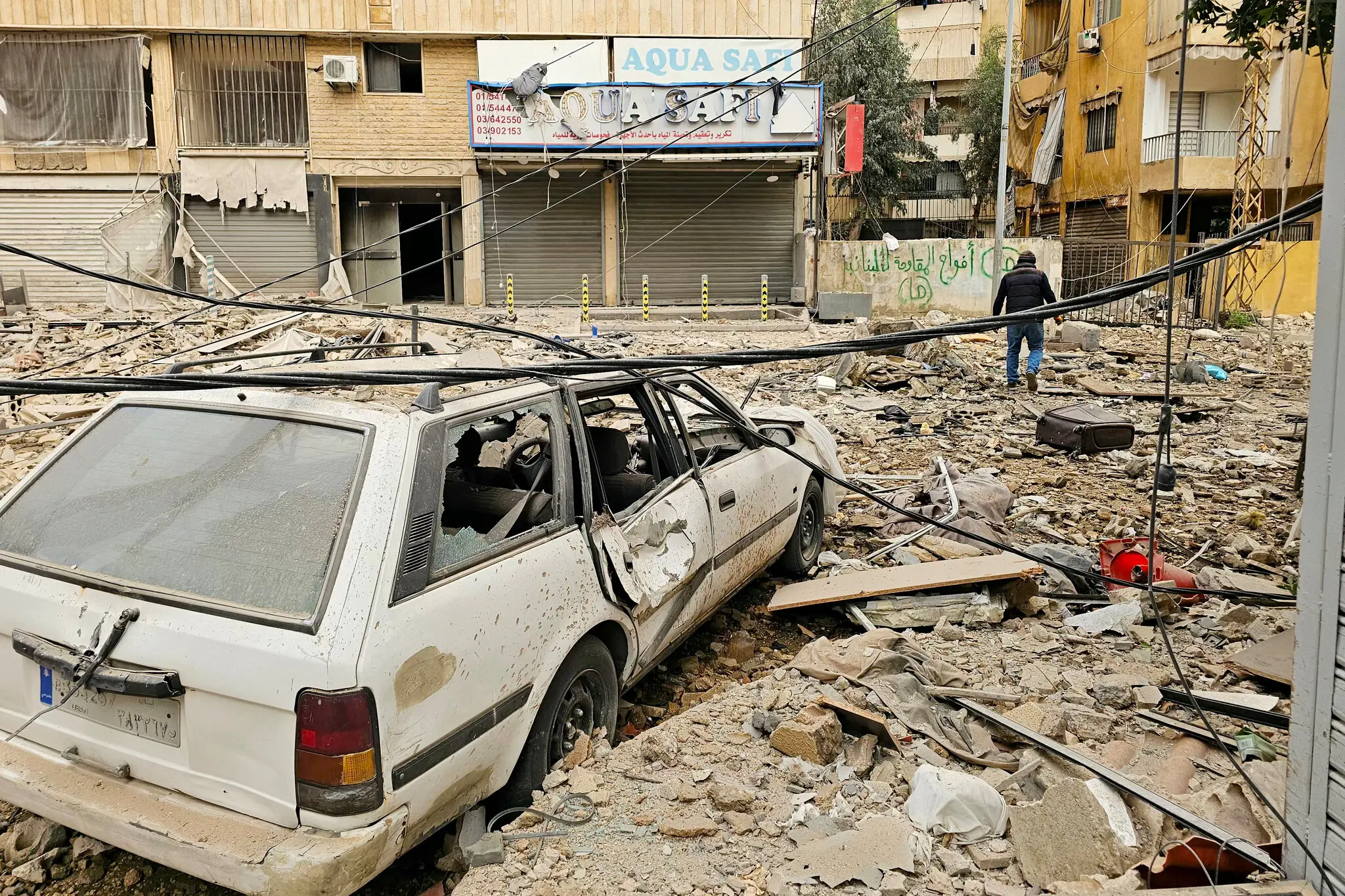
 Наслідки страйку в Бейруті, Ліван, у середу — Дієго Ібарра Санчес

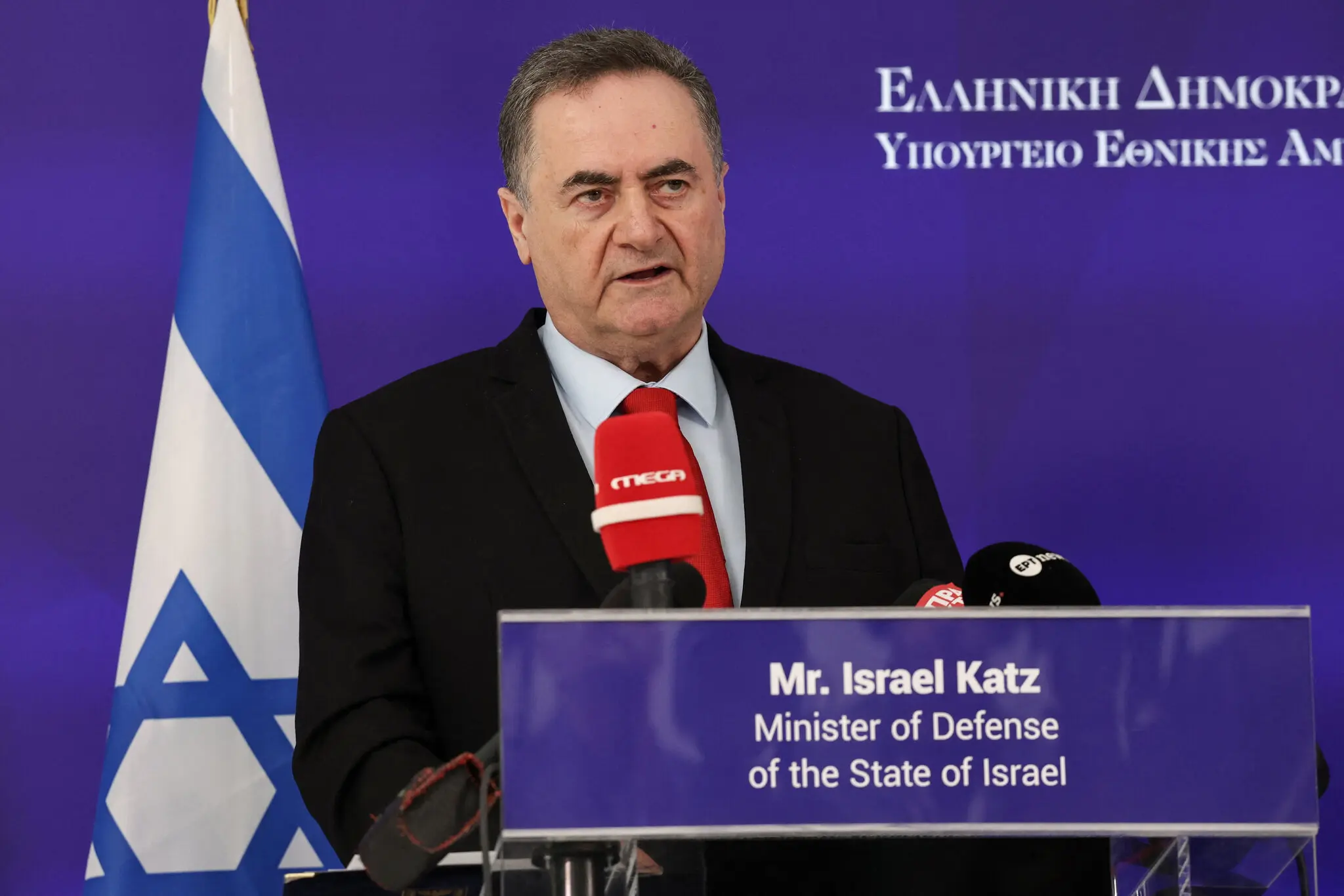 Міністр оборони Ізраїлю Ізраїль Кац відвідав Грецію в січні — Луїза Гуліамакі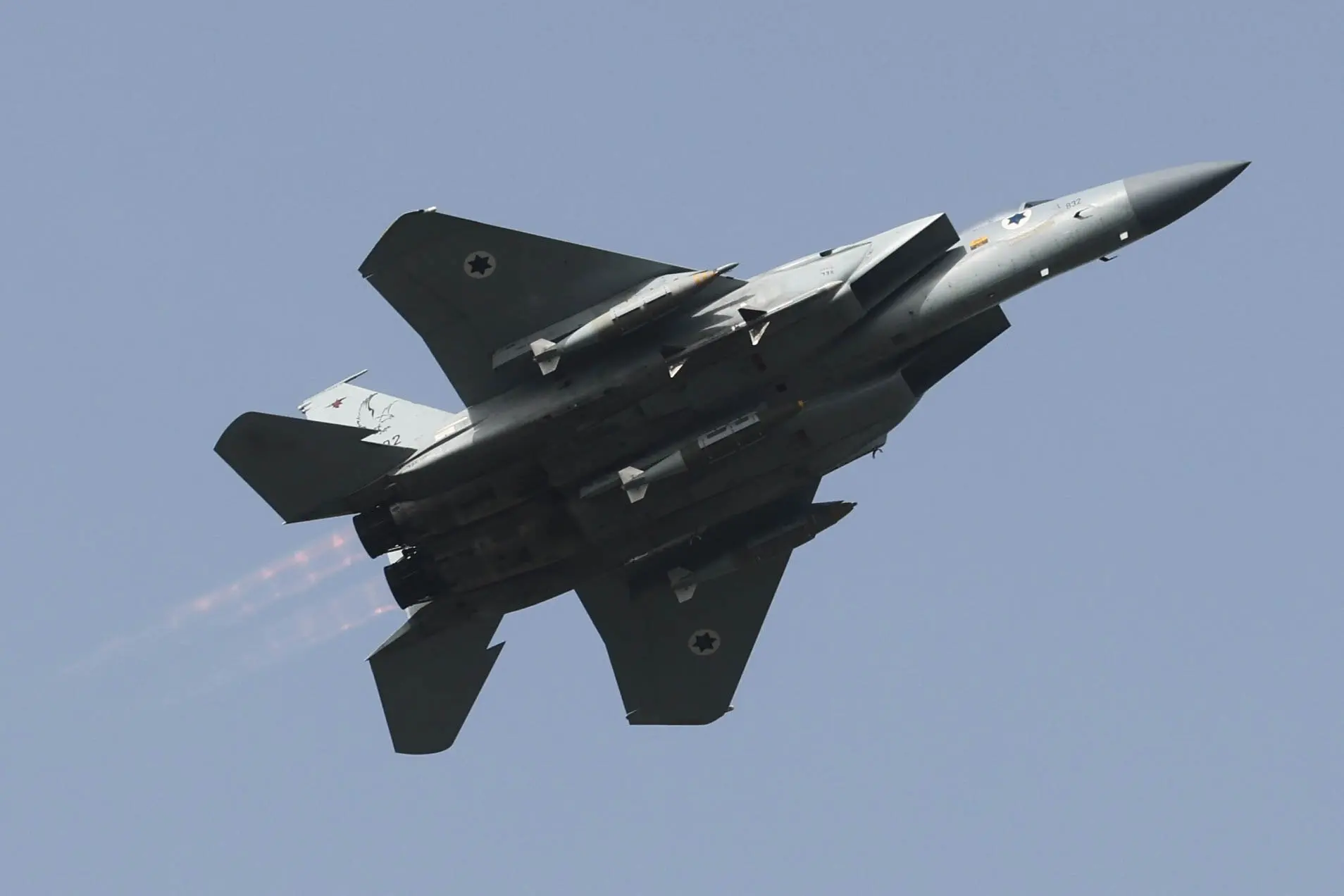

 Ізраїльські військові заявили, що протягом ночі завдали ударів по низці цілей "Хезболли" по всьому Лівану — Agence France-Presse — Getty Images
 Ізраїльські військові оголосили шосте попередження про ракети — Авішаг Шаар-Яшув
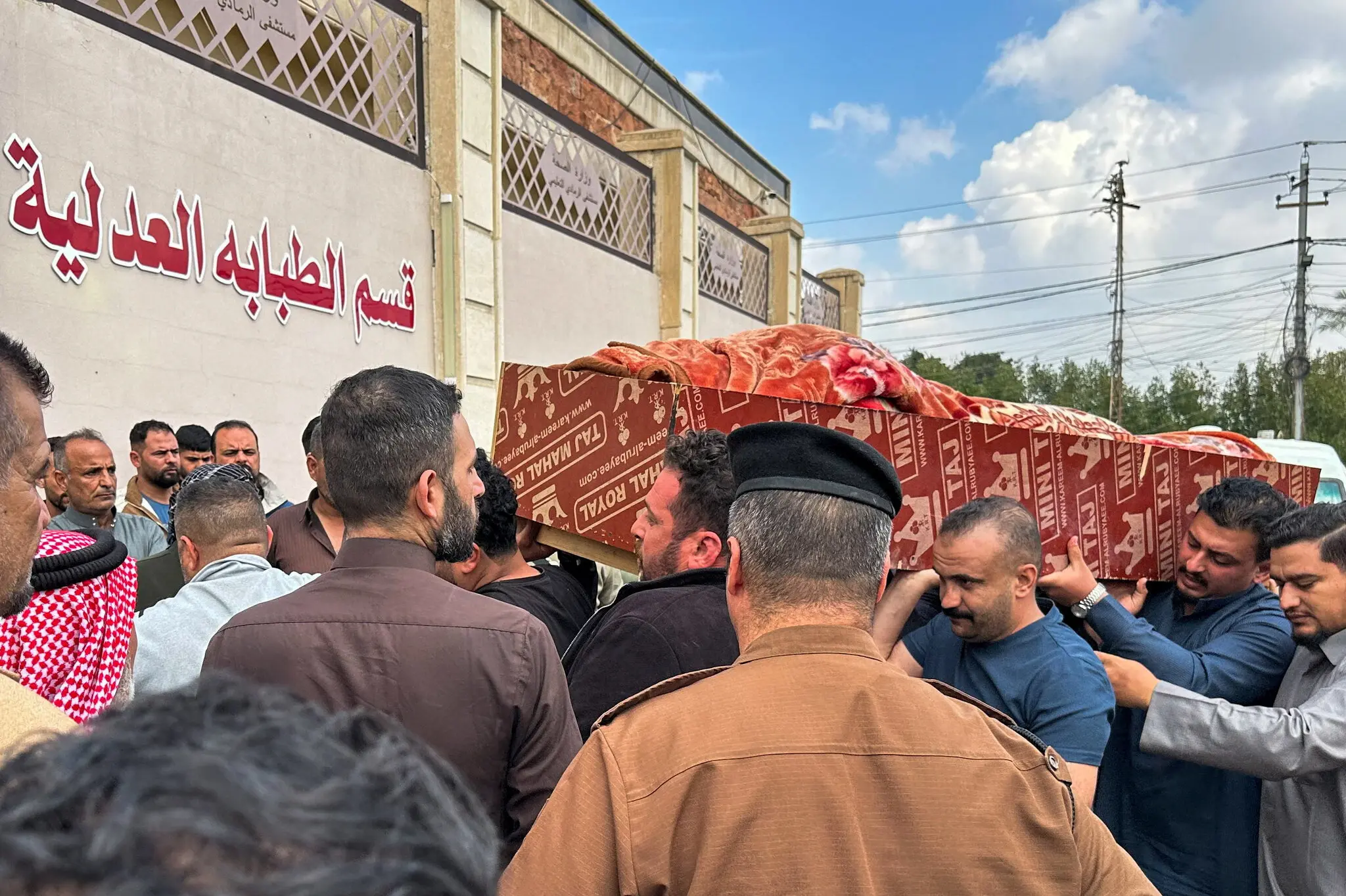 Це був другий смертельний удар за два дні по військовій інфраструктурі на заході Іраку — Осама Аль-Дулаймі
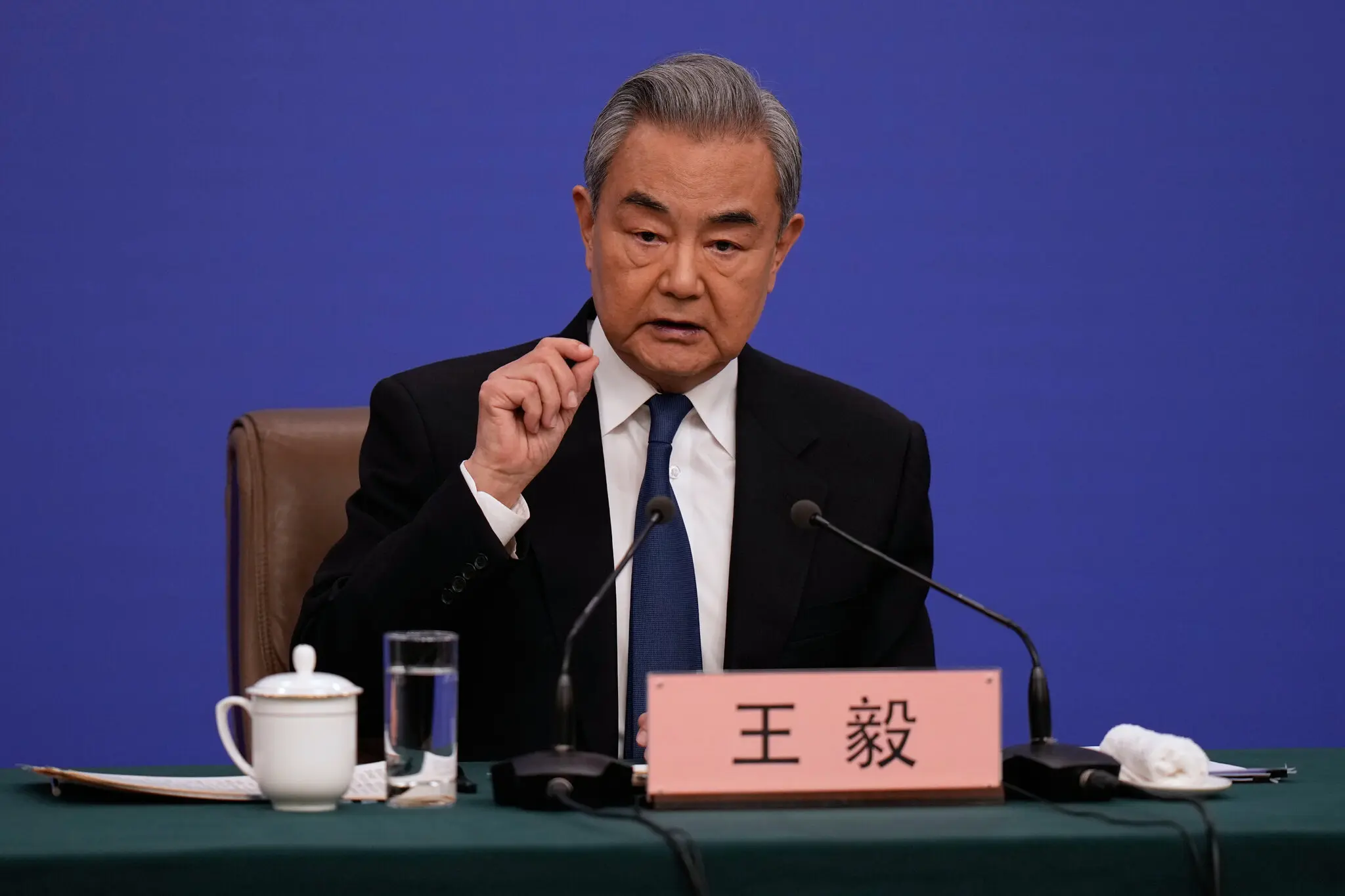 Згідно з повідомленням МЗС Китаю — Енді Вонг