




















Russian occupation logistics in Ukraine are losing the rear’s most important advantage: distance. What was recently treated as relatively safe space for moving fuel, ammunition and equipment is increasingly becoming an area under Ukrainian fire control.
President Volodymyr Zelensky said Ukrainian forces can now strike Russian military logistics across almost the entire depth of the temporarily occupied territories. In practical terms, he said, there are almost no safe roads left for Russian troops in Ukraine’s south and east.
That statement matters not only as a military assessment. It describes a change in the geography of the war. Ukraine is trying to strike not only the front line, but the system that allows the front line to function: supply routes, depots, fuel flows, crossings, air-defense nodes and repair bases.
According to Daycom’s earlier analysis, logistics has become one of the central weak points of Russia’s 2026 campaign. Moscow still has the advantage of mass, but mass needs movement. If fuel, shells and reserves do not arrive on time, that advantage begins to lose tempo.
A strike on a single road rarely changes the front line by itself. But strikes on a network of roads, depots and fuel flows change the rhythm of war. Convoys take longer to move, routes become more predictable, repair crews operate under threat, and commanders are forced to plan not only offensives, but the survival of their logistics.
The most sensitive consequence has been the fuel crisis in occupied Crimea. Restrictions on gasoline sales appeared on the peninsula after a series of Ukrainian strikes complicated supply across the south and southeast of the occupied territories. For civilians, that means queues and limits. For the military, it signals the loss of rear stability.
Crimea remains not only a symbol in this war, but also a major military-logistics hub. Supply routes, aviation infrastructure, depots, repair facilities and command elements all run through or depend on it. When fuel becomes scarce there, pressure has reached the nervous center of Russia’s system in the south.
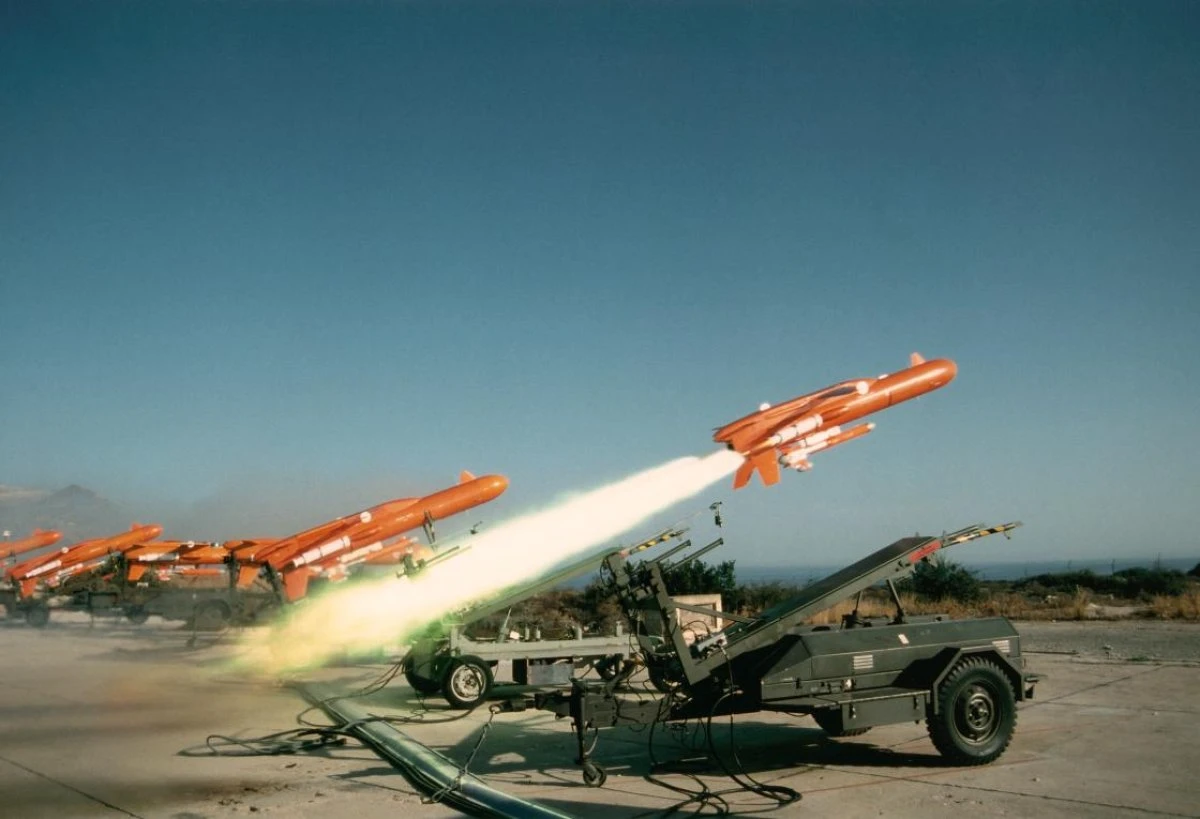
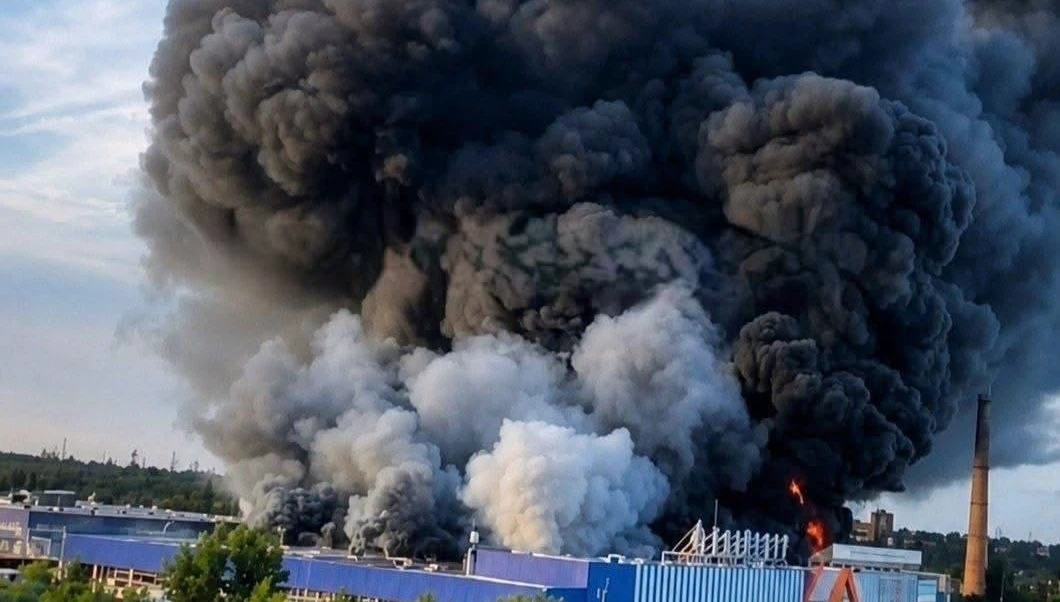
Ukraine’s strategy increasingly relies on a combination of mid-range and long-range strikes. In occupied territory, the targets are roads, bases, depots and routes. Deeper inside Russia, they are oil refineries, fuel depots and energy infrastructure that feed the war with resources.
Zelensky said Ukrainian forces struck 15 Russian oil refineries between January and May. That is not merely a statistic about range. It is an attempt to hit the fuel production chain before it becomes a tanker car, a military convoy or an aircraft sortie.
This kind of campaign does not produce an instant victory effect. It works through accumulated disruption. One refinery reduces part of the processing flow. One depot removes a reserve. One damaged bridge forces a detour. One strike on air defense opens a path for the next wave of drones.
For Russia, this is especially painful because of the length of the war. An army advancing by mass requires constant delivery: fuel, ammunition, spare parts, personnel, evacuation vehicles and engineering equipment. If every kilometer of rear movement becomes a risk, the offensive becomes more expensive even before it reaches Ukrainian defenses.
That is why the phrase about “almost no safe roads” has a wider meaning. It does not mean Russian logistics has stopped completely. The system is large, distributed and capable of adaptation. But it can no longer operate as a calm rear where distance and weather were the main problems.
Now those problems are joined by Ukrainian drones, intelligence, long-range weapons, strikes on air defense and the recurring risk of fuel losses. Russia can change routes, disperse depots, camouflage convoys and strengthen security. But every such decision consumes time, personnel and equipment.
In a war of attrition, precisely those costs matter. Victory does not always begin with a single breakthrough. Sometimes it begins when the enemy must spend more and more resources on simple tasks: delivering fuel, moving shells, protecting a depot, replacing a locomotive, restoring a substation.
Ukraine’s campaign against logistics is also changing the psychology of occupation. For Russian forces in the south and east, simply being in the rear no longer guarantees safety. A field base, a road between towns, a fuel station, a repair point or a depot can become a target just as much as a position on the front line.
This undermines one of the foundations of Russian command: confidence in depth. Moscow is used to fighting with large spaces, long supply chains and the ability to move resources where needed. Ukraine is trying to turn those chains from an advantage into a weakness.
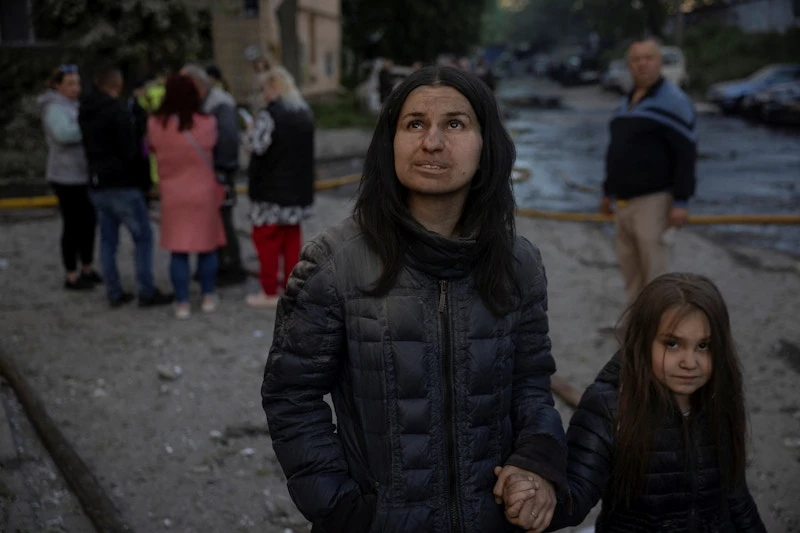
The risks for Kyiv are clear. Russia is responding with mass strikes on Ukrainian cities, defense industry, energy infrastructure and railway logistics. The more painful Ukrainian attacks on Russia’s rear become, the more Moscow tries to transfer the cost of war onto Ukrainian civilian life.
That is why this campaign requires not only drones, but systemic defense. Ukraine must strike Russian routes while also protecting its own cities, factories, railway network and energy system. Without air defense, interceptors, repair reserves and industrial flexibility, long-range strikes will not become a stable advantage.
The main effect is already visible: the Russian rear is no longer rear in the old sense. Occupied territories are becoming a space of constant risk, and Crimea is turning from a symbol of Russian strength into a vulnerable hub where fuel shortages expose the limits of occupation logistics.
In this war, the road has become as important as the trench. Whoever controls routes controls tempo. Ukraine does not need to destroy all Russian logistics to change the battlefield. It is enough to make it slower, more expensive and more dangerous. That is what is now happening in the south, the east and Crimea.