


















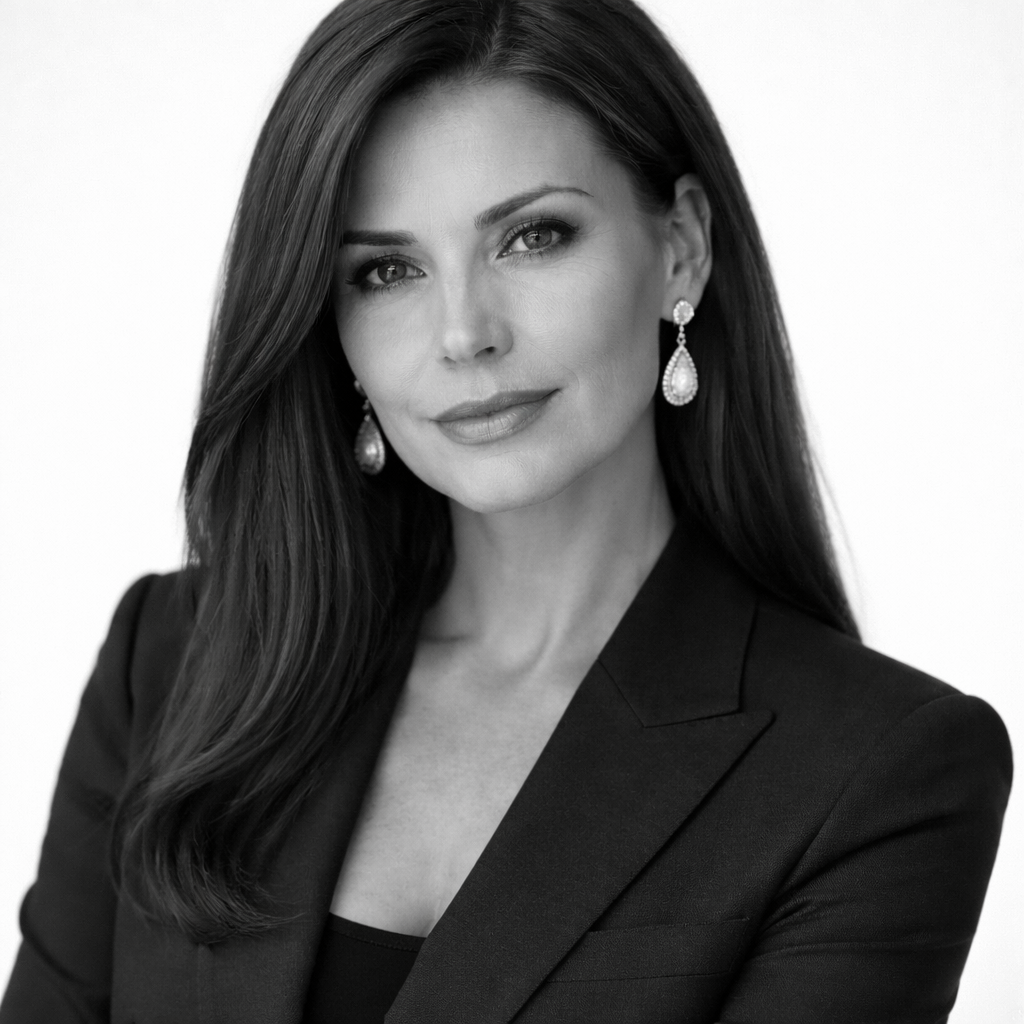
Spain has received one of the most painful and divisive cases since euthanasia became legal in 2021. The death of Noelia Castillo Ramos, a 25-year-old woman who had sought medically assisted death since 2024 and whose father fought to stop it through the courts, moved far beyond the boundaries of a private family tragedy. It became a national argument about autonomy, mental illness, chronic pain, family power and whether the state can compel a person to keep living against her clearly stated will.
Noelia’s case was never legally framed as a simple psychiatric request. According to reporting by AP and EFE, and to the judicial record in Catalonia, she had long lived with severe psychiatric illness and later with paraplegia and chronic pain after a suicide attempt in 2022 that followed a sexual assault. What made her eligible under Spain’s system was not one diagnosis in isolation, but the finding that her suffering was serious, chronic, disabling and without a realistic prospect of improvement.
That distinction matters because it cuts through one of the most common distortions in the debate. Opponents of assisted dying tried to present Noelia’s death as proof that Spain had opened the door too widely. The structure of Spanish law suggests the opposite. Organic Law 3/2021, in force since June 25, 2021, created what the Ministry of Health describes as an individual right within the public health system, but one surrounded by multiple safeguards, repeated requests, medical assessments and review by an independent guarantee and evaluation commission.
In Daycom’s reading, that is where Noelia’s case became bigger than euthanasia itself. Once a patient has been found to meet the legal and medical requirements, the conflict is no longer only moral. It becomes a struggle over authority. Who ultimately controls the end of a life lived in unbearable suffering: the person, the family or the state? In Noelia’s case, the courts were effectively asked whether a father’s refusal could outweigh an adult daughter’s sustained and medically validated decision.
The legal path shows just how hard that decision was to execute even after approval. Catalonia’s review body authorized her request in 2024, but her father, represented by the conservative Catholic group Abogados Cristianos, challenged the decision through multiple levels of the Spanish court system. The High Court of Justice of Catalonia upheld the euthanasia decision while also recognizing the father’s right to be heard in the proceedings, and later appeals failed as the case moved upward. In the end, even the European Court of Human Rights declined to halt the procedure.
The result was a process so extended that the right itself began to look fragile. El País reported that 601 days passed between Noelia’s first request and the final procedure. That number now matters as much as any abstract principle. It suggests that a right can exist in constitutional language and still become a prolonged ordeal in practice if every stage of review, appeal and public mobilization is allowed to turn the patient into the object of a political campaign.
Spain’s official data make clear that this is not a system of automatic approvals. The 2024 annual report of the Ministry of Health says that from the law’s entry into force through December 31, 2024, Spain recorded 2,432 requests for assistance in dying. In 2024 alone, there were 929 completed processes: 426 ended in the provision being carried out, 141 ended in denial, 54 were revoked by the applicants themselves and 308 ended because the person died before the process concluded. Since the law took effect, 1,123 assisted-dying procedures had been carried out by the end of 2024.
Those figures also dismantle another lazy assumption: that assisted dying in Spain is primarily a route used by young psychiatric patients. The ministry’s report shows that in 2024, three quarters of those who received assistance in dying were over 60, and the most common underlying conditions were neurological diseases and cancer. Noelia’s case stood out precisely because it was unusual: she was young, publicly visible and located at the difficult intersection of physical injury, psychiatric suffering and fierce family opposition.
That is why her case became so useful to ideological campaigns. After her death, Abogados Cristianos renewed its argument that Spain’s assisted-dying law must eventually be reversed. But the weakness in that position is hard to ignore. It speaks the language of protection while shifting the center of decision-making away from the patient and toward those who claim to know better. In practice, that means replacing the will of the suffering person with the moral certainty of relatives, activists or politicians.
Spain’s Constitutional Court had already drawn a different line. In 2023, it upheld the constitutionality of the euthanasia law and said the Constitution protects a right of self-determination that allows a person to decide, freely, consciously and in an informed way, the manner and moment of death in medically verified situations of terminal illness or gravely disabling conditions. That did not settle every ethical question, but it did settle a legal one: the protection of life does not automatically erase personal autonomy where severe suffering has been medically established.
Noelia’s case also exposed a deeper European fault line in the debate over dignified death. The real dispute is no longer the old and blunt one between “pro-life” and “pro-death.” The harder question is whether a state can genuinely offer a person adequate psychiatric care, pain management, social support and dignity before that person asks to die — and whether, after all of that, the state is prepared to accept that the answer may still be no, that the person may still rationally and persistently choose an end over continued suffering.
That is why Noelia Castillo Ramos’s death changes the Spanish conversation. It shows that euthanasia is not only about medicine, not only about religion and not only about law. It is also about bodily sovereignty, the limits of family veto, the reach of the courts and the willingness of a democratic state to recognize that respect for life can, in some cases, include respect for a person’s decision to end it on her own terms.