





















The latest exchange of strikes between the United States and Iran has revealed the asymmetry of this war in its clearest form. Washington has more aircraft, ships, missiles and precision. Tehran has less room for direct retaliation, but it has another lever: the ability to turn the Strait of Hormuz into a source of global anxiety.
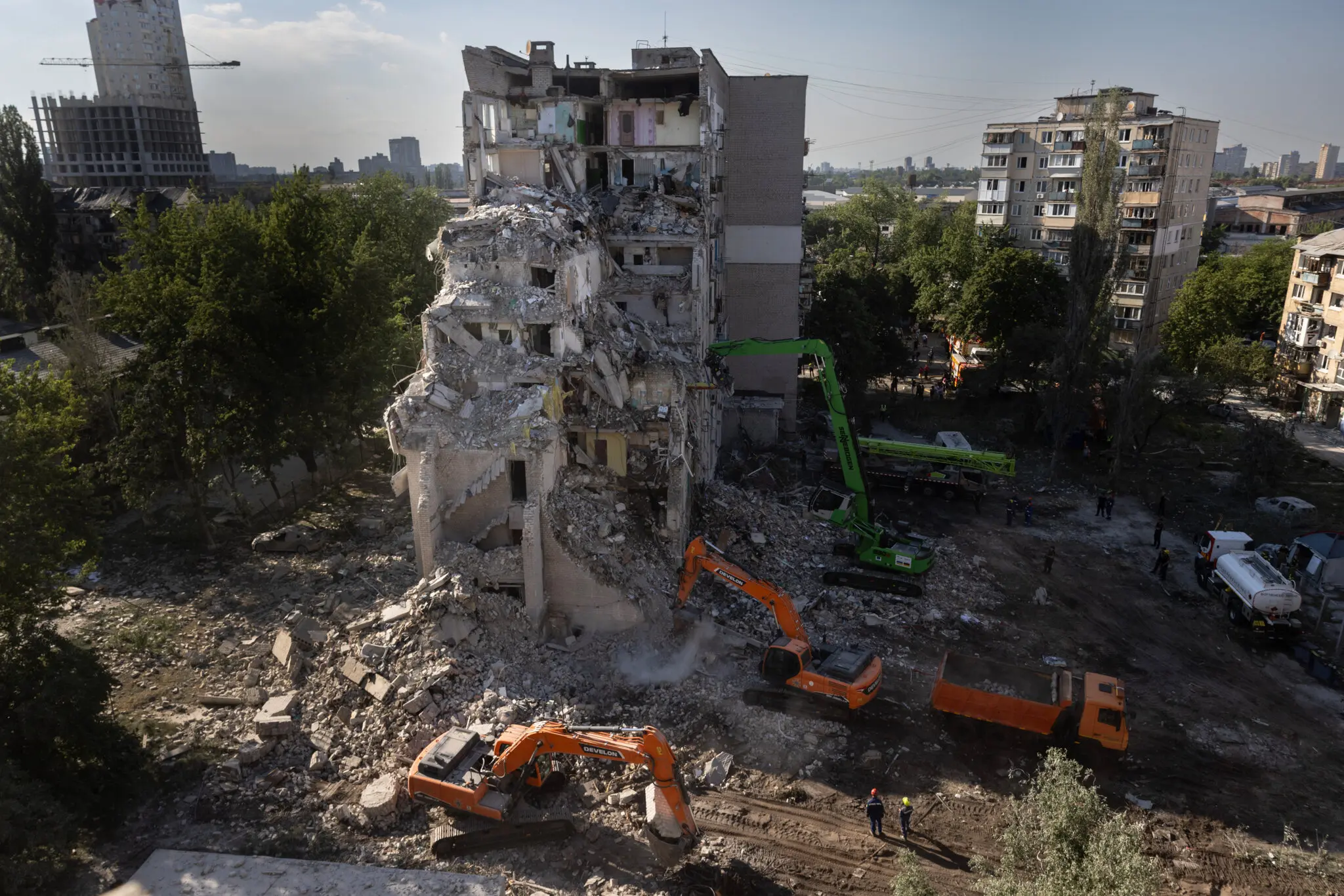
Over two days, American forces hit about 170 targets inside Iran. The strikes focused on military infrastructure in port cities and coastal areas, as well as sites linked to missiles, drones, radars, depots and logistics. This was not a symbolic gesture. It was a demonstration of systemic superiority.
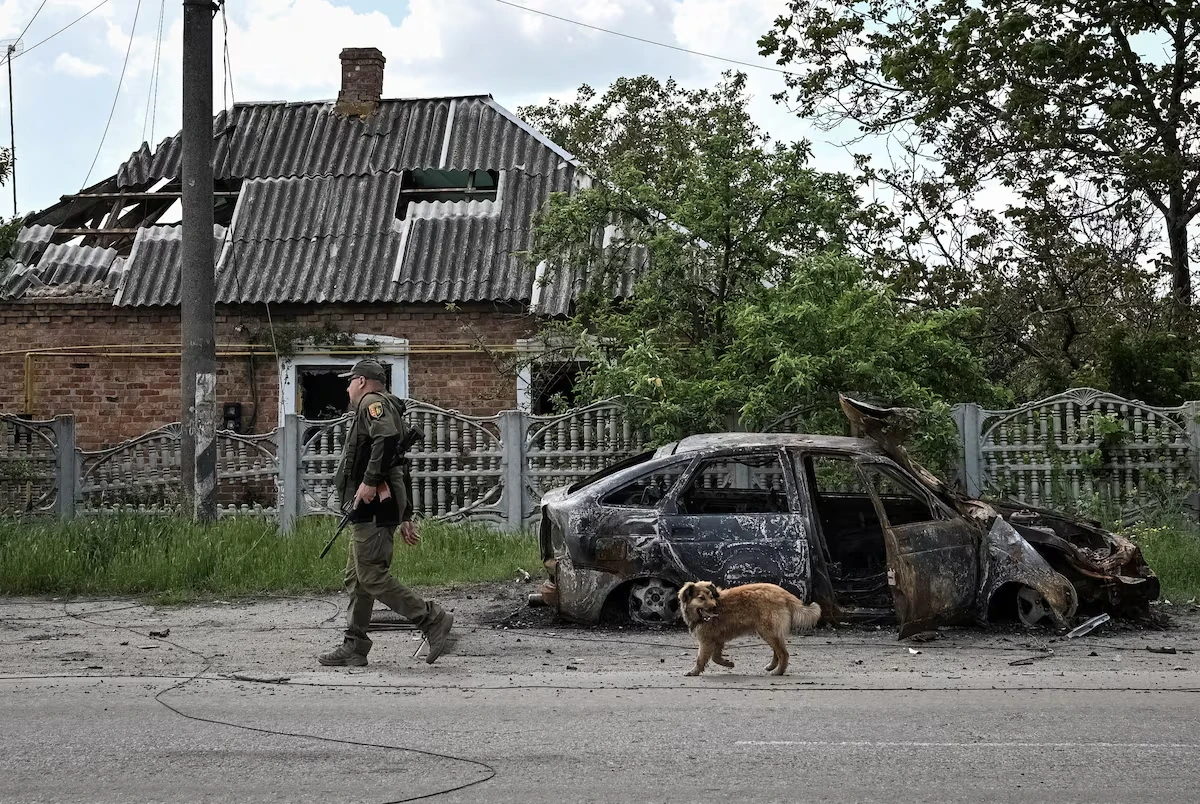
Iran’s response looked far more limited. Its missiles and drones were aimed at American military facilities in several Middle Eastern countries, but most were intercepted by air defense systems. There were no reported deaths from those attacks, while Iran said the American strikes had killed 14 people and injured 78.
According to Daycom’s earlier analysis, this imbalance is precisely what makes the conflict so dangerous. The United States surpasses Iran in direct military power, but Tehran is trying to move the battlefield to places where even a limited attack can create a disproportionate political and economic effect. A strike on a base can be intercepted. Fear of paralysis along a maritime route is much harder to stop.
The American strategy of recent days has a clear logic: destroy or weaken the infrastructure Iran can use to threaten commercial shipping in the Strait of Hormuz. This is not only about launchers or depots. It is about the entire coastal system of surveillance, targeting, support and rapid response that allows Tehran to put pressure on tankers and gas carriers.
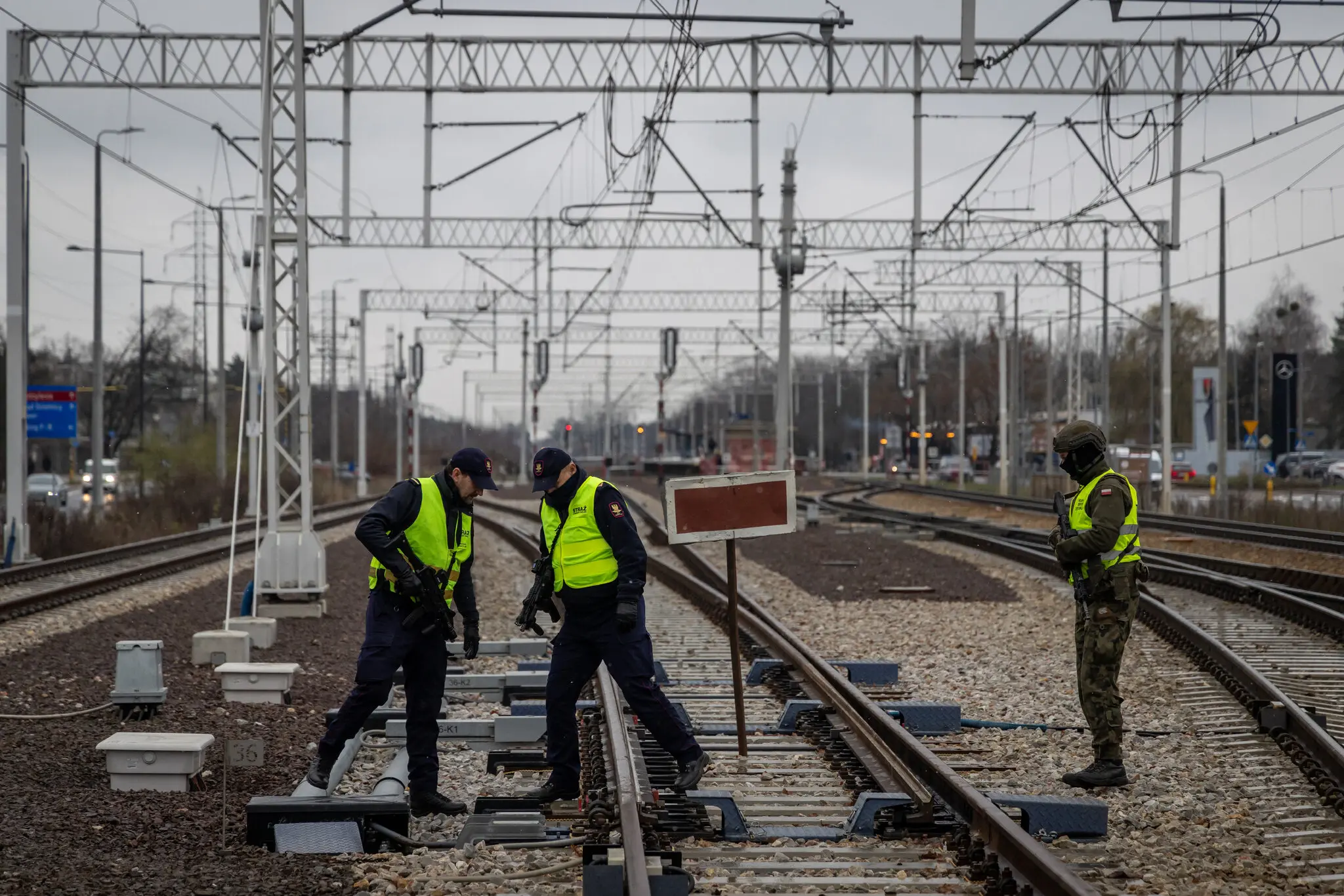
That explains the geography of the strikes. Port and coastal areas, strategic transport nodes and sites that could support Islamic Revolutionary Guards Corps operations came under fire. There were also reports of damage to a railway bridge near Agh Qala and a strike on the line connecting Tehran with Mashhad.
Such strikes have a double effect. They reduce Iran’s operational capacity along the coast, but also deepen the sense of vulnerability inside the country. When war reaches not only military bases but transport infrastructure, it becomes visible to society in a much broader way. For Iran’s leadership, this is a question not only of security, but of political endurance.
Tehran answered where it could create regional resonance. Jordan said it had intercepted eight Iranian missiles in its airspace. The stated target was Muwaffaq Salti Air Base, a Jordanian facility also used by U.S. forces. Amman reported no material damage, but the interception itself showed that the risk zone had moved beyond the Persian Gulf.
In Kuwait, defense systems intercepted ballistic missiles, a cruise missile and drones. Falling debris injured one person and caused material damage. For a country that has long cultivated the image of a stable and protected oil hub, even a limited attack carries significance beyond the physical destruction.
Bahrain also reported intercepting missiles and drones. For Manama, this is especially sensitive because the country remains one of the key points of American military presence in the region. Iran’s message was aimed not only at the United States, but also at Washington’s partners: hosting American forces can turn allied territory into part of the front.
Qatar found itself in an even more complicated role. It is an important mediator in contacts between the United States and Iran, yet Tehran also claimed attacks involving Qatar. Doha did not confirm any strikes, but it did issue a public security alert. Even without destruction, such an episode undermines Qatar’s central advantage: its ability to remain a diplomatic venue during a regional crisis.
This is where the central paradox of the war becomes visible. Iran cannot compete with the United States in the scale of airstrikes, but it can force neighboring states, markets and shipping companies to reckon with its capacity to disrupt normal life. For Gulf countries that have spent decades presenting themselves as safe spaces for capital, tourism, energy and diplomacy, that is a serious reputational blow.
The physical damage from Iranian missiles and drones in this round was limited. But the psychological and strategic effect is much broader. When sirens sound in Kuwait or Bahrain, or Jordanian airspace turns into an interception zone, investors, airlines, insurers and energy traders do not see only a single incident. They see a new map of risk.
For the United States, this creates a difficult dilemma. Every successful strike on Iranian infrastructure demonstrates American superiority, but every new wave of strikes gives Iran a reason to widen the geography of its response. Washington can destroy launch sites, depots and radars, but it cannot fully remove Tehran’s political motivation to show that it can impose pain on the region.
Iran faces an equally hard dilemma. A limited response can look weak after large-scale American strikes. An excessive response could trigger an even larger U.S. campaign and deepen destruction inside the country. Tehran is therefore choosing an intermediate tactic: attack widely, but not always effectively; threaten many targets, while leaving itself room to retreat.
The Strait of Hormuz remains the main compensator for this imbalance. Through it, Iran can affect the global economy without having to win a conventional military campaign. Even partial disruption of shipping, fear of attacks on tankers, higher insurance costs and altered routes can create an effect that dozens of intercepted drones cannot.
Gulf states are already being forced to rethink their own security. Their air defense systems are functioning, but the very fact of repeated interceptions means that regional stability has become conditional. Protection is no longer measured only by the number of American bases or advanced defense systems. It also depends on whether the region can avoid becoming a space of constant missile alerts.
This war increasingly resembles something more complex than a linear confrontation between two states. It is becoming a multilayered conflict in which military strikes, energy flows, maritime logistics, the reputation of financial centers and Iran’s internal politics are joined into one system. In such a system, victory in a single round does not guarantee strategic advantage.
The United States is currently landing most of the blows and holds an obvious firepower advantage. But Iran is trying to prove that the weaker side can still dictate the price of conflict if it strikes not at the enemy’s strength, but at its dependencies. The Strait of Hormuz, bases in Gulf countries and the nervous reaction of markets have become Tehran’s way of answering military inequality.
The greatest risk is that both sides may believe their current tactics are controlled. The United States may think so because its strikes are more precise and larger in scale. Iran may think so because its responses have not yet caused major losses among American forces or allies. But these calculations are often the first to collapse when a missile gets through air defenses, debris falls in the wrong place or fear in the markets begins to live a life of its own.
The conflict has already moved beyond the question of who has landed more strikes. Washington is winning this round in military statistics, but Tehran is trying to move the war into a field where statistics are not decisive. There, the count includes not only destroyed targets, but broken confidence, more expensive oil, nervous Gulf capitals and the feeling that the world’s most important strait may again become hostage to someone else’s war.