






















The war in Ukraine is entering a phase in which advantage no longer comes only from a missile, a drone or an artillery system. It comes from the ability to see the battlefield faster, connect fragmented signals and turn them into decisions. Artificial intelligence is moving from a supporting tool to the nervous system of the front.
Ukraine already uses AI to operate drones, analyze strikes, plan combat missions, process large volumes of battlefield data and strengthen systems against electronic warfare. This is not a futuristic concept. It is a practical response to a war in which speed has become a form of survival.
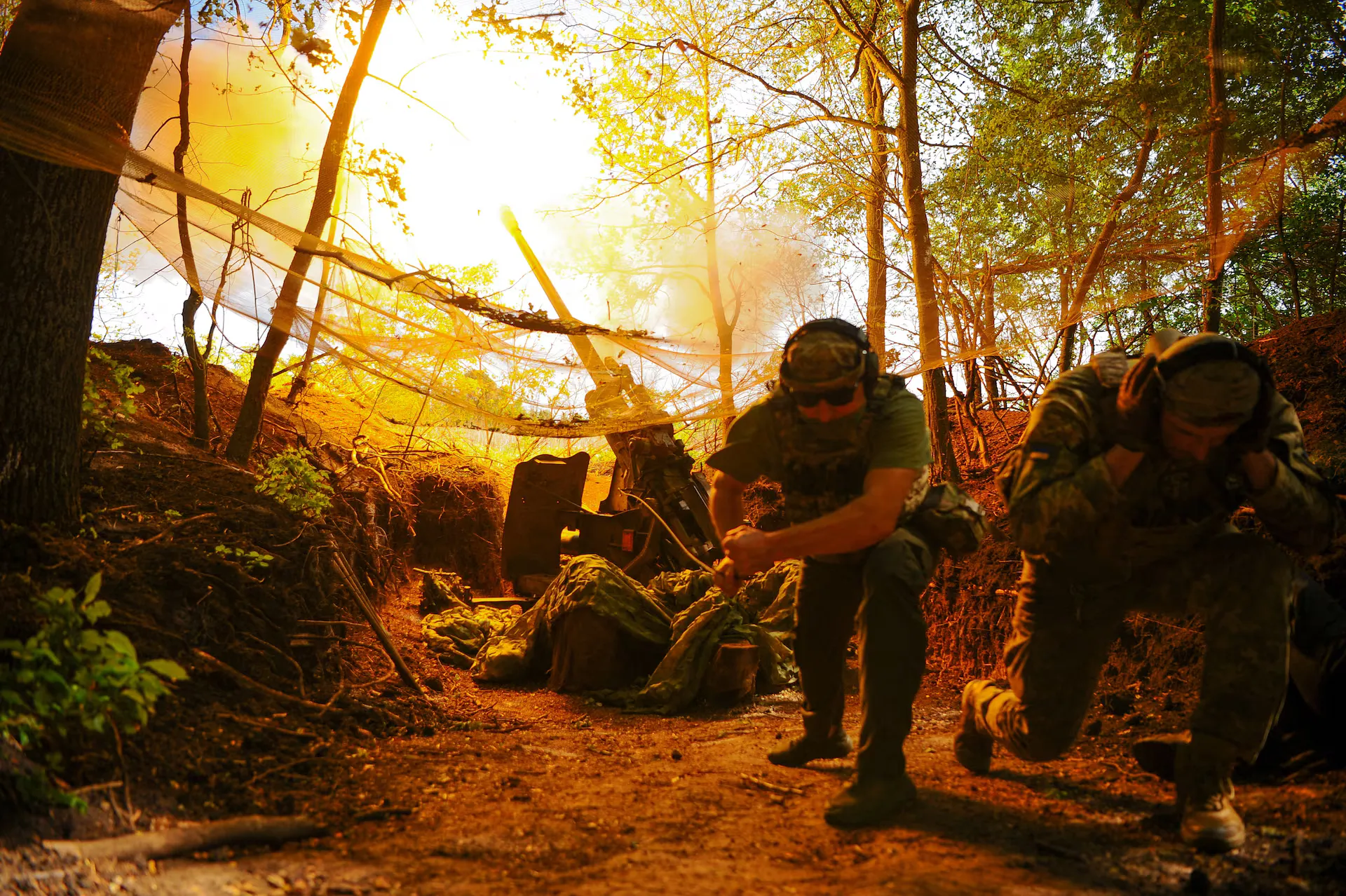
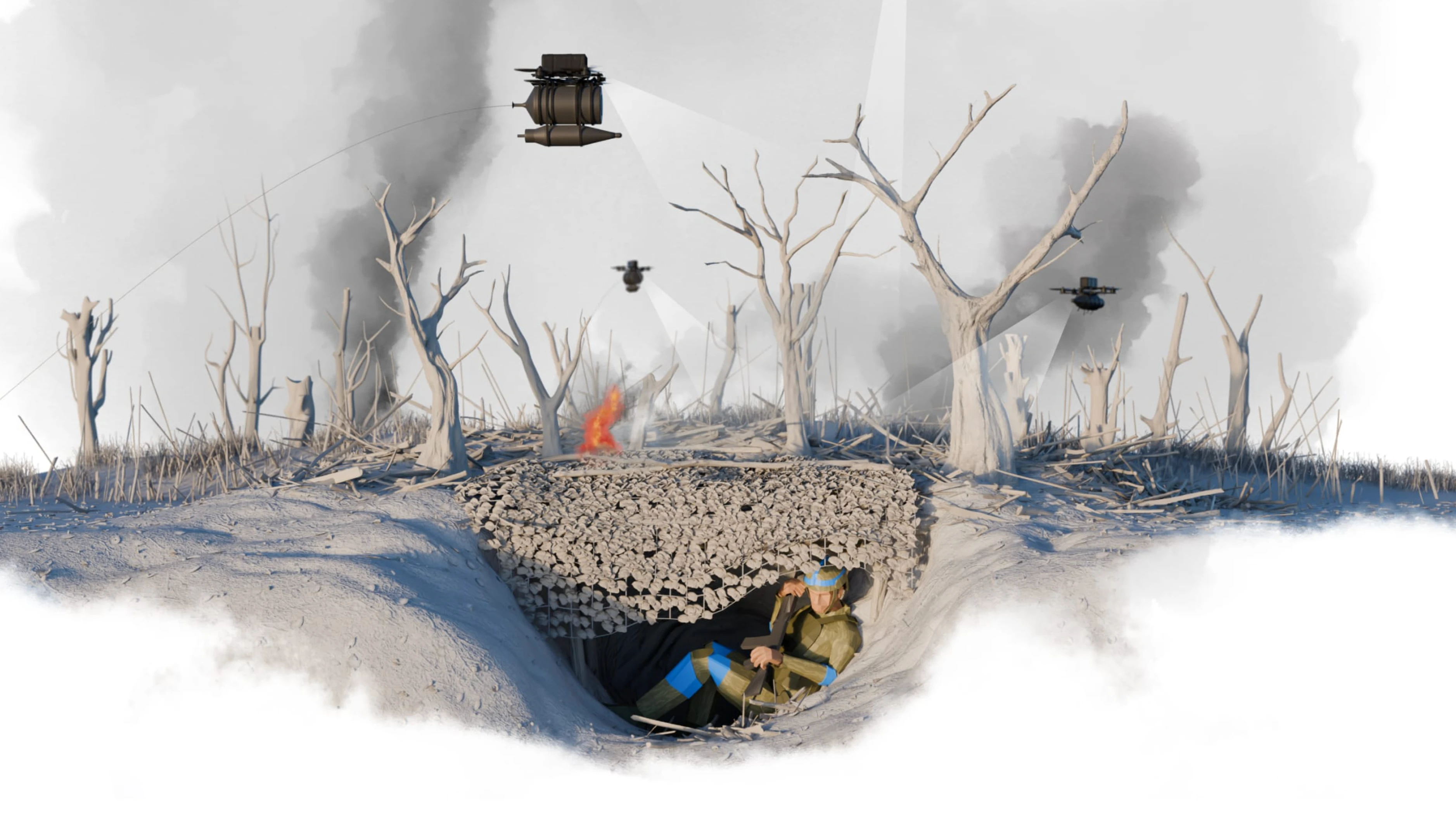
After years of Russia’s full-scale invasion, the front has become a space of continuous observation. Thousands of drones search for targets, correct fire, attack logistics and pressure rear routes every day. The human eye can no longer process that volume of information alone.
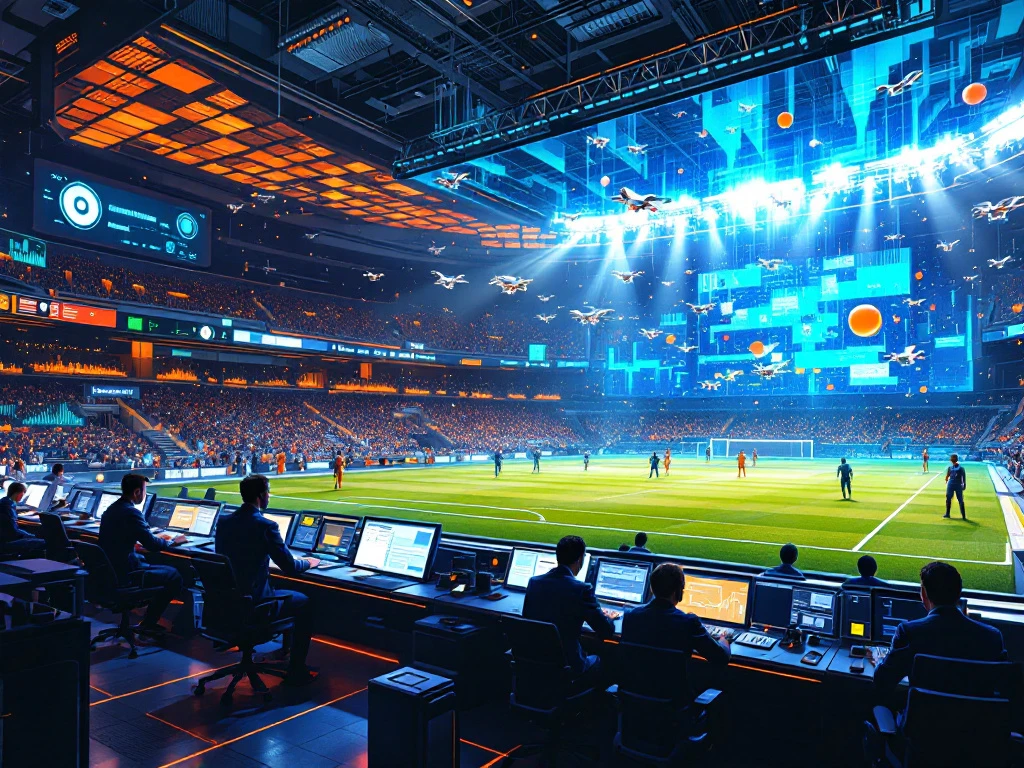
According to Daycom’s earlier analysis, the key shift is that the drone war is becoming a data war. The winner is not simply the side with more sensors, but the side that can more quickly fuse video, coordinates, intercepts, satellite imagery, unit reports and forecasts into a single picture of battle.
This is the logic behind Ukraine’s new defense AI infrastructure, created to accelerate the integration of artificial intelligence into military processes and shorten the distance between combat experience and technological solutions. Its purpose is not a laboratory demonstration, but the practical embedding of AI into war.
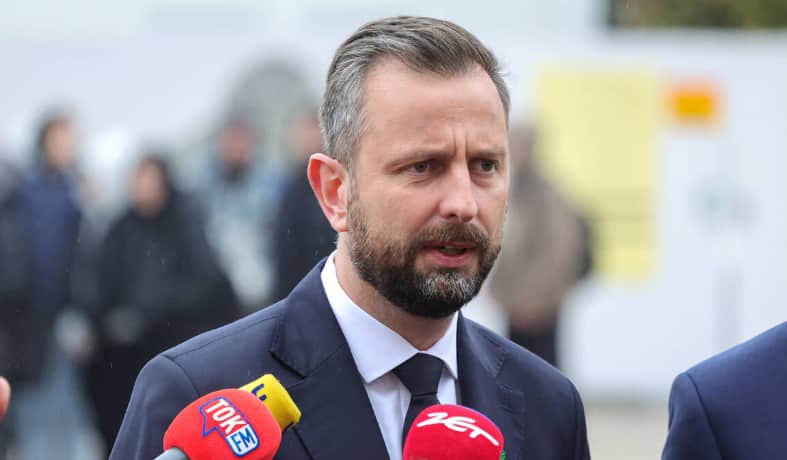
Danylo Tsvok, who leads this direction inside Ukraine’s Defense Ministry, describes the next stage as the move toward a single digital organism. In such a model, drones, ground robots, information systems, analytics and command levels would no longer work in parallel, but as one coordinated network.
That would change the architecture of command itself. A commander would receive not a chaotic stream of reports, but options prepared by a system that sees more than any individual headquarters or unit. The algorithm would not replace human will, but it would sharply compress the time between detecting a target and deciding what to do.
In military terms, this means accelerating the kill chain: finding a target, identifying it, assigning priority, transmitting coordinates, choosing a weapon, striking and assessing the result. On Ukraine’s front, drones have already shortened that chain. Artificial intelligence could shorten it further.
That is why the forecast of a “war of operating systems” is not just a metaphor. It describes a new balance of power. If the conflict continues for several more years, advantage will increasingly depend on whose system has better data, understands it more clearly and proposes decisions more quickly.
Ukraine’s edge in this area comes from a severe resource: real combat. Data gathered under active frontline conditions becomes material for training models, testing algorithms and building systems that must operate not in ideal settings, but under jamming, fatigue, losses and constant enemy adaptation.
This turns Ukraine into one of the most important testing grounds for defense technology in the world. For foreign companies, the Ukrainian front is a place where military innovation faces reality rather than presentation slides: communications are jammed, targets move, operators make mistakes, and the enemy learns and responds.
But the technological race has a darker side. The faster the system works, the sharper the question of human control becomes. Ukraine maintains the principle that a person remains inside the loop of combat decision-making. Yet the logic of speed itself gradually narrows the space for hesitation.
This is one of the central dilemmas of future warfare: if an autonomous system sees a threat faster than a human can assess it, could human control become a formality? The answer will define not only military effectiveness, but the boundaries of responsibility in algorithmic war.
Russia is moving in the same direction. Its advantages in manpower, resources and production scale force Ukraine to search for an asymmetric response: precision instead of mass, speed instead of inertia, autonomous systems instead of dangerous manual operations. For Kyiv, AI is not a fashionable field. It is a tool of compensation.
Ground robotic systems, intelligent drones, missile-attack analysis, automated target selection, digital logistics and Defense Ministry personnel systems are all parts of the same process. Ukraine’s defense sector is trying to move from a collection of heroic improvisations to a managed technological ecosystem.
The main vulnerability of such an ecosystem is not only physical, but informational. Data quality, cybersecurity, protected channels, resistance to disinformation and false classification become as important as armor or strike range. An algorithmic mistake in war has a cost measured in blood.
At the same time, Ukraine cannot step away from this race. The enemy is learning, scaling production, searching for its own models of strike automation and trying to reduce the time needed to plan attacks. In such a war, a slow army becomes predictable, and predictability becomes vulnerability.
The new paradigm does not erase the soldier. It changes the environment in which the soldier fights. The human being remains the bearer of responsibility, intuition and the political meaning of war, but will increasingly act alongside systems that see the front differently: colder, wider, faster.
For Ukraine, this transformation is a matter of survival. For the world, it is a warning. Future wars may begin not with the side that has accumulated more tanks, but with the side that has first gathered the data, trained the models, linked the sensors and taught command to trust the machine without surrendering to it the moral right to wage war.