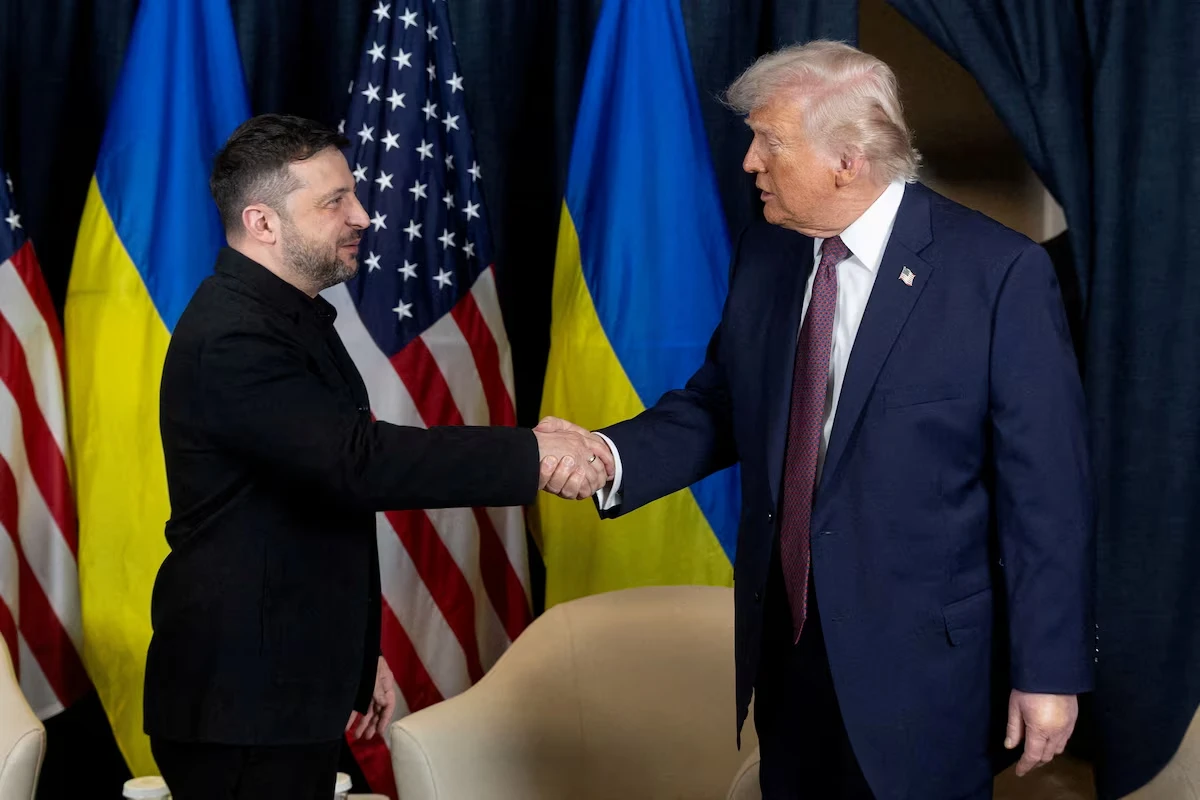




















Donald Trump entered a new round of Ukraine diplomacy as a president eager to demonstrate movement. His nearly 90-minute call with Vladimir Putin, followed by a separate conversation with Volodymyr Zelenskyy, did not amount to a breakthrough. It signaled something more tentative: Washington is again trying to assemble a political formula for ending the war.
The timing was deliberate. The conversations came ahead of a NATO summit in Turkey, where Ukraine will once again test not only Allied unity but the direction of U.S. strategy. Kyiv is not looking for mediation alone. It is looking for leverage strong enough to alter Moscow’s calculation.
According to Daycom’s earlier analysis, this is the central trap of the moment. Trump speaks the language of a deal, Putin the language of locking in the gains of invasion, and Zelenskyy the language of guarantees without which any document may become only a pause before the next attack.
The Kremlin presented the call as business-like and constructive, immediately tying it to Moscow’s familiar demand that any settlement reflect Russia’s “fundamental approach.” Behind that diplomatic phrase stands an unchanged claim to control over Donbas and an attempt to convert military occupation into political bargaining power.
Zelenskyy, after his call with Trump, said there was a real prospect of ending the war and that American resolve would be crucial. The wording matters. Kyiv is not rejecting diplomacy, but it insists that peace cannot be built on Ukrainian weakness.
For Ukraine, negotiations make sense only when backed by the front line, air defense, sanctions, long-range capability and security guarantees. Kyiv has already seen how agreements without enforcement mechanisms can become paper that Moscow reads as breathing space.
Putin, by contrast, is trying to frame the war as a steady Russian advance. In that version, the battlefield is meant to persuade the West that continued support for Ukraine is futile. That is why Russian rhetoric speaks so often of Kyiv’s exhaustion and so rarely of the war’s real cost to Russia itself.
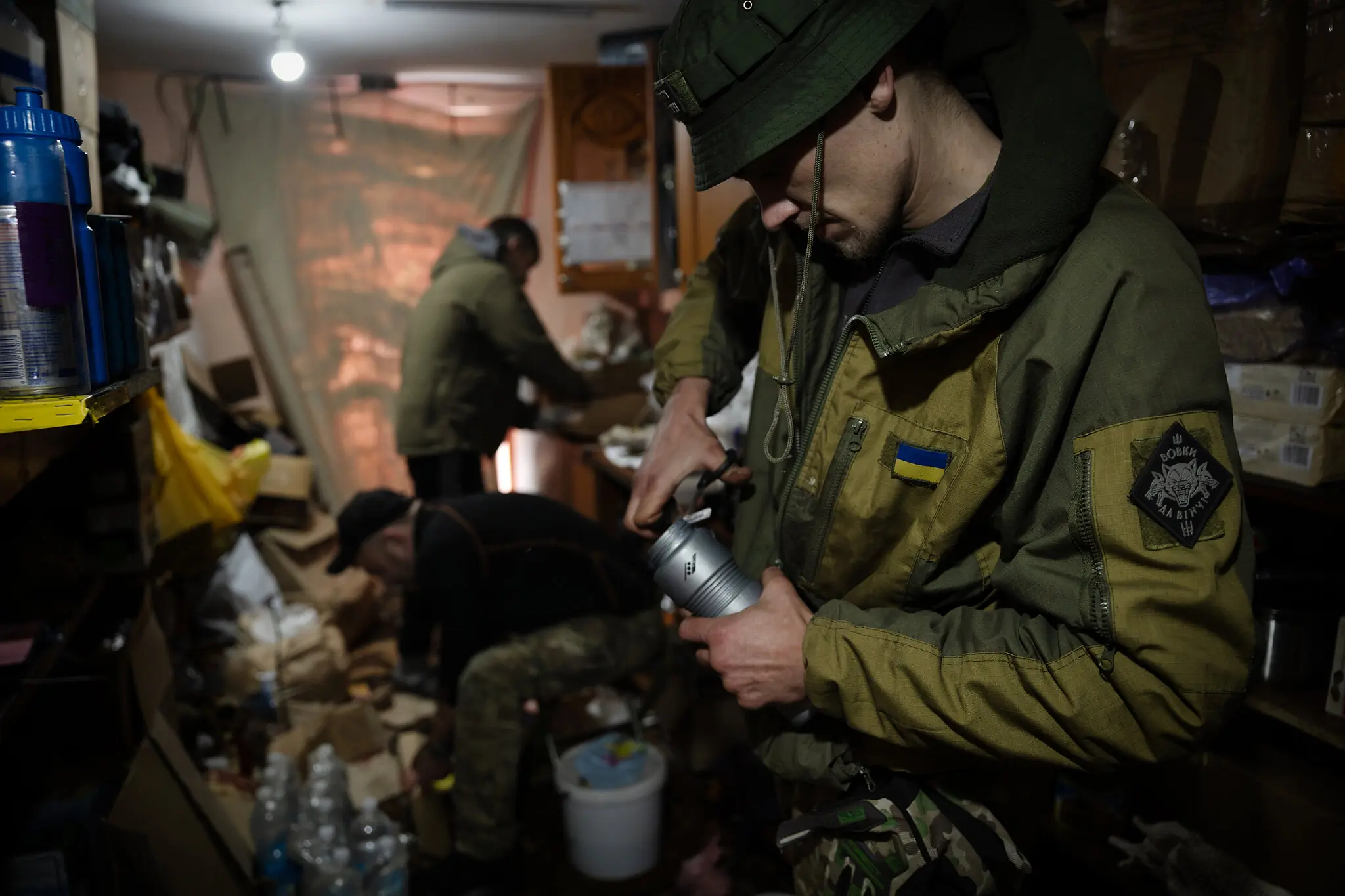
The dispute over Kostiantynivka became a concentrated example of this struggle over the political image of the war. Moscow claimed the city had been captured; Kyiv rejected that assertion and said Ukrainian forces remained in control. For future talks, such details matter. Every town becomes an argument at a table that does not yet exist.
America’s role in this structure remains ambiguous. On one hand, Trump may be able to increase pressure on both sides and return negotiations to the center of the global agenda. On the other, the speed he traditionally values may collide with the nature of this war, where a hurried deal could freeze injustice rather than end it.
Washington is relying on envoys Steve Witkoff and Jared Kushner to continue mediation efforts and, if necessary, travel again to Moscow. But the existence of a channel is not the same as the existence of a compromise. A channel can transmit positions; it cannot by itself close the gulf between them.
For Russia, the most advantageous formula would be a ceasefire that fixes its control over occupied territories while pushing questions of accountability, reparations and security guarantees into the future. For Ukraine, such a model would not be a peace agreement. It would be the legalization of force as a tool for changing borders.
That is why the NATO summit in Turkey is becoming more than a venue for another statement of support. It must show whether the allies can produce a common answer to the central question: how to make Russia choose negotiations not as a tactical pause, but as a way out of the war.
In this sense, Trump’s telephone diplomacy is important but insufficient. It can create movement, draw attention and revive contacts. Yet the substance of any future agreement will depend not on the length of the calls, but on whether Moscow sees a higher price in continuing the war than in accepting a just settlement.
Kyiv is now trying to hold a narrow line: not to appear as the side blocking peace, while also refusing to let peace be replaced by a pause that looks like capitulation. That is why Zelenskyy speaks of a path toward ending the war but links it to American resolve, not merely American mediation.
Trump has a chance to become the architect of a new diplomatic phase. But that phase can succeed only if the White House recognizes the basic reality: the war in Ukraine is not a conflict between two equally distant claims. It is a war in which Russia seeks a reward for aggression, while Ukraine seeks guarantees that aggression will not return.
The current conversations therefore matter not as a ready-made plan, but as a test of intent. If they are followed by pressure on Moscow, stronger Ukrainian defenses and a clear NATO position, diplomacy may gain a chance. If the goal is only the quick image of a deal, the peace process risks becoming another front — a political one, where Ukraine is pushed to pay for someone else’s war with its own territory.