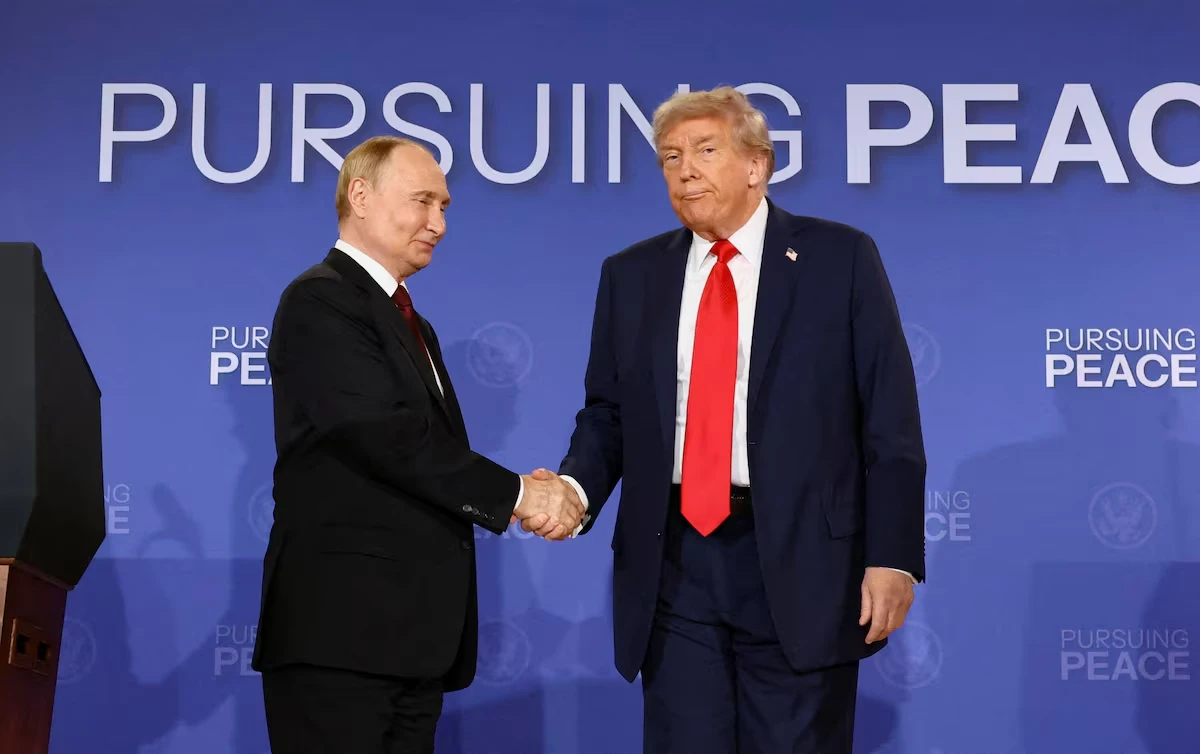






















On the evening of July 4, Volodymyr Zelenskyy spoke with Donald Trump not only as the leader of an allied country. He was appealing to the political center without which no formula for ending Russia’s war against Ukraine can carry enough weight. That is why the key word after the call was not “mediation,” but “resolve.”
This distinction matters. Kyiv is not asking Washington simply to bring the sides to the negotiating table. Ukraine needs American power strong enough to convince Moscow that continuing the war will cost more than moving toward a real settlement. Without that, any peace initiative risks becoming a polished phrase against the backdrop of a 1,200-kilometer front line.
Zelenskyy described the call with Trump as very good. It covered the battlefield, diplomacy, gratitude for assistance, the legacy of Javelins and Patriot systems, and an agreement to continue the discussion at the NATO summit in Ankara. Together, these elements formed a single message: Kyiv wants peace, but not peace purchased through Ukrainian weakness.
According to Daycom’s analysis, the conversation brought a simple and hard formula back to the center of Ukrainian diplomacy: a war ends not when the desire to speak about peace appears, but when the aggressor loses faith in the benefits of further aggression. That is precisely where the U.S. role remains decisive.
For Trump, Ukraine offers a chance to show results where earlier peace efforts became trapped between Kremlin demands, Kyiv’s distrust and European caution. Yet the speed he has long valued could become a weakness if the White House confuses ending the war with merely freezing it.
Zelenskyy speaks of a “real prospect” of ending the war, but that prospect does not exist apart from weapons, air defense, sanctions, defense funding and NATO’s political unity. For Ukraine, diplomacy makes sense only when it is backed by the ability to protect cities, hold the front and prevent Russia from dictating terms from a position of force.
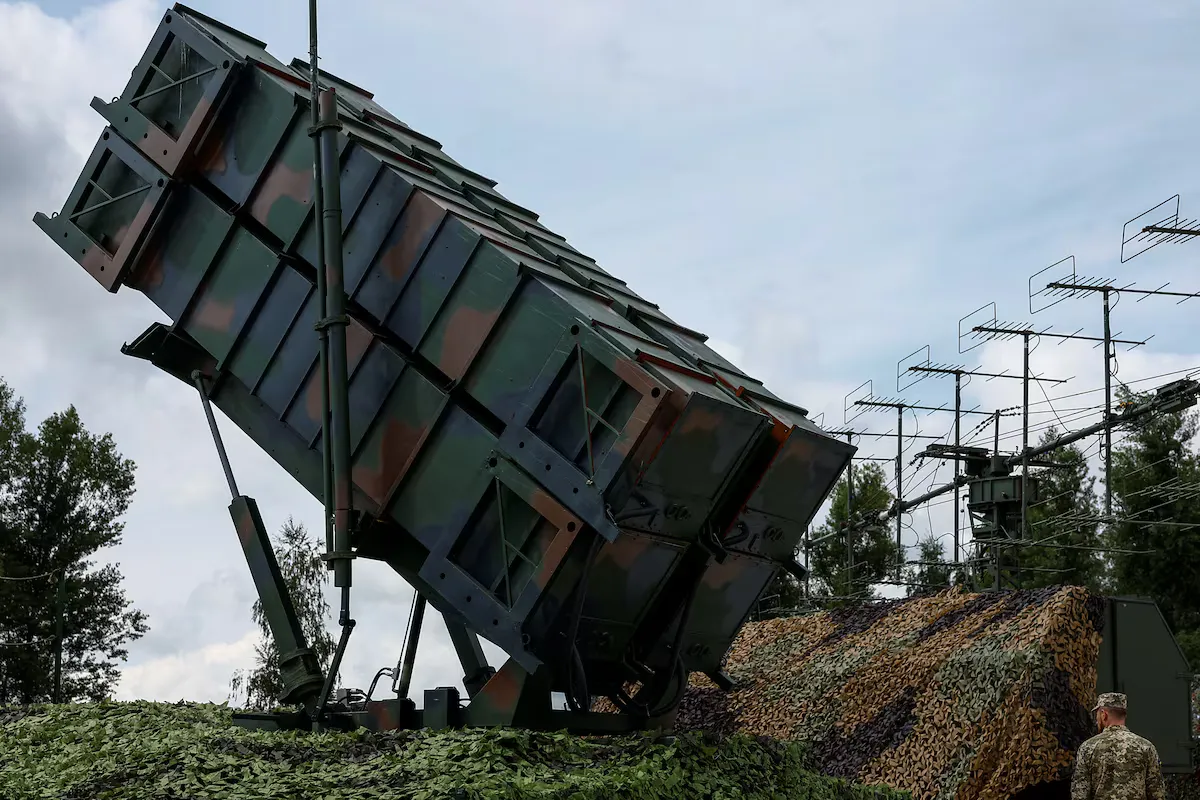
American assistance over the years of full-scale war has become part of Ukraine’s military architecture. Javelins in the first months of the invasion, Patriot systems during waves of missile terror, and political support in Congress and the White House have shaped not only Ukraine’s defense capacity, but also the sense that the country has not been left alone against Russia’s war machine.
That is why Zelenskyy’s gratitude to Americans on U.S. Independence Day was not protocol courtesy. It sounded like a political reminder: Ukraine’s struggle belongs to a wider space of freedom, where American historical memory has practical rather than ceremonial meaning. The freedom celebrated on July 4 is tested in Ukraine every day by missiles, drones and artillery.
The symbolic scene in Kyiv sharpened that message. The Motherland Monument, lit in the colors of the American flag, became not a decoration but a language of wartime diplomacy. Ukraine expressed gratitude, while also reminding its partners that support must continue because the price of a pause is measured not in approval ratings, but in lives.
In this context, the coming NATO summit in Ankara carries particular weight. For Zelenskyy, it may become the venue where a phone call turns into concrete decisions. For Trump, it will test whether he can connect his promise of quick peace with the reality of a war in which Russia has shown no readiness to abandon its imperial logic.
Kyiv will continue to insist that negotiations are possible, but not at the expense of Ukraine’s territorial integrity. A ceasefire that merely fixes occupation does not solve the problem; it postpones it until the next strike. Peace without security guarantees, accountability and the restoration of justice would not be the end of the war, but its new form.
Moscow benefits from a different scenario: exhausting the West, pushing Ukraine to accept “realities on the ground” and turning occupied territories into bargaining assets. That is why Ukrainian diplomacy keeps returning to the language of strength — not as an alternative to peace, but as its condition.
In this structure, Trump can become not merely a mediator, but a political lever. His influence matters not because he can settle the war alone with the Kremlin, but because the United States can change the balance of expectations. Moscow is counting not only missiles and shells, but also Washington’s political endurance.
Zelenskyy understands this, which is why his tone is precise. He does not issue an ultimatum to America, reject diplomacy or frame the war as hopeless. On the contrary, he speaks of a chance. But that chance is tied to American resolve — to the ability to act consistently when the Kremlin tests the West for fatigue.
The call did not produce a peace plan. It created a framework in which such a plan may either gain substance or dissolve again into generalities. Ukraine signaled readiness for diplomacy, but also marked a red line: the path to peace cannot run through rewarding aggression.
The central question now is not whether Trump wants to end the war. It is what kind of peace he is prepared to treat as success. If it is a peace backed by Ukraine’s defense, pressure on Russia and NATO unity, diplomacy may have a chance. If the goal is only the quick political image of a deal, Ukraine will see not an end to the war, but a dangerous pause before its continuation.