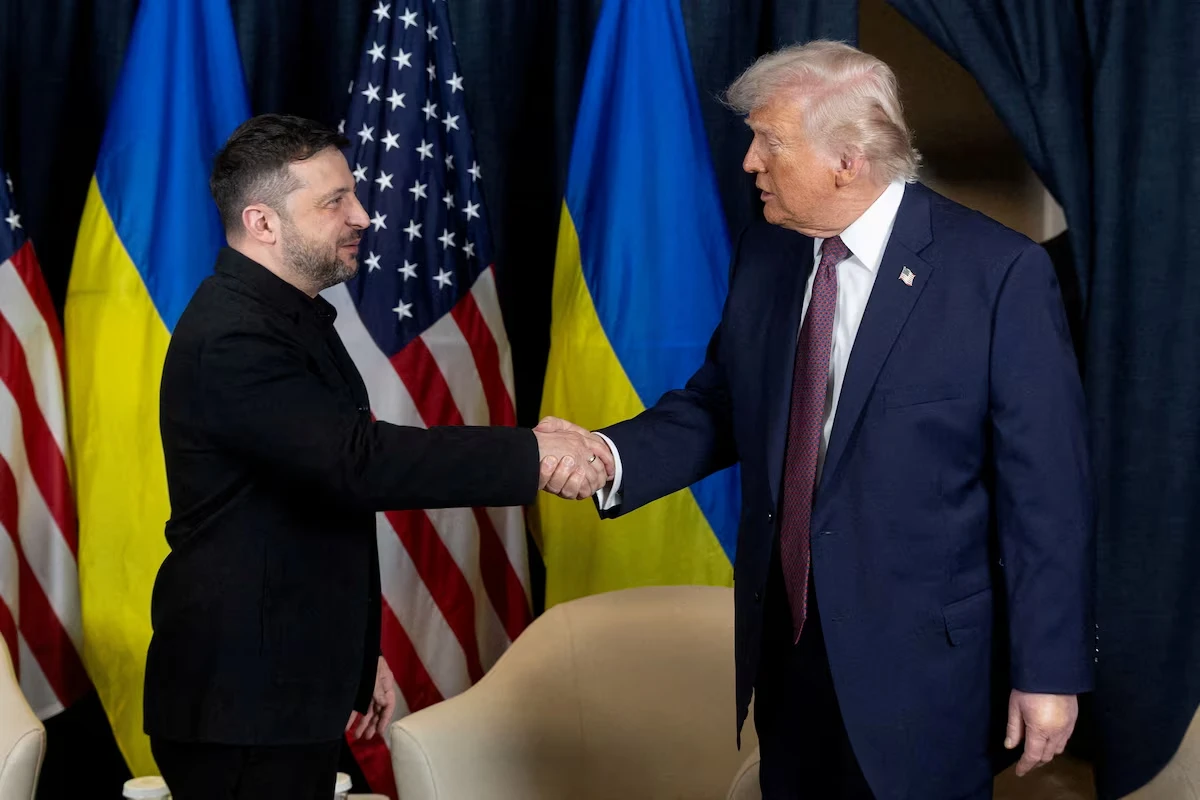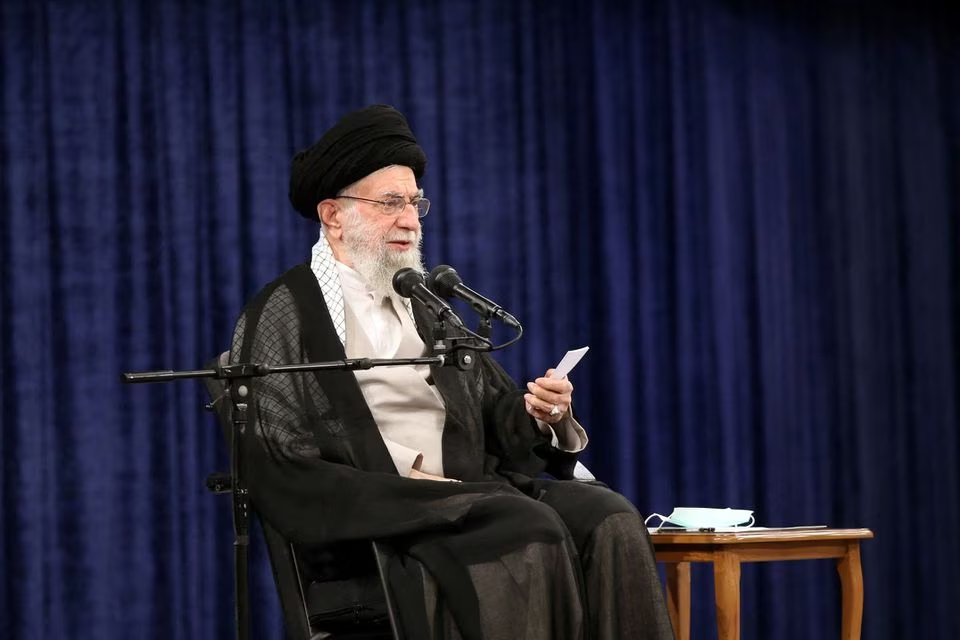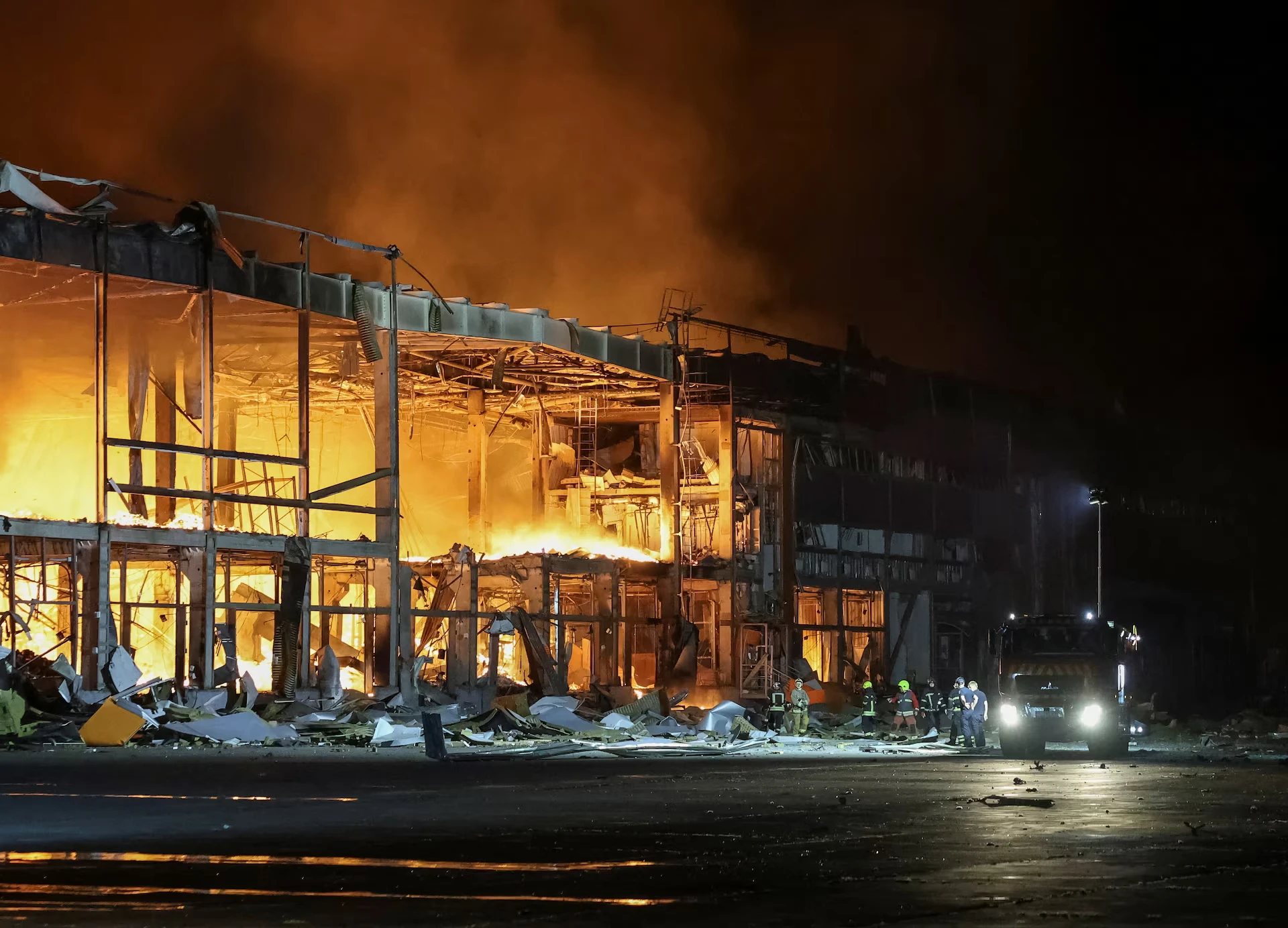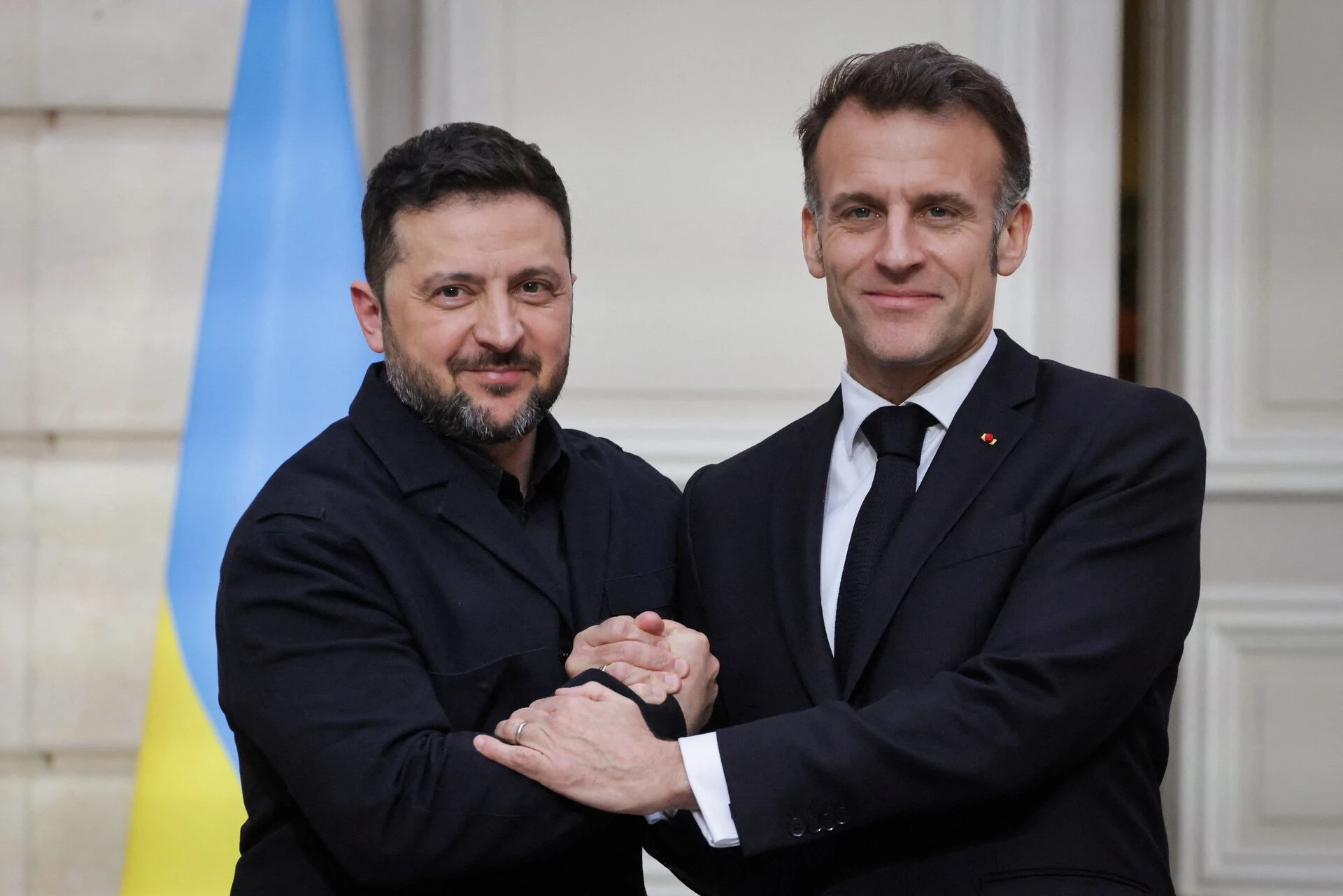





















Donald Trump canceled a planned series of large-scale strikes on Iran on Saturday, saying the sides were moving toward an agreement to reopen the Strait of Hormuz immediately. The decision marked the second time in two weeks that Washington had pulled back from the edge of a broader Middle East war.
Only a day earlier, the U.S. president had said Iran would be hit “very hard.” American bombers and fighter aircraft were being moved into the region, while critical infrastructure, including energy facilities, was considered among the possible targets. Within hours, the rhetoric changed: instead of an attack, Trump announced that the “perimeters of a deal” were in place.
The difficulty is that the substance of any compromise remains unclear. Iran has not confirmed that it is prepared to loosen its grip on the Strait of Hormuz, and negotiations still appear to be taking place through intermediaries. Without verifiable commitments, the pause is a political decision rather than an end to the conflict.
As Daycom assesses it, the decisive change was not the emergence of a diplomatic breakthrough, but a clearer recognition of the cost of further war. The United States faced the prospect of attacks on its bases, depletion of interceptor stocks, new strikes on allies and deeper turmoil in energy markets. Under those conditions, diplomatic uncertainty became less dangerous than military certainty.
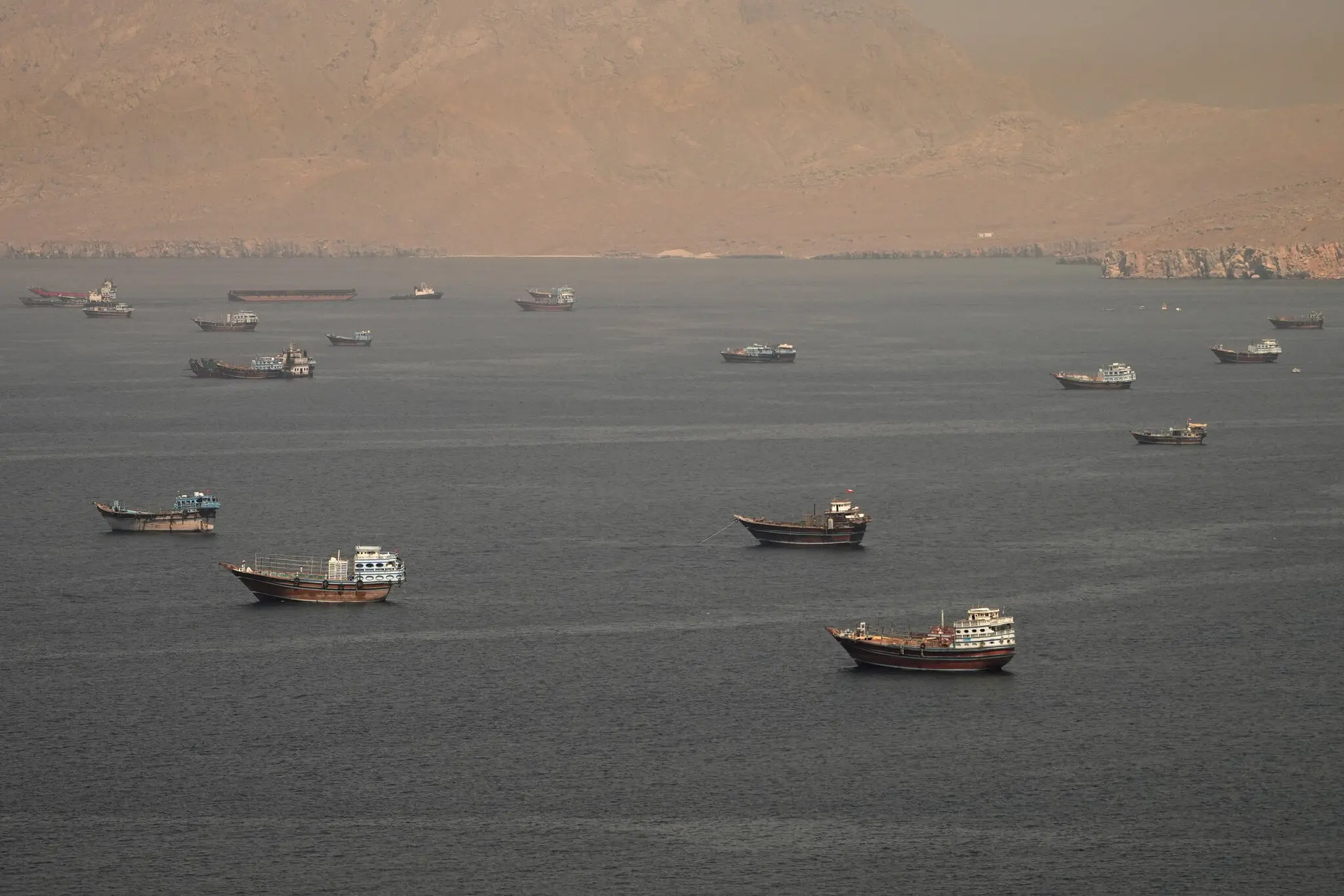
The Strait of Hormuz remains Tehran’s central source of leverage. A large share of the world’s oil and liquefied natural gas shipments passes through the narrow waterway. Reduced traffic has already pushed fuel prices higher, disrupted Gulf exports and increased volatility across global markets.
Iran uses the strait not only as a military chokepoint, but as a bargaining instrument. By restricting shipping, Tehran can shift part of the economic cost of the war onto Saudi Arabia, the United Arab Emirates, Europe, Asia and the United States itself.
That leaves Washington with a difficult choice. Military action could temporarily weaken Iran’s position around the strait, but it would not guarantee safe passage for commercial vessels. Strikes on energy or industrial sites, meanwhile, would almost certainly trigger retaliation against American bases and allied oil infrastructure.
The Gulf states have therefore become the strongest advocates of de-escalation. Saudi Crown Prince Mohammed bin Salman urged Trump to avoid a new attack and continue negotiations. Riyadh understands that a major U.S. assault could bring missile and drone strikes on Saudi energy facilities.
The Saudi position reflects a broader shift in the regional balance. Gulf monarchies remain close partners of the United States, but they are increasingly unwilling to endorse American military plans automatically. Their priority is not the maximum possible weakening of Iran, but keeping the conflict contained and protecting their own infrastructure.
In recent months, Riyadh has already restricted U.S. access to Saudi airspace and bases when it feared operations could spiral out of control. That caution does not amount to an alignment with Tehran. It reflects a refusal to remain the passive rear base of someone else’s war while absorbing the main retaliation.
Mediation is now centered increasingly on Qatar, Oman, Saudi Arabia and the United Arab Emirates. Their immediate goal is limited and practical: restore traffic through the Strait of Hormuz, reduce the intensity of attacks and create enough stability for renewed negotiations over Iran’s nuclear program.
Previous agreements, however, have proved fragile. A cease-fire reached in late June collapsed within weeks after Iran again restricted shipping. U.S. strikes on Iranian military targets near the strait also failed to force a retreat or guarantee safe passage for commercial vessels.
Trump is caught between two unattractive options. Further escalation could widen the war and inflict serious damage on the global economy. Pulling back without concrete Iranian concessions, on the other hand, reinforces the impression that Washington threatens more than it is prepared to deliver.
The movement from ultimatums to pauses has become a recurring feature of U.S. policy toward Iran. It can temporarily reduce tension, but it also weakens the credibility of the next threat. When every promised attack ends with an announcement of still-unformed diplomatic progress, Tehran has an incentive to test the limits of American resolve.
The United States also faces growing military constraints. A prolonged conflict requires large numbers of interceptor missiles to defend bases, ships and allies against Iranian drones and ballistic missiles. Rapid depletion of those stocks could leave American forces more exposed not only in the Middle East, but elsewhere.
Israel remains another major factor. It launched the campaign against Iran alongside the United States, but differences between Washington and Benjamin Netanyahu’s government have widened. Israel favors attacks on Iranian energy infrastructure, while the White House has become more wary of a strategy that could pull the region into an uncontrollable war.
For Trump, the pause offers an immediate advantage. It lowers the risk of a direct Iranian response, eases pressure on oil markets and shows a willingness to listen to Arab allies. But without a real reopening of the Strait of Hormuz, that advantage will disappear quickly.
The real test is not whether the strikes were canceled, but whether the behavior of the parties changes afterward. If shipping resumes and negotiations gain a clear agenda, Trump’s decision may mark the beginning of de-escalation. If Iran keeps the blockade in place, the pause will be only another stop before the next round of threats and attacks.
For now, the conflict has no winner. Military pressure has not forced Tehran to abandon its nuclear ambitions or its control over the strait, while diplomacy has not produced a durable security arrangement. The United States, Iran, Israel and the Gulf states remain locked in a system of mutual deterrence in which each can raise the cost of war, but none can end it on its own terms.
Calling off the strikes has delayed a major escalation, but it has not removed its causes. As long as the Strait of Hormuz remains restricted and the supposed agreement exists only in general language, the Middle East is not at peace. It is in a brief pause whose duration will be measured not by statements, but by the movement of the first tankers.