


















Two wars, different in scale, geography and moral nature, are increasingly forcing Washington and Moscow to confront the same question: how to leave a conflict after force has been used, but the political objective remains out of reach. Donald Trump tried to wind down the war against Iran quickly. Vladimir Putin, in his fifth year, has not wound down the war against Ukraine.
On the surface, the two conflicts are almost impossible to compare. Russia is waging a war of conquest against a neighboring democracy. The United States has carried out airstrikes against a Middle Eastern theocracy, trying to break its military and nuclear capabilities. Yet in both cases, the central limit has been the same: bombs do not automatically create a political settlement.
Trump began the war with Iran as a display of superiority and coercion, but quickly saw the cost of a prolonged conflict. Putin, by contrast, has turned prolongation into doctrine. One leader moves between strikes and cease-fires. The other clings to war as his main instrument of leverage, even as it drains his country, army and economy.
According to Daycom’s assessment, this contrast is the key to the current moment. Trump and Putin both wanted to use military power to change an adversary’s political behavior. But Trump sought a short coercive effect, while Putin bet on long exhaustion. As a result, neither stands near victory. Both are trapped by their own decisions.
The Iran war has exposed the limits of American superiority. The United States can deliver precision strikes, destroy facilities, target missiles and pressure infrastructure. But it cannot simply order Tehran to accept political terms if the Iranian regime believes concession would signal existential weakness.
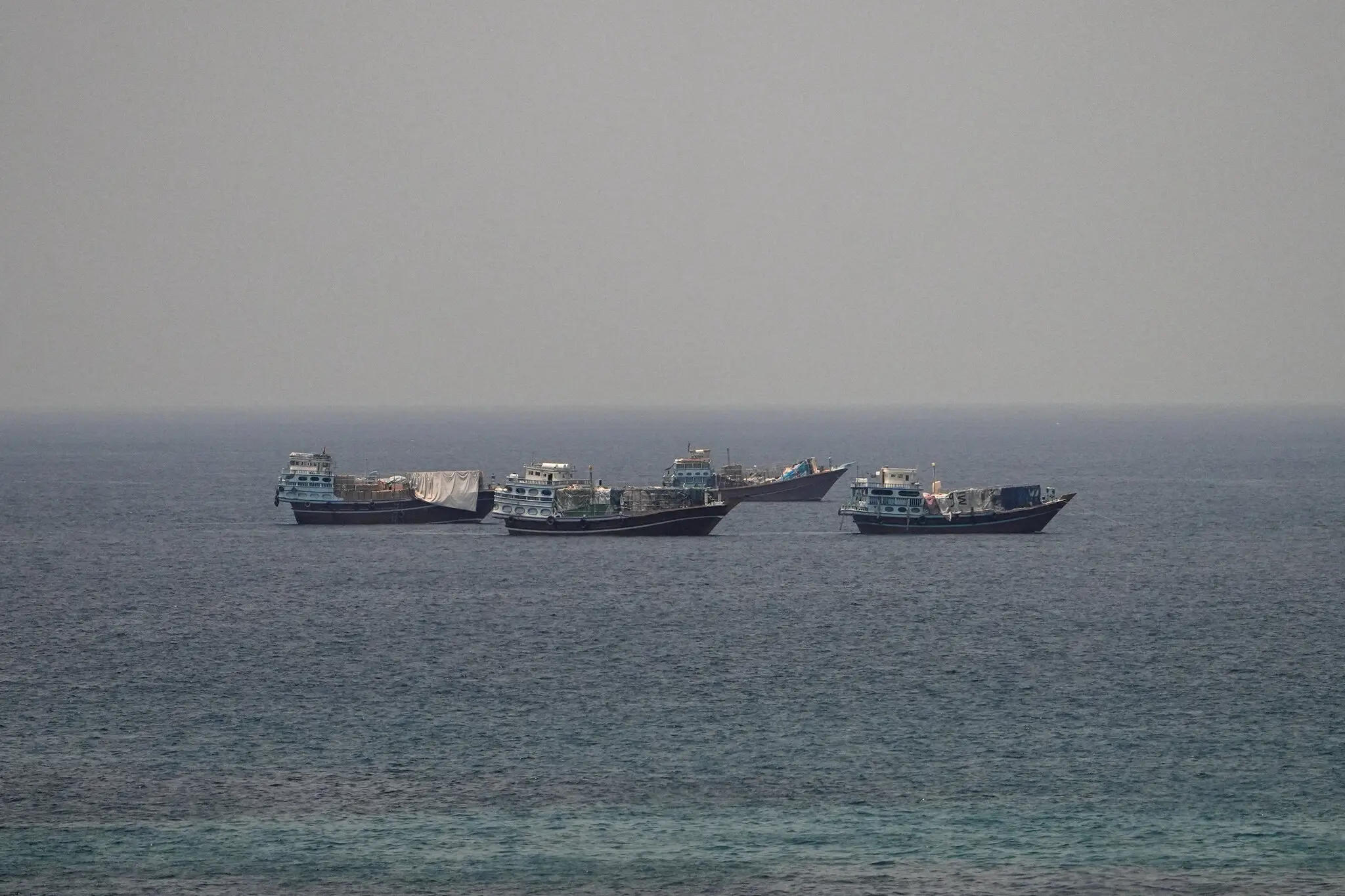
That is visible in the Hormuz crisis. After the attempted cease-fire, Iran did not loosen its grip on the strait. It used it as an instrument of pressure. Attacks on commercial ships, threats to close the waterway and renewed American strikes showed that ending a full-scale bombing campaign is not the same as ending a war. It may be only a pause before the next round.
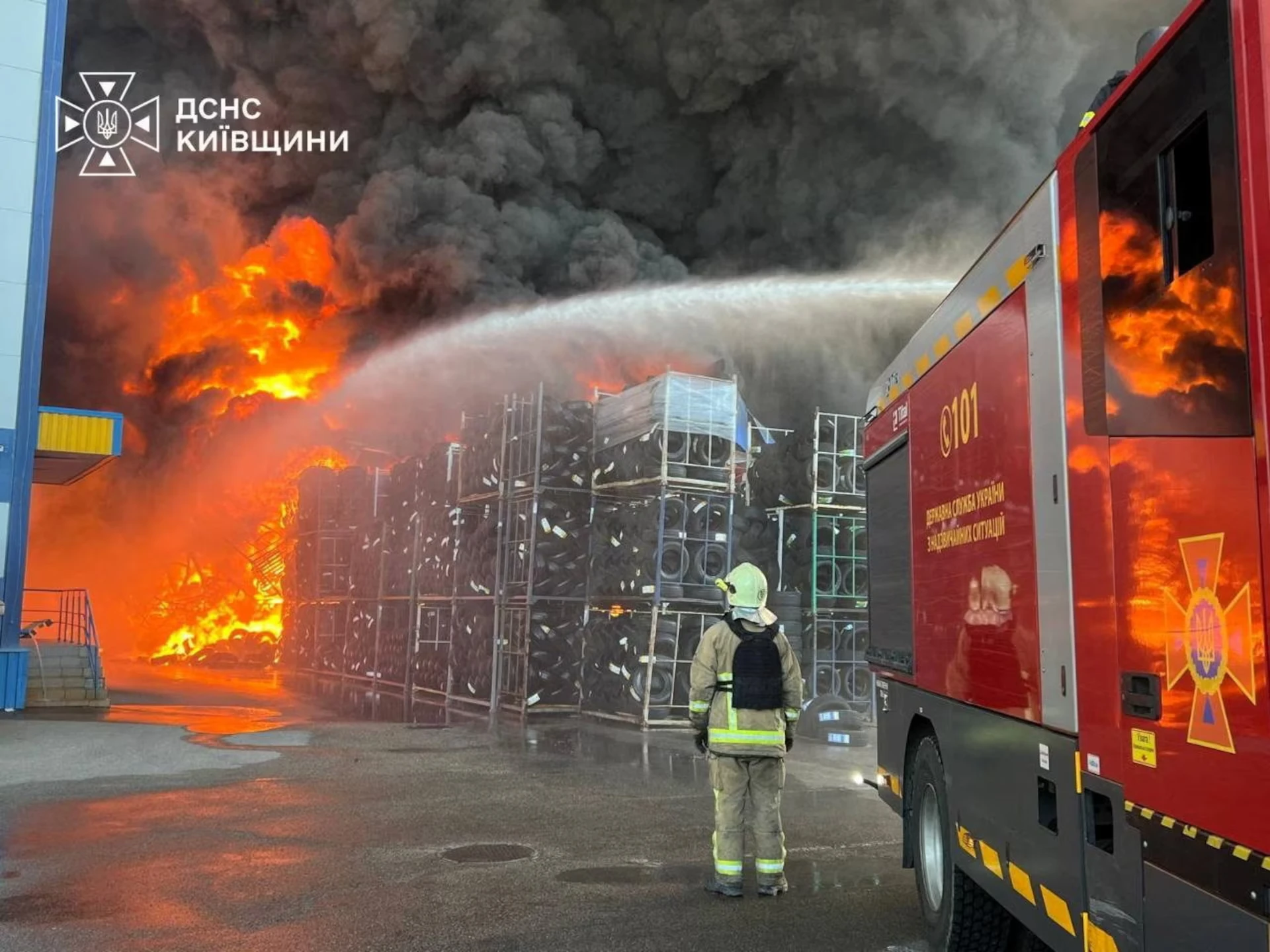
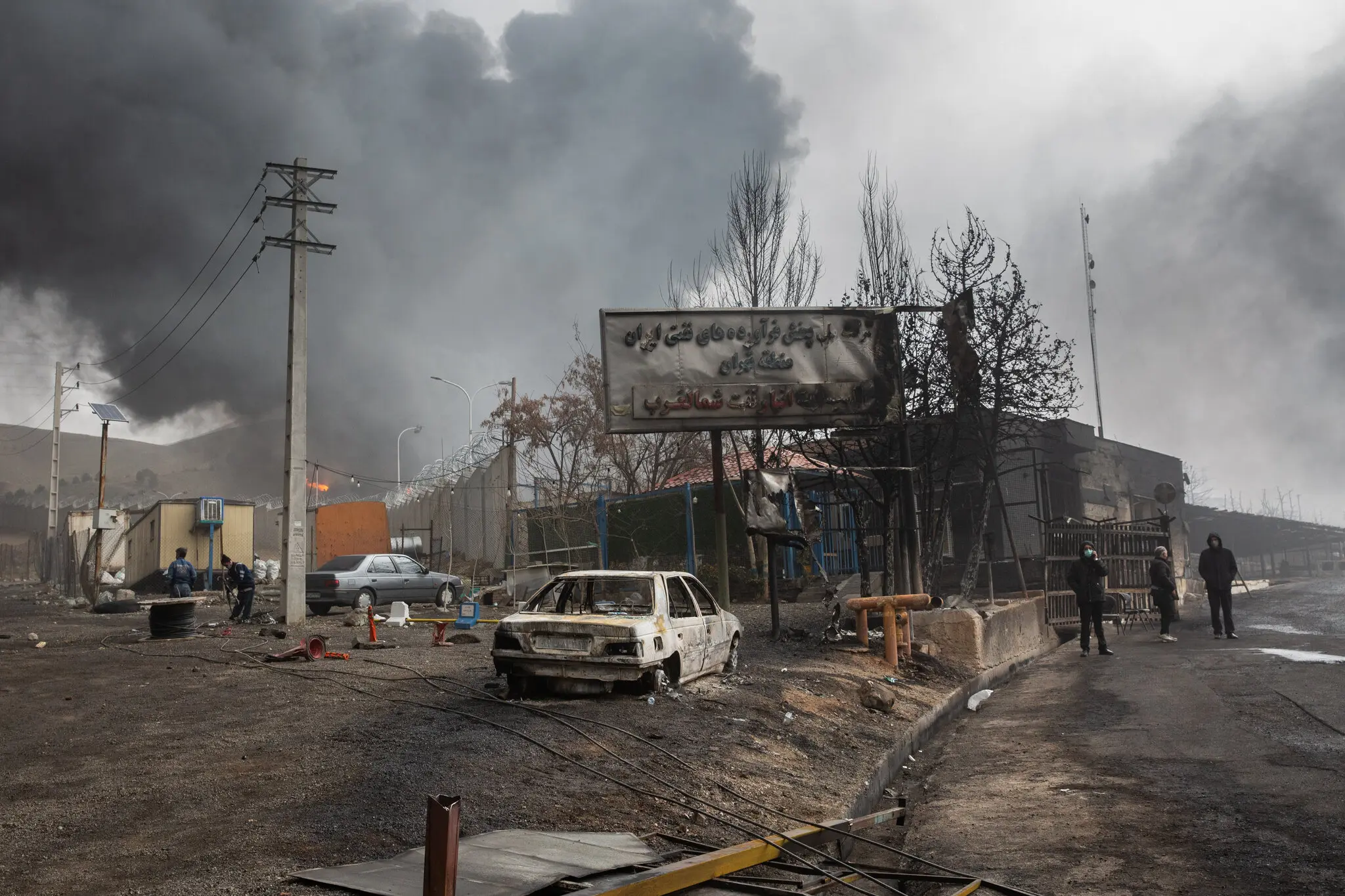 Збитки від американо-ізраїльських авіаударів у Тегерані цього року. Для войовничих критиків пана Трампа його труднощі з переговорами щодо довгострокової мирної угоди є доказом того, що він занадто рано припинив повномасштабну бомбардувальну кампанію — Араш Хамуші
For hard-liners in Washington, this is evidence that Trump stopped too early. Their logic is simple: negotiations should take place under fire, because fire creates leverage. In that sense, they see Putin not as a moral example, but as a practitioner of coercion — someone who does not stop applying pressure until the opponent gives up what matters.
But the Russian example shows something else as well. Putin did not stop the pressure, did not give Ukraine breathing room and did not accept an exit without concessions. He turned the war into a permanent instrument of extortion: Donbas, Ukrainian neutrality, limits on NATO, political subordination of Kyiv. Yet that very hardness has not delivered the peace he wanted.
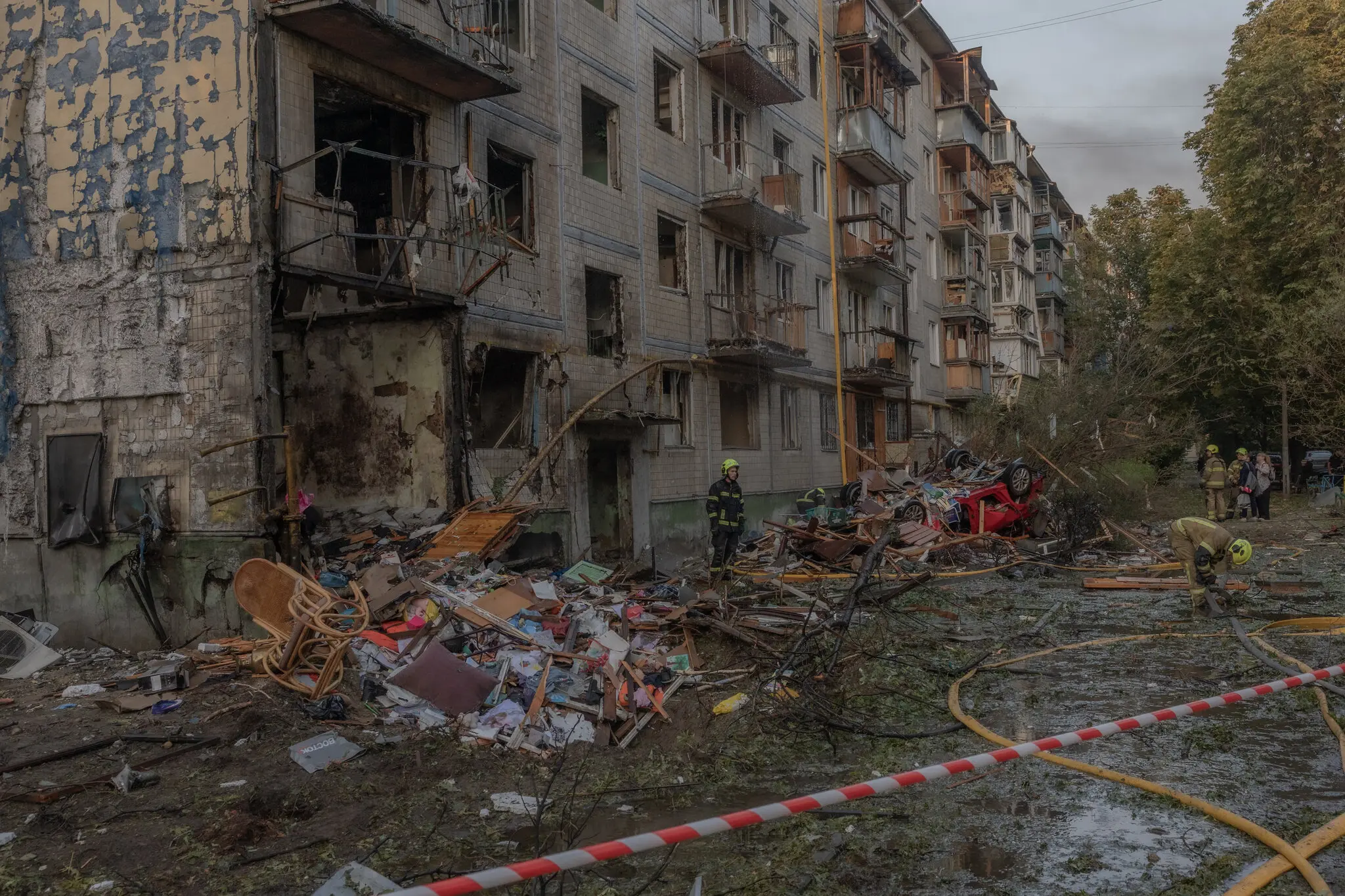
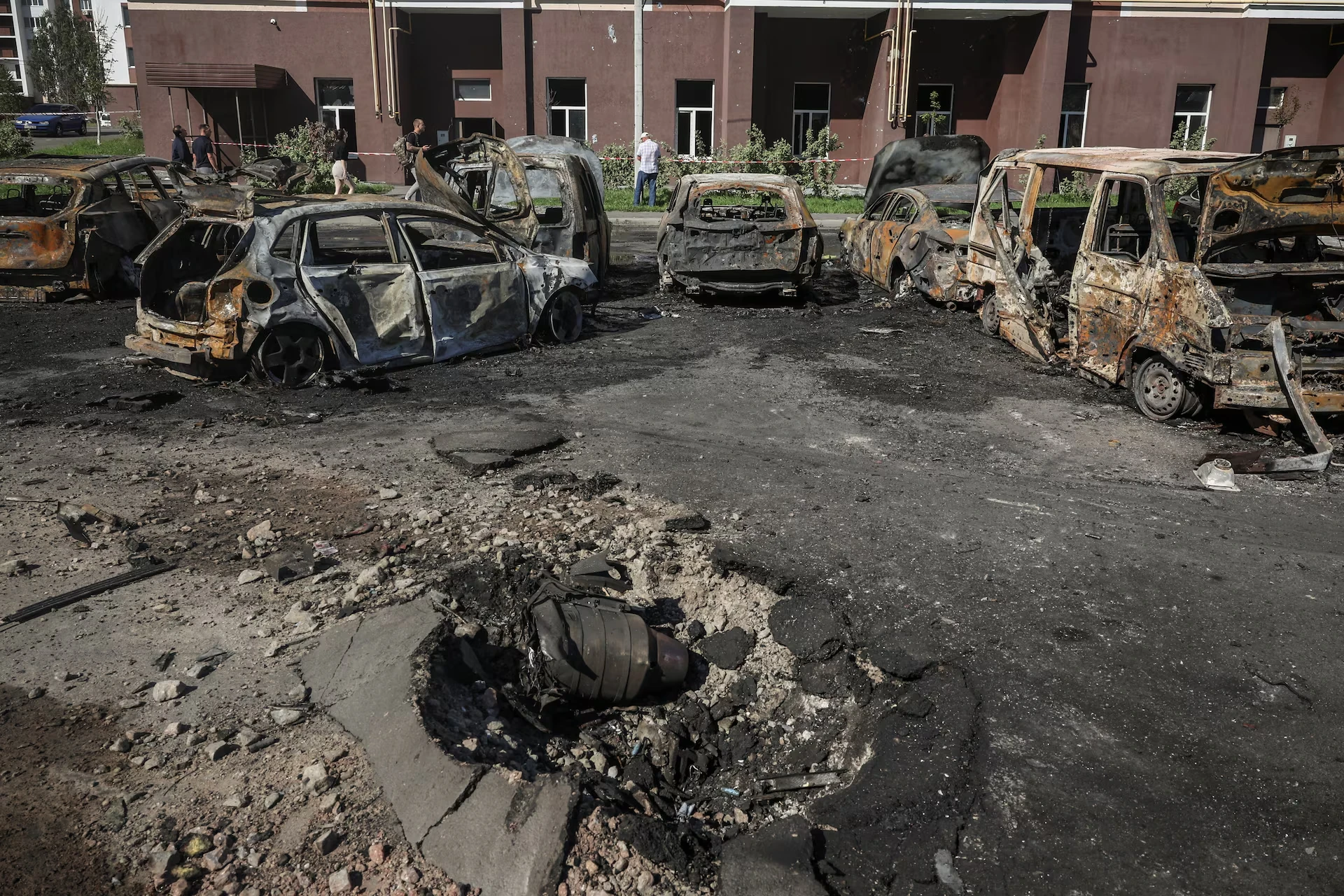
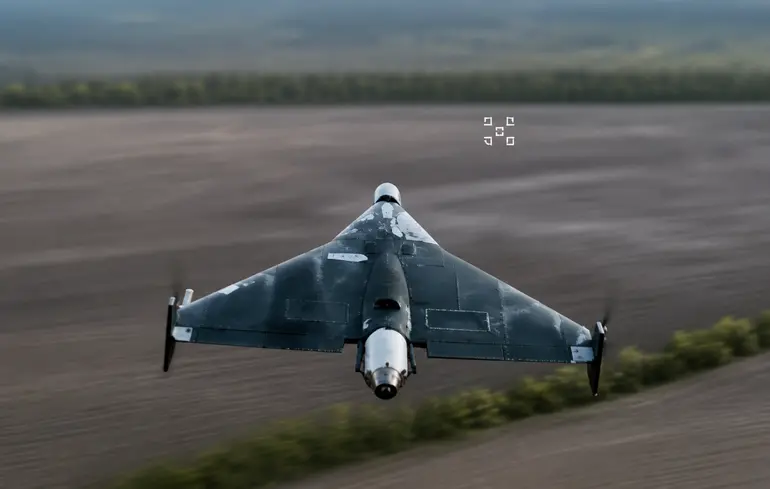
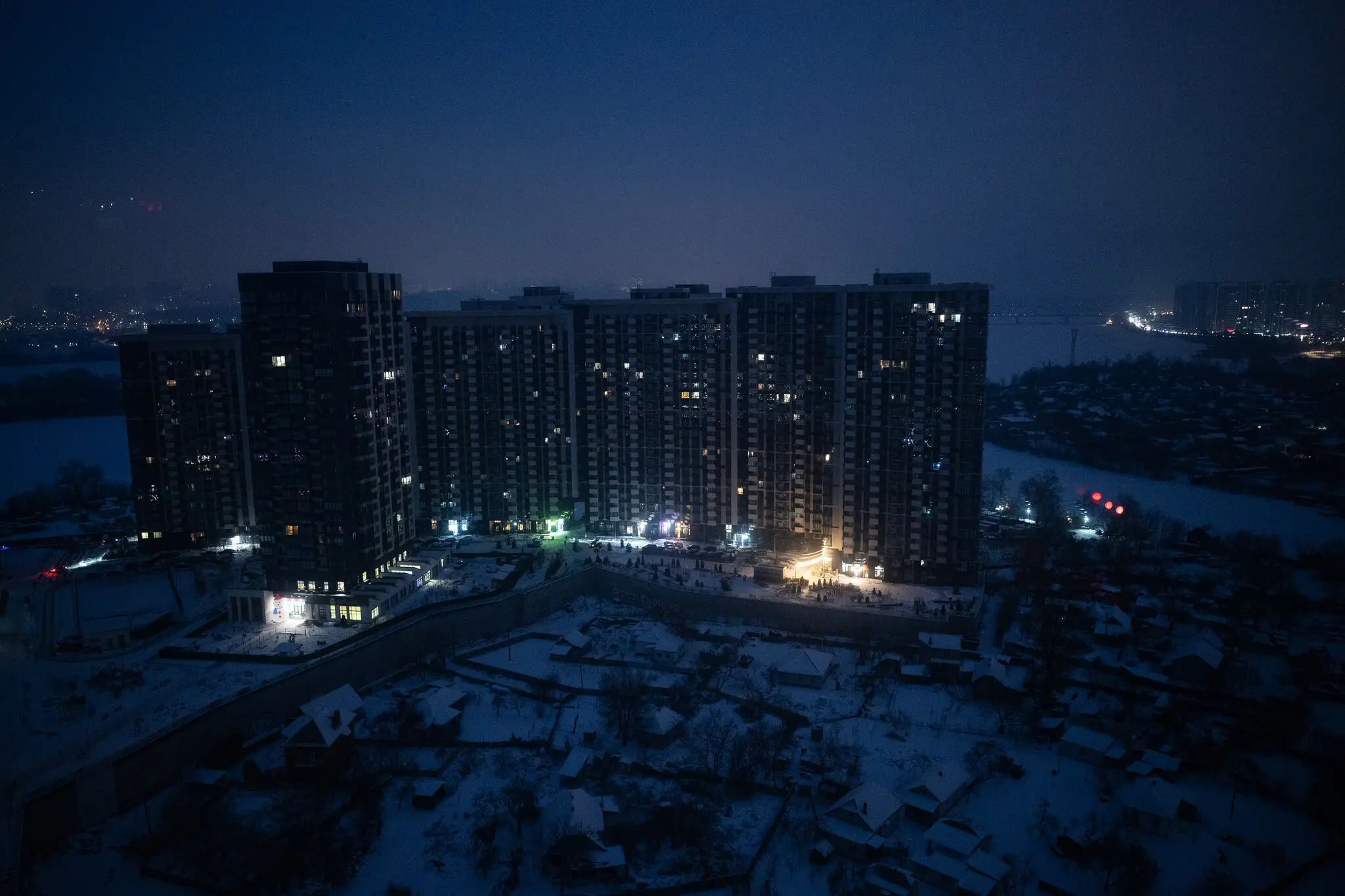
Russia controls part of Ukrainian territory, destroys cities, launches missiles and drones, and exhausts Ukrainian infrastructure. Yet it has not achieved its main goal: it has not broken the Ukrainian state or forced the West to recognize Moscow’s right to dictate Ukraine’s future. The war has become Putin’s lever, but also his shackle.
The longer the war in Ukraine continues, the harder it becomes for the Kremlin to explain retreat. Putin has narrowed his own room for maneuver by tying success to specific demands: control over Donbas, keeping Ukraine out of NATO, and recognition of a new reality imposed by force. If he stops without that, the war loses meaning even within the logic of Russian propaganda.
Trump faces a different problem. His goals on Iran have kept shifting. He has promised to destroy Iranian missiles, then suggested that a total ban on missiles might be “a little bit unfair” if other countries have them too. That flexibility allows him to declare success under almost any outcome. But it also makes American strategy less convincing to allies and adversaries alike.
Putin, unlike Trump, projects firmness, but pays an enormous price for it. Russian losses, economic militarization, manpower shortages, sanctions, Ukrainian strikes on Russian infrastructure and fuel problems inside Russia have not forced him to change course. The Kremlin presents such stubbornness as consistency. For Russian society, it increasingly looks like an endless bill without a clear ending.
Trump’s situation is different. His political instinct reacts more sharply to the economic cost of war. He understands that a prolonged conflict with Iran could hit oil prices, markets, voters and the image of a president who promised not to plunge the United States into endless wars. That is why he looked for an exit faster than the hawks around him wanted.
But a quick exit also carries a price. If the adversary sees a cease-fire as a respite rather than a final framework, the war returns in another form. That is what happened with Iran. Tehran used the pause not for a full political settlement, but to continue the struggle over Hormuz, its missile program and its regional position.
This is the shared lesson for the United States and Russia. Military force can open the door to negotiations, but it cannot walk through that door by itself. It can destroy facilities, change tempo, inflict pain and create fear. But political concession occurs only when the adversary believes the cost of resistance is higher than the cost of compromise.
Putin believes Ukraine and the West will eventually tire faster than Russia. Trump, by contrast, wanted Iran to quickly recognize the limits of American power. Both bets have proved incomplete. Ukraine has not broken. Iran has not capitulated. And the wars have begun to create their own momentum, in which leaders no longer fully control the pace of events.
The conflicts also intersect in practical ways. The Iran crisis affects energy markets, and therefore Russian revenues, European budgets and Washington’s political attention. The war in Ukraine requires air-defense systems, ammunition and diplomatic bandwidth that the Middle East is also consuming. Every new strike in Hormuz diverts part of America’s focus from the Ukrainian front.
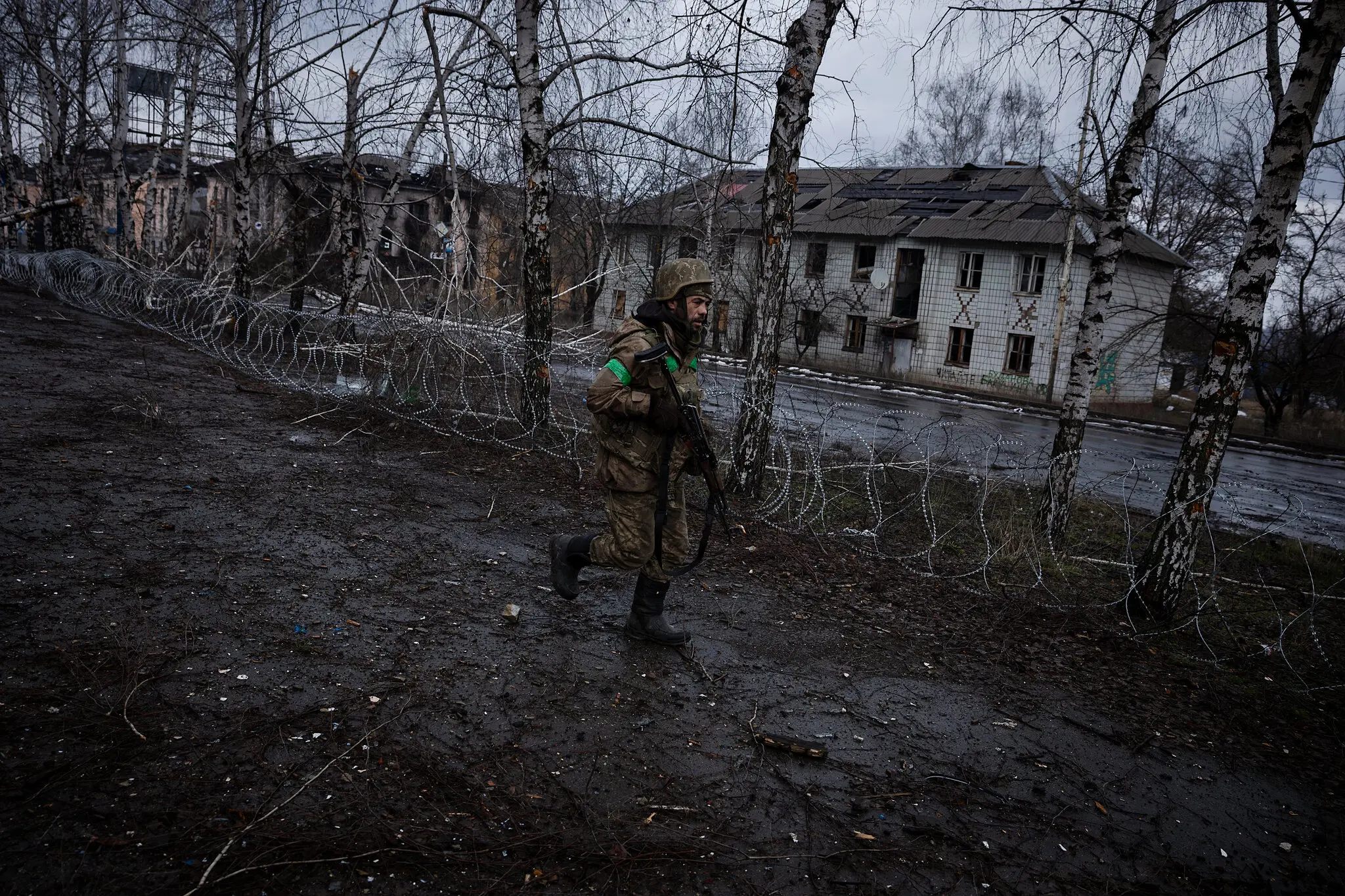 Український піхотинець у Костянтинівці цього року. Пан Путін визначив конкретні цілі у війні, які ускладнюють зміну курсу — Тайлер Хікс
For Moscow, that may look like a strategic opening. The more the United States is occupied with Iran, the less political energy remains for Ukraine. But Russia also depends on the global context: oil prices, sanctions regimes, Chinese support, technology routes and domestic economic endurance. Great-power wars rarely remain separate stories.
The most dangerous point is that both leaders see their own war as justified and the other’s as criminal or senseless. For Putin, Ukraine is the field of a historical revanchist mission. For Trump, Iran became a field for demonstrating force against a regime he sees as dangerous and malign. Such moral asymmetry allows each man to condemn the other without seeing the limits of his own strategy.
At the same time, the difference between them remains fundamental. Putin is a leader dug into one war, having made it the center of his historical legitimacy. Trump is a leader moving between the desire to project strength and the instinct to avoid a long conflict. One cannot easily stop because he has staked too much. The other cannot easily finish because he has not created a stable formula for peace.
That is why both are stuck. Putin is stuck in a war that consumes Russia but does not deliver political victory. Trump is stuck in a crisis he wanted to make short, but which keeps returning through ships, missiles, Hormuz and Iran’s nuclear program. Their strategies differ, but the limit is the same: military force cannot substitute for political outcome.
The world sees in these wars not only Russian brutality or the instability of American policy. It sees the erosion of the very idea of great-power control. Moscow cannot force Kyiv into capitulation. Washington cannot quickly force Tehran into long-term submission. The longer these conflicts continue, the weaker the myth of an all-powerful great-state will becomes.
Leaving a war is always harder than entering one. Putin denies this because he has bet on exhaustion. Trump felt it, but could not turn a pause into a stable deal. That is why their wars, despite all their differences, speak to the same reality: force can begin a story, but it cannot always bring it to an end.