















Donald Trump’s deal with Iran was meant to demonstrate a president’s ability to end wars. Instead, it has opened a new fault line inside the Republican Party — between those who want to close an unpopular conflict quickly and those who see the arrangement as dangerous softness toward Tehran.
After the text of the preliminary agreement was released, some Senate Republicans greeted it not as a diplomatic triumph, but as an alarming compromise. Their central concern is simple: did America secure enough concessions after months of costly war, or did it merely give Iran a path to recover?
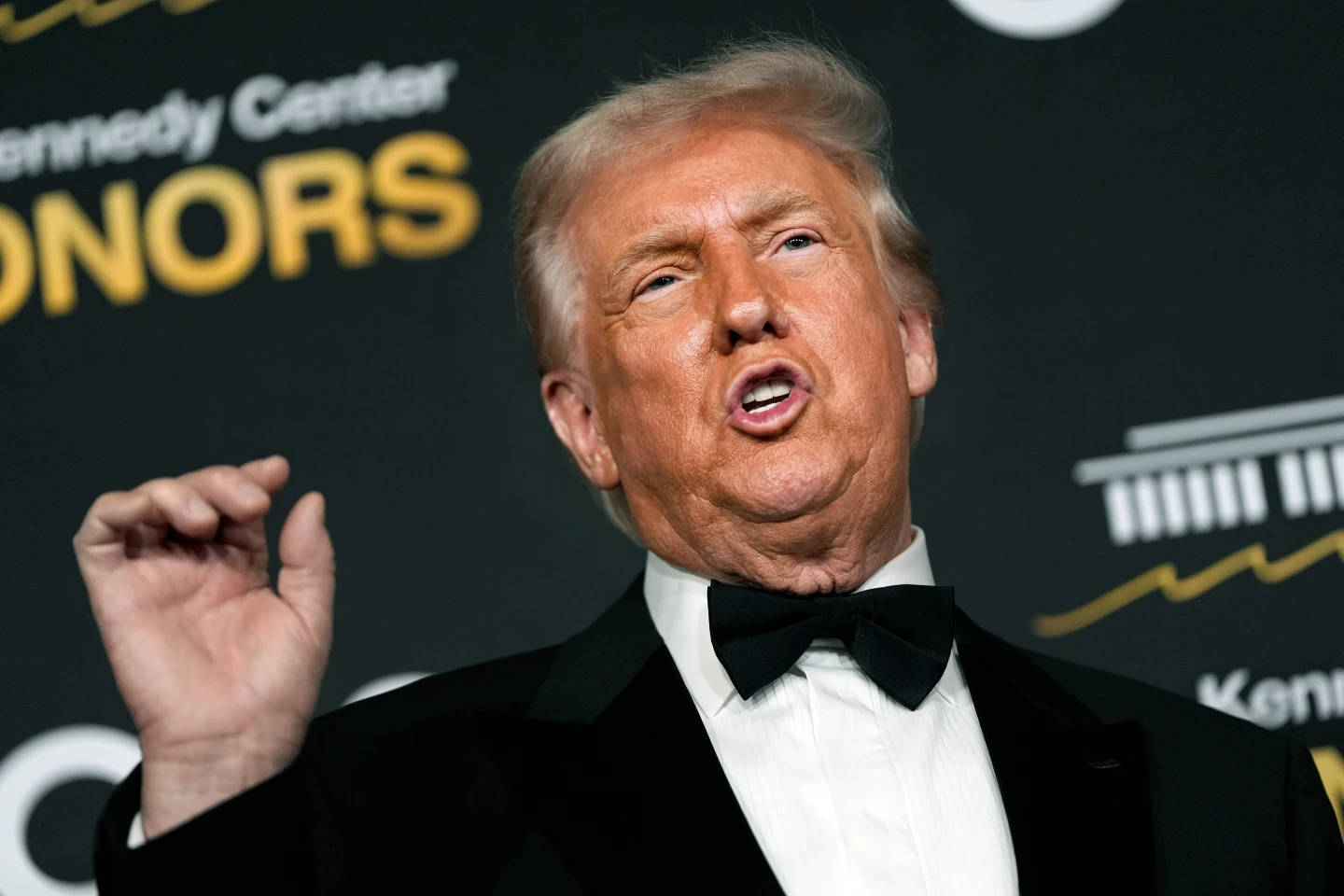
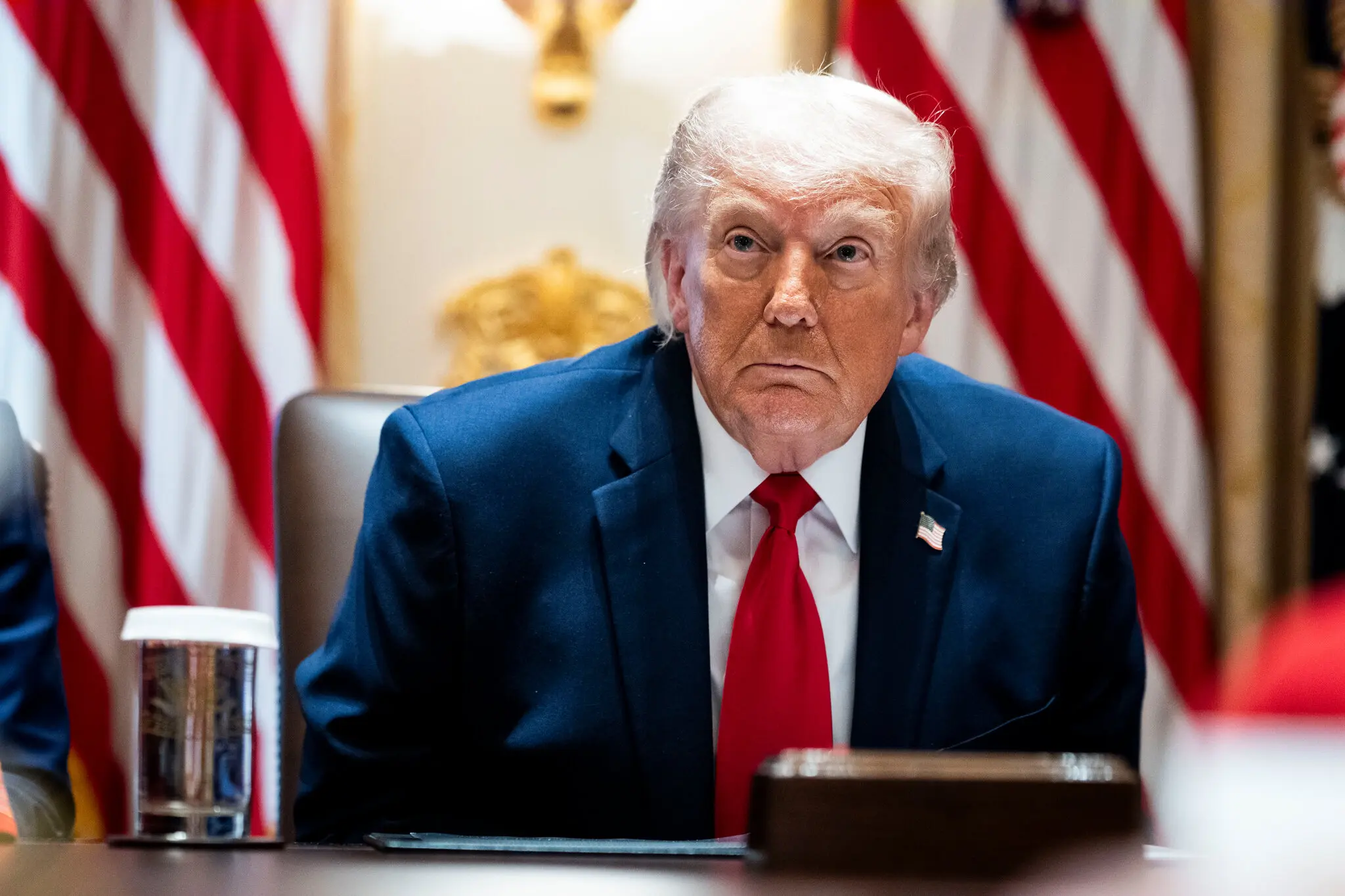
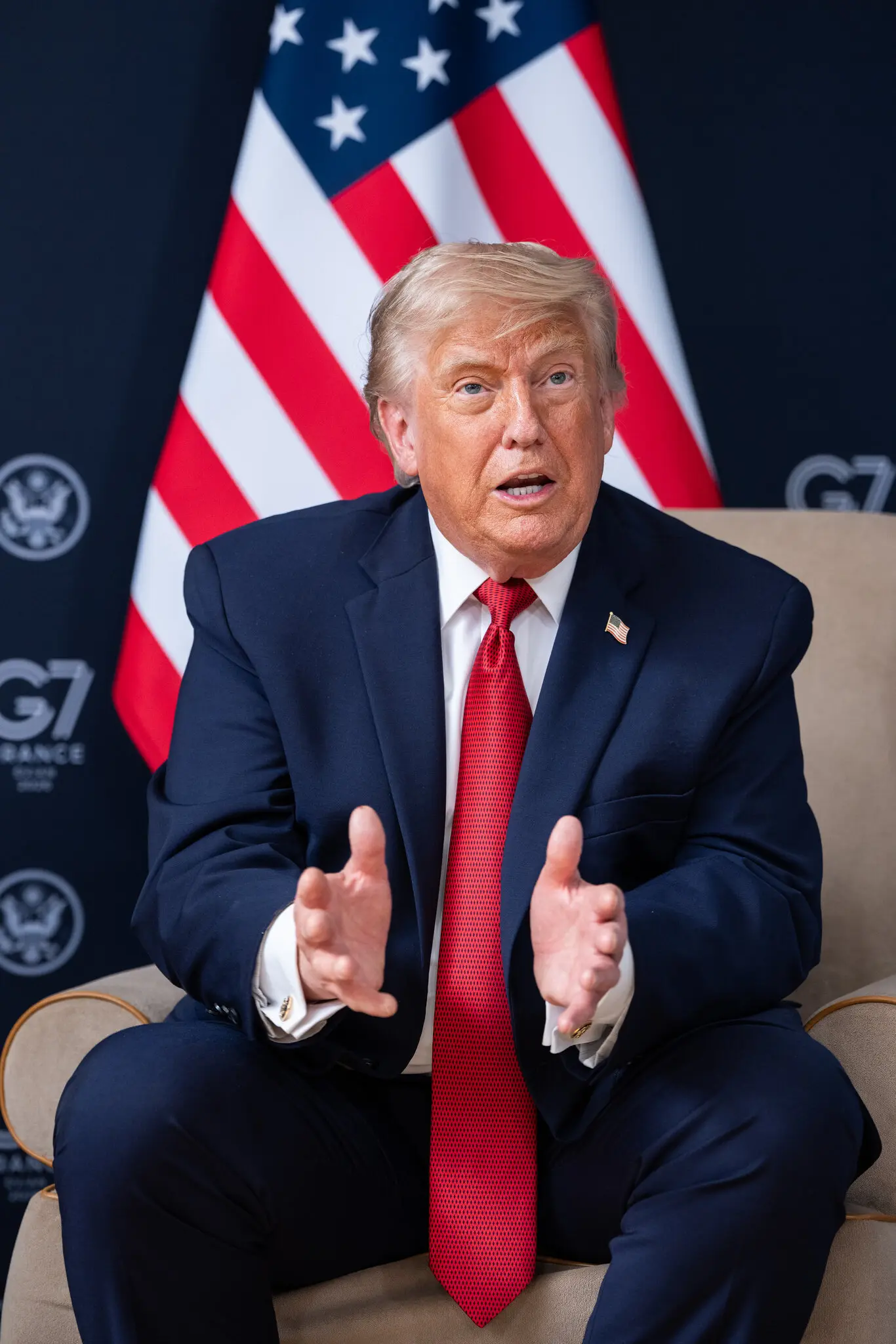
Trump defended the agreement sharply and personally at the G7 summit in Evian-les-Bains, France. He said continuing the war would have satisfied only a narrow group of hard-liners, but would have been the wrong decision for the country. He also turned on critics, saying he no longer wanted some of them as friends.
According to Daycom’s assessment, that reaction exposes the main contradiction in Trump’s foreign policy during his second term. He wants to remain a leader of force, one who strikes when necessary, while also presenting himself as the politician who ends wars before they become electoral burdens.
The Iran war became exactly that kind of burden for Republicans. At the start of the conflict, Trump angered part of the isolationist MAGA wing, which remembered his promise not to start new wars. Now, as he tries to end the conflict, he faces resistance from traditional conservatives who see any concession to Iran as weakness.
The preliminary deal would lift sanctions on Iran, release billions of dollars in frozen assets and move discussions about Tehran’s nuclear program into a 60-day negotiation period that could be extended by mutual consent. That delay has become one of the main irritants for critics.
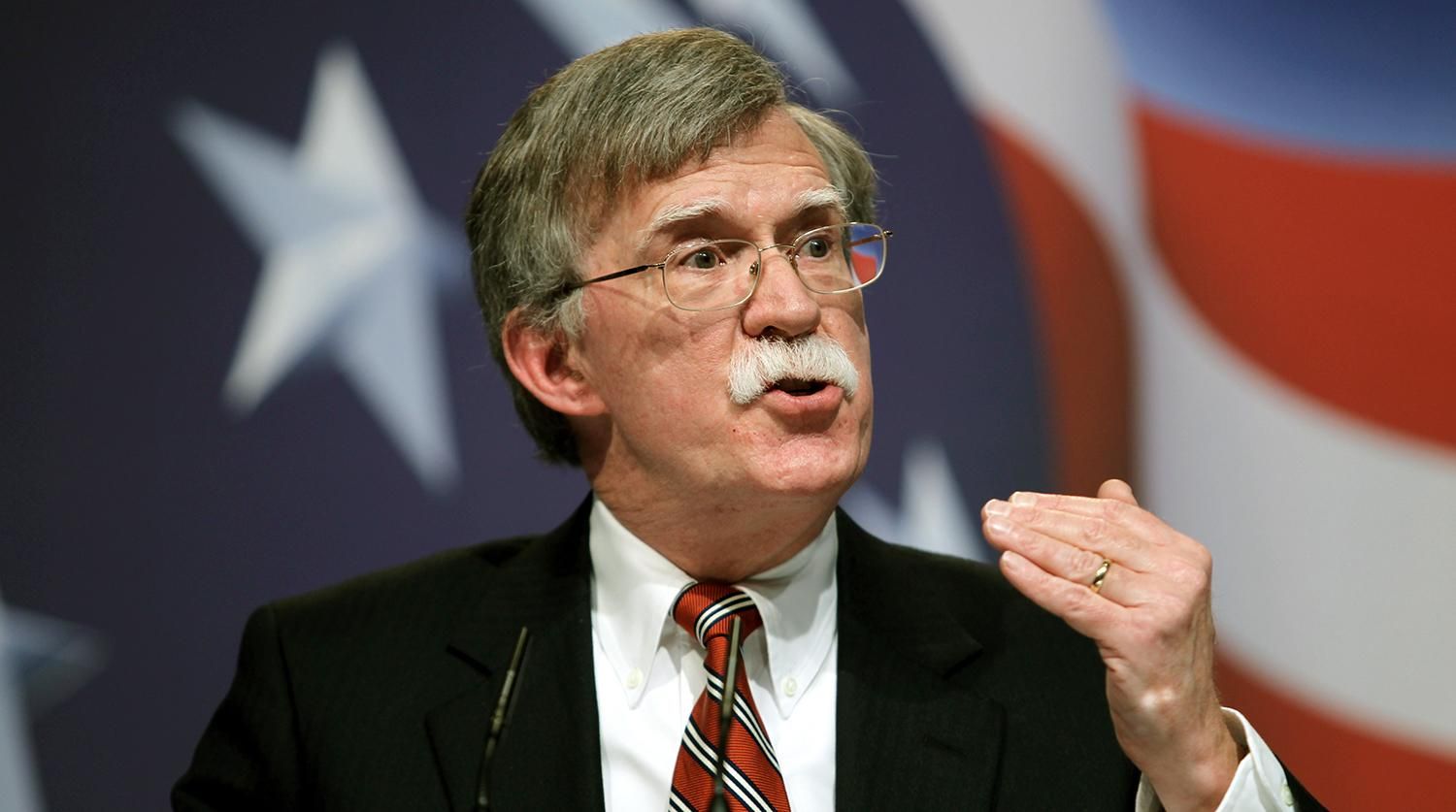
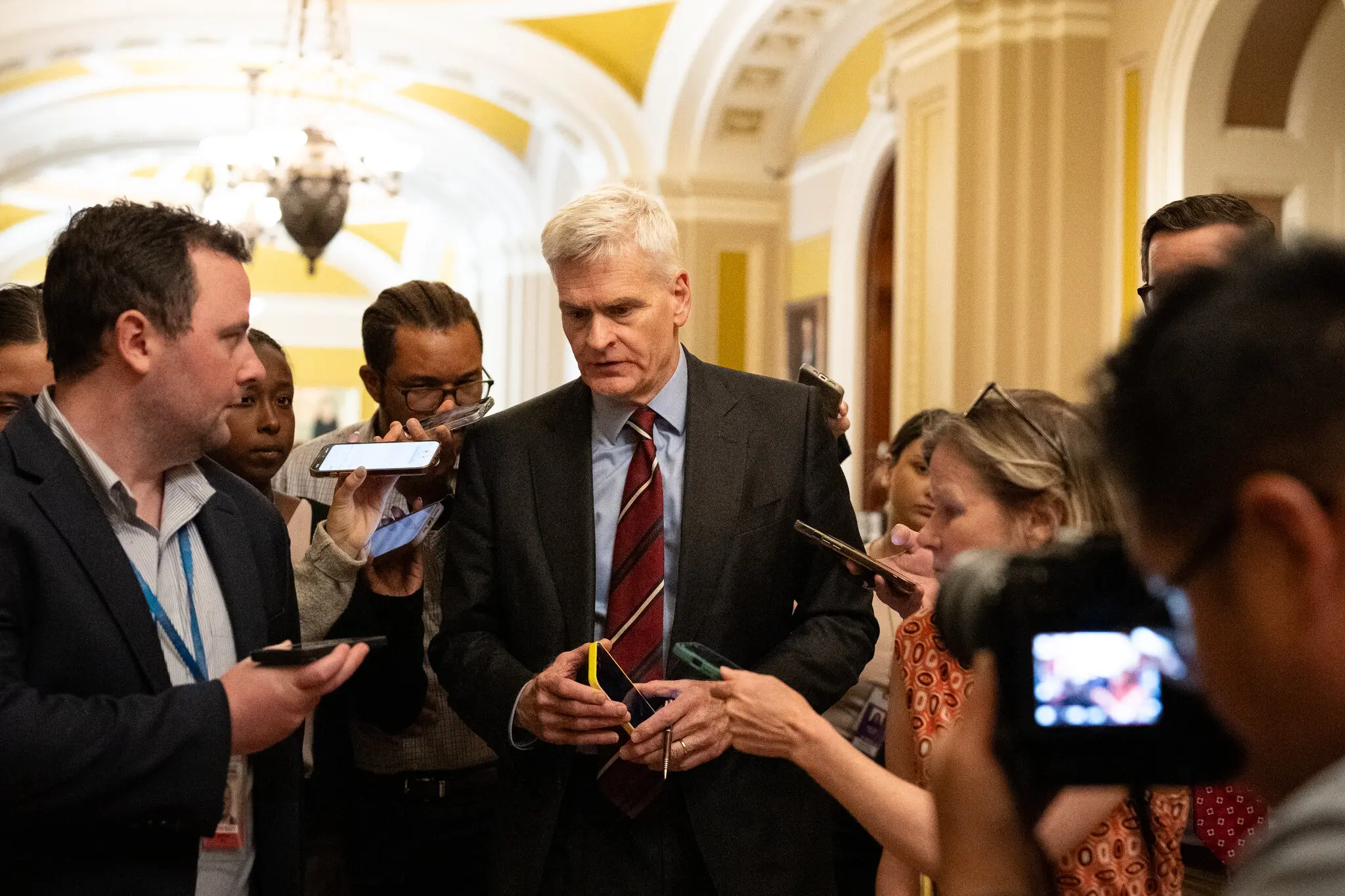 Сенатор-республіканець від Луїзіани Білл Кессіді написав у середу в соціальних мережах, що війна з Іраном була «найгіршою помилкою у зовнішній політиці за останні десятиліття» — Хайюнь Цзян
For Republican hawks, the problem is that the central issue — Iran’s nuclear program — is not resolved immediately. It is moved into the negotiating room after Tehran has already received some economic relief. In their view, that does not consolidate victory; it hands leverage back to the adversary.
Separate concern has focused on a proposed $300 billion reconstruction plan for Iran, to be developed by the United States and its regional partners. Trump insists that America will not put its own money into the fund. But the very idea of helping rebuild a country Washington has just struck is politically explosive for part of the party.
Senator Ted Cruz framed the question in terms that resonate with conservative voters: is this money for Iran’s ayatollahs? He praised Trump’s decision to use force, but questioned whether the administration had moved too quickly from the military phase to diplomatic reassurance.
Some of the harshest criticism has come from Republicans already pushed to the margins of the Trump-era party. For them, the Iran deal is a chance to argue that a president who built his career on rejecting old Washington mistakes may now be repeating them in a new form.
Senator Bill Cassidy called the war with Iran the worst foreign-policy blunder in decades and argued that Tehran’s nuclear ambitions had not been curbed. His criticism is especially painful for the White House: Iran, he suggested, has learned that it can use the Strait of Hormuz as leverage for concessions.
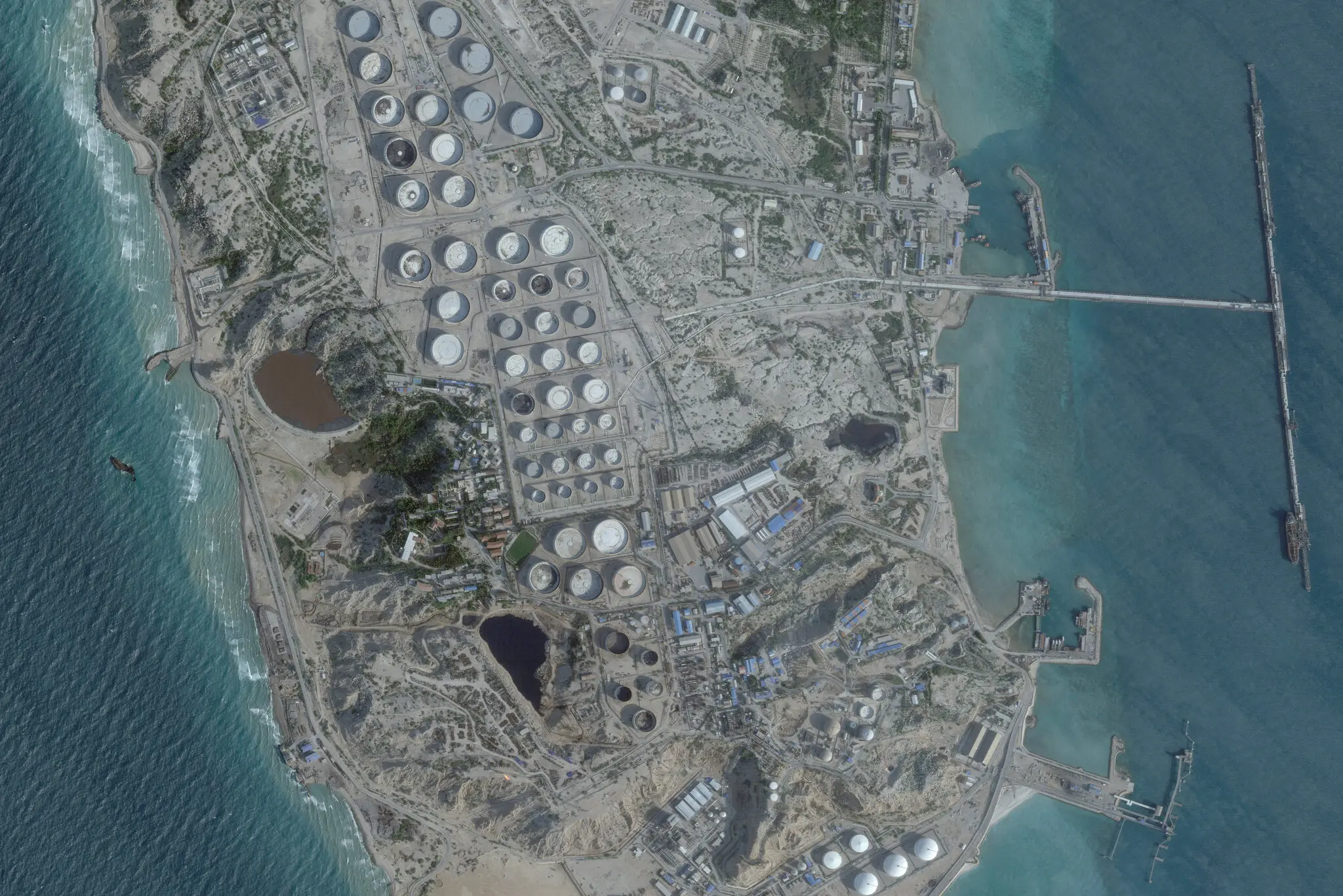
The Strait of Hormuz became one of the nerves of this crisis. Its closure during the war raised risks for global energy markets, pushed prices higher and deepened fears of a prolonged conflict. Reopening the passage brings economic relief, but also shows how expensive each new escalation can become.
In that sense, Trump is acting not only as commander in chief, but as a politician counting gasoline prices, inflation and the November elections. For Republicans, fuel prices are not a secondary issue. They are one of the factors that could determine the outcome of the midterms. The more expensive the war becomes, the harder it is to defend it in competitive districts.
That is why part of the party is ready to call the agreement a victory. For them, the priority is to end the conflict, ease pressure on energy markets and give voters the sense that the president is restoring control. Senator Tim Scott has already described the arrangement as a major achievement for American security and global stability.
Others are more cautious. They acknowledge that U.S. strikes may have weakened Iran’s military capability, but do not believe the conflict is truly over. For that wing of the party, the deal looks less like peace than an intermission in a long confrontation dating back to the Islamic Revolution of 1979.
Lindsey Graham, one of the most consistent advocates of a hard line against Iran, initially voiced concern that Tehran and Washington appeared to understand the agreement differently. He later softened his tone, saying that an attempt to reach an acceptable and verifiable deal was worth making.
That reveals a broader problem: the agreement has not yet become a political fact around which the party can unite. It remains a text in which each faction reads its own fear. Isolationists see the belated end of an unnecessary war. Hawks see an insufficient Iranian surrender. Pragmatists see an attempt to defuse an economic mine before the elections.
For Trump, the danger is that criticism is not coming only from opponents. It is also emerging from inside the conservative media ecosystem. Some commentators normally sympathetic to Republicans are asking whether the president has turned a military demonstration of strength into a deal that leaves Iran room to maneuver.
Comparison with Barack Obama’s nuclear framework is unavoidable. Trump withdrew the United States from that arrangement in 2018, calling it weak. Now his own deal will be judged by the same standard: is it truly tougher, or merely packaged differently for a different political moment?
That is the trap. If Trump admits that the war ended without the full dismantling of Iran’s nuclear threat, he hands arguments to critics on the right. If he insists on total victory, he will be tested against the concrete terms of the agreement, inspections, sanctions, Tehran’s behavior and whether the region actually becomes safer.
 Судна в Ормузькій протоці біля узбережжя Оману в понеділок — через Reuters
The Iran deal also shows how much the Republican Party has changed. There was a time when toughness toward Tehran was an almost automatic marker of conservative foreign policy. Now the party is torn between the imperial inertia of force and voters tired of wars, expensive gasoline and distant conflicts with no clear ending.
Trump is trying to hold both lines at once. He wants to tell hawks that he broke Iran’s war machine, and isolationists that he did not get trapped in a new war. But the more complex the agreement becomes, the harder it is to sell as a simple victory.
Ahead of the midterms, this could become one of the most important tests of his presidency. If energy prices fall, the Strait of Hormuz remains open and Iran does not create a new crisis, Trump will be able to present the deal as a pragmatic exit from a dangerous conflict.
But if Tehran uses the 60-day negotiation period to stall, if the reconstruction plan becomes a symbol of concession, and if sanctions relief fails to produce real limits on the nuclear program, the Republican split will deepen. The Iran deal will then stop looking like a peace initiative and become an internal party indictment.
For America, the argument is larger than Iran. It is about what Trump’s foreign policy will be between force and retreat, between war and dealmaking, between the promise not to repeat old mistakes and the temptation to declare victory where no durable result yet exists.
For now, the president has gained not unity, but a pause. The war may be moving toward an end, but the political battle over its meaning is only beginning. That battle will determine whether the Iran deal becomes proof of Trumpian pragmatism — or the first major Republican rupture before the elections.