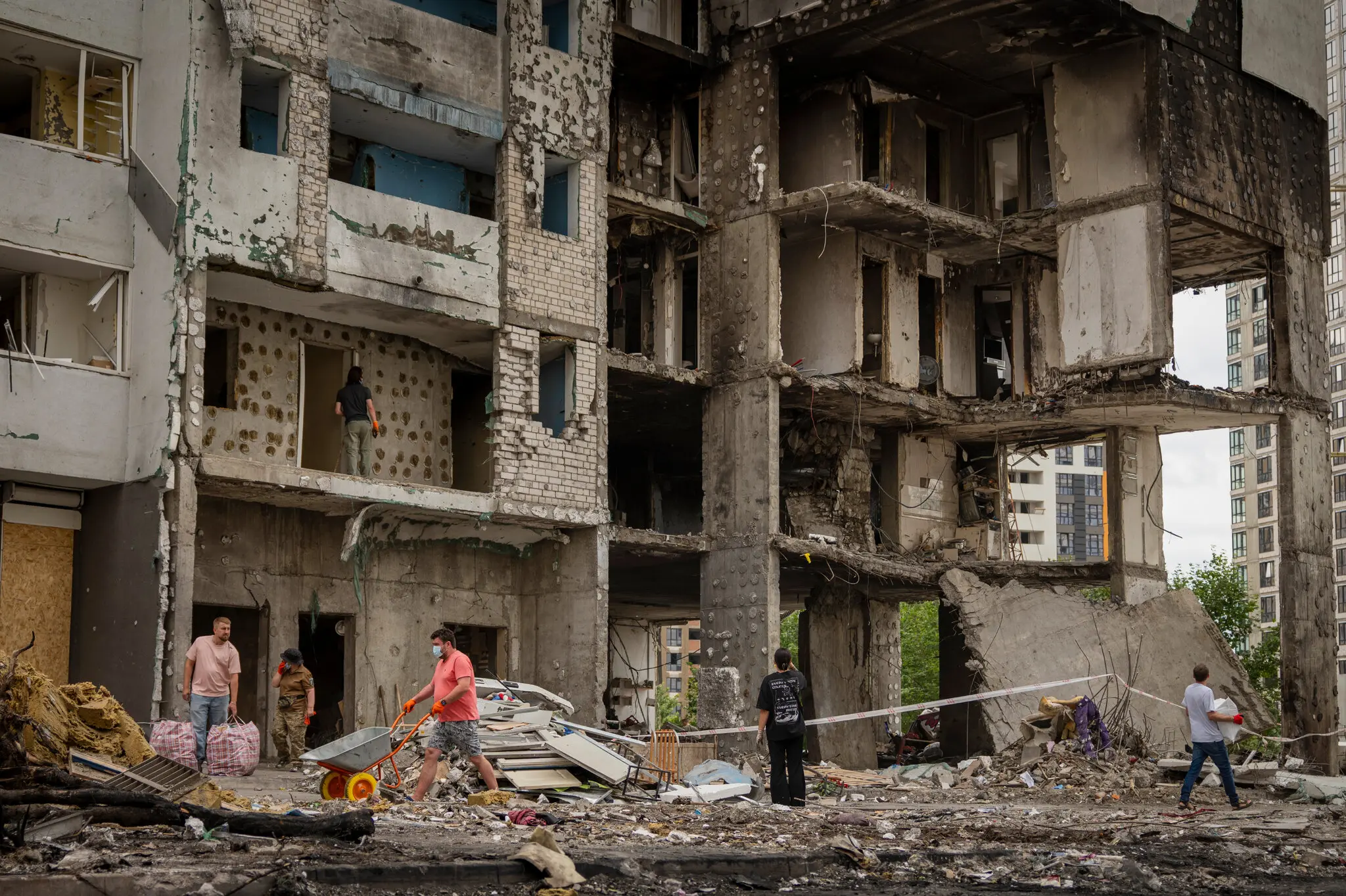








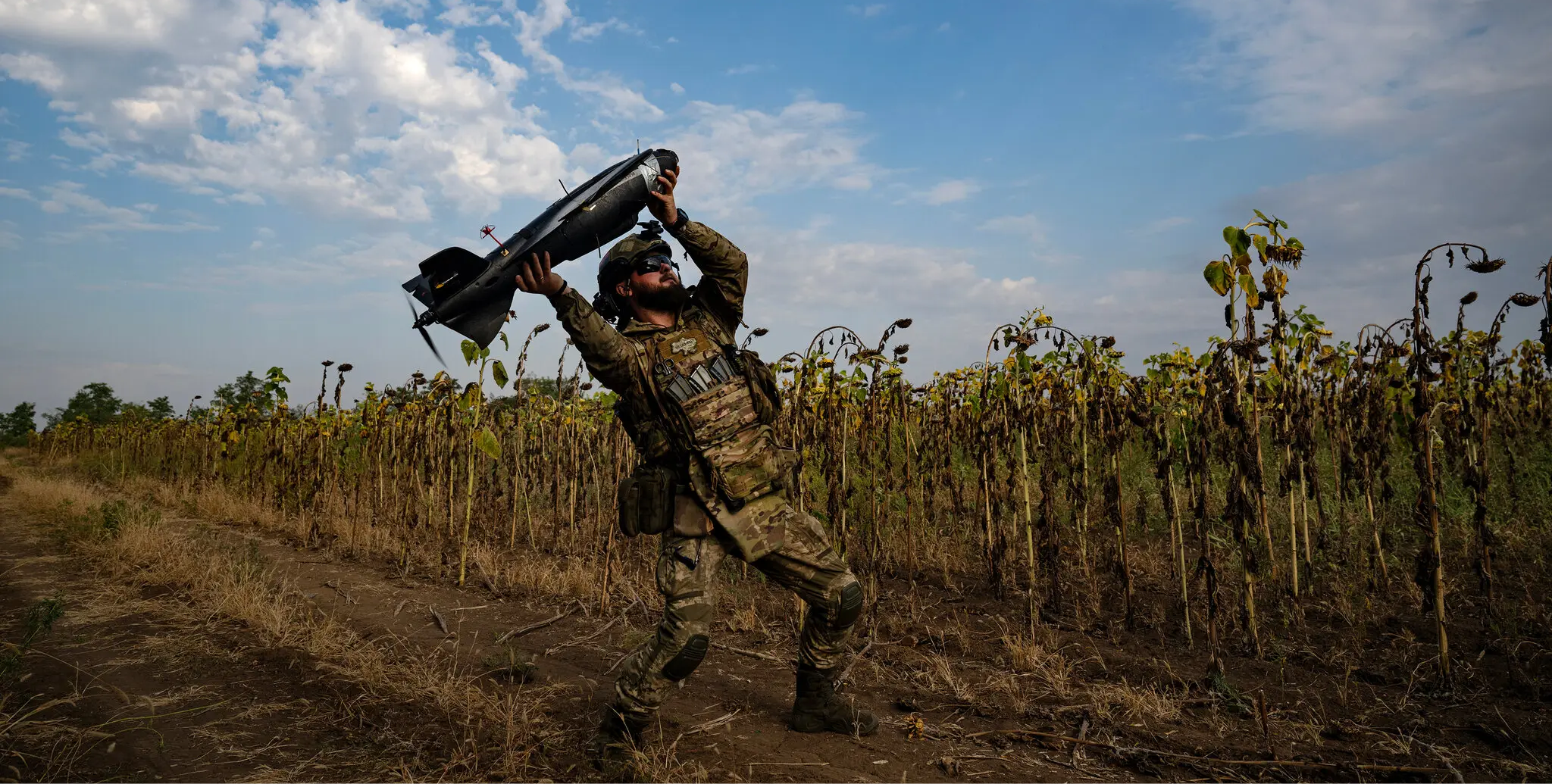














New frontline reports about the capture of two villages should not be read as mirror-image victories by two armies. The information cycle unfolded as if both Moscow and Kyiv were trying to prove the same point at once: that they are entering the spring campaign with the initiative, not with the logic of defensive exhaustion.
Russia’s Defense Ministry said it had taken Sheviakivka in the Kharkiv region. Ukrainian forces, for their part, announced the recapture of Berezove on a more southern stretch of the front in the Dnipropetrovsk region. Reuters, however, stressed that it could not independently verify either battlefield claim at the time of publication.
At first glance, these are only two settlements on a front line stretching roughly 1,250 kilometers. But in modern war, such points often signal not a breakthrough in itself, but a change in tempo: where one side is probing defenses, where it is concentrating forces, and where it is trying to create the impression of an inevitable shift in the broader operational picture.
According to the preliminary assessment of the Daycom editorial team, the key to this story lies not in the names of the villages, but in the geometry of the front. Sheviakivka and Berezove sit on different axes of pressure, yet together they point to the same trend: Russia is trying to widen pressure on the periphery, while Ukraine is responding with localized counterattacks to disrupt the rhythm of a broader spring offensive.
Sheviakivka matters above all not as a settlement, but as a border marker. In earlier Ukrainian reports, this direction had already appeared among the points of Russian assaults on the Southern Slobozhanskyi axis. That means the current Russian claim did not emerge out of nowhere: pressure on this section had been building for some time, gradually preparing the ground for statements about “advances.”
Moscow’s logic here is fairly transparent. Throughout March, Ukrainian and Western analysts repeatedly argued that the Russian army was trying to create or expand a so-called buffer zone along the border in the Sumy and Kharkiv regions. This is not only about military depth, but also about a political signal: the Kremlin wants to show that it can impose a new map of threats beyond Donbas.
That is why even a small advance in the area of Sheviakivka carries more weight for Russia than the map alone might suggest. It is part of a strategy of creeping expansion of the front, in which small border villages become raw material for a larger narrative about a “sanitary belt,” the “pushing back” of Ukrainian forces, and the justification for renewed escalation under the cover of defensive rhetoric.
Berezove, in this framework, works as Kyiv’s counterargument. If Russia is promoting a story of slow territorial expansion in the northeast, Ukraine is presenting a different one: that its Defense Forces are capable not only of containing Russian pressure, but also of retaking villages in sectors that until recently were considered vulnerable because of pressure near the junction of Donetsk and Dnipropetrovsk regions.
It is also important that Berezove lies in an area where Ukrainian units have already shown tactical successes in recent weeks. That suggests this is not an isolated episode, but a continuation of a line of localized counteroffensive pressure. Even if the scale of such actions remains limited, their political and informational value is much greater than the size of the territory involved.
It is also telling that Ukrainian forces described the Oleksandrivka direction not as symbolic raid activity, but as a real continuation of offensive operations. Reports said the advance had slowed because of weather conditions, yet Russian troops still failed to fully halt Ukrainian airborne units even after moving in additional forces and special units.
In that sense, battles for villages today are not the periphery of the wider war, but one of its most accurate indicators. On such sections, it becomes visible who is imposing the tempo of combat, who is forced to patch vulnerable flanks, and who is turning a few hundred meters of movement into proof of a supposed “historic turning point.” In spring 2026, both sides are clearly working within that logic.
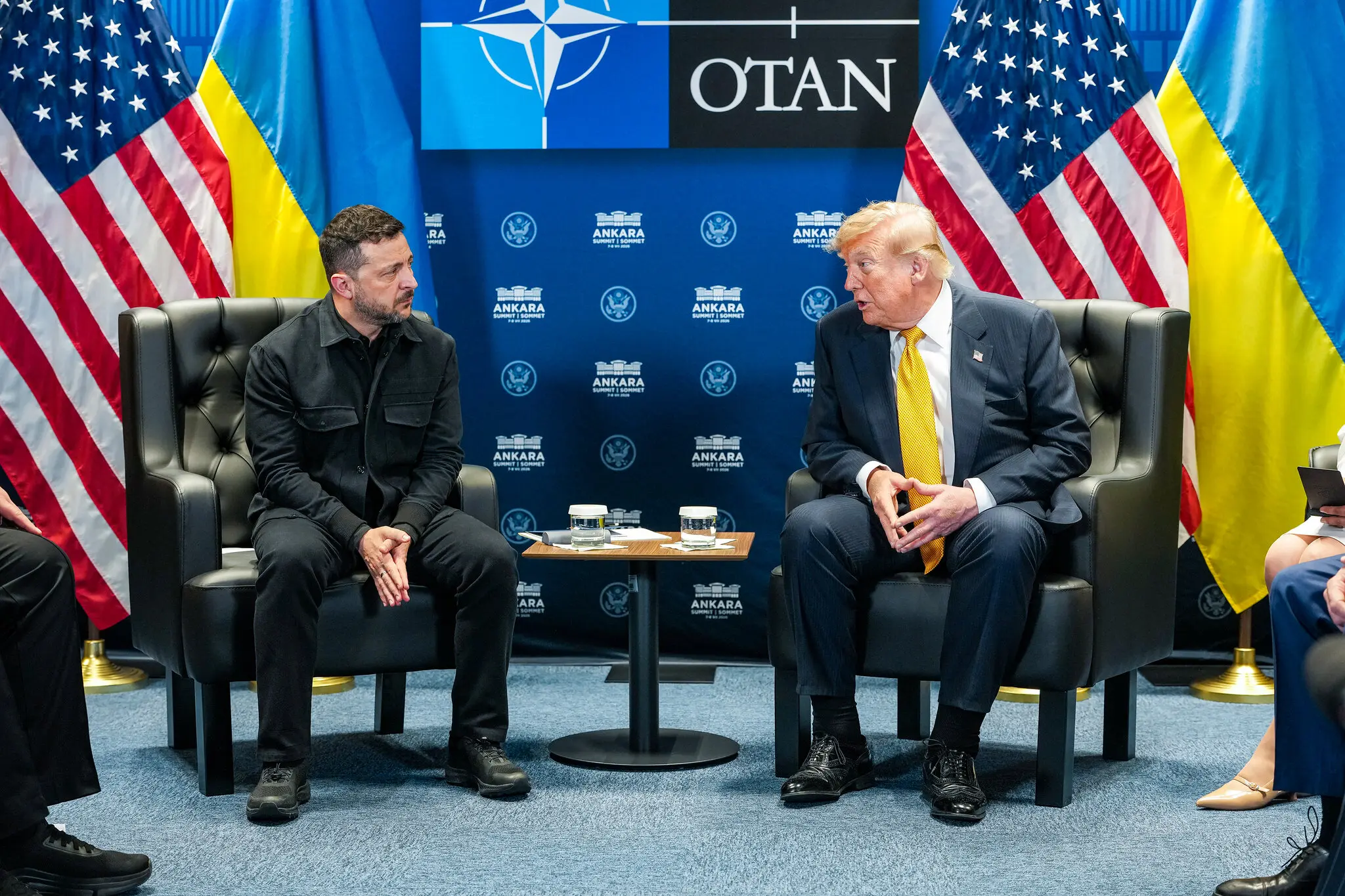
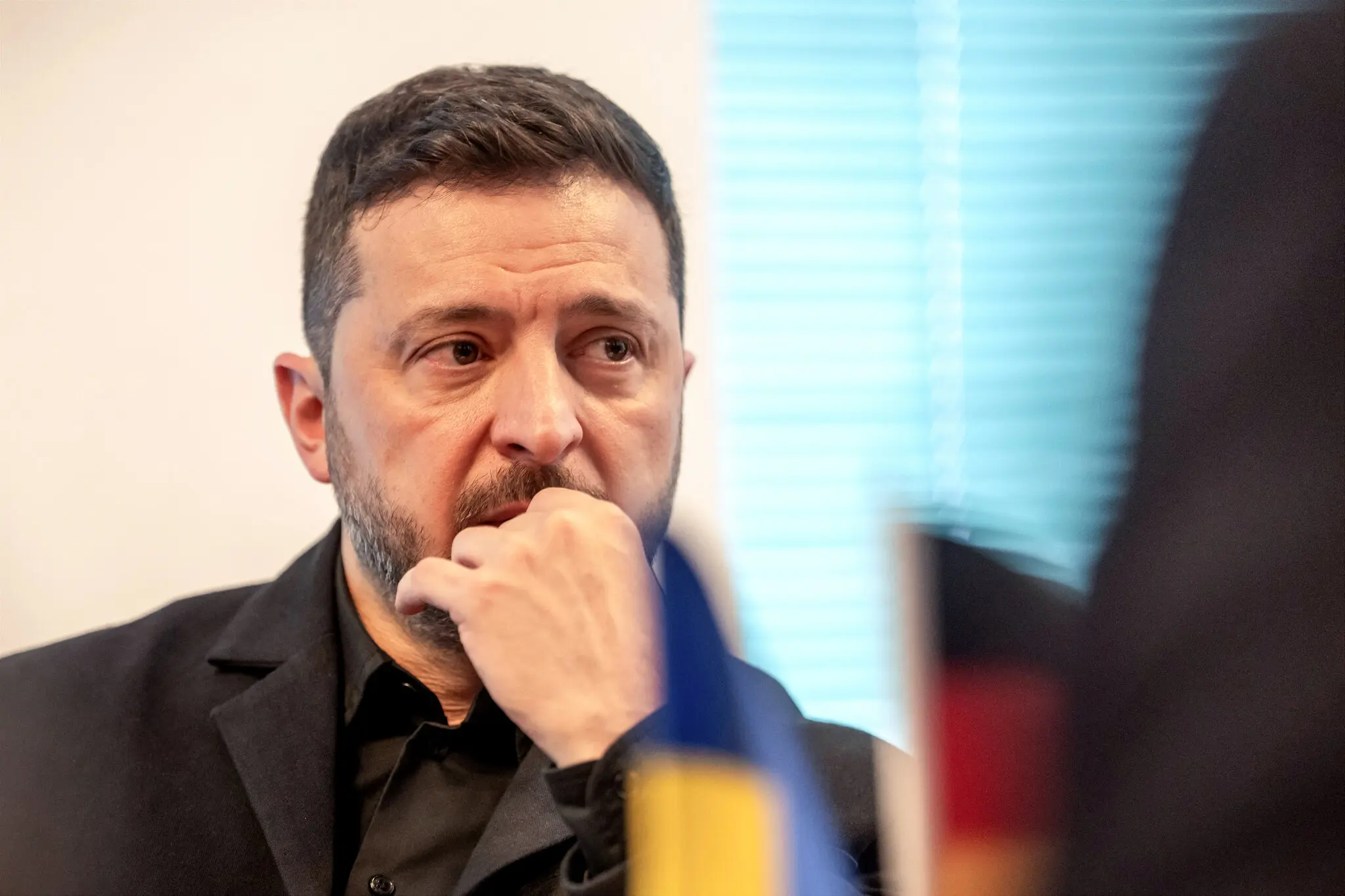
This frontline micro-dynamics is directly tied to the weakening of the diplomatic track. Volodymyr Zelenskyy said in comments to Reuters that the United States was effectively linking security guarantees for Ukraine to the cession of all of Donbas to Russia. At the same time, international agencies are noting that the war around Iran is already diverting attention and part of the West’s resources away from Ukraine.
When diplomacy stops producing clear frameworks, the front begins to speak louder. Then every village becomes not just a military point, but an argument for future negotiations: Moscow shows it can keep pressing, while Kyiv shows it has not lost the ability to retake territory even in difficult sectors. That is the real political weight of the current battlefield reports.
Another layer of this story is Donetsk region. Analysts assess that Russia’s spring-summer offensive has either already begun or is entering its early phase, with the so-called Fortress Belt — the fortified chain of Ukrainian cities in Donetsk region — remaining its center of gravity. It is there that the real question is being decided: whether Russia can turn local gains into an operational collapse of Ukrainian defenses.
Yet the Kremlin faces a serious constraint here. Even as it increases pressure, Russian forces are unlikely to be able to conduct large-scale simultaneous mechanized offensives on multiple sectors at once and instead remain limited to waves of localized, pulsing attacks. In other words, the war remains one of attrition, not one of rapid operational collapse.
That is exactly why even seemingly secondary points like Sheviakivka matter so much for Moscow. They help create the impression that the front is “moving everywhere”: in Kharkiv region, in Donbas, and in the south. But part of these border attacks also carries a clear informational purpose — to convince the West that Ukrainian defenses are crumbling and that Kyiv should accept Russian terms.
Ukraine’s response, for now, may appear less dramatic, but it is no less important strategically. Kyiv is trying to show that even under high-intensity Russian pressure, the Defense Forces are capable of breaking the logic of inevitable Russian advance. If that pattern continues, it will become an important resource not only on the battlefield, but also for Ukraine’s negotiating position.
An additional risk for Ukraine is not only Russian offensive pressure itself, but also the geopolitical loss of focus among its partners. The Middle East crisis is already shifting Washington’s attention, and with it the priorities of the broader Western military-political agenda. For Kyiv, that means holding the front at a moment when negotiations are stalling and outside concentration is dispersing.
In the coming weeks, the most likely picture is not a dramatic collapse of the front line, but a chain of localized battles for villages, heights, approaches to cities, and supply roads. If Russia continues to build a model based on buffer zones and pulsing assaults, Ukraine will respond in kind — with counterpressure in vulnerable sectors where even a small territorial gain can undermine the image of inevitable Russian advance.
So the story of Sheviakivka and Berezove is not really about two dots on the map. It is about what the war in Ukraine looks like in spring 2026: a Russian offensive without strategic breakthrough, the Ukrainian army with localized successes, Donbas as the nerve center of the campaign, Kharkiv region as a zone of buffer-zone threat, Dnipropetrovsk region as a zone of counterplay, and peace talks as a background increasingly shaped by who speaks more convincingly in the language of the front.