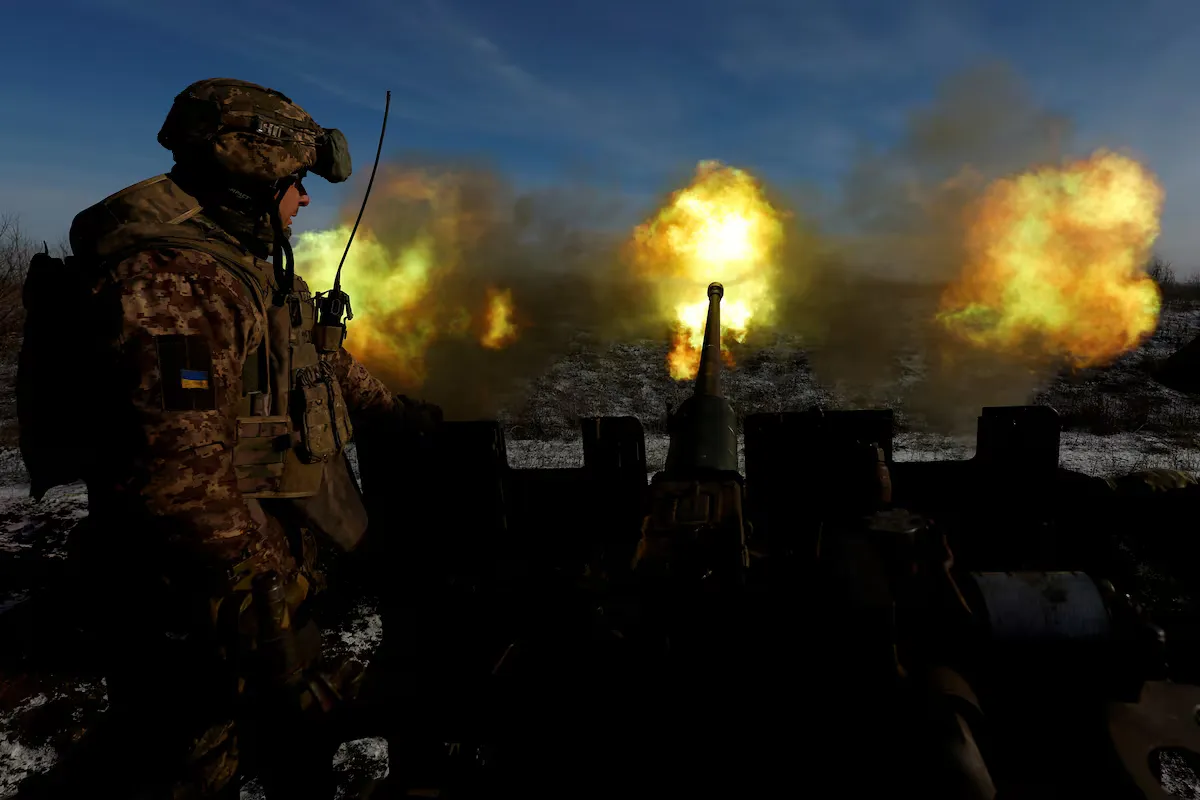























Ukraine’s defense effort increasingly looks not only like an army of brigades, depots and headquarters, but also like a network of engineering teams, venture funds, battlefield trials and rapid production decisions. The war has forced the country to create a market where technology must survive not in a presentation, but under fire.
One of the most revealing directions is the Black Sea. After years of Russian drones and missiles threatening Odesa and Ukraine’s port infrastructure, Kyiv is looking for a way to build a moving maritime shield. This is not classical naval defense, but a swarm of autonomous vessels.
BlueShadow, founded by former U.S. submarine commander Charles Maher, is working on a control system for naval drones designed to operate 10 to 12 kilometers off the coast. The first squadron of such vessels could become operational in early 2027.
According to Daycom’s assessment, the significance of this project is not only technological. It shows how Ukraine is gradually replacing the lack of large platforms with flexible, cheaper and massed systems. Where a traditional fleet is difficult to build, a network of autonomous barriers can be created instead.
The full BlueShadow system is expected to consist of four squadrons of 12 vessels each. They are planned to carry missiles and interceptor drones. In that configuration, the sea becomes not an open space for Russian attack, but a zone of constant detection, deterrence and response.
This is part of a broader Ukrainian defense shift. Small companies, engineering startups and private accelerators are beginning to play roles that in peacetime are usually held by large defense corporations. They test faster, fail faster, redesign faster and immediately receive feedback from soldiers.
One such platform is Defence Builder, a private accelerator that gives defense startups initial funding, mentorship, access to resources and contacts with military units. Companies get a chance to grow, while the army receives inexpensive and needed solutions against a better-resourced enemy.
The starting support is $10,000, and the program lasts four months. But the main value is not only money. For a startup, it is more important to reach soldiers who can say what works, what breaks, what is unnecessary and what must be changed by tomorrow.
This mechanism locks the front and business into a single cycle. A manufacturer no longer creates an ideal product away from war. It receives a request from a brigade, tests the system in real conditions, collects feedback, seeks financing and returns with an improved version.
Ukraine’s defense industry is rapidly acquiring an investment infrastructure. The investor club linked to the Council of Defense Industries brings together institutions looking for deals and financing new systems. Publicly disclosed defense investment in Ukraine has grown from $1.1 million to $105 million in a year.
This is still far from the scale of major Western defense budgets. But for a country fighting under constant attack, the trend means something else: an environment is forming in which an engineering idea can travel from prototype to front line not in years, but in months.
A second priority is ground robots. Along the front, the “kill zone” is expanding, where Russian and Ukrainian drones make human presence deadly. Ammunition must still be delivered there, wounded soldiers evacuated, equipment brought forward and positions sustained. Machines are increasingly expected to replace people in that space.
The Estonian startup Telearmy has been installing remote-control systems on trucks and armored vehicles since 2023. Such vehicles can be driven from hundreds of kilometers away. Its founder, Enn Laansoo, has shown a modified BRDM-2M and says almost any vehicle on the battlefield can be adapted.
The logic is simple: where a soldier can no longer be safely sent, a robotic platform should go instead. It can burn, explode or be lost, but it will not leave a family without a father, son or brother.
Robotic trucks look less dramatic than attack drones. Yet they may change the daily logistics of the front. In a war of attrition, delivering water, batteries, mines, food and evacuating the wounded can matter as much as one successful strike on enemy equipment.
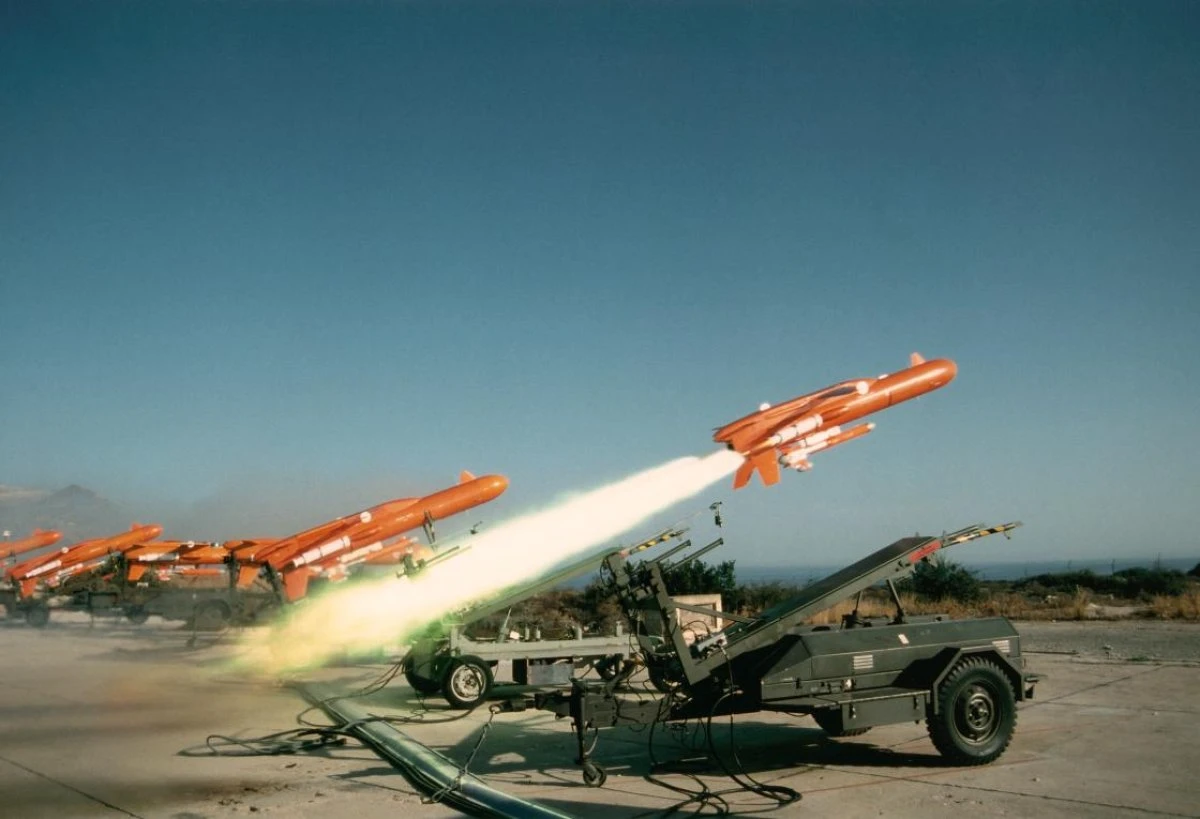
At the same time, Ukraine is developing a medium-range strike layer. The startup Wingtech has created Haba, a reusable fixed-wing bomber drone that can fly missions up to 300 kilometers and is designed to resist jamming. Such systems are needed to hit logistics, air defenses, bases and roads leading to the front.
Demand for these drones is rising faster than producers can scale output. For startups, the bottleneck is often not the idea or even the technology, but working capital. In Wingtech’s case, a larger Ukrainian defense manufacturer helped close that gap by providing financing for expansion.
This is an important model for the future. A small startup can create a product, but a larger company can provide production discipline, money, supply chains and serial manufacturing. If Ukraine learns to connect these two worlds quickly, its defense industry will become far more resilient.
Digital procurement also plays a separate role. Brigades can order products directly from manufacturers through Brave1 Market and DOT-Chain — effectively online marketplaces for weapons and military technologies. They offer hundreds of products from hundreds of manufacturers, and units can leave reviews.
This radically changes the bureaucratic culture of war. Instead of a long centralized route, a brigade sees a product, evaluates it, orders it, tests it and returns practical experience to the producer. The army becomes not only a consumer, but a co-author of technology.
Such speed carries risks. Defense startups operate in a field where a mistake can cost lives, and excessive faith in novelty can create an illusion of readiness. Ukraine’s system therefore needs a balance between experimentation and standardization, frontline flexibility and quality control.
But the basic logic is right. Russia has more resources, more territory and a heavier industrial base. Ukraine cannot defeat it by mirror-copying. It needs asymmetry: sea swarms, robotic trucks, strike drones, digital marketplaces, fast producers and constant learning from the battlefield.
This new defense ecosystem does not replace artillery, air defense, armor or infantry. It is meant to give them a better chance to survive and act effectively. If a robot delivers cargo into the kill zone, a drone intercepts a Russian system over the sea, and a startup fixes a design flaw in a month, that is already part of strategic resilience.
Ukraine is building not just a set of separate technologies, but a different culture of war — fast, networked, experimental and ruthlessly practical. In it, the winner is not the one with the most polished presentation, but the one whose product survives jamming, mud, cold, explosions and returns from the front with a new task.