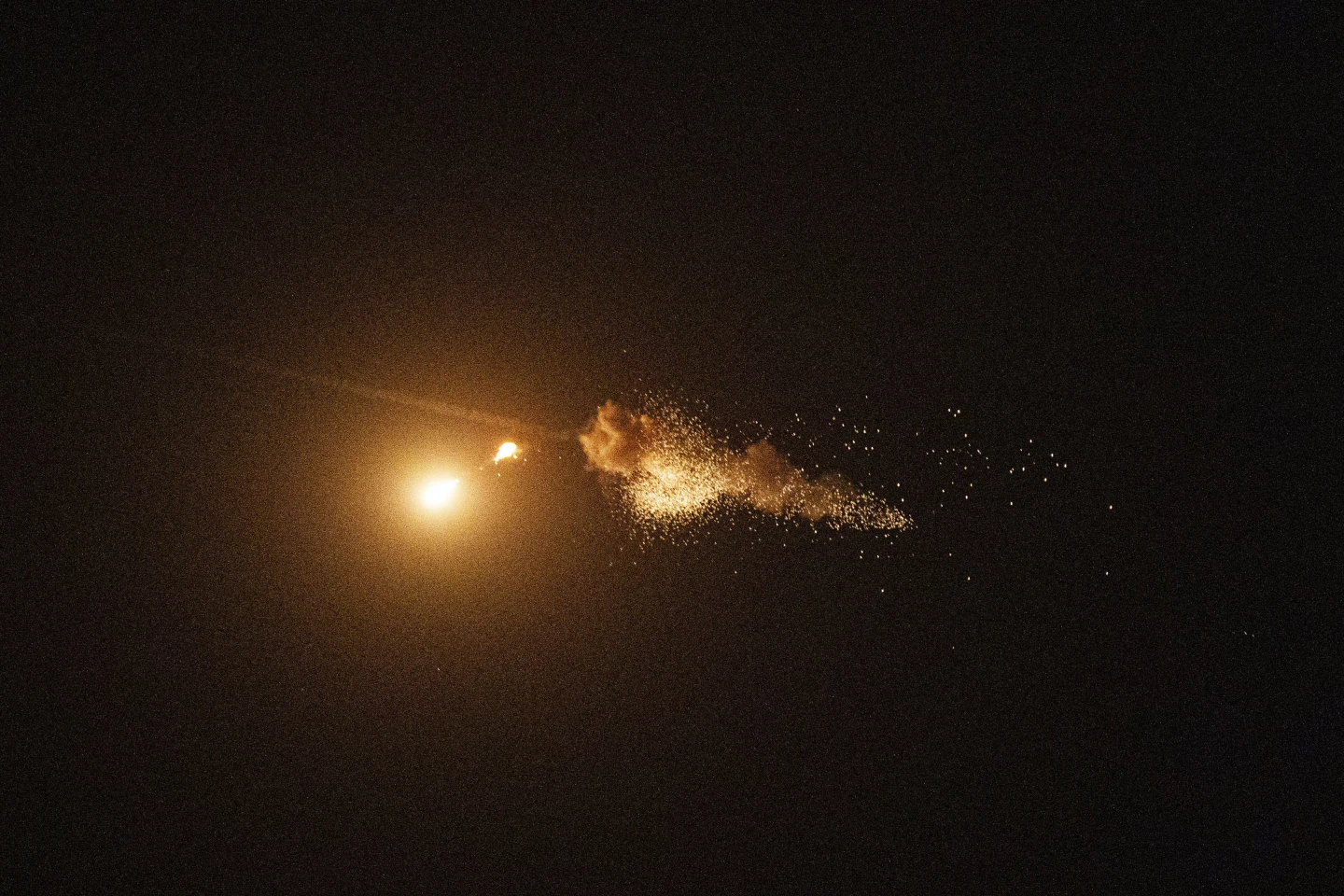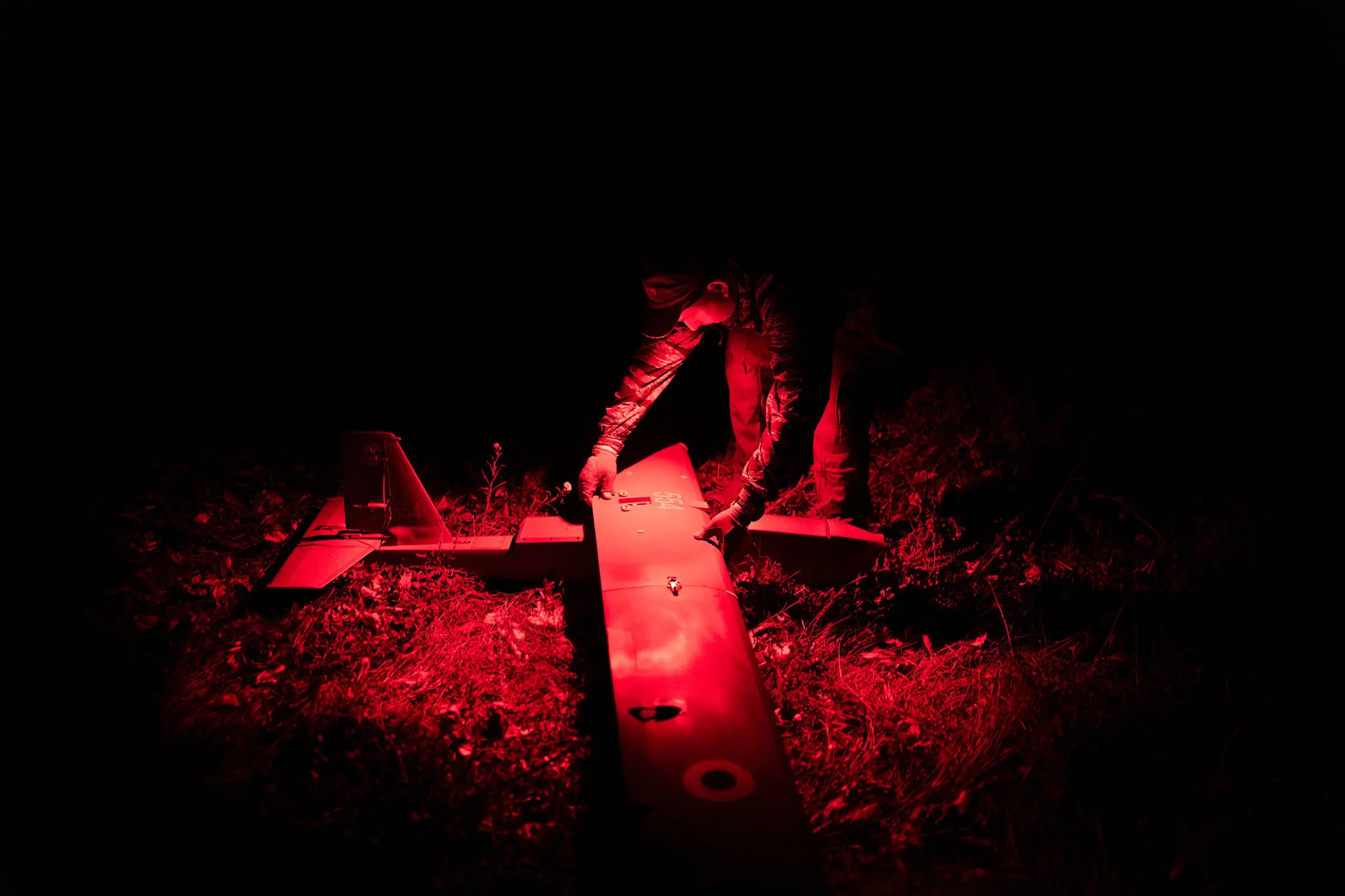























Ukraine’s overnight drone strikes on Russian oil and port infrastructure were more than another episode in a long-range war. They showed that Kyiv is increasingly turning Russia’s fuel system into a distinct theater of attrition — as important in its own way as the front line, rear logistics, or air defense. The targets included the Samara region, occupied Crimea, and the Baltic direction, meaning several nodes through which Russia not only stores and refines oil, but converts it into export revenue and a resource for sustaining the war.
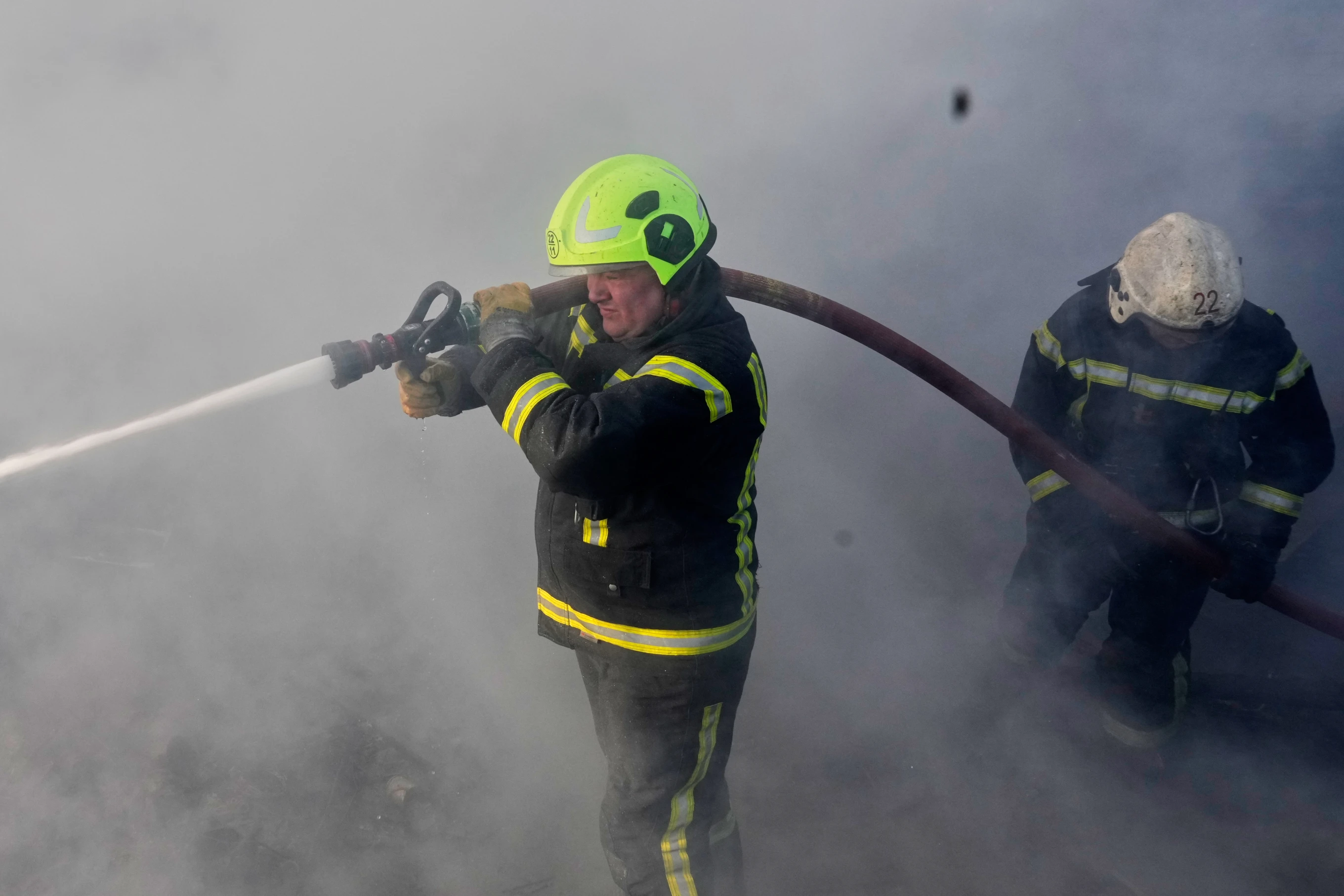
In practical terms, this no longer looks like a series of isolated attacks. It looks like pressure on the entire fuel chain. Reported strikes on refineries in Novokuibyshevsk and Syzran, a fire near the port of Vysotsk in the Leningrad region, and damage to a fuel tank in Sevastopol all fit the same logic: Ukraine is increasingly choosing not symbolic targets, but the points where production, storage, shipment, and maritime logistics intersect. That matters in a war increasingly defined not only by the number of missiles and shells, but by a state’s ability to keep its fuel cycle running without interruption.
That is why this story matters beyond the fires and explosions themselves. Russian oil in this war is not merely an export line. It is budget revenue, transport, military supply, aviation fuel, diesel for equipment, financial endurance, and a tool of foreign trade. As Daycom noted in earlier analysis, strikes on this kind of infrastructure do not always produce an immediate effect in headline numbers, but they steadily undermine the predictability of the system: they disrupt loading schedules, complicate insurance, force route revisions, and raise the internal cost even of short interruptions.
The geography is especially revealing. Samara is part of Russia’s internal industrial belt, an area Moscow long treated as relatively insulated from the direct damage of war. Vysotsk is part of Baltic export logistics, where oil and petroleum products move from the internal circuit to external trade. Crimea is a separate military-logistical hub, where fuel reserves matter not only for civilian supply, but for troop groupings, the fleet, and the maintenance of occupation infrastructure. Taken together, this suggests that Ukraine is thinking less and less in terms of retaliatory pinpricks and more in terms of a campaign designed to reduce the resilience of Russia’s war economy.
That campaign is gaining weight because of the international context as well. In recent weeks, Kyiv has reacted sharply to Washington’s temporary sanctions window for part of Russia’s oil trade, extended in an effort to ease global market risks. For Ukraine, that logic looks close to a direct contradiction: Western capitals declare support for Kyiv while still leaving Moscow room to preserve oil income. Against that backdrop, strikes on refineries, terminals, and ports look like an attempt to narrow by military means the margin that sanctions policy has left open.
There is both a military and an economic calculation in this strategy. Destroying a refinery outright is difficult, but even repeated disruptions create a cumulative effect. Every fire, staff evacuation, loading delay, or rerouted shipment raises costs, slows export rhythms, and weakens market confidence in the reliability of Russian infrastructure. For a country fighting a long war, that is critical. The question is not only how much oil can be extracted, but whether it can be refined, moved, insured, sold, and turned into budget revenue quickly enough.
It is also telling that Ukraine is increasingly striking not just one category of target, but the links between them. When attacks hit refineries, fuel depots, and export ports together, they put pressure not on a single point, but on the movement of product across the whole chain — from domestic processing to foreign markets. That is far more dangerous for Moscow than even a dramatic strike on a single facility. Wars of resources are won not only through destruction, but through repeated disruption, when the system technically still works, but does so at greater cost, with more delays and with rising nervousness.
For the Kremlin, this creates another problem: it must stretch air defenses between the front, the capital region, military bases, the Black Sea coast, Crimea, and a growing number of industrial zones deep inside the country. The more valuable energy sites that must be protected, the more expensive the defense task becomes. And when attacks reach the Baltic coast or inner industrial regions, one of Russia’s basic wartime illusions begins to erode — the idea that the strategic rear can be fully separated from the battlefield.
At the same time, the immediate effect should not be overstated. A single strike on a refinery or terminal does not collapse the entire Russian oil system overnight. But a sequence of such attacks changes the quality of how that system functions. It raises the risk premium, forces Moscow to patch vulnerabilities constantly, intensifies internal competition for air defense coverage, and gradually blurs the line between the military front and the energy rear. In a long war, that often matters more than the short media impact of one explosion.
These strikes, then, should not be read simply as another story about drones over Samara, Crimea, or the Baltic. They are a sign that Ukraine is increasingly shifting part of the pressure onto the infrastructure that allows Russia to wage a long war. And if the fuel front once seemed secondary, it now looks more and more like one of the central ones. In modern warfare, the advantage belongs not only to the side that holds the front line, but to the one that can preserve energy, exports, logistics, and money for longer.