

















The war between Ukraine and Russia is entering a phase in which every week leaves less room for error. Kyiv is striking Russian logistics with drones, Moscow is answering with missile and drone attacks on Ukrainian cities, and the risk of uncontrolled escalation is growing faster than diplomatic mechanisms can respond.
At this moment, American diplomacy looks scattered. Donald Trump’s main informal negotiators — Steve Witkoff and Jared Kushner — are increasingly absorbed by the Iran track. They remain crucial channels for both Ukraine and Russia, even though the war in Europe requires not occasional contact, but daily, structured work.
The imbalance is especially visible against the background of a staffing vacuum. The post of U.S. ambassador to Moscow has been vacant for more than a year, while the American mission in Kyiv has also operated without a full political center after the resignation of its acting chief. In traditional diplomacy, institutions compensate for such gaps. In Trump’s current model, everything narrows to a handful of people.
In Daycom’s assessment, this is the central weakness of the American approach: a war that demands a broad diplomatic architecture has been placed in the hands of a narrow circle of negotiators who think in the logic of a private deal. Where ambassadors, expert teams, military channels, sanctions specialists and constant coordination with allies are needed, Washington often relies on personal access to the president.
Witkoff and Kushner are valuable to both sides precisely because of that access. For Kyiv, they are a route to Trump, on whom weapons, air defense, sanctions and the negotiating framework depend. For Moscow, they are a channel to a leader capable of influencing issues the Kremlin considers strategic: Ukraine’s relationship with NATO, the outlines of a possible peace, the sanctions regime and future economic arrangements.
But what looks like an advantage also becomes a bottleneck. Two people cannot replace a full diplomatic machine, especially when they are simultaneously managing another major crisis track. Iran consumes the White House’s time, attention and political capital, while the Russia-Ukraine war does not wait for Washington’s schedule to clear.
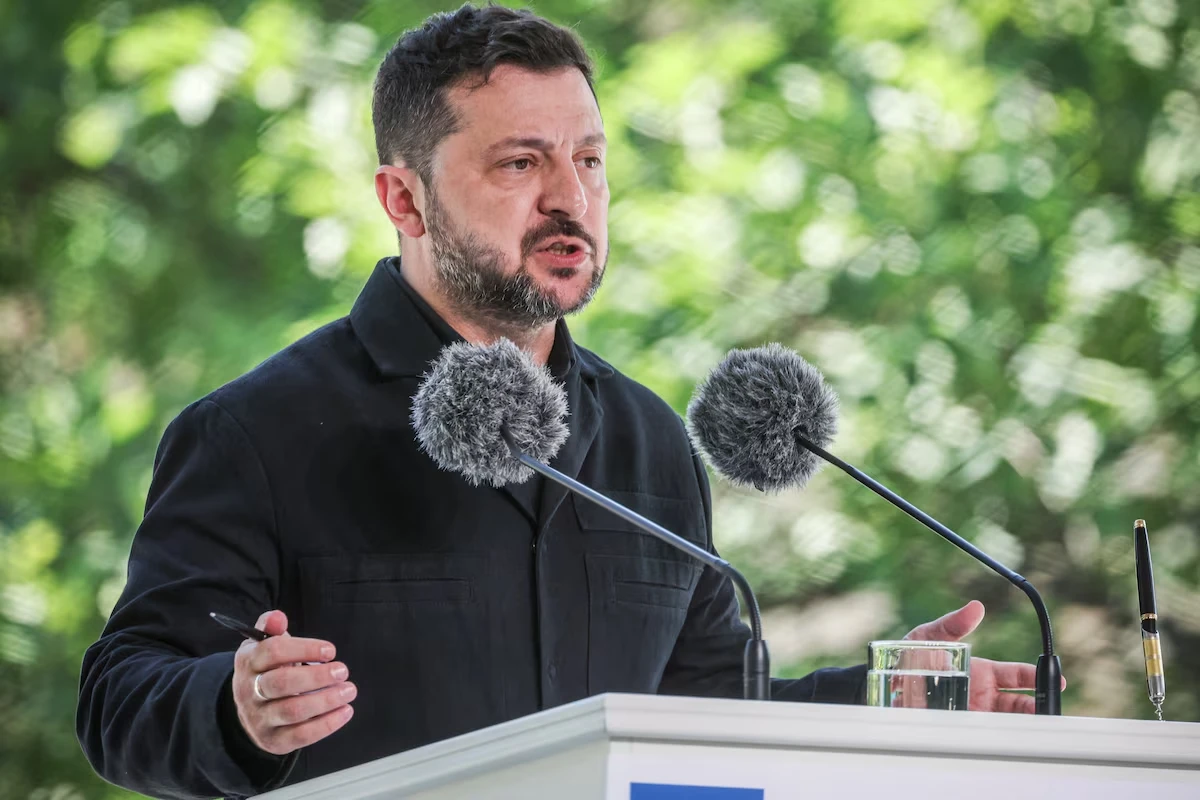
Zelenskyy has already made clear publicly that Ukraine does not feel like America’s top priority. His phrase about being in “the queue of these wars” sounds not like resentment, but like a cold diagnosis. For Kyiv, becoming the second issue is dangerous at a moment when Russia is expanding its strikes and Ukraine’s defense needs fast decisions on interceptors, long-range capabilities and stable supplies.
Putin, by contrast, is using the pause. He says he understands why Washington is preoccupied with Iran, but he is making no pause on the battlefield. Russian strikes on Kyiv, attacks on energy infrastructure, pressure in Donetsk region and demands for Ukrainian territory continue. The Kremlin knows well that an opponent’s diplomatic inattention often creates room for military pressure.
Moscow is also waiting for Witkoff and Kushner to return to the Russia track. For the Kremlin, this is a convenient format: not a broad coalition of Ukraine’s allies, not a complex European framework, but contact with people who think in the language of direct arrangement. Putin values such channels because they allow him to bypass parts of the traditional diplomatic infrastructure.
For Ukraine, that format is far riskier. Kyiv needs not merely intermediaries, but partners who understand the price of every concession. A peace agreement designed as a quick political victory for Washington could easily become a reward for Russian aggression if it lacks hard security guarantees, Ukraine’s military resilience and real pressure on Moscow.
That is why Witkoff’s failure to visit Ukraine carries more than symbolic meaning. He has met Putin repeatedly, but he has not seen the Ukrainian war from Kyiv, Kharkiv, Odesa or the front-line cities. It is impossible to fully understand the logic of Ukraine’s position if it is known only through negotiation rooms, maps and phone calls.
Trump’s American approach rests on faith in the personal deal. It is a style of business negotiation transferred into the space of a major war: find people with access, sit the parties down, identify an exchange and close the conflict. But Russia’s war against Ukraine is not a dispute over the price of an asset. It is a war over territory, European security, the international order and a state’s right to exist without external dictate.
The danger is not the attempt to negotiate itself. The danger is the illusion that an agreement is possible without changing the Kremlin’s calculations. If Russia believes it can gain more through strikes on cities, an offensive in Donbas and pressure on Washington, it will not move toward a just peace. It will move only toward a pause that gives it time to recover strength.
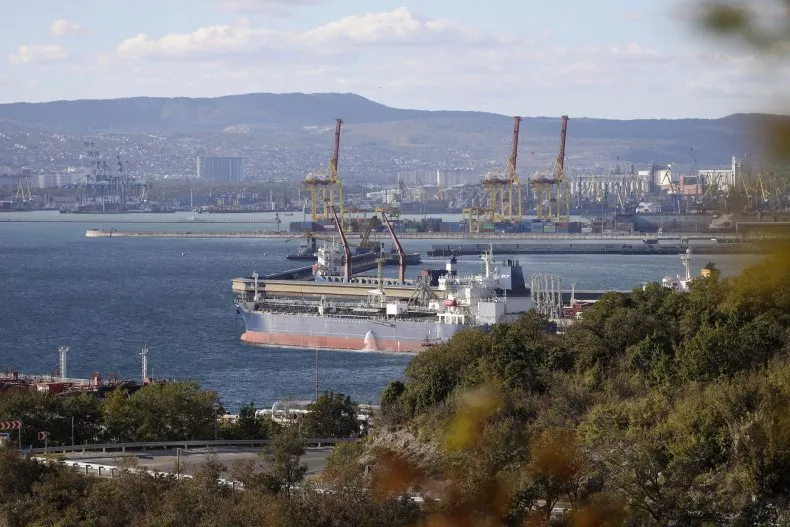
At the same time, the war is changing quickly. Ukraine is increasing long-range strikes on Russian oil infrastructure, logistics and military sites. Russia is intensifying aerial terror with ballistic missiles, drones and guided aerial bombs. This is no longer a frozen conflict that can wait for a diplomatic window. It is a moving system of escalation.
In such a system, the diplomatic vacuum becomes a risk factor in itself. Without a permanent American channel in Kyiv and Moscow, there are fewer ways to prevent mistakes, read intentions, coordinate allies and influence the decisions of both sides. And when so much weight rests on a few individuals, every distraction creates strategic silence.
Europe has not filled that gap either. Ukraine’s allies have resources, influence and political will, but they still have not built a unified mechanism for direct engagement with the Kremlin that could complement or balance the American channel. As a result, everyone again looks to Washington, even when Washington is looking elsewhere.
For Trump, the war in Ukraine may seem distant. He has described it as a conflict that barely affects the United States, apart from weapons sales. But that distance is deceptive. If Russia emerges from the war with a sense of success, it will reshape Europe’s security architecture, embolden authoritarian regimes and call into question America’s willingness to defend its own allies.
Ukraine is not asking for Iran to disappear from the agenda. It is asking that its war not become secondary precisely when decisions matter most. For Kyiv, a diplomatic pause is measured not by the White House calendar, but by overnight strikes, dead civilians, depleted air defenses and losses on the front.
The central paradox of this moment is that everyone speaks about the need to end the war, while the tools to do so appear to be shrinking. Channels exist, but they are narrow. Contacts exist, but they are uneven. Peace rhetoric exists, but Russia continues to fight as if diplomacy were merely another theater of war.
The question, then, is not whether Witkoff and Kushner will return to the Ukraine track after Iran. The question is whether Europe’s bloodiest war since World War II can depend on when a few presidential envoys find the time. A conflict of this scale does not wait in line. When it is not managed every day, it creates new conditions on its own — with missiles, drones, ruins and the next wave of losses.