

















More than four years of full-scale war have turned Ukraine’s skies into the world’s harshest testing ground for unmanned systems. Russian drones kill soldiers and civilians, strike energy infrastructure and force defenses to evolve faster than official doctrine can be rewritten.
Each new threat has produced a response: mobile detection systems against FPV drones, cheaper interceptors against Shaheds, and greater autonomy and new communications channels against electronic warfare. War has compressed the innovation cycle from years to weeks.
That experience has now become an export. Ukraine is offering partners not only drones, radars, combat modules and joint production lines, but something far scarcer — an understanding of what modern war looks like after the first mass attack.
According to Daycom’s analysis, Ukraine’s main export advantage is not any single drone model, but an entire system of adaptation. It links battlefield intelligence, engineering teams, manufacturers, software developers, military operators and state institutions into one rapid feedback loop.
That is precisely what many wealthier militaries lack. They may possess advanced missiles, modern fighter aircraft and vast defense budgets, yet remain slow in the face of cheap drones whose tactics evolve faster than a procurement process can be completed.
The spread of drone warfare across the Middle East has created a new market for Kyiv. Unmanned aircraft are targeting Israel, Gulf states and American forces. Countries that once regarded Ukraine’s experience as local now see it as a guide to their own survival.

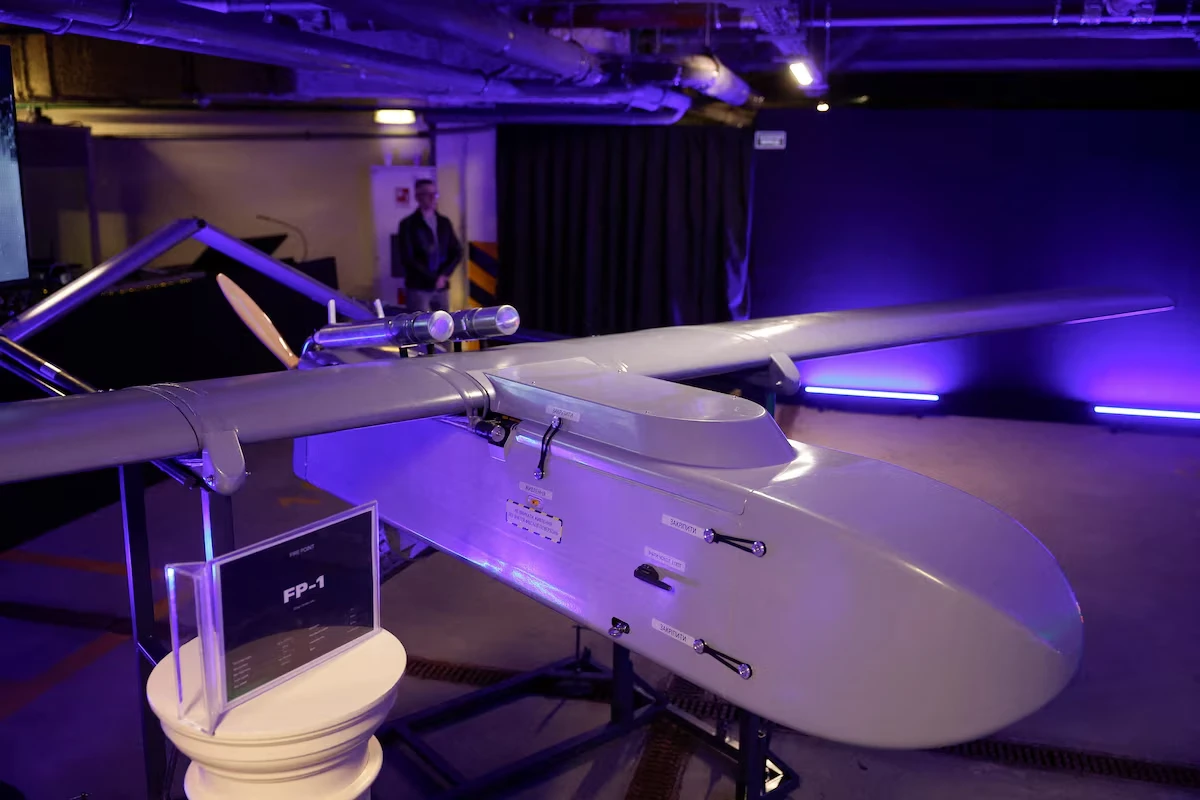


Ukraine has begun signing long-term agreements with Gulf and Baltic states. These deals include technology transfers, the deployment of Ukrainian specialists, training for local units and the creation of joint ventures. Latvia is preparing a production site close to the Russian border.
The arrangements serve two purposes. Partners gain immediate access to combat-tested expertise. Kyiv gains investment, expanded defense production and a way to convert its own military vulnerability into diplomatic and strategic influence.
Ukraine cannot export finished drones without limits while its own forces still require them in enormous numbers. The most promising model is therefore joint production, combining Ukrainian technology and battlefield data with foreign capital, components and industrial capacity.
Under this model, exports do not weaken the Defense Forces; they broaden Ukraine’s resource base. Production abroad reduces exposure to Russian strikes on domestic factories, opens access to Western supply chains and allows successful designs to scale more quickly.
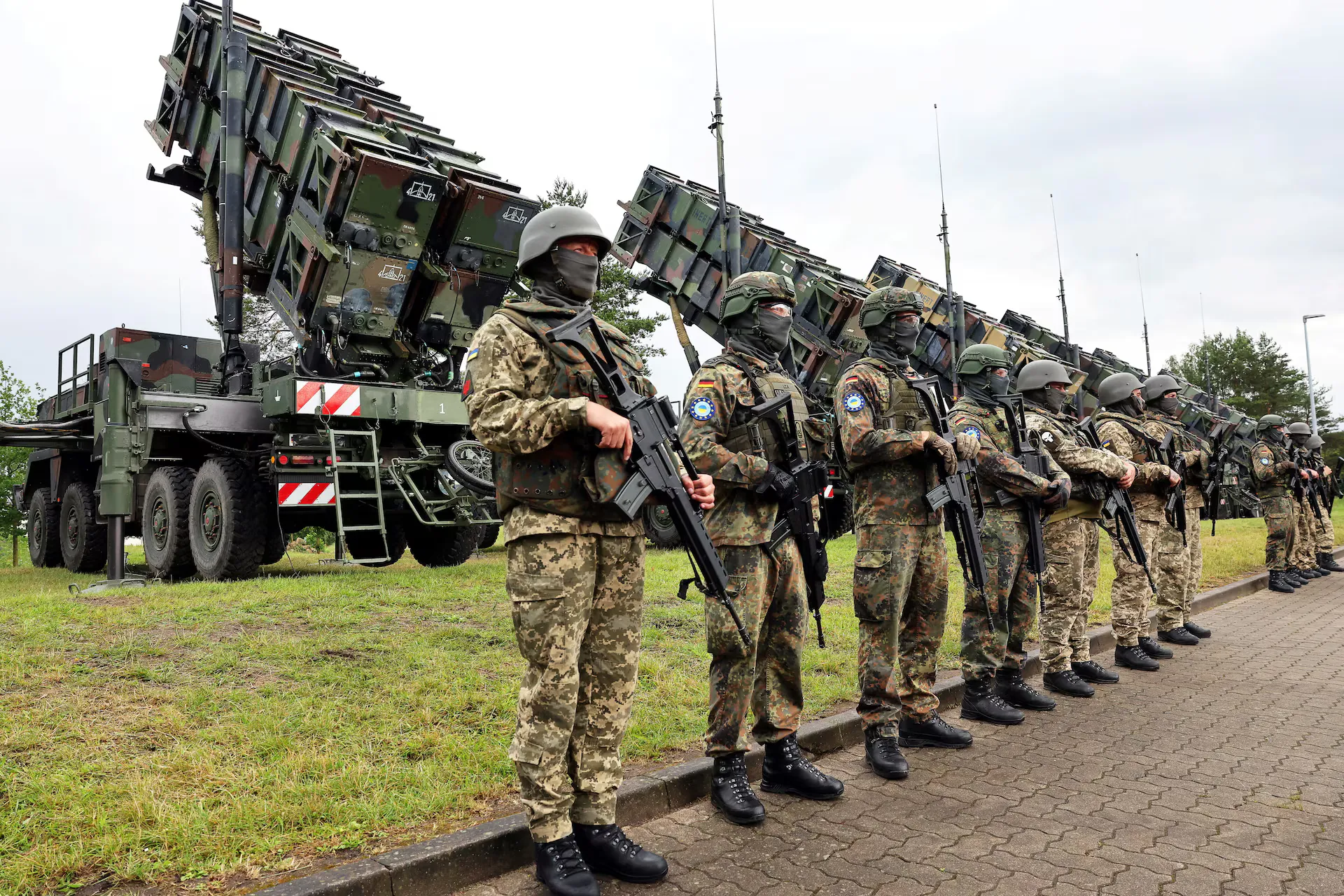
In return, Kyiv expects military support, especially air-defense systems and Patriot missiles. The exchange is increasingly explicit: Ukraine offers expertise in intercepting large numbers of cheap drones, while partners provide protection against more complex ballistic and cruise missiles.
Yet the Ukrainian approach is not built around one weapon. Counter-drone defense functions as a layered system in which early warning, radar, mobile fire teams, electronic warfare, aircraft and interceptor drones reinforce one another.
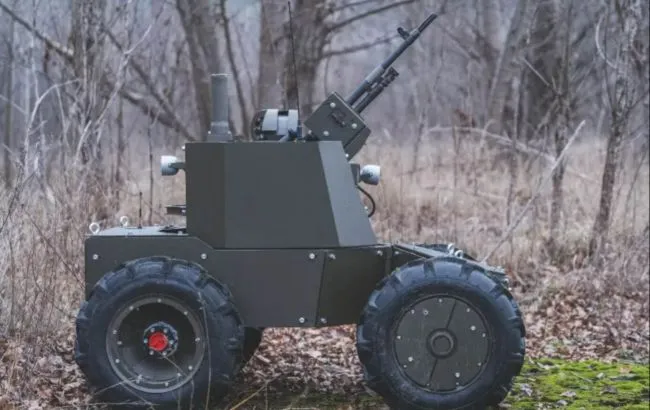
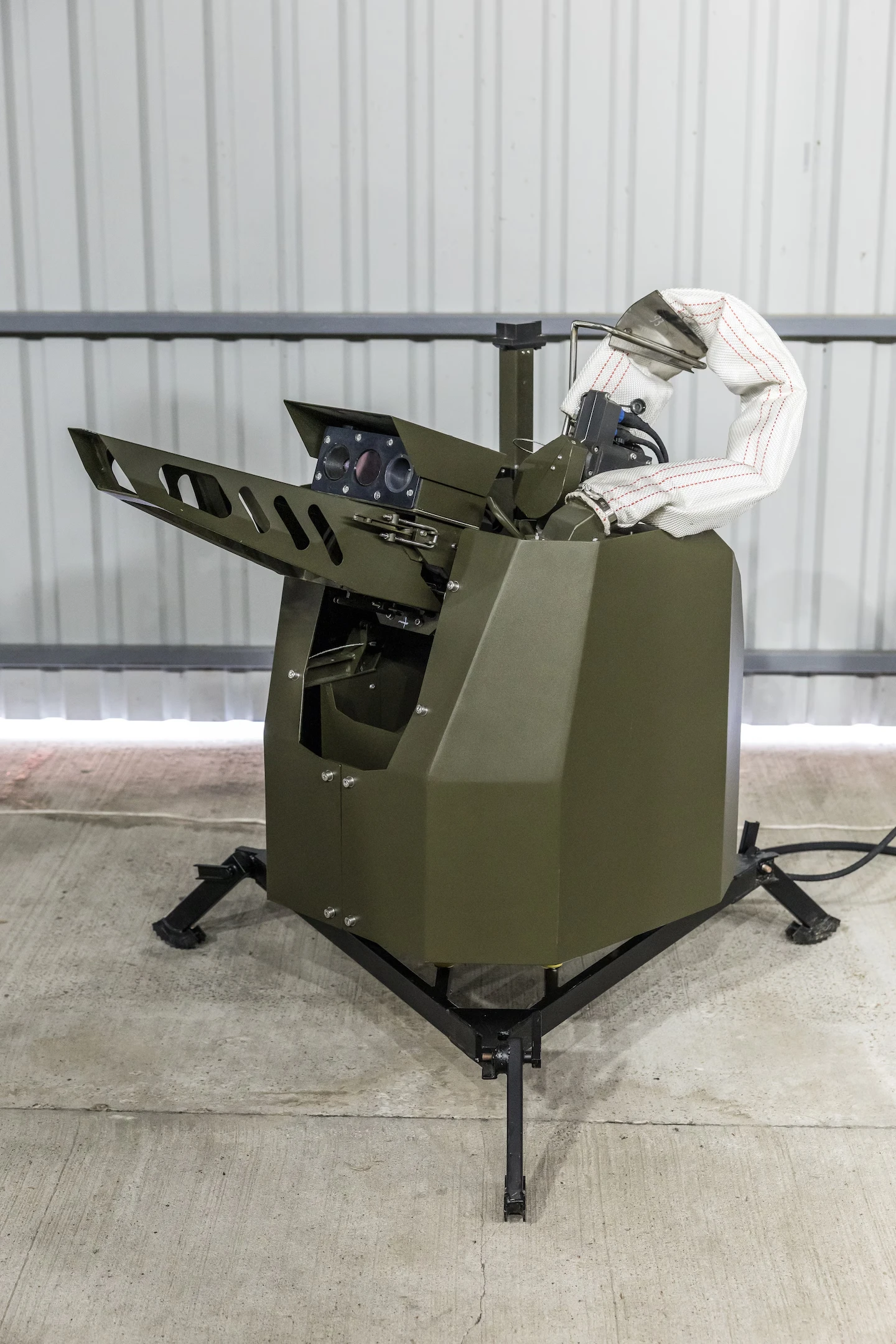 Бойовий модуль «Хижак» для ураження ворожих безпілотників помічено в Україні — Оксана Парафенюк
The choice of weapon depends on the target, route, altitude, speed and location. A method that works over open countryside may be dangerous above a city. An expensive missile should not be used where a cheaper interceptor can perform the same task.
That is why the search for a universal “silver bullet” is misguided. A single interceptor drone cannot create an air shield without sensors, operators, command posts and clear rules of engagement. Technology produces results only when it is part of an organized system.
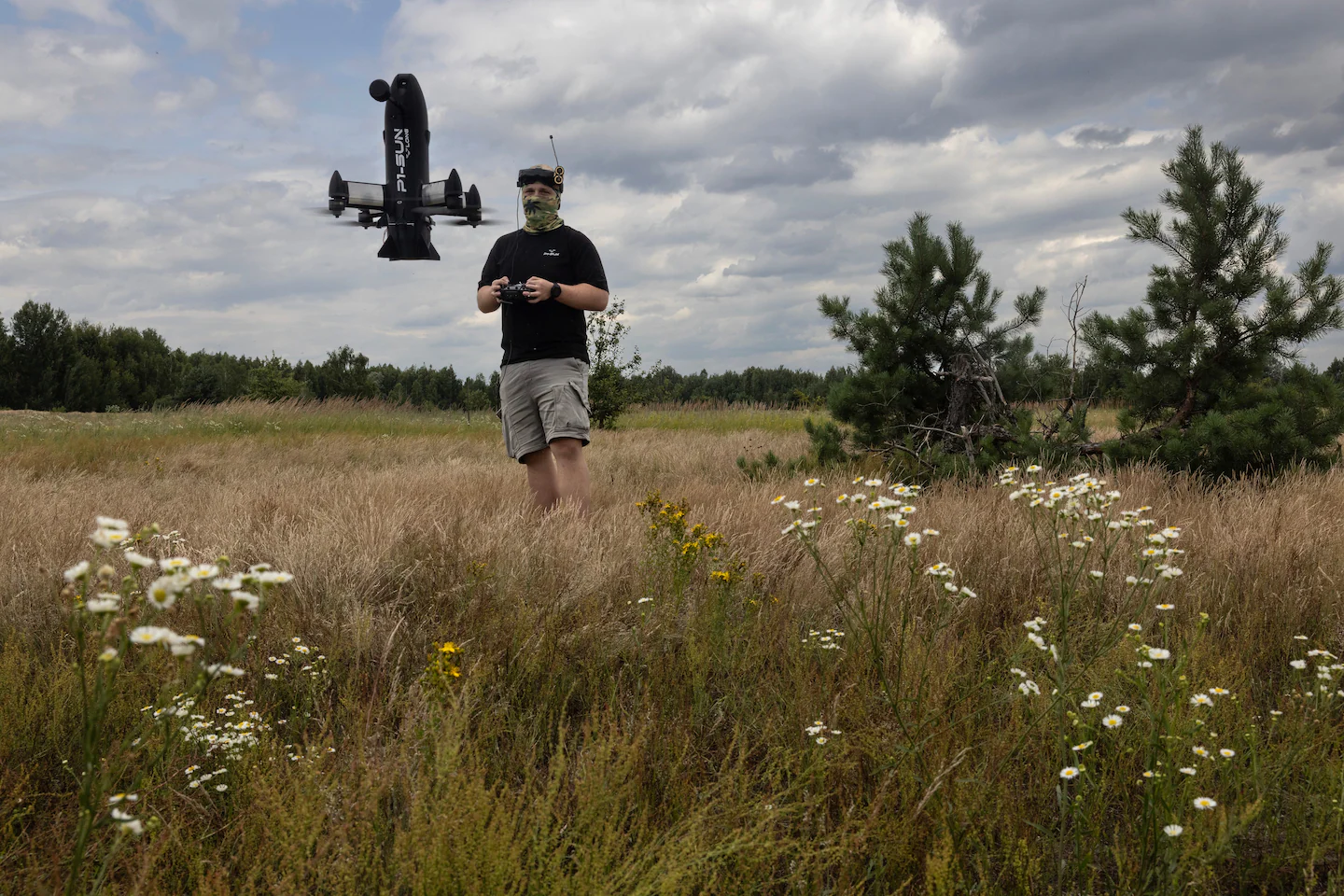
Ukraine’s defense industry now includes more than a hundred interceptor manufacturers and dozens of models designed for different missions. Their advantage lies not in permanence but in constant modification. Specifications may change within a week of Russia introducing a new tactic.
This runs against the traditional logic of the military-industrial complex, where systems spend years in testing, certification and procurement. On the Ukrainian battlefield, equipment that has not been updated for several months may become obsolete before entering mass production.
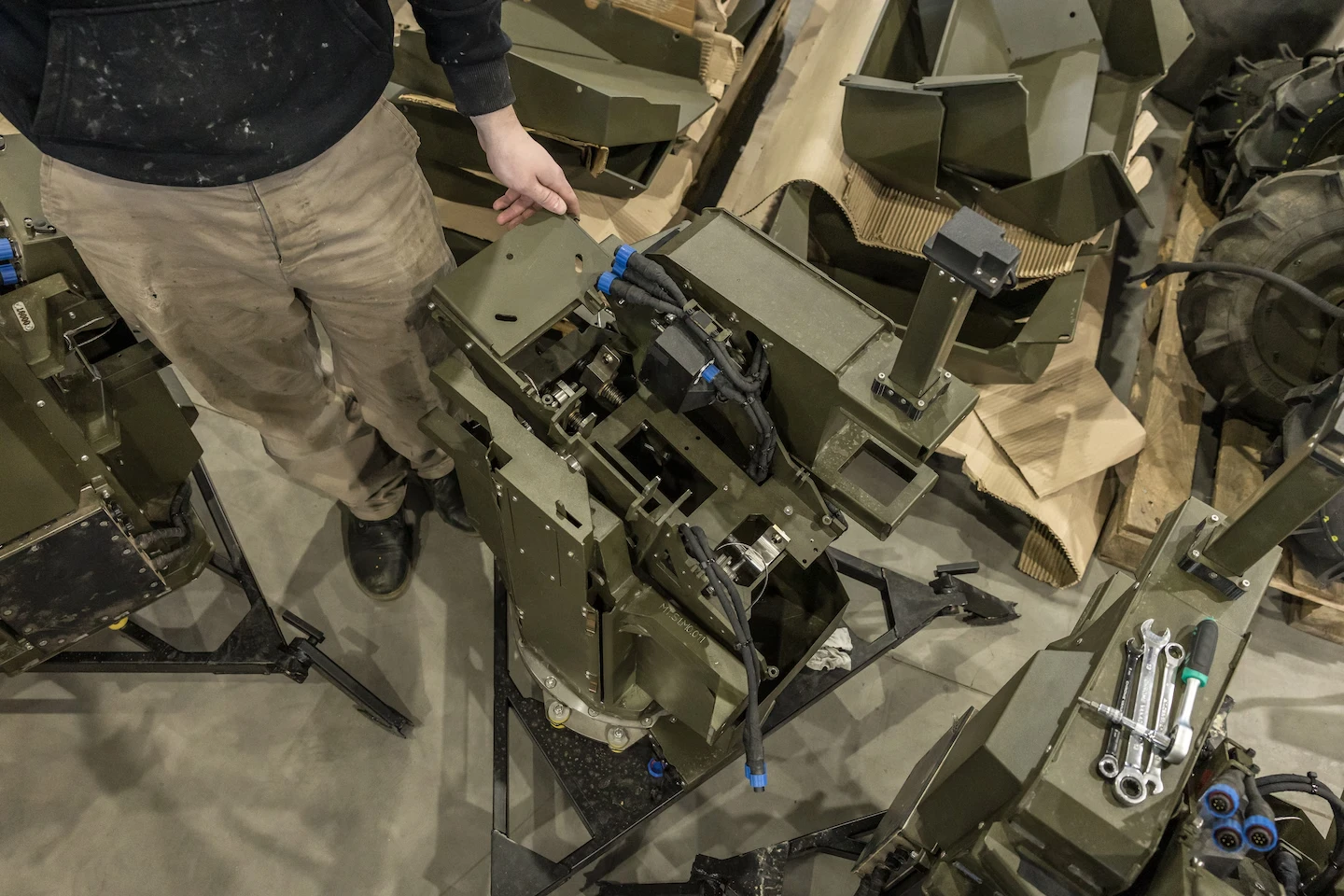
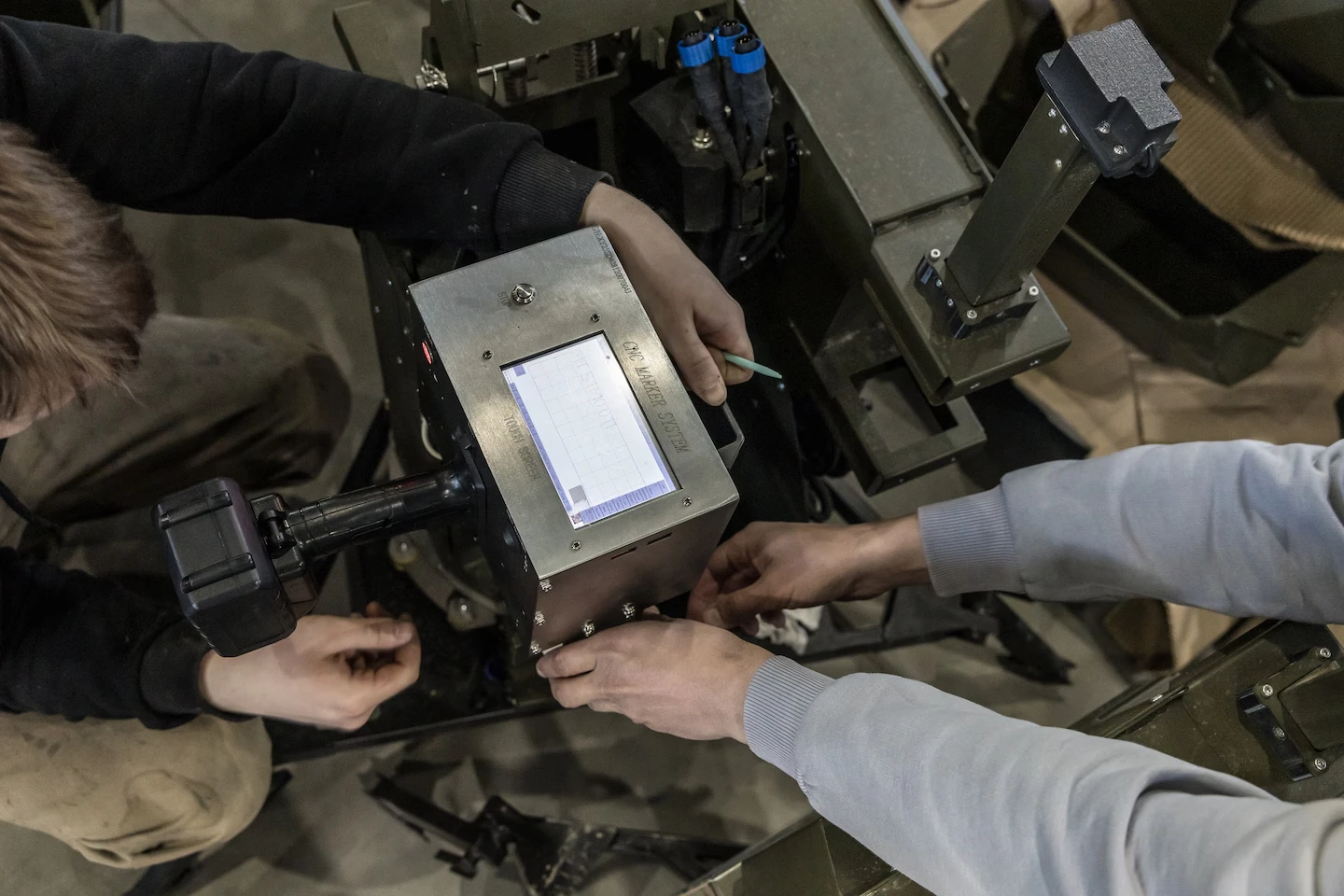
The next technological frontier is the automated combat module. Ukraine’s Khyzhak, or Predator, uses thermal and optical cameras, lasers, gyroscopes and artificial intelligence to detect, track and calculate the movement of a target.
A human operator still retains the final authority to fire. But the direction of development is clear: counter-drone defense is moving toward autonomy because the speed of FPV aircraft leaves operators less and less time to react.
Fiber-optic drones present a particular threat. Controlled through a physical cable rather than radio signals, they are largely immune to conventional electronic warfare. Soldiers often have little more than rifles, nets and physical cover with which to stop them.
These systems are creating an expanding “kill zone” along the front, where the movement of troops and vehicles becomes nearly impossible without constant aerial surveillance. The eventual combination of FPV drones with artificial intelligence will only increase their range and autonomy.
The response may come through automated turrets, ground robots and unmanned patrol platforms capable of protecting routes around the clock. If the concept succeeds, a new kind of territory may emerge between armies — one controlled primarily by machines.
Ukraine can already see this future war because many of its elements exist on the battlefield today. Its allies are only beginning to understand that air defense is no longer defined solely by aircraft and missiles. It is becoming mass-produced, distributed, cheaper and software-driven.
The central Ukrainian lesson is that technological advantage cannot be stored indefinitely. It disappears as soon as the enemy develops a countermeasure. The decisive resource is therefore not the best system, but the ability to keep producing the next one.
That requires agile engineering teams, research centers, production lines that can expand or contract quickly, and direct communication with combat units. Information from the front must reach the designer before an official report reaches headquarters.
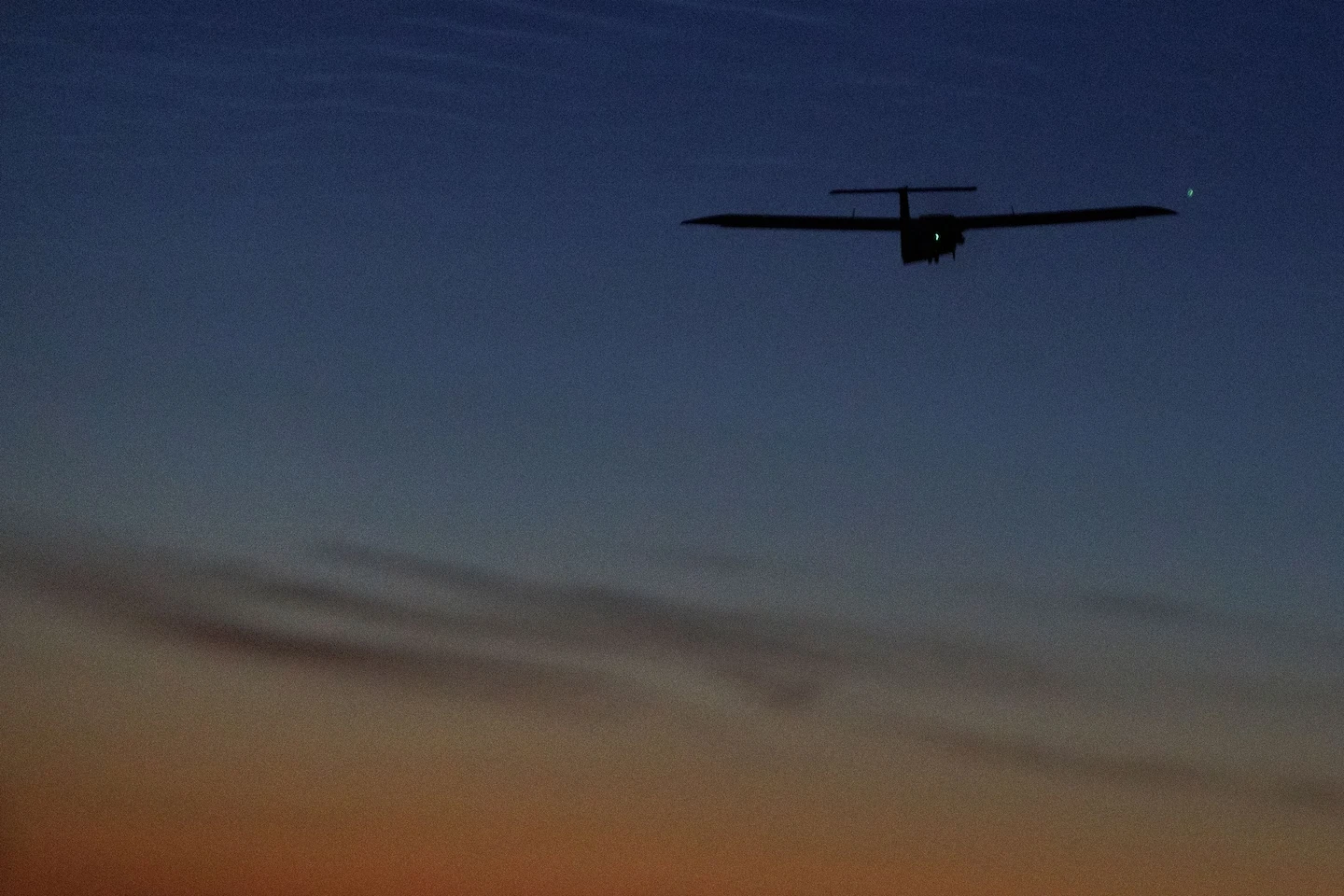
This is the system Ukraine is offering to its allies. It cannot be shipped in a container with equipment. It requires Ukrainian instructors, joint testing, access to battlefield data and a willingness by foreign militaries to change their own procedures.
That creates substantial diplomatic leverage. A country long dependent on foreign weapons is becoming a supplier of knowledge without which partners cannot fully protect their own airspace. Assistance to Ukraine increasingly resembles a mutual investment rather than charity.
But the resource is not unlimited. Ukraine’s defense industry needs intellectual-property protection, export controls and safeguards against technology reaching Russia or its partners. Commercial gain must not create new risks for the front.
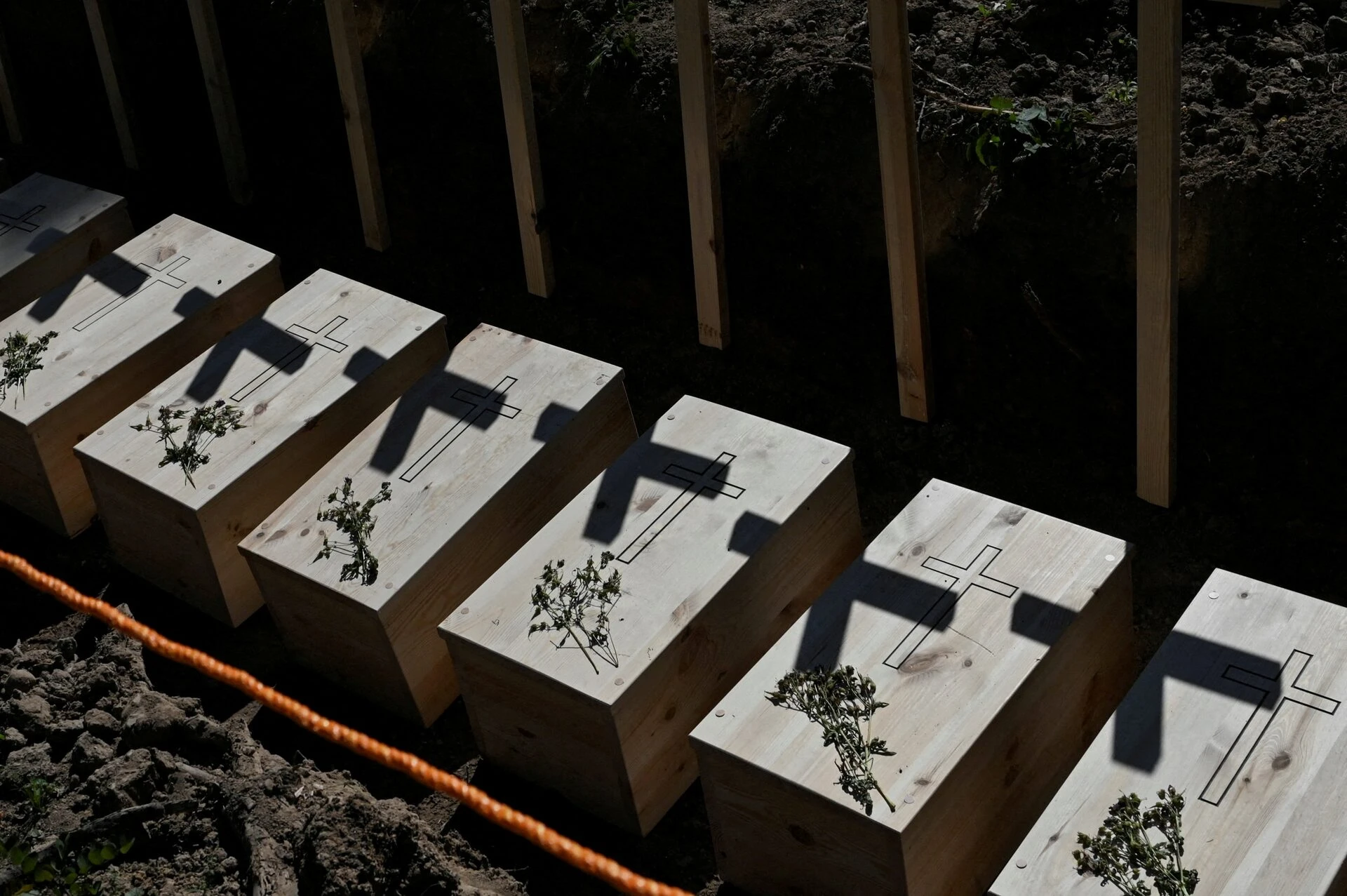
There is also a moral limit. The phrase “experience bought with blood” captures the true price of Ukraine’s expertise, but war cannot be reduced to a marketing slogan. Behind every technological advantage are destroyed cities, dead operators and mistakes corrected too late.
Ukraine is not selling allies a romanticized image of drone warfare. It is selling a warning. Systems that appear modern today may prove useless after the first mass strike. Preparation time is measured not in years, but in months.
Its most valuable export is therefore not the Khyzhak, an interceptor or a naval drone. It is a culture of rapid adaptation in which the front defines the problem, engineers answer with a prototype and production changes before the enemy can repeat its success.
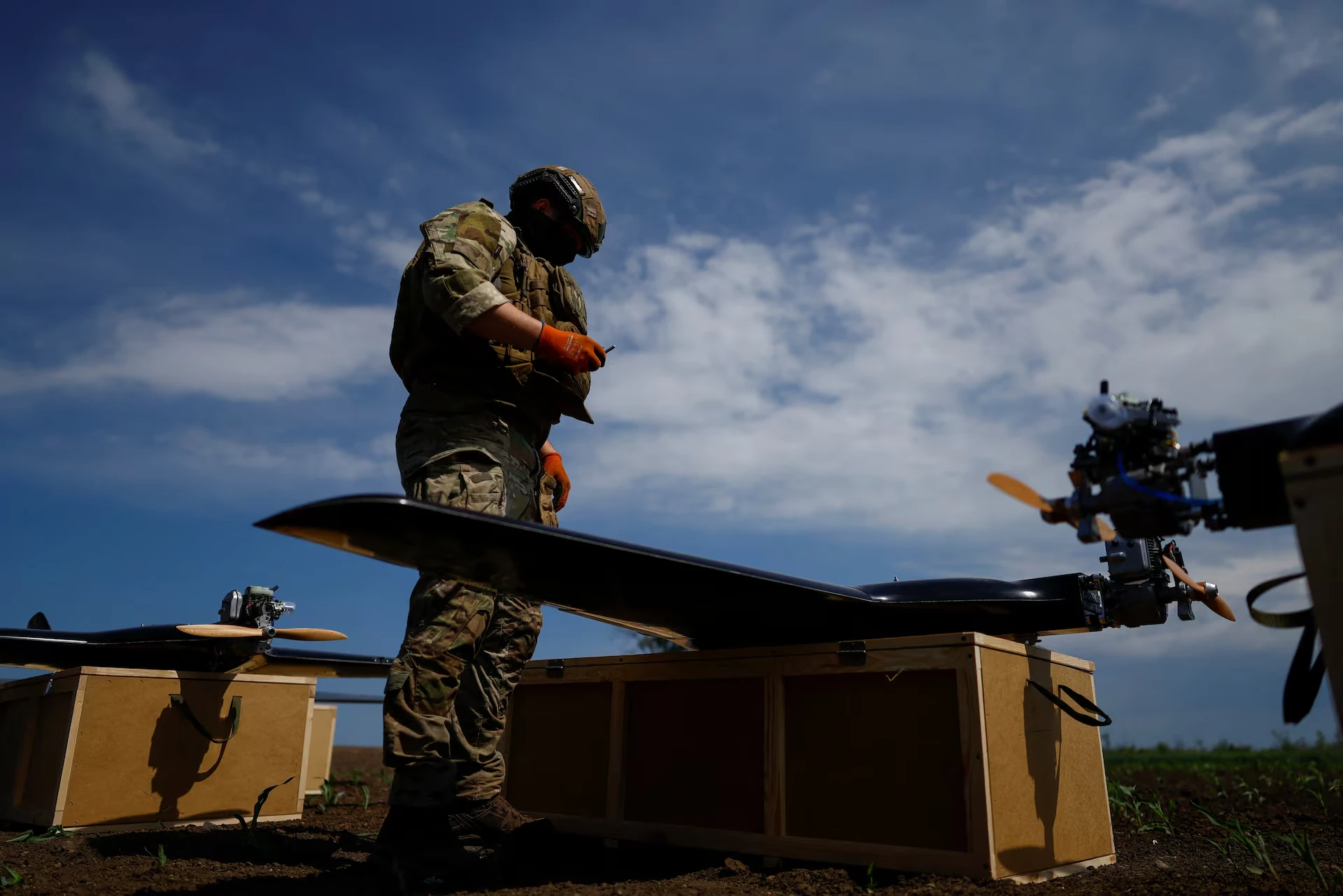
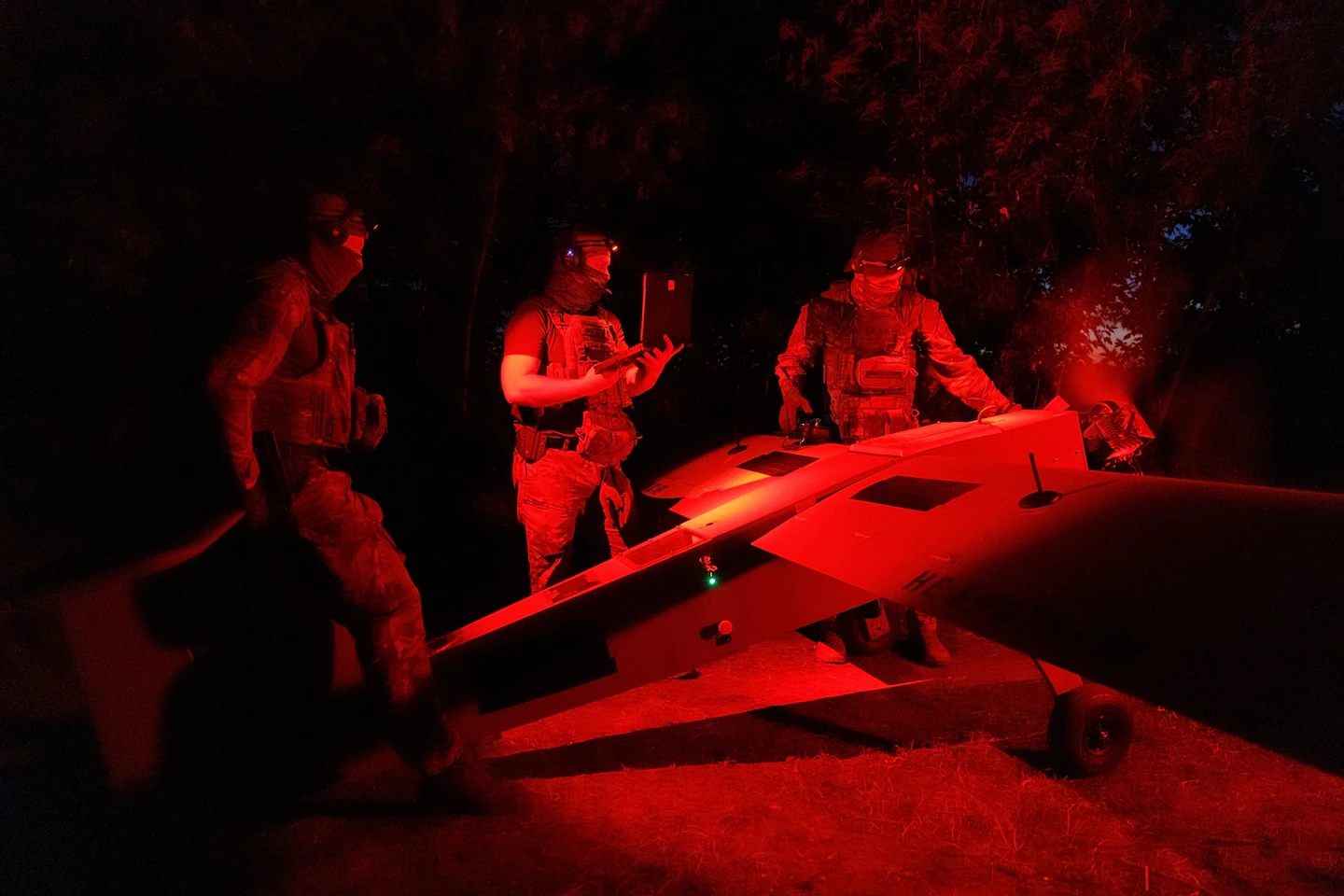 Війська на півдні України готують до польоту безпілотник для виконання ударів — Валентин Огіренко
Ukraine remains a recipient of Western military aid. But in drone warfare, the balance is shifting. Its partners possess capital and industrial scale; Kyiv possesses knowledge of what actually works under fire.
That exchange could become the foundation of a new alliance system in which Ukraine does not merely ask for a seat at the table, but brings expertise no one else can provide. It was acquired at an extraordinary cost. The state’s task now is to convert that cost into lasting power without weakening its own defense.