
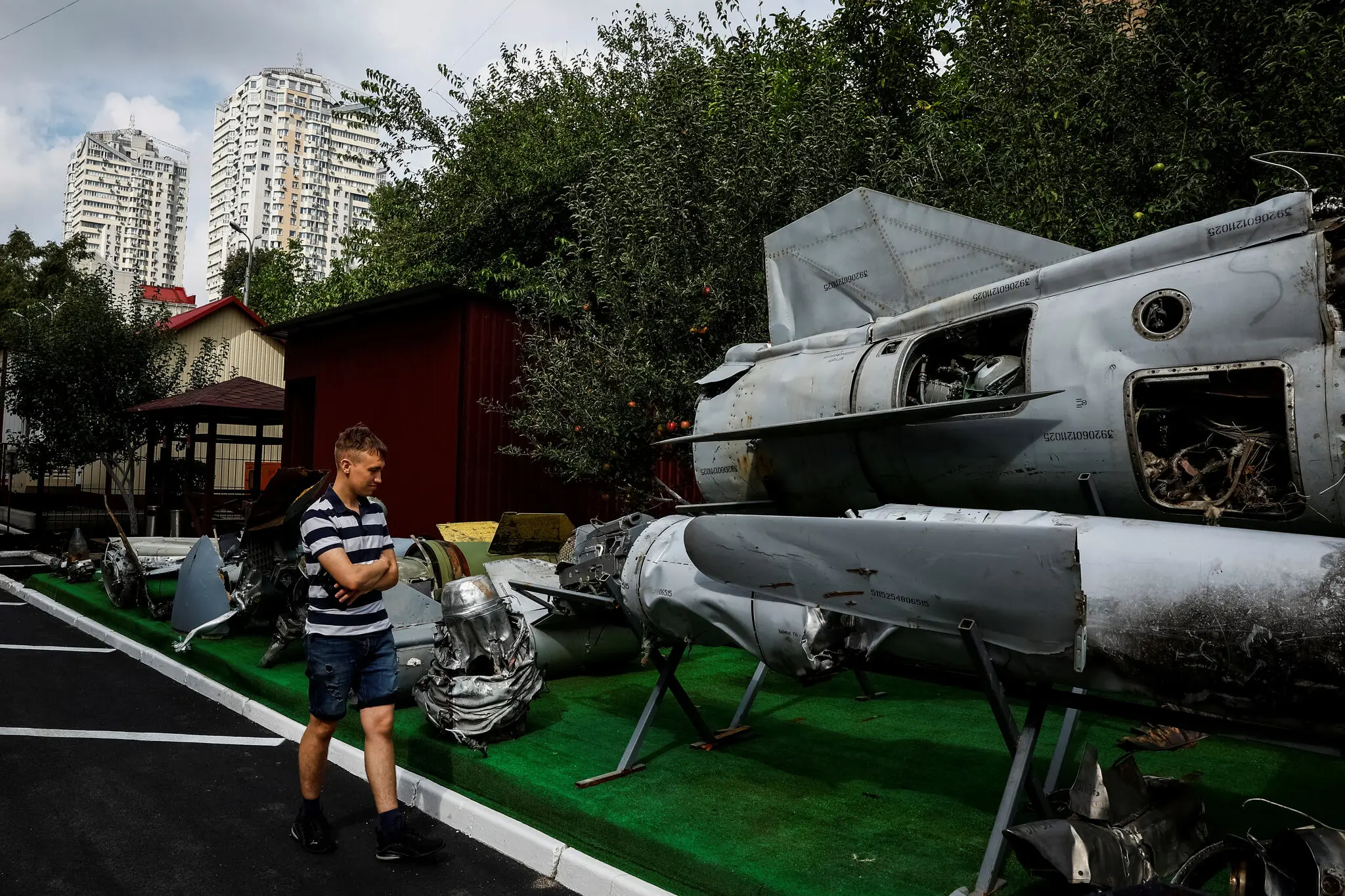







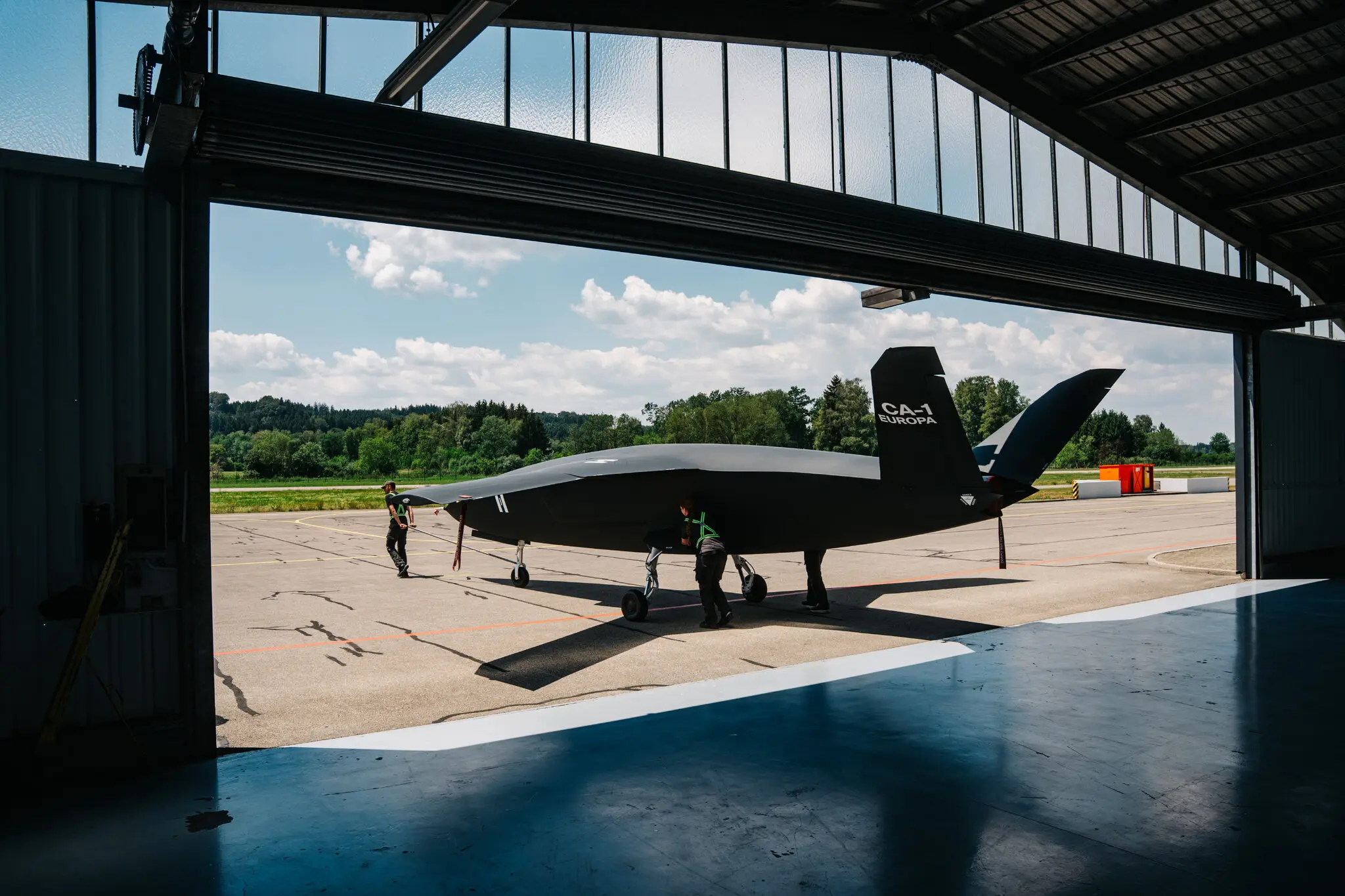









Ukraine’s war has long ceased to be only a clash of artillery, infantry and armor. It has become a laboratory of drones, electronic warfare, cyberdefense, real-time intelligence and fast technological cycles. Now another dimension is being added to that laboratory: the struggle for consciousness.
In Kyiv, officials and civilian specialists are speaking more openly about the next phase of the war — not replacing the front with information operations, but supplementing the battlefield with influence over Russian society, the Kremlin’s mobilization capacity and the psychological resilience of the aggressor state. Ukraine, having turned shortages of conventional weapons into an advantage in drones, is now looking for a similar asymmetry in the information space.
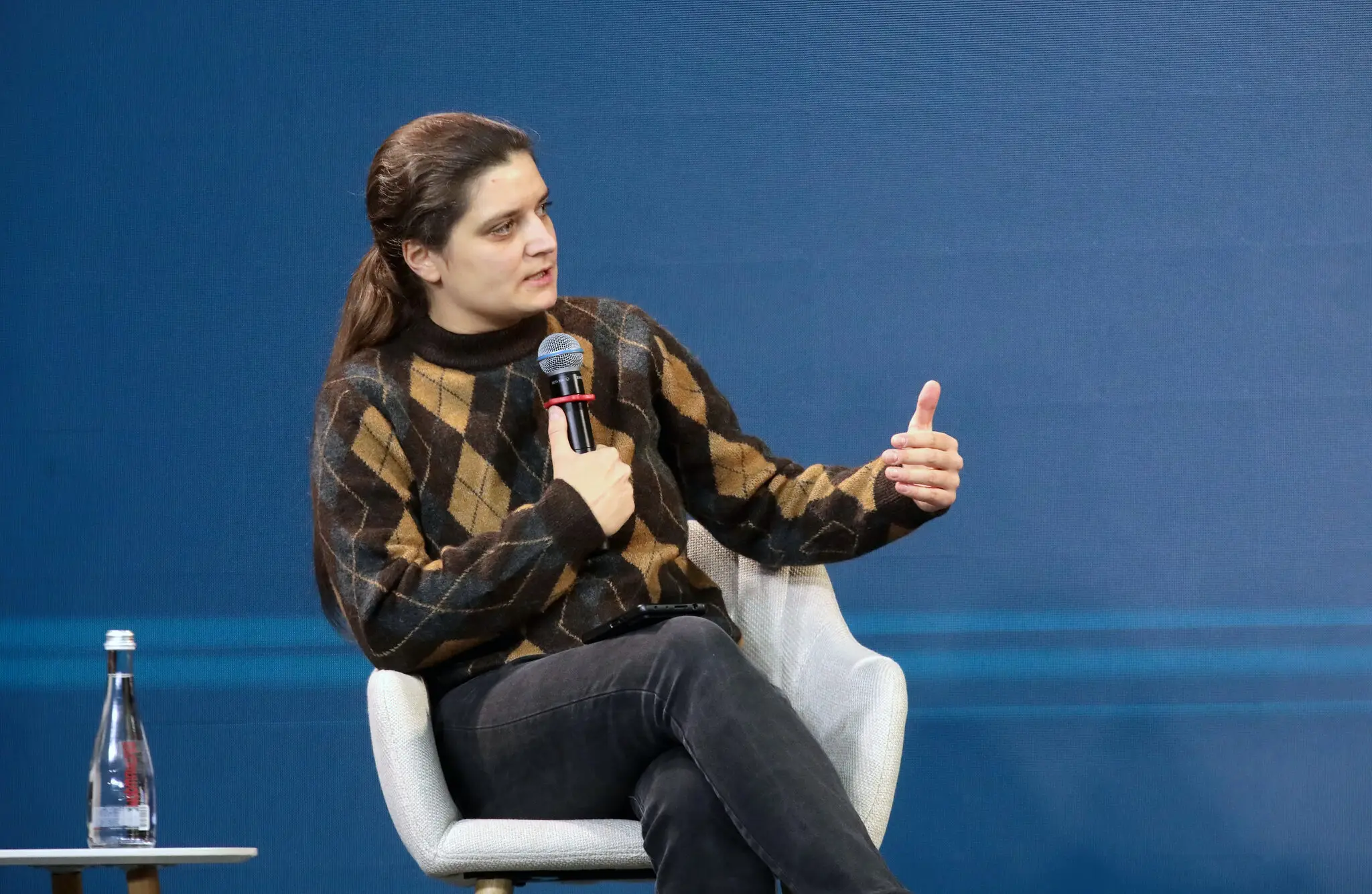
One of the drivers of this shift is Maria Berlinska, a central figure in Ukraine’s drone revolution. Since 2014, she has pushed the use of unmanned systems, trained operators, built volunteer networks and helped turn drones from a supporting tool into one of the war’s decisive elements. Now she is building a new initiative: Victory Neurones.
According to Daycom’s assessment, the significance of this initiative lies not in the creation of another organization, but in a change in strategic thinking. Ukraine is beginning to transfer the model that worked in drones into the field of cognitive warfare: networks, competition of ideas, rapid testing, civilian expertise, scaling of successful solutions and constant adaptation to the enemy.
Berlinska’s phrase that wars begin and end not in trenches but in people’s heads sounds less like a metaphor than a military calculation. Ukraine understands that drones alone cannot win the war if Russia can endlessly replenish its army, suppress doubt inside society and sell the war as a normal condition of national life.
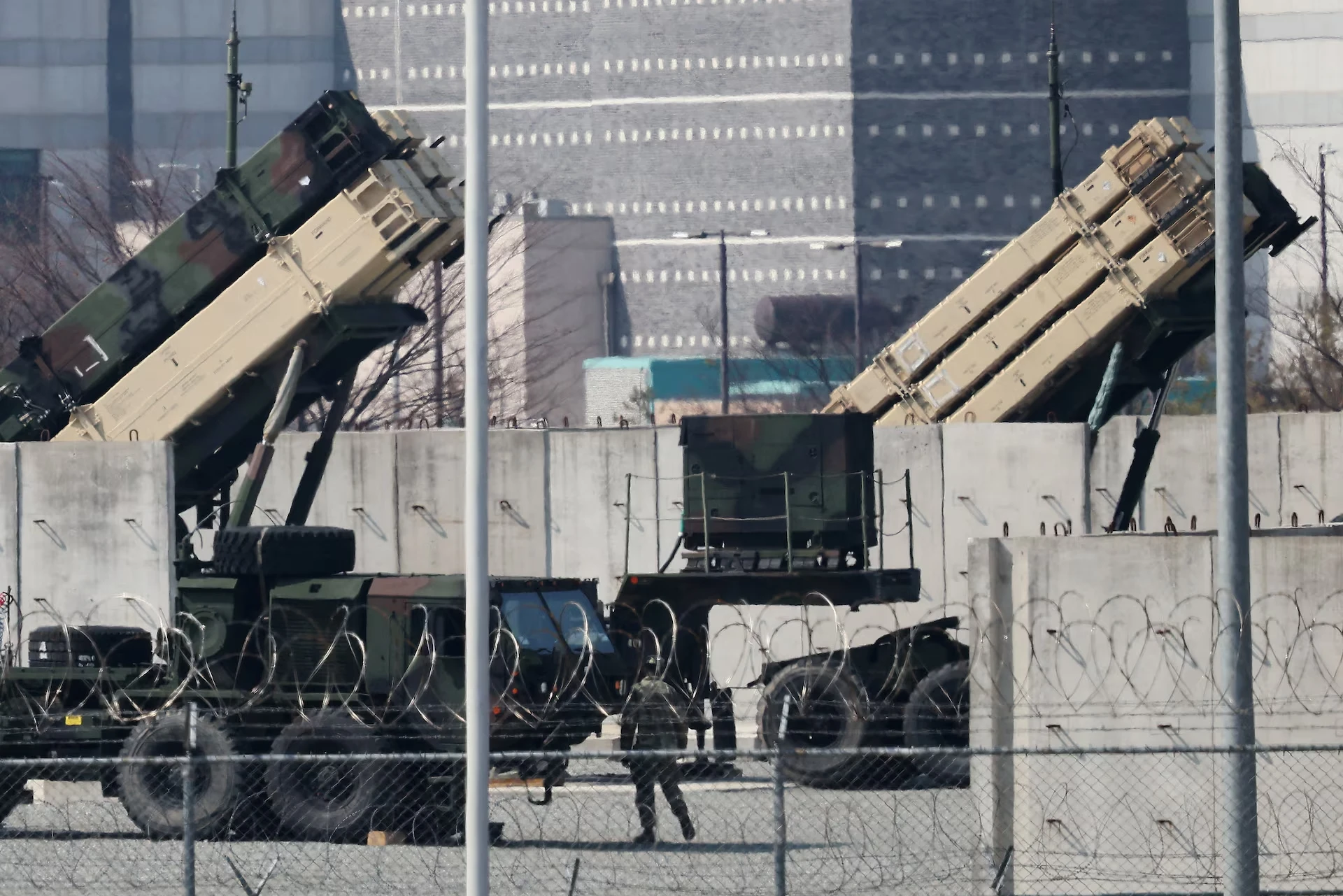
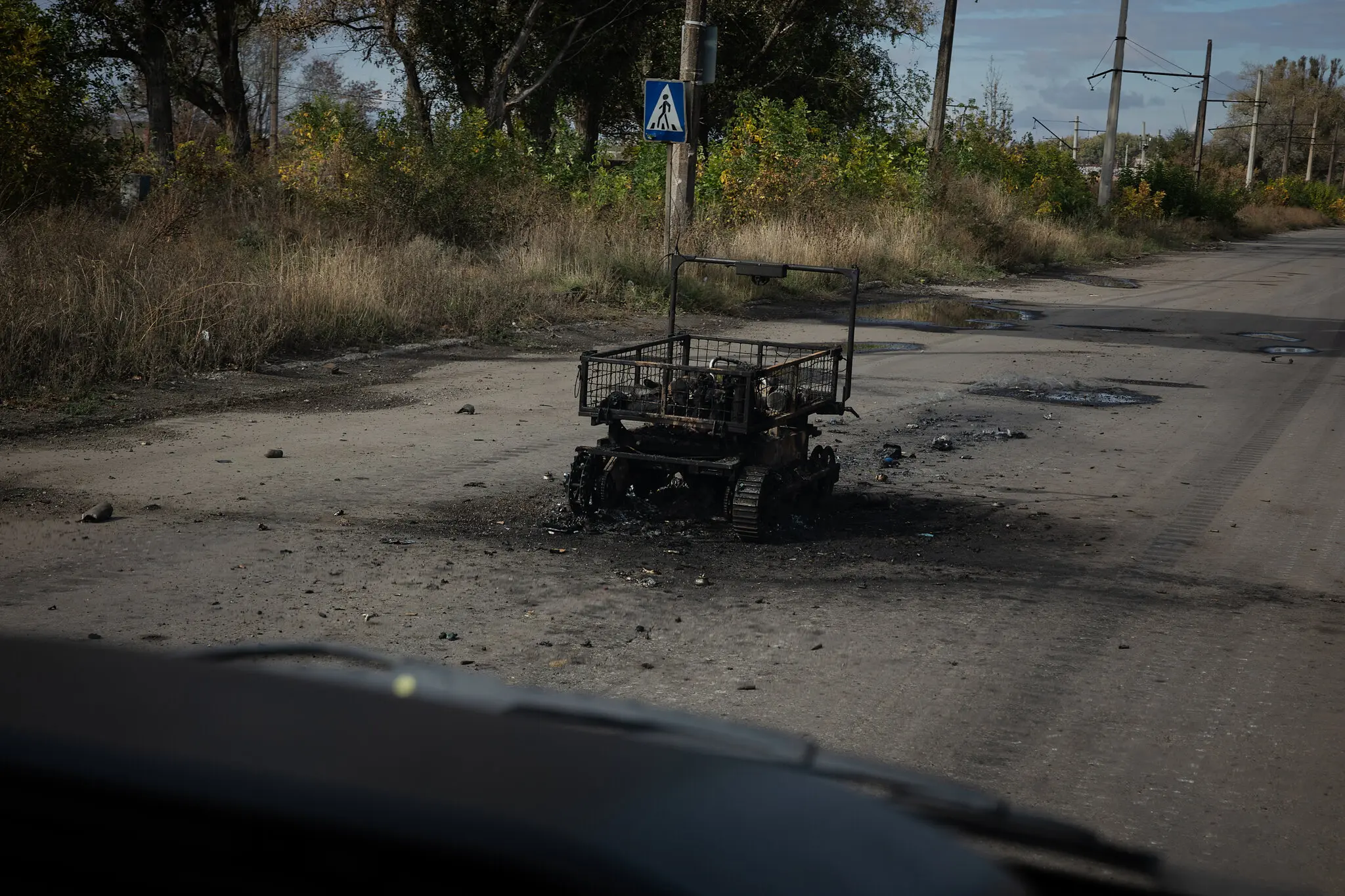
Drones have given Ukraine time, space and a new tactical language. They have helped hold back Russian assaults, reduce the resource gap, and strike armor, logistics and infantry. But technological advantage at the front does not cancel the demographic and mobilization problem. If the Kremlin launches a new mass mobilization, the mathematics of war will become harsher again.
That is why Ukrainian military and civilian experts increasingly describe Russian mobilization as a psychological target. The task is not only to kill soldiers on the battlefield, but to reduce Russians’ willingness to become those soldiers, support the war, accept losses as inevitable and trust state propaganda.
This does not mean Ukraine is discovering information warfare for the first time. Russia has waged it against Ukraine for years — before the annexation of Crimea, before the full-scale invasion, before missile strikes on energy infrastructure and cities. Moscow systematically worked with divisions, language, fears, historical myths, corruption narratives, exhaustion and distrust of the state.
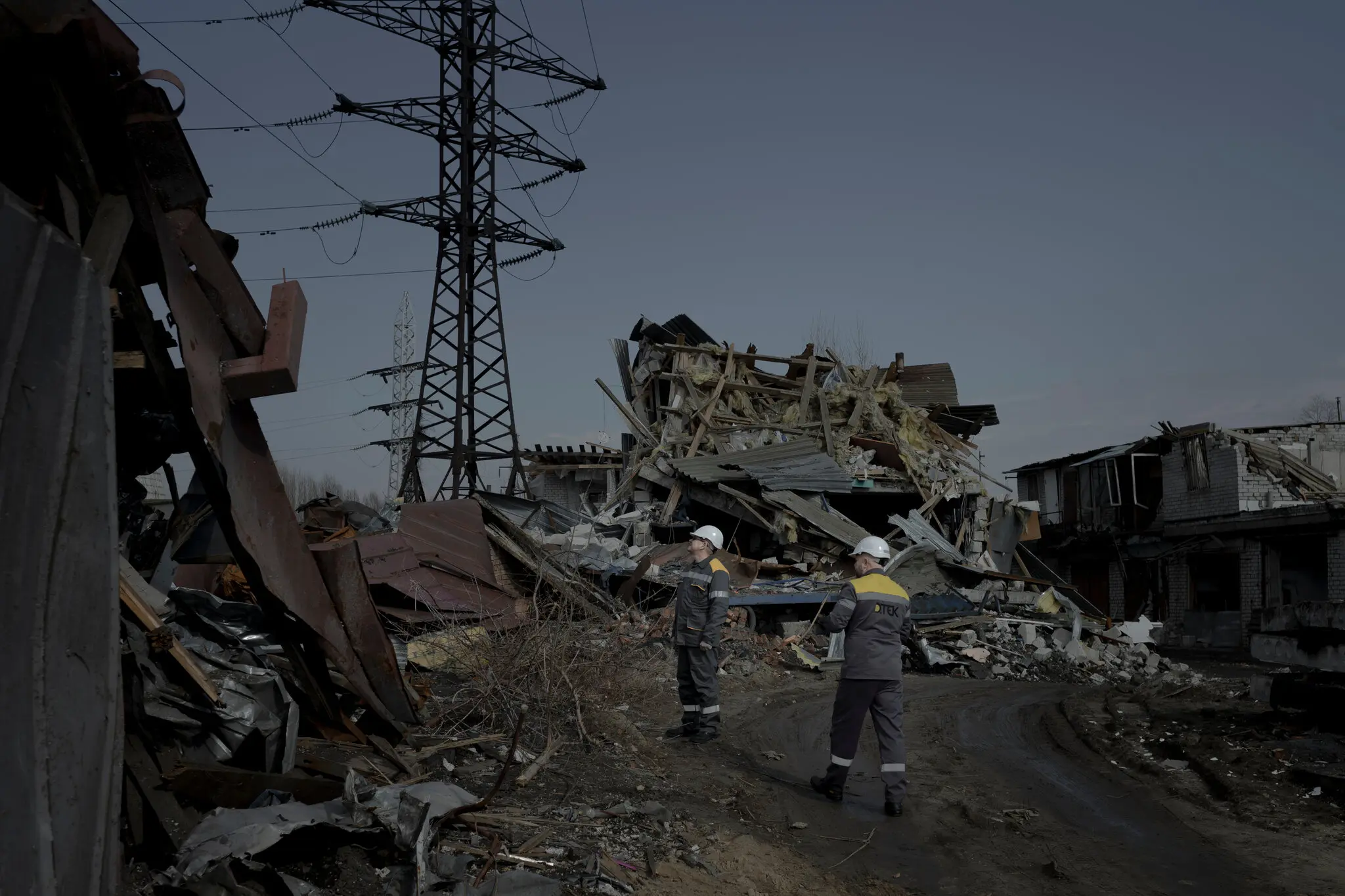
After 2022, this pressure became part of full-scale aggression. Russian cyberattacks targeted Ukrainian energy, communications, government services and media infrastructure. At the same time, influence campaigns sought to undermine recruitment in Ukraine, pit soldiers and civilians against each other, discredit commanders, spread war fatigue and persuade people that resistance was futile.
Ukraine survived in large part because it learned to rebuild quickly. Data moved into global cloud systems, the digital state did not collapse, volunteer networks worked alongside state institutions, and society developed strong resistance to obvious Russian propaganda. But defense is only half the task.
Kyiv is now speaking about the offensive side of cognitive warfare. Not only repelling Russian influence, but striking at Russia’s ability to sustain the war. Not only debunking falsehoods, but changing the environment in which they operate. Not only reacting, but seizing the initiative.
This is especially difficult because Russia remains one of the strongest countries in the world in the field of information influence. Its experience runs from Soviet propaganda and active measures to intelligence operations, controlled media, troll factories, networks of pseudo-experts and a deep understanding of Western vulnerabilities. The Kremlin has spent decades learning not always to persuade everyone, but to dissolve trust.
The Russian model does not always seek to make a person believe in one truth. Often it seeks to make that person believe no one. If everything is a lie, if everyone is the same, if democracies are hypocritical, if war is inevitable, if nothing depends on the citizen, then authoritarian power receives its most valuable prize: passivity.
For Ukraine, the danger is that simple rebuttal does not always work. When a state or media organization explains why a Russian message is false, it can unintentionally repeat the message and make it more visible. In cognitive warfare, truth matters, but form, rhythm and timing can matter nearly as much.
That is why the new Ukrainian approach requires not only patriotism, but professionalism. Psychological operations, strategic communications, cybersecurity, sociology, linguistics, anthropology, analysis of Russian elites, regional differences and social traumas must work together. Otherwise, an information campaign becomes noise that does not change behavior.
In this sense, the call by Ukrainian experts not to abandon the study of Russian language and Russian society is telling. After years of war, the emotional rejection of everything Russian is understandable. But for a state fighting for survival, knowledge of the enemy is not a cultural concession. It is a weapon. Not to admire Russia, but to identify its weak points.
Russian society is not a monolith, even if the Kremlin tries to present it as one. There are regions carrying a disproportionate burden of mobilization. There are families losing husbands and sons for abstract imperial formulas. There are businesses living under sanctions pressure. There are officials who fear defeat more than peace. There are elites who publicly demonstrate loyalty while privately calculating risk.
These fractures can become the object of Ukraine’s cognitive strategy. Not through primitive propaganda that merely repeats what one wants to be true, but through precise understanding: what Russians fear losing, where the Kremlin is forced to lie most, which groups are most sensitive to the cost of war, which themes can reduce willingness to mobilize.
Yet here Ukraine faces an ethical boundary. Fighting a state that systematically uses lies, Kyiv cannot afford simply to become the Kremlin’s mirror. The strength of Ukraine’s position has rested largely on trust: trust in its own society, in allies, and in the image of Ukraine as a state defending itself. Destroying that trust would be a strategic mistake.
Cognitive warfare does not have to mean disinformation. It can mean truth delivered precisely where the enemy fears it most. Names of the dead. The real price of mobilization. Corruption among military chiefs. Inequality between Moscow and depressed regions. The contrast between elite life and the deaths of provincial soldiers. The consequences of sanctions. The futility of endless war.
Such a strategy may be stronger than invented stories. The Russian system is vulnerable not because it lacks propaganda, but because its propaganda must constantly cover reality. Losses exist. Coffins exist. Inflation exists. Fear of another mobilization exists. The question is whether Ukraine can make those facts politically tangible for Russians.
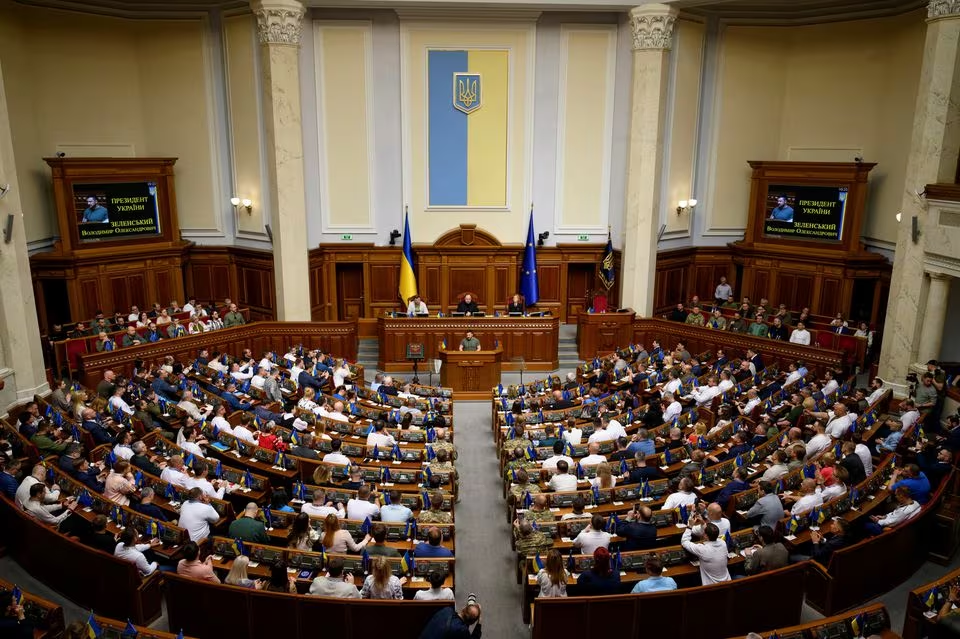
Ukraine’s Defense Ministry is already speaking about creating a center for cognitive warfare. That is an important institutional sign: the field is moving from volunteer enthusiasm into state policy. But the state alone cannot cover the entire front. As with drones, success will depend on the combination of official structures, technology teams, analysts, volunteers and the private sector.
Ukraine’s drone experience showed that a centralized army can lose tempo if it does not allow room for experimentation. Ukraine’s advantage emerged where many teams tested solutions in parallel, made mistakes quickly, corrected them quickly and immediately passed the results to the front. In the field of information influence, that logic may be no less important.
But the cognitive front has a different nature. A drone either hits or misses. An electronic warfare system either suppresses a signal or fails to do so. An information campaign may work slowly and indirectly, through doubts, conversations, refusals and small shifts in behavior. Its result is harder to measure, easier to exaggerate and more dangerous to imitate.
That is why the Ukrainian system will need strict evaluation of effectiveness. Not the number of posts, videos, memes or channels, but real behavioral change: whether willingness to report to draft offices is falling, whether fear of mobilization is rising, whether tensions between regions and the center are increasing, whether the tone of conversations inside Russian families is changing, whether elites are beginning to doubt the cost of war.
This is a difficult and long process. Russia isolates its information space, punishes antiwar speech, blocks independent media, criminalizes truth about the army and imposes a state picture of the world on citizens. But even closed systems have cracks: messaging apps, family ties, migration, battlefield losses, corruption scandals, local grievances and economic fatigue.
Ukraine’s goal is not necessarily to make Russians pour into the streets. In today’s Russia, that is almost impossible without a deep split among elites. A more realistic goal is to reduce mobilization manageability, increase distrust of orders, raise the cost of recruitment, intensify fear of the front and make the war less convenient for the silent majority.
That is how asymmetry works. Ukraine cannot defeat Russia by population size, territory or raw materials. But it can strike the places where Russian strength depends on consent, fear and the habit of obedience. If mobilization becomes politically more expensive, the Kremlin will have to pay more, repress harder or seek other ways to continue the war.
Each of these options carries a cost for Moscow. Larger payments increase pressure on the budget. Harsher coercion raises social dissatisfaction. Hidden mobilization drains regions. Recruitment from prisons and marginalized groups worsens the quality of the force. The less free the war becomes for Russian society, the harder it is for the Kremlin to sell it as distant and controlled.
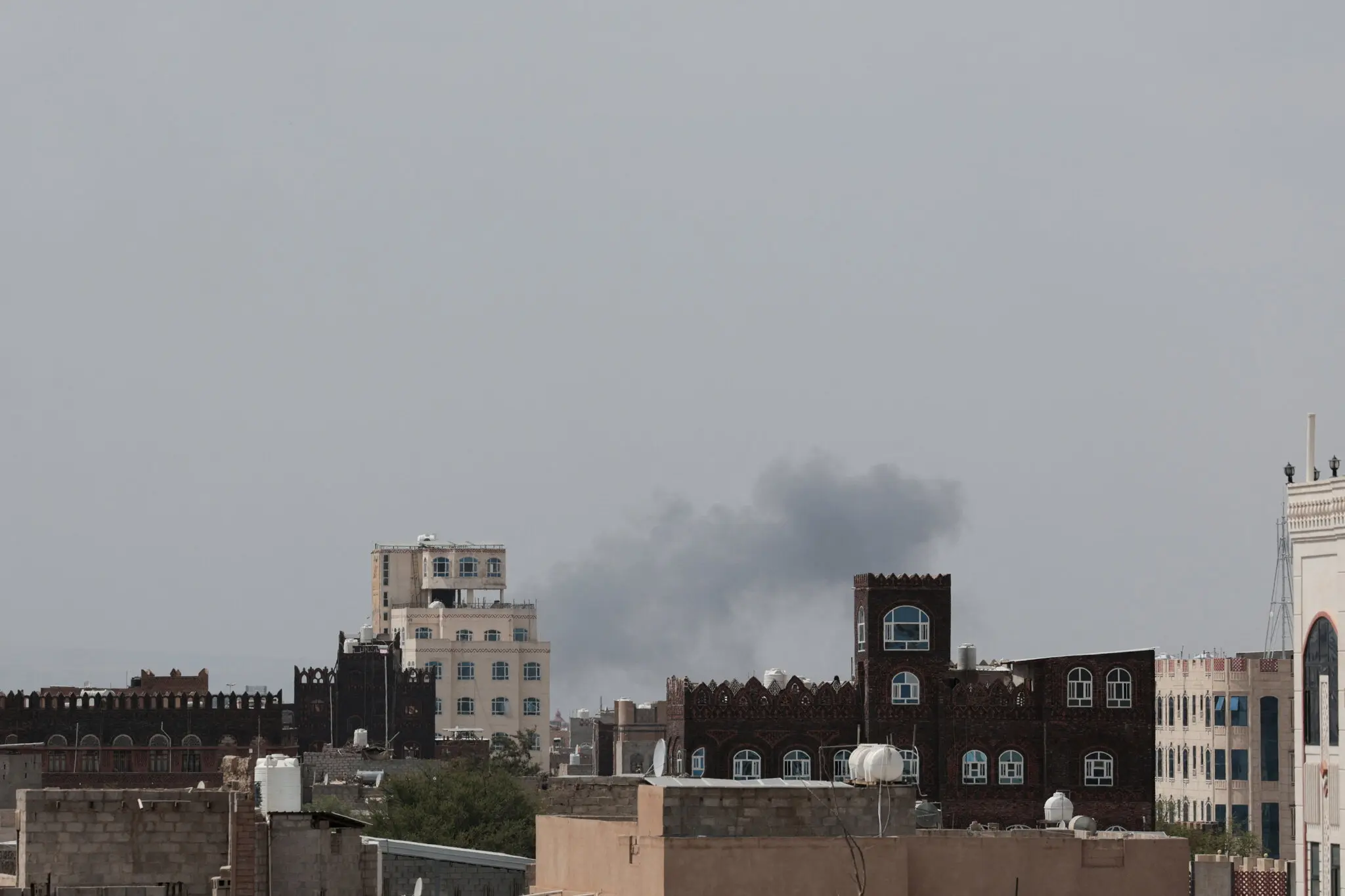
Ukraine is already doing part of this through strikes on oil infrastructure, military plants, logistics and airfields. Such operations show Russians that the war is returning to their own territory. But a physical strike has limited psychological effect if it is not accompanied by an explanation that places fear in a broader picture: this is the consequence of the Kremlin’s decision to continue aggression.
A new Ukrainian strategy may emerge precisely at the intersection of physical and informational pressure. A drone hits a target. Communication explains why that target matters. Social work with audiences shows who is paying for the war. Cyberoperations expose hidden data. Analysis identifies where the Russian system is thinnest. Together, this creates not a one-time effect, but a campaign.
Still, the risk lies in excessive faith in the “battle for minds.” Authoritarian societies can endure more pain than their opponents expect. Propaganda, fear, repression, indifference and learned helplessness can keep populations passive for a long time. Russians may know about losses and still do nothing. They may dislike the war and still fear a peace that looks like defeat.
Cognitive warfare is therefore not a miracle weapon. It will not replace artillery, air defenses, missiles, drones, fortifications, mobilization in Ukraine or Western support. It can only change the ratio of costs, accelerate enemy fatigue, complicate Russia’s mobilization decisions and help Ukraine avoid losing a war of exhaustion.
In that sense, Berlinska speaks of a next phase not because the previous one has ended. The drone war continues, the front depends on technology, and Russian missiles and guided bombs remain deadly threats. But Ukraine is looking for another layer of advantage because it understands that Russia adapts. Where Ukrainians have an advantage today, Moscow will try to narrow it tomorrow.
Russia is already competing in drones, expanding production, copying solutions, improving electronic warfare and looking for ways to crush Ukrainian innovation through scale. If the technological balance on the battlefield begins to even out, the more important question becomes whose system learns faster — and whose system better influences the enemy’s will.
Will is the central target of any war. Territories are seized not for lines on a map, but to force a political community to accept another’s will. Russia wants Ukraine and the West to believe resistance is futile, time works for Moscow and the Kremlin’s human resources are limitless. Ukraine wants to prove the opposite: Russia’s war has limits, and those limits can be brought closer.
For this, technical skill is not enough. Ukraine needs a deep understanding of Russia: its regions, linguistic codes, imperial myths, fear of chaos, cult of victory, contempt for weakness, hatred of humiliation, memory of the 1990s, dependence on television and simultaneous distrust of official language. Without that, any campaign risks speaking to Russians through Ukrainian expectations rather than Russian fears.
Here Ukraine has a difficult advantage. It knows Russia well because it lived beside it, inside its cultural and political pressure, in the shared post-Soviet space, under the shadow of its imperial claims. But after 2022, that knowledge became painful. Returning to the study of Russia means, for many Ukrainians, looking again into the face of the source of violence. Strategically, however, it is necessary.
Cognitive warfare also requires coordination with allies. Russia’s information machine works not only inside Russia, but also in Europe, the United States and the Global South. It promotes fatigue with Ukraine, fear of escalation, doubts over corruption, accusations of fighting “someone else’s war” and calls for peace on the aggressor’s terms. Ukraine’s response must therefore be both Russia-facing and international.
In the West, that response cannot look like crude propaganda. Allies need trust, evidence, moral clarity and strategic logic. Ukraine must explain not only its own sacrifice, but the interests of its partners: if Russia proves that aggression works, future wars will become more expensive for everyone. This too is a battle for minds, but for Western minds, not Russian ones.
At the same time, the Ukrainian state must protect its own society. Information warfare must not become internal thought control, suppression of difficult conversations or the replacement of trust with mobilizing slogans. Ukrainian resilience rests not only on unity, but on the ability to speak truth about losses, mistakes, fatigue, corruption and the cost of war.
This is a major difference between Kyiv and Moscow. The Russian system fears truth because truth destroys the myth of the state’s infallibility. The Ukrainian system can make mistakes, argue, criticize itself and still remain stronger if that openness does not destroy trust but purifies it. In a long war, this is not weakness. It is a resource.
Ukraine’s future front of cognitive influence must therefore have two parts. The external one is aimed at weakening Russian support for the war and mobilization. The internal one is aimed at preserving Ukrainian resilience without self-deception. The first strikes the enemy’s will. The second prevents the enemy from striking Ukraine’s.
Maria Berlinska once saw drones not as gadgets, but as a new architecture of war. Now she sees a similar architecture in work with human consciousness. This does not mean the battlefield will move from trenches to social media. It means trenches, drones, cloud data, cyberoperations, mobilization, language and fear are becoming parts of one military organism.
Ukraine does not have the luxury of fighting only where it is convenient. It must search for the weak points of a stronger enemy everywhere — in the air, at sea, in the rear, in the economy, in technology and in people’s heads. If Russia is betting on exhaustion, Ukraine must strike at Russia’s very capacity to endure that exhaustion.
That is why the battle for minds is becoming not a secondary theater, but the continuation of war by other means. It will not bring a quick victory and will not replace weapons. But it can make Russia’s war heavier for Russia itself, and make Ukrainian resistance less lonely before the enemy’s mass.
The next phase of the war does not cancel the previous one. Drones will still fly over tree lines, artillery will still hit positions, missiles will still strike cities, and soldiers will still hold the line. But alongside all of that, another field will matter more and more — invisible, slow and complex, where it is decided who believes in victory, who fears mobilization, who doubts an order and who first grows tired of paying for the war.
Ukraine has already shown that it can turn forced weakness into technological advantage. Now it is trying to do the same with the information space. If it succeeds, the war with Russia will remain a battle of armies, but it will no longer be only that. It will become a struggle over the point at which Russian society can no longer pretend that the war is happening somewhere far away and has nothing to do with it.