



















Ukraine received only one-third as many air-defense missiles in 2026 as it did the previous year. The decline has come precisely as Russia intensifies ballistic attacks and prepares for another winter campaign against the country’s energy system.
Kyiv endured a major strike on average every three days in July. During one of the latest attacks, Ukrainian air defenses failed to intercept any of the 24 ballistic missiles or four high-speed Zircon missiles launched by Russia.
The problem can no longer be explained by a few exceptionally difficult nights. Deliveries were depressed throughout the first half of the year, gradually turning an ammunition shortage into a structural weakness in Ukraine’s defense.
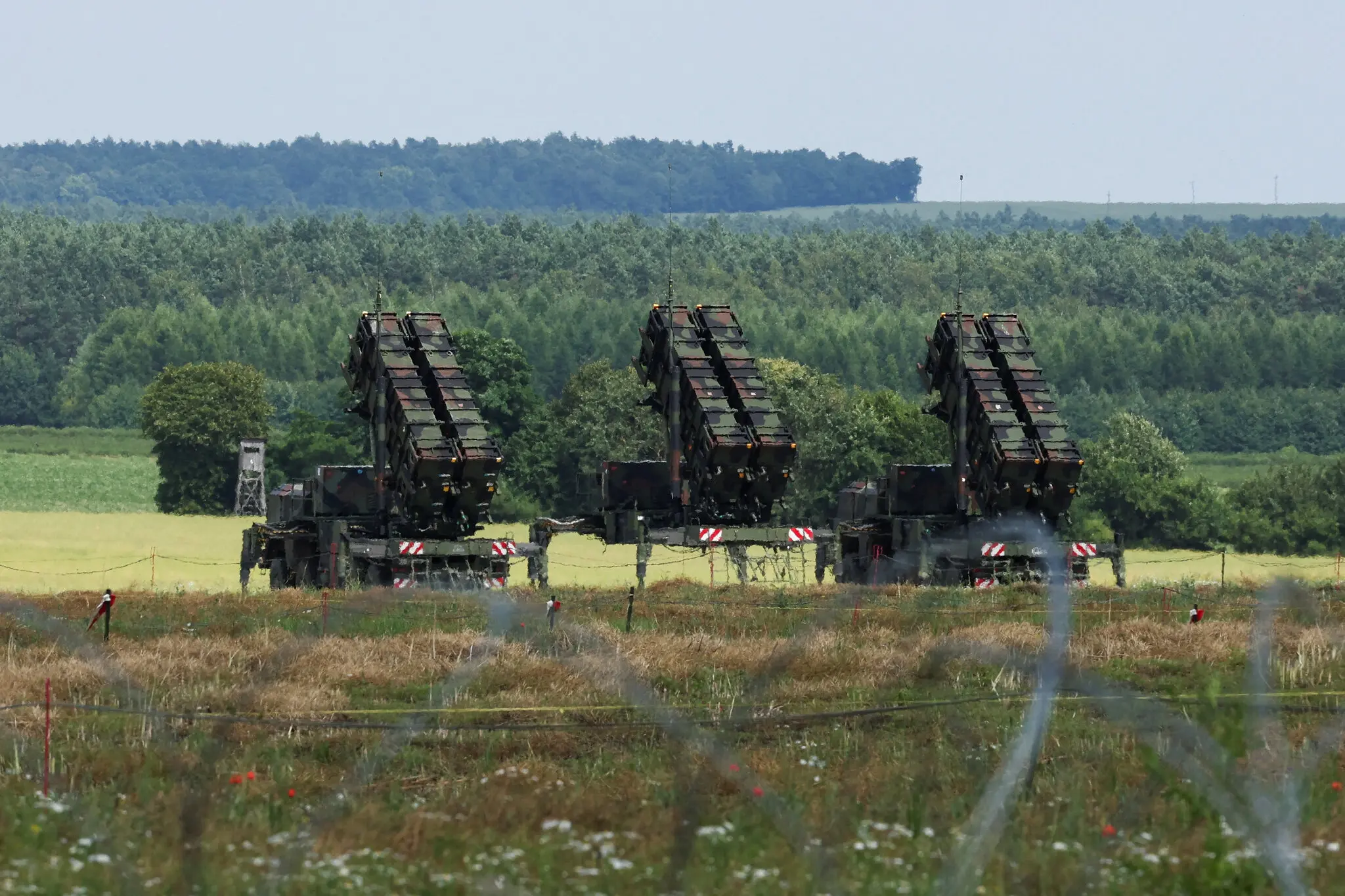
In Daycom’s assessment, the war is entering a phase in which the number of air-defense batteries matters less than the number of missiles available for them. An empty launcher remains sophisticated military equipment, but it no longer functions as a shield.
The shortage is most acute for PAC-3 interceptors used by Patriot systems. They are among the few Western weapons capable of destroying ballistic missiles during the final stage of flight.
Ukraine has lacked sufficient Patriot ammunition since the beginning of the full-scale war. Earlier, allied deliveries and a lower tempo of Russian ballistic launches partly contained the problem. Both conditions have now deteriorated at the same time.
Western stockpiles have declined, while demand for missile defense has increased because of the expanding conflict in the Middle East. Some interceptors that might have gone to Ukraine have remained with the United States or been redirected to American forces and regional allies.
Kyiv is therefore competing for the same limited missiles with countries protecting military bases, cities and energy infrastructure. Western production capacity has not kept pace with the number of sites that require protection.
Ukraine has also raised the possibility that delayed deliveries could be used as political pressure. The weaker its air defenses become, the higher the cost of rejecting proposed compromises in negotiations with Russia.
It is difficult to prove that such leverage is being applied deliberately. Yet dependence on decisions made abroad inevitably creates the possibility of turning air-defense ammunition into a diplomatic instrument.
Moscow understands this vulnerability. Russian forces combine drones, cruise missiles and ballistic weapons, forcing Ukraine to defend cities, energy facilities, defense factories and logistics centers simultaneously.
Drones do more than strike targets. They overload radar coverage, distract mobile defense groups and consume ammunition before the most dangerous weapons arrive.
A ballistic missile leaves defenders little time to react and can be defeated by only a narrow range of systems. When a Patriot battery lacks interceptors, even accurate detection does not change the outcome.
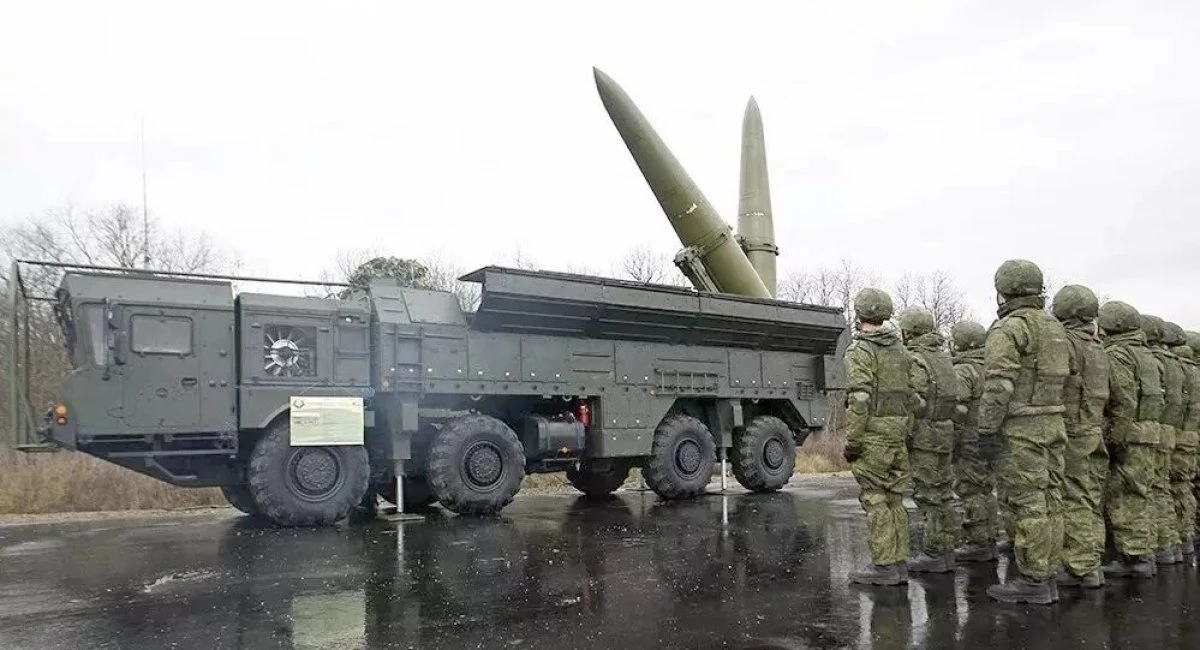
Russia may now be capable of launching as many as 100 ballistic missiles a month. Likely targets include logistics hubs, industrial plants, food warehouses, construction-material depots and military supply centers.
That rate does not necessarily mean 100 successful strikes. Its purpose is to exhaust the defense network and force Ukraine to decide which facilities will be protected and which must remain exposed.
This is the logic of a war of attrition. Russia does not need to destroy Ukraine’s entire infrastructure in a single campaign. It needs only to damage more than Ukraine and its partners can repair and defend.
Winter makes that strategy particularly dangerous. Strikes on power plants, substations and gas infrastructure create not only economic losses but a direct threat to millions of civilians.
Moscow is seeking to increase ballistic missile production before the cold season. If it succeeds, attacks may intensify precisely when the energy system is under its greatest strain.
Russian industry has already shown an ability to adapt to sanctions, expand production lines and acquire imported components through third countries. Restrictions have raised costs, but they have not stopped output.
North Korea is again providing an additional resource. Russian forces recently used their first North Korean missiles in nearly a year, reopening a supply channel that had appeared less active.
A North Korean missile unit may also be deploying to western Russia with six launchers and as many as 120 ballistic missiles.
Some details may still require confirmation, but the strategic direction is clear. Moscow is trying to supplement domestic production with foreign stocks and avoid any prolonged interruption in its strike campaign.
For Pyongyang, the cooperation offers an opportunity to test weapons in a real war, obtain technology and improve future designs using battlefield evidence.
Ukraine is therefore facing more than Russia’s national missile industry. It is confronting a broader network of governments willing to exchange weapons, components and manufacturing knowledge.
The Western system remains slower. Every transfer requires political approval, stockpile assessments, contracts and industrial planning, while Russia’s defense sector has been placed on a wartime footing.
In the immediate term, Ukraine has three ways to reduce the threat: obtain more interceptors, strengthen passive protection or destroy missiles and launchers before they can be used.
The first option depends on allies. The second can only limit damage. The third could alter the arithmetic of the campaign, but Ukraine does not currently have sufficient capacity to hunt mobile ballistic launchers systematically deep inside Russia.
The launchers change position quickly and operate beneath Russian air-defense coverage. Destroying them requires persistent satellite surveillance, long-range weapons and rapid targeting.
Ukraine is developing its own strike drones, but they do not always possess the speed and precision required to hit a mobile launcher during the short period between detection and launch.
Western long-range weapons could expand those capabilities. Their numbers and permitted uses remain restricted, however, because allied governments continue to fear escalation.
Those limits leave Russia more space to position parts of its missile force beyond the reach of Ukrainian strikes.
At the same time, Kyiv is seeking a license to manufacture Patriot missiles. Domestic participation in production could reduce dependence on political changes and competition for American stockpiles.
Even a rapid agreement would not produce interceptors immediately. Building a production line, certifying components and training personnel would take at least a year, while large-scale output would require much longer.
Local production therefore cannot replace emergency deliveries. It addresses the problem of future wars, while the present shortage can be relieved only by transferring missiles from existing inventories.
Ukraine is also advocating a Europe-wide ballistic missile defense system. Such a network could integrate radars, command centers and batteries from several countries.
Europe has the money and technology to develop that architecture, but not a unified political timetable. Construction would take years, while Russian missiles are being launched now.
The current crisis has exposed the consequences of peacetime planning. Interceptor stockpiles were designed for short conflicts, not for years of defending against hundreds of drones and missiles.
Manufacturers cannot expand production of complex ammunition quickly. New output requires factories, specialized electronics, explosives, rocket motors and trained labor.
Russia is betting on that industrial inertia. It expects its capacity to increase launch volumes faster than the West can expand interceptor production.
Every missile that penetrates Ukrainian defenses strengthens that calculation. Moscow receives evidence that mass attacks can succeed not because Russian weapons are technologically superior, but because Ukraine’s defensive reserves are being depleted.
The danger extends beyond the buildings destroyed in each strike. A lasting Russian advantage in ballistic missiles could force Ukraine to relocate factories, disperse warehouses and spend more resources on shelters and repairs.
That raises the cost of Ukrainian production, slows logistics and diverts money from military development. A single missile creates expenses far beyond the site it hits.
The fall in deliveries to one-third of last year’s level shows that the previous model of support is no longer sufficient. Occasional weapons packages do not match a war in which ammunition consumption can be forecast months in advance.
Ukraine’s partners must either increase production and guarantee Kyiv a defined share of output, or accept that Russian ballistic strikes will become steadily more effective.
As winter approaches, this is no longer a technical question for defense ministries. It will determine how many Ukrainian cities retain electricity, how many factories continue operating and how many Russian missiles reach their targets.
Russia is entering the next phase of attrition with plans to expand domestic production and foreign supply. Ukraine is entering it with Patriot systems that increasingly lack their most important component: the missile that must rise to meet the incoming strike.