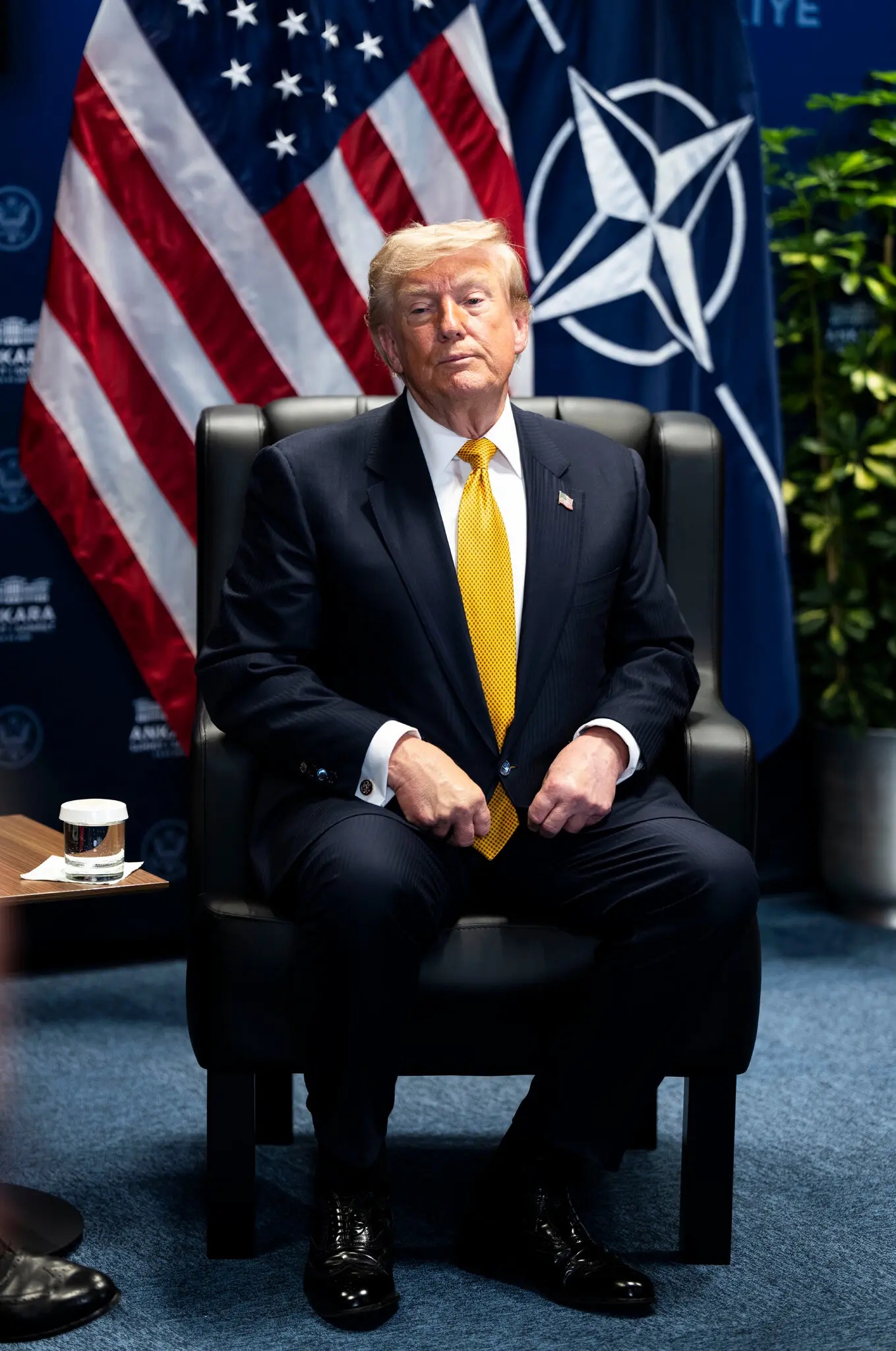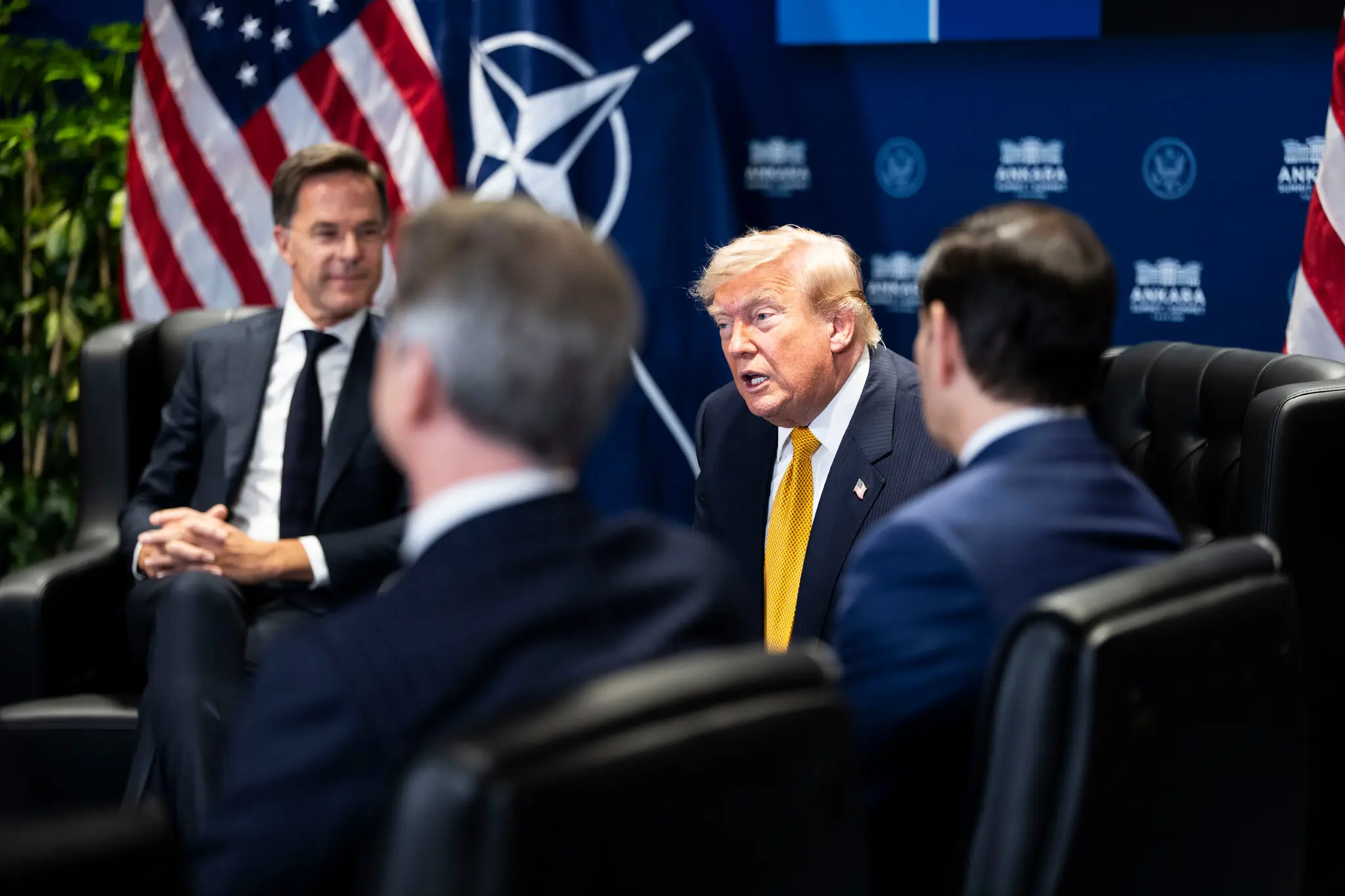
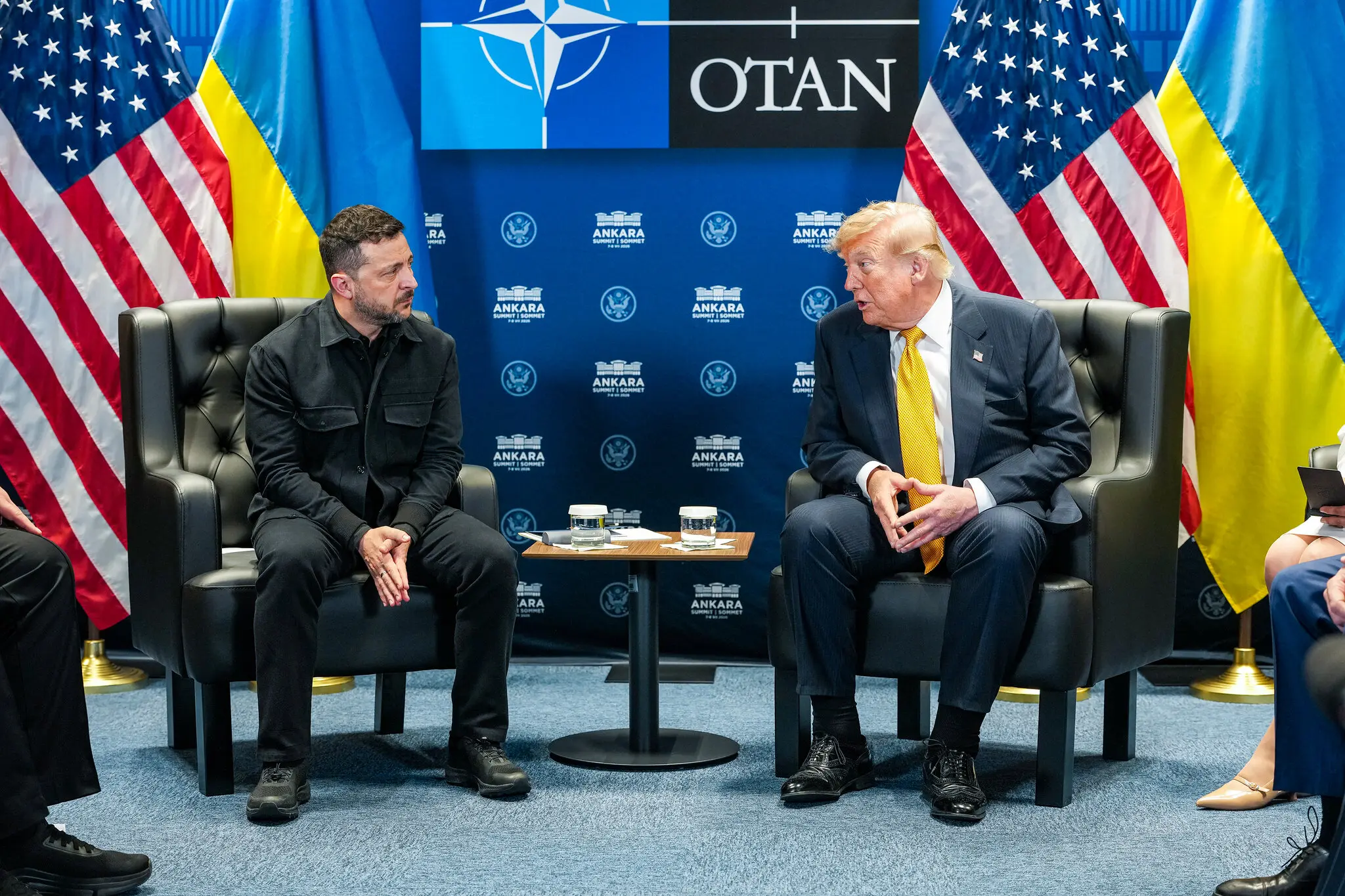




















In politics, there are moments when a single sentence reveals more than an entire budget speech. That is what happened when Donald Trump said the United States could not “take care of day care, Medicaid, Medicare, all of these individual things” because the country was “fighting wars” and had to focus on “military protection.” It sounded improvised. In fact, it was a compressed statement of governing philosophy.
Back in 2016, Trump built much of his appeal on the opposite claim. He attacked America’s Middle East wars as monumental waste, argued that the trillions spent abroad could have rebuilt the country twice over, and sold himself as the candidate who would bring money home — back into cities, factories, roads and household budgets. Now it is his own administration that is entrenched in a costly new war in the region.
That is where the central contradiction begins. Trump still speaks in the language of “America First,” but the budgetary reality points elsewhere. At the decisive moment, the priority is not domestic resilience but military capacity. This is no longer just a dispute about numbers. It is a question of what the president believes the state is ultimately for: sustaining the social fabric at home or preserving the ability to finance force without pause.
In Deykom’s assessment, the war with Iran has become a moment of political exposure for Trump. It has shown that his populism has a clear limit. He can promise protection for ordinary Americans only until those promises begin to compete directly with defense spending. Once that competition becomes real, the social state is quickly recast as a secondary luxury.
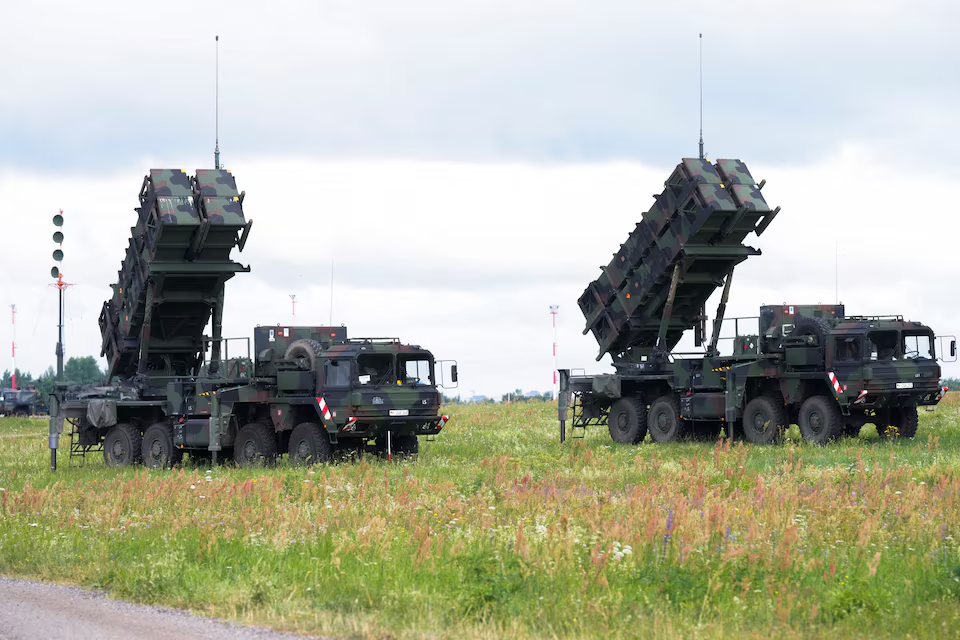
The numbers sharpen the picture. The Pentagon is already asking Congress for $200 billion for the war, and the opening days of the campaign reportedly cost more than $11 billion. Estimates of the ongoing price have approached $1 billion a day. In a more conventional domestic debate, sums like these would trigger a fierce argument about trade-offs. In Trump’s political vocabulary, they are presented as the natural cost of security.
That is where the most painful comparison enters. The money now flowing into the war can be measured against a year of universal preschool, expanded access to free community college, or other programs that would directly affect American families. The choice is no longer abstract. It is not “security versus waste.” It is a concrete choice between a missile and a child-care center, between an overseas operation and a bill paid at home.
For Trump, that choice is especially dangerous politically. His electoral strength always depended on the claim that, unlike the traditional Washington establishment, he would not burn American resources in distant conflicts. He promised borders, industry, lower costs, tax relief — not a new financial sinkhole in the Middle East. The reality is now drifting further and further away from the myth that sustained his coalition.
That does not mean Trump was ever a genuine champion of a large social state and then suddenly betrayed it. He never was. But he mastered an anti-elite language that made it sound as though government could avoid foreign entanglements, cut taxes, restrain inflation and still spare voters any serious budgetary sacrifice. The war against Iran is puncturing precisely that convenient illusion.
The child-care issue makes the contradiction especially clear. During the 2024 campaign, Trump suggested that tariff revenue could help cover the cost of child care. It was a typically Trumpian promise — vague, but politically useful. Now, faced with a real fiscal pressure point, the same president is effectively saying that the federal government should not be responsible for such things. Whatever once sounded like concern for families quickly gives way to the logic of war spending.
The White House has tried to soften the damage by saying Trump was referring to fraud in Medicare, Medicaid and Social Security, not to dismantling those programs outright. But that does not erase the political meaning of the remark. When a president, in the midst of war, publicly sets military spending against social needs, he is not making a technical clarification. He is establishing a hierarchy of value. And that hierarchy is easy to read: war first, everything else later.
That is the real clarity of the present moment. War does not merely create new expenses. It forces an administration to show which parts of national life it considers essential and which it considers optional. Social programs relied upon by working-class and lower-middle-class Americans become open to skepticism. Defense spending does not. That is the true budgetary portrait of Trump’s second term.
For Democrats, the political line almost writes itself. Trump can find hundreds of billions for war, they will say, but not for health care, food assistance or child care. The real question is how deeply that line will land with the voters who once saw him as a shield against endless foreign interventions and an indifferent federal center.
But even beyond party strategy, this moment carries a wider significance. It shows how easily American politics returns to the very pattern Trump once claimed to oppose: war becomes the organizing explanation for everything, and domestic needs are forced to justify themselves all over again. In that system, child care, Medicare and Medicaid are treated as local or secondary concerns — things for states, perhaps, but not the central business of the nation. Military spending, by contrast, remains the one fully federal priority.
That is why this debate matters not only because of Iran and not only because of the price tag. It answers an older question about who Trump becomes when the choice is no longer rhetorical. Not the insurgent critic of Washington’s foreign-policy consensus, but a president who, once confronted with a major war, reproduces a classic American hierarchy with remarkable speed: power first, social cost later.
And if his earlier political energy came from the line “imagine if that money had been spent here at home,” his second term is beginning to sound like its dark inversion: imagine how much longer the home can wait if the war demands more.