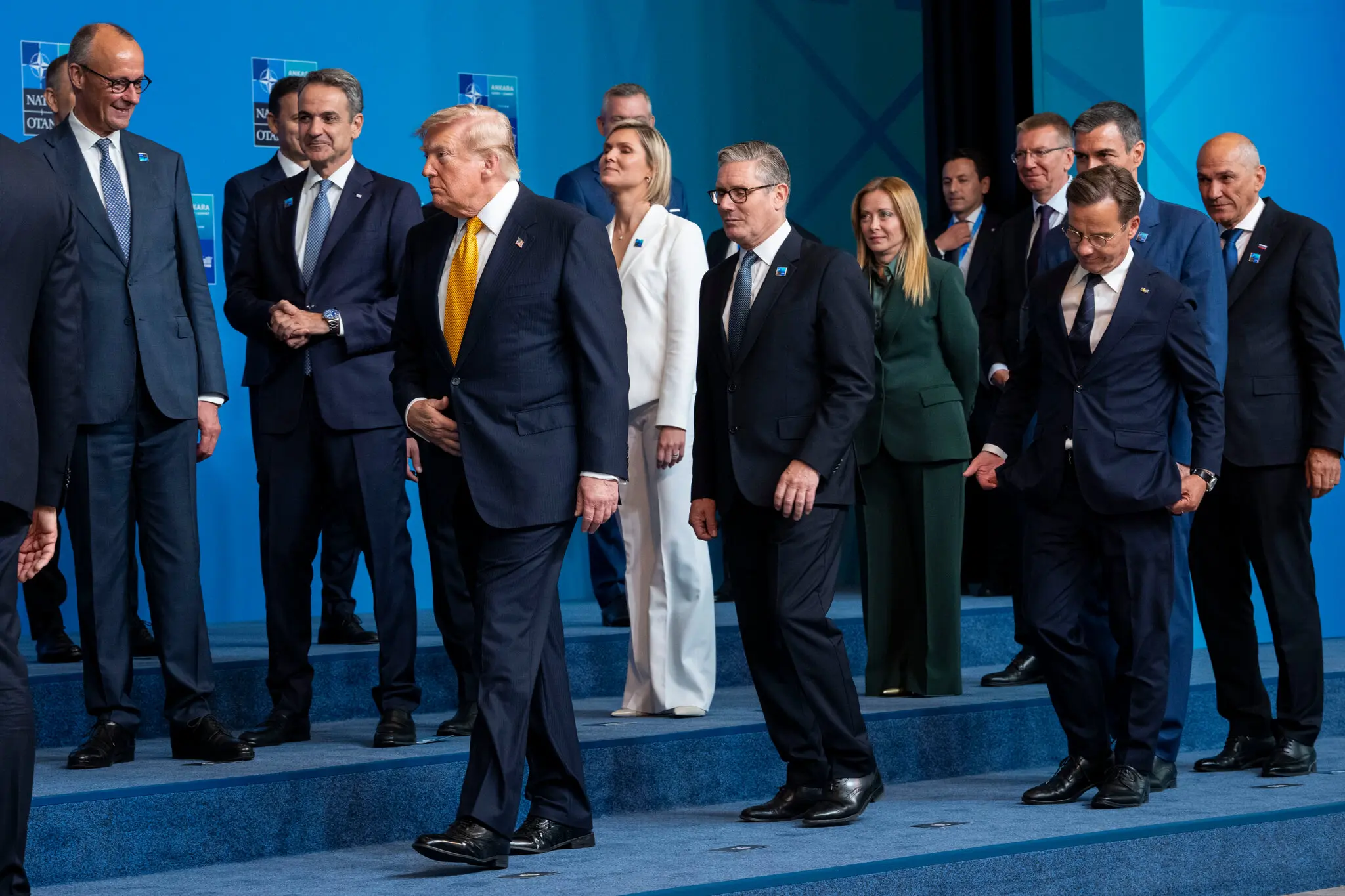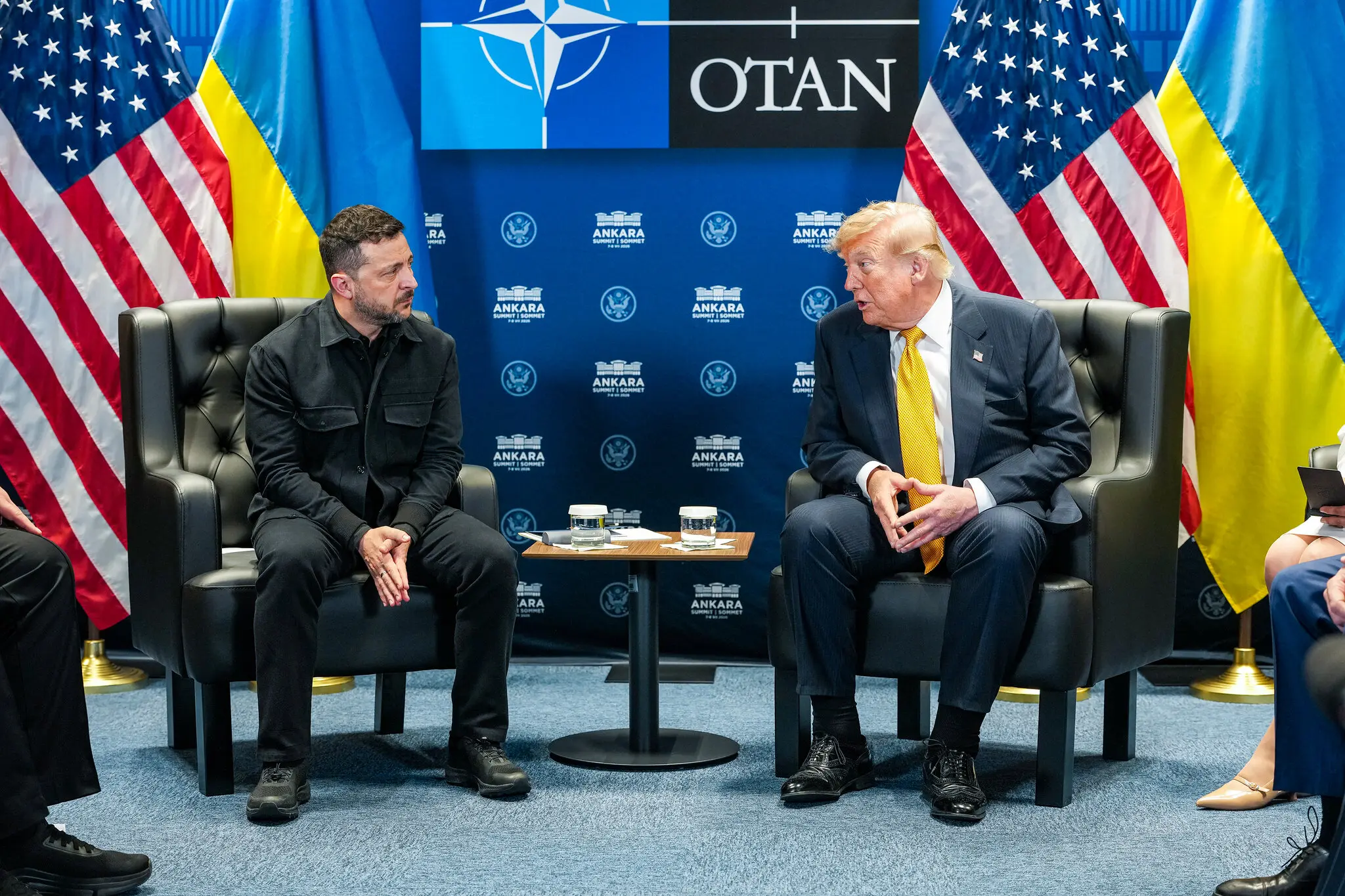





















The most dangerous element of Tuesday’s escalation was not the deadline itself. It was the language surrounding it. Once the President of the United States speaks of wiping out a “whole civilization” in a single night, the conflict moves out of the realm of coercive diplomacy and into something far more destructive: the open suggestion that an entire country may be punished not only for what its rulers do, but for what it is.
That shift matters because coercion depends on preserving a path back from the edge. A threat can pressure an adversary only so long as the threatened side still believes there is a negotiated exit. Once the rhetoric begins to sound like civilizational annihilation, the pressure no longer reads as leverage. It begins to read as a demand for surrender.
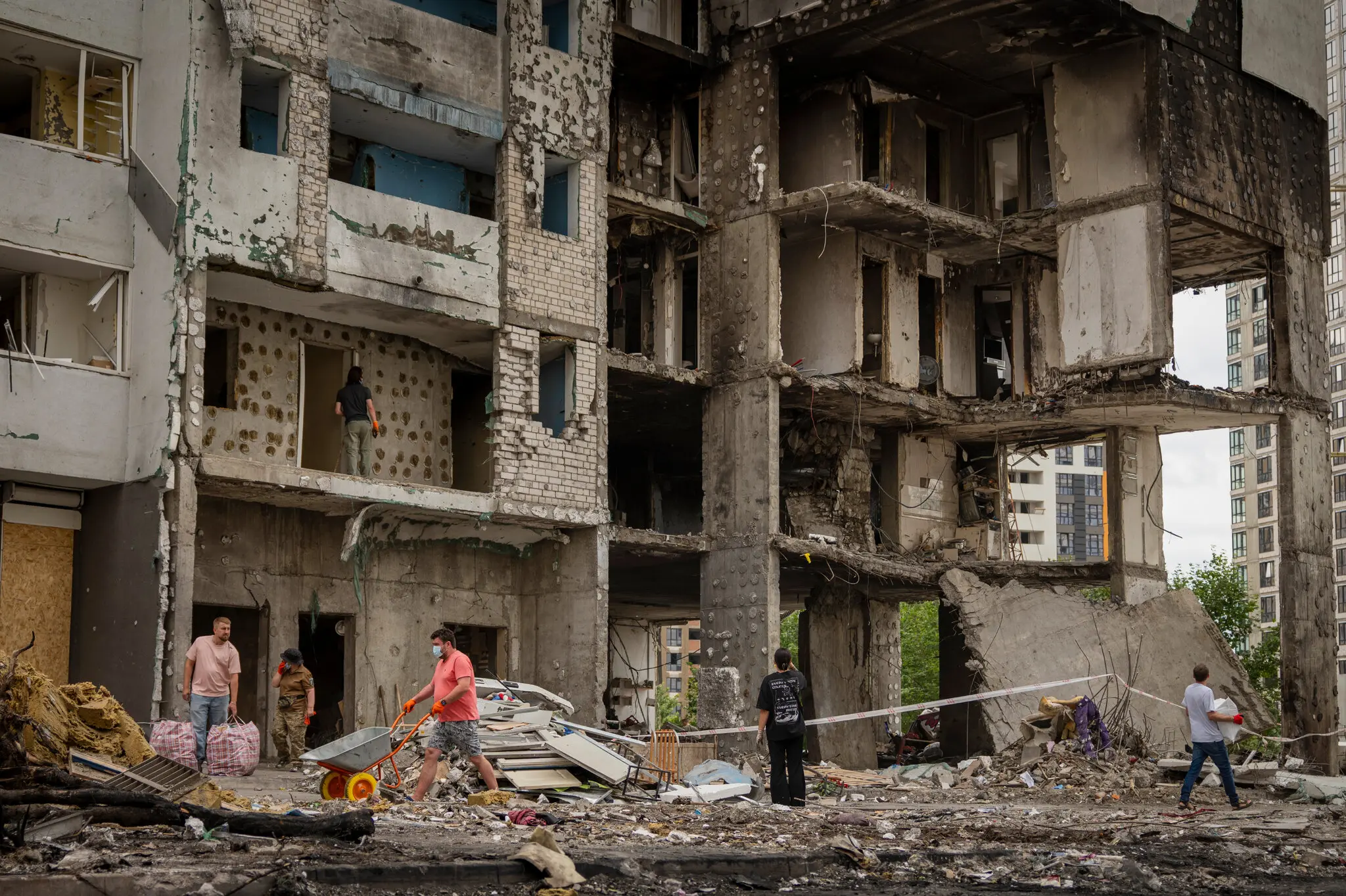
At the same time, Washington and Israel raised the military stakes. Strikes hit bridges, rail infrastructure and military targets on Kharg Island, the central hub of Iran’s oil exports. Even where oil facilities themselves were not directly destroyed, the message was unmistakable: the war is moving deeper into the systems that sustain national life, not merely the assets that sustain military operations.
As Daycom noted in earlier analysis, this is where the current strategy begins to fail on its own terms. It assumes that a sufficiently overwhelming threat will break Iran’s negotiating will. In reality, political systems built on discipline, siege mentality and ideological endurance often react in the opposite direction. The population does not need to become more loyal to its rulers. It only needs to feel more acutely that the country itself is under external assault.
That is what makes Tehran’s response so revealing. Rather than moving toward concession, Iran appears to have withdrawn from direct engagement and pushed diplomacy further into the hands of intermediaries, where flexibility is narrower and mistrust is greater. Talks that were already stalling around a 45-day cease-fire and a broader framework for de-escalation were pushed closer to paralysis at precisely the moment Washington chose to maximize psychological pressure.
This is the central paradox of the moment. The harsher the threat becomes, the more it corrodes the idea of a deal. If one side is no longer speaking in the language of compromise but in the language of destroying bridges, energy systems and the infrastructure of ordinary life, the other side will almost inevitably begin to view negotiation not as a path to settlement, but as a prelude to humiliation. And for the Iranian system, humiliation is politically harder to absorb than war.
That is why the human chains that formed around bridges and power plants matter more than they may first appear. Whether fully spontaneous or partly encouraged by the state, they served the same political purpose. They transformed an American ultimatum into a domestic image of national defense. Once infrastructure becomes the named target, society is more easily pulled out of internal argument and into defensive solidarity.

That dynamic is especially important because Iran had already tried to frame the conflict differently. Its own proposal linked the Strait of Hormuz, sanctions relief and an end to attacks into a single negotiating package. Washington treated that as insufficient. But from Tehran’s perspective, the point was clear: if the war were to end, it could not end with maritime access alone. It had to end with a broader rearrangement of guarantees. The rhetoric of total destruction did more than reject that framework. It set fire to the conditions under which such a framework could even be discussed.
The danger is therefore larger than a diplomatic breakdown. This kind of escalation expands the war morally as well as geographically. Once leaders speak openly about decimating bridges, disabling power plants and imposing devastation on a whole country to force compliance over a strategic waterway, the conflict stops looking like a contest over one corridor. It starts looking like a struggle over whose civilian infrastructure is still protected by international norms and whose is now considered expendable.
For Iranian society, the consequences are equally stark. Even those who may have been disillusioned with their own state are receiving a signal from outside that overwhelms internal frustration with a more basic instinct: the instinct to defend the country from public humiliation and systemic ruin. That does not mean the regime suddenly becomes loved. It means external threat restores to it the single most valuable political asset of wartime power: the ability to speak in the name of national survival.
This is the deeper flaw in the American calculation. It appears to rest on the belief that shock, fear and visible paralysis inside Iran are signs of imminent internal fracture. But societies under external threat do not behave like polling data or electoral blocs. They behave like communities under siege. People do not need to admire their rulers in order to reject the moral legitimacy of those threatening to destroy their society.
That is why Tuesday’s language may prove more consequential than Tuesday’s deadline. The louder Washington speaks of breaking Iran in one night, the less that sounds like leverage and the more it sounds like a mechanism for producing new resistance. If diplomacy now collapses entirely, the cause will not be Tehran’s rigidity alone. It will also be the moment when the threat ceased to function as pressure and began to resemble a declaration of war against the very possibility of compromise.