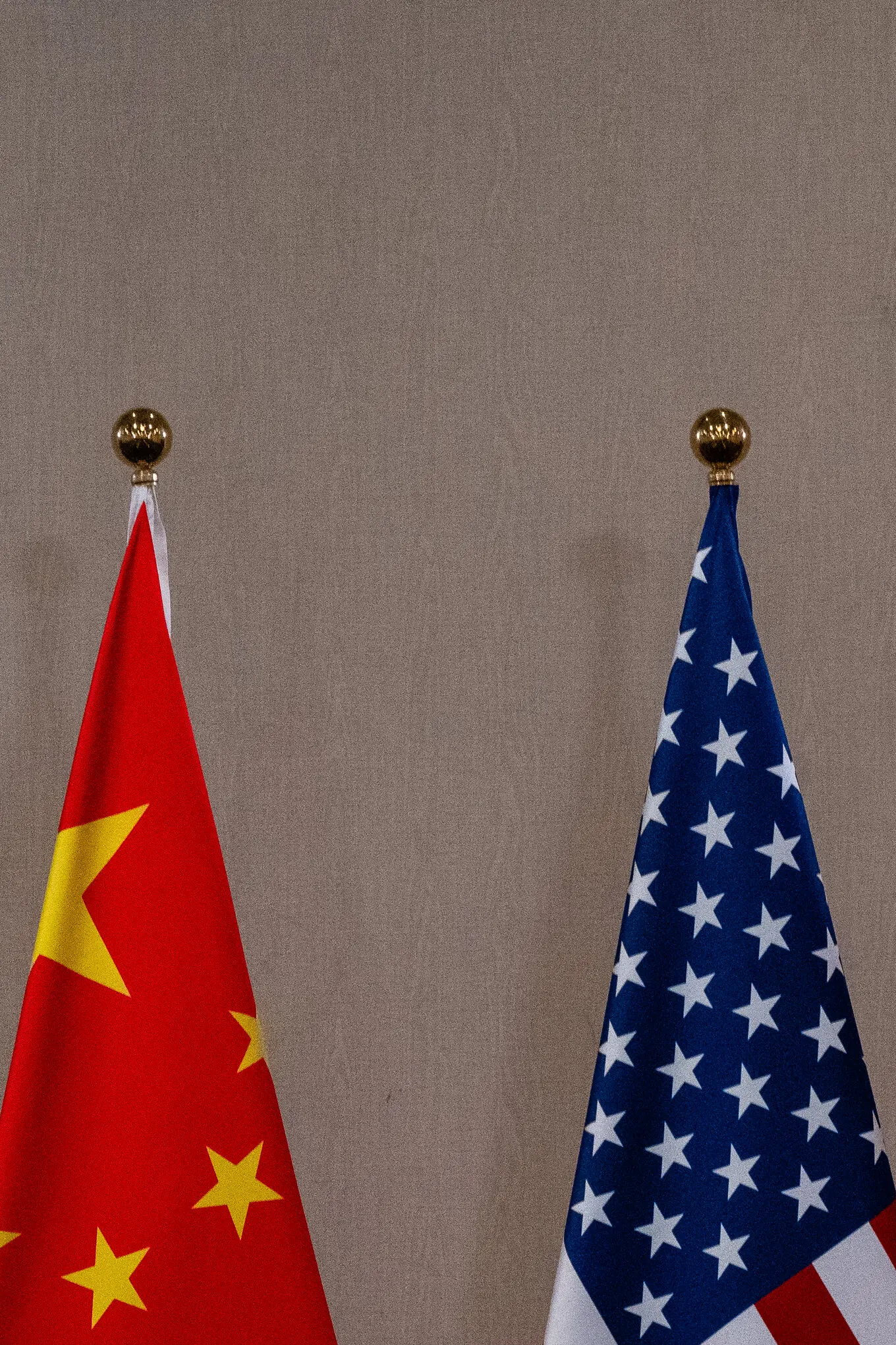


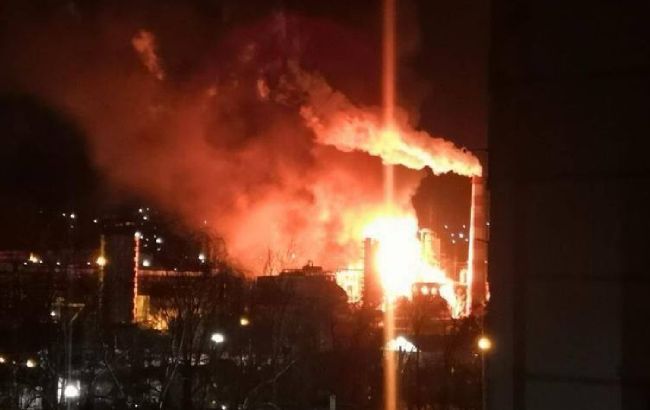




















Xi Jinping’s call to reopen the Strait of Hormuz to normal shipping was Beijing’s clearest public signal since Iran effectively shut the strategic waterway in response to U.S.-Israeli strikes on its territory. On the surface, the message was framed as a plea for de-escalation. In substance, it marked something more important: China is beginning to define the point at which its closeness to Tehran starts colliding with its own core interests.
It matters that Xi delivered that message in a conversation with Saudi Crown Prince Mohammed bin Salman. This was not a routine diplomatic gesture and not merely another formula about regional stability. Beijing was speaking to several audiences at once: to Riyadh, as the leading Gulf power; to Iran, as a strategic partner; and to global markets, as a reminder that China has no interest in a prolonged disruption of energy flows.
The difficulty of China’s position is that it leaves little room for simple choices. Iran remains an important geopolitical partner for Beijing, useful as a counterweight to American influence in the Middle East. But Saudi Arabia, the United Arab Emirates and other Gulf states are no less important as energy suppliers, investment partners and pillars of China’s broader regional presence. Any prolonged crisis in the Strait of Hormuz therefore threatens not one isolated relationship, but the entire architecture of China’s balancing strategy.
According to Daycom’s earlier analysis, that is the central logic behind Xi’s latest move. Beijing is not shifting toward Saudi Arabia against Iran. It is, however, beginning to state more clearly where strategic partnership ends and direct economic risk begins. The call to reopen the strait is not a break with Tehran. It is a warning delivered in the restrained language of diplomacy.
China’s refusal to condemn Iranian strikes on Gulf states has already created unease among its Arab partners. That is why Xi’s call with the Saudi crown prince also carries symbolic weight. It is meant to show that China is not prepared to leave the leading Gulf monarchies alone with the consequences of this crisis, even if it still refuses to openly align itself with one side. For Riyadh, it is a sign of attention. For Tehran, it is a reminder that Chinese loyalty is not unconditional.
It is equally important how the message was framed. Xi did not choose the language of sanctions, condemnation or overt pressure. Instead, he appealed to the “common interest” of regional states and the international community, and to the idea of a shared regional home shaped by good neighborliness. This is classic Chinese diplomatic style: speak in the language of principles while quietly defending a very concrete material interest.
That interest is not difficult to identify. A substantial share of China’s oil imports passes through the Strait of Hormuz. For an economy that still depends heavily on stable trade flows, any prolonged disruption there would mean more than just higher energy prices. It would threaten logistics, supply chains, manufacturing costs, export capacity and overall growth. For Beijing, Hormuz is not a distant flashpoint. It is one of the pressure points of China’s own economic system.
That is why China is seeking not so much a political victory in this crisis as a managed stabilization. It wants to see both a reduction in American maritime pressure and a restoration of safe passage by Iran. In that sense, Beijing’s position is almost mathematically pragmatic. It does not want Washington to deepen its military presence and redefine the security order in the Gulf. But it also does not want Tehran, through escalation, to undermine the trading system on which Asian demand depends.
The problem is that the role of mediator is attractive to China only so long as it does not require full responsibility. Beijing already has one major diplomatic success in the region: it helped Iran and Saudi Arabia restore relations several years ago. But the current crisis is far more dangerous. This is not a matter of symbolic reconciliation. It is about war, blockade, strikes on state territory and the risk of a global energy shock. It is easy to enter such a crisis as a mediator and much harder to avoid becoming politically trapped inside it.
That explains Xi’s caution. He is speaking clearly enough to be heard in both Tehran and Riyadh, but not so directly that China assumes the public role of arbiter. This is a familiar pattern in Chinese foreign policy: maximize diplomatic capital while minimizing formal obligations. Beijing wants to appear as a responsible major power that supports stability, but it does not want to pay the political price if mediation fails and the conflict deepens.
In the end, Xi Jinping’s call to reopen the Strait of Hormuz is more than a gesture in favor of freedom of navigation. It is a moment in which China is being forced to show, publicly, that its closeness to Iran has limits, and that its role in the Gulf is shaped less by ideology or alliance politics than by energy security, trade and strategic self-preservation. Beijing does not want to choose between Tehran and the Arab monarchies. But the longer the crisis lasts, the harder it will be to pretend that such a choice can be postponed indefinitely.