























With only days left before the end of the two-week cease-fire between the United States and Iran, the prospect of another round of talks looks less like a breakthrough than an attempt to buy time before the next wave of pressure. Formally, the diplomatic channel remains open. Politically, it is already burdened by conditions that make any meeting look like little more than a brief pause before renewed escalation.
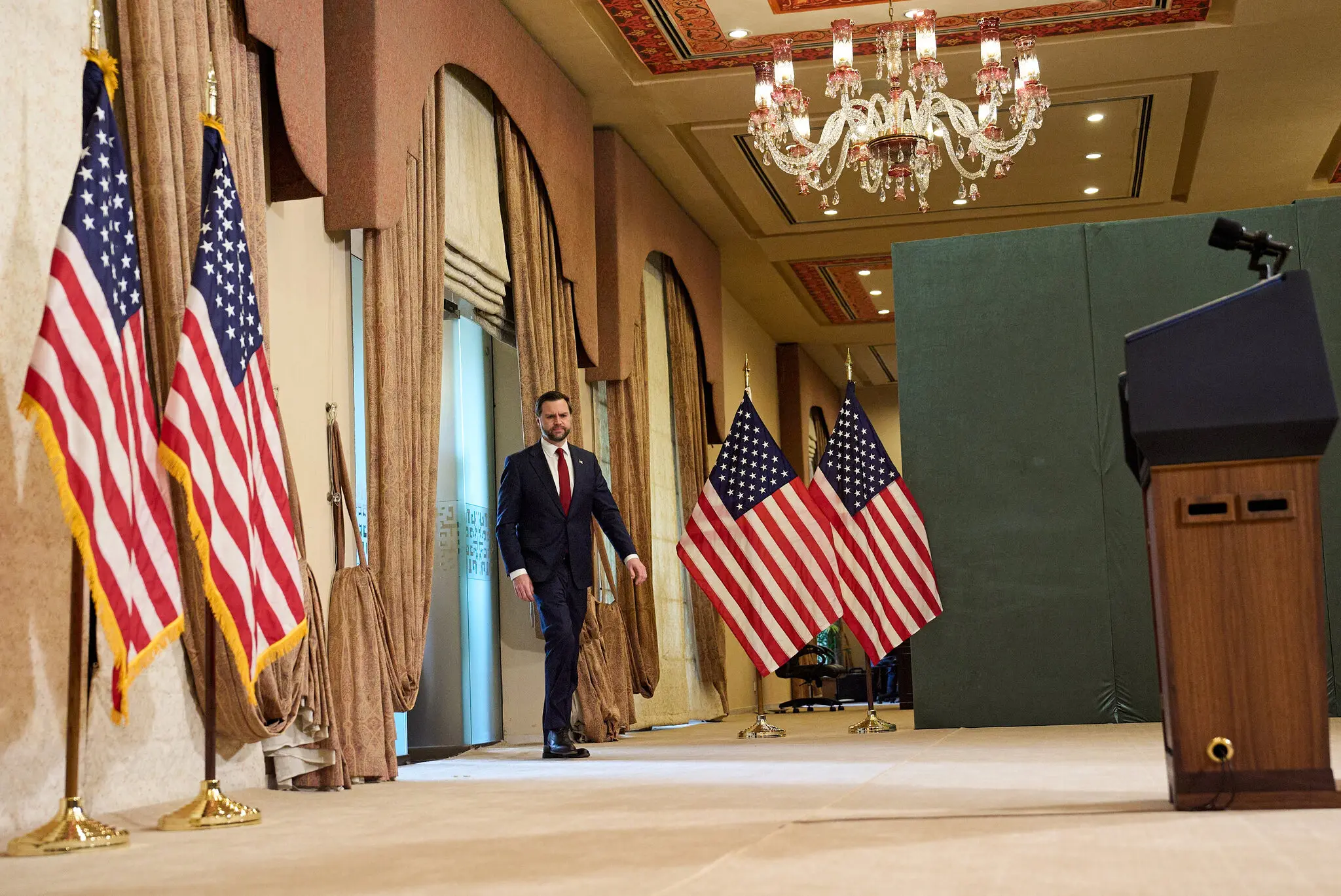
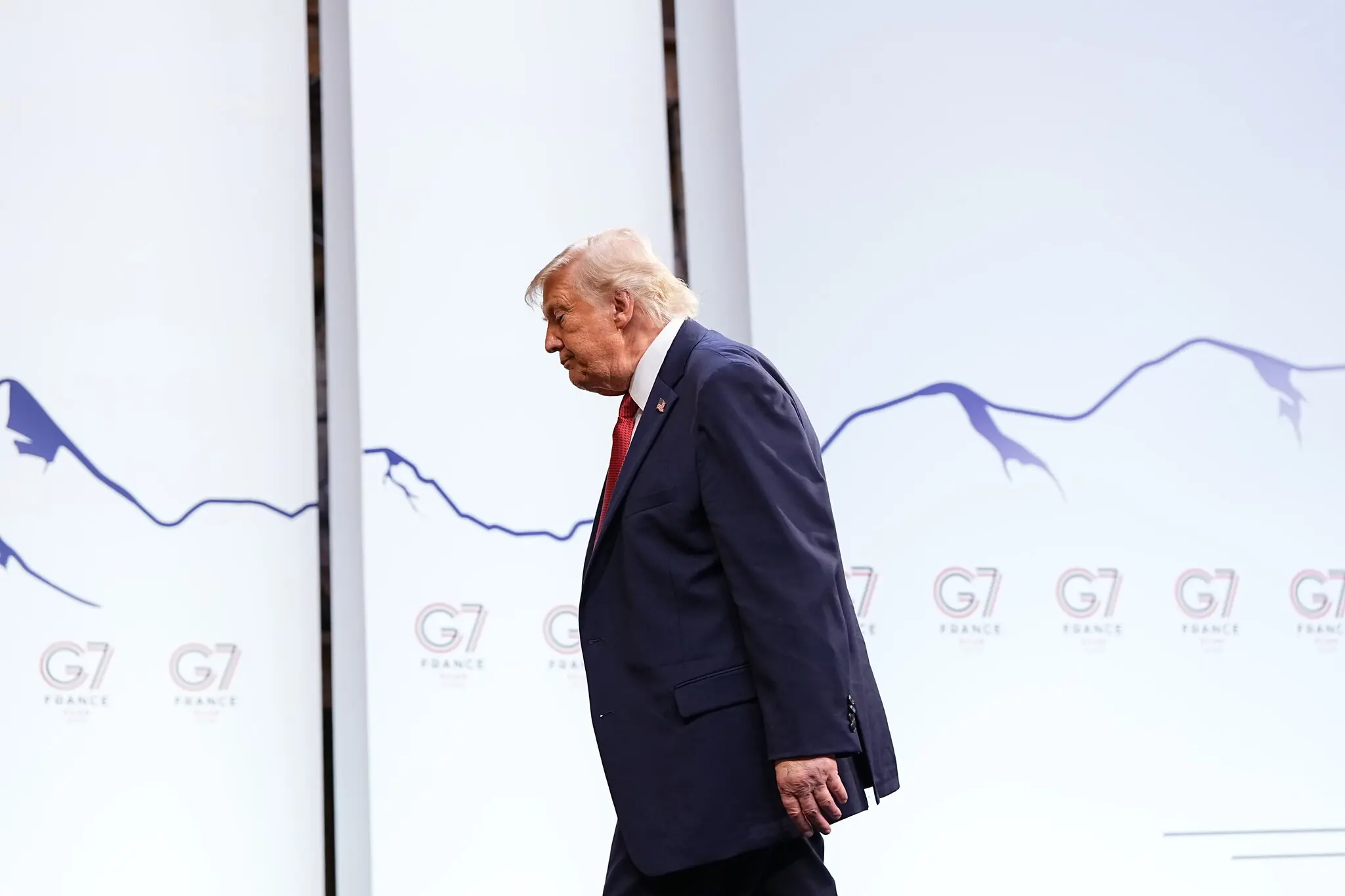
JD Vance’s expected return to Pakistan creates the appearance of movement, but not of stability. The previous round ended without a result, and the tone has only hardened since then: Tehran rejects negotiations “under threats,” while Washington has not removed the possibility of strikes on critical infrastructure from the table. When diplomacy is accompanied by ultimatums, it ceases to be an instrument of trust and becomes part of the coercive pressure itself.
That is why the uncertainty around Iran’s participation is not a procedural detail but the central symptom of the moment. Publicly, Tehran keeps its distance; privately, it appears to leave room to maneuver. The aim is clear: not to look like the side yielding under pressure, while still avoiding the outright closure of a negotiating track that could turn military pressure into political bargaining.
With only days left before the end of the two-week cease-fire between the United States and Iran, the prospect of another round of talks looks less like a breakthrough than an attempt to buy time before the next wave of pressure. Formally, the diplomatic channel remains open. Politically, it is already burdened by conditions that make any meeting look like little more than a brief pause before renewed escalation.
JD Vance’s expected return to Pakistan creates the appearance of movement, but not of stability. The previous round ended without a result, and the tone has only hardened since then: Tehran rejects negotiations “under threats,” while Washington has not removed the possibility of strikes on critical infrastructure from the table. When diplomacy is accompanied by ultimatums, it ceases to be an instrument of trust and becomes part of the coercive pressure itself.
That is why the uncertainty around Iran’s participation is not a procedural detail but the central symptom of the moment. Publicly, Tehran keeps its distance; privately, it appears to leave room to maneuver. The aim is clear: not to look like the side yielding under pressure, while still avoiding the outright closure of a negotiating track that could turn military pressure into political bargaining.
According to Daycom’s earlier analysis, the mere fact of contact in crises like this does not yet amount to a negotiation process. A real process begins only when both sides are prepared not just to meet, but to narrow their demands into a realistic set of decisions. That is not what is happening now. Instead, the agenda is expanding: Iran’s nuclear program, maritime security, the Strait of Hormuz, sanctions pressure, threats against civilian infrastructure. The more issues accumulate at once, the lower the odds of a quick compromise.
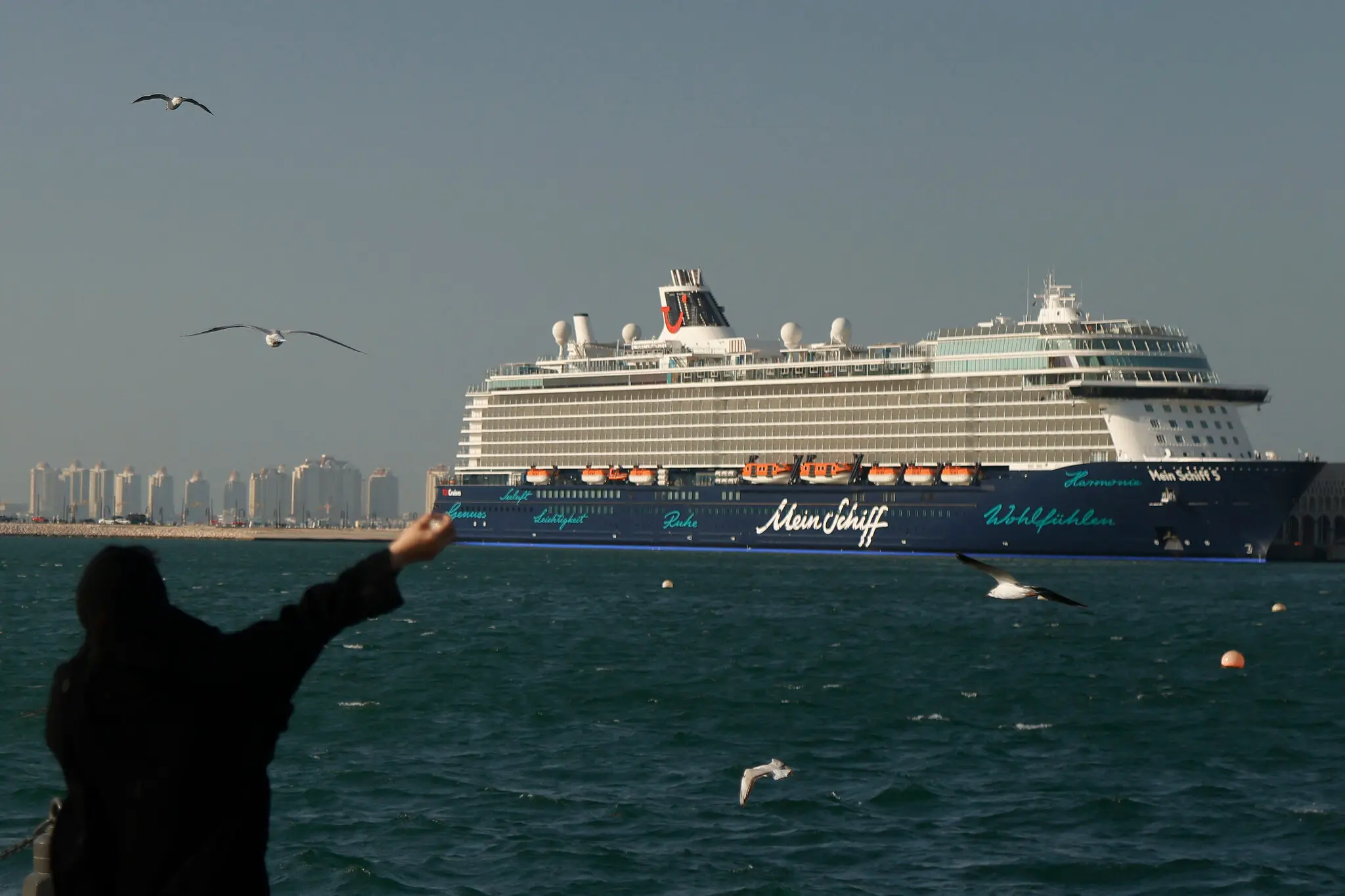
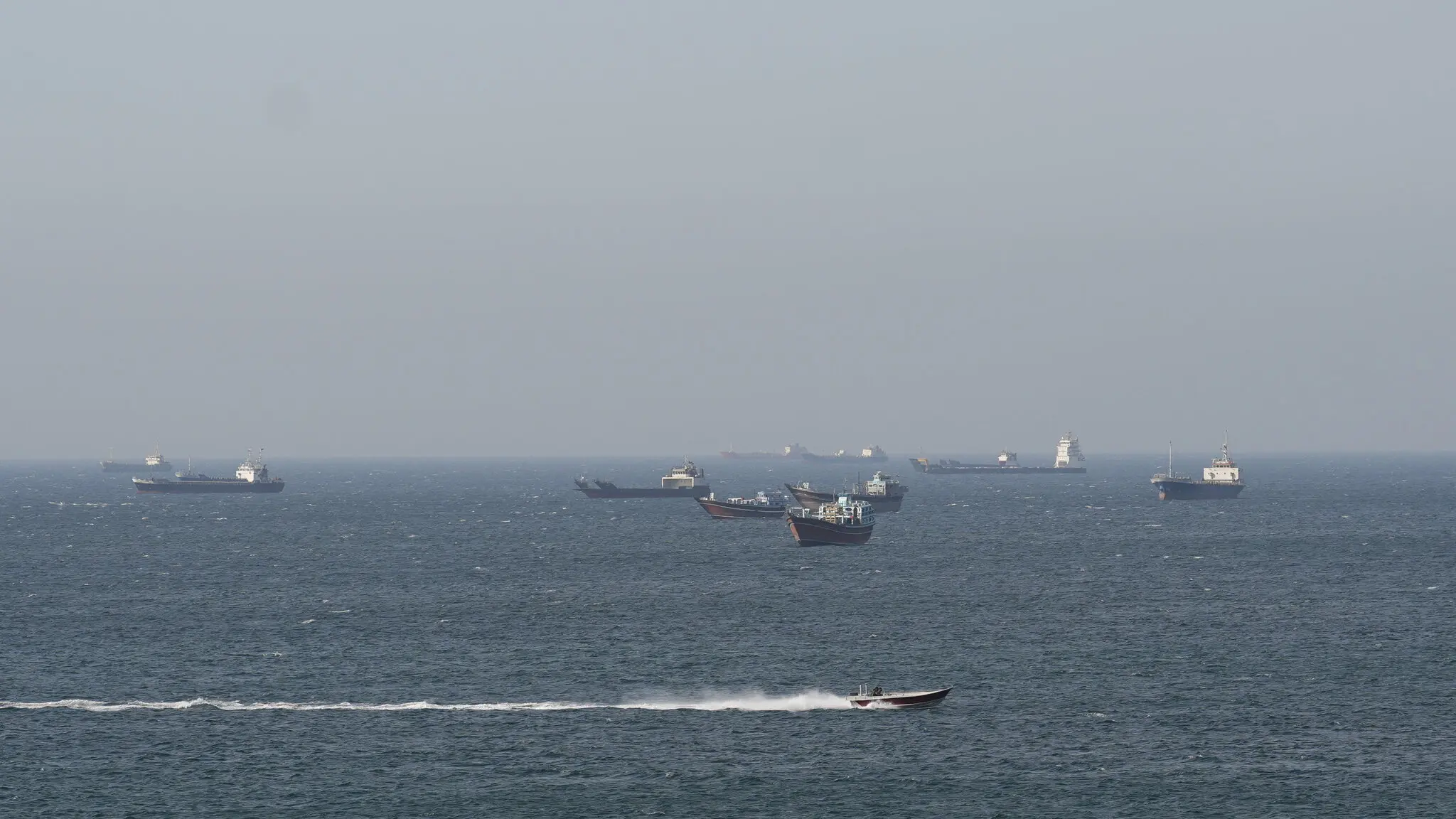
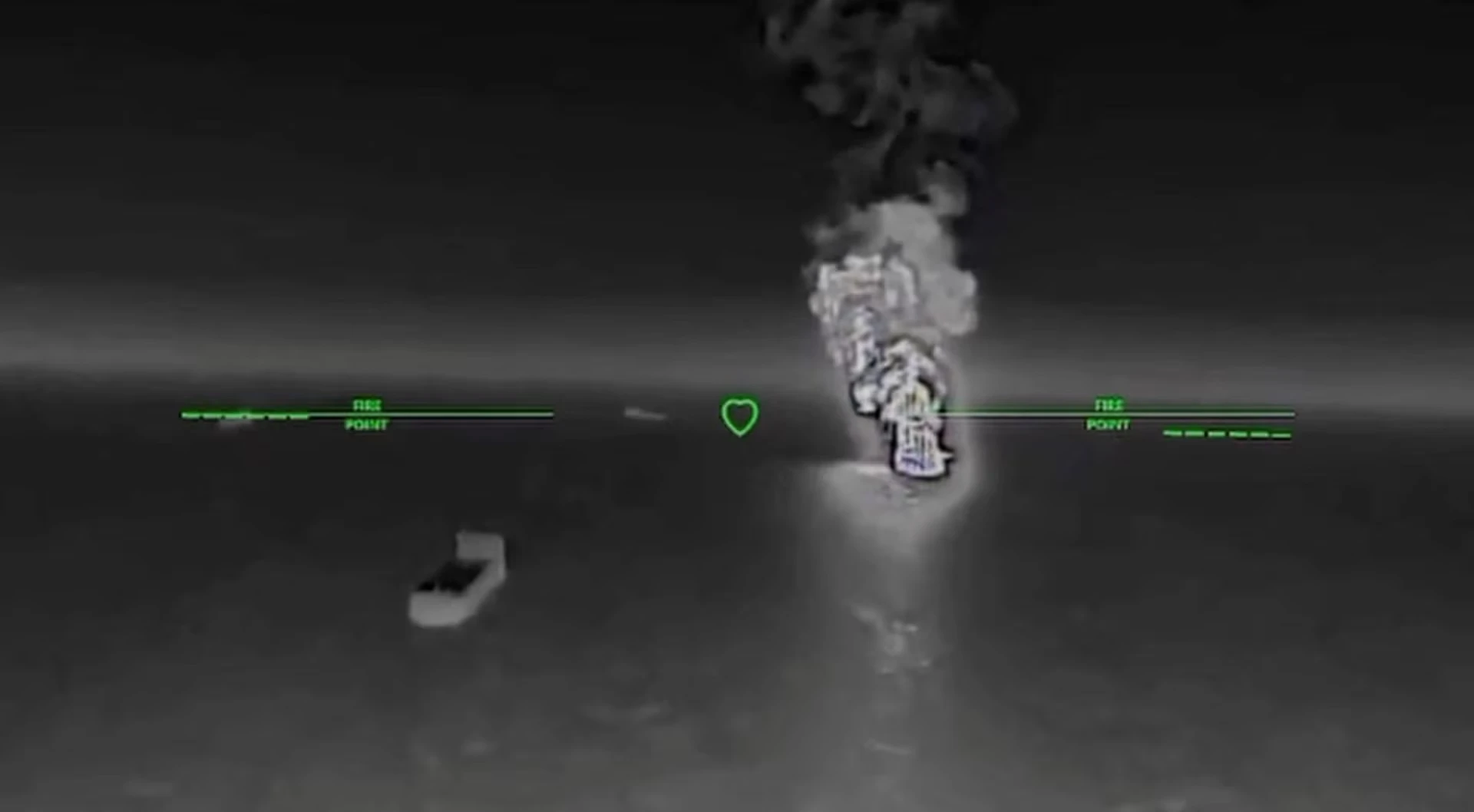
It is especially telling that diplomatic uncertainty was almost immediately overtaken by maritime escalation. The seizure of an Iranian cargo vessel and the blockade of Iranian ports have changed the very atmosphere of the talks. Any diplomatic contact now takes place not in the shadow of a possible crisis, but inside an active one. That sharply raises the stakes: the sides are no longer discussing only future guarantees, but also how to stop a campaign of pressure already unfolding at sea.
In that sense, the Strait of Hormuz is not a secondary issue but the nerve center of the entire confrontation. It is not simply a narrow waterway, but a critical artery for oil, gas, freight, insurance and regional logistics. Once shipping through it slows because of the risk of attacks or interceptions, diplomacy loses its abstract character. Every day without a solution starts turning into financial pressure, market anxiety and a growing sense that the time available for compromise is shrinking.
The figure of 27 vessels turned back matters for that reason. It is not important merely as a number, but as evidence of a wider systemic effect. It suggests the conflict is already shaping the behavior of carriers, shipowners, insurers and brokers. The blockade works not only through force, but through a shift in commercial logic. Once the market begins acting as if the route has become prohibitively risky, pressure on Iran intensifies even without a broader military campaign.
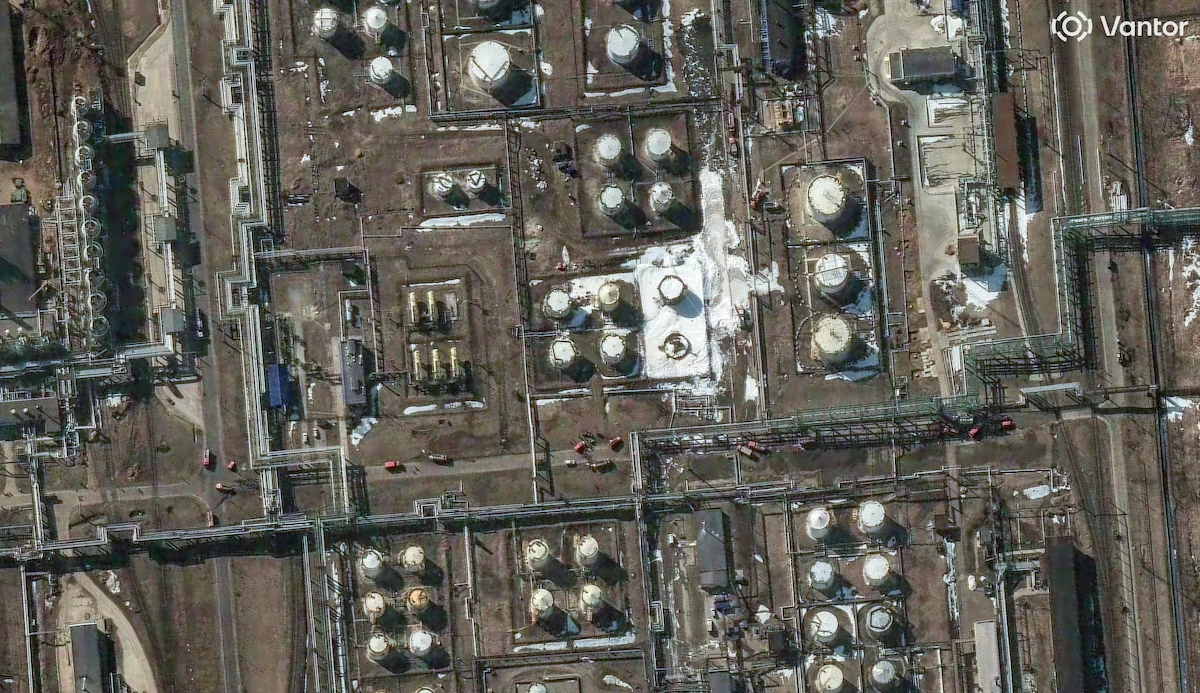
For Washington, that is an effective but dangerous model. It allows the United States to combine negotiations with a display of force, in the hope that mounting costs will make Tehran more flexible at the table. But there is a limit to that strategy. If one side sees the talks as coercion carried out under threat, the process itself loses legitimacy and begins to look less like diplomacy than an attempt to formalize one-sided pressure.
Iran, for its part, is operating on two levels at once. Domestically, it must show firmness and reject the appearance of negotiating under intimidation. Externally, it cannot afford to let the cease-fire expire in a way that automatically opens the door to a new cycle of strikes. That is why public defiance and quiet preparation for talks do not contradict each other. They are part of the same strategy.
Pakistan, in this setting, is more than a venue. It is part of the political architecture of the moment. Islamabad offers neutral ground, far enough from the symbolic dominance of either side. But even heavy security and controlled surroundings do not solve the underlying problem. Without at least a minimal shared understanding of where pressure ends and compromise begins, no geography can guarantee a meaningful result.
The most dangerous factor remains time itself. The end of the cease-fire is becoming a deadline that works against any durable agreement. Under that kind of pressure, diplomacy tends to produce temporary formulas rather than lasting solutions. And if even a temporary formula fails to emerge, the final hours before the pause expires could become the moment of greatest risk.
The central question in the coming days is not whether another meeting in Pakistan will take place. It is whether the United States and Iran can create even a minimal framework that separates diplomacy from escalation. For now, there is little evidence that they can. Which means that even if another round begins, it will most likely mark not the beginning of peace, but the last attempt to contain the crisis before it widens again — across the sea lanes, through the markets, and deep into the structure of regional security.