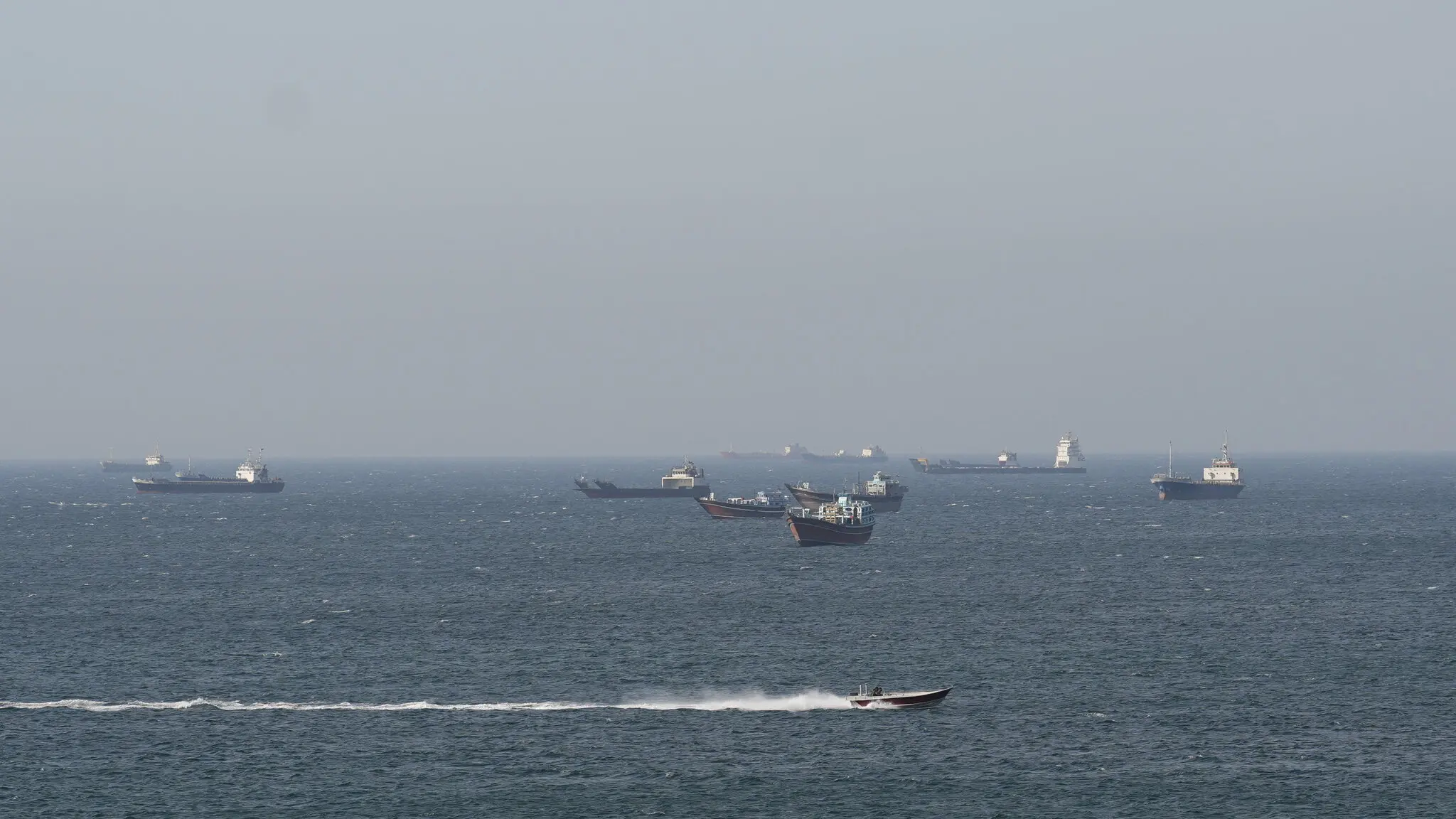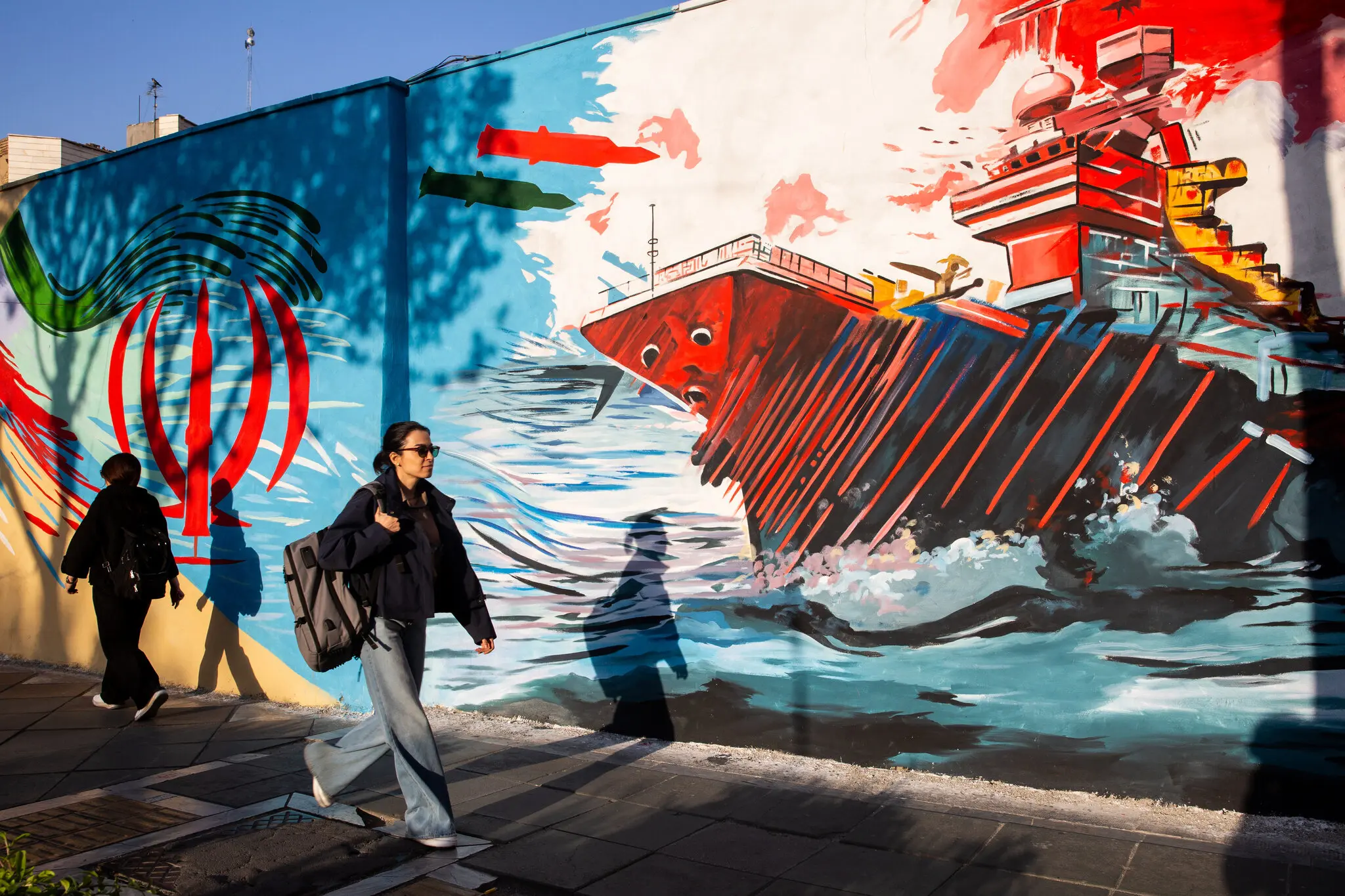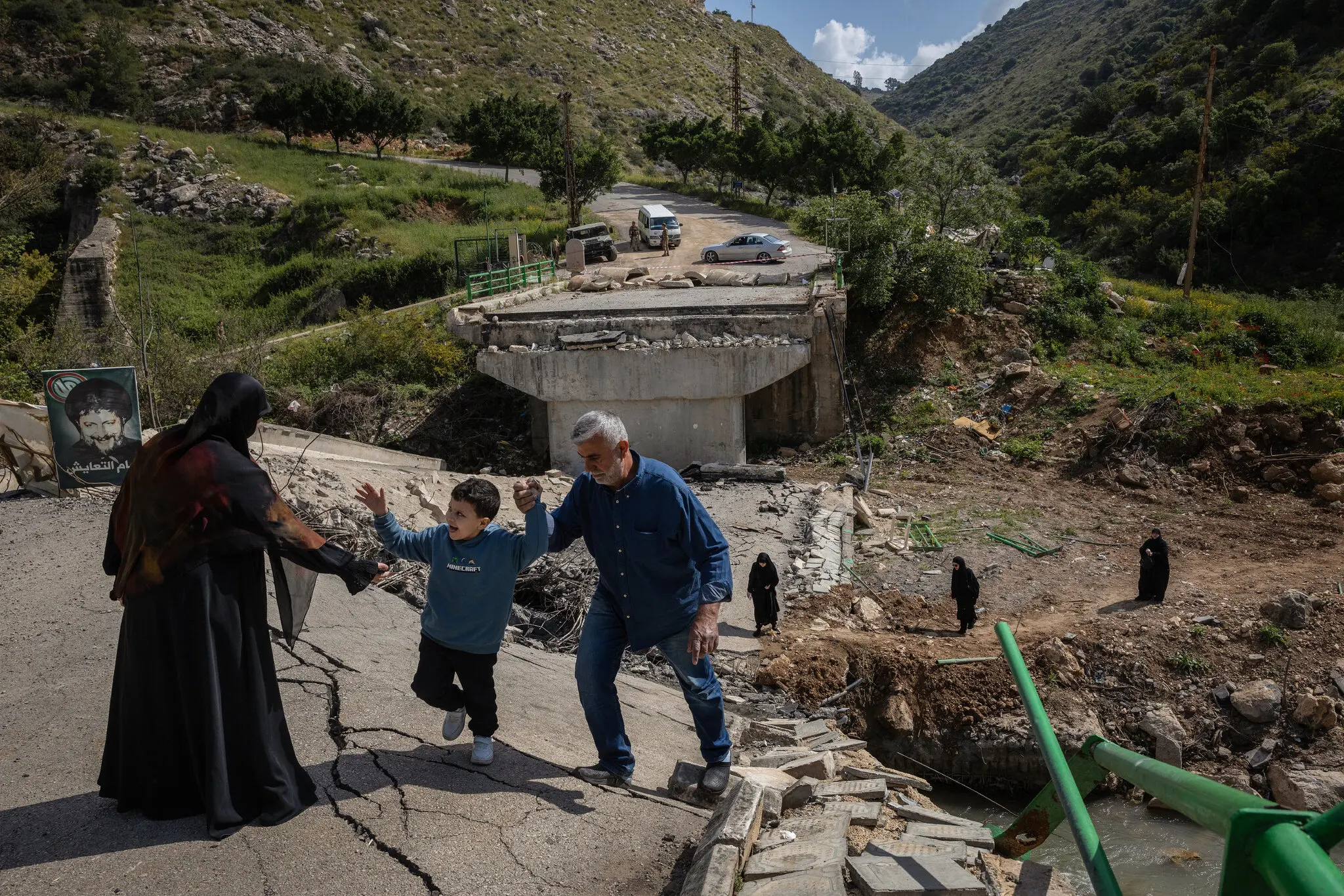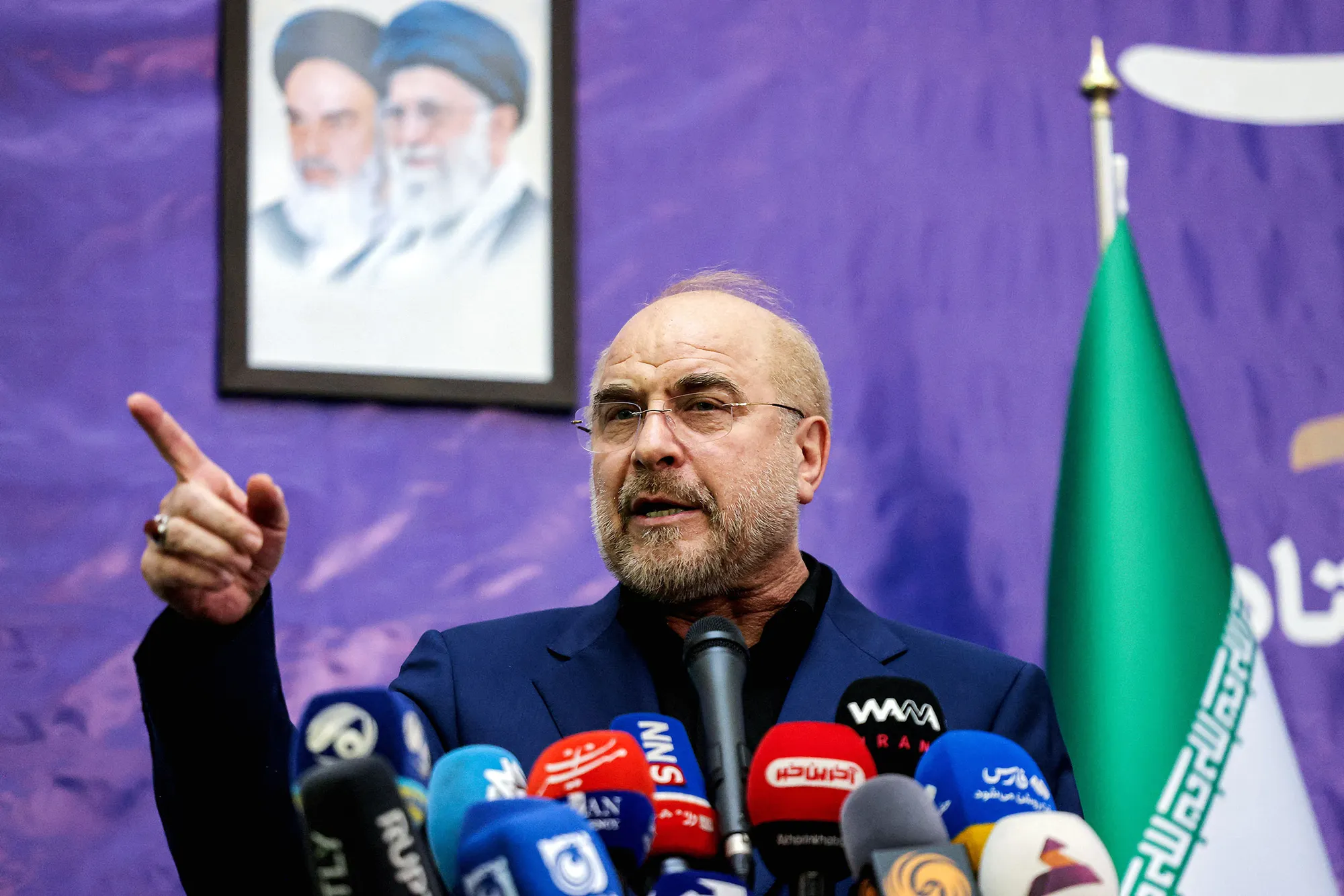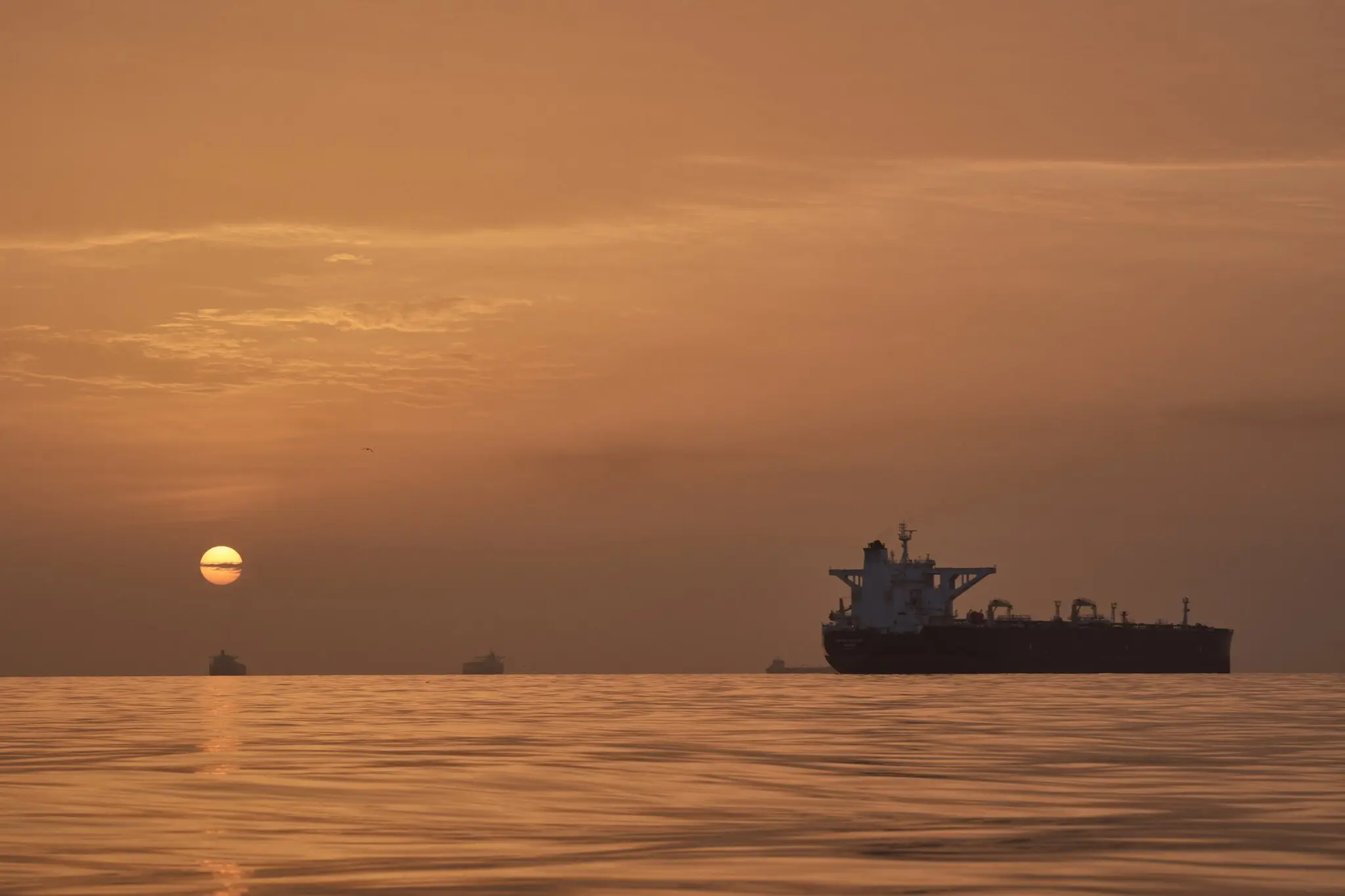
























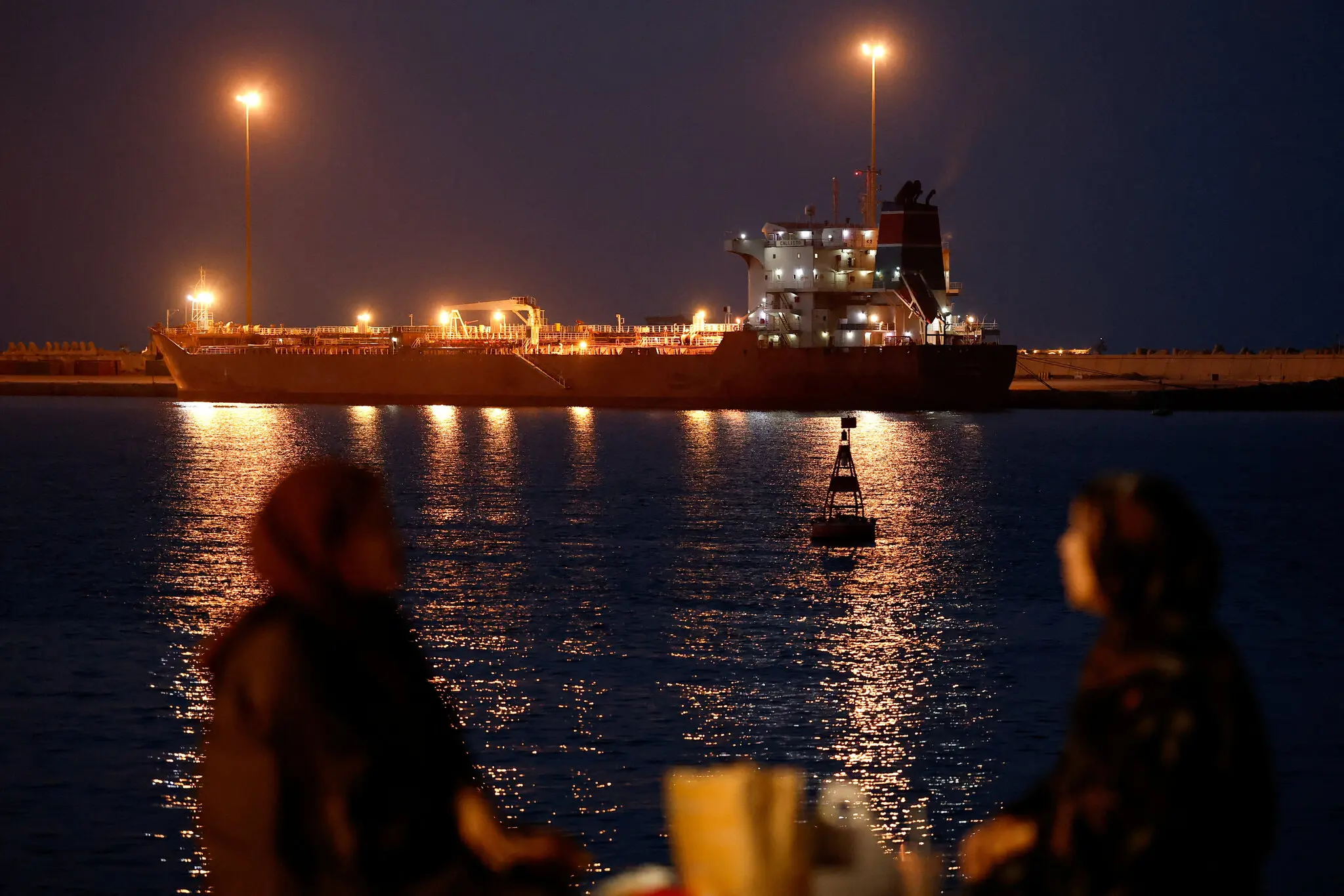
There are moments when a single naval operation alters not only the tactical picture, but the political geometry of an entire conflict. The American seizure of an Iranian vessel near the Strait of Hormuz was one of those moments. Donald Trump framed the incident as a lawful interception of a ship attempting to evade the U.S. blockade on Iranian ports. Tehran answered in the language that almost always precedes a new turn of escalation: “armed piracy,” a violation of the truce, and promises of inevitable retaliation.
At first glance, this may look like one more episode in a war already crowded with flashpoints. In reality, it is something larger. The United States has now shown that it is prepared not only to declare maritime pressure, but to enforce it through direct force. Iran, for its part, cannot afford to absorb such a blow in silence without weakening its domestic posture and its external image as a state still capable of defending its own sphere of influence. That is what makes this episode so dangerous: it pushes both sides toward a point where restraint begins to look like weakness.
The real significance of the episode lies not in its military scale, but in what it does to the diplomatic track itself. According to Daycom’s earlier analysis, the capture of the vessel has further damaged the idea that negotiations can still exist as a separate and protected channel. If, on the eve of another round of talks, one side seizes the other’s ship while the other publicly denies that any meeting is even agreed, diplomacy stops functioning as a mechanism for lowering tensions. It becomes another arena of pressure — psychological, political and strategic at once.
There are moments when a single naval operation alters not only the tactical picture, but the political geometry of an entire conflict. The American seizure of an Iranian vessel near the Strait of Hormuz was one of those moments. Donald Trump framed the incident as a lawful interception of a ship attempting to evade the U.S. blockade on Iranian ports. Tehran answered in the language that almost always precedes a new turn of escalation: “armed piracy,” a violation of the truce, and promises of inevitable retaliation.
At first glance, this may look like one more episode in a war already crowded with flashpoints. In reality, it is something larger. The United States has now shown that it is prepared not only to declare maritime pressure, but to enforce it through direct force. Iran, for its part, cannot afford to absorb such a blow in silence without weakening its domestic posture and its external image as a state still capable of defending its own sphere of influence. That is what makes this episode so dangerous: it pushes both sides toward a point where restraint begins to look like weakness.
The real significance of the episode lies not in its military scale, but in what it does to the diplomatic track itself. According to Daycom’s earlier analysis, the capture of the vessel has further damaged the idea that negotiations can still exist as a separate and protected channel. If, on the eve of another round of talks, one side seizes the other’s ship while the other publicly denies that any meeting is even agreed, diplomacy stops functioning as a mechanism for lowering tensions. It becomes another arena of pressure — psychological, political and strategic at once.
That is the central shift now underway. Until recently, the structure of the conflict remained formally legible: there was war, there was blockade, and there were separate diplomatic efforts in Pakistan that might yet provide an exit. That structure is now fraying. Iranian Foreign Ministry spokesman Esmail Baghaei says there are “no plans” for a new round of talks because U.S. actions show no seriousness about diplomacy. Washington, by contrast, continues to speak as though a fresh delegation is heading for Islamabad. The two sides are ostensibly describing the same process, yet they are operating inside different realities. And when adversaries no longer share even the most basic understanding of whether a negotiation exists, the chances of meaningful agreement contract sharply.
The timing makes the episode even more volatile. The two-week truce that took effect on April 8 is nearing its expiration. In other words, this maritime confrontation did not occur in some abstract middle phase of the war. It occurred at the precise moment when both sides should have been testing the limits of compromise. Instead, they are testing the limits of each other’s tolerance. That is a very different logic. It is no longer about searching for an exit. It is about determining who will reach the end of the truce with the stronger leverage position.
 Знімок екрана відео, опублікованого Центральним командуванням США, яке, як було описано, показує, як есмінець ВМС США попереджає, а потім обстрілює вантажне судно під іранським прапором в Аравійському морі в неділю — Центрком США
Washington has its own clear rationale. The blockade of Iranian ports was designed not only to weaken Iran economically, but to force Tehran to restore normal shipping through Hormuz and to accept a broader settlement. But every blockade contains its own temptation: once the rule has been declared, it must be enforced visibly, or it begins to look hollow. In that sense, the seizure of a ship was almost built into the logic of the blockade from the beginning. The problem is that nearly every such “necessary” act simultaneously narrows the room for compromise.
For Iran, the imperative of response is no less structural. A state that has recently insisted on strict control over Hormuz cannot simply fail to answer the seizure of one of its vessels without appearing weak both abroad and at home. That is why the threats of retaliation are not merely emotional rhetoric. They are a means of preserving the coherence of Iran’s political position. But this is also the trap: the louder the promise of revenge, the more costly any future de-escalation becomes.
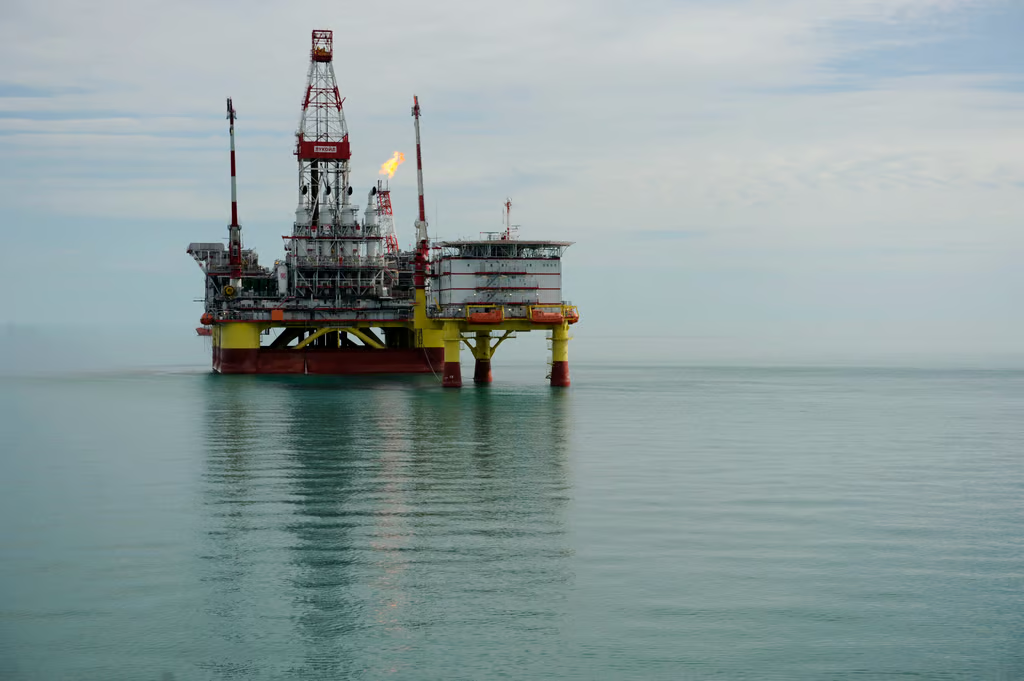
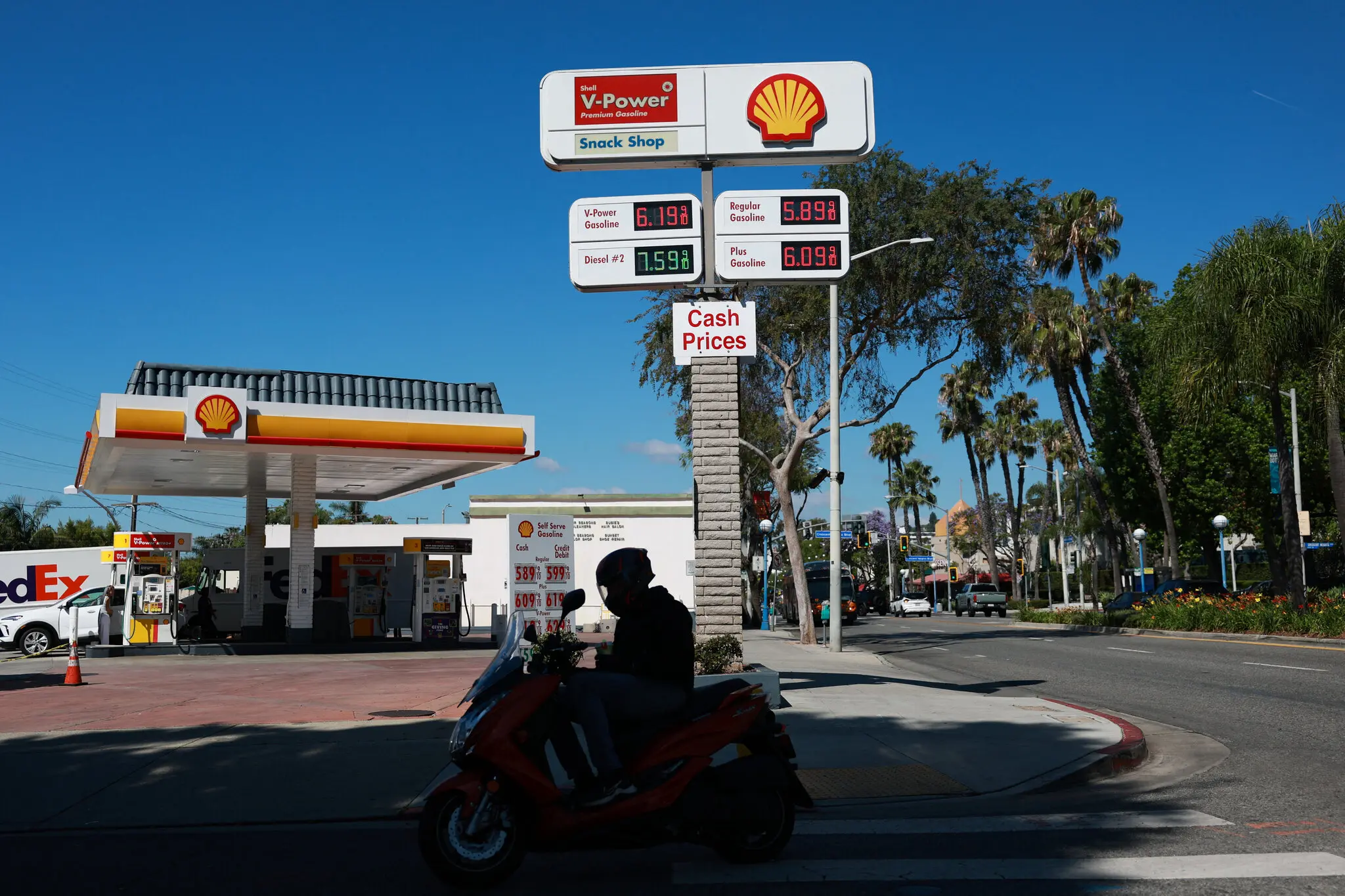
The Strait of Hormuz matters here not only as geography, but as the nervous system of the global market. In ordinary times, roughly one-fifth of the world’s oil supply moves through it, which is why every new flare-up quickly travels into the price of Brent crude. After the incident, prices jumped by more than 6 percent, to roughly $96 a barrel, and oil has now risen by about a third since the war began. This is not simply traders reacting to a dramatic headline. It is the market beginning to price not a one-off shock, but a longer stretch of instability in which passage through Hormuz itself carries a permanent war premium.
That is precisely what makes this moment so dangerous for diplomacy. When oil is climbing, maritime risk is rising, and both sides are exchanging signals of force rather than signals of trust, negotiations lose their autonomy. They no longer function as an effort to stop the war. They function as part of the broader contest of attrition, in which each side seeks not merely to bargain, but to enter the room from a position of intensified pressure. In that environment, the mere arrival of a delegation in Pakistan means very little. The only meaningful question is whether the military track and the diplomatic track can be separated, even temporarily. At the moment, there is almost no evidence that they can.
The most unsettling feature of this crisis is that each side can explain its own actions in rational terms — and that is exactly why the conflict is becoming harder to control. The United States will say it is enforcing its blockade and defending freedom of navigation on its own terms. Iran will say it is answering aggression and refusing talks conducted under humiliation and coercion. Both narratives contain their own internal logic. But taken together, they do not produce a path toward agreement. They produce a mechanism of self-sustaining escalation. Once every new move appears justified to the side making it, war begins to generate its own momentum.
That is why the central conclusion today is not whether talks in Pakistan will happen or not. The deeper conclusion is that the seizure of a single ship near Hormuz has revealed a new boundary in this war. That boundary no longer runs between sea and land, or between blockade and diplomacy. It runs between two incompatible theories of coercion. Washington believes that stronger pressure will force Tehran to negotiate. Tehran believes that yielding under such pressure would destroy the very logic of its resistance. As long as those two assumptions remain intact, any meeting in Pakistan risks becoming not a step toward peace, but merely an interval before the next round of escalation.