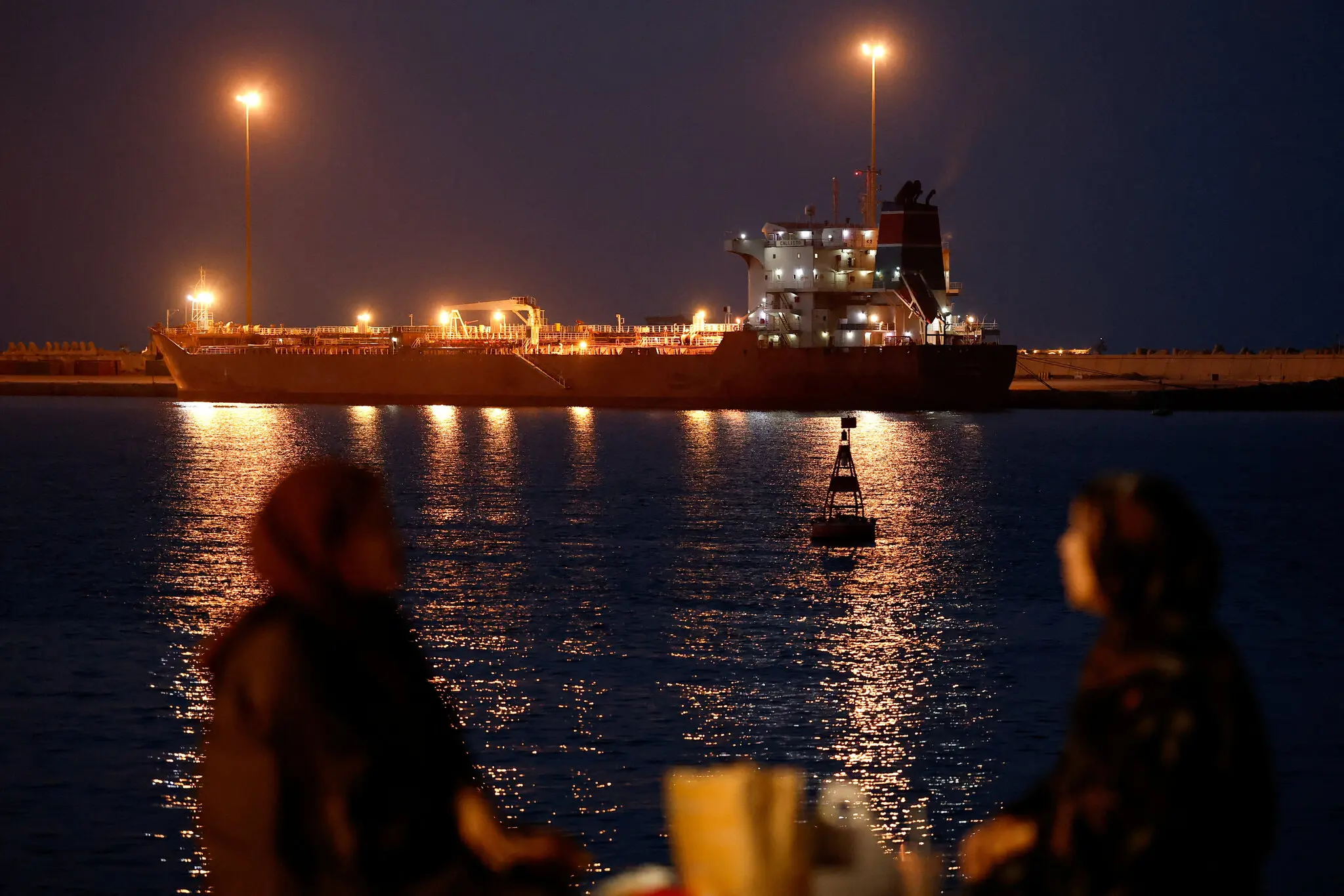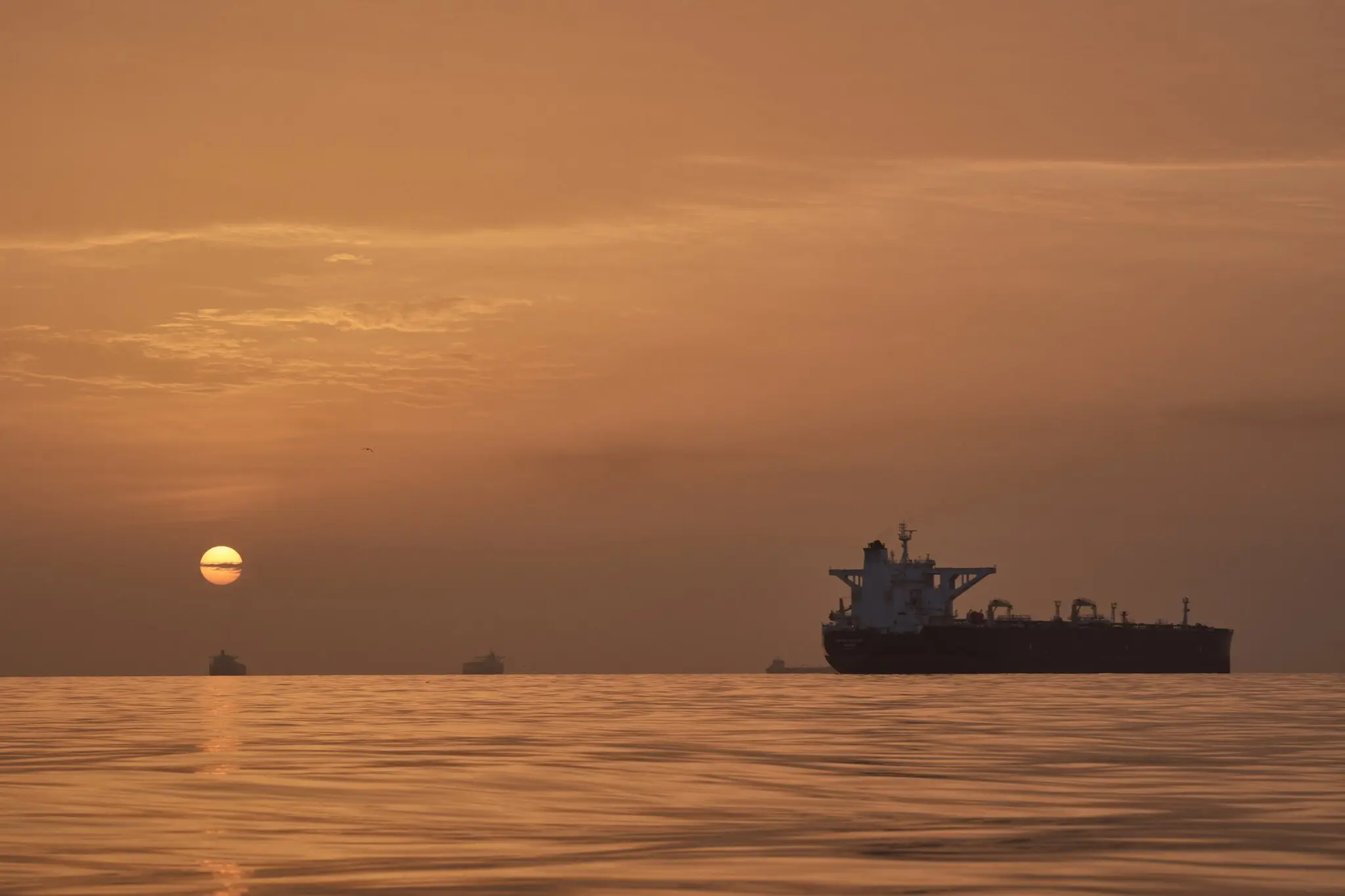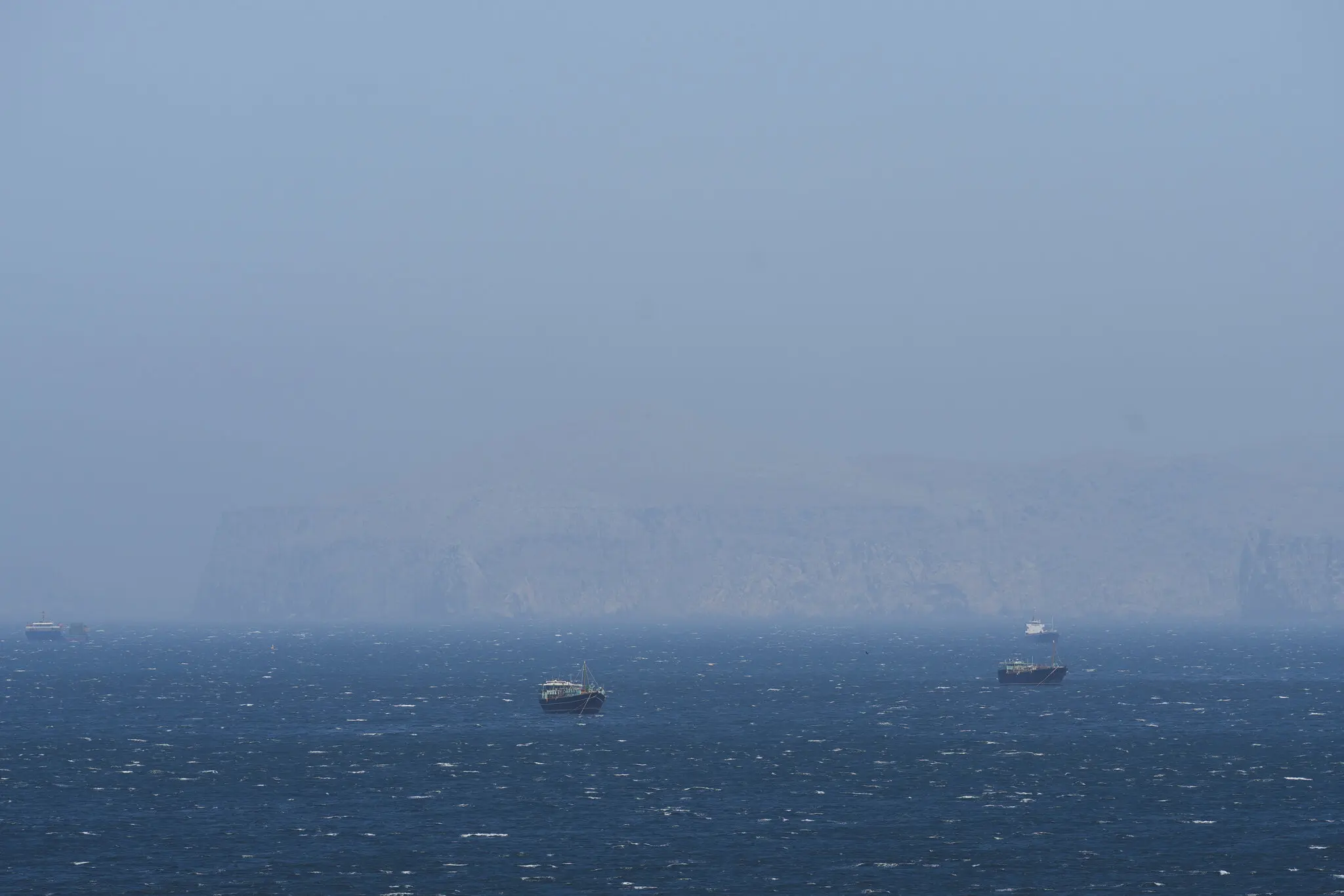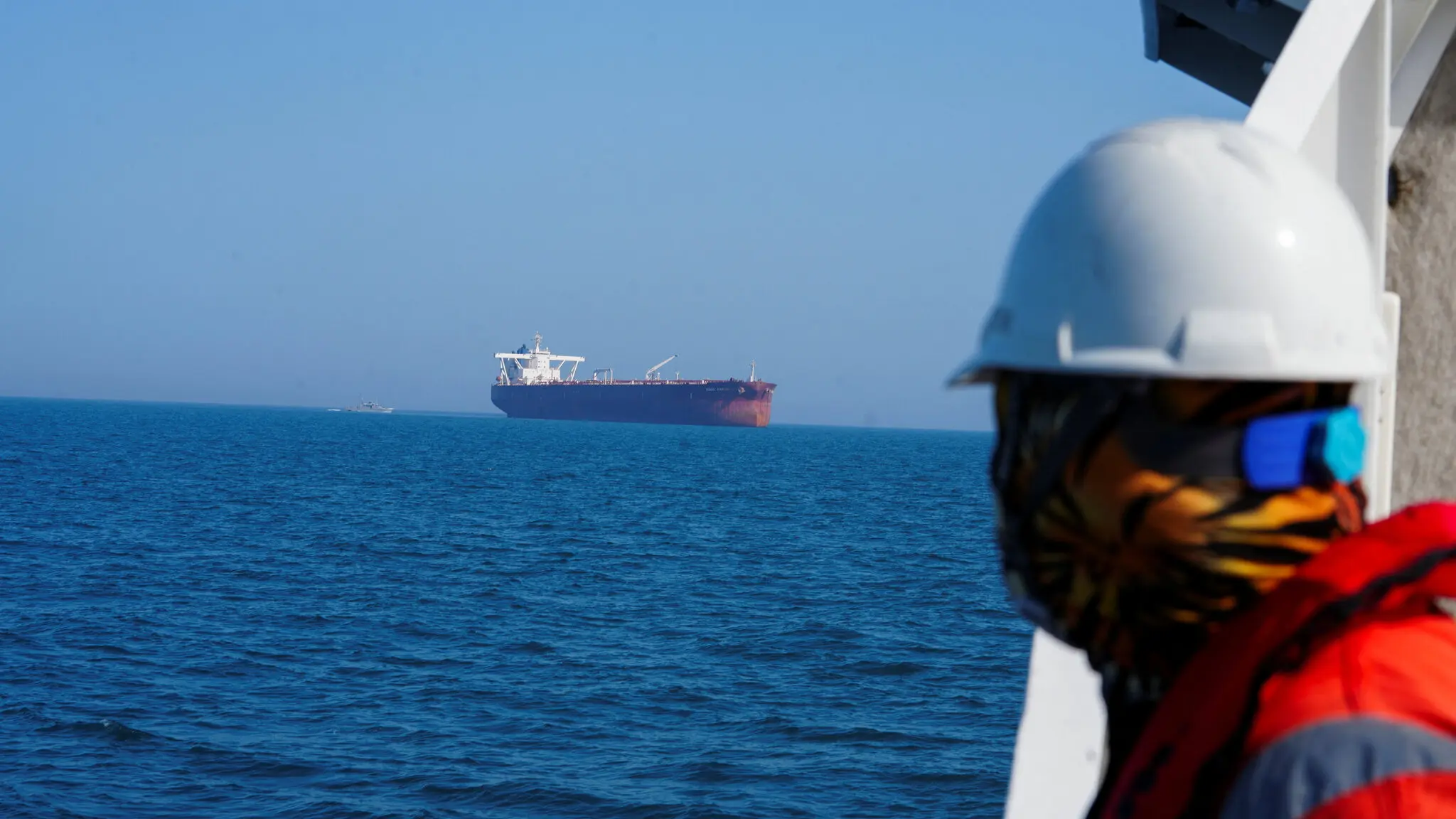





























Over the past two days, Hormuz has moved from “completely open” to effectively conditional. First, Iranian Foreign Minister Abbas Araghchi said commercial passage was open on a coordinated route. Donald Trump hailed that as a breakthrough. Then Iran’s military shifted the message again, saying it had reimposed strict control over the waterway until the U.S. ends its blockade of Iranian-linked shipping and ports.
That is the central reality of the moment: the strait can no longer be described honestly as either open or closed. It is conditional. There is no declared total shutdown, but there is no restored freedom of navigation either. Passage now depends on political approval, route discipline, military posture and the unresolved contest between Iran’s leverage and Washington’s blockade.
As Daycom’s earlier analysis suggested, the most dangerous form of control over a strategic chokepoint is often not absolute closure, but managed uncertainty. That is what Hormuz has become. A full blockade is a crisis everyone can name. A partially reopened corridor under contradictory conditions is more corrosive, because fear itself begins to do the work of force. Shipowners, insurers and traders do not need a formal ban to retreat. They only need to lose confidence in the rules of passage. The fact that ships have not rushed back in large numbers shows exactly that.
Over the past two days, Hormuz has moved from “completely open” to effectively conditional. First, Iranian Foreign Minister Abbas Araghchi said commercial passage was open on a coordinated route. Donald Trump hailed that as a breakthrough. Then Iran’s military shifted the message again, saying it had reimposed strict control over the waterway until the U.S. ends its blockade of Iranian-linked shipping and ports.
That is the central reality of the moment: the strait can no longer be described honestly as either open or closed. It is conditional. There is no declared total shutdown, but there is no restored freedom of navigation either. Passage now depends on political approval, route discipline, military posture and the unresolved contest between Iran’s leverage and Washington’s blockade.
As Daycom’s earlier analysis suggested, the most dangerous form of control over a strategic chokepoint is often not absolute closure, but managed uncertainty. That is what Hormuz has become. A full blockade is a crisis everyone can name. A partially reopened corridor under contradictory conditions is more corrosive, because fear itself begins to do the work of force. Shipowners, insurers and traders do not need a formal ban to retreat. They only need to lose confidence in the rules of passage. The fact that ships have not rushed back in large numbers shows exactly that.
This is why the market has heard not peace, but bargaining. When Tehran says the route is open while Washington says the blockade stays, the sea stops being a neutral space of trade and becomes an instrument of negotiation. Hormuz is no longer operating according to the logic of navigation. It is operating according to the logic of a deal that does not yet exist.
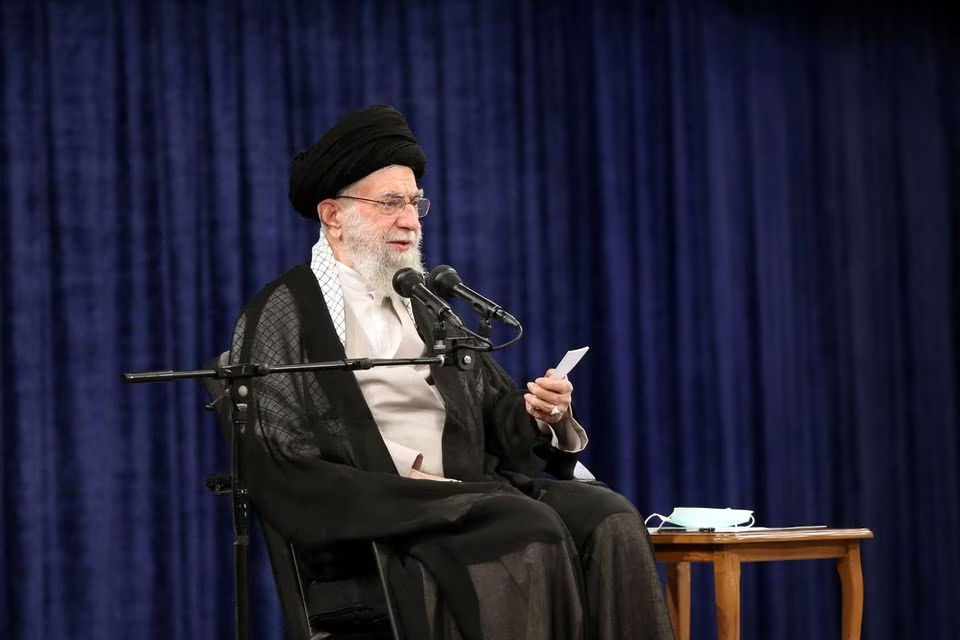
Iran’s strategy is clear enough. Tehran does not need to shut the strait completely in order to keep its leverage. It only needs to demonstrate that normal shipping cannot function without terms it approves. That is what the language of “strict control” really means. Iran is reminding the world that any appearance of maritime normality remains dependent on its political consent, not on optimistic statements from Washington.
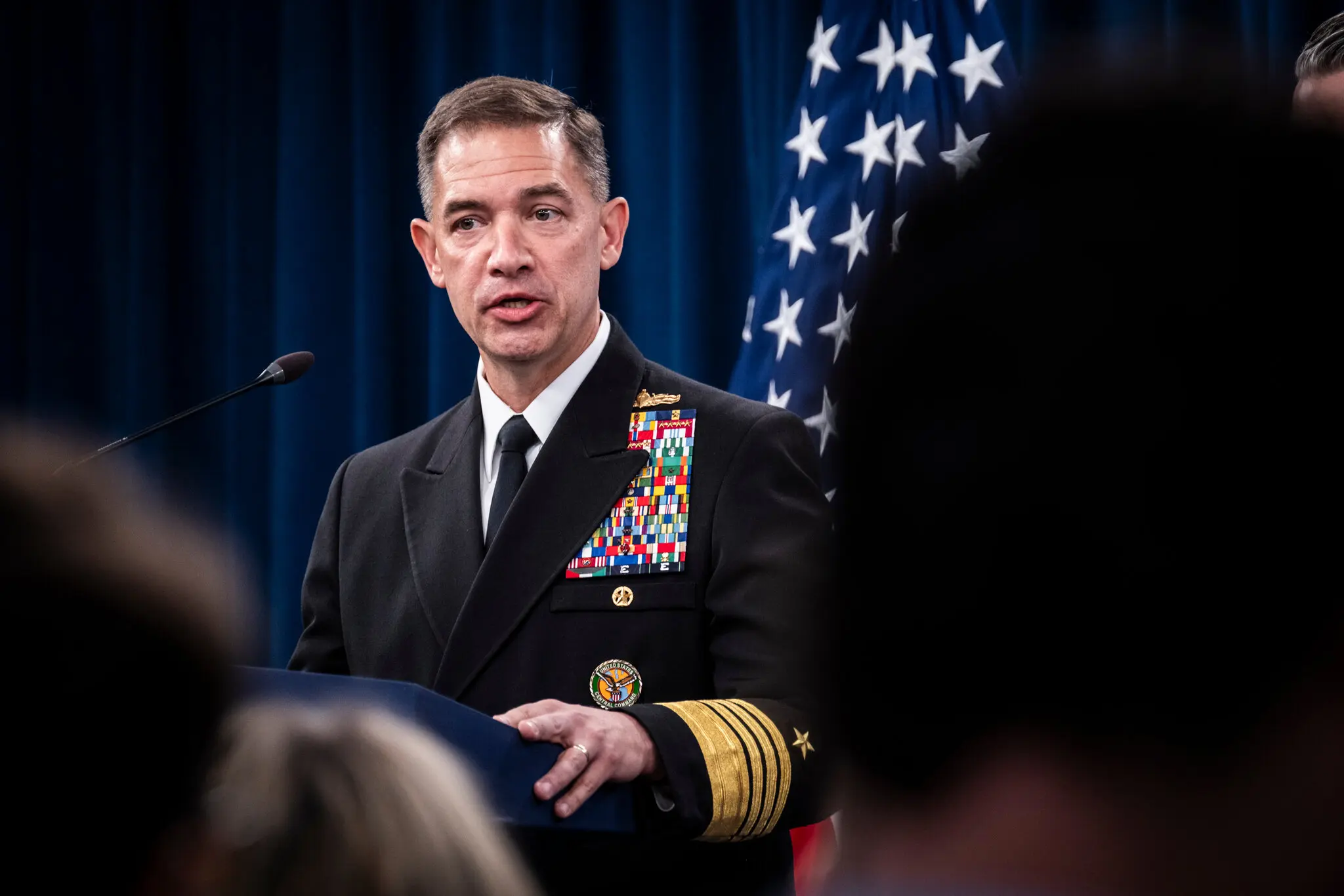
But the United States is caught in its own trap as well. The blockade was meant to break the model in which Iran could profit from selective passage while using Hormuz as a coercive tool. Yet the longer Washington keeps that blockade in place without a broader settlement, the easier it becomes for Tehran to portray its own restrictions as retaliation rather than escalation. That means the U.S. can intensify pressure on Iran while still failing to return the one thing markets want most: clarity.
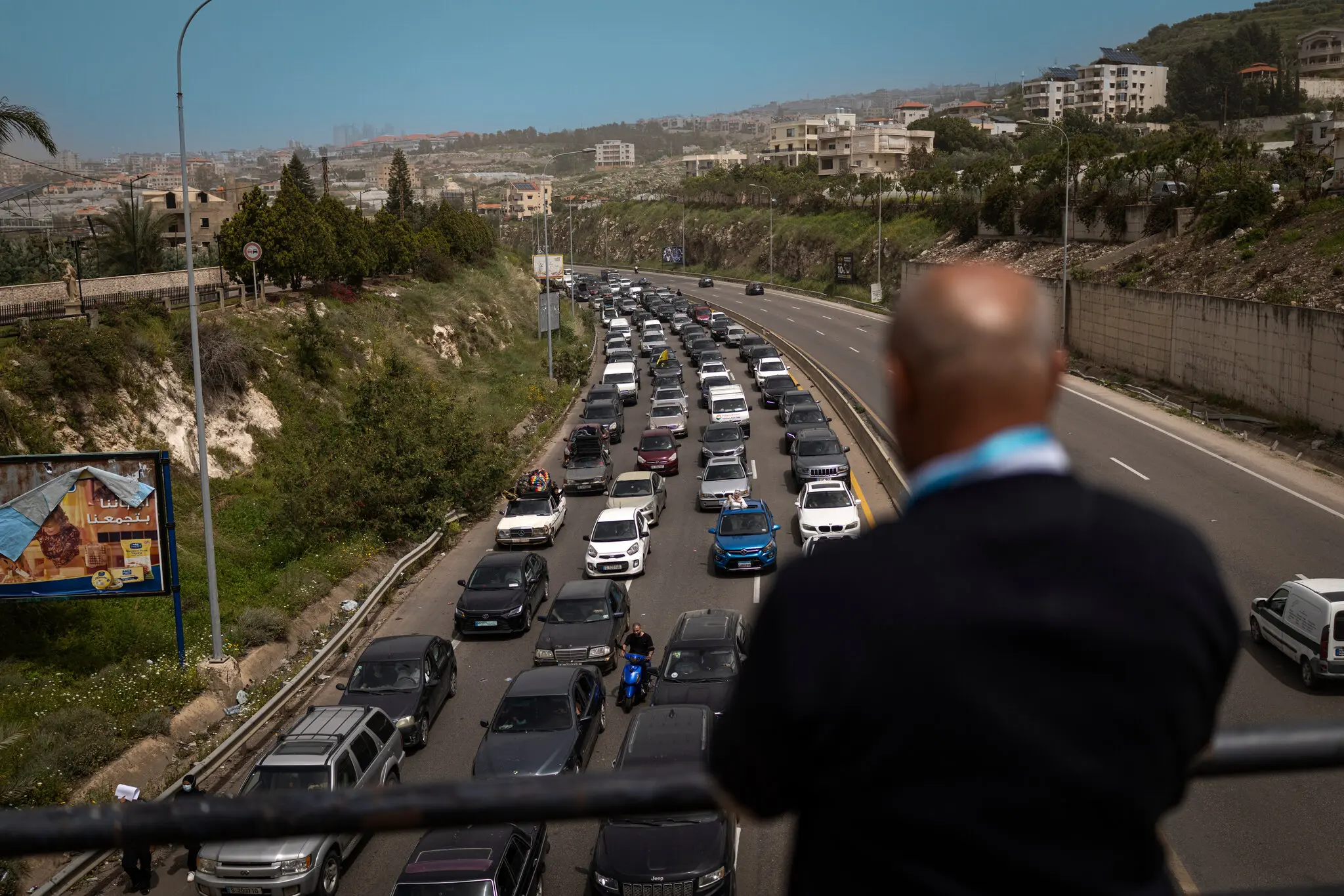
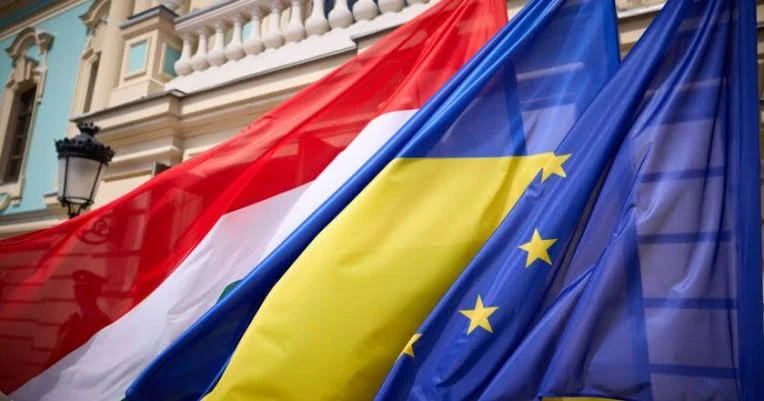
The wider regional context makes the picture even more fragile. Iran’s earlier announcement that the strait was “completely open” was explicitly tied to the period of the Lebanon cease-fire. That matters because it shows Hormuz is no longer a standalone maritime issue. It is now linked to the broader architecture of regional de-escalation, including the 10-day pause between Israel and Lebanon. If that truce frays, pressure around Hormuz can quickly return with it.
The deeper significance of this episode, then, is not that Iran has simply “closed” the strait again, nor that Trump briefly glimpsed a breakthrough. It is that Hormuz has been transformed into a zone of conditional access, where legal formulas matter less than political context, and where every claim of normalization is shadowed by a mechanism of coercion still in place. That is the most dangerous regime for the world economy, because a fully closed strait is a visible emergency, while a conditionally open one can masquerade as progress even while remaining a weapon.
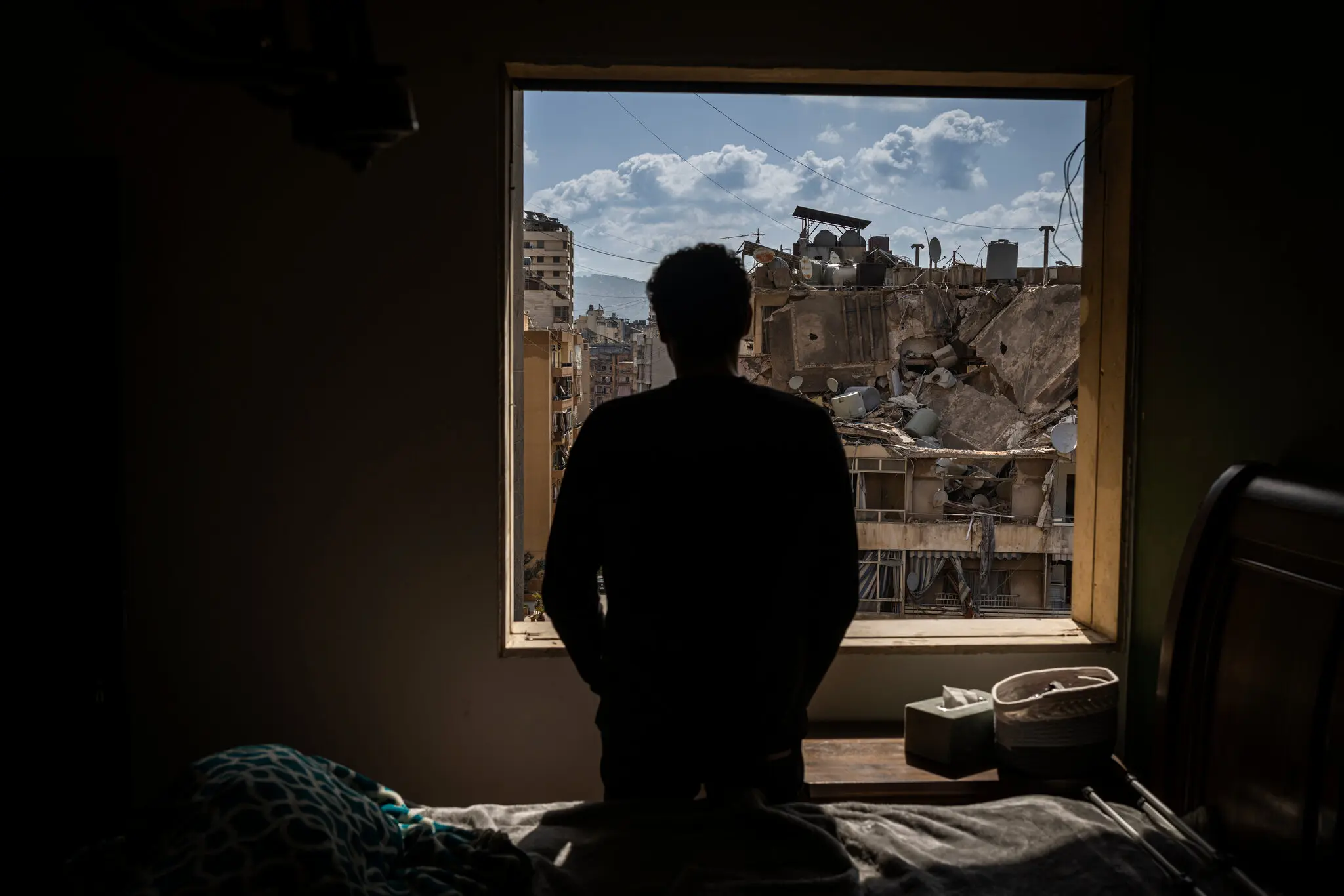

 Знімок екрана відео, опублікованого Центральним командуванням США, яке, як було описано, показує, як есмінець ВМС США попереджає, а потім обстрілює вантажне судно під іранським прапором в Аравійському морі в неділю — Центрком США