





















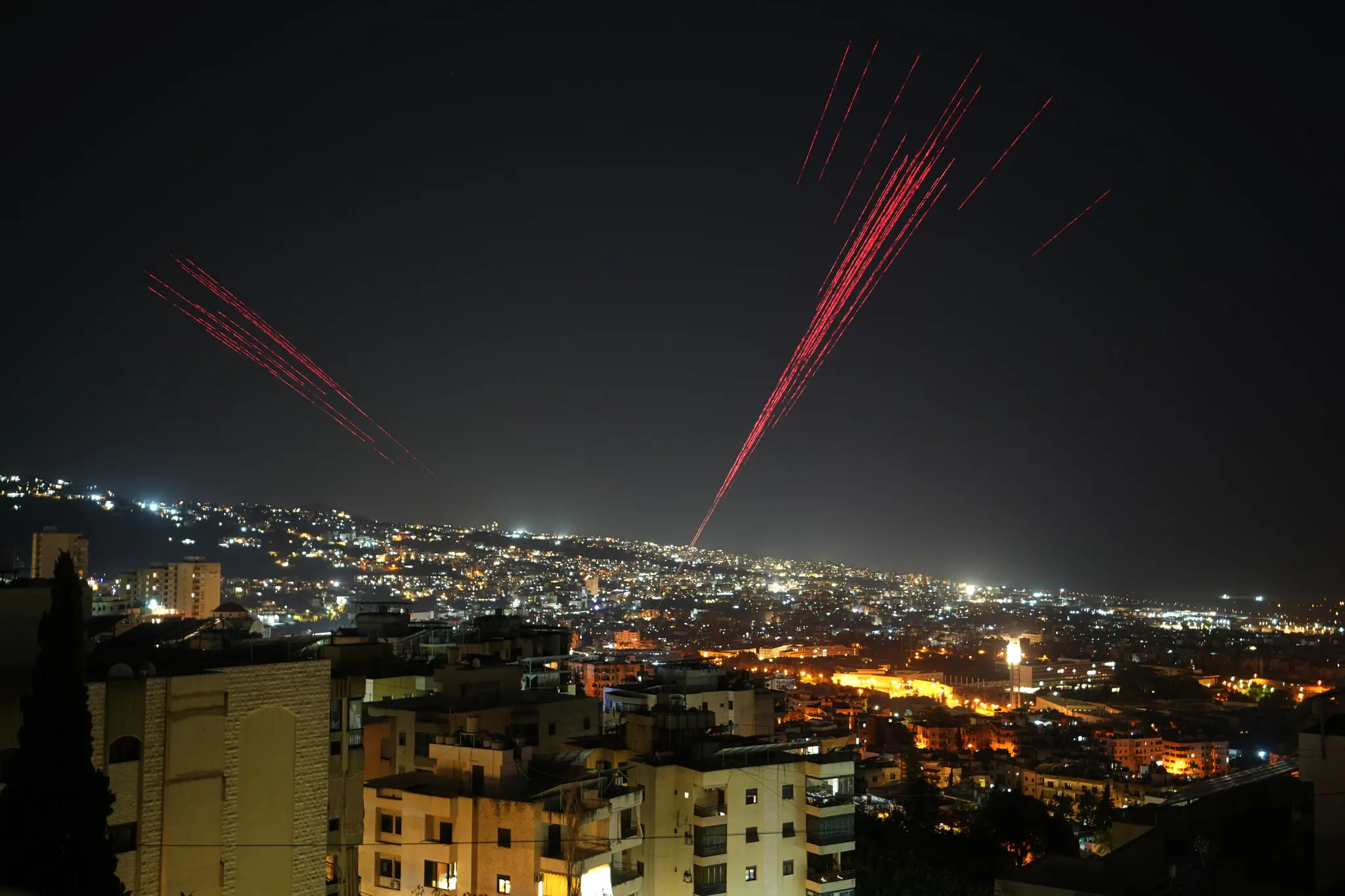
At midnight in Lebanon, the 10-day cease-fire between Lebanon and Israel formally came into force. Both states confirmed that they would implement the truce after intense American mediation and a rapid burst of diplomacy from Washington. Yet the structure of the pause looked fragile from the outset: the cease-fire was announced before there was any real certainty that all those actually doing the fighting were prepared to live by it.
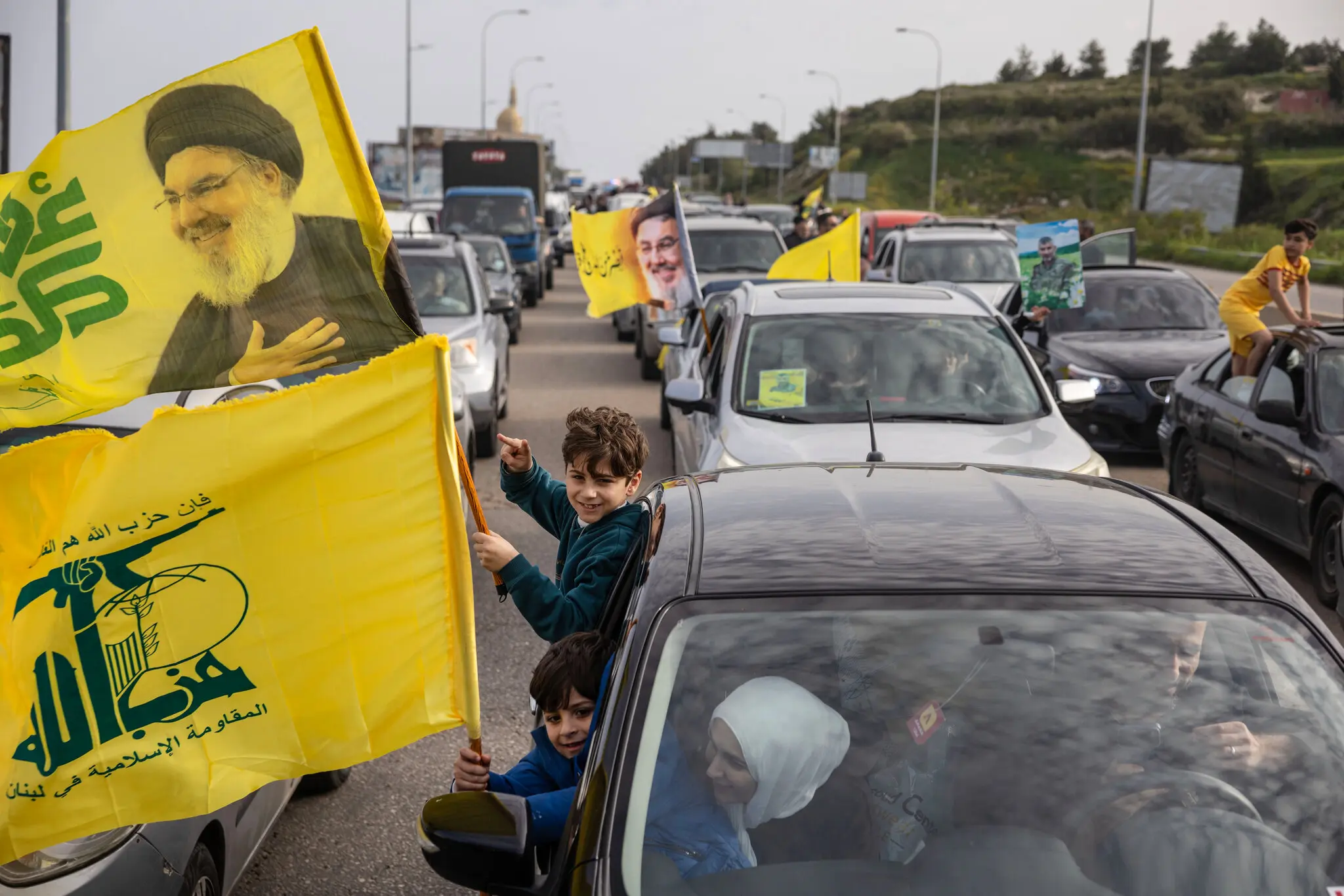
That weakness goes to the heart of the arrangement. On paper, two states have agreed to stop the fire. In reality, the conflict along Israel’s northern border and southern Lebanon is shaped not only by governments, but by Hezbollah, which acknowledged the truce without offering an unambiguous commitment to obey it. The group made clear that its conduct would depend on how events developed on the ground.
Translated from diplomatic language, that means something simple. The pause has begun, but the mechanism for enforcing it remains incomplete. The cease-fire exists as a political formula. It has yet to prove that it can become a military reality. That is its central vulnerability from the first minute.
At midnight in Lebanon, the 10-day cease-fire between Lebanon and Israel formally came into force. Both states confirmed that they would implement the truce after intense American mediation and a rapid burst of diplomacy from Washington. Yet the structure of the pause looked fragile from the outset: the cease-fire was announced before there was any real certainty that all those actually doing the fighting were prepared to live by it.
That weakness goes to the heart of the arrangement. On paper, two states have agreed to stop the fire. In reality, the conflict along Israel’s northern border and southern Lebanon is shaped not only by governments, but by Hezbollah, which acknowledged the truce without offering an unambiguous commitment to obey it. The group made clear that its conduct would depend on how events developed on the ground.
Translated from diplomatic language, that means something simple. The pause has begun, but the mechanism for enforcing it remains incomplete. The cease-fire exists as a political formula. It has yet to prove that it can become a military reality. That is its central vulnerability from the first minute.
According to Daycom’s earlier analysis, the weakest point of any Lebanese cease-fire is always the same divide: on paper, sovereignty belongs to the state; on the ground, force and control are split between official institutions and an armed non-state actor. In such a system, quiet depends not only on signatures, but on whether the interests of formal authority and those with the power to break the truce happen to align.
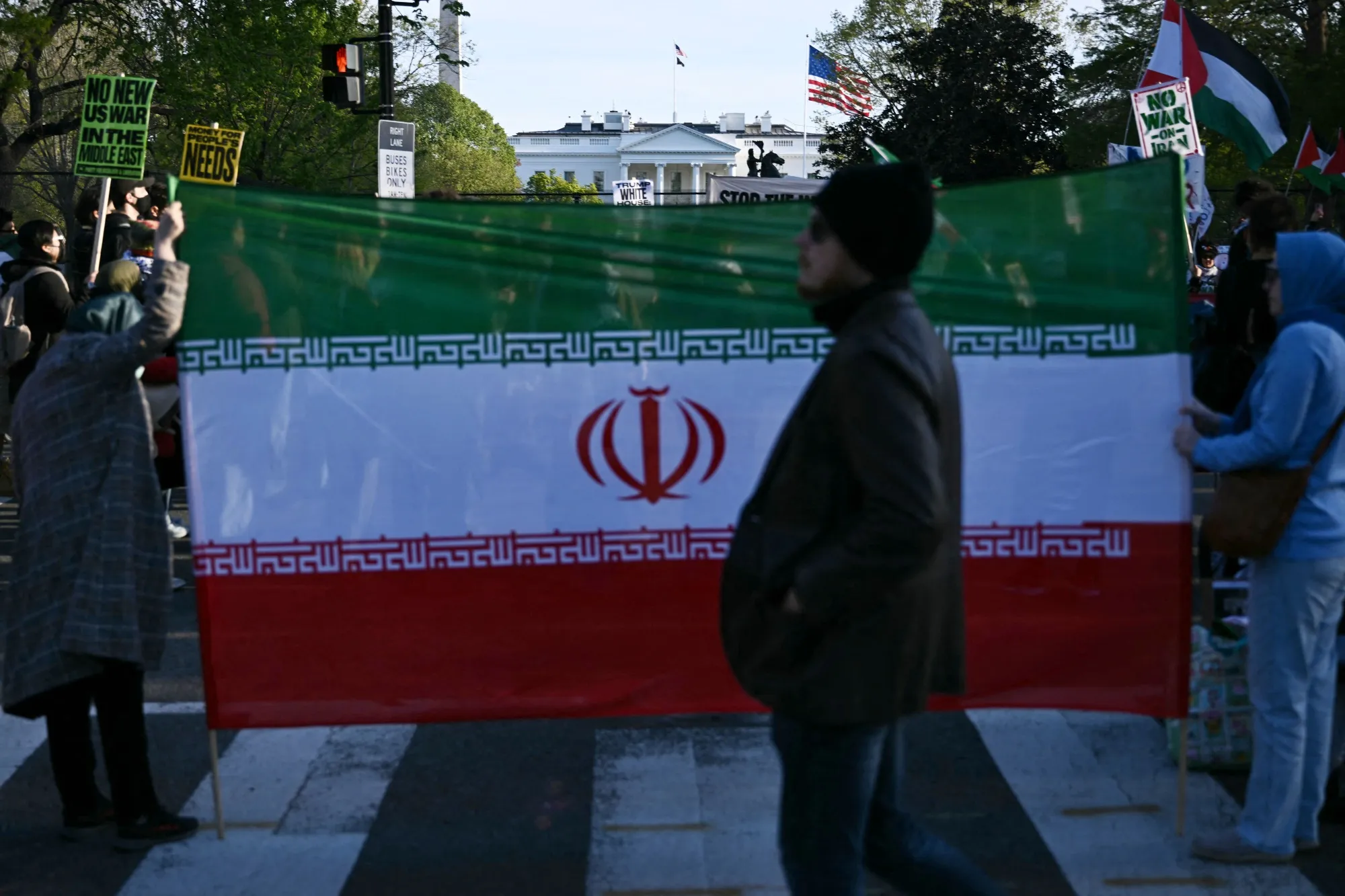
That is why this cease-fire matters less as an isolated event than as part of the wider framework surrounding Iran. In recent weeks, the Lebanese front has become one of the most dangerous secondary theaters in the broader Middle East crisis. As long as Israel and Hezbollah keep exchanging fire, any pause in the U.S.-Iran track remains unstable. Washington appears to have understood that and moved toward a short freeze on the Lebanese front not because it found a formula for peace, but because the larger diplomatic architecture risked collapsing without it.
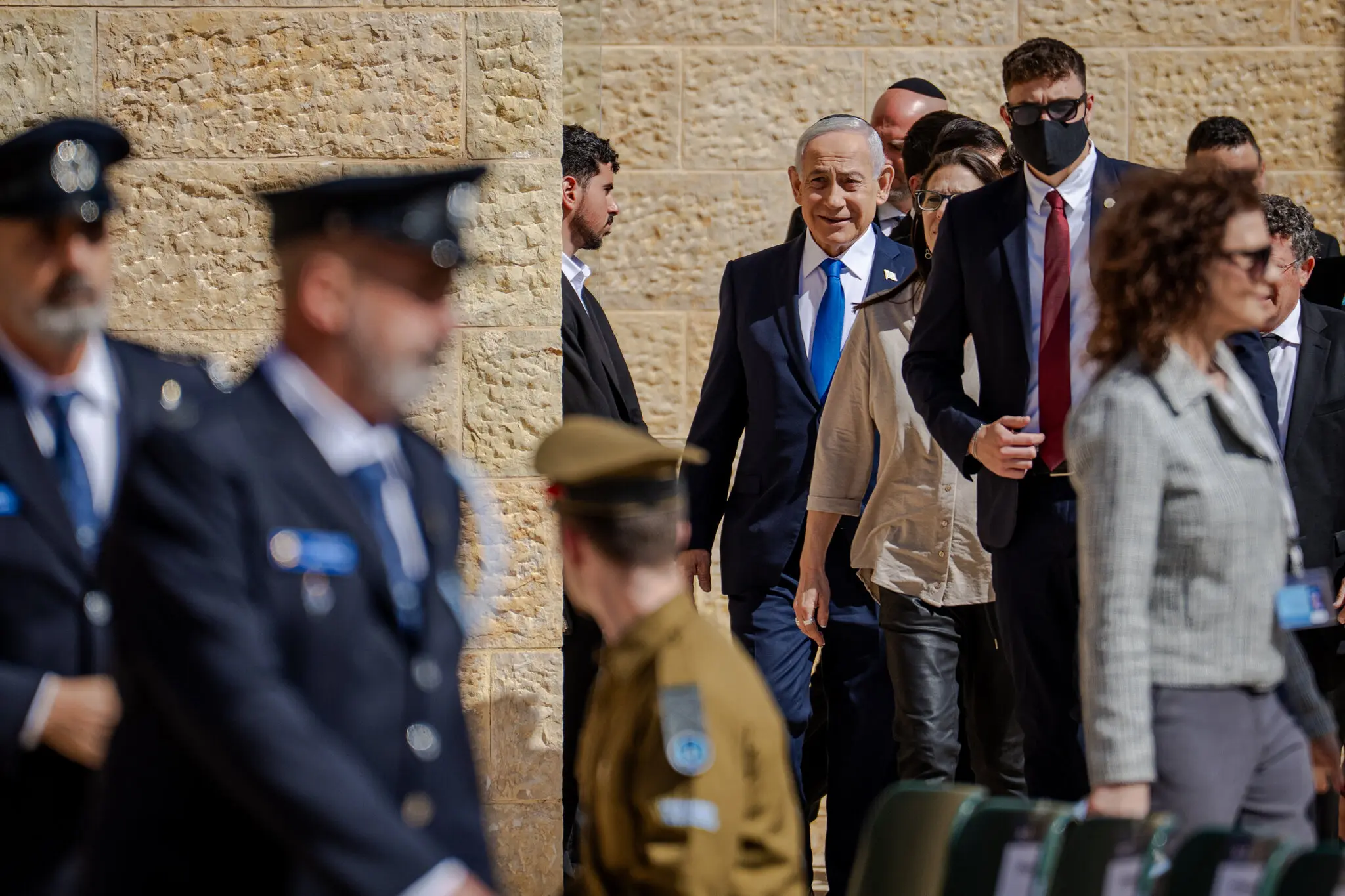
Israel, for its part, has entered the pause without any sense of completion. Benjamin Netanyahu has already made clear that Israeli troops will remain inside Lebanon within an expanded security zone. Politically, that is easy to understand. Having accepted a cease-fire under American pressure, he cannot afford to look as though Israel is simply stepping back. Yet that very decision makes the truce more precarious. What Jerusalem describes as deterrence will almost certainly be read in Beirut and by Hezbollah as evidence that the agreement is incomplete, or already being undermined.
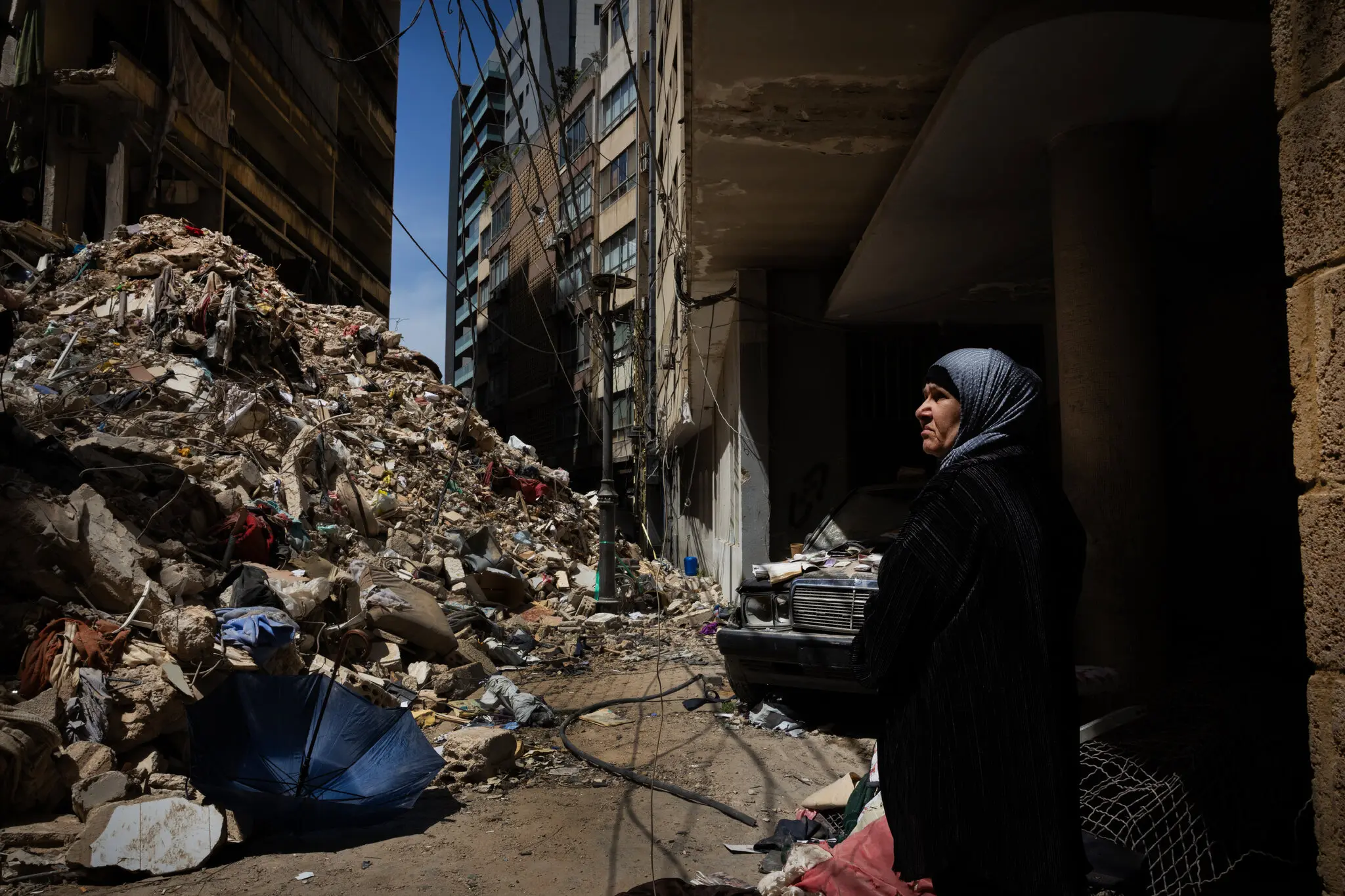
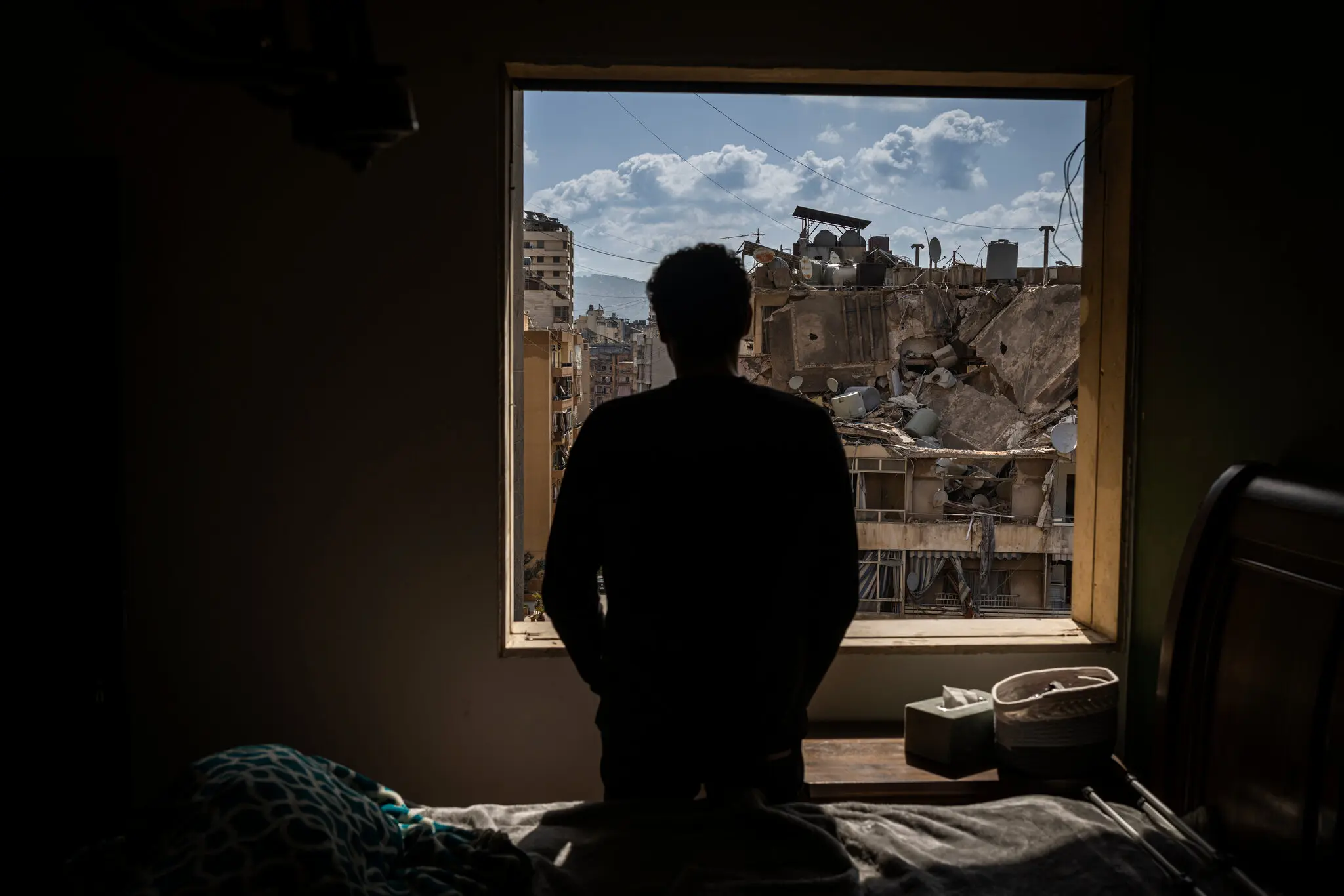
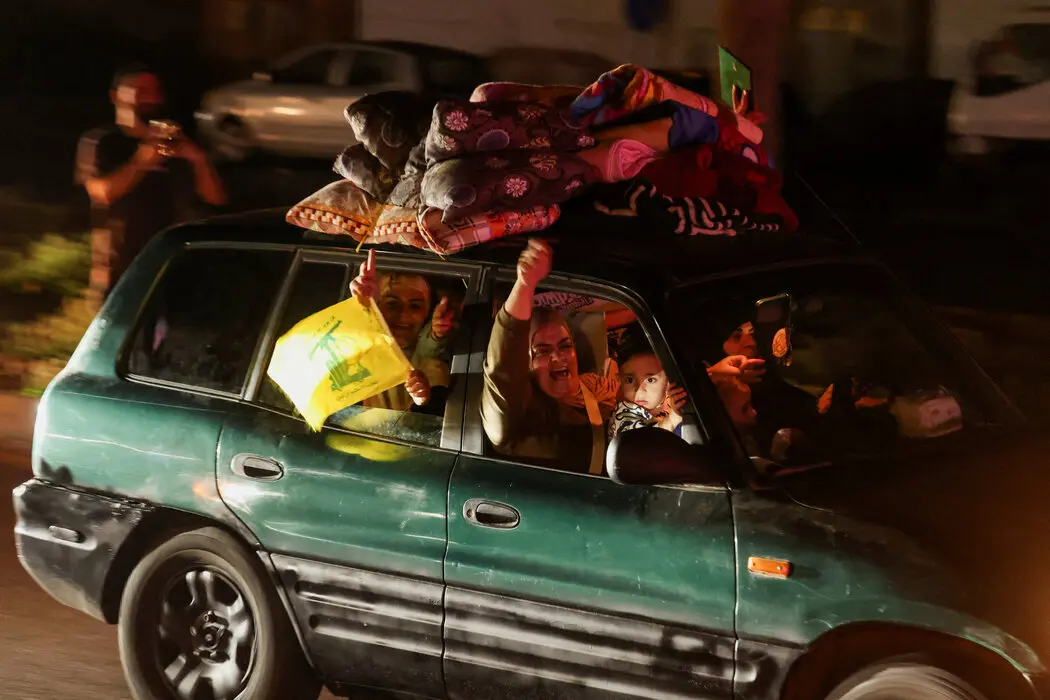
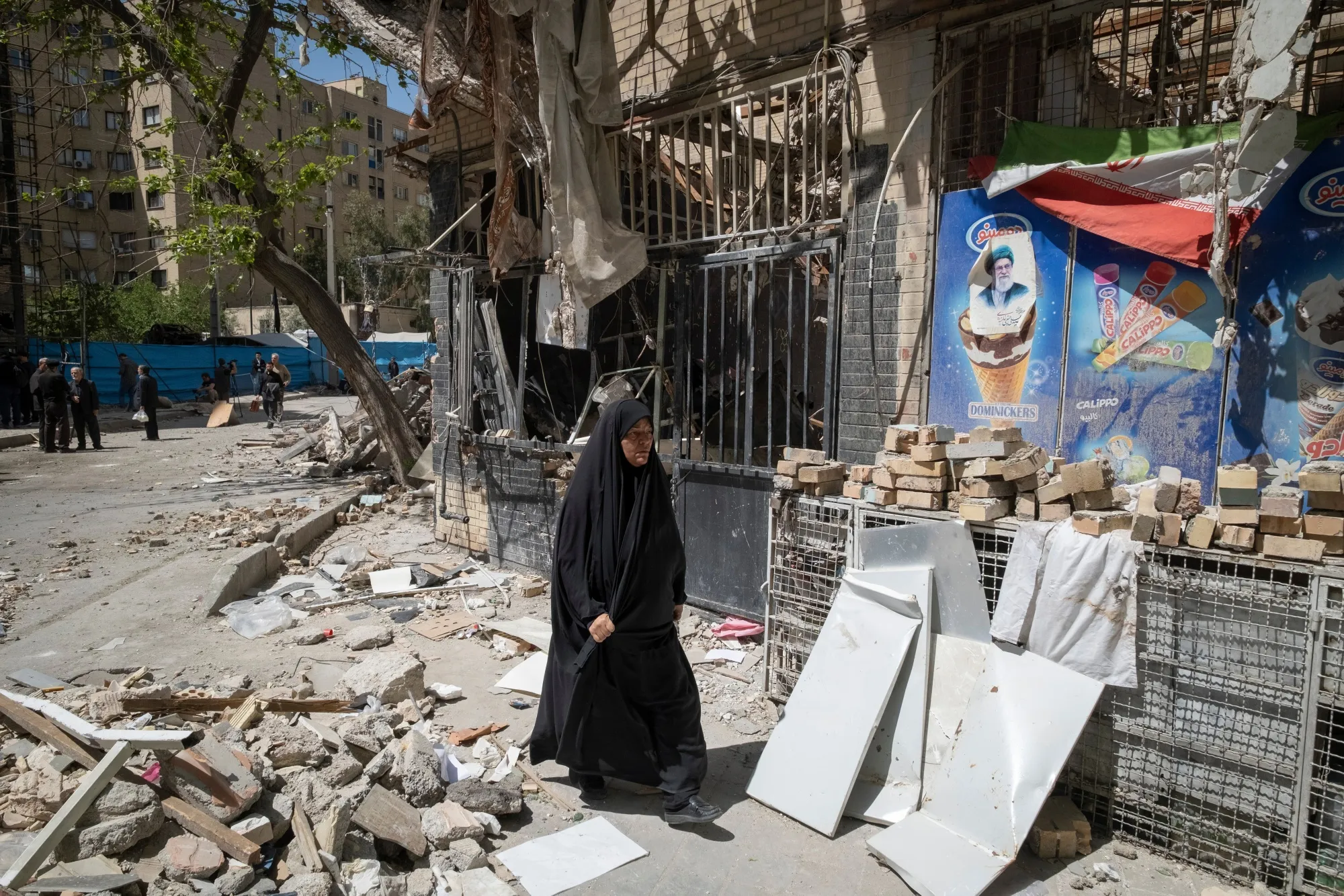
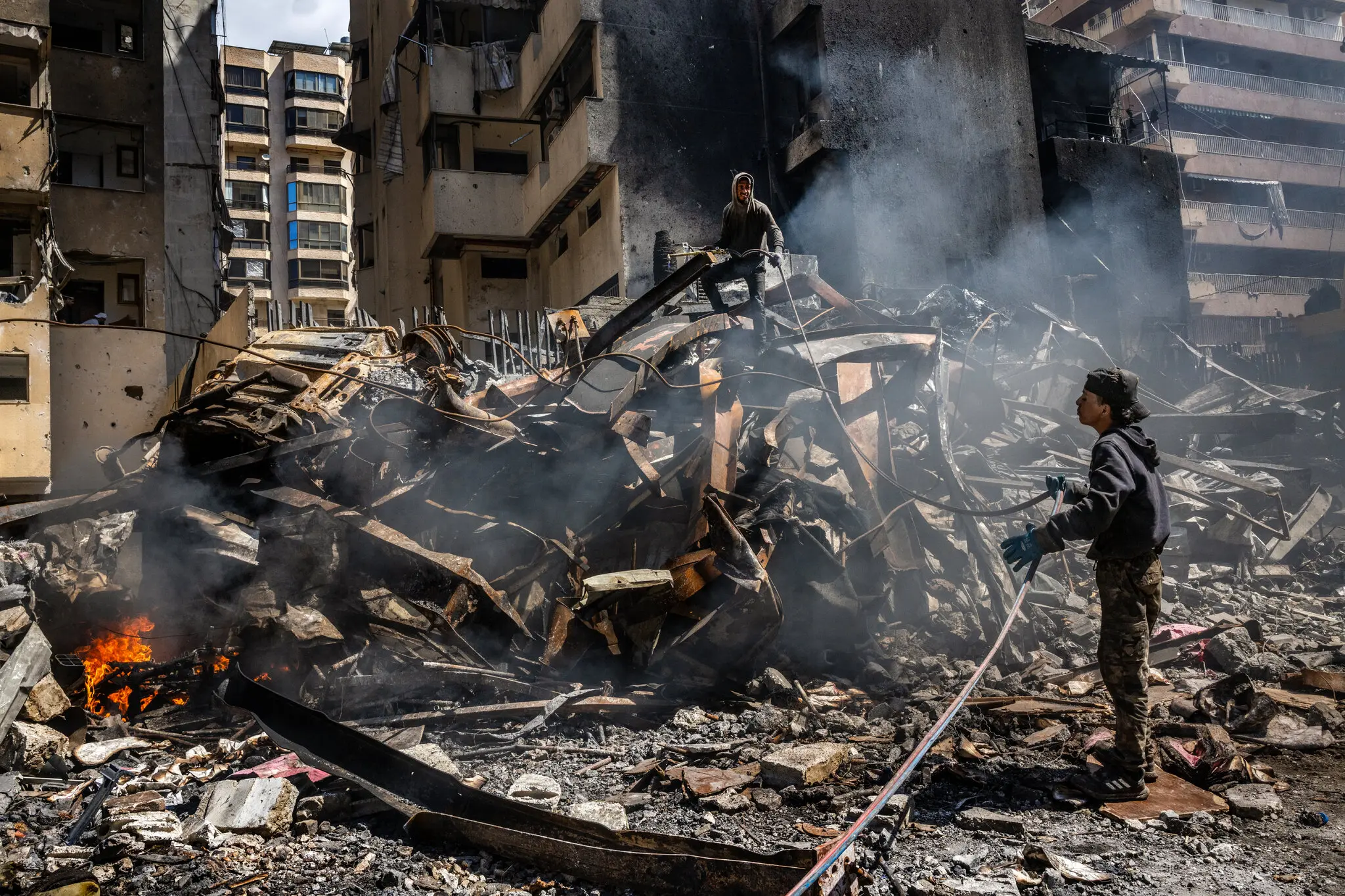
The question of displacement reveals the same fragility in civilian terms. More than a million Lebanese have been driven from their homes, yet even after the formal start of the cease-fire, residents of the south were urged not to rush back. That is a precise sign of what this moment really is. Real peace begins when civilians trust silence more than they fear the next strike. Here, the opposite still holds. Even those welcoming the pause are speaking the language of caution, not confidence.
This is why the main beneficiary of the truce, at least for now, is not Lebanon and not Israel, but American diplomacy. Washington is trying to prevent the region from igniting on multiple fronts at once. The cease-fire serves that purpose by lowering the risk that the Lebanese theater will wreck the wider effort to manage the confrontation around Iran. But for exactly that reason, the truce has a narrow horizon. It does not solve the Hezbollah problem. It does not settle the issue of Israeli forces inside Lebanon. It does not repair the weakness of the Lebanese state. And it does not create a new security order.
What it does is postpone the moment when all those contradictions return to the surface. They will eventually have to be addressed either at the negotiating table or once again through the exchange of fire over southern Lebanon. That is why this should not be read as the beginning of a stable peace. It is better understood as a technical pause inside a conflict that has become too tightly woven into the broader war orbiting Iran.
If ten days of silence hold, Washington will be able to call it a success. If they do not, the region will receive another demonstration of an old truth: in the Middle East, the hardest part is not announcing a cease-fire. It is making the war itself accept it.















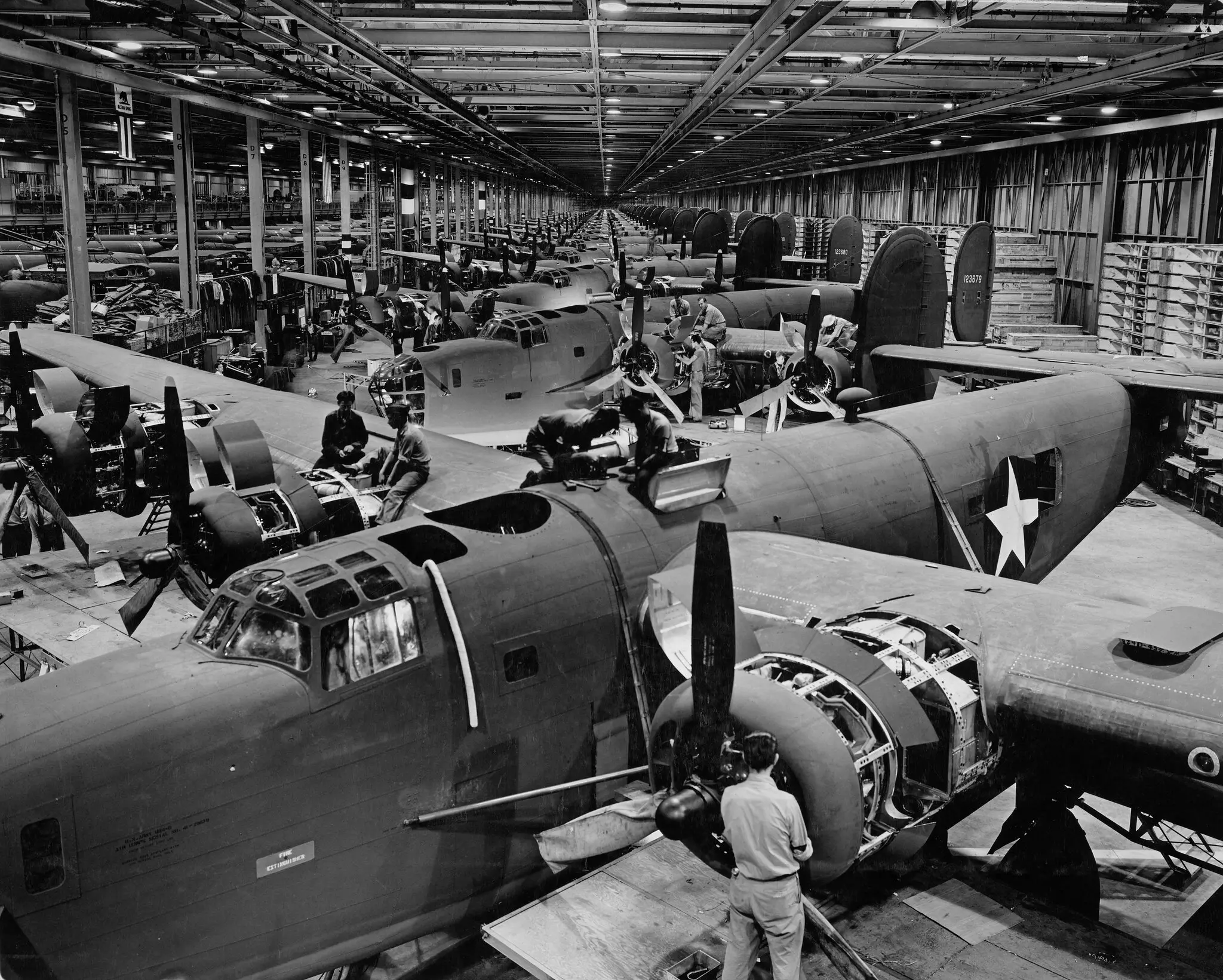 Завод «Віллоу-Ран», побудований компанією «Форд» у Мічигані, випустив тисячі військових літаків під час Другої світової війни — Архівні фотографії/Getty Images

 Прем'єр-міністр Італії Джорджія Мелоні (праворуч) зустрічається з президентом України Володимиром Зеленським в урядових офісах Кіджі в Римі в середу, 15 квітня 2026 року — Алессандра Тарантіно
 Генеральний секретар НАТО Марк Рютте, міністр оборони України Михайло Федоров, міністр оборони Німеччини Борис Пісторіус та міністр оборони Великої Британії Джон Гілі, 15 квітня 2026 року — через Associated Press