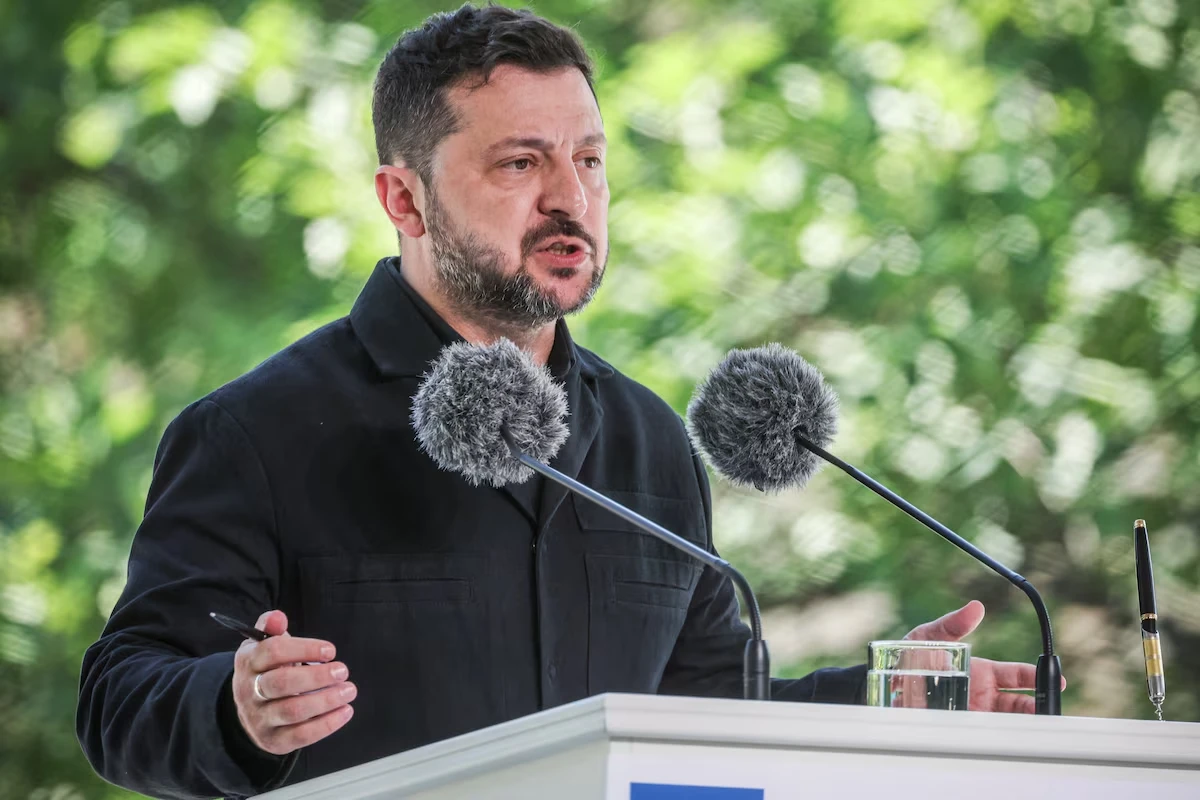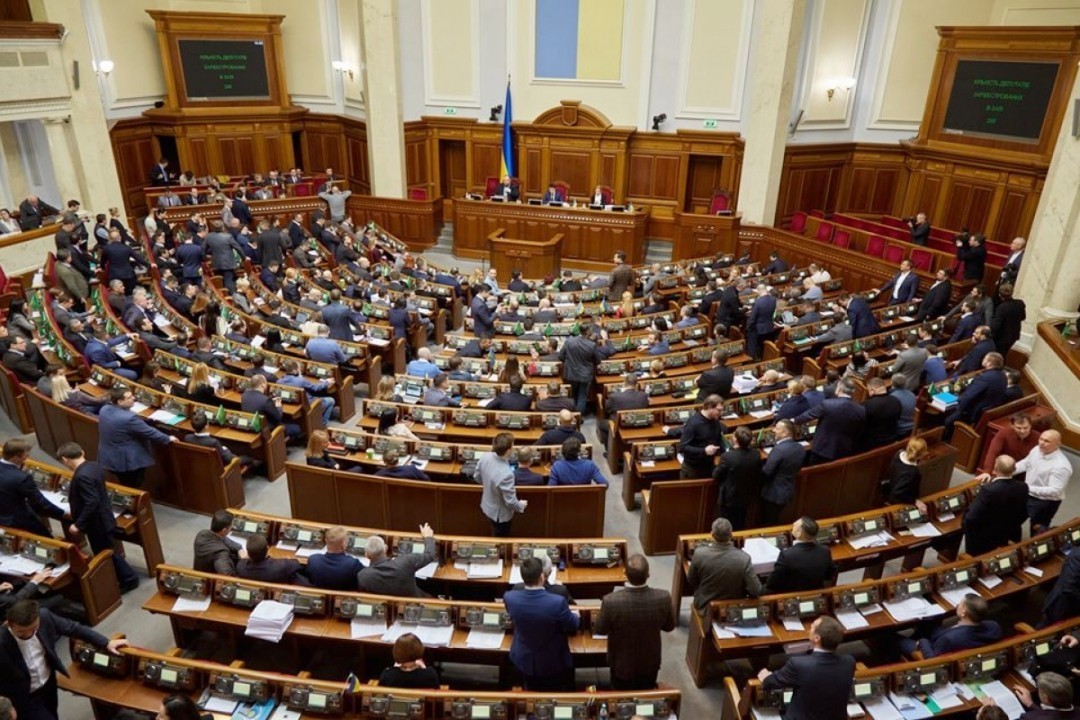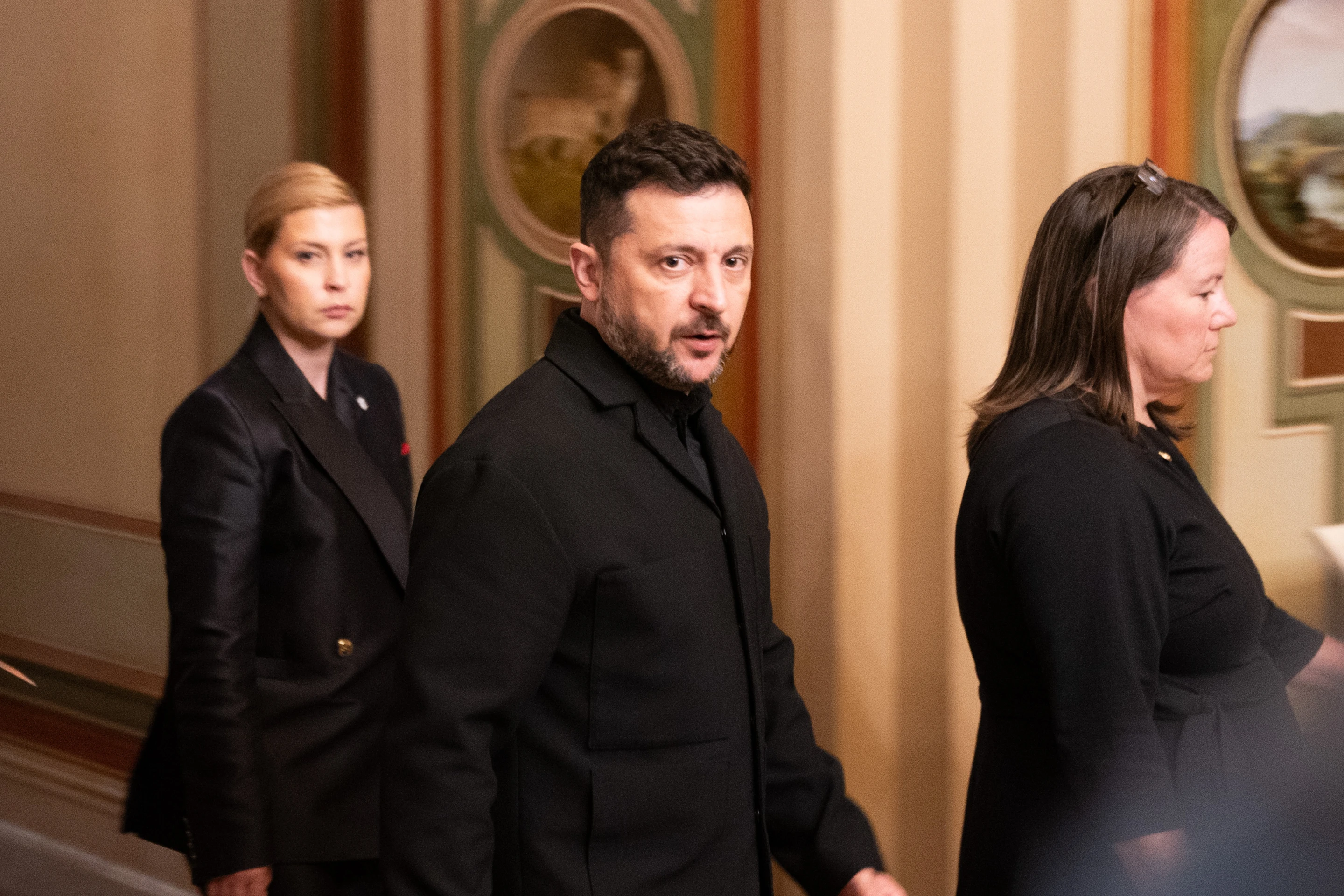
















Ukraine is trying to restore the one condition without which any negotiation with Russia quickly becomes a trap: the right of the country under attack to define not only its own position, but also who speaks alongside it. Volodymyr Zelensky put the point plainly: Ukraine will decide who represents Europe in any possible talks with Moscow.
The statement came at a moment when the architecture of diplomacy has begun to move again, but without a clear center. The U.S.-backed track has slowed amid the war around Iran, Russia continues to demand Ukrainian territory, and European capitals are again debating how to engage Moscow without becoming extras in someone else’s scenario.
For Kyiv, the question of European representation is not a matter of protocol. It goes to the core of the process. If the talks concern the war against Ukraine, Ukraine’s security guarantees, Ukraine’s borders and the future of the Ukrainian state, then Kyiv must decide which European voice is politically useful — not merely convenient for Moscow or Washington.
According to Daycom’s earlier analysis, Zelensky is effectively installing a safeguard against an old diplomatic temptation: treating Ukraine as an object of settlement. His formula changes the frame. Europe is needed in the talks not as decorative presence, but as part of Ukraine’s position — coordinated with Kyiv and responsible for the outcome.
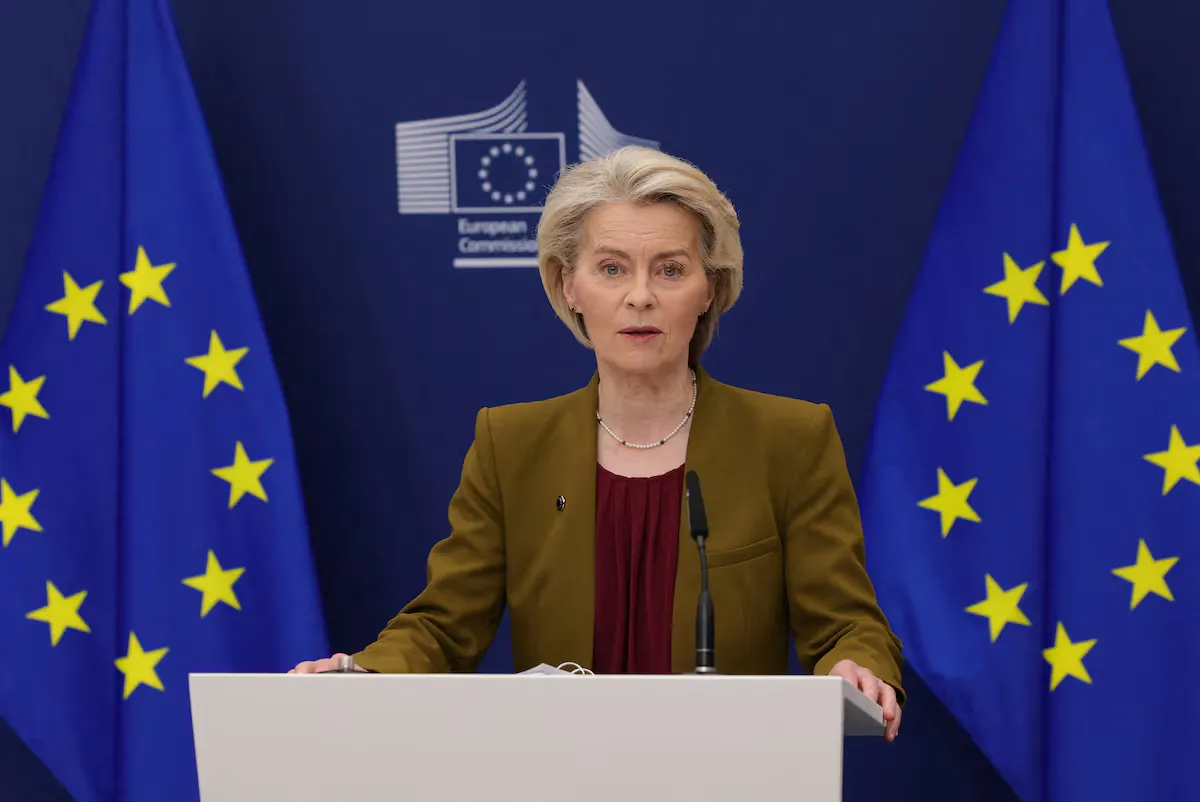
European leaders have already acknowledged that the continent must play a key role in any future settlement and defend its own interests. In the same logic, they have called for a full, unconditional and immediate cease-fire, followed by meaningful negotiations on a just peace.
Yet behind this formal unity lies a more complicated reality. Europe has no single instinct toward Russia. Some leaders see value in a direct channel to Moscow. Others fear that such a channel would legitimize Russian blackmail. Some think primarily about the continent’s future security, while others are already looking at domestic fatigue with the war.
That is why Kyiv does not want the choice of Europe’s representative to drift on its own. A negotiator’s name can matter more than the wording of a mandate. It tells the Kremlin whether Europe is ready for a firm line or searching for a quick pause; whether it sees the war as a threat to the whole continent or as a conflict to be contained through Ukrainian concessions.
In this construction, Zelensky is not pushing Europe away. He is demanding a mature role from it. But that role cannot be self-appointed. Ukraine is paying for the war with territory, cities, soldiers, civilian lives and economic resilience. It cannot allow its future to be discussed by people whose first objective is not a just peace, but the speed of a deal.
Moscow, for its part, has long tried to blur Ukraine’s agency. The Kremlin prefers to speak either with Washington or with major European capitals, reducing Kyiv to a side that merely accepts or rejects decisions made elsewhere. Ukraine’s demand over European representation strikes directly at that mechanism.
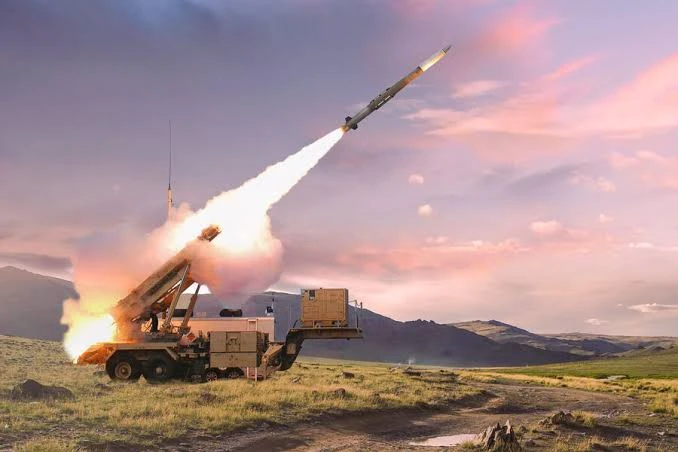
The second dimension of Zelensky’s message is industrial and military. Alongside diplomacy, Kyiv is pressing the United States for licenses to produce American-designed Patriot interceptor systems, or key elements of them, in Europe and Ukraine. After the latest high-level meetings, the issue has moved from closed requests into the public political arena.
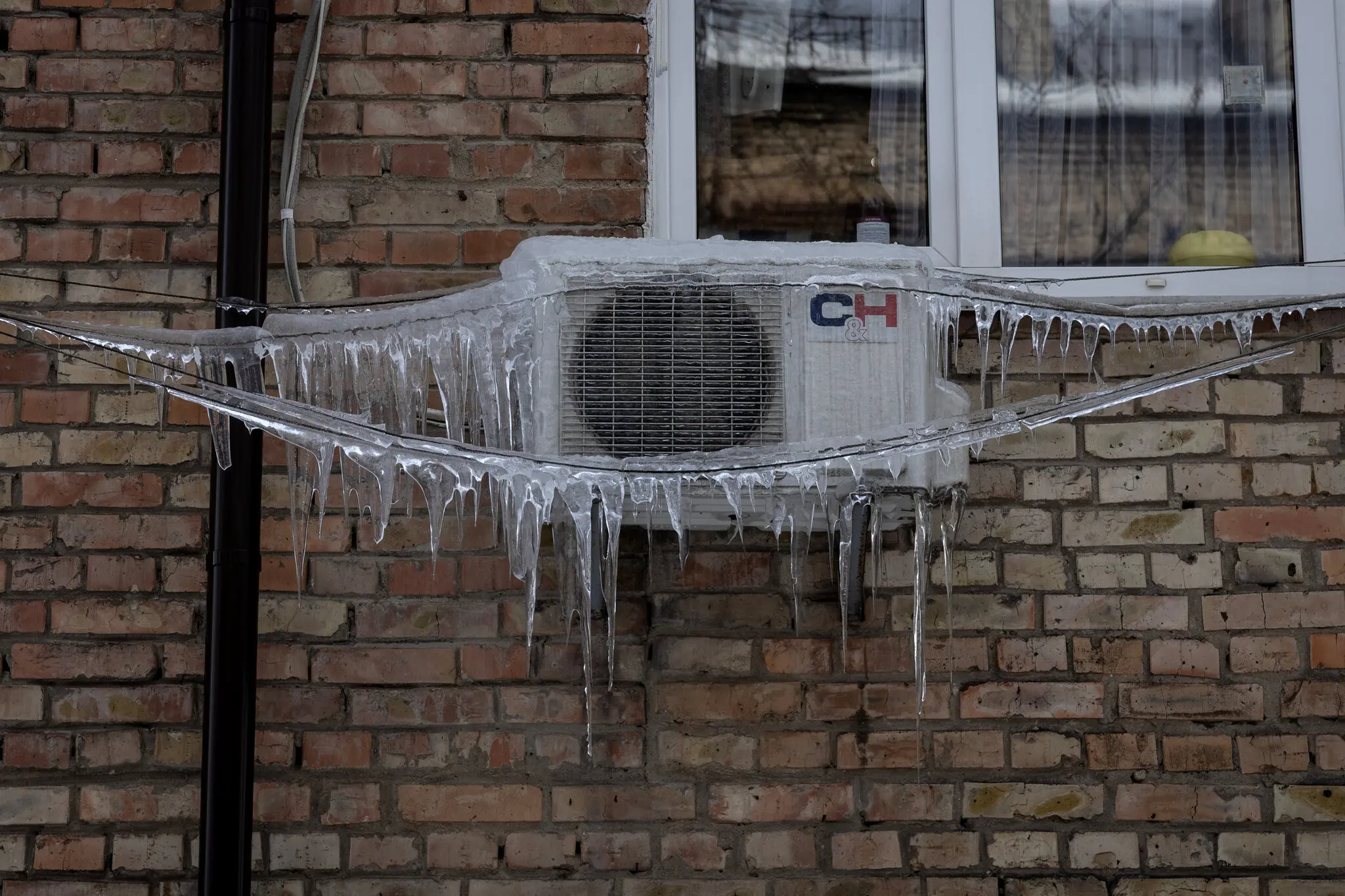
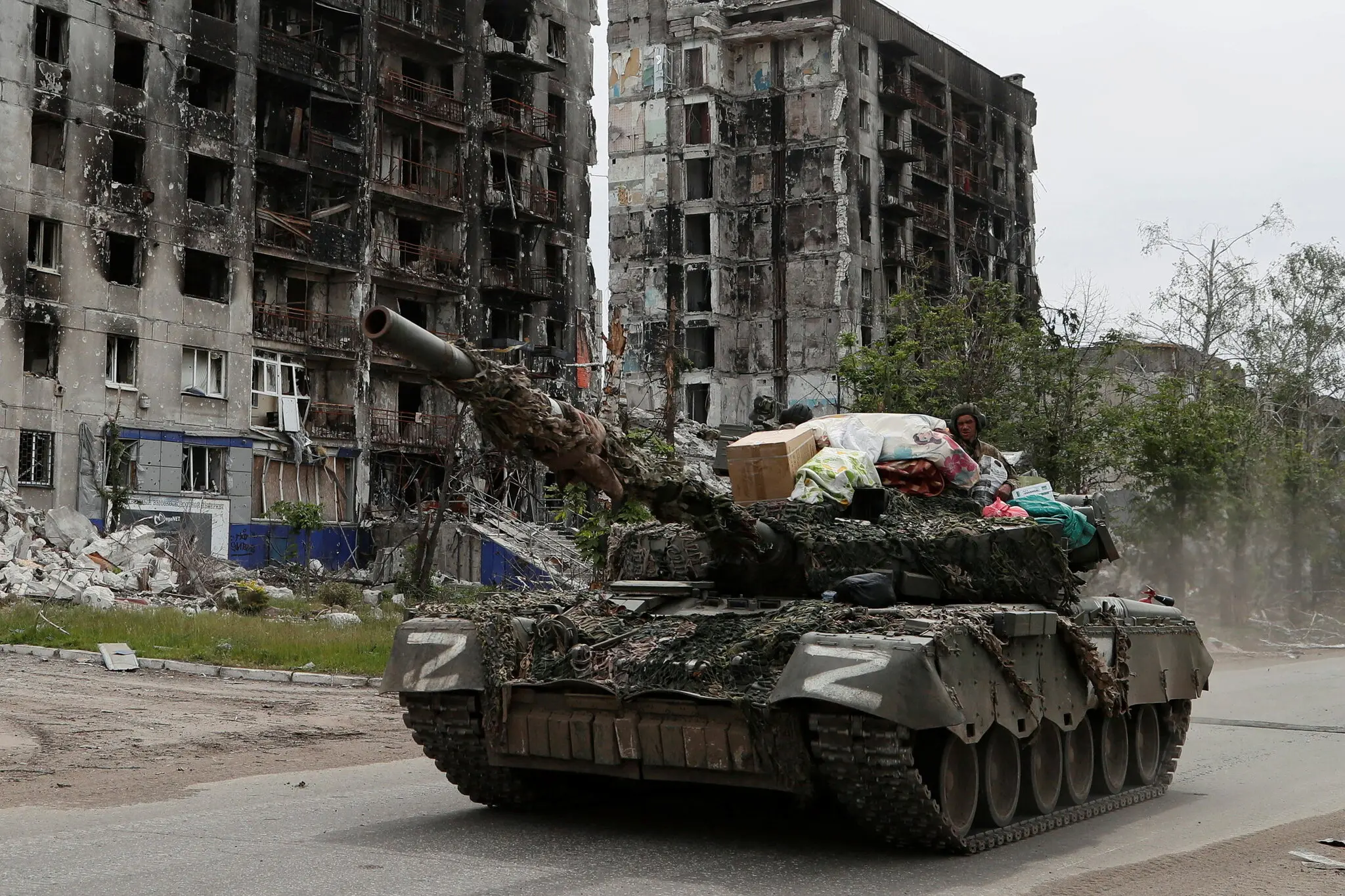
This is not a technical detail of military assistance. Patriot remains critical for Ukraine’s defense against Russian ballistic missiles. Those strikes are central to Moscow’s pressure on Ukrainian cities, energy infrastructure, industry and rear areas, as Russia tries to exhaust air defenses faster than allies can replenish them.
The war around Iran has only exposed what Ukraine has felt for a long time: the global supply of modern interceptors is not limitless. When several theaters need high-end missile defense at the same time, even the West’s strongest defense industry runs into bottlenecks. For Kyiv, the question becomes direct: wait for the next shipment, or gain the right to produce.
Licensed Patriot production in Ukraine or within a broader European framework would change the logic of assistance. Ukraine would no longer be only a recipient of scarce weapons. It would become part of the production chain. For the United States, this is a question of technology control. For Europe, it is a question of defense maturity. For Ukraine, it is a question of survival under missile fire.
Even political approval would not solve everything. Modern interceptors depend not only on final assembly, but also on complex components, guidance technology, corporate cooperation and U.S. government permissions. A positive signal from Washington matters, but it does not yet mean Ukrainian interceptor plants will appear quickly.
Still, the direction itself shows how the war has changed. At the beginning, Kyiv asked for emergency deliveries. Then it asked for longer-term aid packages. Now it is asking for access to production, licenses, technology and joint defense industry. This is a shift from the logic of rescue to the logic of long-term deterrence.
This is where diplomacy and production meet. Talks with Moscow will have weight only if Russia feels that time is not automatically working in its favor. If Ukraine gains stronger air defense, longer-range capabilities, a more stable defense industry and a decisive voice in the political format, the Kremlin will find it harder to sell a long war as a path toward Kyiv’s inevitable concession.
That is why Zelensky is speaking about Europe’s representative and Patriot in almost the same political breath. The first question determines who will shape the peace. The second determines whether Ukraine can survive the pressure until that peace becomes real. Without air defense, diplomacy becomes a conversation under the rubble. Without control over the format, weapons can become a tool for pushing Kyiv toward someone else’s compromise.
For Europe, this is also a test. It cannot claim a key role in a future settlement while remaining dependent on American tempo, American stockpiles and American political pauses. If the continent wants to be an actor in peace, it must become a co-producer of security.
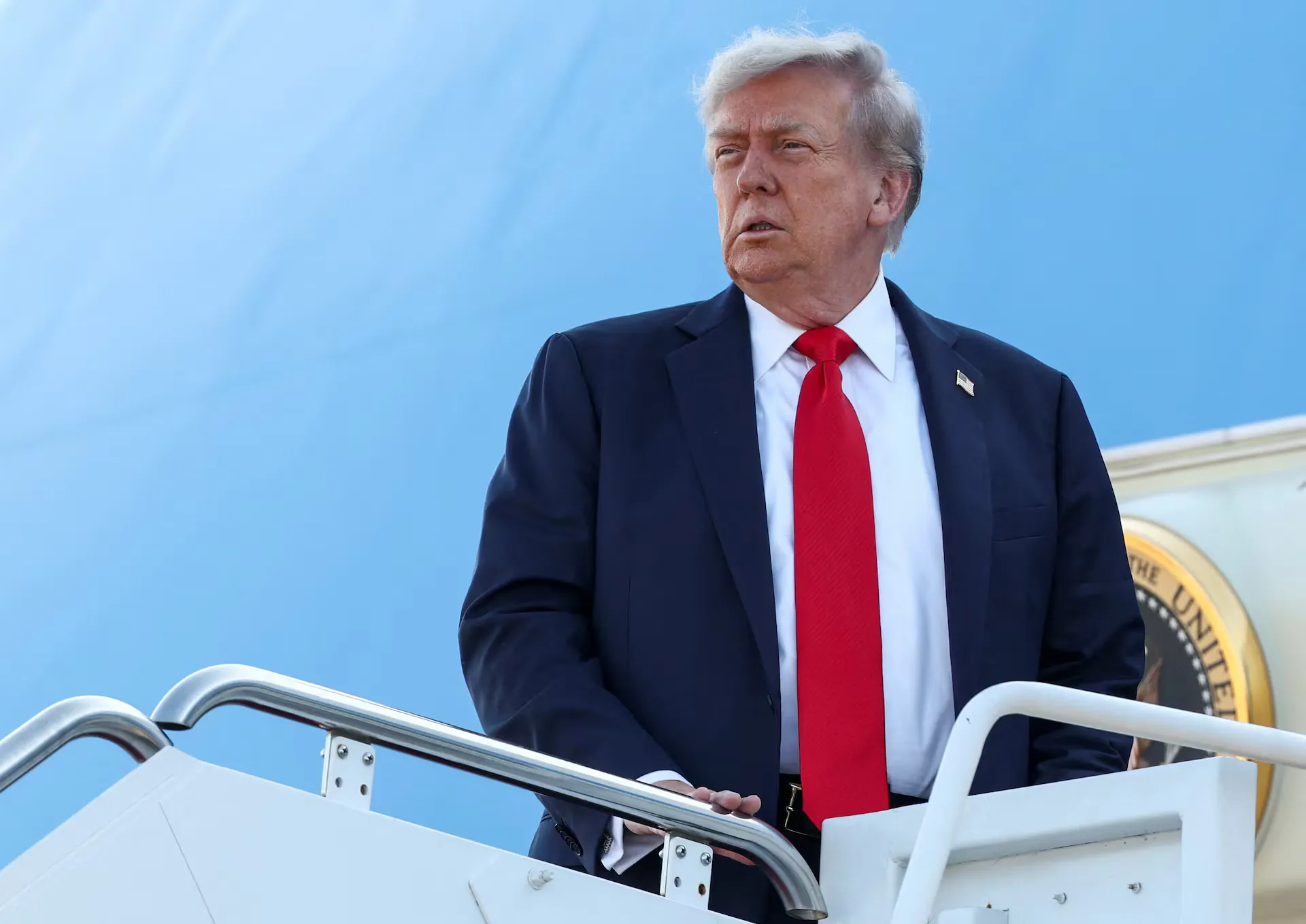
For the United States, the question is sharper still. Washington can remain the central military arbiter, but every global crisis shows the limits of exclusive control over scarce weapons. Sharing licenses does not necessarily reduce American influence. It can make that influence longer and more durable, if technological oversight is combined with expanded production.
Kyiv is now playing a double survival game — diplomatic and industrial. It does not reject negotiations, but refuses to let them become pressure. It asks for weapons, but increasingly speaks not about deliveries alone, but about the right to produce. This is not the posture of a weak side. It is the behavior of a state that understands the war will continue as long as Russia believes the West can be exhausted.
The real meaning of Zelensky’s position is therefore not contained in a single phrase about Europe’s representative. It lies in a broader Ukrainian formula: no peace without a Ukrainian mandate, no Europe without responsibility, no defense without production. If that formula holds, negotiations with Russia may for the first time in a long while become not a search for concessions, but a way to define the limits of Kremlin power.