


















Volodymyr Zelensky has defined a new logic for Ukraine’s war of attrition: strikes deep inside Russia are meant not only to damage infrastructure, but to change the balance at the negotiating table. Kyiv wants to speak to Moscow not as a side asking for a pause, but as a state capable of raising the cost of aggression.
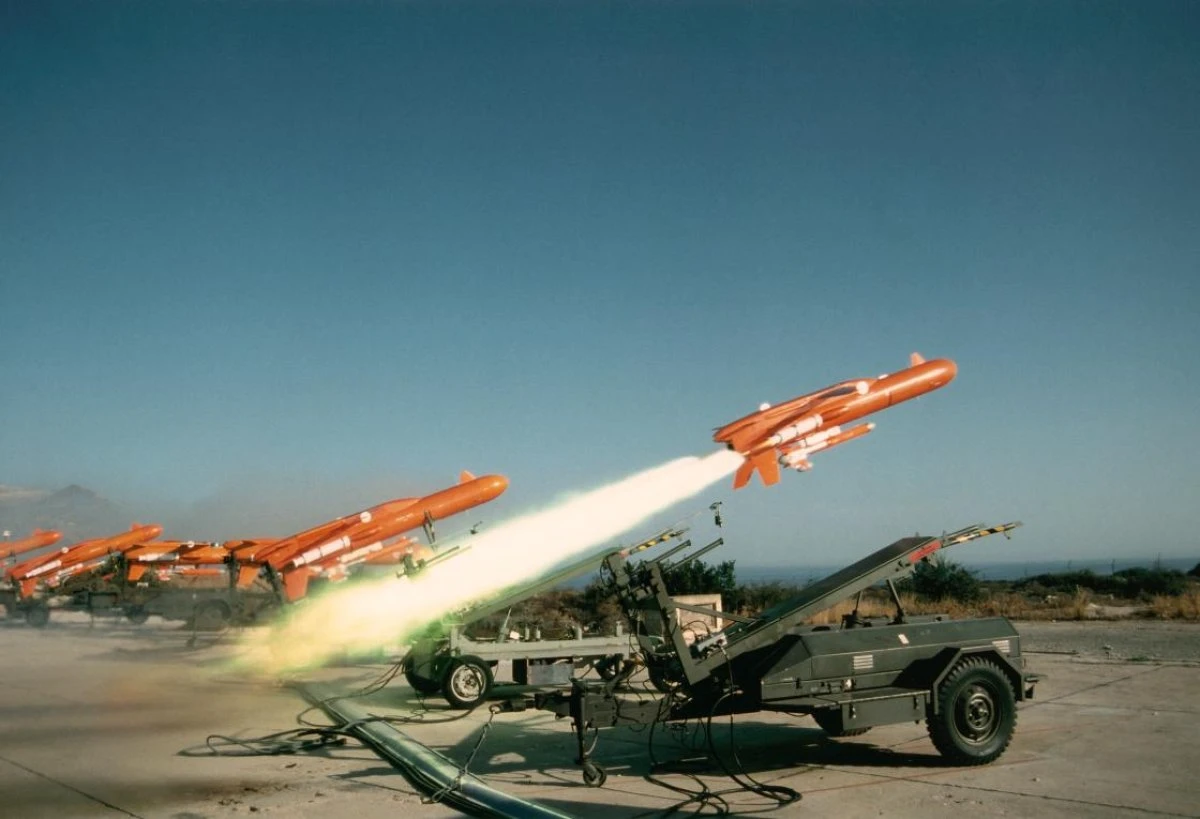
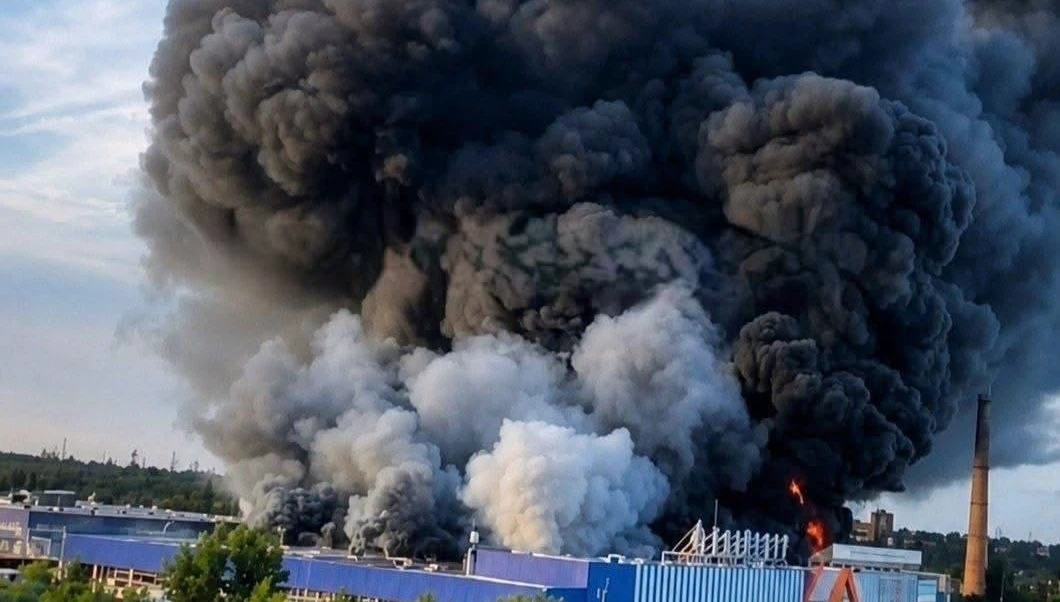
The statement came after strikes on an oil terminal in St. Petersburg and a military facility near Kronstadt. Ukrainian drones reached the symbolic space of Russian power: Putin’s city, an economic forum and rear infrastructure the Kremlin long treated as protected.
For Ukraine, these attacks carry a double meaning. They hit oil revenues, fuel logistics, refineries, port nodes and military repair capacity. At the same time, they return to Russia the sense of vulnerability that Moscow has imposed on Ukrainian cities for years with missiles and drones.
According to Daycom’s assessment, the key shift is that long-range strikes are becoming part of the architecture of diplomacy. Ukraine is no longer separating the front, the rear and negotiations. It is trying to create a situation in which the Kremlin understands that continuing the war will become steadily more expensive.
Zelensky described such capabilities as security guarantees that allow Ukraine to end the war “on equal footing” with Russia. That is an important change in Kyiv’s language. Guarantees are no longer only future documents, NATO membership or external commitments from partners. They also mean Ukraine’s own ability to strike the aggressor’s resources.
For months, Ukraine has systematically attacked Russian oil infrastructure. Refineries, terminals, pumping stations, fuel depots, logistics networks and army-supporting sites have all come under pressure. The goal is not always immediate paralysis. More important is forcing Russia to keep repairing, guarding, moving air defenses and losing revenue.
This is especially painful for the Kremlin because oil and fuel are the bloodstream of its war. They finance the budget, move military equipment, sustain weapons production and give Moscow the ability to endure a long conflict. When Ukraine strikes this system, it is not hitting a symbol. It is hitting the mechanism.
Zelensky directly tied the expansion of strikes to time. For him, the question is no longer whether Ukraine can do it, but how quickly it can scale. Ukraine’s defense industry, drones, intelligence networks, startups and frontline units have already created a foundation that allows the war to reach hundreds of kilometers beyond the front line.
The psychological effect also matters. Ukrainian society has lived for more than four years under the threat of Russian missiles and drones. When Russian fuel facilities burn, airports restrict flights and smoke is visible over St. Petersburg, the feeling of one-sided vulnerability changes.
Yet the main point is not emotional revenge. Kyiv is trying to build military and political symmetry. Russia strikes Ukrainian cities to break will. Ukraine strikes the resources of war to limit Moscow’s ability to continue aggression. That difference in targets forms Ukraine’s argument to its partners.
Zelensky’s statement came as the situation on the front is shifting. Russia’s spring offensive is losing momentum, and its advances remain limited. Ukrainian counterattacks, drones, strikes on logistics and better defensive coordination have prevented Moscow from quickly turning human losses into significant territorial gains.
This matters for negotiations. Putin continues to demand that Ukraine withdraw from the part of Donbas that Russia has failed to fully occupy. That demand looks less like a compromise than an attempt to receive at the table what could not be taken on the battlefield.
That is why Zelensky is insisting on a direct meeting with Putin. Kyiv has long believed that the central issues of the war cannot be resolved by technical groups or intermediate formats while the Kremlin maintains maximalist political conditions. Donbas, security guarantees and a cease-fire require decisions at the highest level.
His readiness for direct talks does not mean readiness for concessions on Russian terms. On the contrary, it sounds like an attempt to move diplomacy out of waiting mode and into pressure mode. Ukraine does not want to wait until the world resolves other conflicts and only then returns to its war.
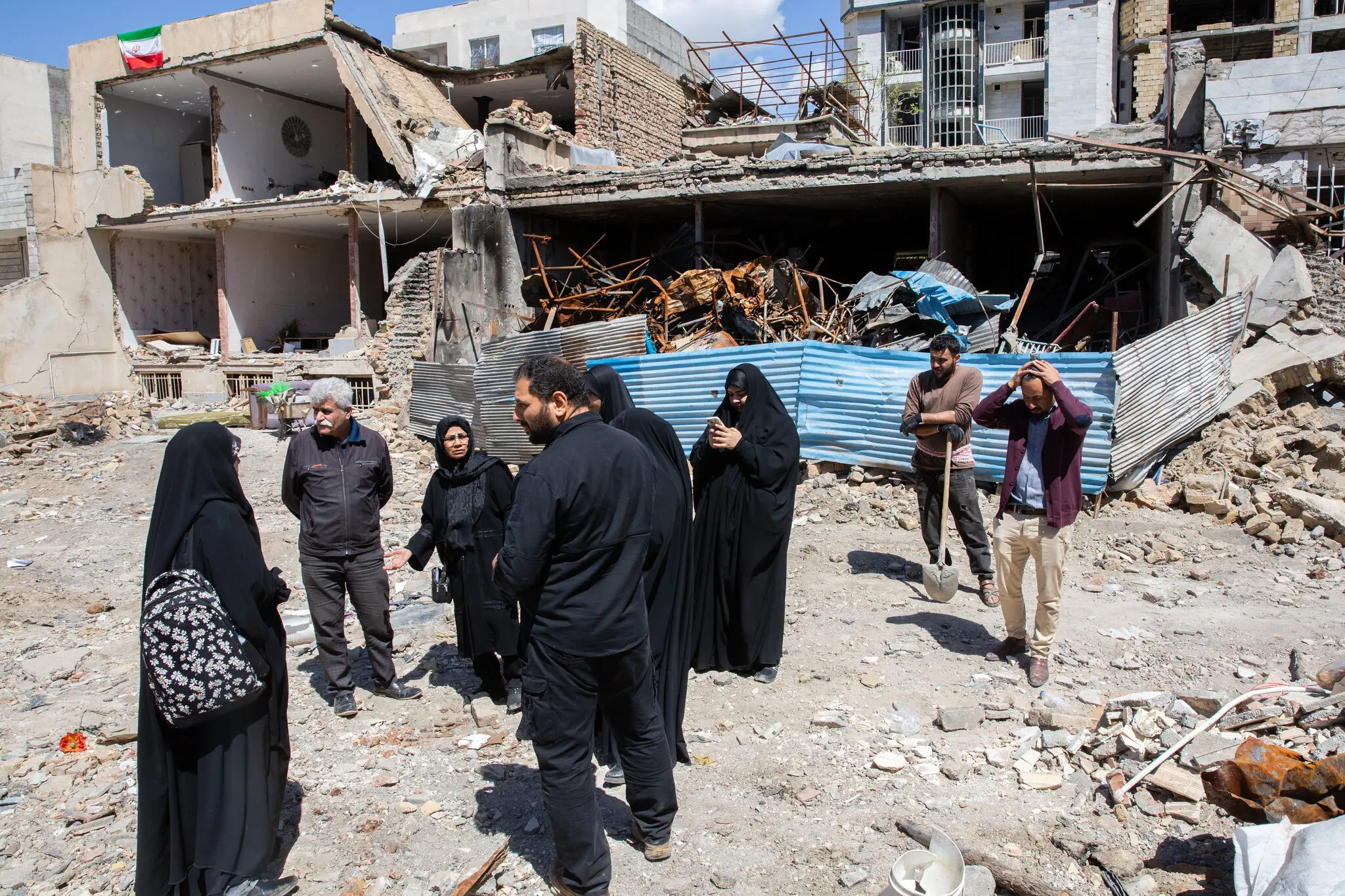
This is also a clear reference to the shift in American focus. Washington is increasingly absorbed by the war around Iran, and Kyiv understands the risk that Ukraine could lose priority in the U.S. political agenda. Zelensky is therefore stressing that Ukraine has its own leverage and cannot allow its war to become diplomacy’s second queue.
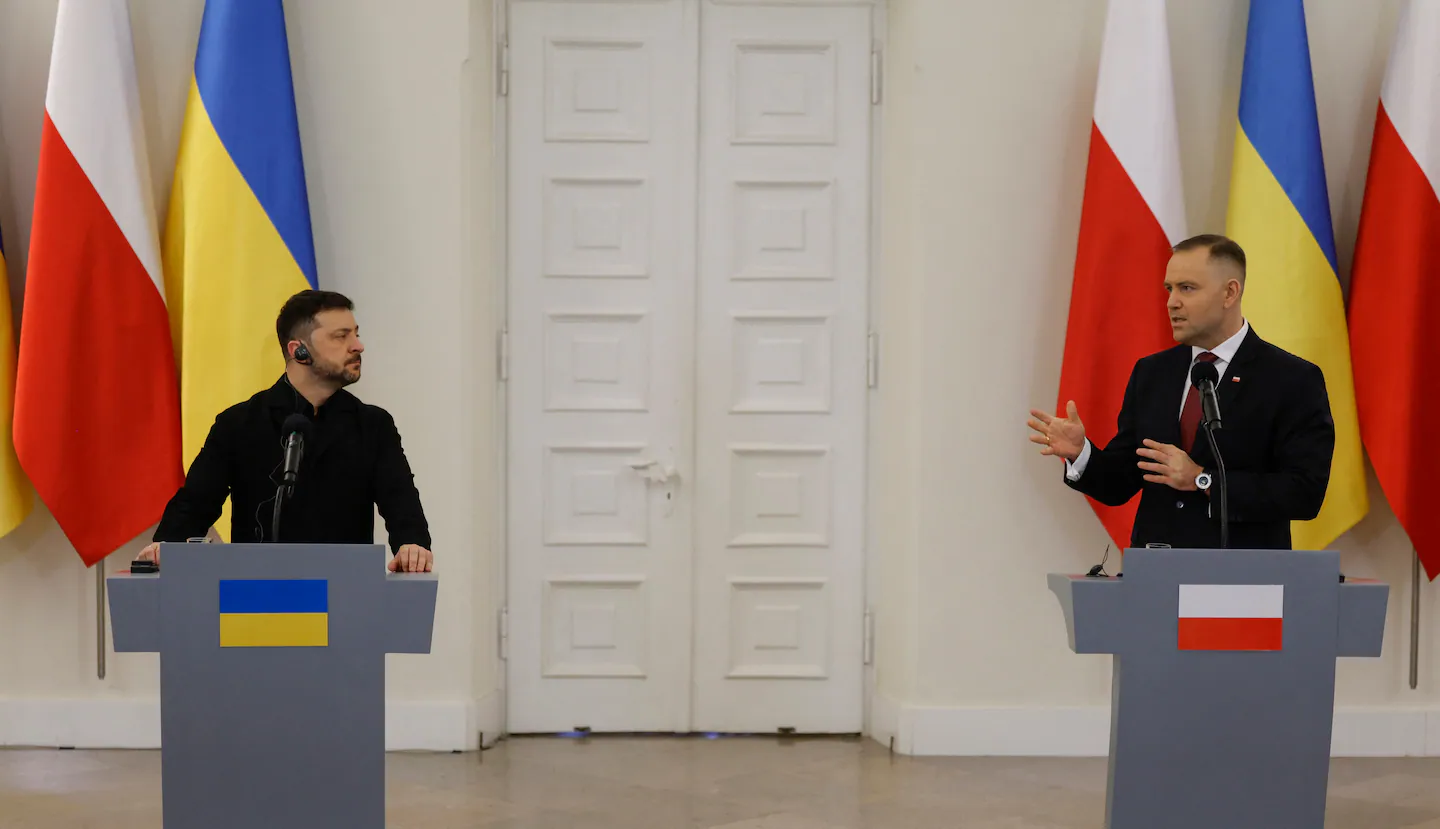
In this context, the presence of the NATO secretary general beside Zelensky carried additional weight. Ukraine’s signal was aimed not only at Moscow, but at its allies: long-range capabilities, air defense, interceptors, drone production and security guarantees are all parts of the same equation. Without them, negotiations become pressure by the stronger side against the weaker.
Russia, in turn, is responding with mass strikes on Ukrainian cities and talk of a “new paradigm.” The Kremlin threatens systematic attacks, explains them as retaliation and keeps some negotiating channels open. This is classic coercive strategy: strike harder in order to speak from a better position.
Ukraine is trying to break precisely that tactic. If Russia understands that every new wave of strikes on Kyiv, Dnipro or Kharkiv will be answered against its fuel, export and military infrastructure, the negotiating balance will shift. Not instantly, but steadily.
Long-range strikes will not end the war by themselves. They cannot replace the front, air defense, mobilization, the economy or diplomacy. But they can do something Ukraine was denied for a long time: transfer part of the cost of the war onto the territory of the state that started it.
That is the real meaning of Zelensky’s words about “equal footing.” This is not formal equality between aggressor and victim. It is Ukraine’s ability not to be only the object of pressure. When Russia loses the feeling of a safe rear, diplomacy stops being the continuation of a Russian ultimatum.
Ukraine is entering a phase in which every strike on Russian infrastructure has three audiences: the Kremlin, allies and Ukrainian society. To the Kremlin, it shows vulnerability. To allies, it shows the effectiveness of Ukraine’s strategy. To Ukrainians, it shows that the war is not only a one-sided wait for the next missile.
If negotiations resume, they will take place in a different reality. Russia remains dangerous, with missiles, drones, oil revenues and a mobilization apparatus. But its rear is no longer untouchable. That is one of the few changes that may truly force the Kremlin to count not only others’ losses, but also its own price for continuing the war.