






















Volodymyr Zelensky’s open letter to Vladimir Putin was formally addressed to the man who can stop the war. But its real audience was broader: Russia’s elite in St. Petersburg, Western capitals, Donald Trump and everyone who still measures Ukraine’s negotiating power only by the front line.
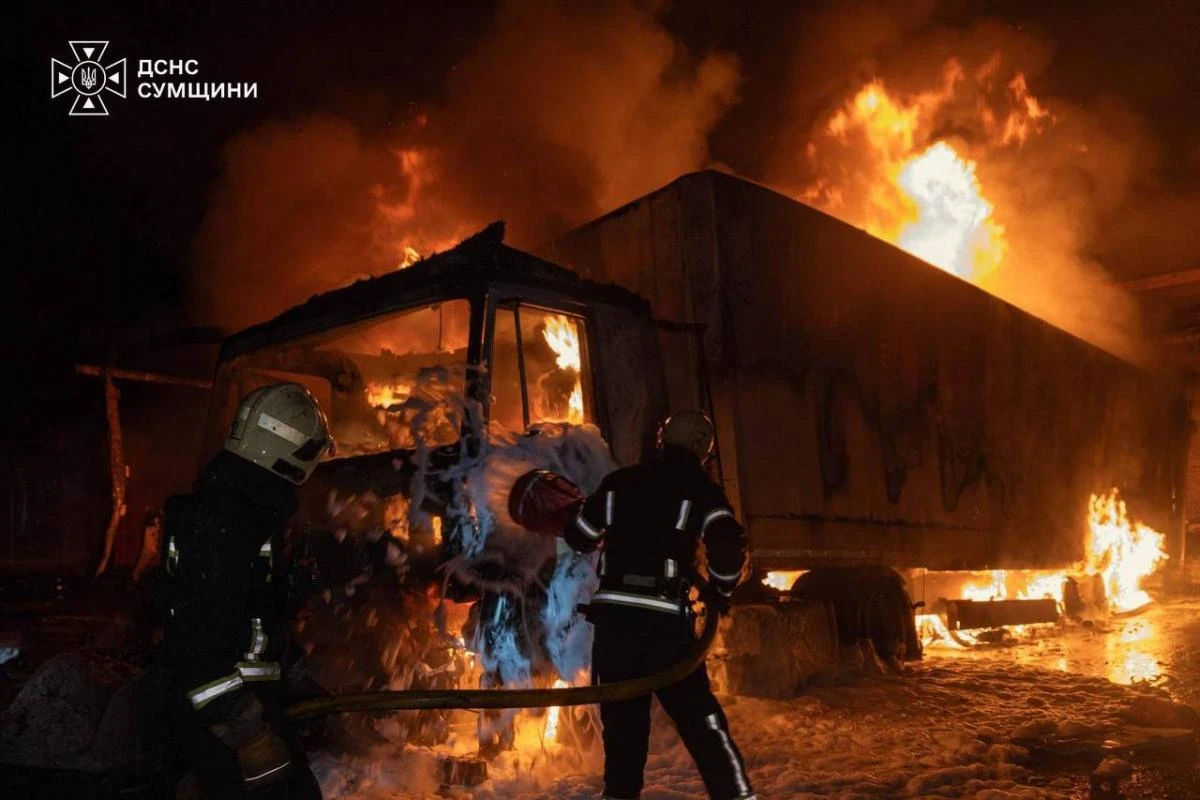
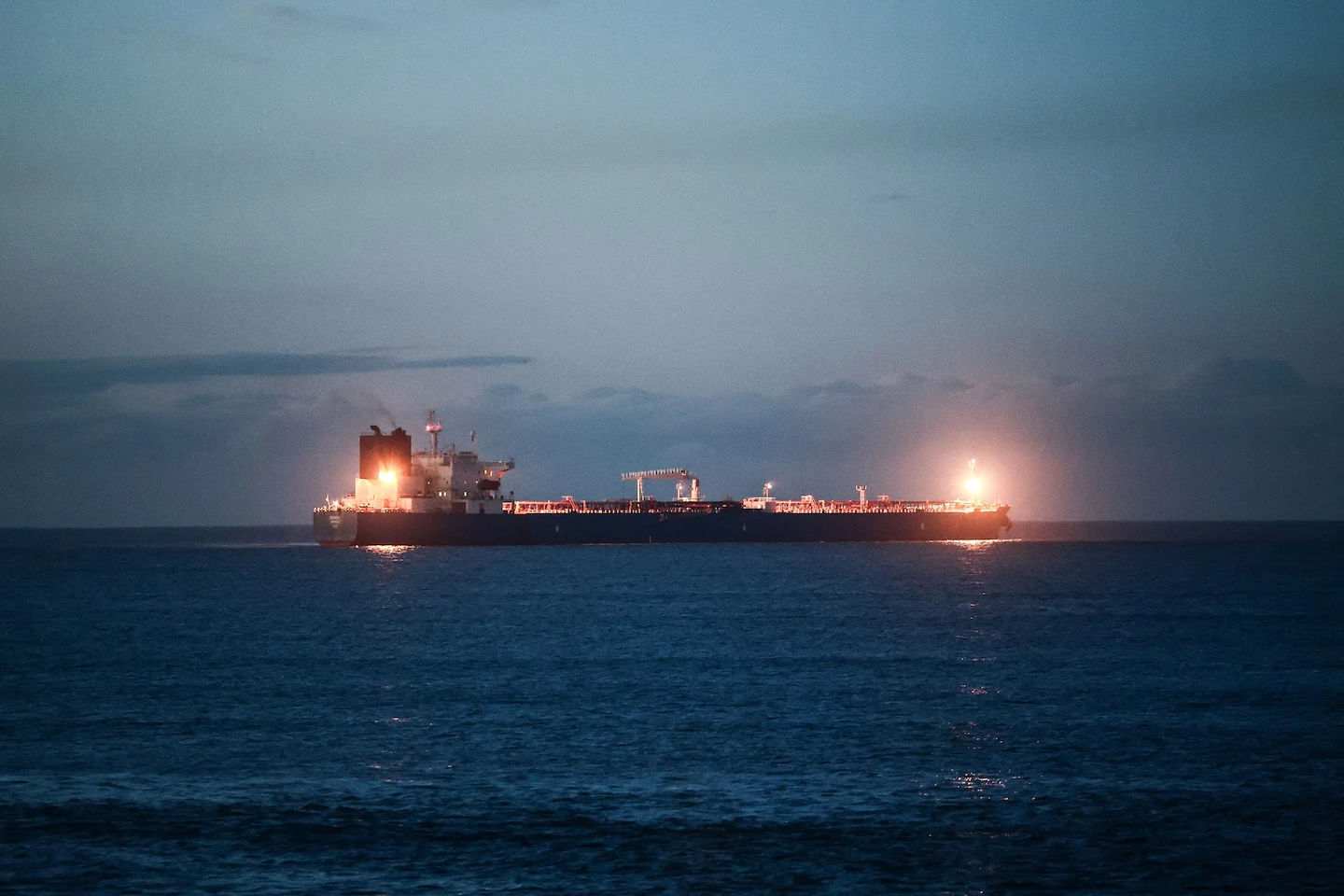
The timing was not accidental. Putin was speaking to foreign editors at Russia’s flagship economic forum, while Ukrainian drones had struck an oil terminal in St. Petersburg the previous day. Smoke over the city became the backdrop to a letter in which Kyiv offered dialogue, but not capitulation.
Zelensky has spent months repeating his readiness for a ceasefire and a direct meeting with Putin. The Kremlin has dismissed or diminished those offers each time. This time, however, the letter carried a different political meaning: it was not only a peace gesture, but a display of confidence.
According to Daycom’s assessment, Kyiv was trying to change the main frame of negotiations. Ukraine is no longer asking the world to believe it has a right to survive. It is showing that it can impose costs on Russia — at the front, in the rear, in the economy and inside the psychology of Russia’s elites.
The St. Petersburg forum was an ideal stage for such a message. It is not merely an exhibition of the Kremlin’s investment ambitions. It is a place where Russian power tries to convince business, partners and its own officials that the country can withstand sanctions, war and rupture with the West.
Behind the gloss of the forum, another reality is visible. Russia’s economy remains constrained by war, dependent on energy revenues, military spending, sanctions-evasion networks and increasingly costly mobilization. Some elites may speak about a long confrontation with the West, but others understand that endless war steadily narrows Russia’s future.
Zelensky was speaking to that second audience as well. His letter sought to show Russian officials, businessmen and Moscow’s external partners that a path to peace exists — but that Kyiv is not the side blocking it. Ukraine is offering a meeting, while the Kremlin continues to demand territories it has failed to take by force.
This marks an important psychological turn. For a long time, Moscow tried to impose the idea that Ukraine had no “cards” and should accept the terms of the stronger side. Now Kyiv is answering not only with words, but with strikes on Russia’s war economy.
The attack on the St. Petersburg oil terminal was part of that language. It showed that the war no longer remains far from Russia’s symbolic and economic centers. If Moscow strikes Ukrainian cities, energy systems and industry, Kyiv is trying to prove that Russia’s rear is not untouchable either.
That is why the letter and the strike worked as two parts of the same structure. The first said: Ukraine is ready to negotiate. The second added: but these negotiations will not be a conversation between victor and defeated. Russia can no longer assume that time works automatically in its favor.
Putin, for his part, returned to an old formula. He again referred to understandings supposedly discussed with Trump in Anchorage and effectively repeated the demand for concessions in Donbas. In the Kremlin’s logic, peace means Ukraine must hand over what Russia has not been able to conquer fully.
Zelensky’s letter challenged that frame directly. He acknowledged the role of the United States, but made clear that Ukrainian issues cannot be decided in other people’s negotiations without Ukraine. Not Anchorage, not a backroom bargain among great powers, and not the desire for a quick diplomatic result should determine the future of Donbas.
It was also a message to Trump. The American president has repeatedly viewed the war as a deal that can be accelerated through pressure on both sides. Kyiv is now showing that it is not prepared to become the object of someone else’s compromise. Ukraine wants negotiations, but only negotiations in which it defines the limits of what is acceptable.
The military basis for this position has also changed. Ukrainian strikes on Russian energy and military sites, the slowing of Russian momentum in parts of the front, the high cost of Russian attacks and the gradual fatigue of Russia’s rear give Kyiv grounds to speak more firmly.
That does not mean Ukraine is in an easy position. It still needs air defense, missiles, money, Western political endurance and internal mobilization. But Russia’s weaknesses have also become more visible: a war the Kremlin wanted to finish quickly has become a long, exhausting conflict with an expanding geography of risk.
Zelensky’s letter was therefore not a plea for mercy. It was an instrument of information and diplomatic warfare. It placed Putin before a choice that not only the Russian president, but also those around him, are meant to see: continue a war with rising costs, or accept direct negotiations without the illusion of dictating terms.
For Russia’s elite, that is an uncomfortable signal. If Ukraine is not surrendering, if strikes reach St. Petersburg, if economic prospects are dimming and the West is not collapsing as quickly as Moscow expected, then the bet on endless attrition becomes less obvious.
For the West, the letter also matters. It weakens the image of Kyiv as a side supposedly avoiding peace. Ukraine is demonstrating readiness to talk, while refusing to turn negotiations into the legal formalization of Russian occupation. This is not maximalism. It is political self-preservation.
That is precisely why Putin may keep rejecting a meeting. A direct conversation with Zelensky without Kyiv’s prior acceptance of territorial concessions would disrupt the Kremlin’s scenario. Moscow wants Ukraine to accept the outcome first and sit down afterward. Kyiv demands the opposite: real negotiations first, not dictation.
This is the letter’s central meaning. It was addressed to Putin, but written for everyone who can influence the price of the war. For Russian elites, it was a reminder that the war is approaching their interests. For Trump, it was proof that Ukraine has cards of its own. For Europe, it was a signal that support for Kyiv does not lead to a dead end, but strengthens its negotiating position.
Zelensky proposed a meeting not because Ukraine has run out of options. On the contrary, he did it at a moment when Kyiv is trying to show that peace can be the result of strength, not its absence. That is what the Kremlin finds hardest to accept.