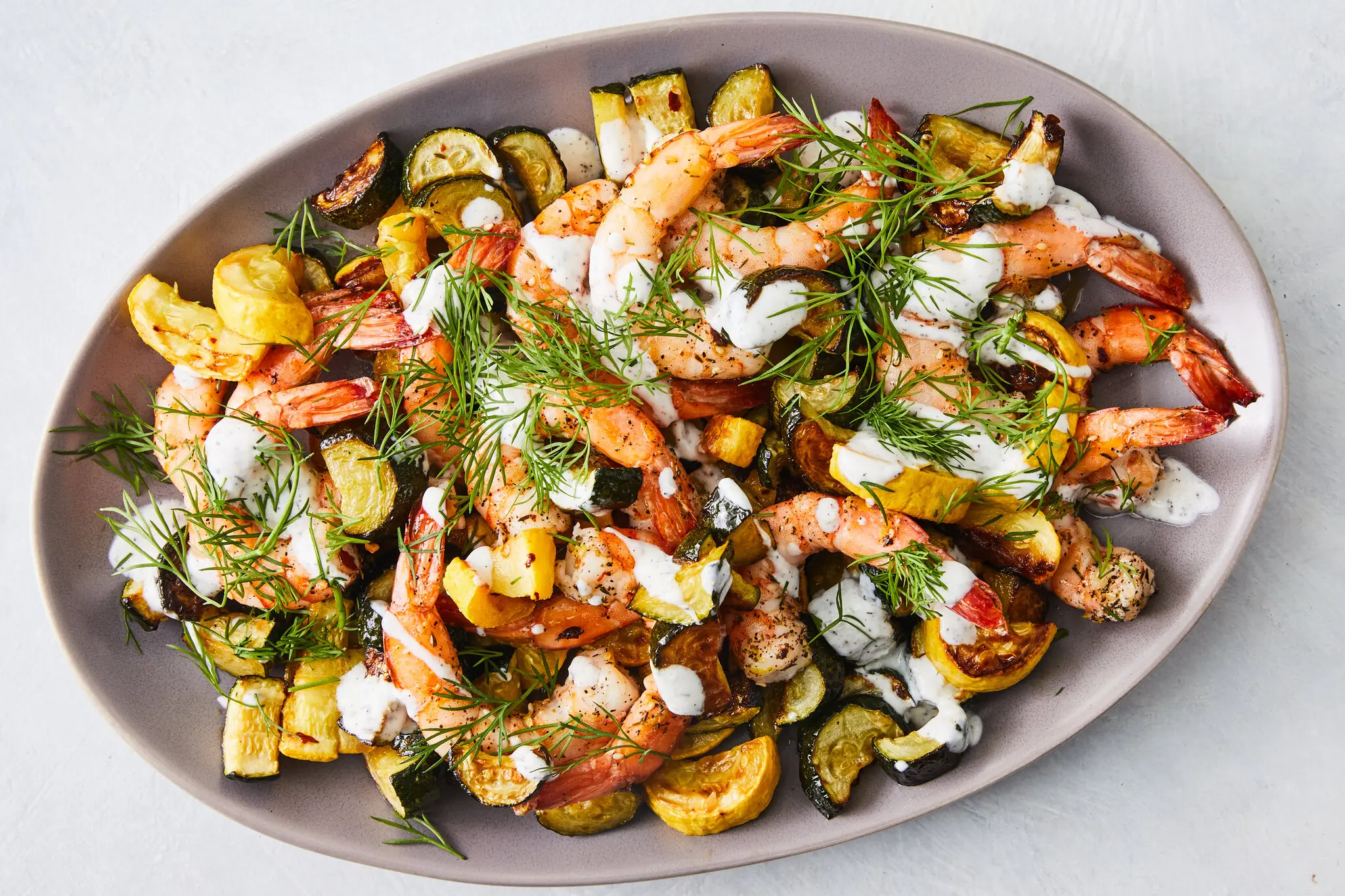


















Zucchini is one of those foods that almost never commands the center of the health conversation. It has none of the glamour of berries, none of the prestige of dark leafy greens and none of the mythmaking that surrounds trendier produce. Too often it is treated as a filler vegetable — useful, mild and forgettable.
That judgment misses its real strength. Zucchini works precisely because it is so adaptable. It slips easily into everyday cooking without overwhelming a dish, and that kind of culinary flexibility matters more than people admit. Foods that are easy to eat often are often more valuable than foods that look impressive but rarely make it onto the plate.
Its high water content also leads people to underestimate it. “Watery” is often mistaken for nutritionally empty. But in food, lightness does not automatically mean weakness. A vegetable can be low in density and still deliver meaningful benefits, especially when it brings a useful mix of antioxidants, minerals and satiety with very few calories.
In Deikom’s assessment, zucchini’s real advantage is that it does not promise miracles. Instead, it offers a very intelligent set of everyday strengths. It helps support antioxidant protection, contributes to eye health, plays a modest role in blood-pressure balance and makes it easier to build meals that feel full without becoming heavy.
Its most convincing asset is its antioxidant profile. Zucchini contains vitamin C, beta carotene, lutein and zeaxanthin — compounds that help protect cells from damage caused by free radicals. That does not make it a dramatic cure-all, but it does place zucchini firmly in the category of foods that help lower the body’s background burden of oxidative stress over time.
The carotenoids are especially important, and much of them are concentrated in the skin. That is why peeling zucchini without a clear reason is usually a mistake. Beta carotene, lutein and zeaxanthin are linked to immune balance and the regulation of inflammatory processes. Zucchini is not the richest source of these compounds, but it has another advantage: it is one of the easiest vegetables to eat often and in many forms.
That versatility is not a side note. It is one of zucchini’s biggest nutritional strengths. Leafy greens and berries may be more concentrated in some respects, but they are not always as flexible in daily cooking. Zucchini can be eaten raw, grilled, roasted, sautéed, puréed, spiralized, folded into pasta, stirred into soups, slipped into omelets or turned into a warm salad. Its mildness is not a weakness. It is what makes repetition possible.
Its role in eye health is also more important than its modest reputation suggests. Lutein and zeaxanthin help protect the macula, the part of the eye responsible for sharp central vision. Over time, these compounds are associated with supporting visual clarity and helping defend against age-related decline. Zucchini does not carry that burden alone, but as part of a consistent diet it pulls in the right direction.
There is also a quieter cardiovascular angle. The body depends on a balance between potassium and sodium, yet modern eating patterns tend to deliver too much salt and too little potassium. Zucchini is not an exceptional potassium source, but it contributes to the daily accumulation that actually matters in real life. Prevention is often built from modest inputs repeated regularly, not from a single heroic food.
Its value becomes especially clear when the conversation turns to fullness and calorie density. Zucchini is about 95 percent water, low in calories, low in sugar and low in fat, yet it adds real volume to a meal. That matters because volume influences not just how much we eat, but how satisfied we feel while eating it. Zucchini can make a plate larger and more satisfying without making it heavier.
In that sense, it is especially useful for metabolic health. When meals are built with more nonstarchy vegetables like zucchini, the overall energy density of the diet goes down. People can eat a plate that feels abundant while taking in fewer calories for the same weight of food. That is not dietary punishment. It is a smarter structure for managing weight and lowering the long-term risk of obesity and diabetes.
Another reason zucchini deserves more attention is that it remains healthy in almost any preparation. Raw, grilled, roasted, puréed, sautéed or turned into “zoodles,” it still carries value. But a few details matter. The skin should stay on when possible, because that is where some of its most useful compounds are concentrated. And because vitamin C is sensitive to heat, overcooking is not always the best strategy.
At the same time, some of zucchini’s most valuable carotenoids are fat-soluble, which means they are better absorbed when eaten with a little fat. That is one reason zucchini works so well with olive oil. This is an important reminder that nutrition is shaped not only by the food itself, but by how we prepare and combine it.
In the end, zucchini is not a glamorous vegetable, and that may be exactly why it deserves a second look. Its benefits are not loud, but they are real: antioxidants, eye-supporting carotenoids, modest potassium, low energy density, high hydration and almost endless culinary usefulness. It does not dazzle with one spectacular number. It simply works, steadily and intelligently, in the kind of daily diet that actually lasts.
Here are some recipes from Daycom Cooking to get you started: