




















For a country that burns through air-defense missiles every day, three years is not a budget horizon. It is a military lifetime. Yet that is the timetable the Pentagon has set for a $400 million Ukraine assistance package already authorized by Congress.
The Defense Department intends to obligate the funds by the end of fiscal 2026, on September 30. Final delivery of the weapons, equipment and services, however, is not expected until September 30, 2029. Donald Trump’s second term will end more than eight months earlier, on January 20.
The amount itself will not determine the outcome of the war. Against the tens of billions of dollars in U.S. military support provided since 2022, $400 million is modest. Its importance lies elsewhere: it tests whether a congressional appropriation can still become usable military capability while it remains relevant on the battlefield.
As Daycom has previously assessed, the central dispute is no longer simply between providing aid and withholding it. It is between formal budget compliance and military utility. Washington may eventually spend every dollar, yet much of the equipment could arrive in a different political and strategic reality.
The plan allocates $200 million for weapons, ammunition and explosives, nearly $100 million for vehicles, spare parts and equipment, and another $100 million for services, including transportation of defense articles to Ukraine. Two months after the Pentagon sent its timetable to lawmakers, none of the money had been placed under contract.
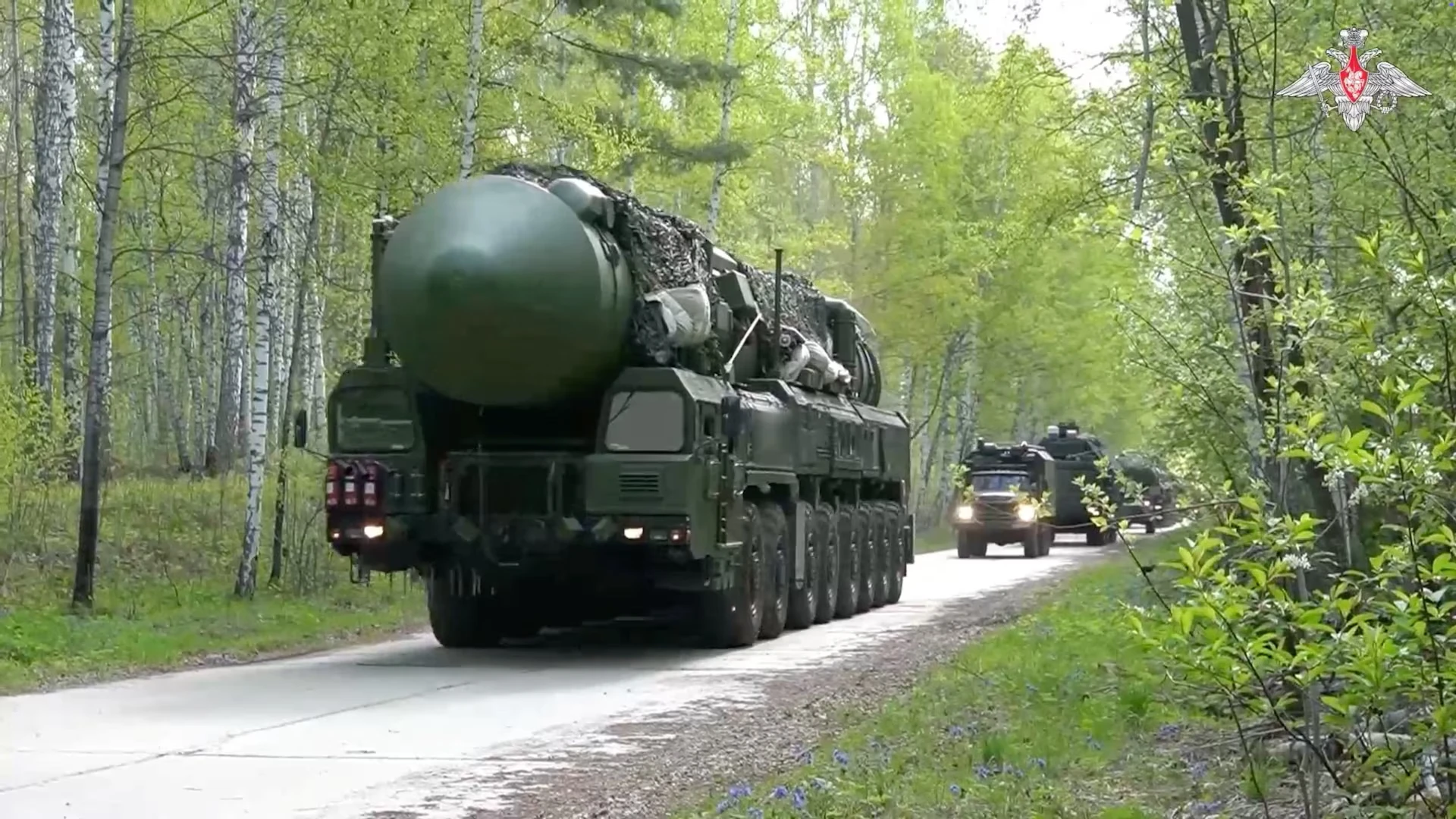
This program differs from presidential drawdown authority, which allows the United States to transfer weapons directly from existing military stocks. Here, the Pentagon orders new production, training, maintenance and logistical support. The mechanism strengthens the U.S. defense industry, but it is inherently slower.
In peacetime, a three-year cycle between contracting and final delivery might resemble an ordinary procurement schedule. During a full-scale war, it becomes a strategic decision. Ukraine needs interceptor missiles, ammunition, spare parts and counter-drone systems before the next wave of Russian attacks, not at the end of the decade.
That is why frustration in Congress has crossed party lines. Lawmakers have repeatedly pressed the Pentagon to explain why the money is moving so slowly. The question raised in Senate hearings was direct: what value does air-defense assistance have if Ukraine must wait three years to receive it?
Part of the answer lies in the condition of the American defense-industrial base. After decades of lean inventories and limited production, manufacturers cannot instantly expand output of advanced missiles, radars and specialized components. New orders compete with Pentagon requirements and demand from NATO allies and other U.S. partners.
Industrial constraints, however, explain only part of the delay. Congress approved the funding months ago. The detailed spending plan arrived only in May, and contracts still had not been issued two months later. The timetable therefore reflects not only factory capacity but also Ukraine’s position within the administration’s priorities.
Congress preserved the $400 million after the White House initially sought to eliminate this line of support. The final legislation became a compromise: lawmakers kept the money, while the executive branch retained control over the pace of implementation. The calendar itself has become an instrument of policy.
For Trump, that arrangement is politically convenient. His administration does not openly defy Congress or refuse to execute the law. At the same time, it avoids returning to the large-scale assistance model of the previous administration. Formal compliance is paired with deliberately cautious execution.
That caution contrasts with Trump’s more favorable recent language on Ukraine. He has supported deeper cooperation around Patriot systems and signaled openness to stronger sanctions against Russia. Yet a change in presidential tone has not fully translated into a faster or more predictable Pentagon policy.
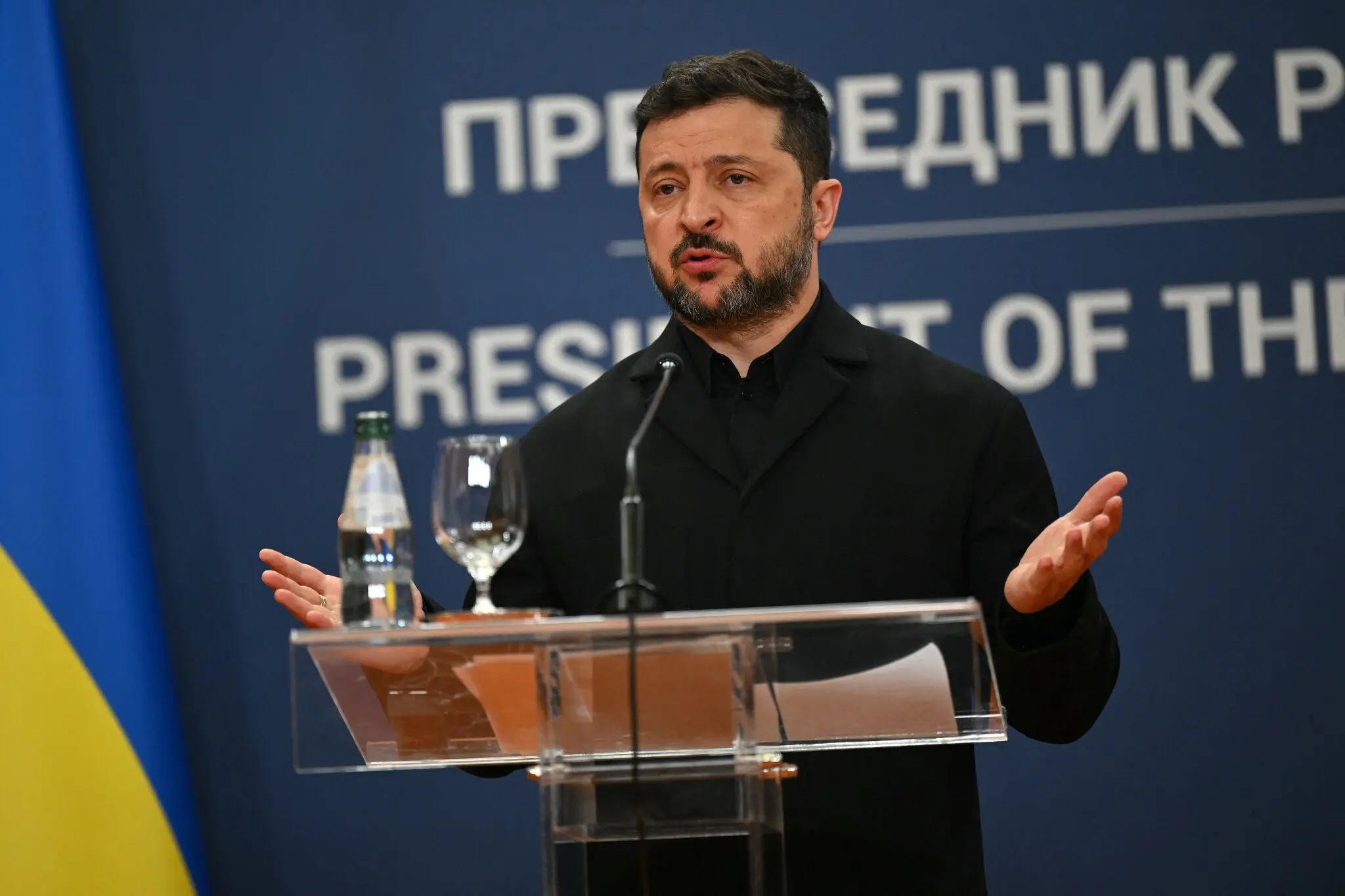
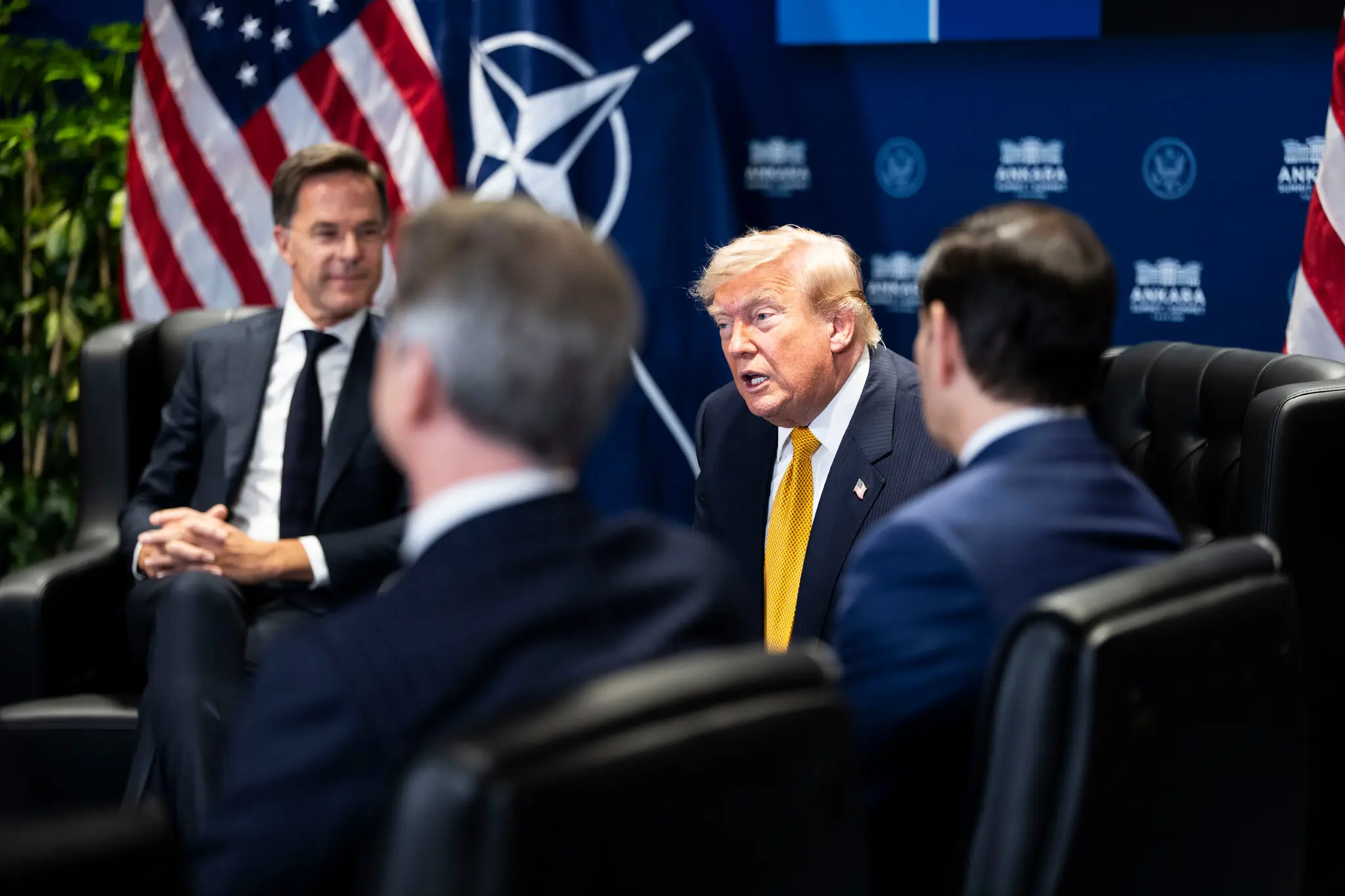
Volodymyr Zelensky’s visit to Washington comes at precisely this moment of contradiction. His meeting with Trump is expected to focus on air defense, interceptor missiles and a possible drone agreement. He is also due to meet all 100 senators, underscoring the importance of Congress as a separate center of U.S. support.
That congressional relationship matters because Republicans control both chambers, but they are not unified on Ukraine. Some share the skepticism of Trump’s inner circle. Others continue to view military assistance as a way to weaken Russia, sustain U.S. credibility and support American defense manufacturing.
For Kyiv, direct engagement with senators helps preserve a bipartisan foundation even when the administration moves slowly. But personal alliances are becoming less reliable. The death of Senator Lindsey Graham removed one of the most influential advocates of tougher sanctions on Russia and continued support for Ukraine.
Graham’s importance went beyond a single vote. He was a close Trump ally who could connect the case for helping Ukraine with the president’s own political language. His absence raises a larger question: whether Trump’s recent shift toward Kyiv can survive without a trusted Republican voice reinforcing it.
Ukraine’s deeper problem is that individual political support cannot replace a predictable procurement system. Patriot interceptors, HIMARS ammunition, artillery shells and spare parts require multi-year contracts, production schedules and stable financing. Decisions made only when a crisis peaks will almost always arrive late.
The war has already demonstrated the cost of the gap between political approval and battlefield delivery. During earlier pauses, Ukraine was forced to conserve ammunition, restrict air-defense operations and surrender initiative. Russia used those windows to intensify pressure at the front and attack energy infrastructure.
Legally, the administration cannot simply ignore money appropriated by Congress. The president is required to execute spending laws and cannot unilaterally withhold funds to pursue an unrelated policy objective. Trump’s first impeachment grew out of an earlier effort to freeze congressionally approved security assistance for Ukraine.
The present case is more complicated. The Pentagon says it will obligate the full amount before the fiscal deadline. That makes a direct claim of unlawful withholding harder to establish. The more important question is whether procedural delay is being used as the functional equivalent of a political refusal.
Much of the package is also not a cash transfer to Kyiv. The money will pay American manufacturers, logistics providers and defense contractors. It supports U.S. jobs, replenishes industrial capacity and finances the movement of military equipment. The phrase “aid to Ukraine” often obscures how much of the spending remains inside the American economy.
The dispute over $400 million therefore reaches beyond a single package. It reveals a broader transition from emergency assistance to limited support whose pace is set by Washington’s domestic politics rather than by conditions on the battlefield.
Congress can appropriate money, but money does not become military power on its own. It must pass through contracts, production lines, testing, training and transportation. Without sustained political urgency, every stage becomes another point at which time is lost.
For Zelensky, the Washington meetings are an attempt to shorten the distance between a favorable statement from Trump, a line in the federal budget and an interceptor missile actually delivered to Ukraine. A broader arrangement on Patriot production or drone cooperation could create a more durable foundation than another one-off package.
Even a successful visit, however, would not resolve the central weakness. American support for Ukraine is becoming increasingly dependent on individual decisions, factional struggles and the presidential calendar. In a war of attrition, that uncertainty is itself a strategic vulnerability.
The Pentagon’s plan formally ensures that the $400 million will not disappear. But aid delivered after the presidency that authorized its timetable may answer needs that no longer exist in the same form. For Ukraine, the value of American weapons is measured not only by range, accuracy and quantity. Increasingly, the decisive variable is time.