

















The war in Ukraine has once again shown that even a symbolic pause means little where the very logic of trust has collapsed. Russia’s 32-hour Easter ceasefire was presented as a gesture timed to one of the most important days in the Orthodox calendar. Yet by the first night of its implementation, both Moscow and Kyiv were already reporting widespread violations of the supposed silence.
Russia’s defense ministry said it had recorded nearly two thousand breaches overnight. Ukraine’s general staff offered a different but equally stark picture: hundreds of shelling incidents and well over a thousand drone attacks. Beneath the competing numbers lies the central point. Even a short-lived ceasefire in this war did not become a mechanism for de-escalation. It became another arena for political messaging and mutual blame.
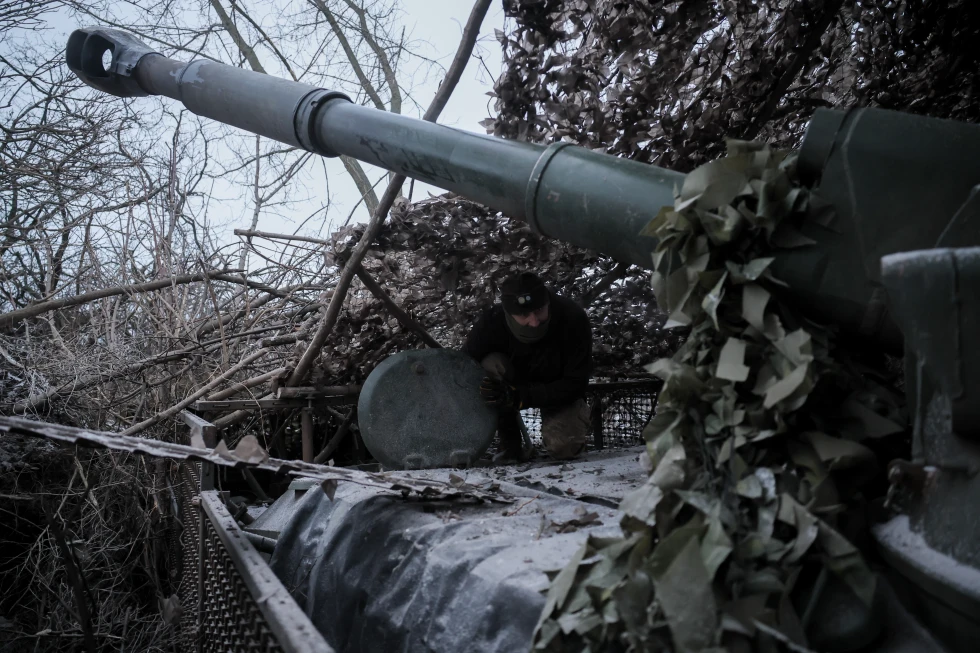
On the Zaporizhzhia front, Ukrainian soldiers said Russian reconnaissance drones were still operating over combat positions. That detail carried not only tactical weight but human weight as well: according to the troops there, the continued drone presence made it impossible to recover the bodies of the dead. It is in moments like these, as Daycom’s earlier analysis suggested, that the true price of grand humanitarian language becomes visible.
Formally, both sides accepted the Easter pause. Politically, neither side treated it as the beginning of a larger process. For the Kremlin, it offered a chance to present itself as the initiator of a brief humanitarian gesture without altering the broader military course. For Kyiv, rejecting it outright would have carried its own costs, but accepting it did not create any real security guarantees.
 Віряни несуть великодні кошики, проходячи повз знищену російську військову техніку, виставлену на Михайлівській площі після відвідування служби перед православним Великоднем під час 32-годинного припинення вогню, оголошеного Росією на тлі нападу Росії на Україну, у Києві, Україна, 11 квітня 2026 року — Аліна Смутко
That is why the ceasefire was fragile from the outset. It rested on no jointly enforced monitoring system, included no independent verification, and offered no credible procedure for responding to violations. In such a structure, every shot, every drone strike, every artillery round instantly becomes proof of the other side’s bad faith. A truce without an instrument of confirmation is not a pause in war. It is simply a new phase of accusation.
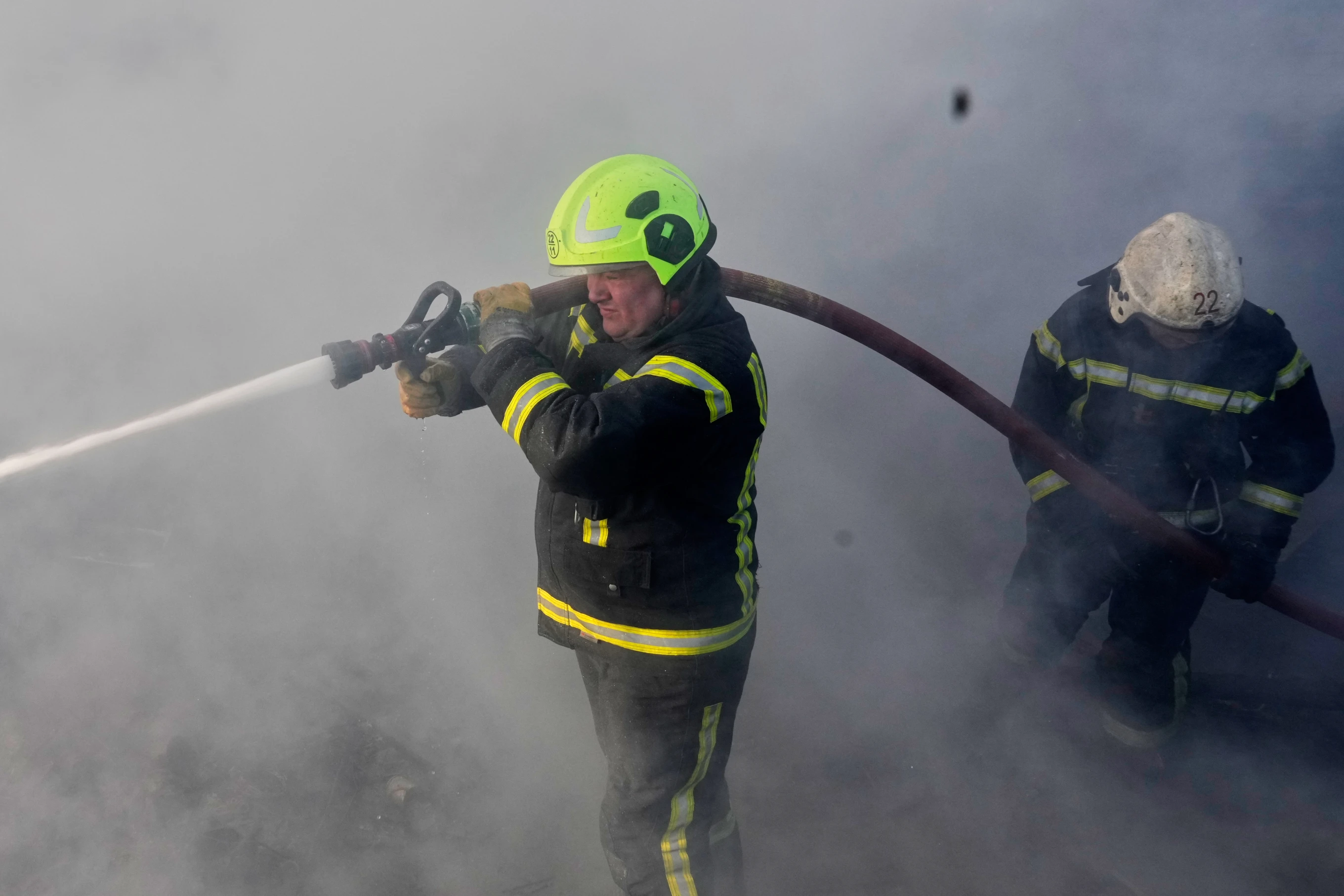
There is also a civilian dimension that cannot be ignored. Russian authorities reported wounded civilians in the Kursk region and fatalities in Belgorod. Ukrainian emergency officials reported injuries in the Kharkiv region after a drone strike. The pattern is painfully familiar. Border regions and frontline provinces remain spaces of permanent risk, where even a publicly declared ceasefire does little to alter the daily reality for civilians.
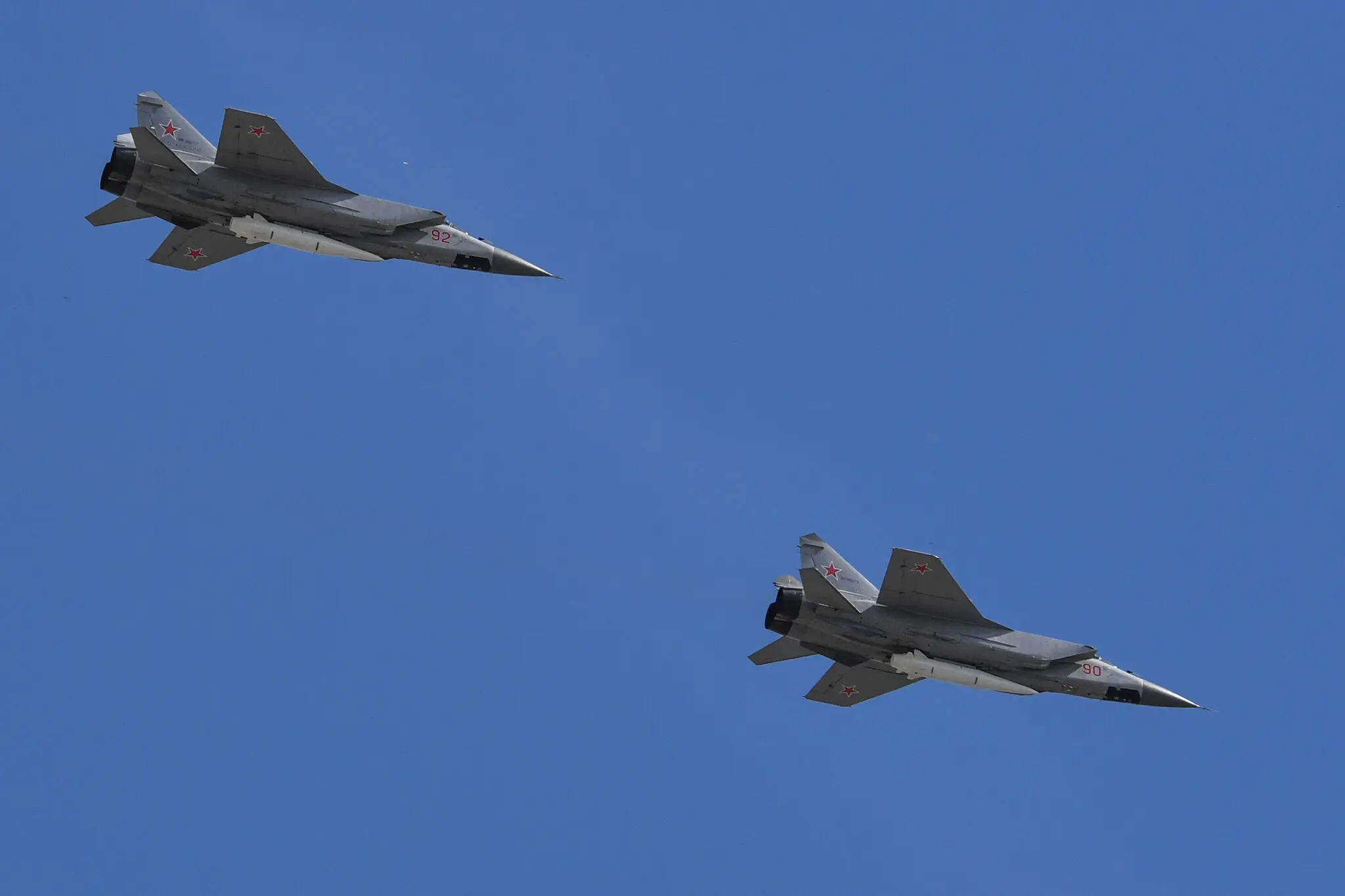
Another difficulty lies in the asymmetry of the modern battlefield itself. A ceasefire is far harder to sustain when the sky is crowded with surveillance and strike drones and the front stretches across hundreds of kilometers. Unmanned systems, artillery duels, localized assaults, and dispersed command structures make any short truce inherently brittle. Easter, diplomacy, humanitarian symbolism — all of it collides with the operational inertia of a war that no longer pauses easily.
More important still, Moscow and Kyiv attach fundamentally different meaning to any pause in fighting. Ukraine has repeatedly supported broader ceasefire ideas, to little effect. Russia, by contrast, has shown willingness only for tightly limited gestures that do not impose longer-term political obligations. In that sense, the Easter truce looked less like a step toward negotiations than like another episode in a grinding war of attrition, where even silence can be used as a positioning tool.
 Жінка запалює свічку під час служби напередодні православного Великодня, під час 32-годинного припинення вогню, оголошеного Росією, всередині Михайлівського собору на тлі нападу Росії на Україну, у Києві, Україна, 11 квітня 2026 року — Аліна Смутко
That is why the language of a “humanitarian gesture” carries a double meaning. If combat is expected to resume the moment the allotted time expires, and troops are simultaneously instructed to remain ready for alleged provocations, then the gesture loses most of its peace-making value. It ceases to function as a bridge. It becomes a brief political stage set behind which the architecture of war remains entirely intact.
The Easter ceasefire was supposed to suggest that even in a brutal war there is still room for pause. Instead, it demonstrated something harsher: without trust, monitoring, and shared rules, no pause survives beyond its first hours. For Russia and Ukraine, this was more than a holiday episode. It was a compressed portrait of the war’s current phase — defined by drones, competing narratives, broken humanitarian expectations, and the absence of any political mechanism capable of turning symbolic silence into a real cessation of fire.