



















Ukraine’s army is entering the fifth year of full-scale war with a problem that cannot be solved by drones, shells or new brigades alone. The shortage is not just manpower in the abstract. It is infantry — the soldiers who hold tree lines, trenches, ruined villages and city outskirts under constant fire.
The reform announced by Kyiv is expected to begin in June. In May, the government plans to finalize the key elements: a new pay system, special infantry contracts, clearer service rules, rotations and a gradual discharge mechanism for those who have served the longest.
This is not a cosmetic adjustment. Ukraine is trying to rewrite the unspoken contract between the state and the soldier at a moment when peace talks have stalled and Russia continues to press along the front. If there is no quick political end to the war, the army must learn to fight longer — but also more fairly.
According to Daycom’s earlier analysis, the central point of the reform is the recognition of exhaustion. The state can no longer rely only on the patriotic surge of 2022. It must offer soldiers defined terms of service, fair pay, rotations and a clear sense that front-line infantry is not disposable.
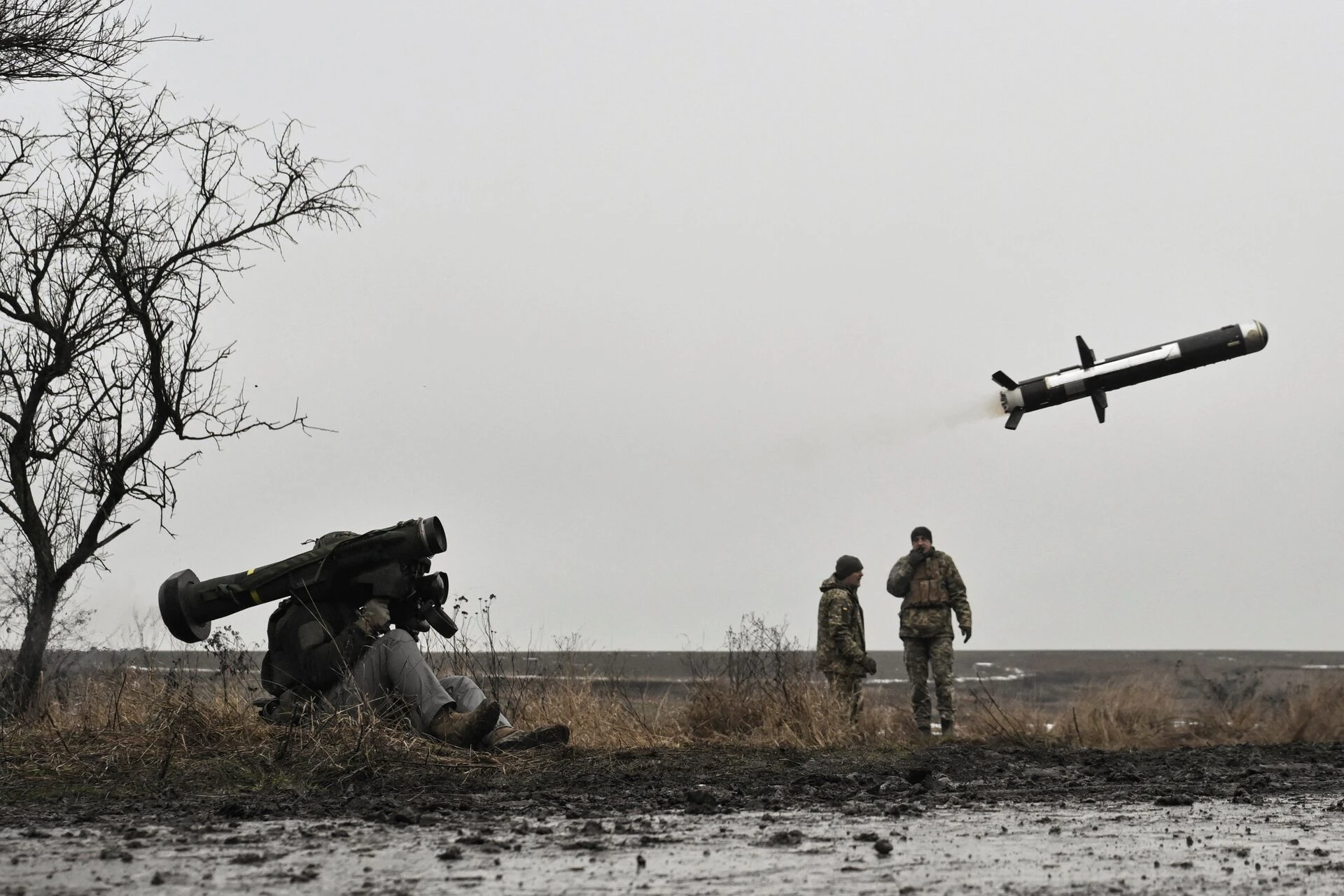
President Volodymyr Zelenskyy singled out infantry troops in particular. They perform one of the most dangerous and least desirable roles in modern war: holding the line under FPV drones, artillery, mortars, glide bombs and small assault groups. A Ukrainian infantryman, he said, must feel that the state truly respects him.
Under the new model, minimum pay for non-combat positions is expected to rise to at least 30,000 hryvnias a month. For combat roles, payments should be several times higher. Separate infantry contracts would provide between 250,000 and 400,000 hryvnias, depending on combat assignments.
Those figures matter not only as compensation for risk. They are meant to change the logic of service. Infantry cannot remain the hardest and least attractive part of the army. If the state wants to keep soldiers in the ranks and attract new ones, it must pay for real danger, experience and performance — not just formal status.
The reform is also expected to affect commanders, combat sergeants and officers. These are the people who keep units from breaking down under exhaustion, personnel shortages and the enemy’s changing tactics. When an experienced commander sees no reason to remain in the system, the army loses more than one person. It loses a school of survival.
The most painful issue is the length of service. Most soldiers mobilized after 2022 have no clear date for returning home. For many families, war has become uncertainty without a horizon: service stretches on for years, rotations remain uneven, and a legal mechanism for releasing the longest-serving troops is still politically difficult.
The authorities are now promising movement toward defined service terms and phased discharge for earlier mobilized soldiers based on transparent time criteria. This is one of the most sensitive questions in the country. Every decision affects the front, military families, mobilization, the budget and public trust at the same time.
The dilemma is harsh. Demobilization without replacements could weaken the front. Mobilization without fair rules corrodes trust in the state. Ukraine is searching for a balance between those two risks. The war needs people, but people need a boundary beyond which service does not feel like an indefinite sentence.
Defense Minister Mykhailo Fedorov has described the changes as a systemic transformation. The issue is not only salaries, but a new contract model, transparent rotation rules, new approaches to staffing units and further digitalization. For him, this is part of a broader attempt to make mobilization less chaotic and less arbitrary.
Mobilization has become one of the most divisive domestic issues of the war. At the start of the invasion, the army drew on a powerful wave of volunteers. Over time, that enthusiasm weakened, while public tension grew over complaints about training, support, unequal rules and heavy-handed actions by recruitment officers.
That is why the new contracts must do more than fill vacancies. They must restore predictability: who serves, for how long, under what pay, with what guarantees, and when a soldier can be transferred, rotated or discharged. Without that clarity, mobilization will increasingly be seen as coercion rather than a shared duty of defense.
The financial burden will be heavy. Ukraine depends on foreign assistance, repeatedly adjusts its budget for military needs and must simultaneously fund drones, ammunition, air defense, fortifications, medical care, reconstruction and social payments. Higher military pay will inevitably place more pressure on state finances.
But saving money on infantry can cost more in the end. An undermanned unit loses positions. An exhausted soldier makes mistakes. A commander without reserves is forced to keep people at the edge of collapse. In a war of attrition, manpower is not only a moral issue. It is the foundation of operational stability.
The reform comes at a moment when diplomacy offers no quick result. Ukraine cannot build its defense on the assumption that an agreement is near. If talks fail or drag on, the army needs a model capable of withstanding another season, another campaign and another wave of Russian pressure.
June will therefore be the first real test for the authorities. Not statements, but early results will show whether the state can move from promises to mechanisms. Soldiers will not be waiting for new rhetoric. They will be waiting for clear orders, payments, schedules, contracts and rules that work in actual units, not only on paper.
Ukraine’s army has already proved that it can withstand a stronger enemy. Now the state must prove to the army that it can change under the pressure of war. The front is held not only by weapons and willpower, but by a sense of fairness. Once that disappears, exhaustion becomes not only physical, but political.