



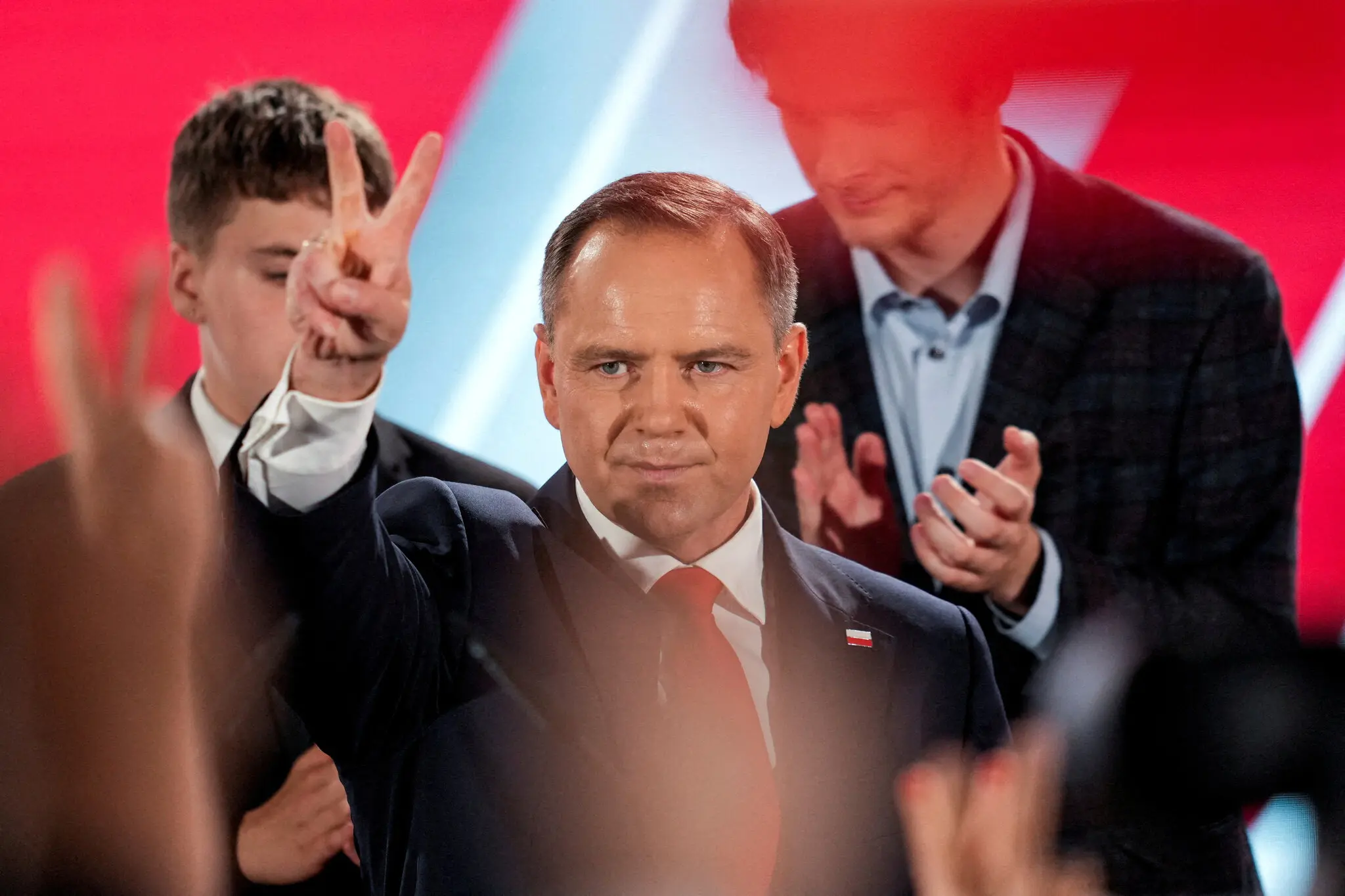
















For Russia, Crimea has always been more than territory. It has been a promise. After the 2014 annexation, Moscow presented the peninsula as proof of imperial return, resort normality and military invulnerability. Crimea was meant to look stable even as a major war burned around it.
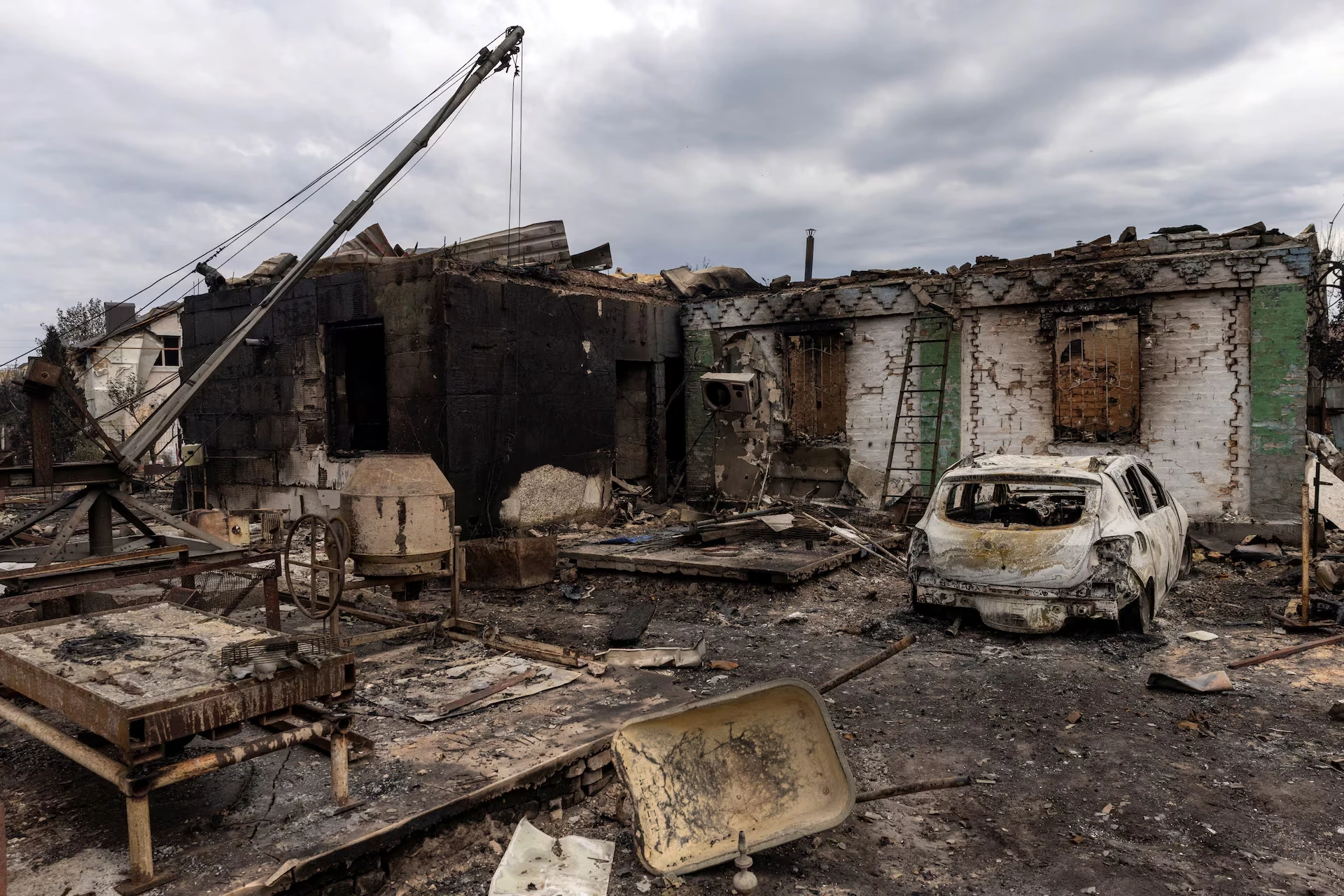
Now that structure is cracking not from one dramatic blow, but from dozens of smaller ones. Ukrainian drones are striking fuel trucks, bridges, roads, oil depots, ferry infrastructure and supply routes. What Russia called its “land corridor” to Crimea increasingly looks like a long, exposed target.
At the center of this campaign is the idea of a logistics lockdown. Ukraine is not storming Crimea directly, but it is trying to make the peninsula less usable as a military hub. If Crimea cannot reliably receive fuel, ammunition, equipment and repair resources, its value to the Russian army sharply declines.
For Daycom, this story matters because it shows how modern war is changing the meaning of encirclement. In the past, a blockade meant troops forming a ring, artillery controlling roads and physical occupation of routes. Now it can be made of drones, damaged bridge spans, videos of burning fuel trucks and long lines at gas stations.
Crimea’s geography has always been its weakness. The peninsula is separated from Russia by the Kerch Strait and connected to mainland Ukraine through narrow crossings at Chonhar, Armyansk and Perekop. That is why Russia was so determined after 2022 to hold southern Ukraine: without that “land bridge,” Crimea remains dependent on a few vulnerable arteries.
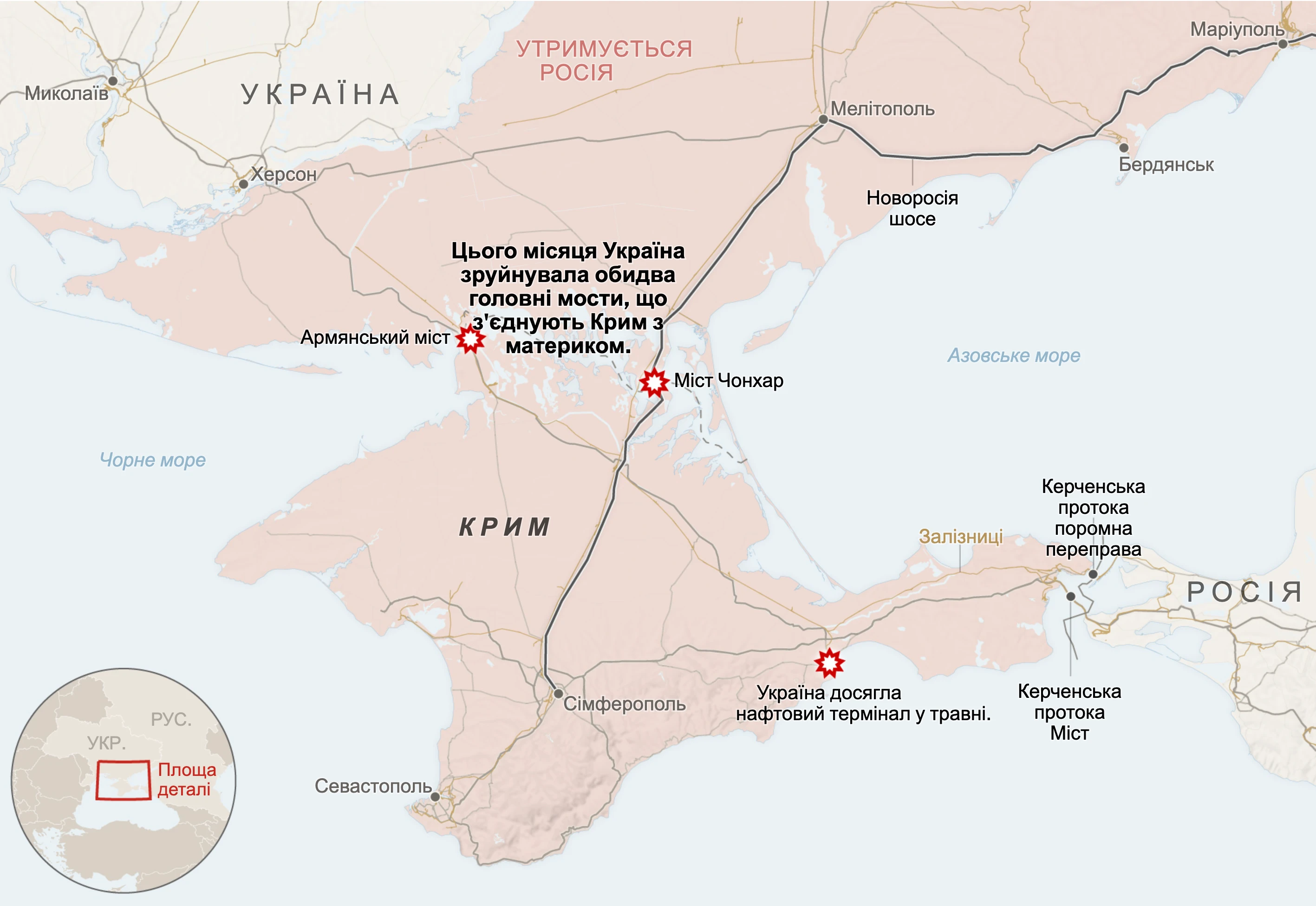 Територія, що утримується Росією, станом на 11 червня 2026 року — Джерело: Інститут вивчення війни та Проєкт критичних загроз AEI
Ukraine is now pressing precisely on those arteries. The Chonhar bridge, northern Crimean crossings, sections of the R-280 highway that Russia calls “Novorossiya,” and routes between Rostov, Mariupol, Berdiansk, Melitopol and the peninsula have all come under pressure. Damage to bridges forces Russia to seek detours, build temporary crossings and stretch supply lines.
On a map, this looks like transport geometry. In real life, it means fuel that never arrives, a convoy that stops, a military truck exposed on an open road, a tourist unable to leave a resort, and a gas station with its price board switched off. This is how logistics turns into politics.
Ukrainian units describe the route as deadly for Russian transport. Drone commanders have spoken of a sharp drop in cargo traffic since the campaign began. Even a partial reduction in movement creates a chain effect: less fuel, slower deliveries, longer routes and a greater need for protection.
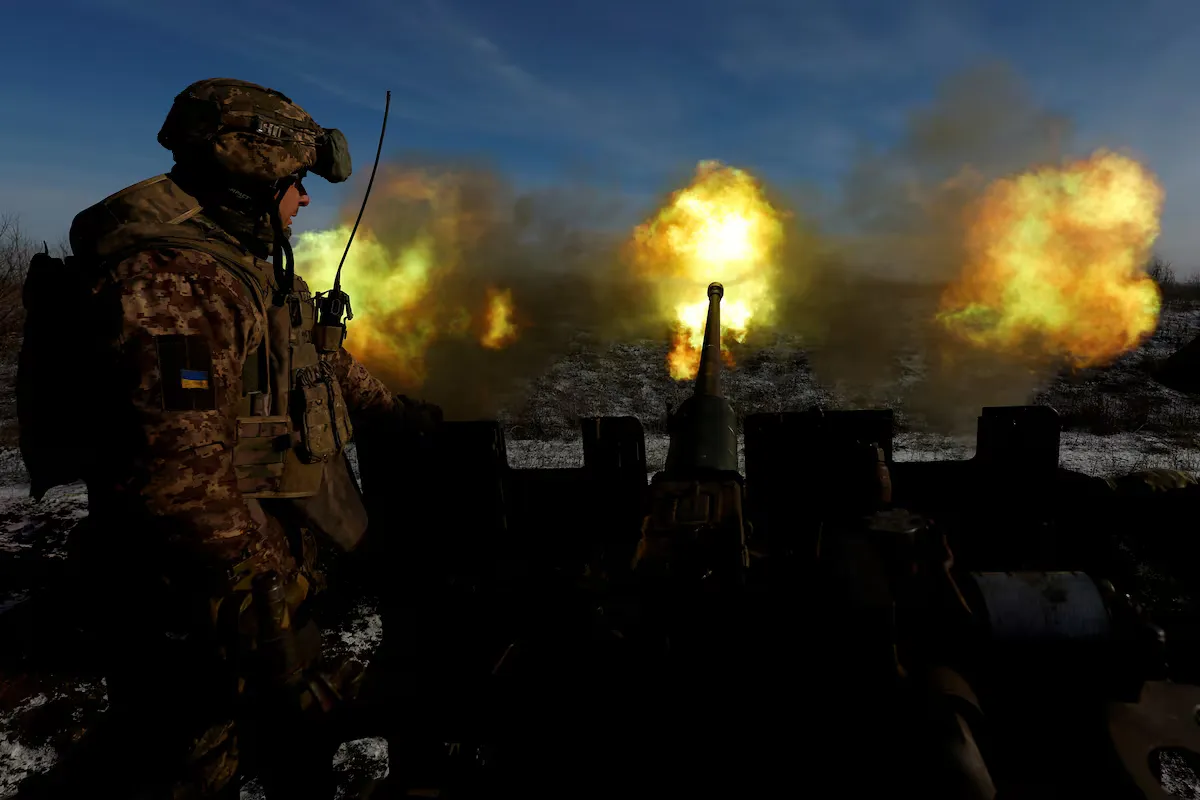
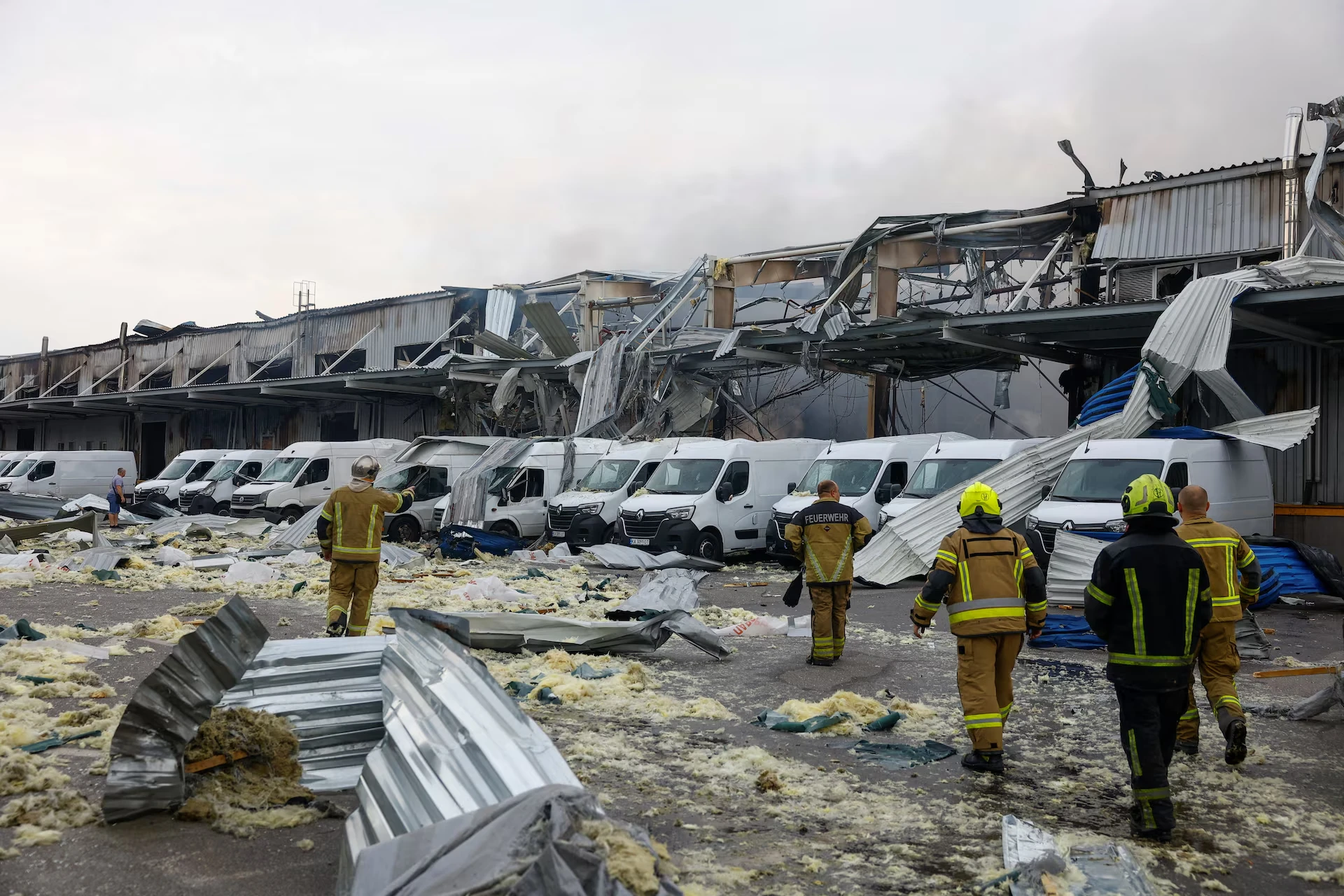
Drones have become the main instrument of this shift. Ukraine uses medium- and long-range systems capable of hitting not only front-line targets, but logistics dozens or even hundreds of kilometers behind the lines. Their power lies not only in explosives, but in numbers, low cost and the ability to force Russia to defend every road as if it were a military facility.
For Russia, this creates a problem of scale. A bridge can be defended. Every approach to it is harder to protect. Air defenses can be reinforced around Sevastopol. Covering every fuel truck on the road between occupied southern Ukraine and Crimea is far more difficult. A pontoon bridge can be repaired. But no one can guarantee that the next drone will not strike the next line of vehicles.
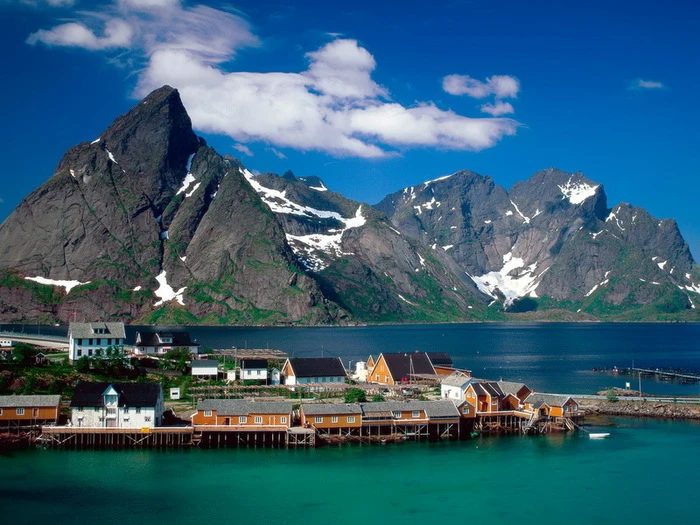
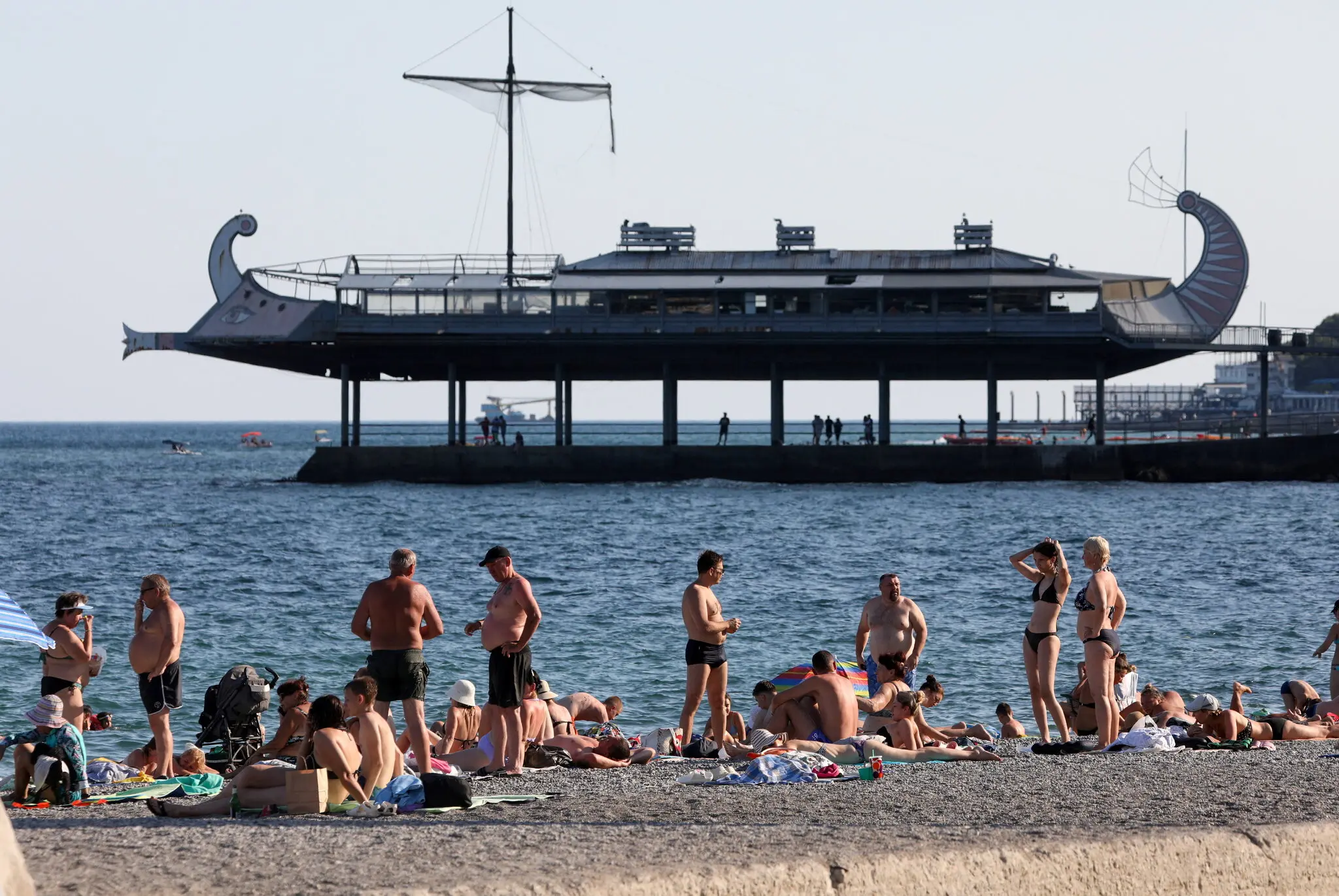 Чорноморське курортне місто Ялта, Крим, у серпні. Півострів має велике символічне та політичне значення для Кремля; переривання ліній постачання руйнує ілюзію безпеки там — Олексій Павлішак
The most visible civilian consequence has been a fuel crisis. In occupied Crimea and Sevastopol, authorities have imposed limits on gasoline sales; some gas stations have run out of popular fuel grades; drivers have waited for hours in lines; and sales have at times stopped completely. Local officials have tried to describe the problem as panic buying, but the very need for rationing already undermines the image of normality.
Fuel shortages carry particular weight in Crimea. The peninsula is not a self-sufficient economy. It depends on the delivery of fuel, food, construction materials, military cargo and tourists. When logistics falters, it is not only the army that feels it. So do families trying to fill a car, businesses waiting for deliveries and hotels facing cancellations.
The tourist season has become a separate blow to Russia’s mythology of Crimea. Moscow has long used holidays on the peninsula as proof of a “return to normal life.” Lines at gas stations, air-raid sirens, nighttime restrictions, burning fuel trucks and local business owners advising visitors not to come all erode that image. A resort where people have to hunt for gasoline stops feeling like a resort.
Canceled bookings, reports of tourists unable to leave because of fuel shortages and panic purchases of basic goods show how quickly military logistics enters civilian life. A shortage does not have to be total to change behavior. Uncertainty is enough: Will there be gasoline tomorrow? Will the bridge work? Is the road safe?
That uncertainty is the strategic product of the campaign. Ukraine does not have to physically close every route into Crimea to change Russia’s calculations. It is enough to make each route expensive, slow and risky. In a war of attrition, that can matter almost as much as the direct destruction of equipment.
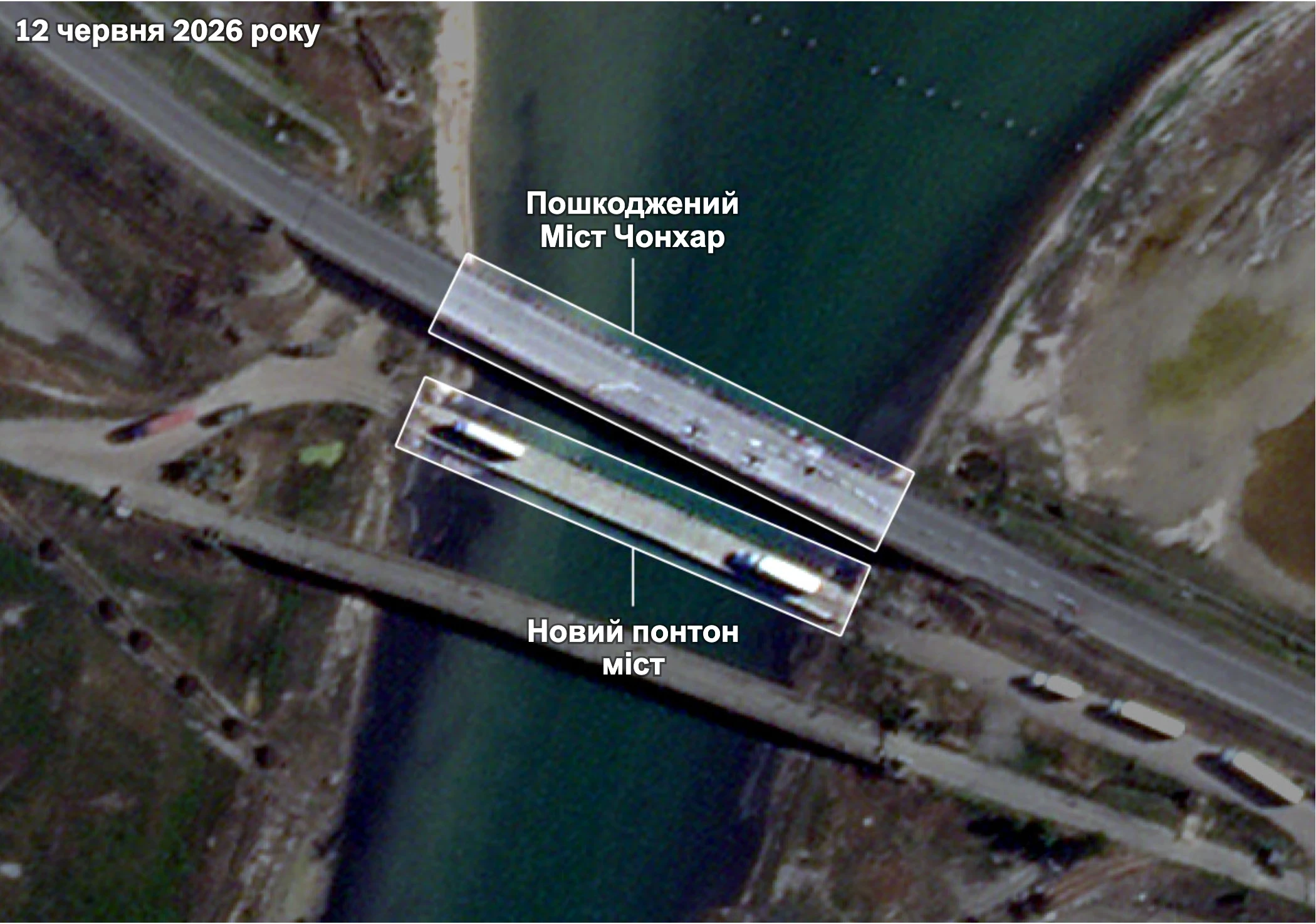 Супутникові знімки, зроблені наприкінці минулого тижня, показали понтонний міст, який Росія встановила після того, як один з мостів зазнав критичних пошкоджень — Джерело: Planet Labs
The Kerch Bridge remains the central symbol of this vulnerability. Russia built it as a monument to annexation and as transport proof that Crimea had supposedly been permanently stitched to the Russian Federation. But after previous Ukrainian strikes, the bridge can no longer perform every logistical function without restrictions, and fuel transport across it has become especially sensitive.
Ferry infrastructure is also under pressure. If the bridge cannot fully cover supply needs, and ferries or rail crossings become targets, Russia is forced to stretch supply through occupied southern Ukraine. That is where Ukrainian drones find the greatest number of targets: convoys, fuel vehicles, repair trains and transport nodes.
The military logic is clear. Crimea is the base of the Black Sea Fleet, the rear area for the southern front, a storage zone, an air-defense platform and a launch point for missiles and aviation support. If its supply becomes unstable, Russia faces problems not only on the peninsula, but also in Kherson, Zaporizhzhia and parts of Donetsk region.
But there is also a political logic. Crimea is one of Vladimir Putin’s central trophies. The 2014 annexation became a pillar of his domestic legitimacy. Every gasoline line, every video of a burning truck and every report of a ruined vacation strikes not only at logistics, but at the image of a state that “returned” the peninsula forever and can protect it.
Ukraine’s strategy does not guarantee a quick result. Russia can adapt: build pontoons, change routes, strengthen escorts, move at night, disperse depots and redeploy air defenses. Any drone-based logistics blockade requires mass, intelligence, repetition and constant tactical adaptation.
Yet repetition is the key. One strike on a bridge can be treated as a repair problem. Ten strikes on routes become a regime. One burned fuel truck is an episode. Dozens of burning vehicles produce new driver behavior, new insurance risks, new military orders and new costs for protection and reconstruction.
Ukraine is expanding drone production and setting increasingly ambitious goals. That means the battle for Crimea may become not a short campaign, but a long process of compression. The peninsula may not be cut off in a single blow. It may instead be gradually turned into a place where fuel, equipment, ammunition and the feeling of safety become harder and harder to deliver.
For civilians, this is the most dangerous part of the war. Occupation authorities try to calm the population, but their reassurances increasingly sound like instructions for restriction: do not stand in lines, do not buy more than the limit, do not ride motorcycles at night, do not spread panic. Normality is replaced by administrative management of fear.
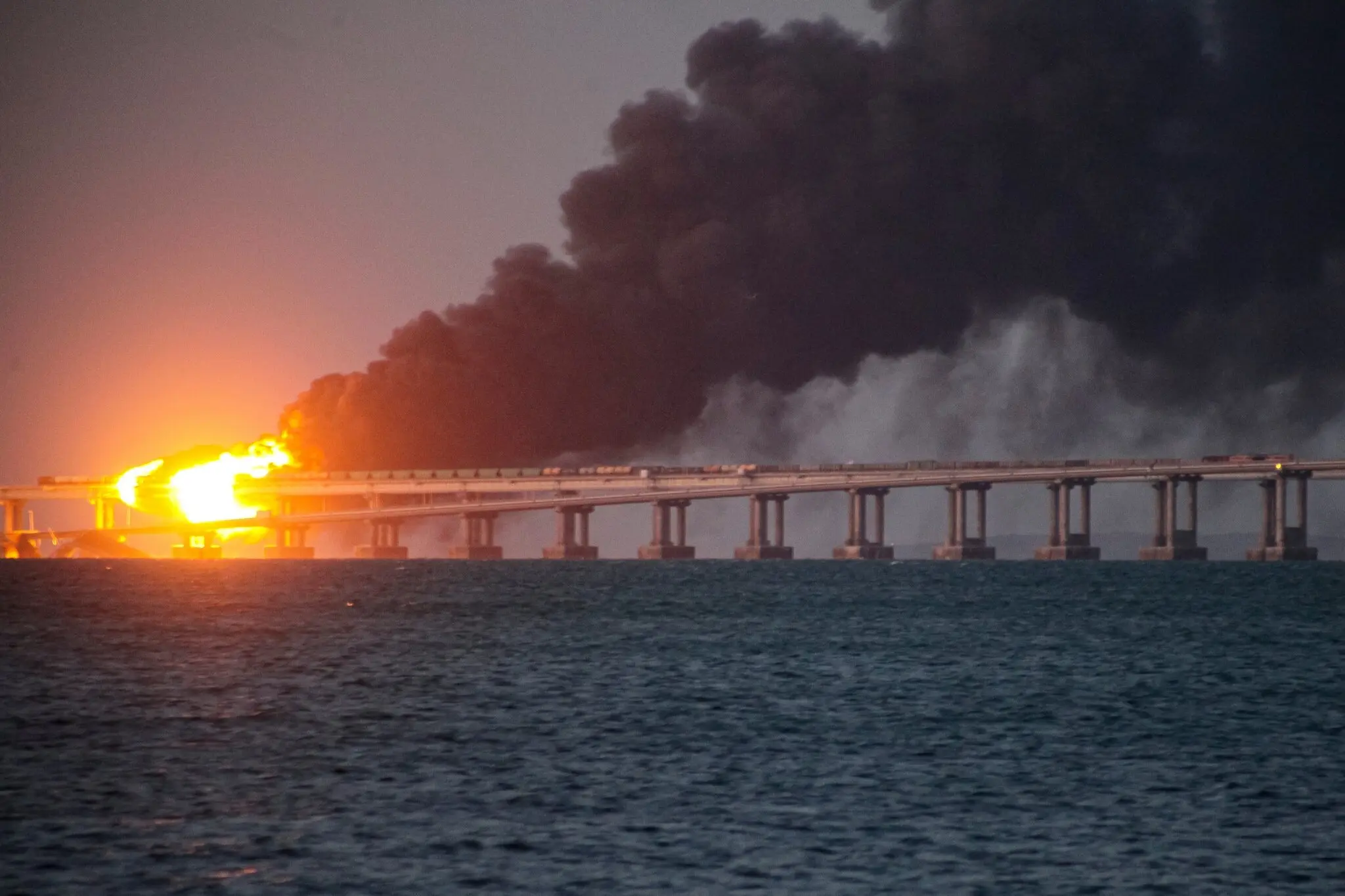 Міст через Керченську протоку, що з'єднує материкову частину Росії та Кримський півострів, був пошкоджений внаслідок вибуху автомобіля, здійсненого Україною у 2022 році — чернз Associated Press
None of this changes Crimea’s legal status. The peninsula remains occupied Ukrainian territory that Russia has turned into a military base. That militarization has made it a legitimate target of Ukrainian military strategy. But the more tightly military infrastructure is fused with civilian space, the more painful the consequences become for daily life.
Russia created this trap itself. It seized Crimea, built the bridge, carved a land corridor through occupied Ukrainian cities, brought in bases, fleets, depots, missiles and fuel. Ukraine is now striking the system that sustains the occupation. And it turns out that an imperial symbol depends on very earthly things: roads, tankers, pontoons and diesel.
The logistics blockade of Crimea is not yet complete. The peninsula is not fully isolated, the Russian army has not lost every route, and fuel shortages do not mean immediate military collapse. But the campaign has already achieved another effect: it has stripped Crimea of its status as a protected rear.
Now every road to the peninsula is a question of risk. Every fuel truck is a potential target. Every bridge is a temporary advantage until it is hit again. Every tourist season is a test of whether a holiday can still be sold in a place where the war is heard in a line for gasoline.
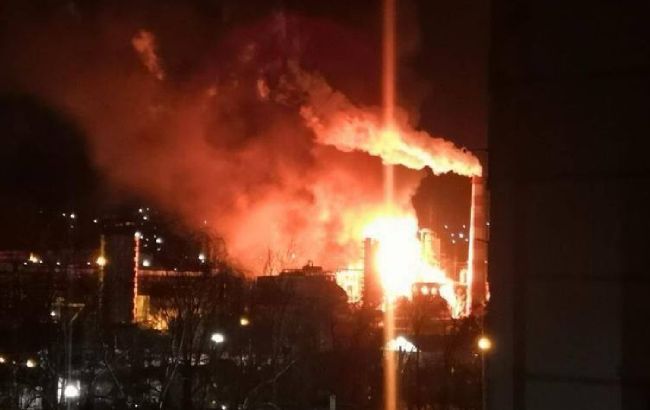
This is what modern isolation of territory looks like: not necessarily a ring of tanks, but the exhaustion of routes. Ukraine is not merely setting fuel trucks on fire. It is setting fire to Russia’s central myth of Crimea as a safe, final and untouchable trophy. And as price boards go dark at gas stations in Simferopol and Sevastopol, that myth burns alongside the fuel convoys on the roads to the peninsula.